
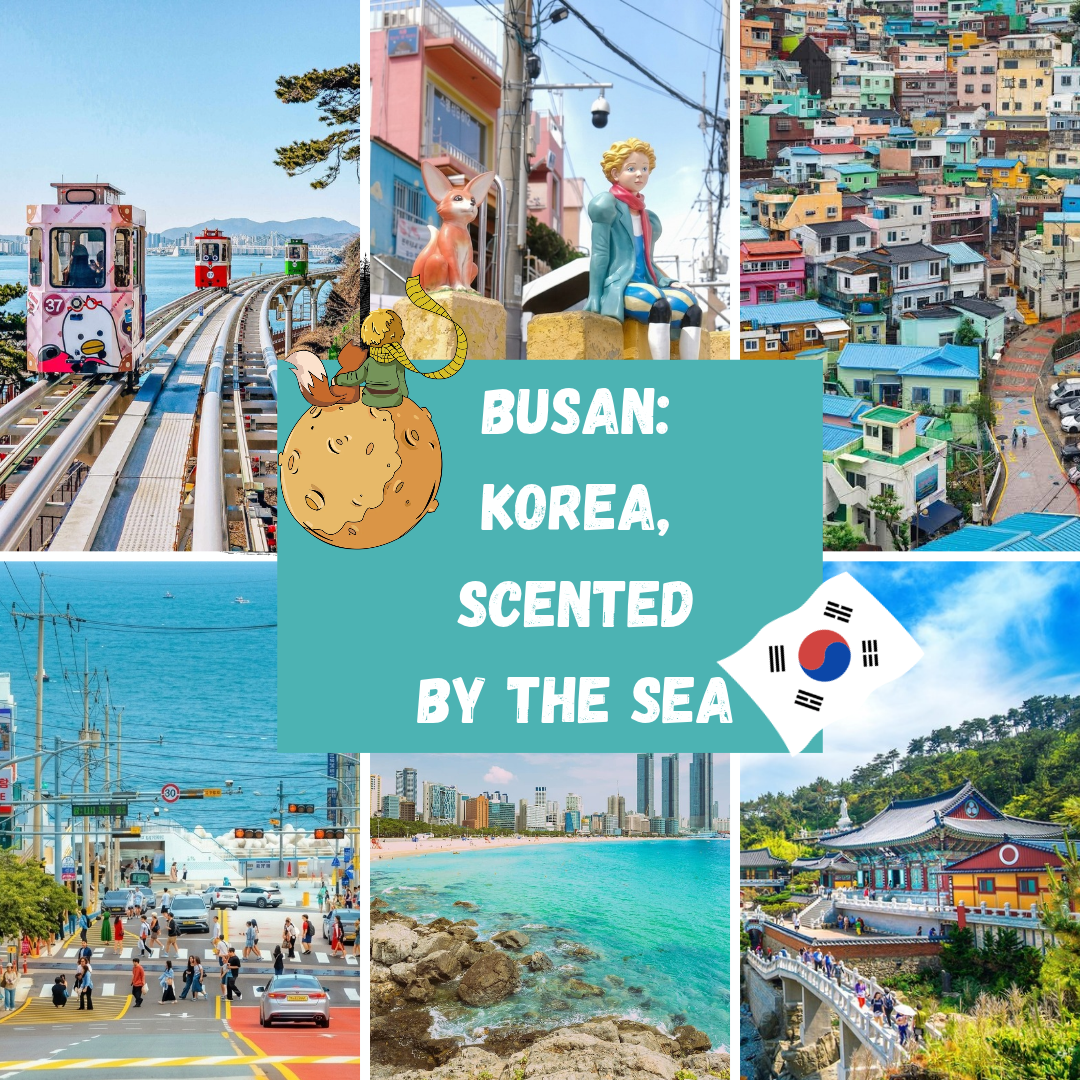
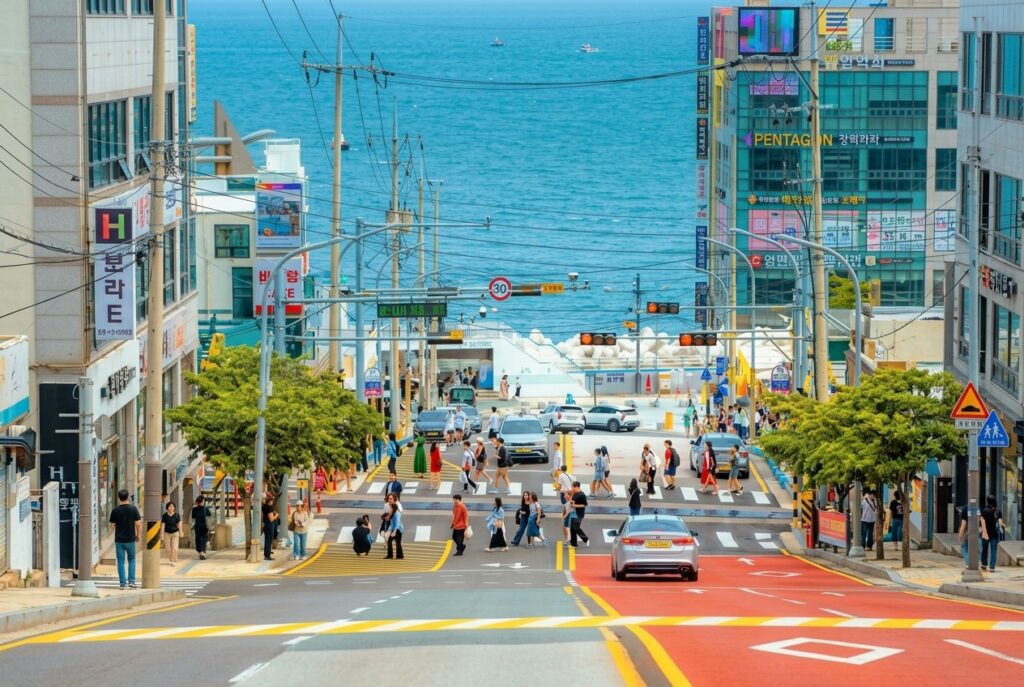
When you first arrive in Busan, you feel as though you’ve stepped into a completely different Korea. Seoul is fast-paced, noisy, modern, and somewhat relentless. You are constantly on the move there—searching for things, discovering new cafes, shops, galleries, beauty spots, and neighborhoods that come alive at night even more than during the day. Busan is different. It is still a massive Korean city, but it has one major advantage: the sea. And the sea is everywhere here.
It appears between skyscrapers, around bends in the road, along coastal paths, near temples, and in small fishing villages. In some places, the water is blue and calm; in others, it crashes against the rocks, churning up white foam. It is precisely this presence of the sea that gives Busan an atmosphere you won’t find in Seoul.
So, if you are planning a trip to South Korea, I certainly wouldn’t treat Busan as just a day trip from Seoul. Ideally, you should spend at least three days there. Only then do you have a chance to understand why this city holds such importance for Koreans. And what should you see in Busan? Start with the places that practically everyone knows.
GAMCHEON CULTURE VILLAGE
You would recognize this village instantly from photographs. Colorful houses are clustered together on a steep hillside, creating one of Busan’s most photographed scenes. Yet Gamcheon is more than just a pretty backdrop; its history is far more complex.
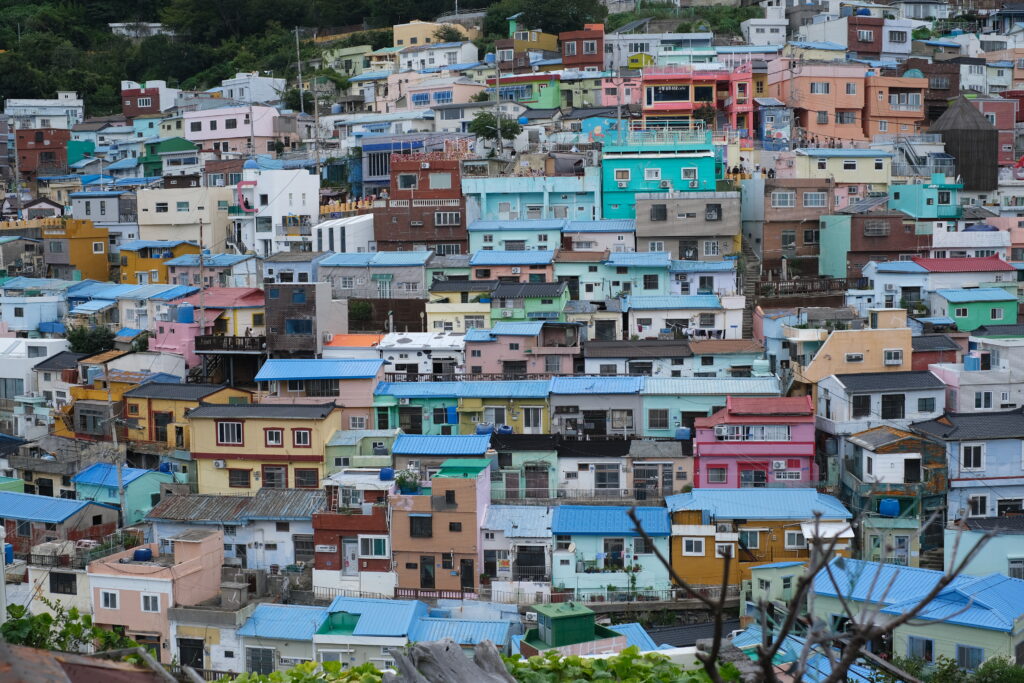
The first settlements on the mountain’s steep slopes began to emerge during the Japanese occupation of Korea. At that time, municipal authorities relocated poorer working-class families—who worked in the nearby port—to this area to move them out of the city center.
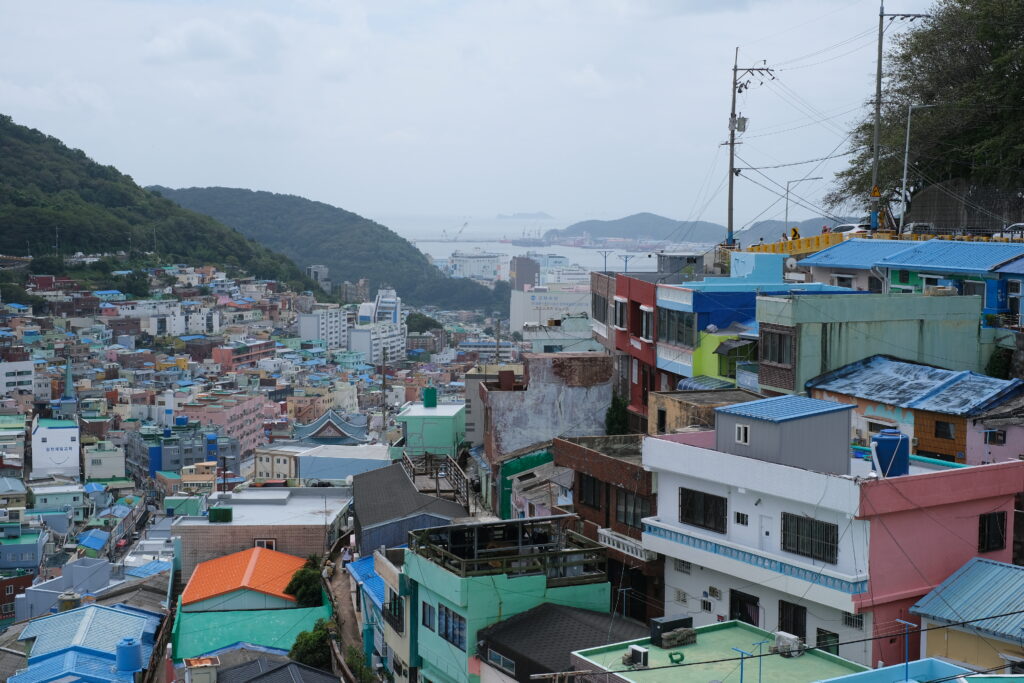
Later, this neighborhood underwent extensive revitalization, involving both artists and local residents. Today, you will find small galleries, cafés, shops, and art installations here.
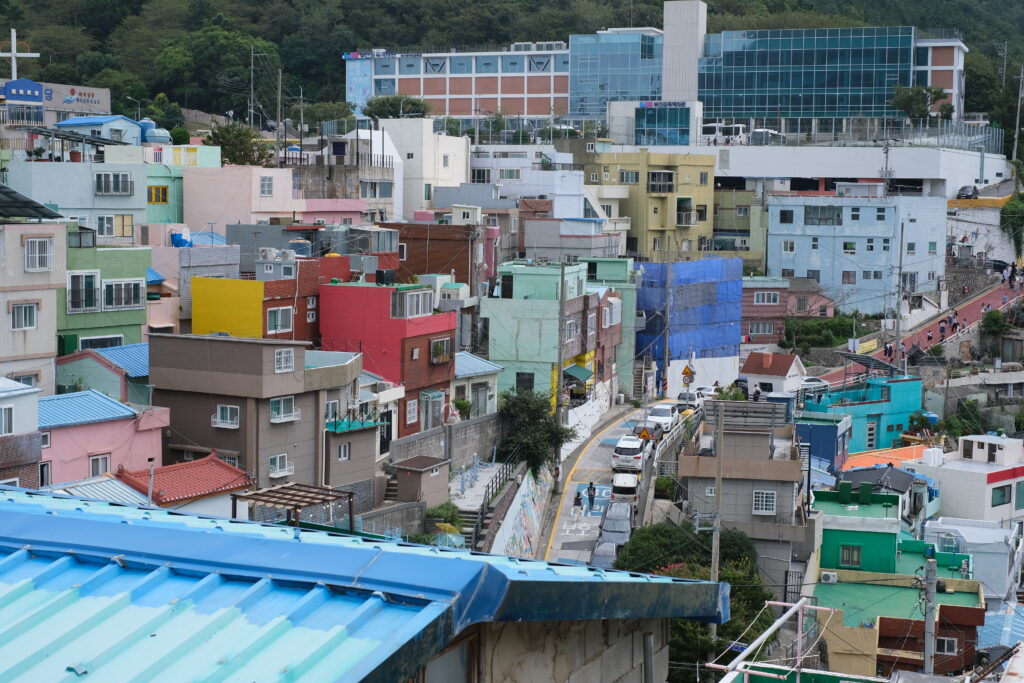
And in my opinion, the best thing to do is get lost here. Don’t just go where the crowds of tourists lead you; turn off into a small side street. Climb a few steps. Turn around. And suddenly, the whole city lies beneath you.
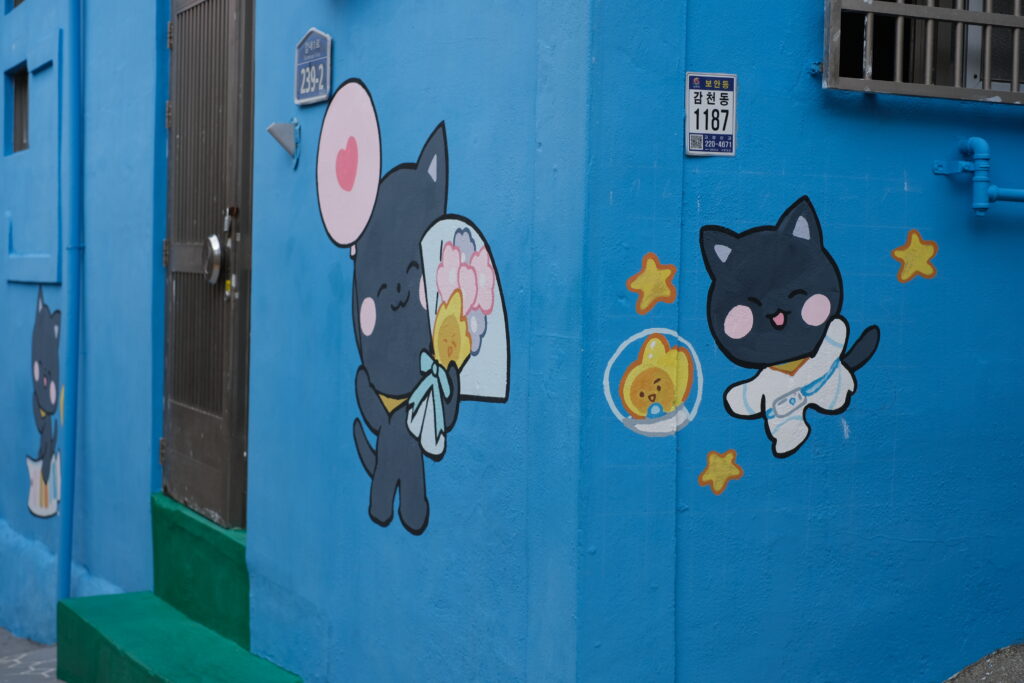
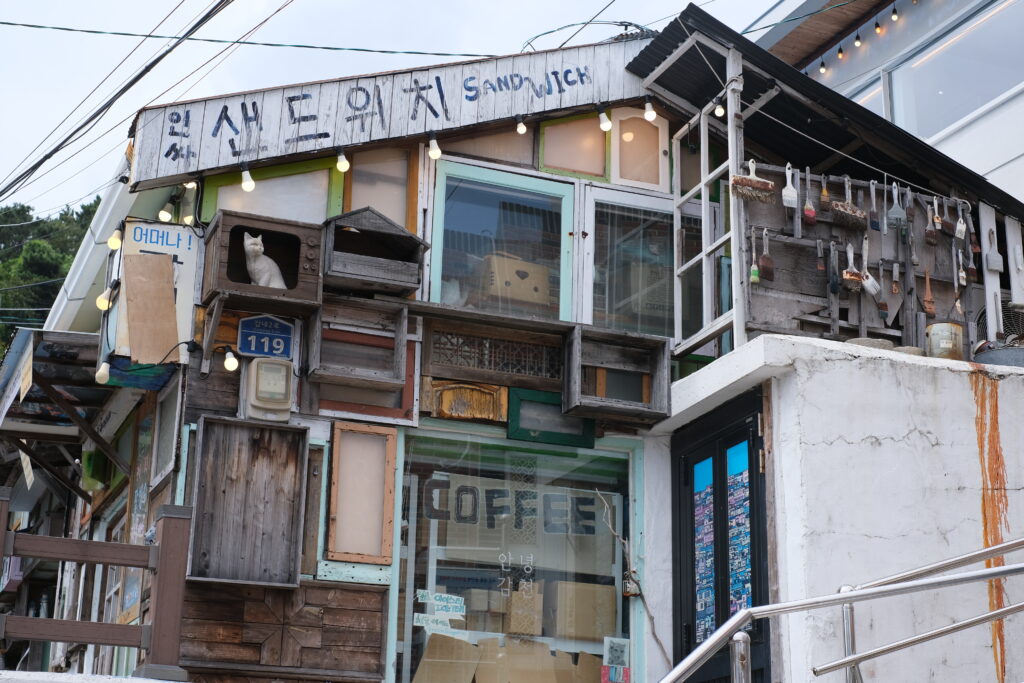
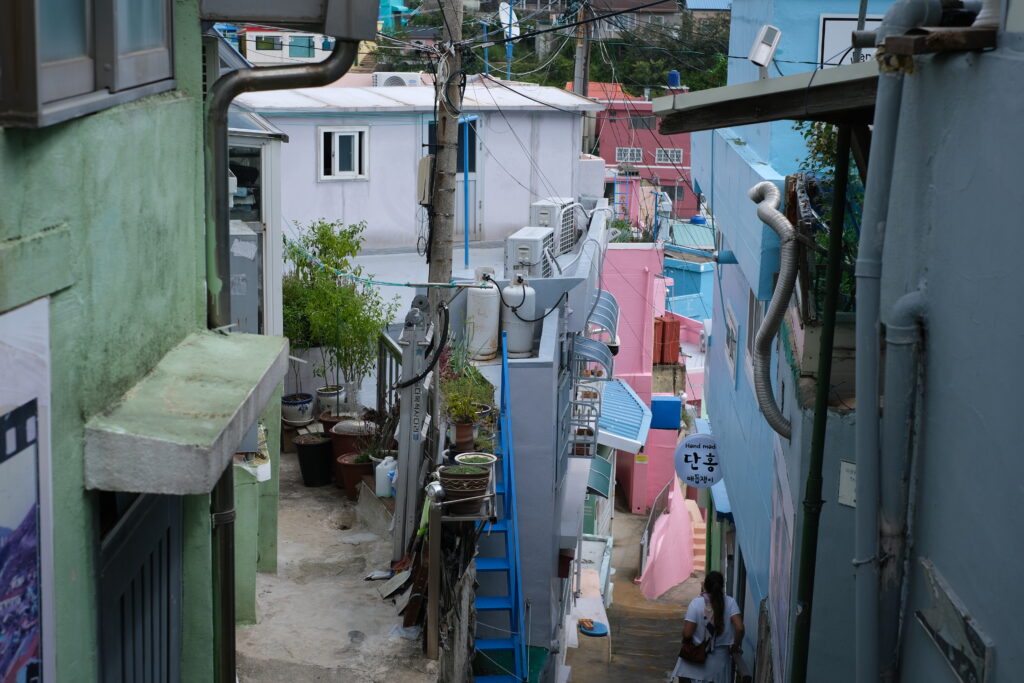
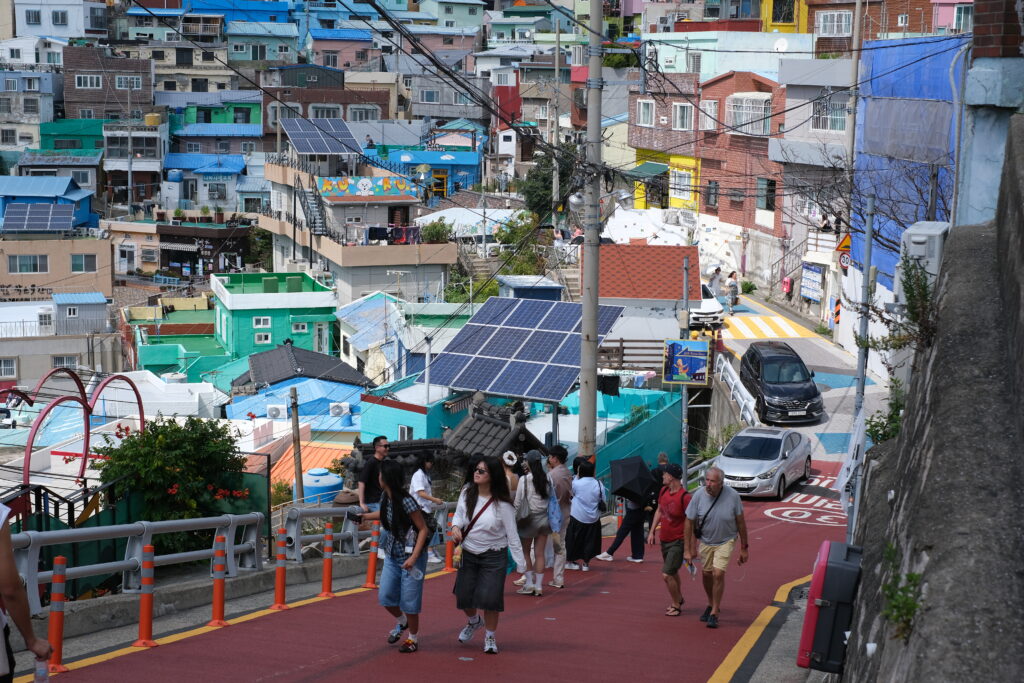
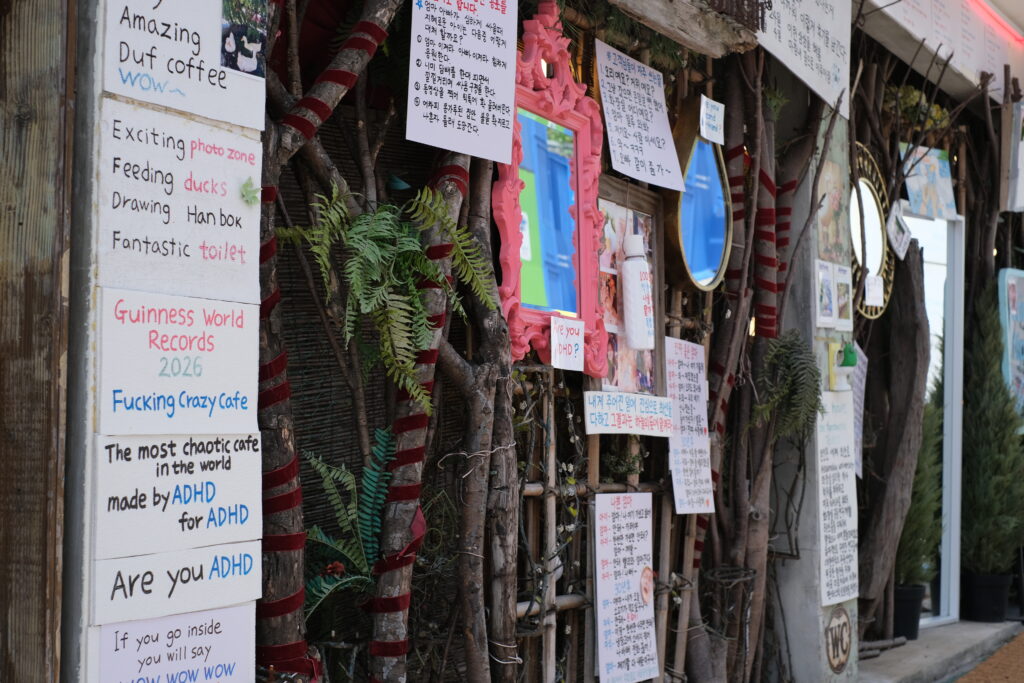
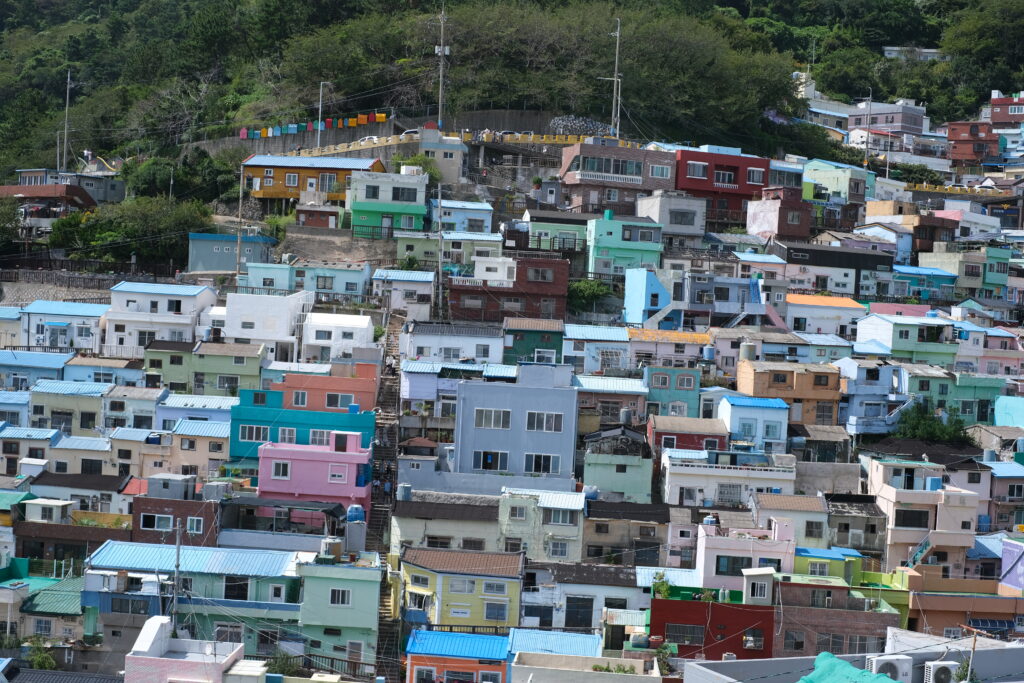
Gamcheon is a place where you come to understand just how unique Busan’s architecture is. The houses are built into the hillside, stacked one above the other, with staircases and narrow alleyways winding between them. It is a bit of a chaotic scene—but a beautiful chaos.

WHY DO KOREANS LOVE THE LITTLE PRINCE?
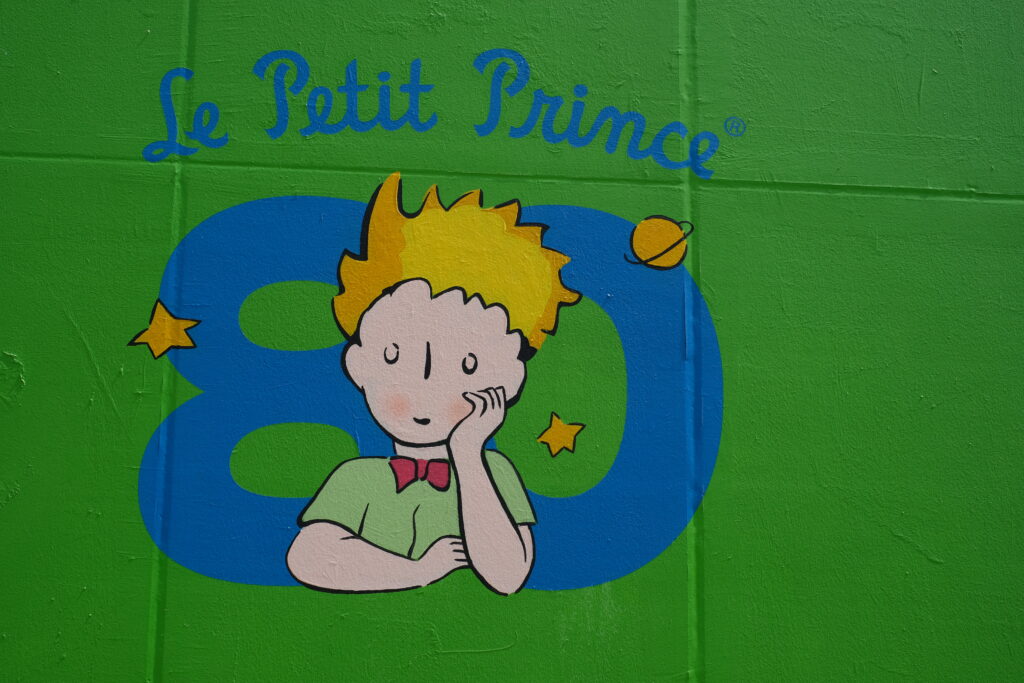
When the city decided to revitalize this drab neighborhood in 2009 using color and art, architects sought a universal symbol of hope. They chose the Little Prince—a wanderer who discovers forgotten and overlooked places and finds hidden beauty within them. Korean lifestyle is defined by immense pressure to perform, succeed, and advance one’s career. The story of the boy who reminds adults that “what is essential is invisible to the eye” serves as a therapeutic reminder for weary Koreans of values they had forgotten in adulthood.
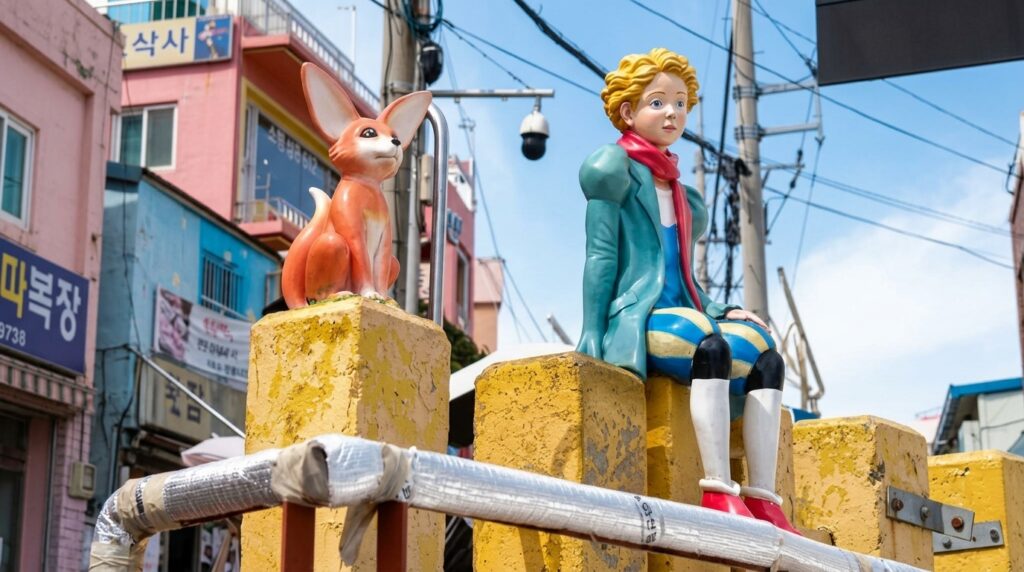
One of the installations, a statue of the Little Prince sitting on a wall with his fox, gazing down at the colorful houses below—has become such a massive hit on Instagram that it has transformed all of Busan into the unofficial Little Prince capital of Asia. Nowadays, people even wait in line for up to an hour to take a photo with the statue.
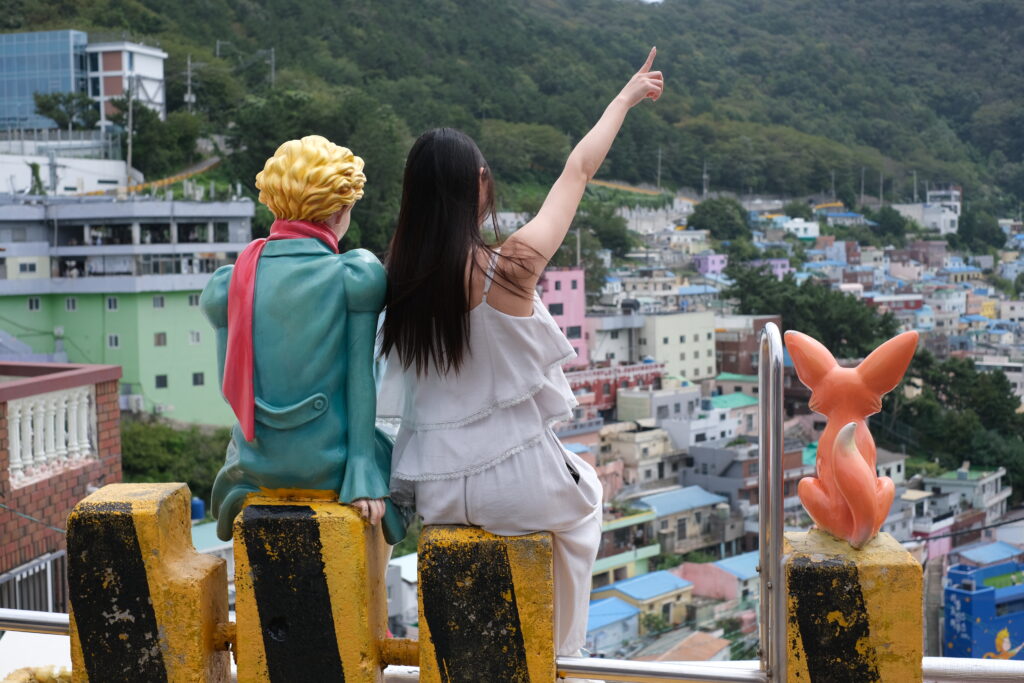
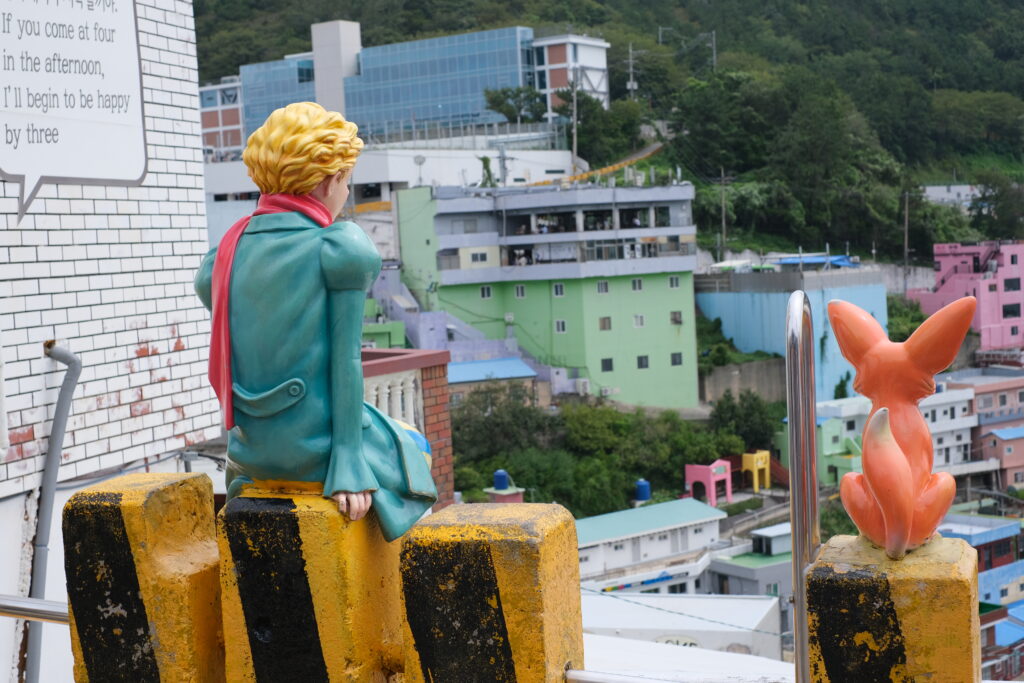
The statue of the prince sitting on a low wall and gazing down at the colorful houses in the valley draws long lines of tourists eager to take a photo. The statue of the Little Prince symbolizes friendship, innocence, imagination, and travel.
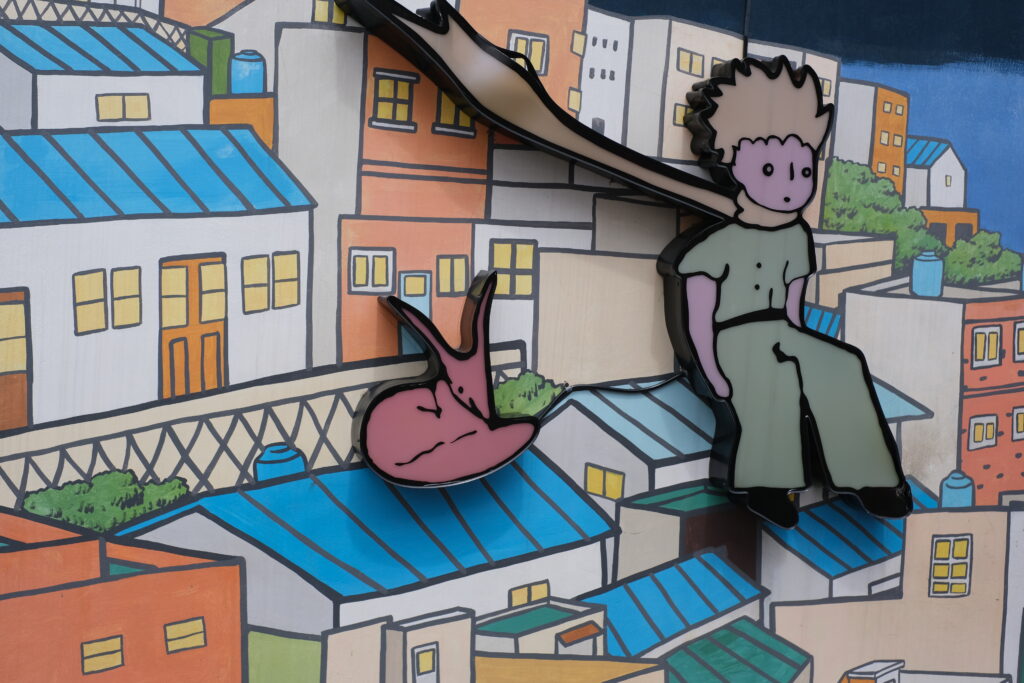
BOOK STAIRCASE
The Book Staircase serves as one of the neighborhood’s main art installations. The steps are painted to resemble the spines of famous books. This passageway leads directly to a historic well, which is associated with a local legend about a poor man who prayed for water for the village during a severe drought.
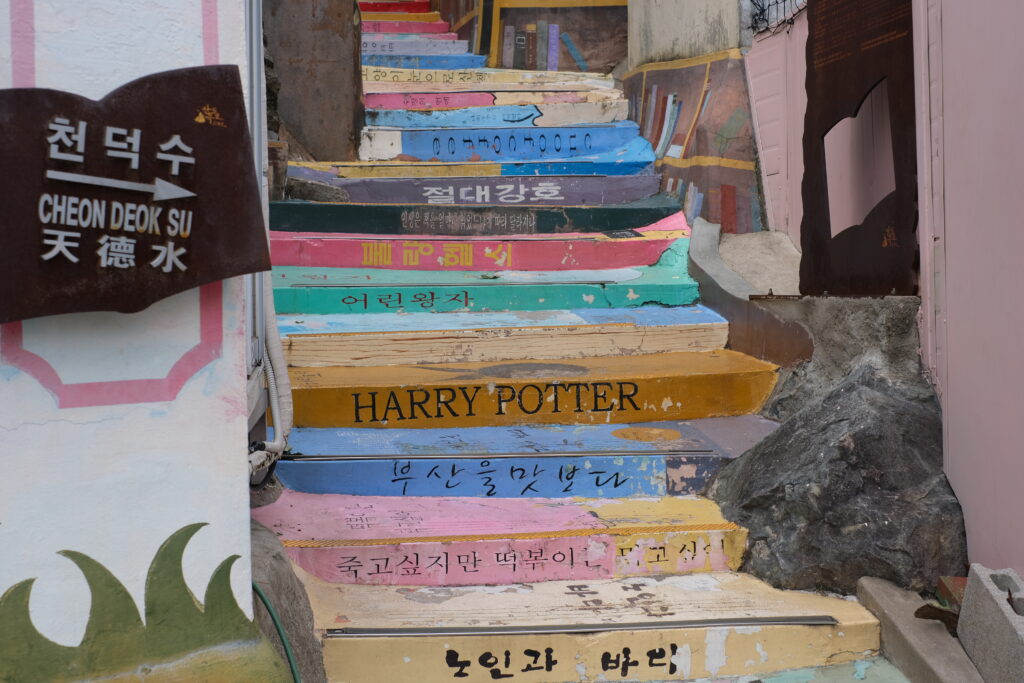
Exact location: From the Little Prince statue, continue walking down the same road for about 1 to 2 minutes (approximately 100 meters). The staircase is located on your right in a narrow alleyway, right next to a souvenir shop.
MAP:
THE HOUSE OF THE LITTLE PRINCE
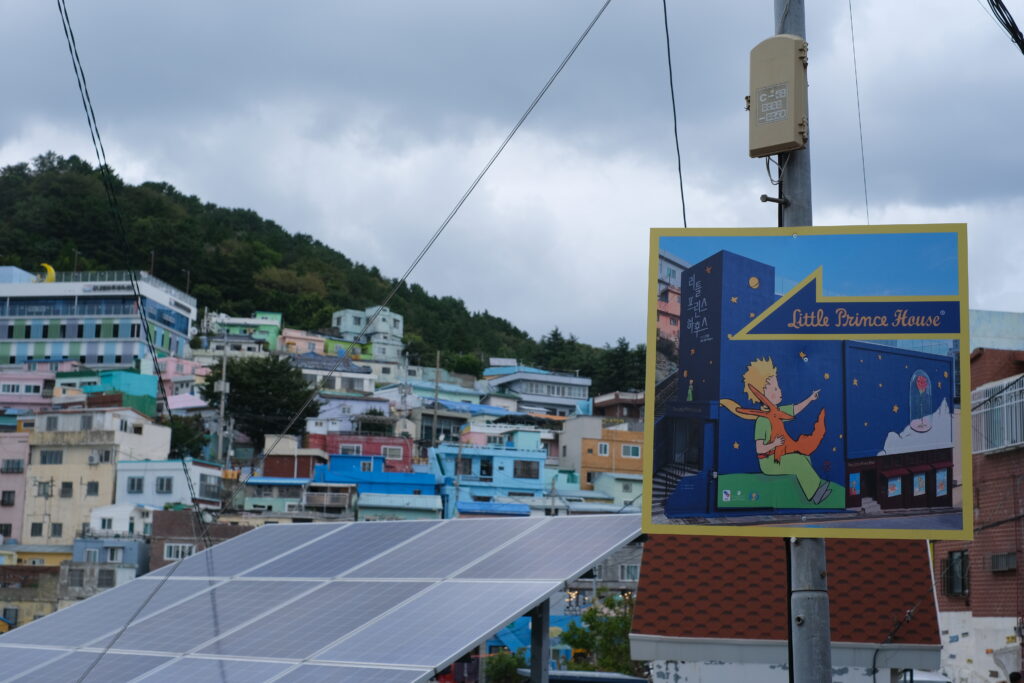
In March 2026, The Little Prince House opened right in the village. It is the country’s first permanent exhibition space officially approved by the French foundation, featuring interactive media art and additional sculptures.
STAIRS TO WISH
A steep staircase with 148 steps. Originally, refugees used them to carry heavy loads of water. Today, the steps are brightly painted, and you can make a wish at the top. They were originally built as a free aid for elderly locals so they wouldn’t have to carry heavy shopping uphill. Thanks to social media, they have become a sought-after hidden attraction. Capacity: The small cabin holds a maximum of 2 people (with a total weight limit of 130 kg).
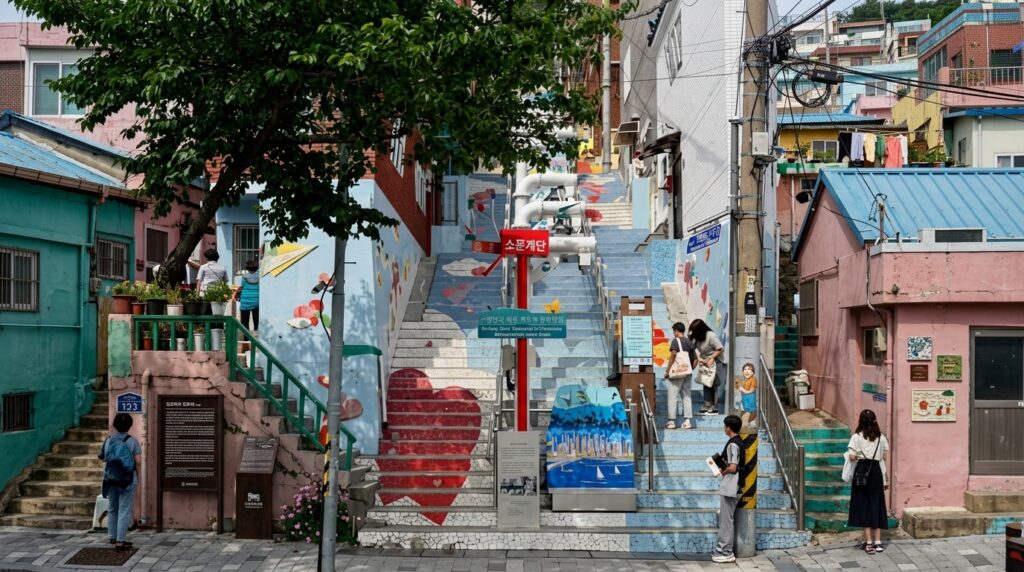
Exact address: 87-176 Dongdaesin-dong, Seo-gu
JAGALCHI MARKET, DISCOVER THE REAL BUSAN HERE
Why shouldn’t you miss this market? Because it offers the incredible scent of the sea and an untamed energy. It is one of the largest fish markets in all of South Korea, and without exaggeration, I would say it ranks among the liveliest places in all of Asia.
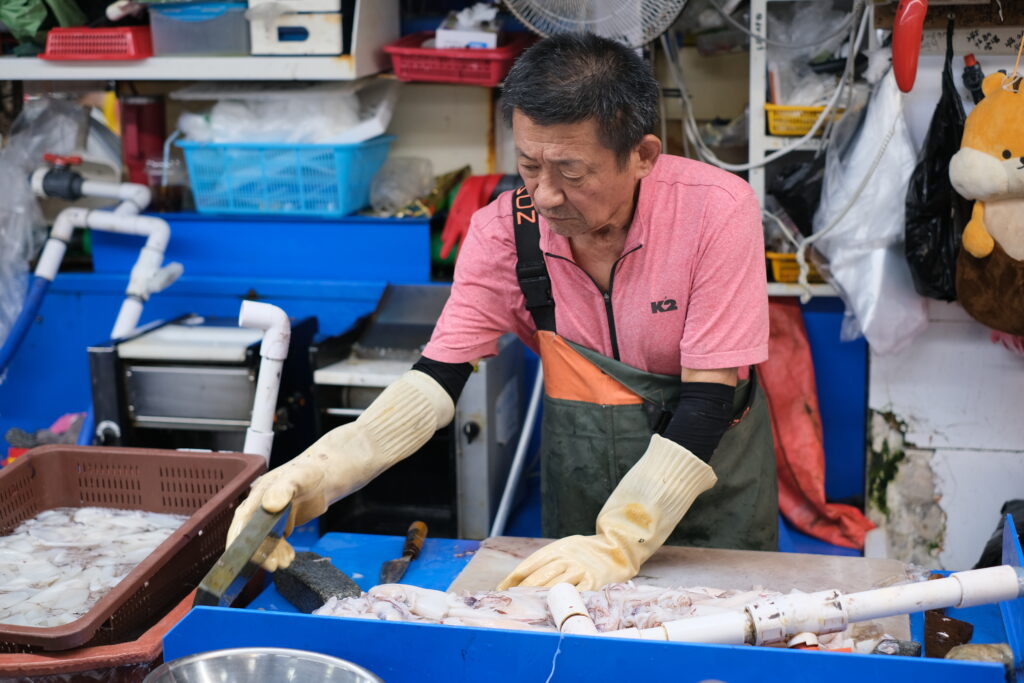
I would also like to set the record straight: this is no mere tourist attraction, but the truly authentic, bustling, and fascinating heart of Korean maritime culture.
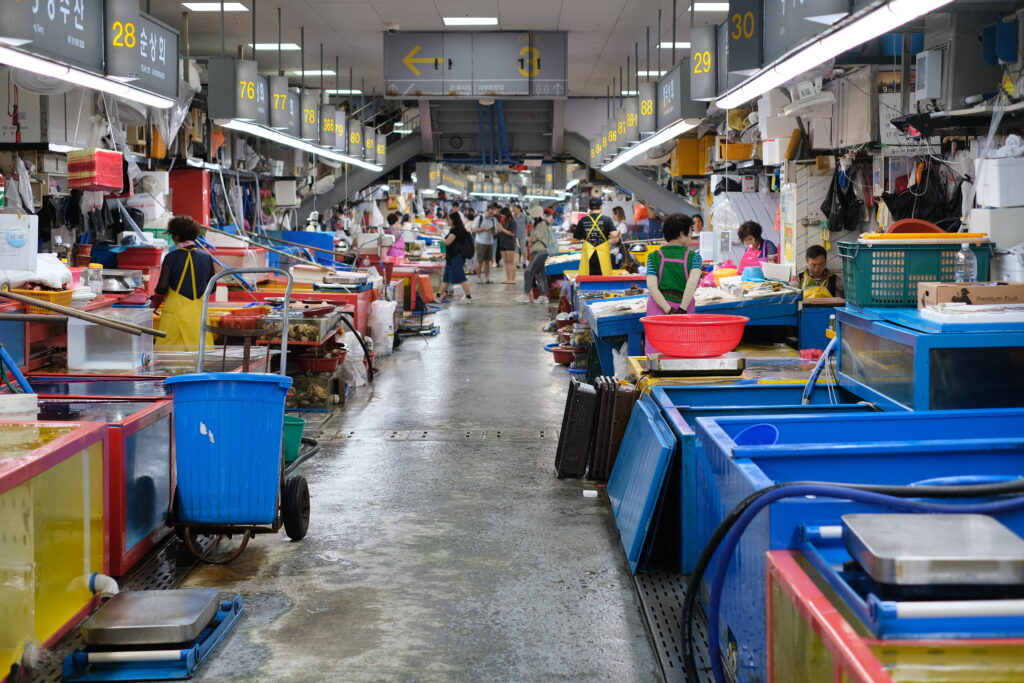
 The history of the market goes back deep into the 20th century and once again you will find traces of the Korean War. When the men had to leave to fight or fish in the open sea, the women took over the sustenance of the families. They started selling fresh catches on the rocky coast.
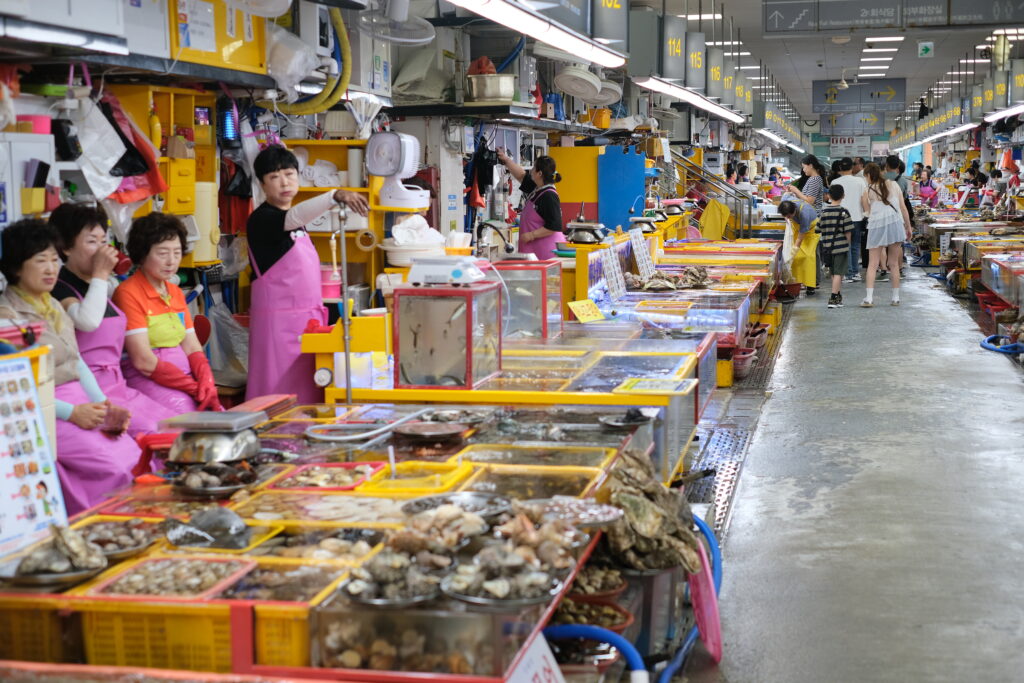
These quirky, incredibly hard-working and loud market women are still nicknamed “Ajumma“. They are a symbol of the entire market. You can still meet them here behind the counters today. No matter which stall you look at, almost everyone is serving fish with uncompromising charm, shouting offers and inviting you to their stall with a smile. They just don’t like to be photographed.
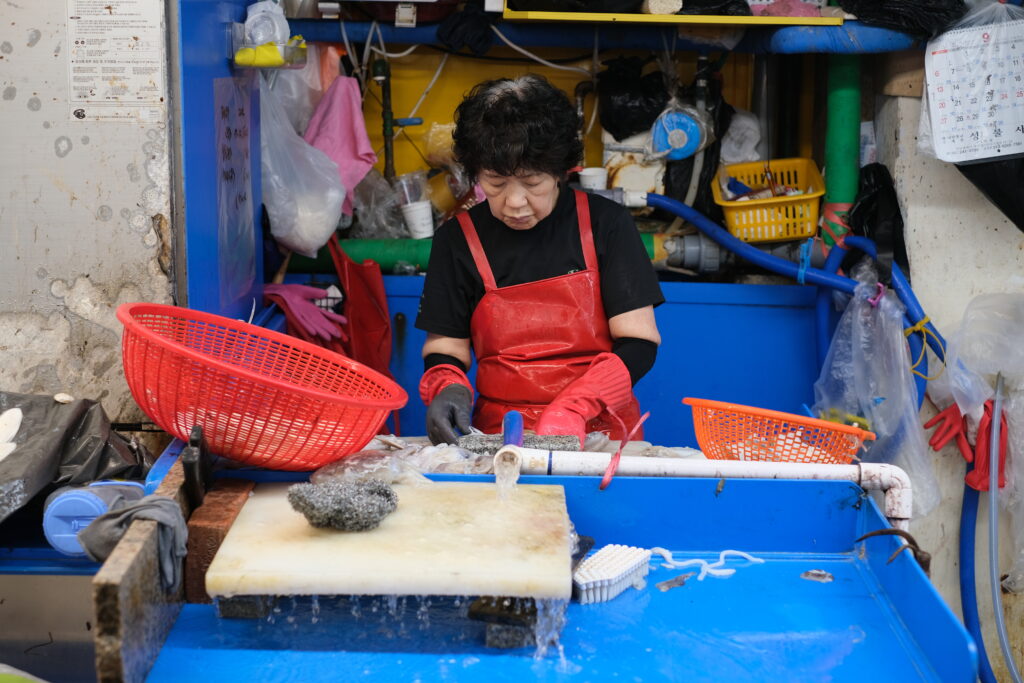
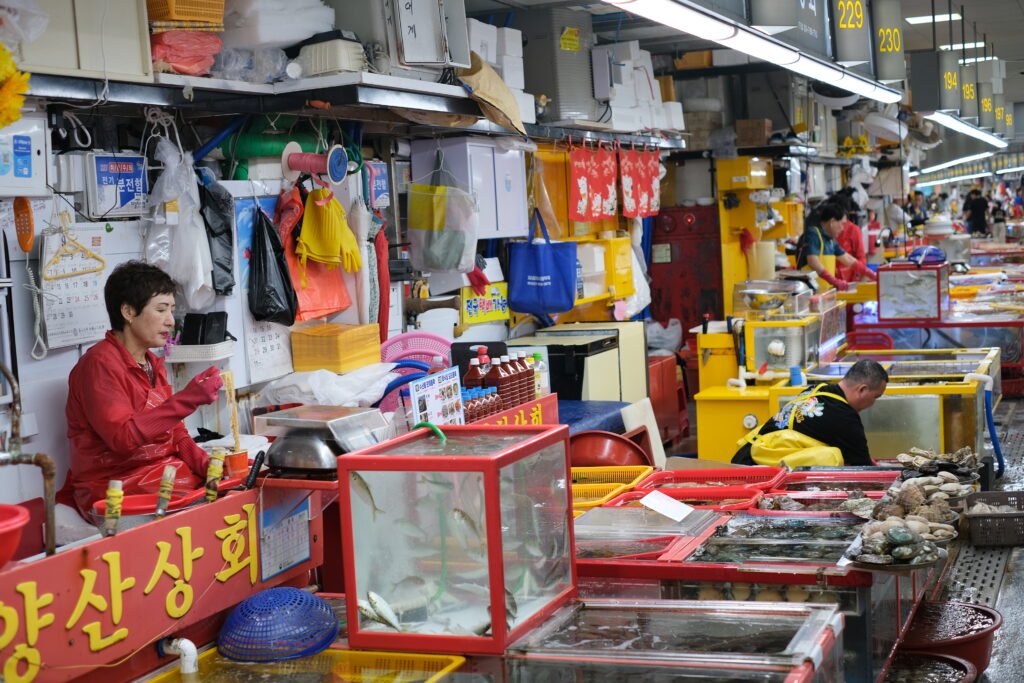
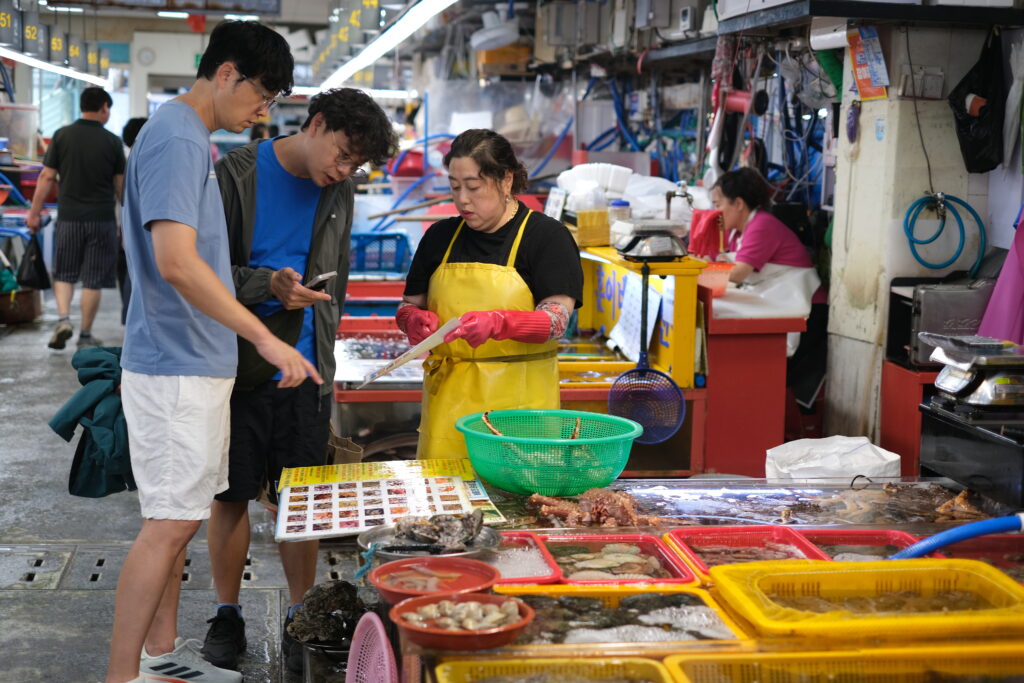
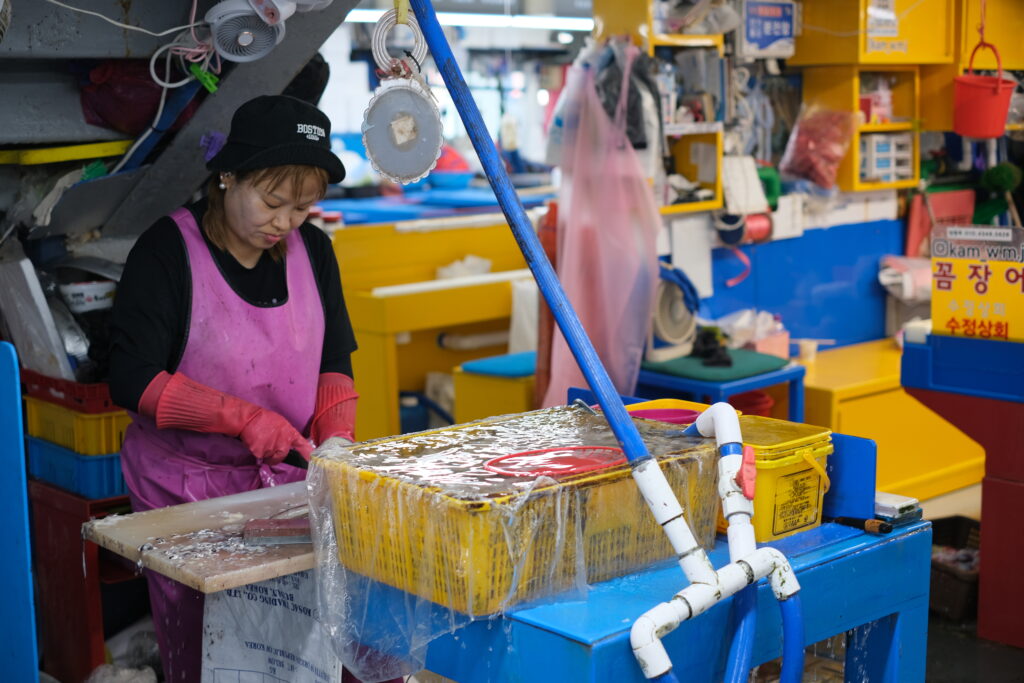
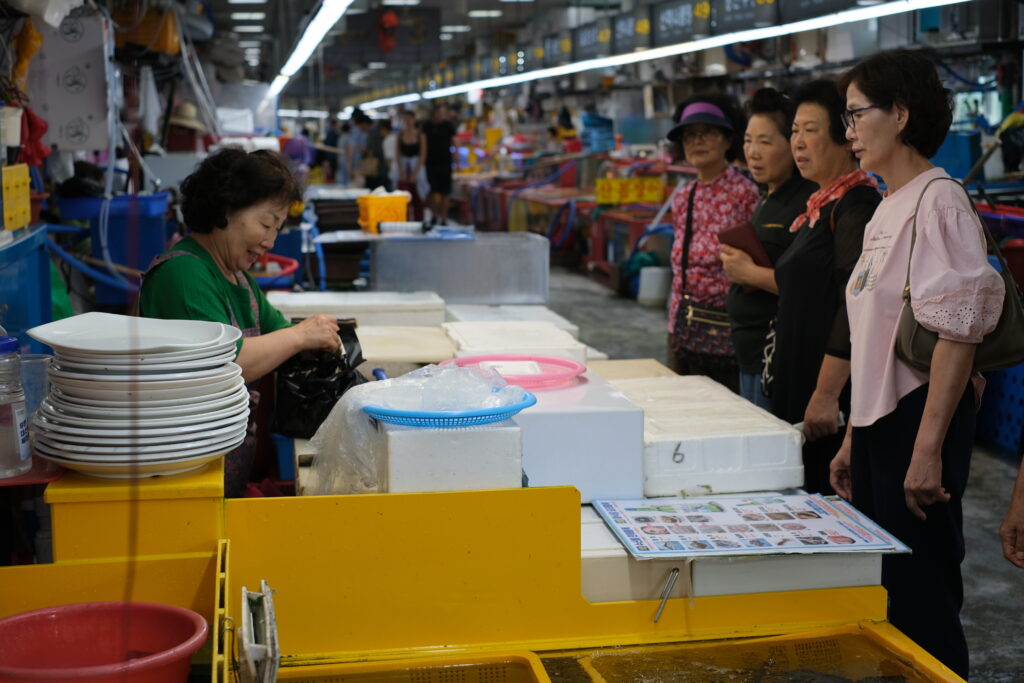
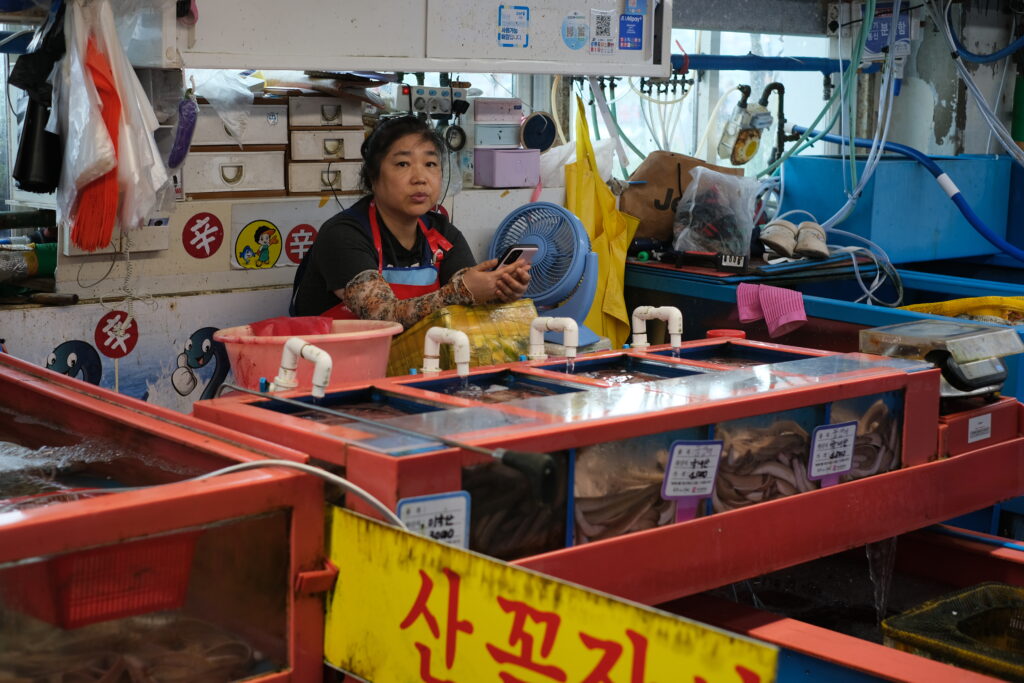
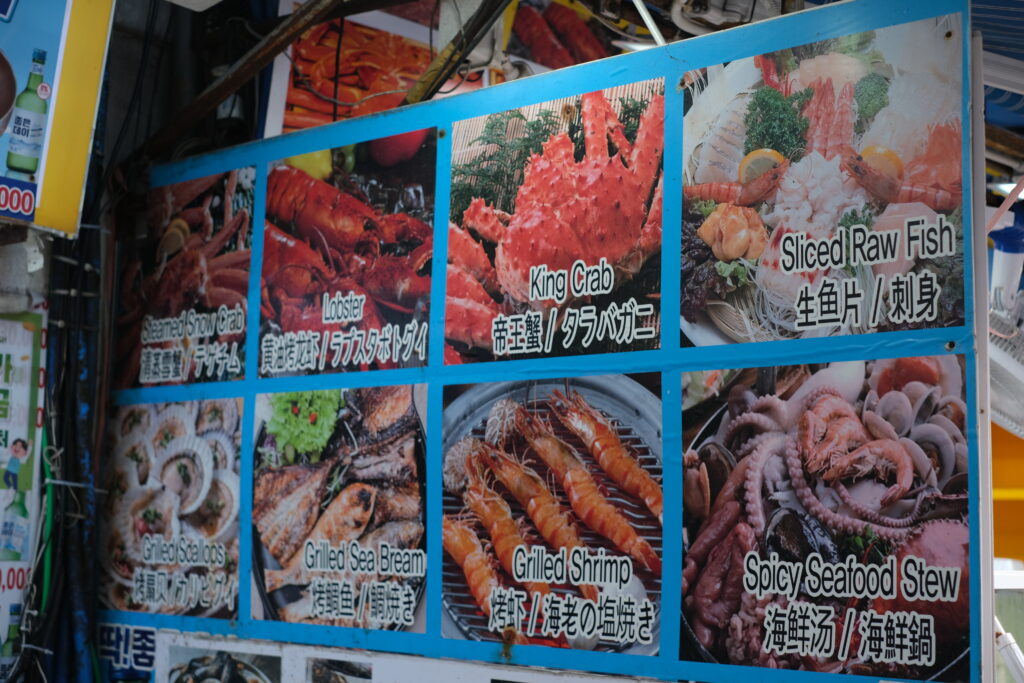
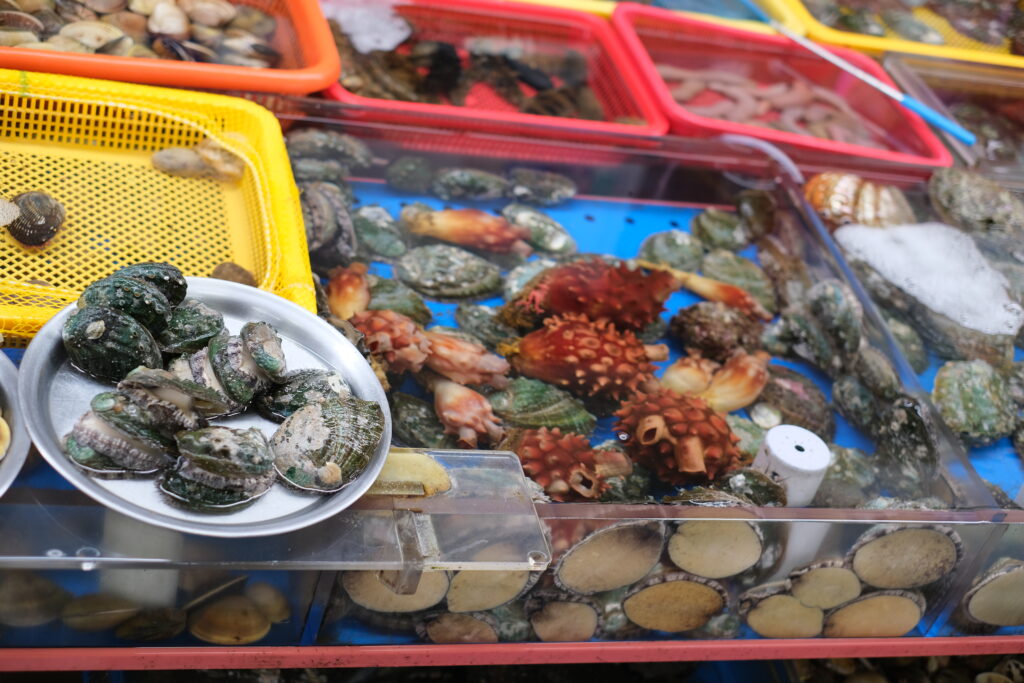
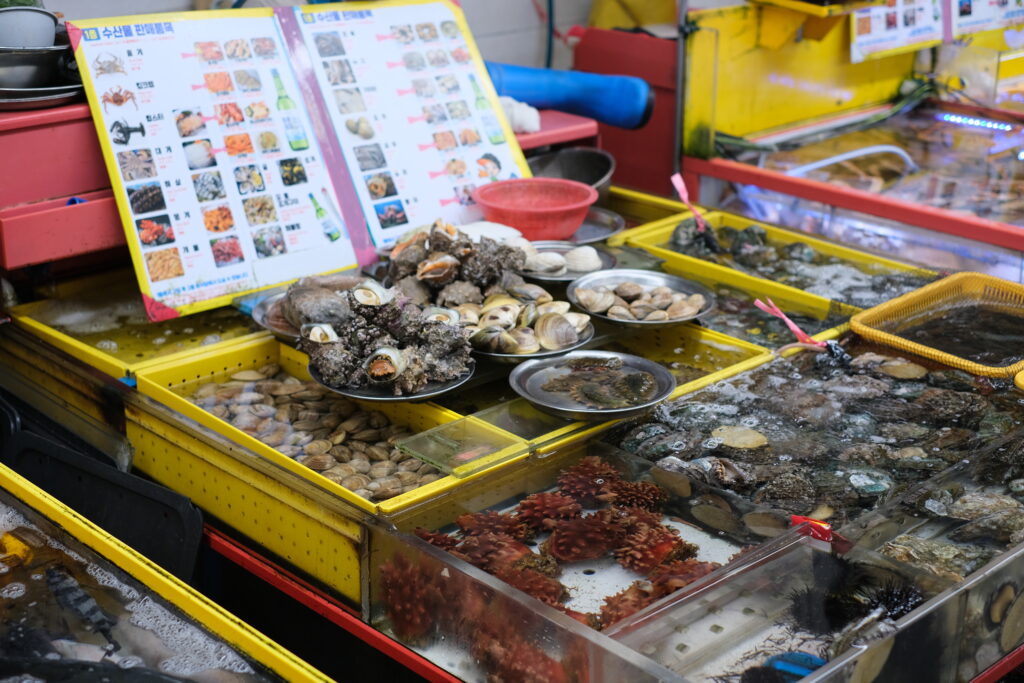
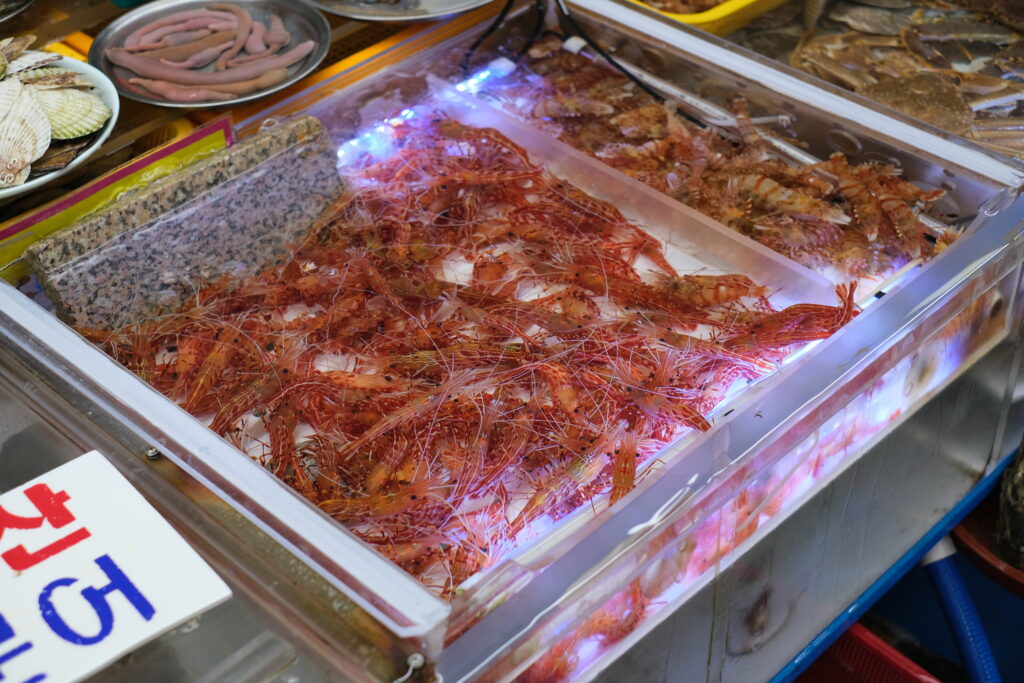
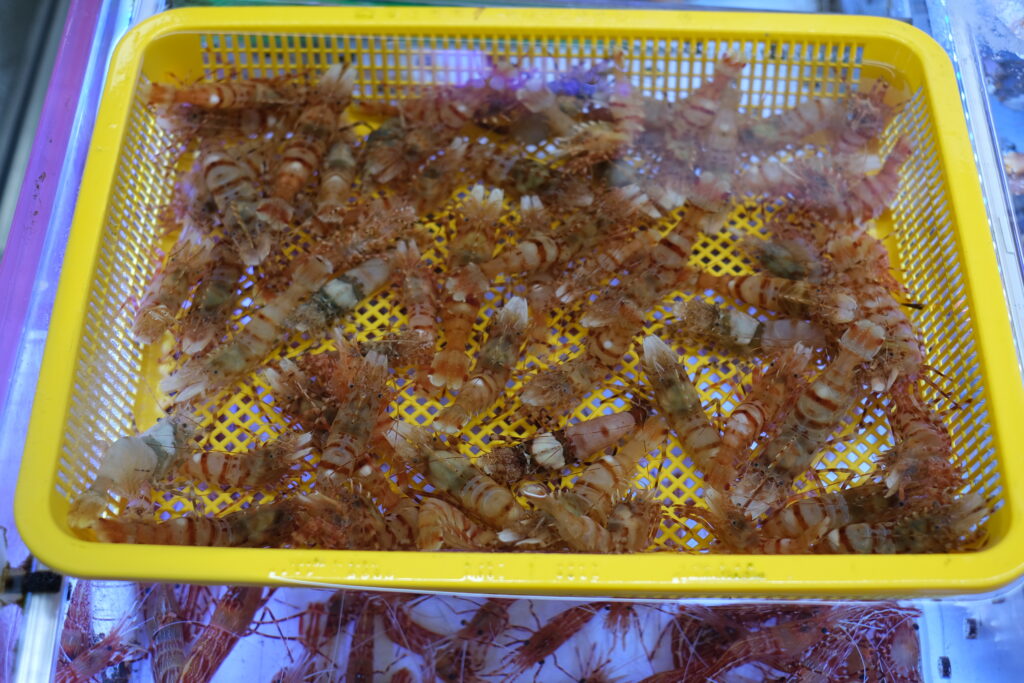
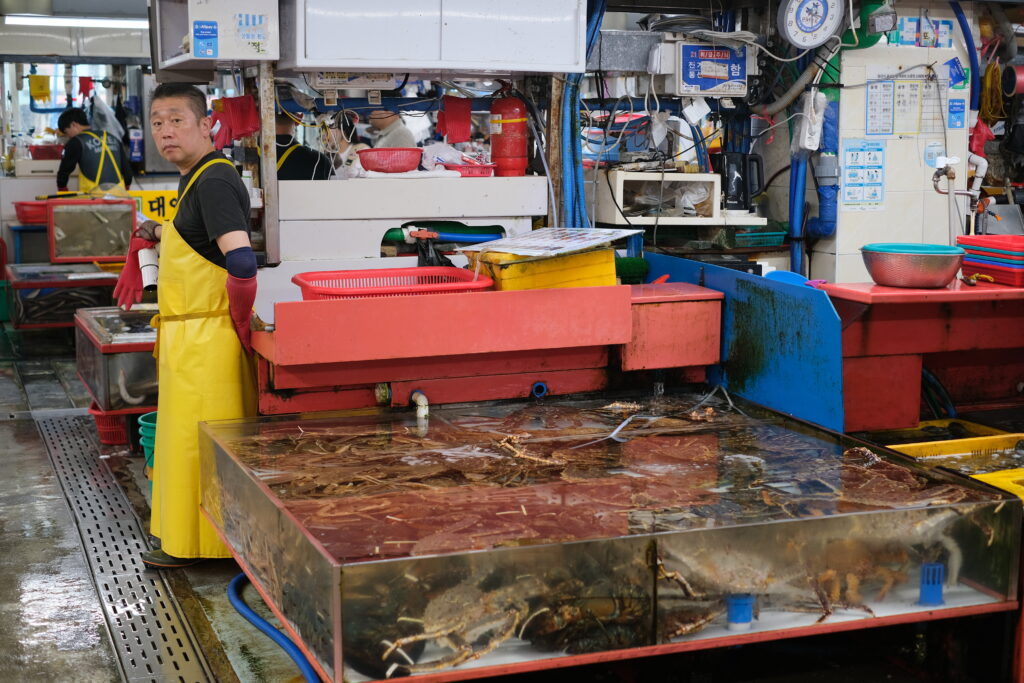
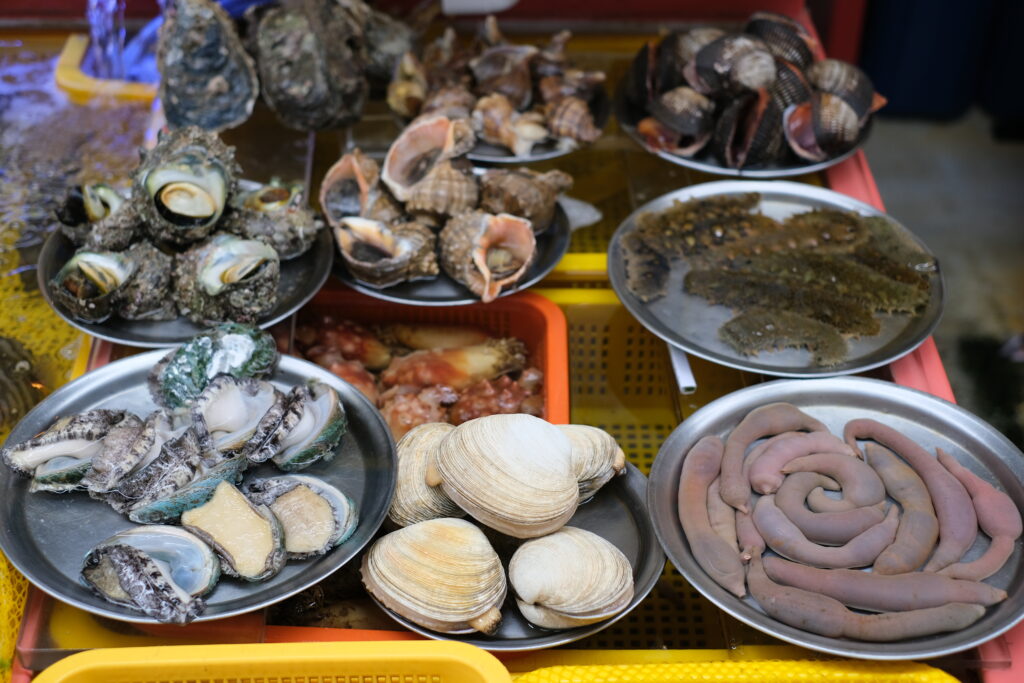
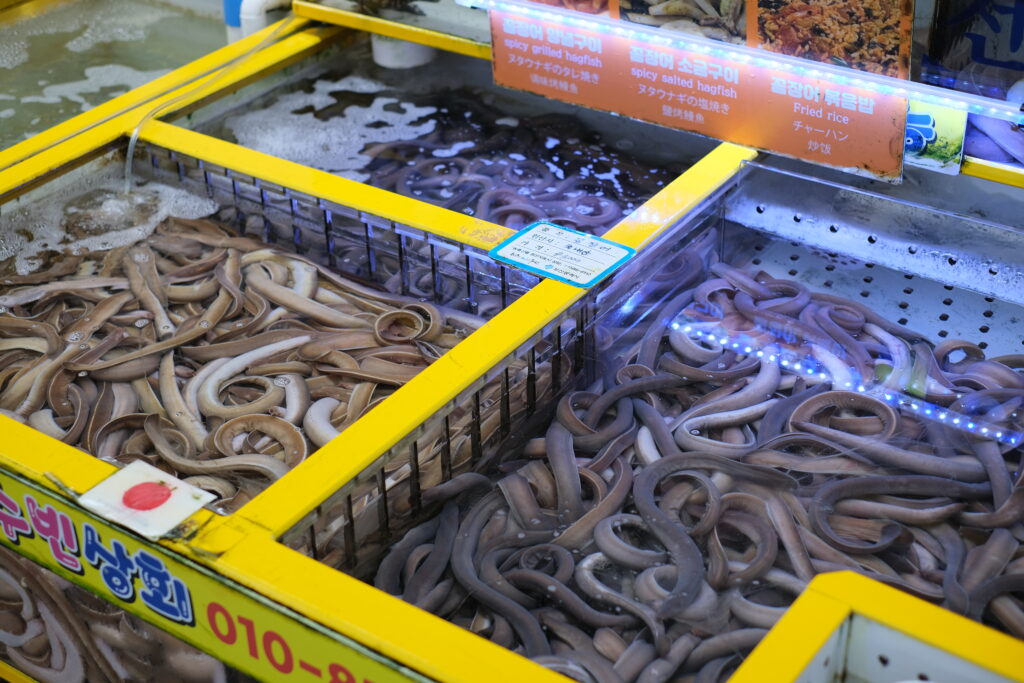
Busan doesn’t try to be pretty here. You’ll find everything the sea surrounding Korea has to offer: fish, octopus, crab, shellfish, shrimp, seaweed, and anything else you can imagine. And this is exactly where I’d recommend having lunch.
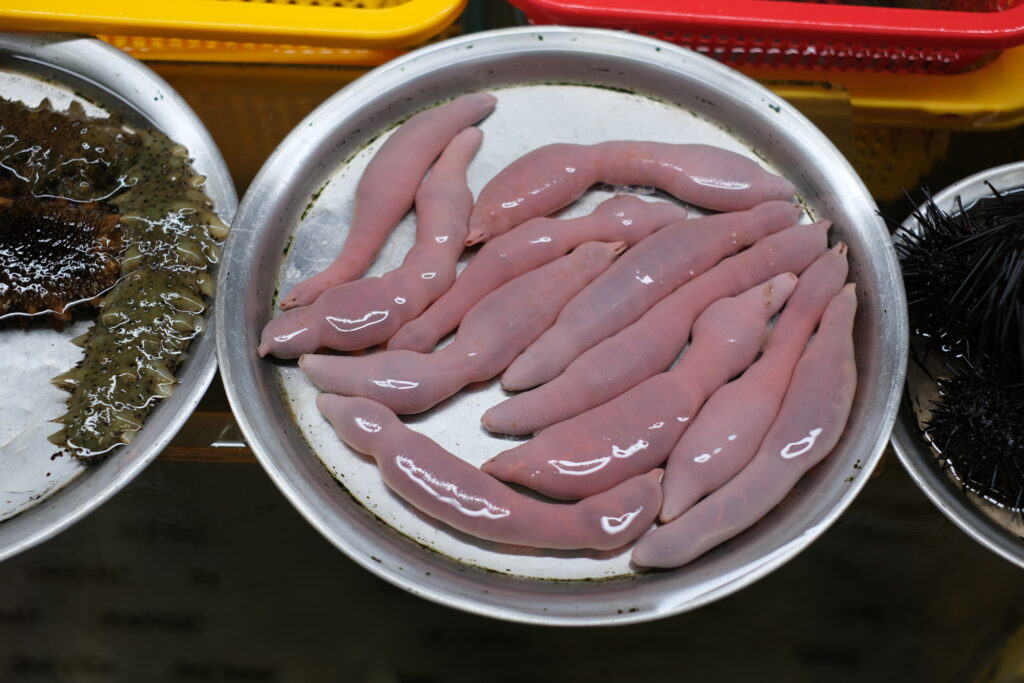
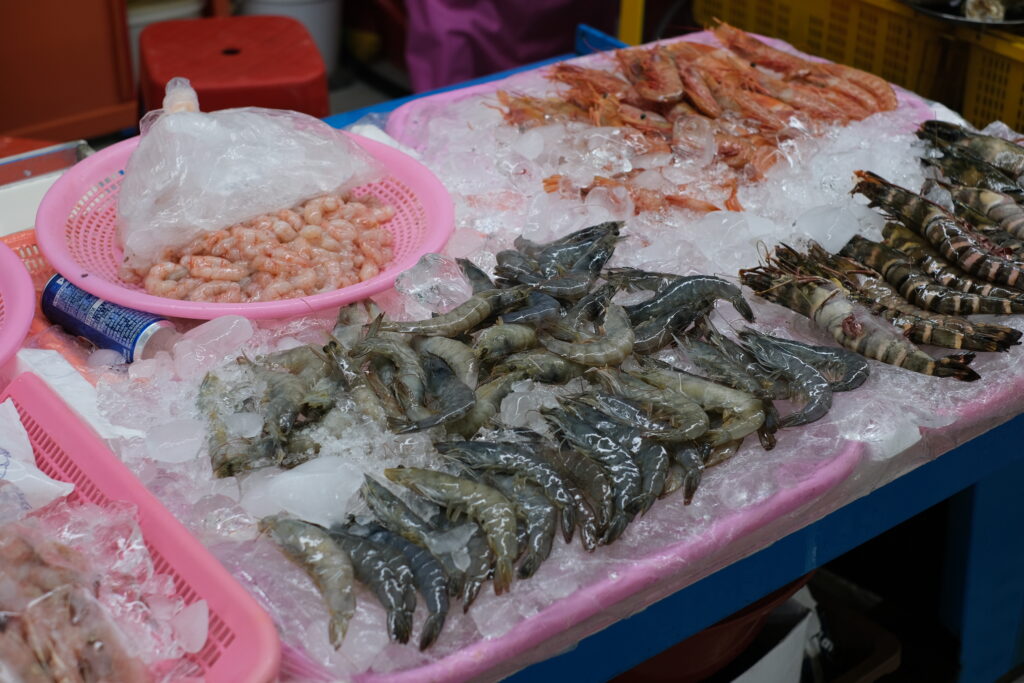
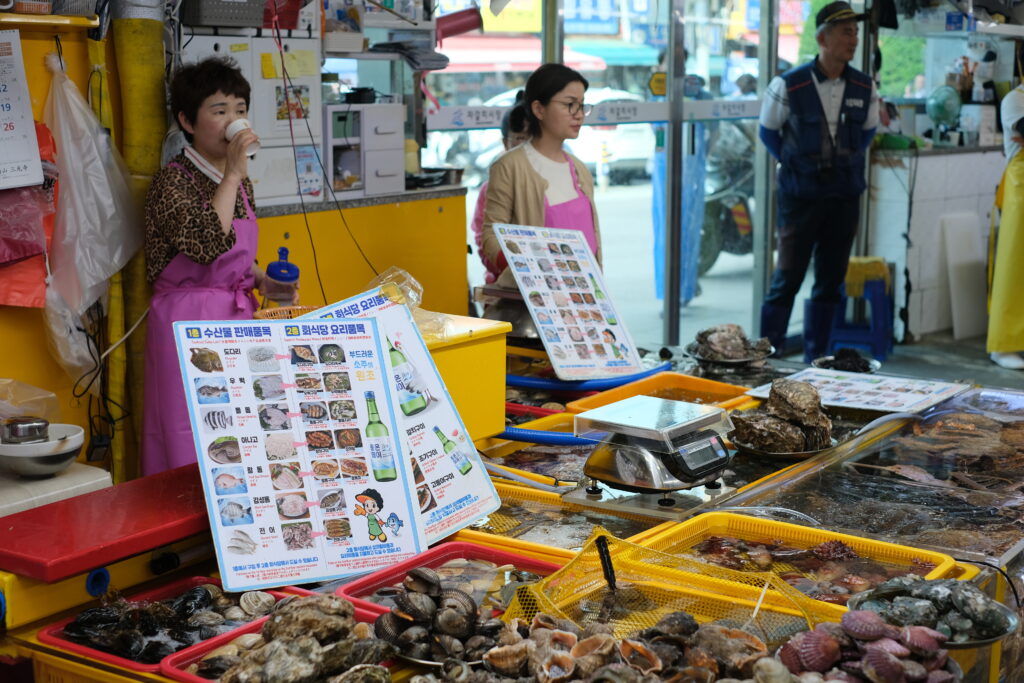

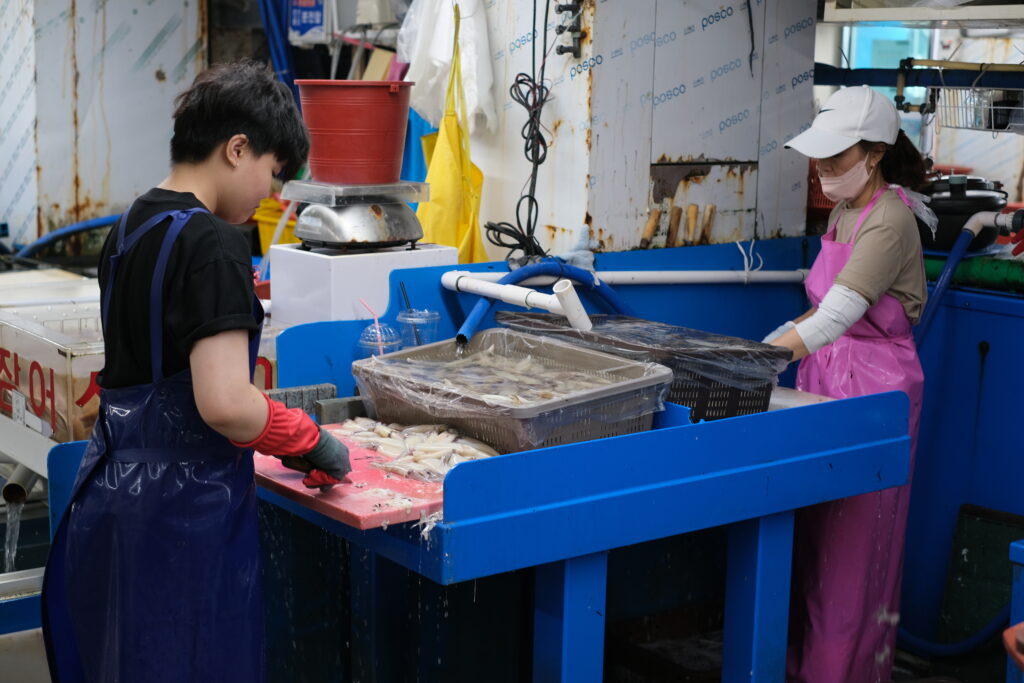
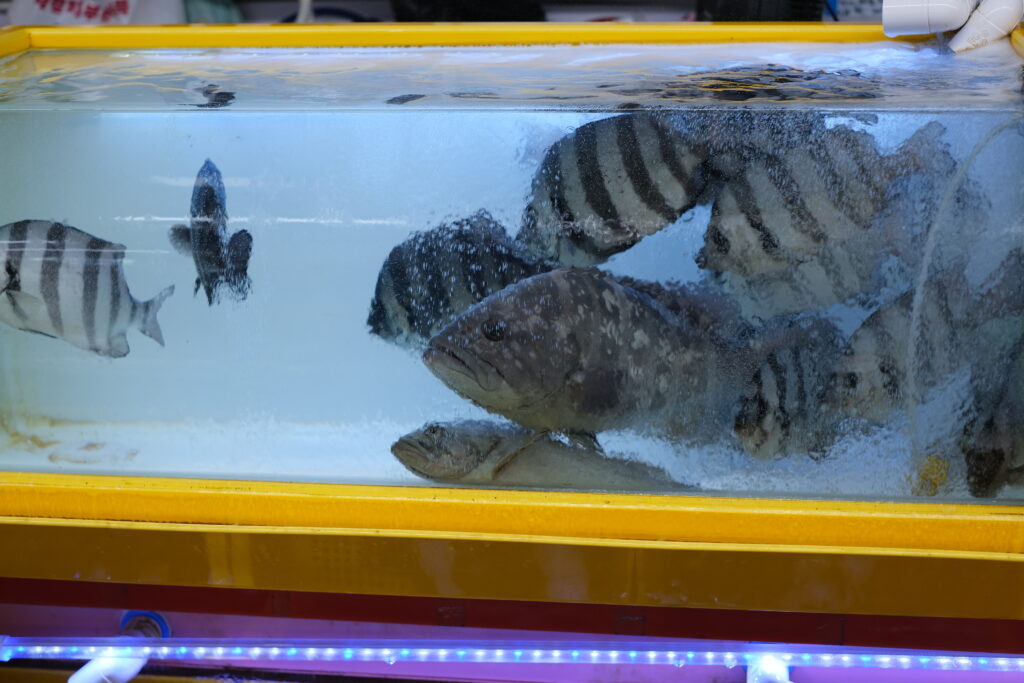
Two highly prized fish species share the same tank. The giant grouper and the barred knifejaw are considered premium fish in Korea. Their firm white flesh is highly valued for preparing luxury sashimi; in Korea, they rank among the most expensive and delicious fish of all.
HOW THE MARKET WORKS: THE “BUY LOW, SELL HIGH” SYSTEM
The entire complex consists of a massive, modern building (resembling the wings of a seagull) and endless outdoor walkways. For the culinary traveler, the main building is the highlight, operating on a brilliant principle.
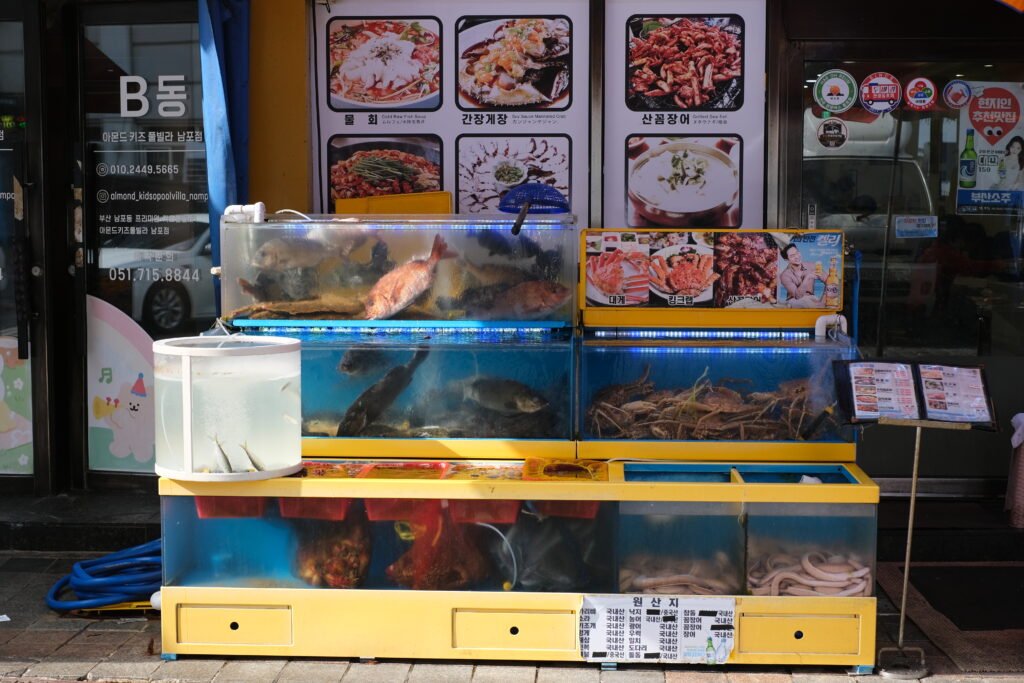

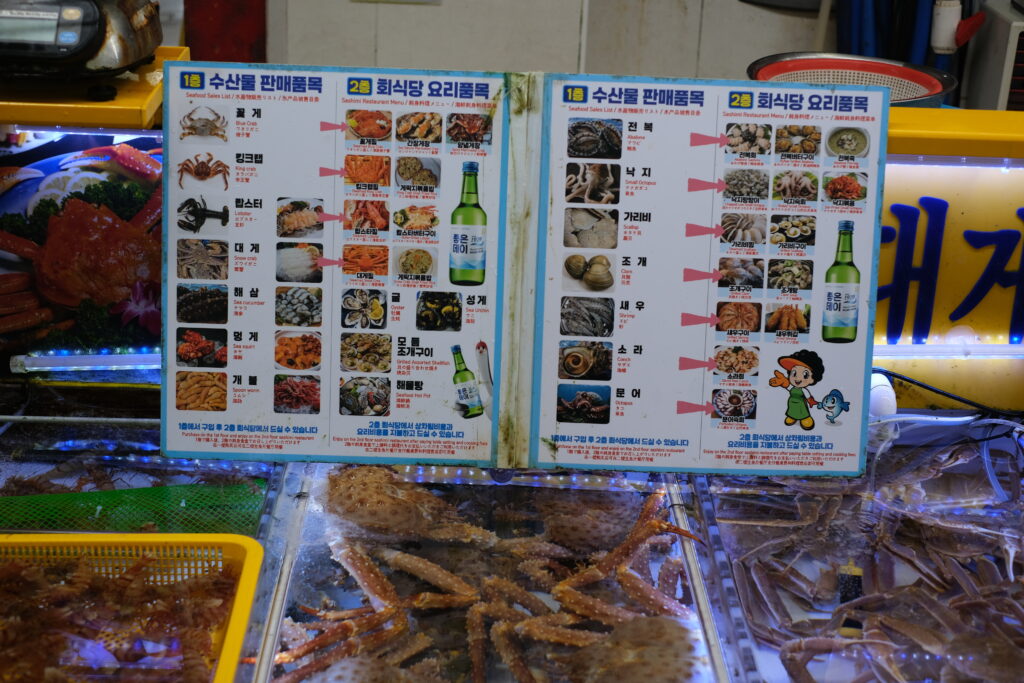
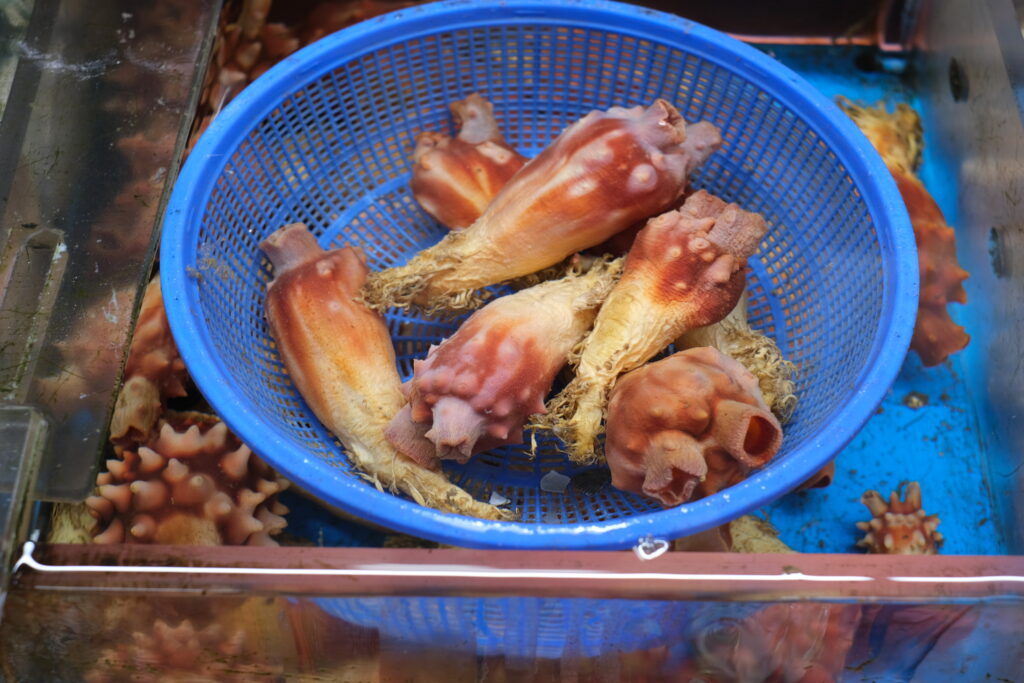
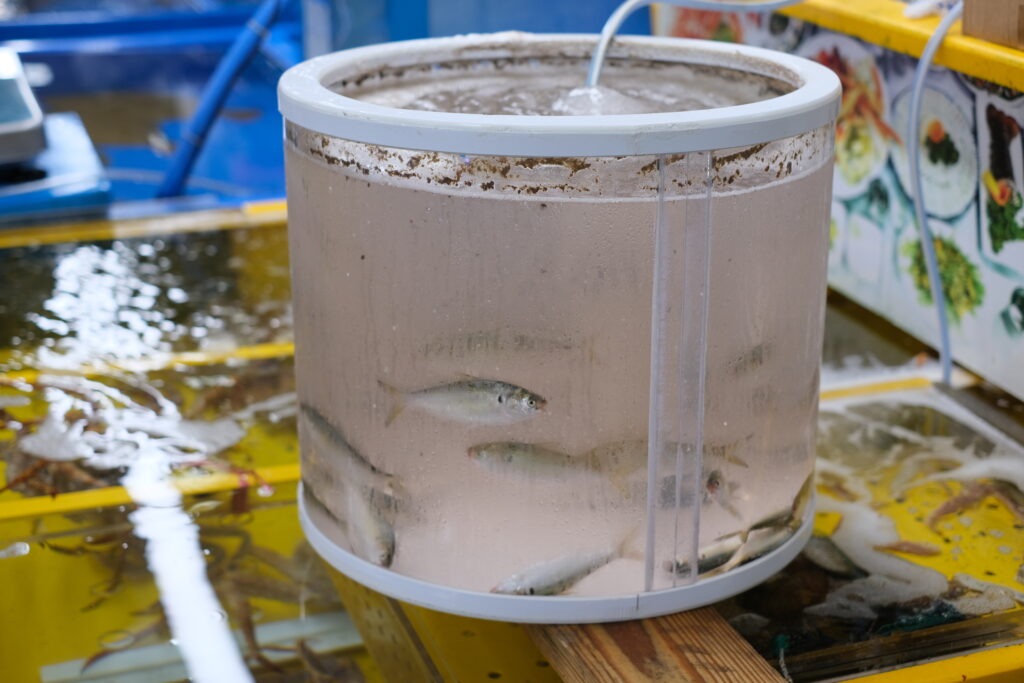
1st Floor (Fresh Catch): You walk past hundreds of tanks and vats teeming with life. You will find everything here—from standard fish and giant crabs to purple sea cucumbers, sea urchins, and octopuses. Here, you can pick out whatever takes your fancy and haggle over the price with the vendor.
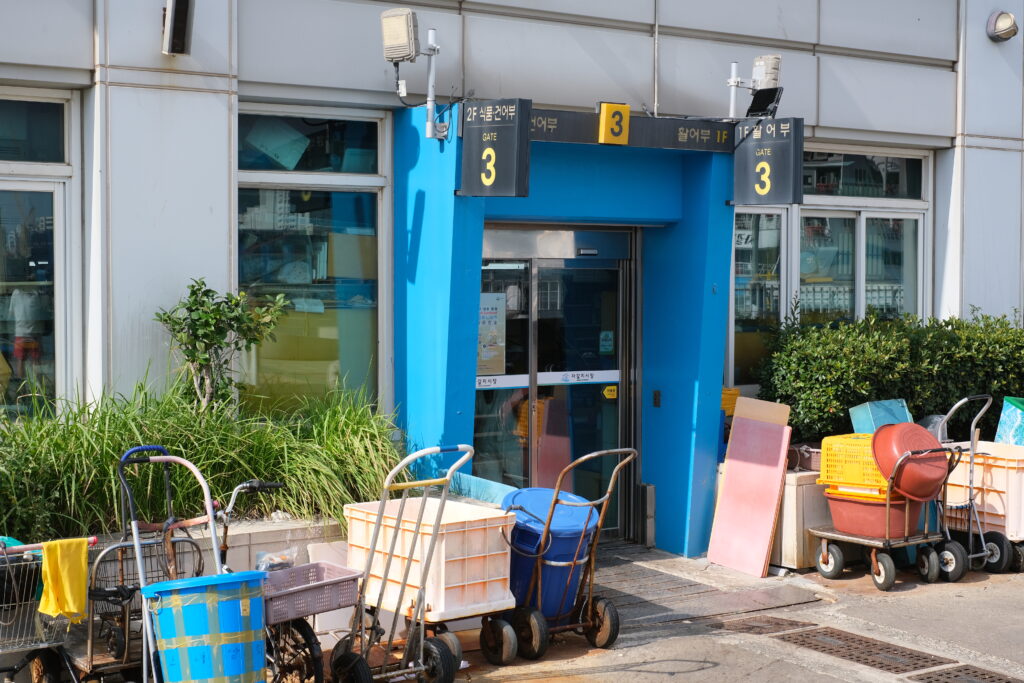
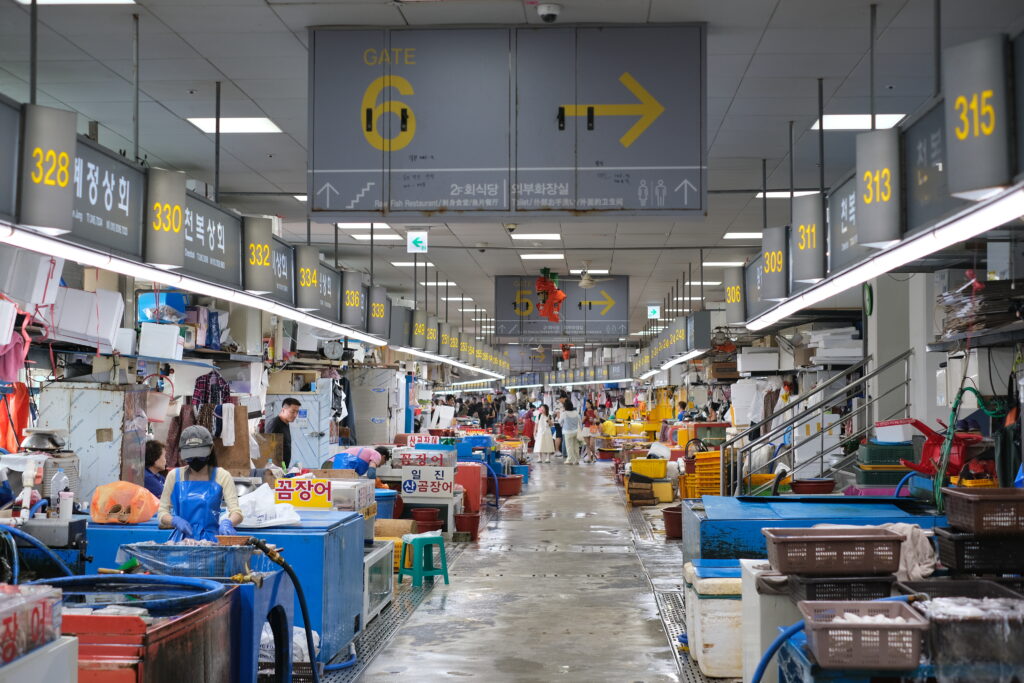
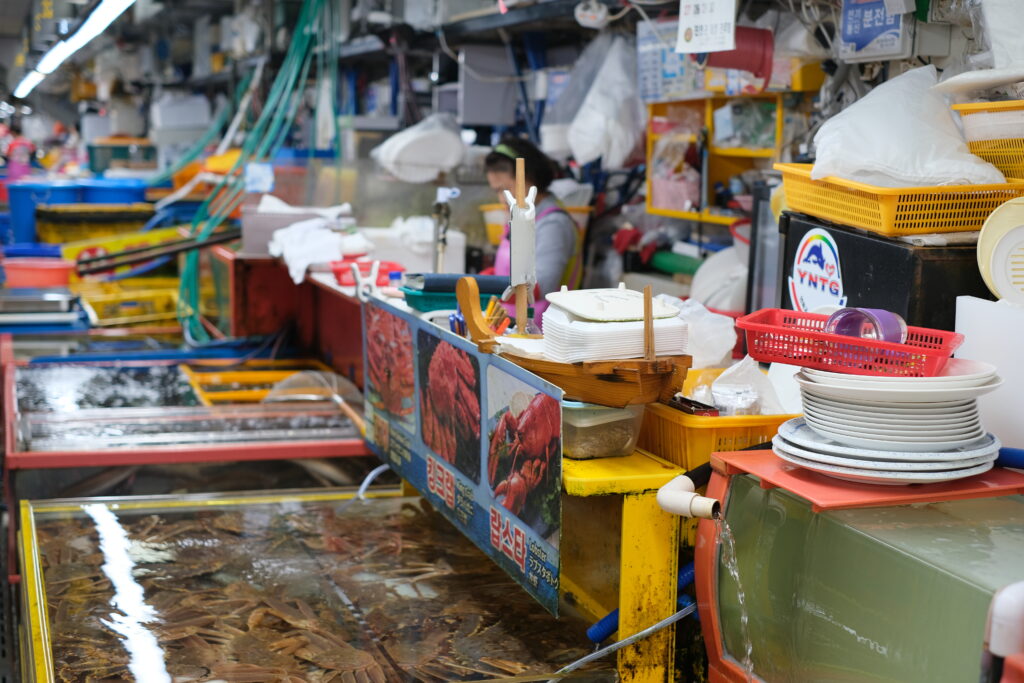
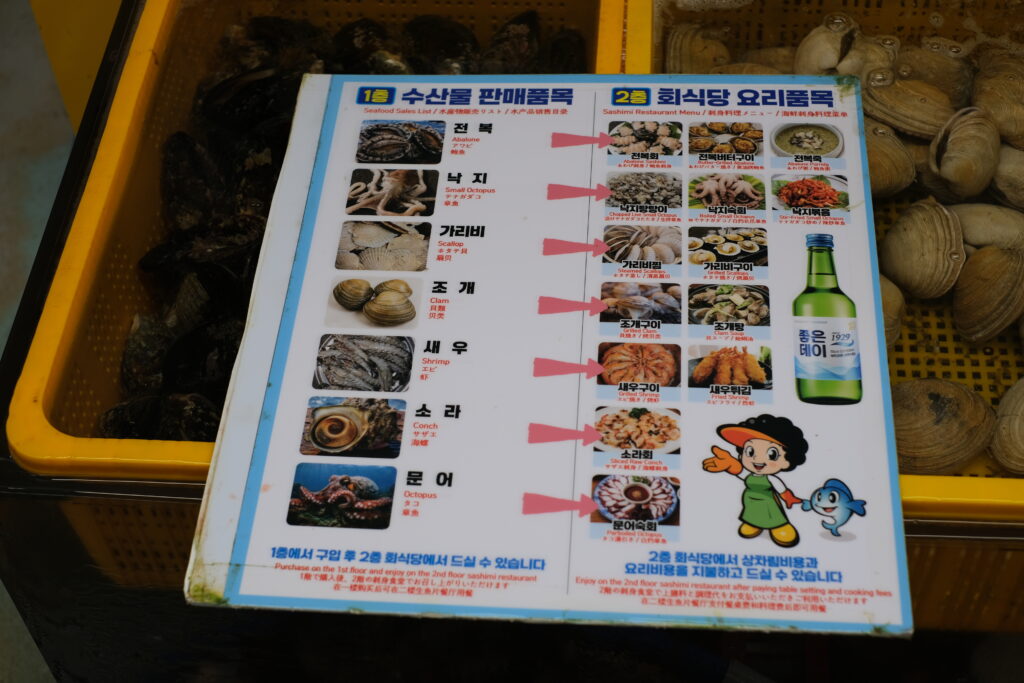
2nd Floor (Restaurant): Once you have purchased your seafood, the vendor will direct you (or you can make your own way) to the floor above. The restaurant there will prepare your purchase for you on the spot—whether as raw sashimi, grilled, or cooked into a delicious spicy soup.
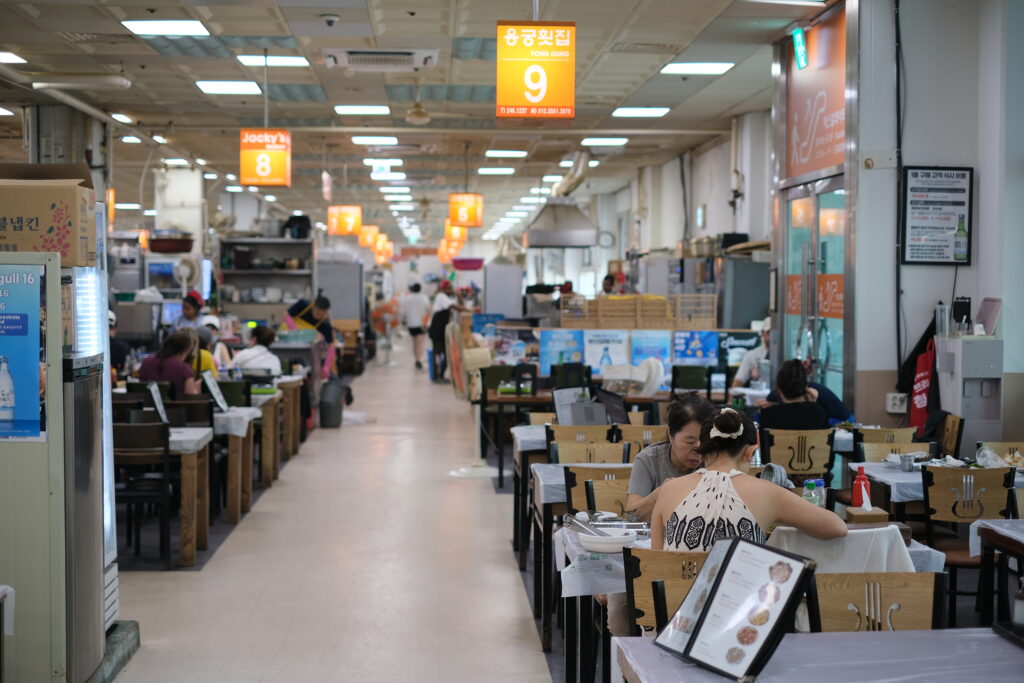
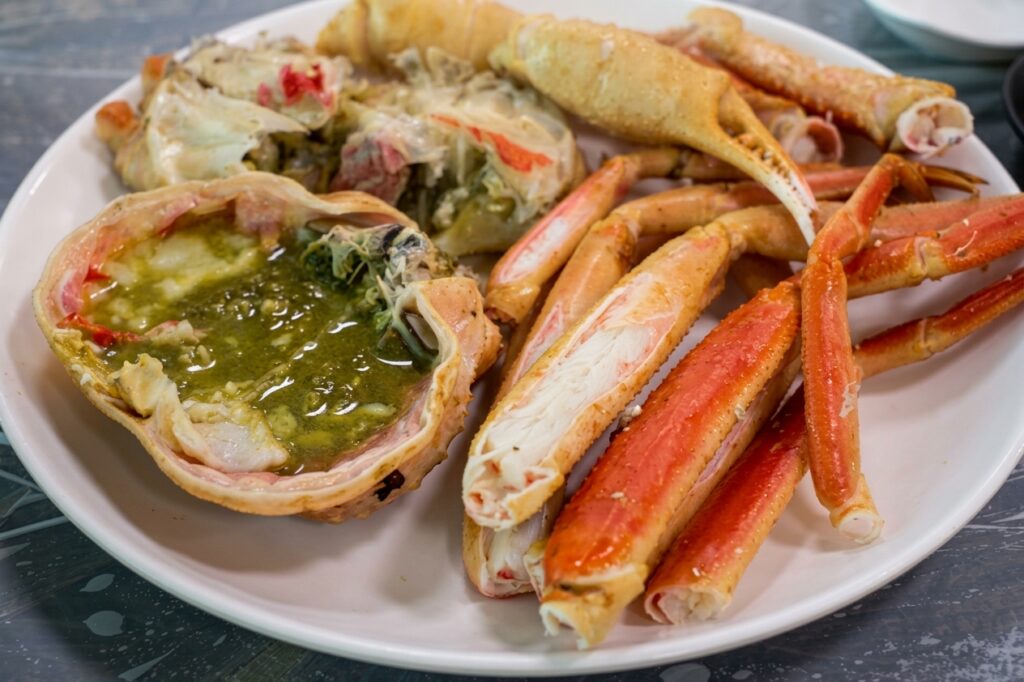
The price for preparation and traditional side dishes (banchan) typically ranges from a few thousand won per person.
WHAT TO TASTE AT THE MARKET?
San-nakji: the legendary octopus dish chopped into small pieces. Although the octopus is dead, its nerve endings remain active, causing the pieces to wriggle on the plate. An extreme yet delicious experience!
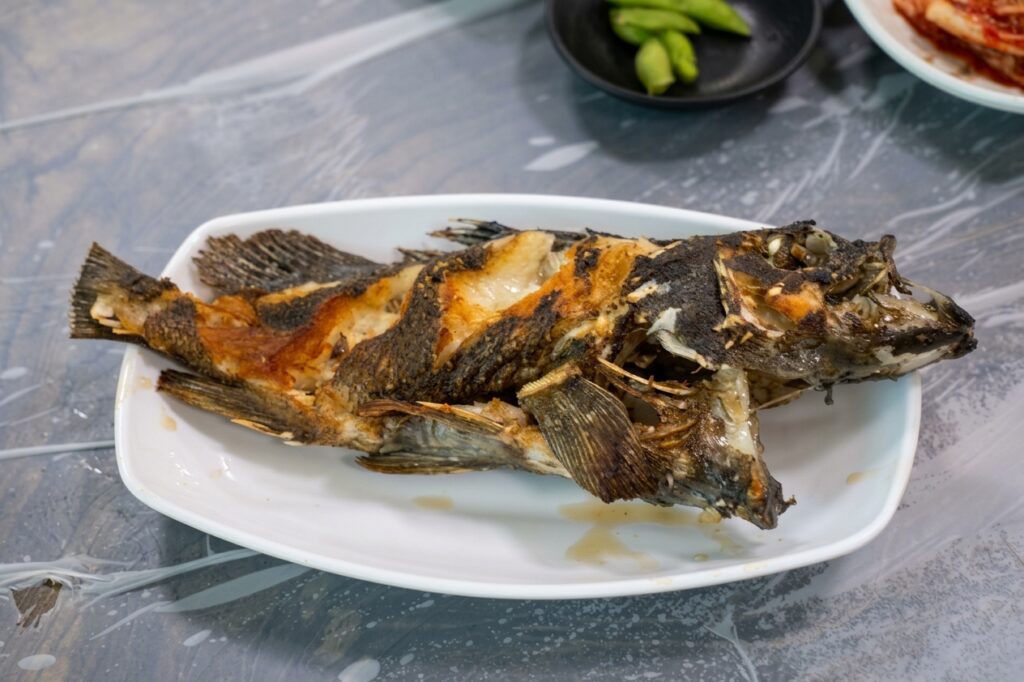
Grilled fish (Saengseon-gui): fresh mackerel or local specialties cooked on griddles right on the street. Perfectly crispy on the outside and juicy on the inside—a great, safe choice for the less adventurous eater.
Korean sashimi (Hoe): precisely sliced raw white fish. Unlike Japanese sushi, the fish here is often dipped in spicy sauce and wrapped in perilla leaves.
MY PRACTICAL TIPS

When should you go? The market comes alive as early as 5:00 AM. To experience the best atmosphere and watch the local hustle and bustle, visit between 7:00 AM and 9:00 AM. If your main goal is to eat, lunchtime is ideal.
When is it closed? Plan carefully! The market is closed on the first and third Tuesday of every month.
What should you wear? Don’t wear your newest sneakers. The floors are constantly being sprayed with water from the fish tanks, so sturdy, non-slip shoes that can handle a splash of saltwater are a must.
After you’ve eaten, take the elevator to the main building’s rooftop terrace (Rooftop Sky Park). It offers a magnificent panoramic view of the entire harbor and the surrounding ships.
How to get there: Getting here is incredibly easy. Just hop on Metro Line 1 (the red line) and get off at either Jagalchi Station (Exit 10) or Nampo Station (Exit 2). From there, it’s barely a 5-minute walk to the waterfront and the market building.
Address: 52 Jagalchihaean-ro, Jung-gu, Busan, South Korea
MAP:
FISHING BOAT HARBOR, OR BUSAN SOUTH PORT
A harbor for fishing boats is located right near the pier. This particular fishing port, known as Busan South Port, forms the very heart of Busan.
The story of this place began in the early 20th century. Originally, it was just an ordinary pebble beach—a feature that gave rise to its name (which means “gravel” or “gravel beach” in Korean). However, a pivotal turning point came during the Korean War (1950–1953).
Busan was one of the few places that did not fall into the hands of North Korean forces, becoming a refuge for hundreds of thousands of war refugees from across the peninsula. People left homeless and destitute sought a livelihood here. Men would set out to sea, while their wives began selling the ocean’s bounty from wooden crates along the pier. Thus, the country’s largest fish market was born.
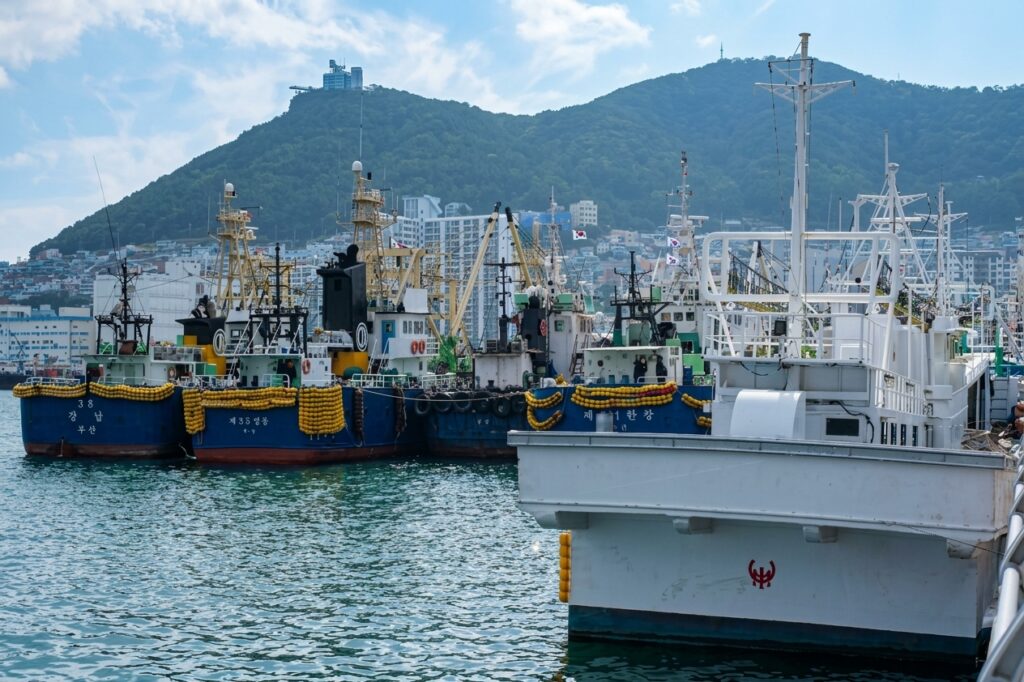
Life at the port never sleeps, governed by a strict routine that has remained unchanged for generations:
02:00 – Arrival of the fleet: The first fishing boats arrive at the docks from the East China Sea. Crews begin unloading tons of fresh catch, ranging from mackerel and conger eel to crab and octopus.
04:00 to 06:00 – The great auction: A frenetic wholesale auction—completely baffling to outsiders—gets underway on the docks. Bidders shout over one another, and within mere minutes, the day’s haul is claimed by restaurants from across Korea.
A day in the hands of the Jagalchi Ajumma: Once the auction concludes, the outdoor stalls open for business. These are run by the legendary Jagalchi Ajummas (the “aunties” of Busan). These spirited, hardworking women are the direct descendants of wartime refugees; they are renowned for their boundless energy, boisterous bargaining, and no-nonsense approach to cleaning fish.
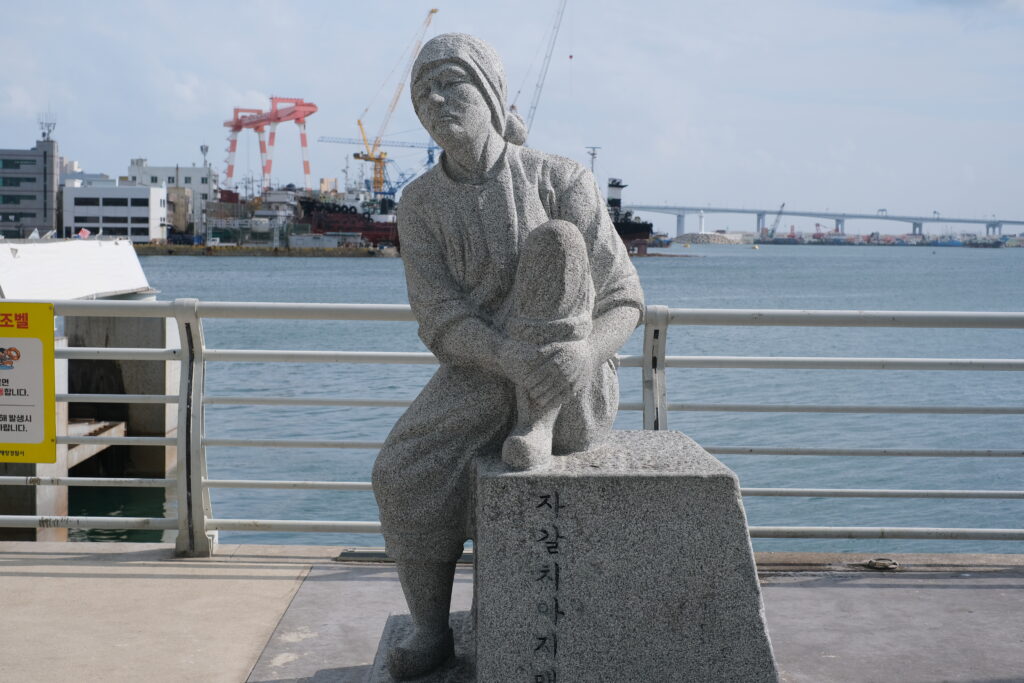
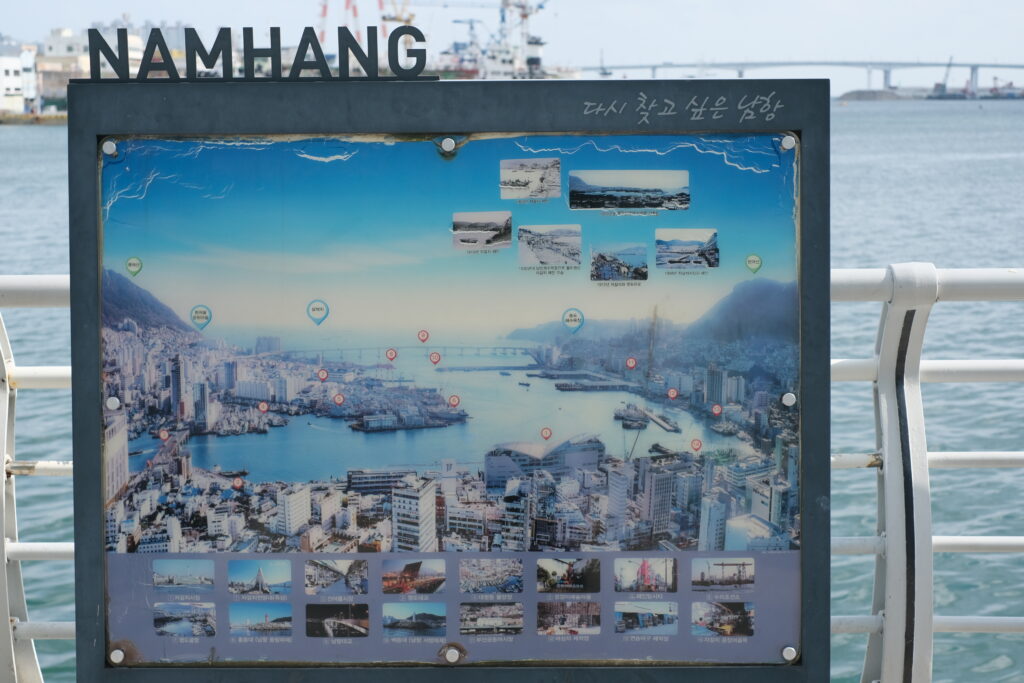
The harbor, overlooked by Mount Bongnaesan rising on the opposite island of Yeongdo, remains a fascinating place. It stands as a living monument to Korean resilience and a perfect example of how tradition can maintain its steadfast place, even in an ultra-modern country.
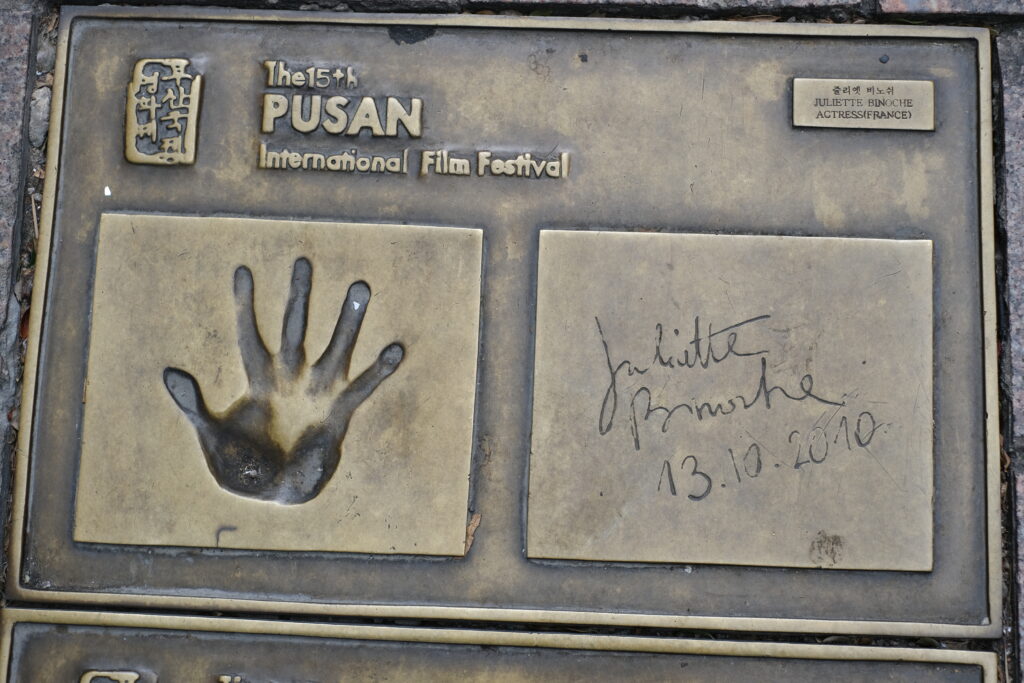
BIFF (BUSAN INTERNATIONAL FILM FESTIVAL) SQUARE
You can combine a visit to Jagalchi with a walk through Nampo-dong, one of the liveliest areas of old Busan. Afterward, continue to BIFF Square (Busan International Film Festival Square), located in the Nampo-dong neighborhood (within the Jung-gu district). The main area features a street lined with the handprints and signatures of famous international and Korean filmmakers and actors—such as Ennio Morricone, Willem Dafoe, and Juliette Binoche.
How to get there: The square is easily accessible by public transport. Simply take the subway (Line 1) and get off at Jagalchi Station (Exit 7) or Nampo Station (Exit 1 or 3). It is just a short walk—literally a few dozen meters—from the station. Additionally, the famous Jagalchi Fish Market and the Gwangbok-ro shopping district are located in the immediate vicinity.
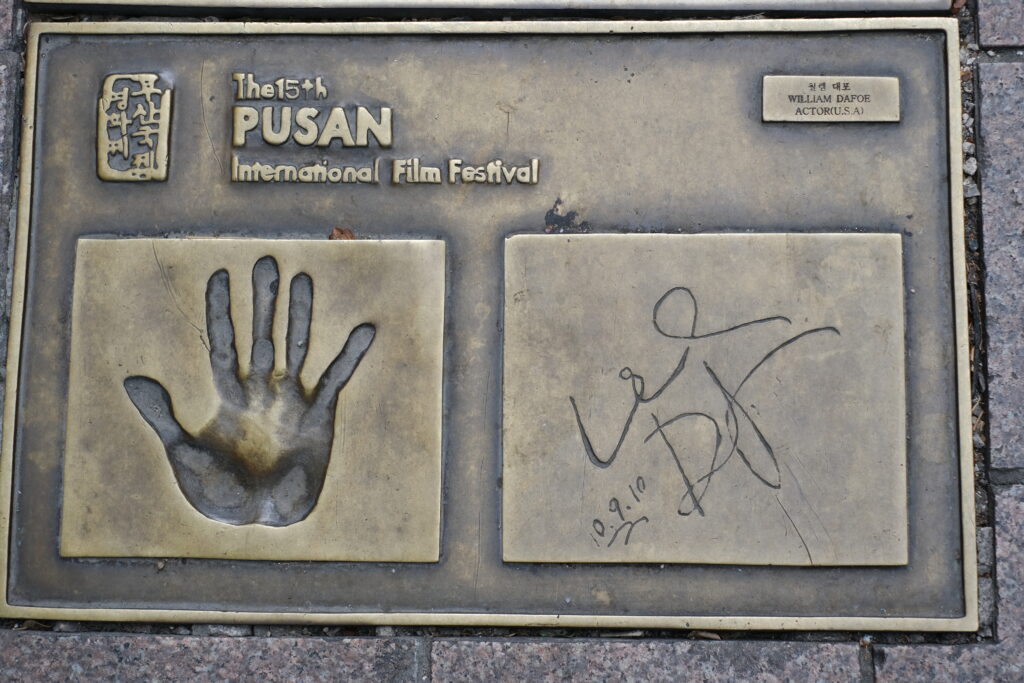
MAP:
GUKJE MARKET
Stop by Gukje Market, one of the city’s most famous traditional markets. Here, you can sample street food, shop for odds and ends, and simply let yourself be carried along by the crowd.
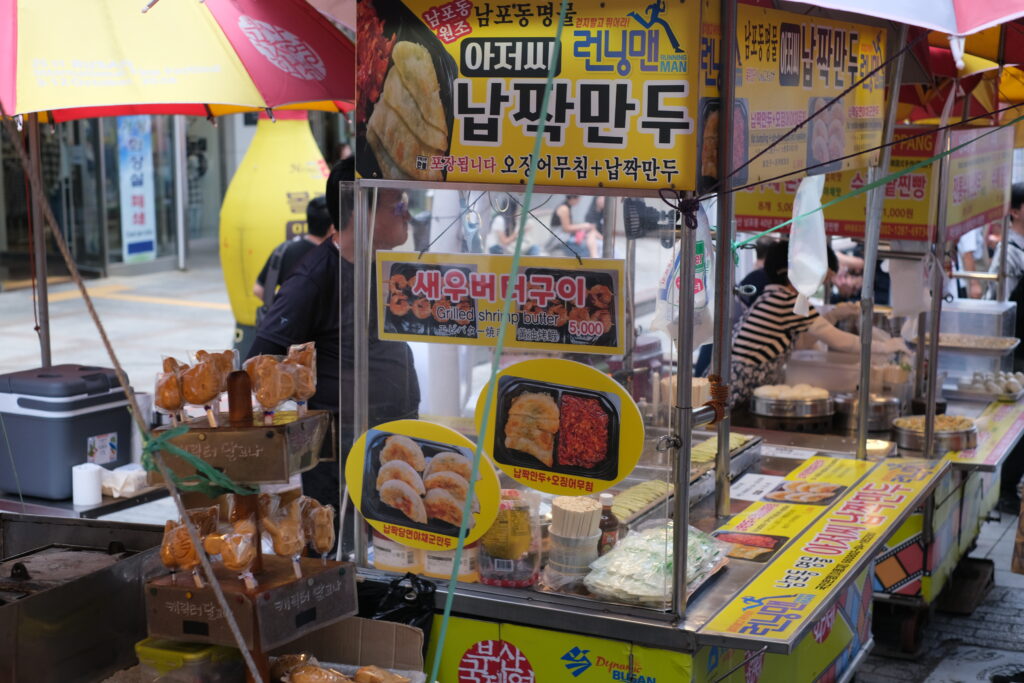
And definitely try hotteok, a sweet Korean pancake filled with seeds and sugar. It’s one of those things that makes you say, “I really didn’t need this.” And then you have another one.
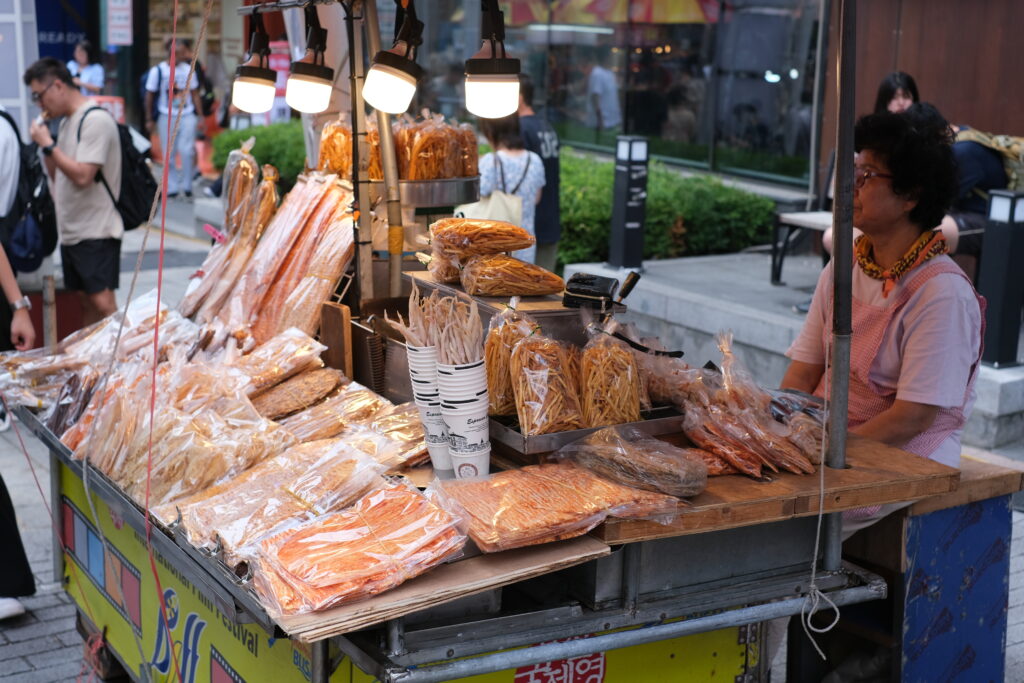
The market was established in 1945 after the end of World War II, when Japanese refugees and returning Koreans began selling their belongings there. During the Korean War (1950–1953), it became a major hub for the sale of smuggled U.S. military goods and foreign products—hence the name “International.”
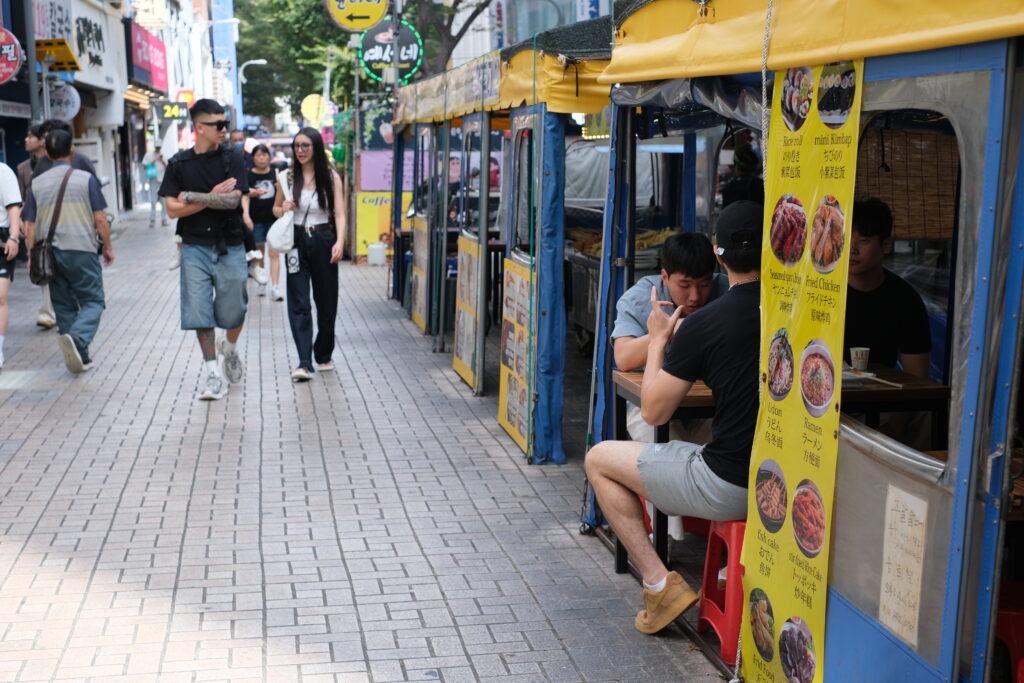
The market is a vast labyrinth of alleys divided into sections. You can find absolutely everything here—from clothing, vintage fashion, and Korean cosmetics to household goods, electronics, and traditional souvenirs.
MAP:
HAEDONG YONGGUNGSA, THE TEMPLE STANDING ABOVE THE OCEAN
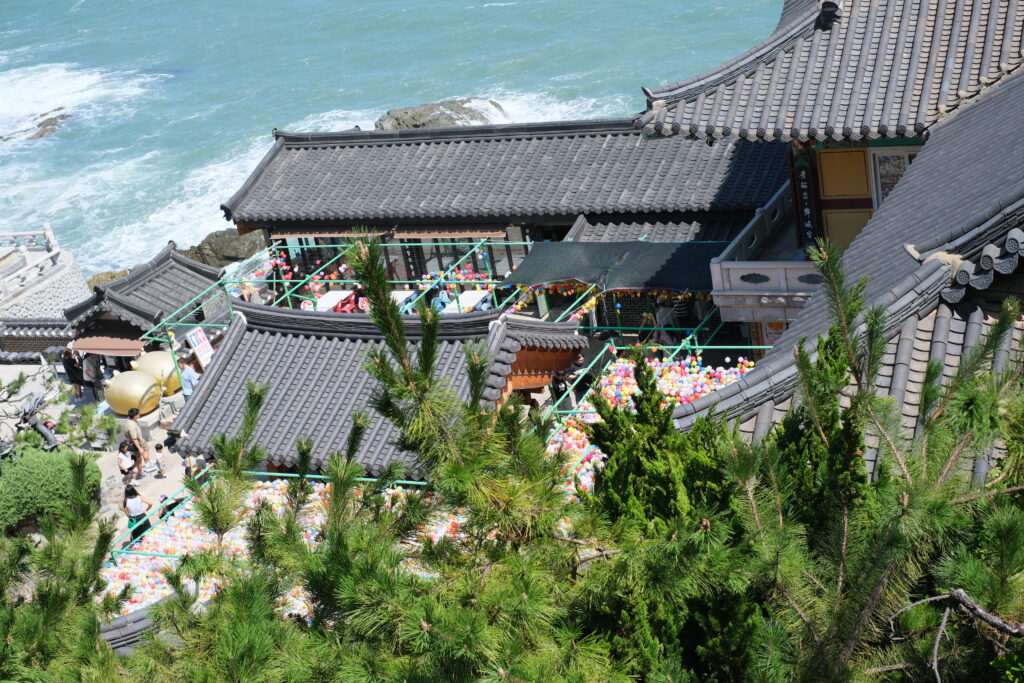
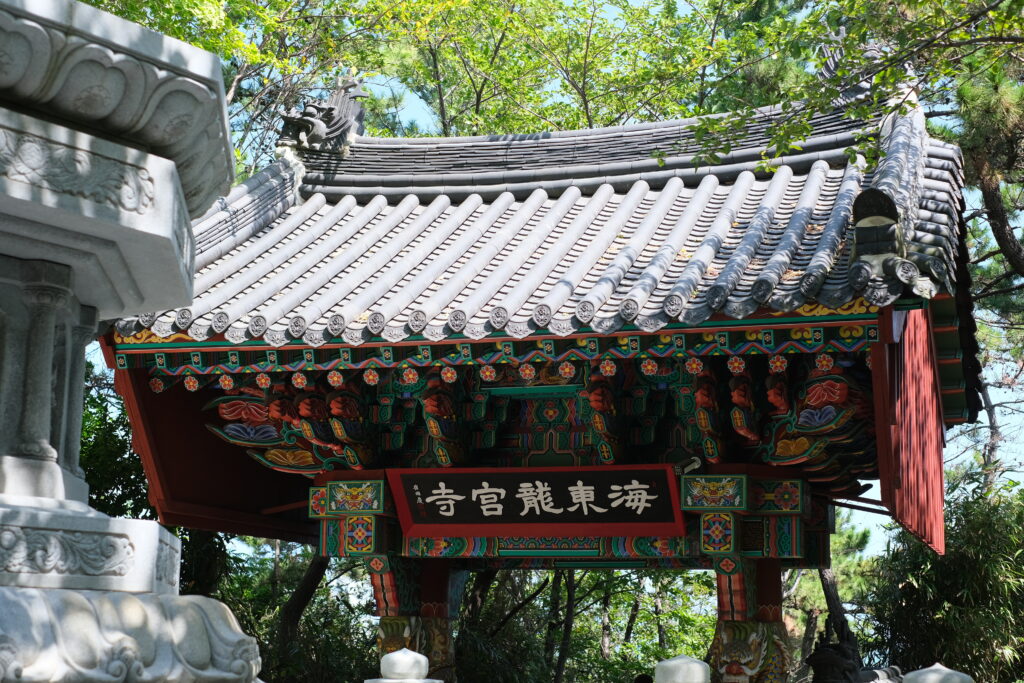
One of the places in Busan I definitely wouldn’t miss is Haedong Yonggungsa. Korean Buddhist temples are often found in the mountains, but Haedong Yonggungsa is different; it stands right on the coast, and you reach it by descending a flight of stairs towards the sea.
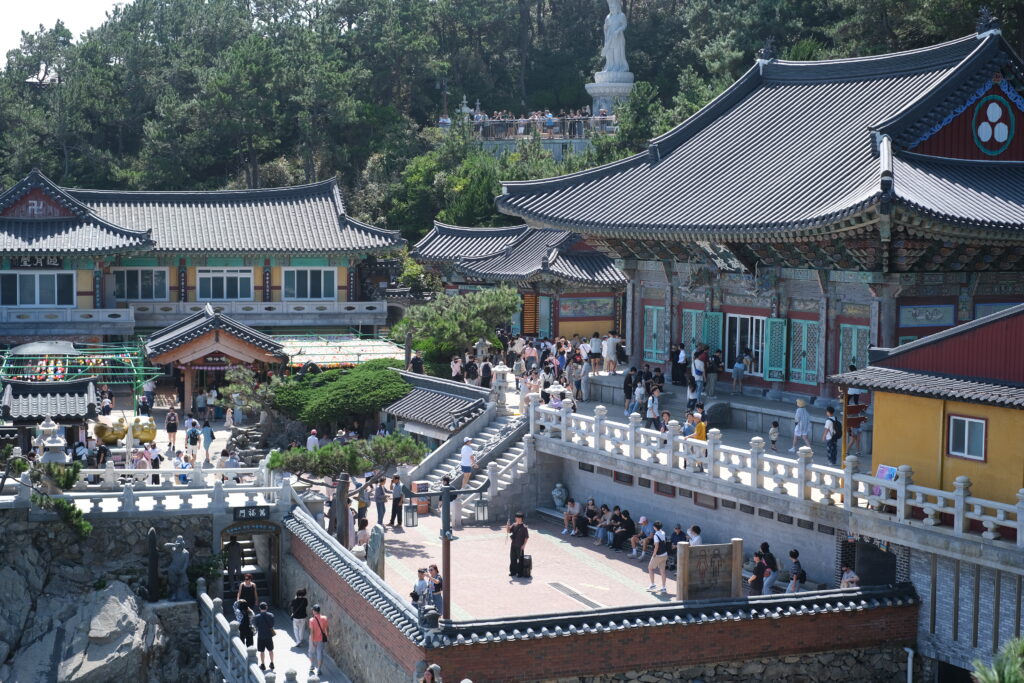
And that first glimpse is truly unforgettable, the temple, the cliffs, the sea, and the sound of the waves. Busan’s official tourism portal highlights it as one of the city’s key coastal landmarks.
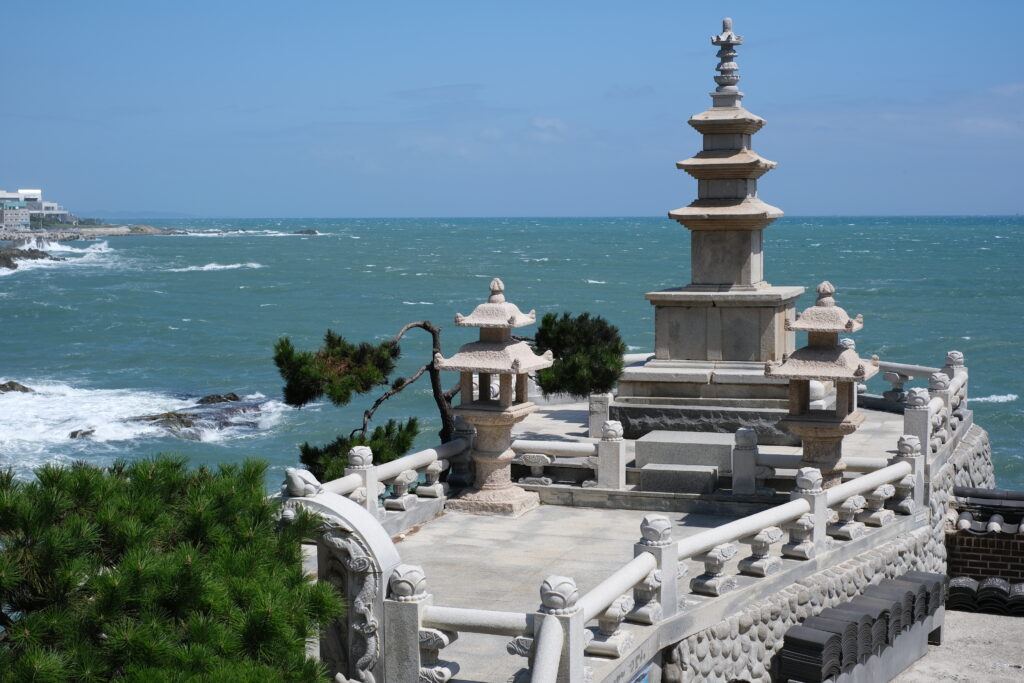
Feel free to come here early in the morning. Before the crowds of tourists arrive, the temple has a completely different atmosphere. And if you’re a romantic soul, you’ll feel as though you’ve stepped into a Korean movie.
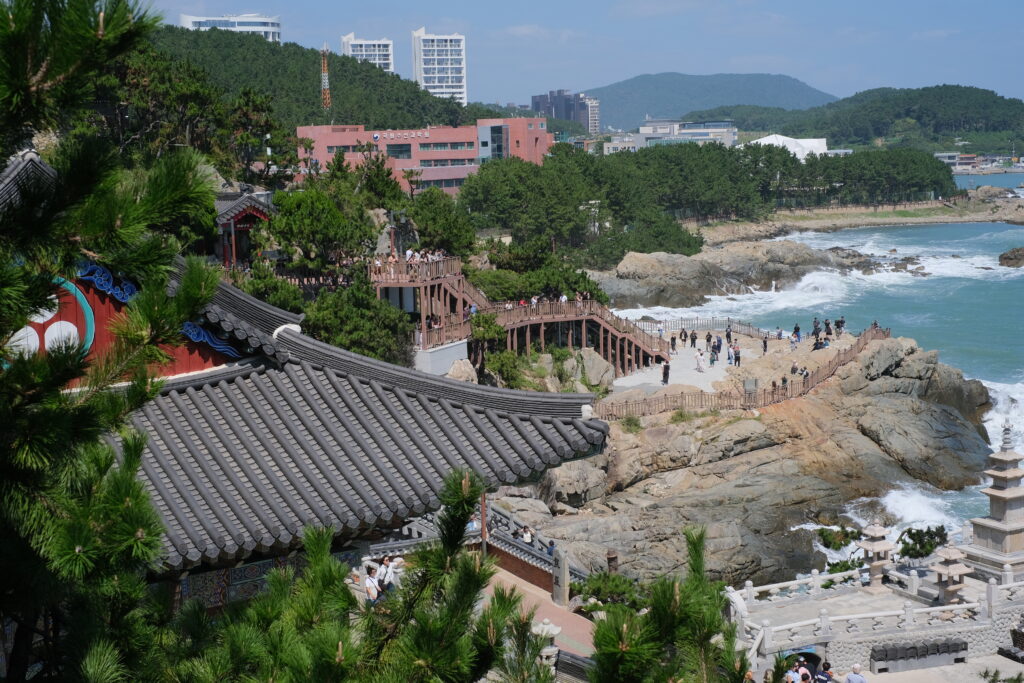
Locals believe that if you pray here with a pure heart, the Great Compassionate Buddha (Gwanseeum-bosal) will grant at least one of your hidden wishes.

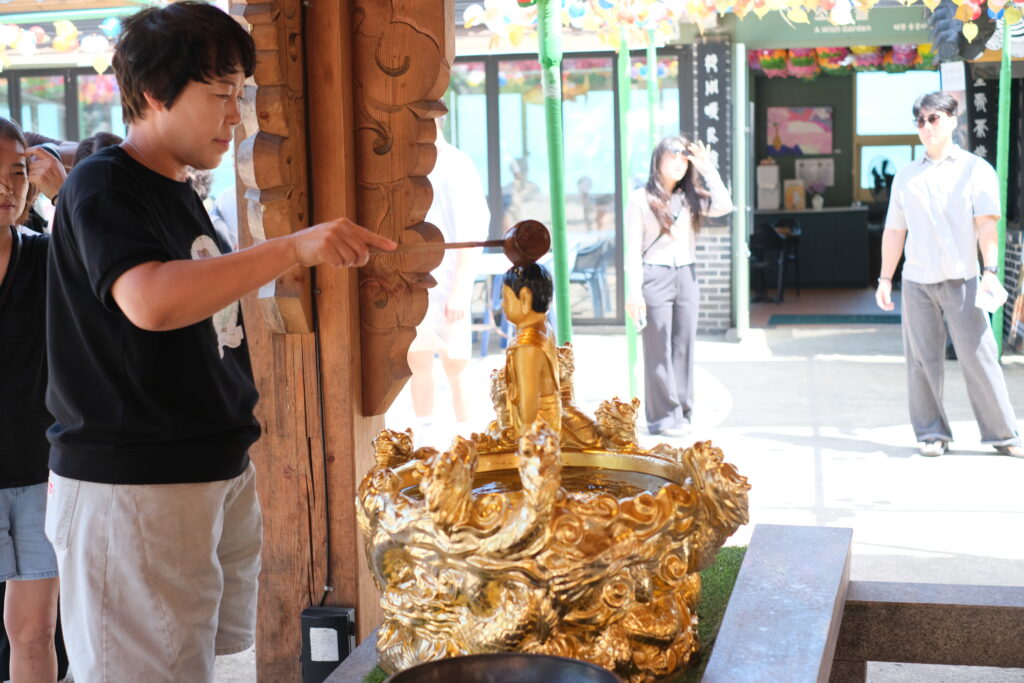
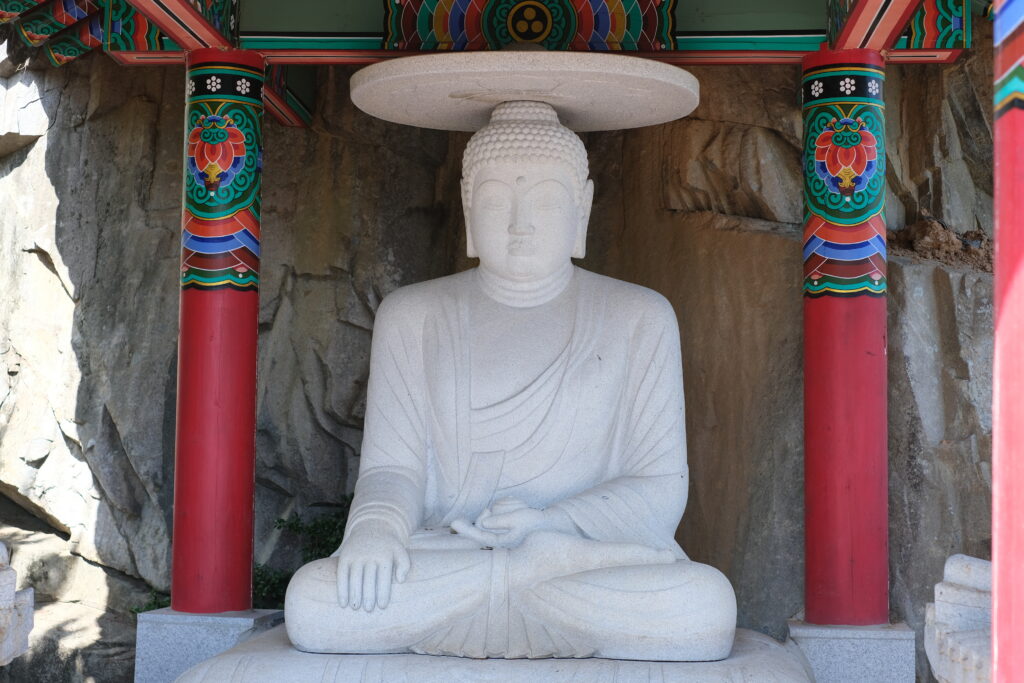
The temple was founded in 1376 during the Goryeo Dynasty by the renowned Buddhist teacher known as Naong. It was originally named Bomunsa. According to legend, the Sea King appeared to Naong in a dream and told him that if he built a temple on this coast, the land would find peace and be spared from drought.
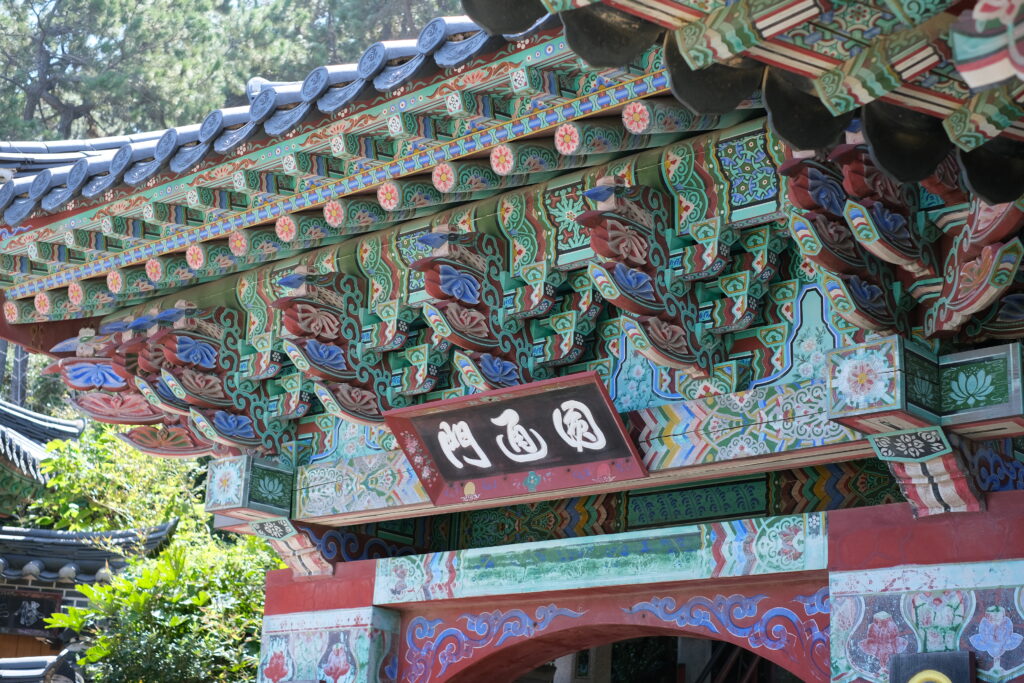

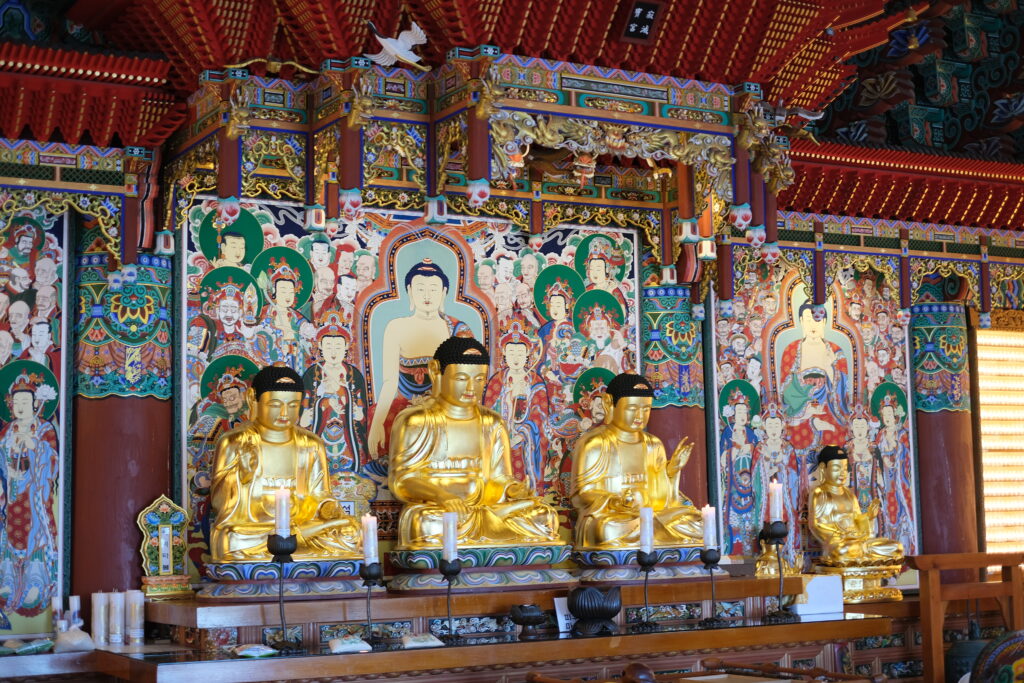
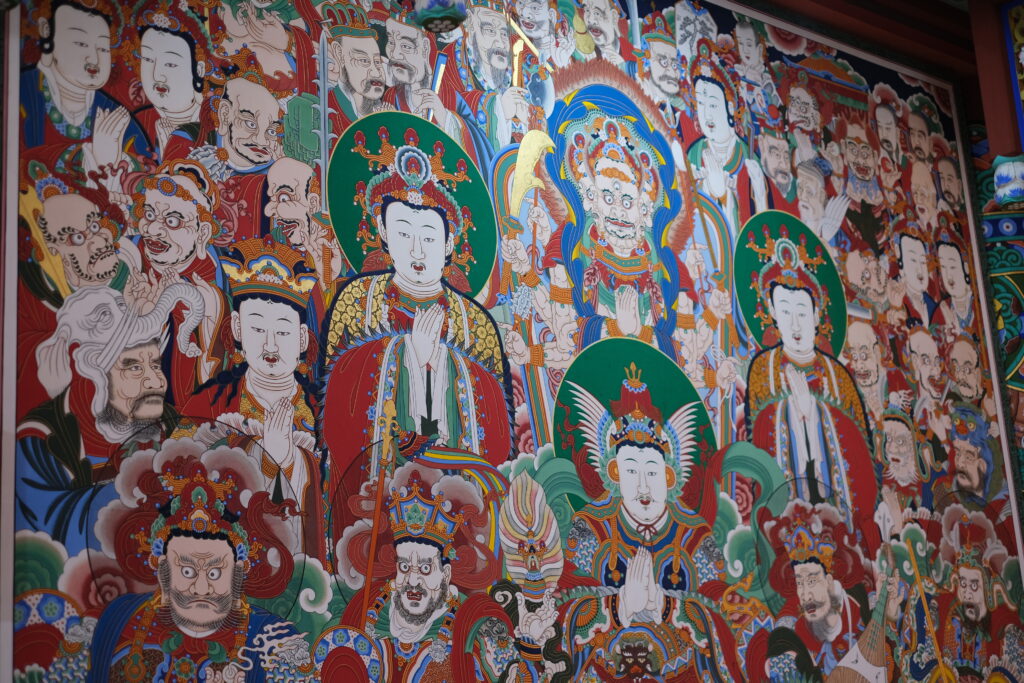
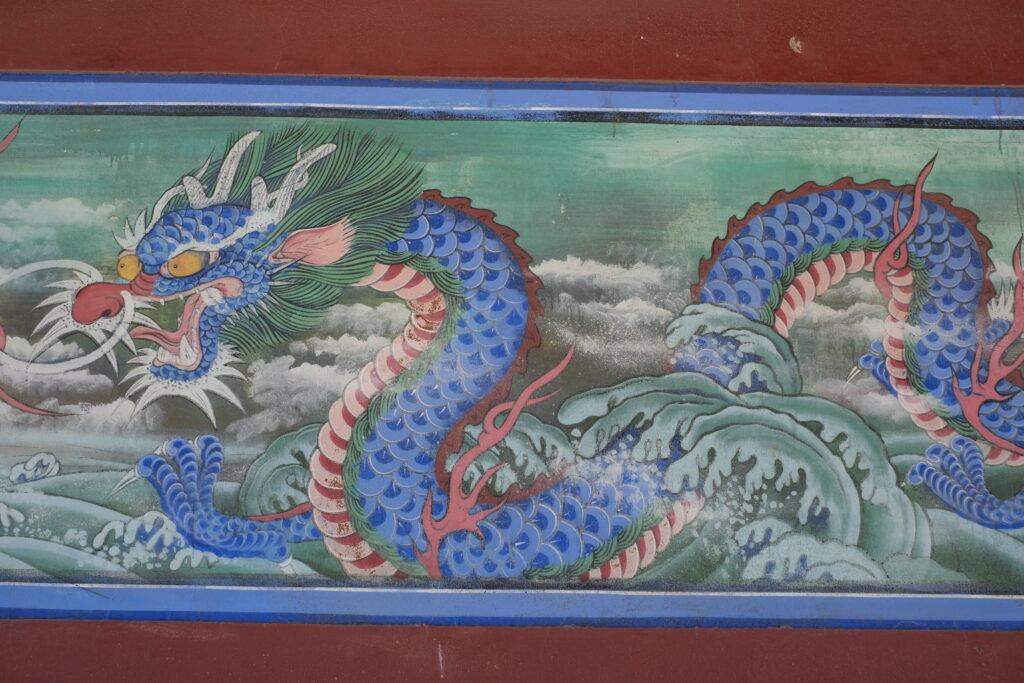
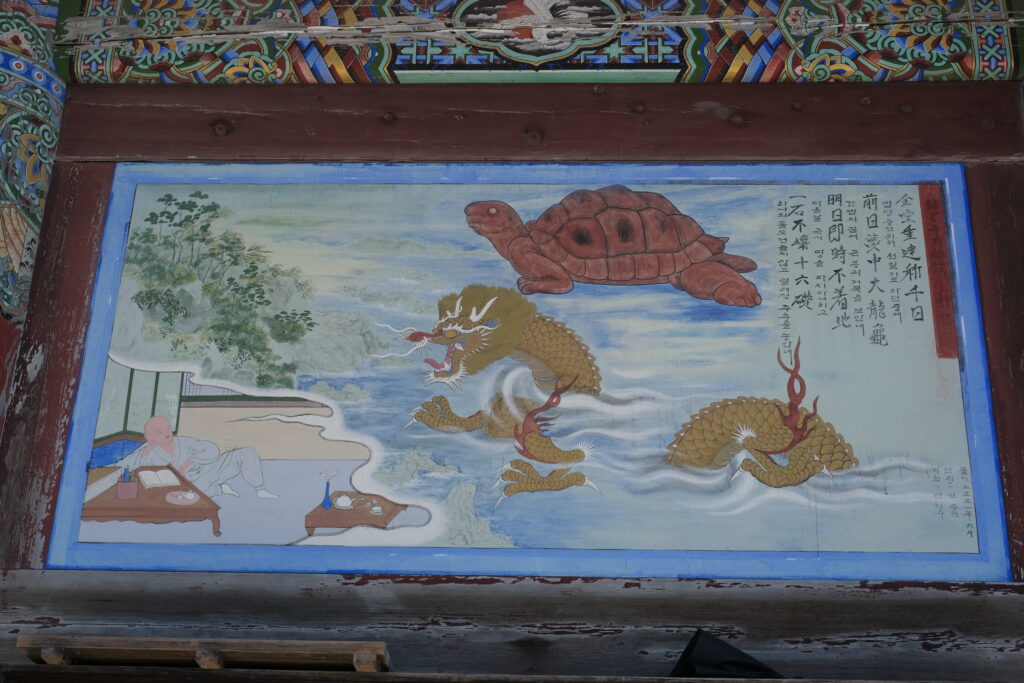
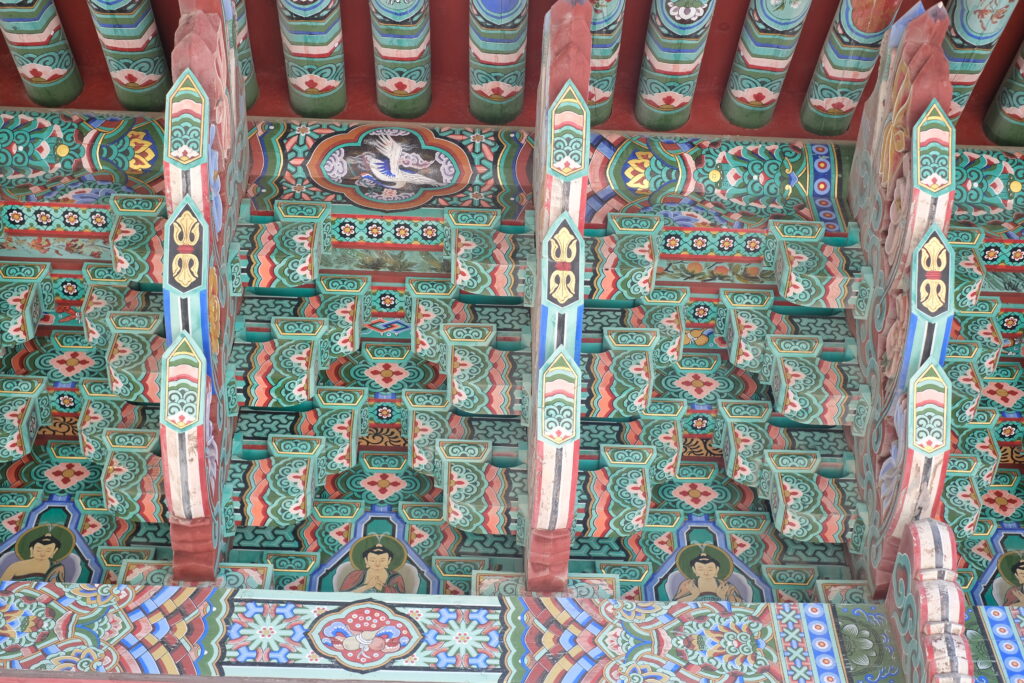
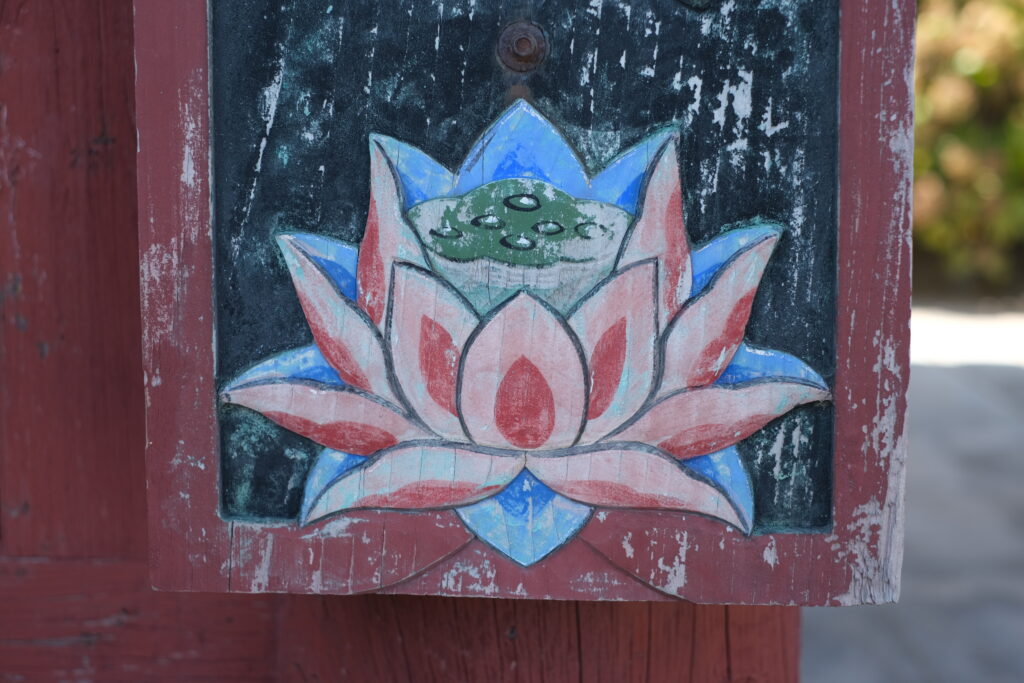
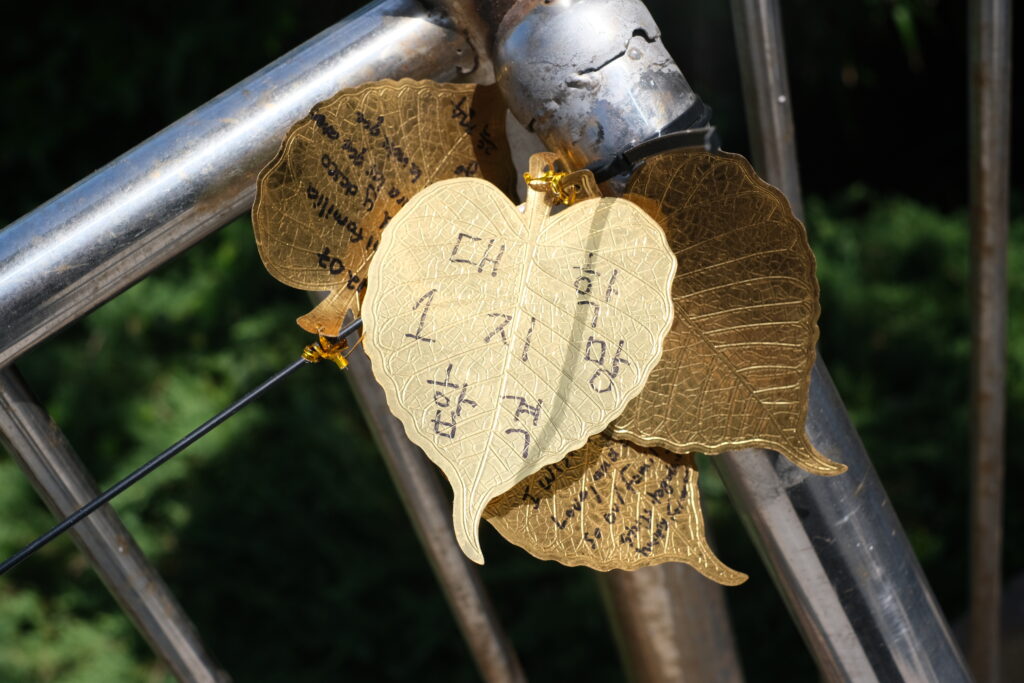
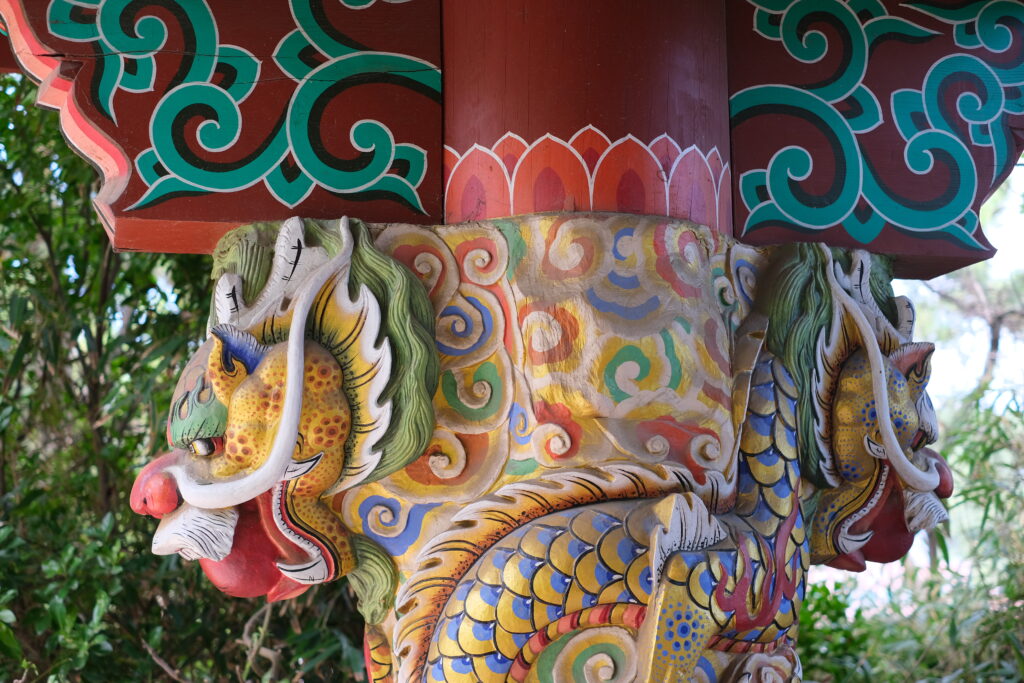
Unfortunately, the temple was completely burned down during the Japanese invasions of the late 16th century. It was not until the 1930s that it saw a rebirth, undergoing a complete reconstruction. It acquired its current name, Haedong Yonggungsa (translating to “Sea Dragon Palace Temple”), in 1974, after a monk dreamt of a white dragon ascending to the heavens.
The journey to the very heart of the temple is a ritual in itself, offering several fascinating stops along the way.
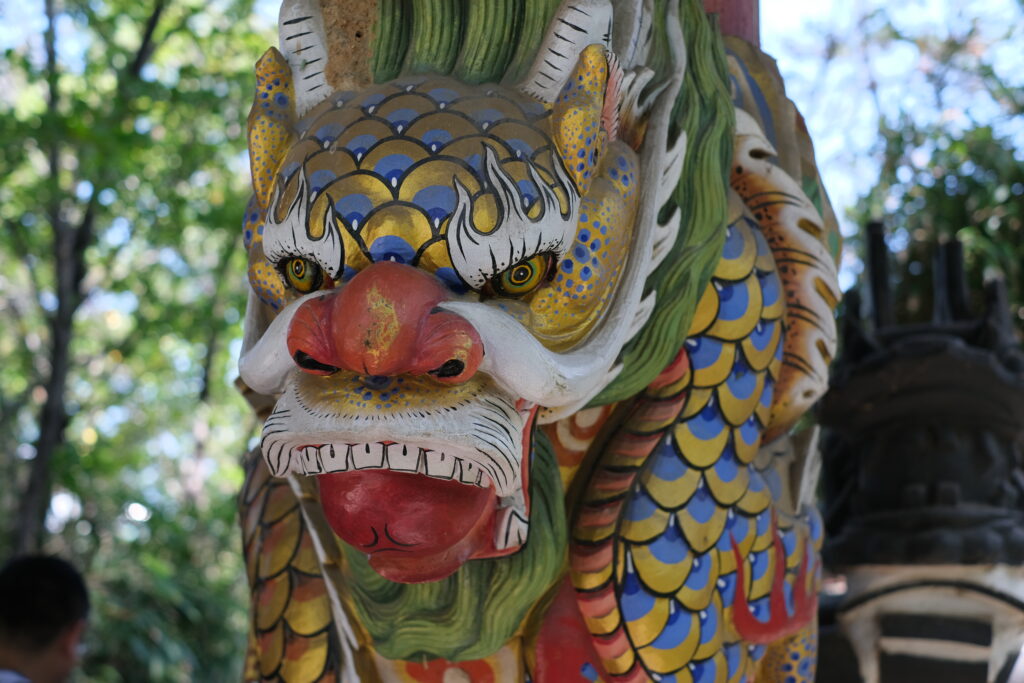
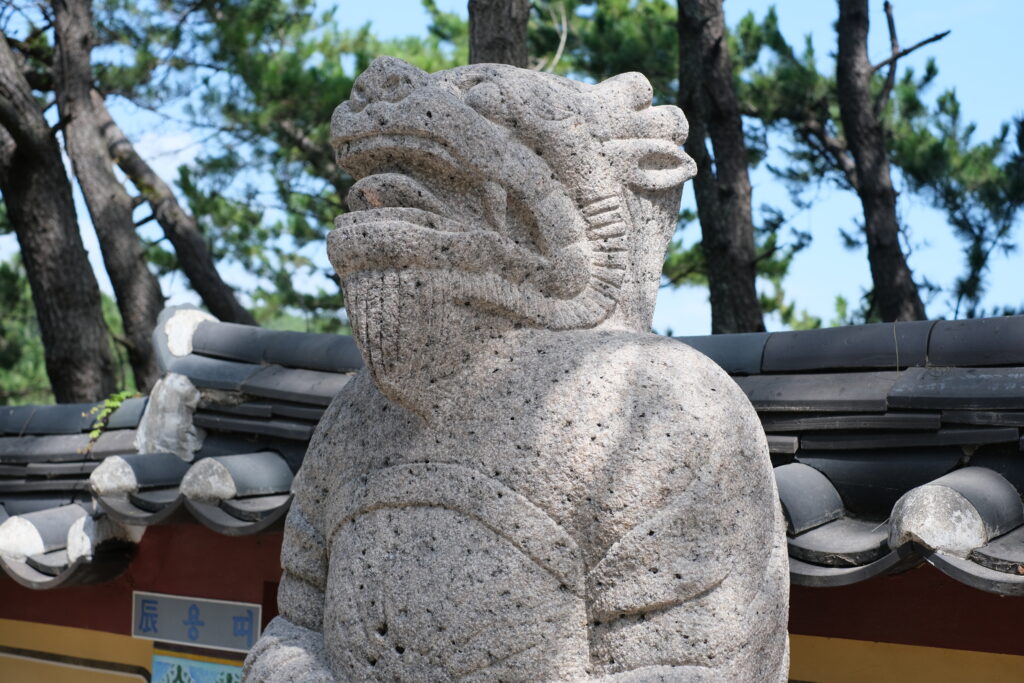
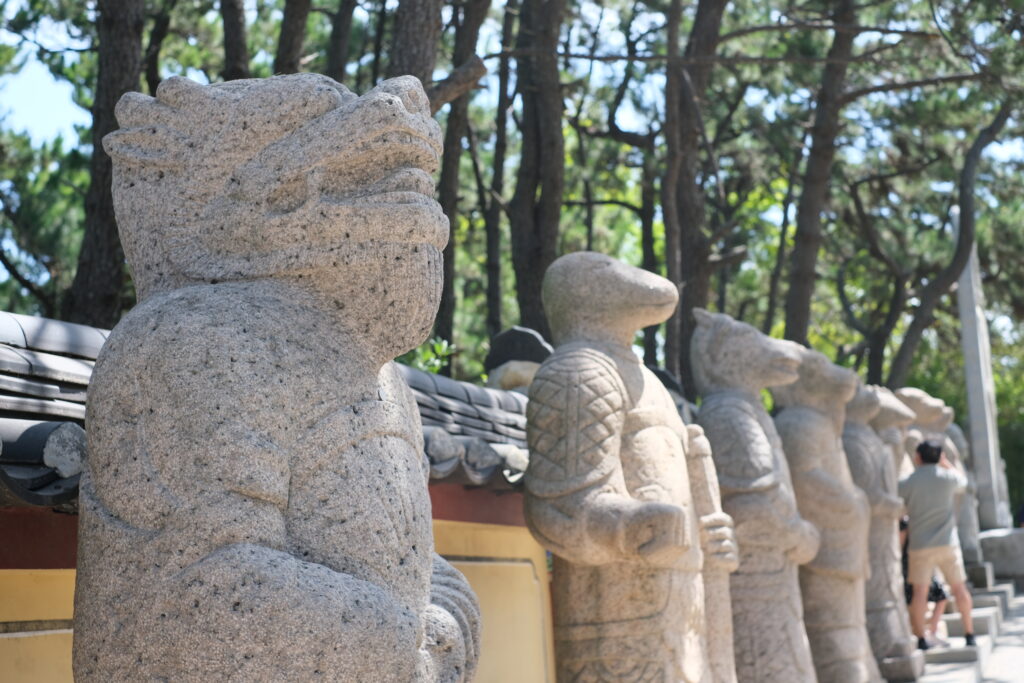
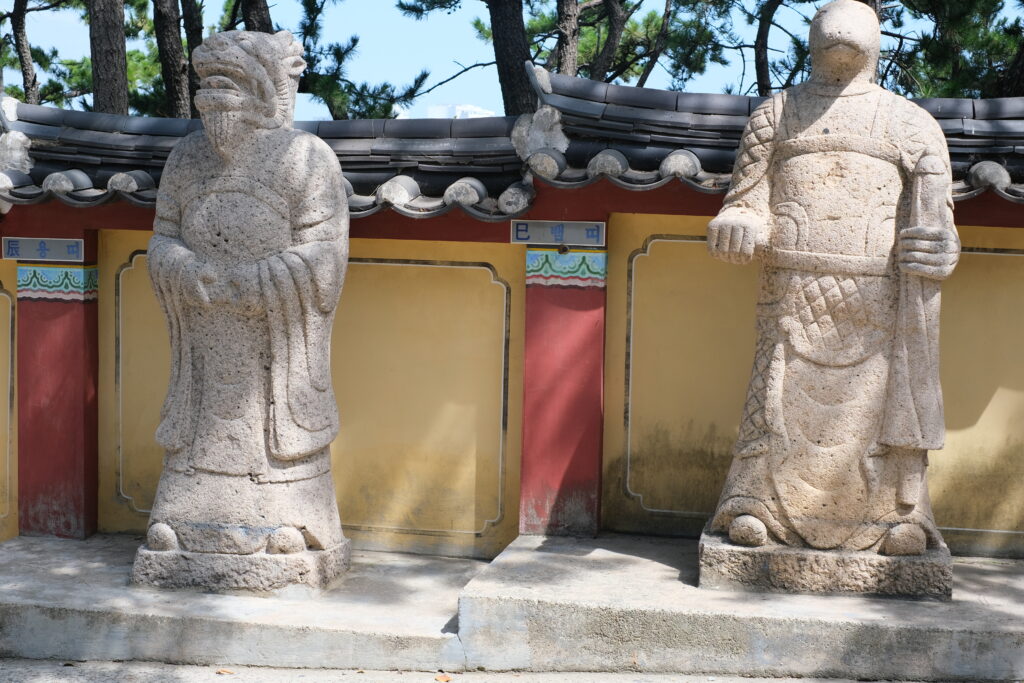
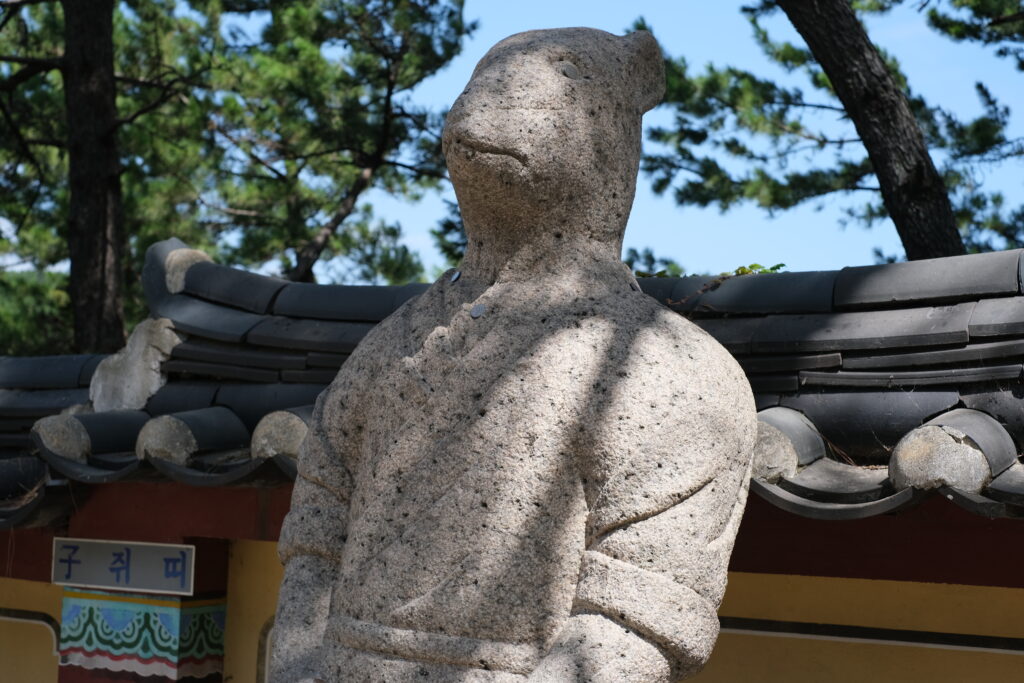
Right at the entrance, you are welcomed by 12 giant stone statues dressed in human clothing, representing the signs of the Chinese zodiac. Every tourist makes a point of taking a photo with “their” animal.
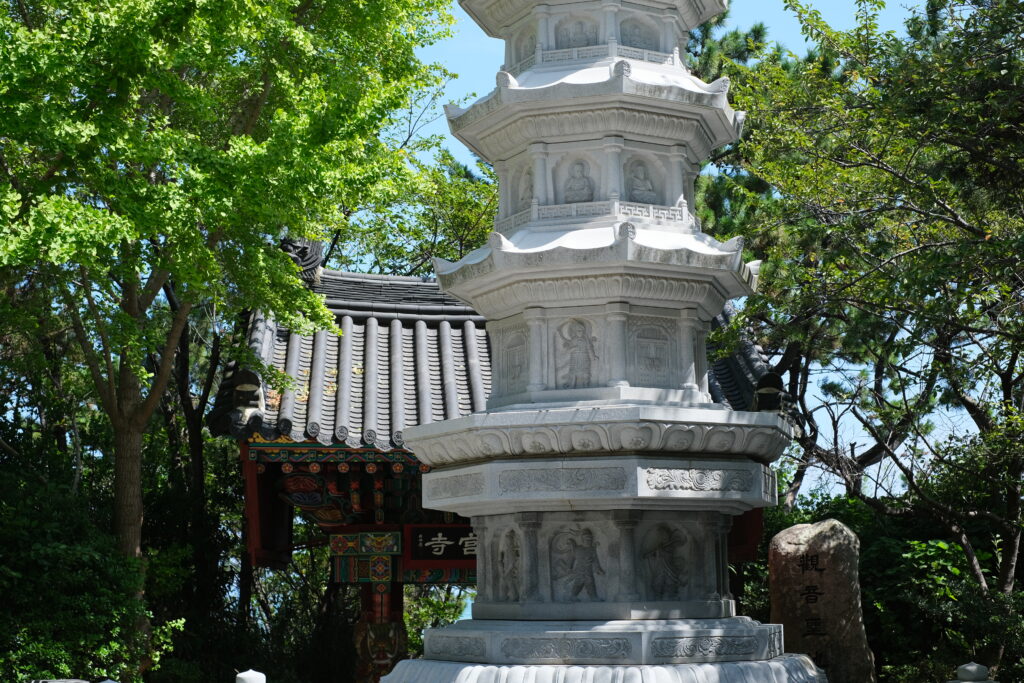
A unique pagoda standing just behind the statues is dedicated to road safety. Drivers come here to pray for safe returns home.
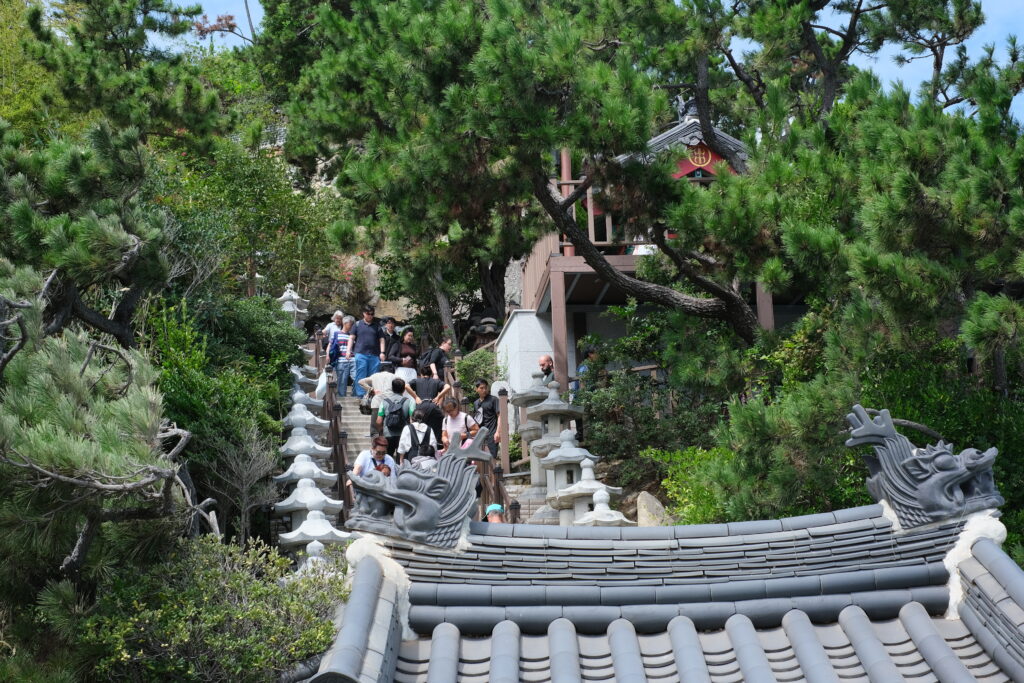
To reach the temple itself, you must descend 108 stone steps. In Buddhism, this number symbolizes the 108 earthly afflictions and desires that you should leave behind with each step down.
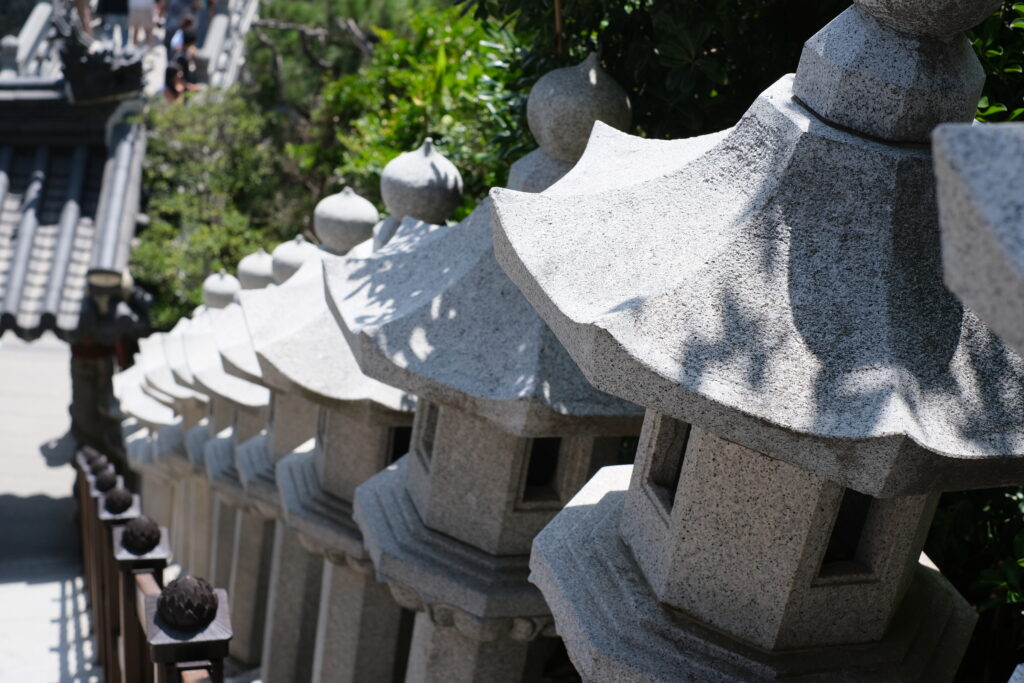
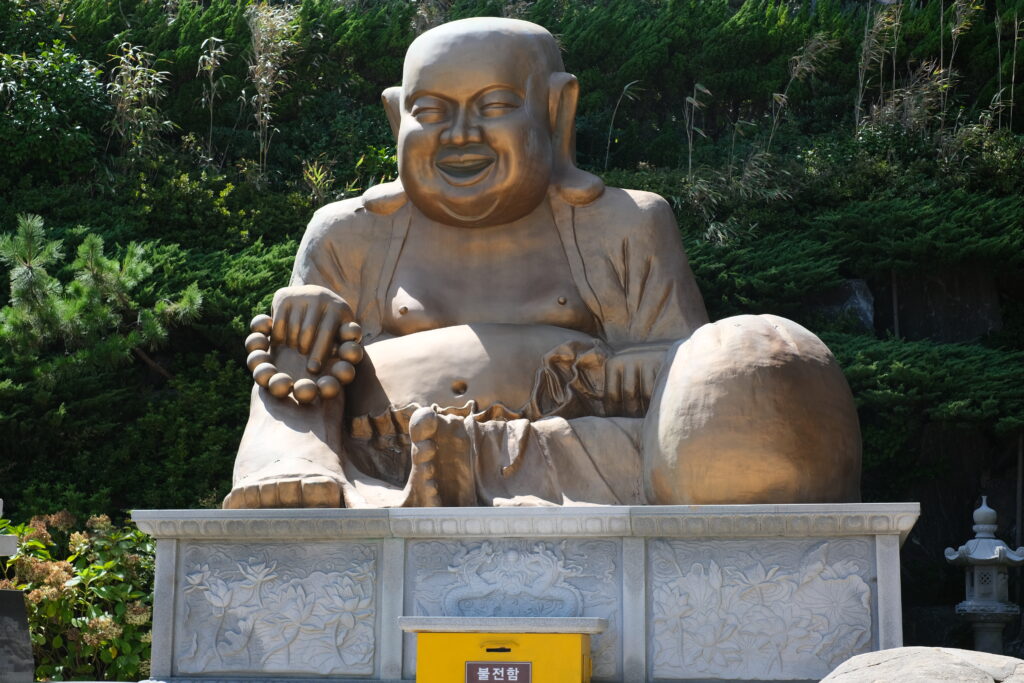
Once the view of the ocean opens up before you, you cross a stone bridge from which people toss coins into the fountain below for good luck. Within the complex, you will find a giant golden statue of a portly, laughing Buddha (Hwanggeum Mireuk-bul), and at the highest point of the rock, a majestic white statue of the Goddess of Mercy gazing down at the waves below.
MY PRACTICAL TIPS
Best time to visit: The temple is renowned as one of the best places in Korea to watch the sunrise. If you get up early, you can witness an incredible spectacle without the crowds. The temple opens as early as 4:30 AM. If you aren’t an early riser, aim for the morning; by noon, the grounds are usually packed with tour buses.
Admission: There is no entrance fee; the site is open to the public for free year-round.
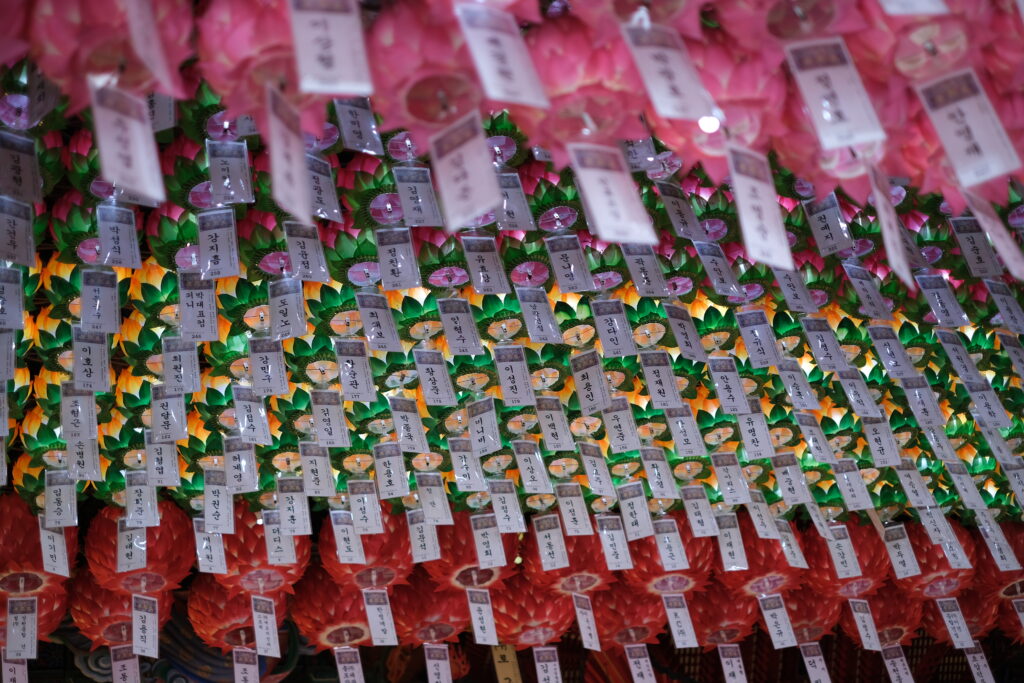
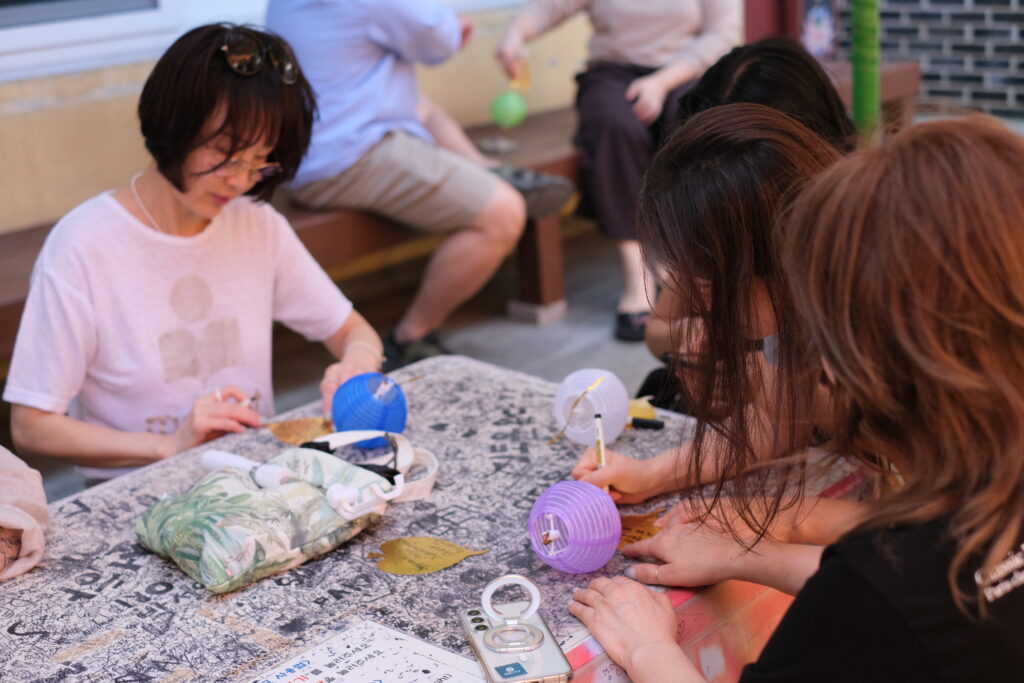
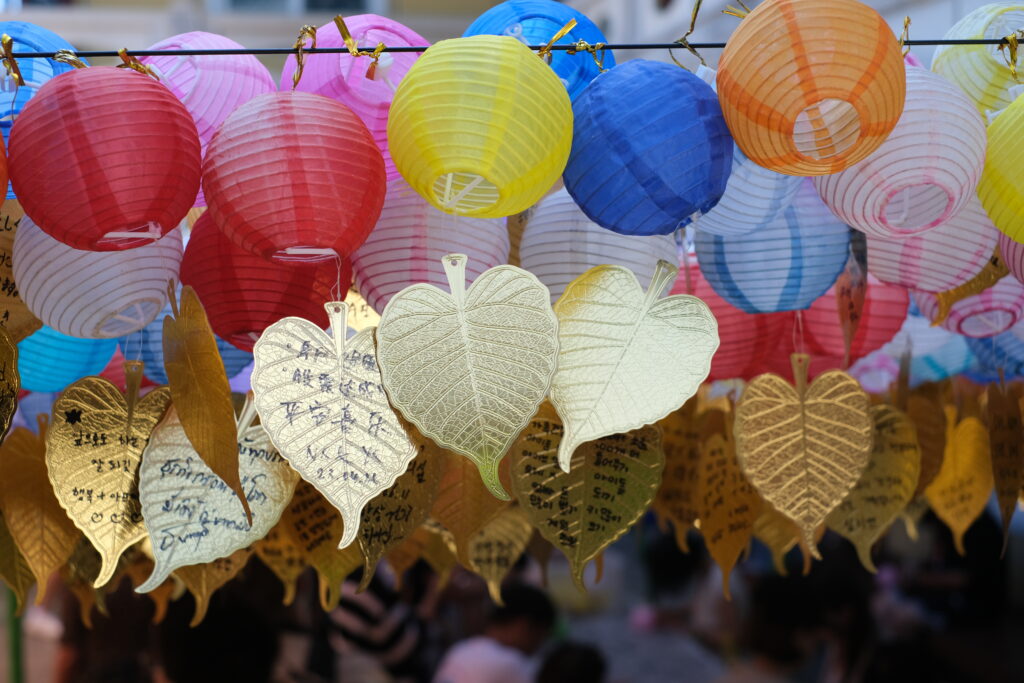
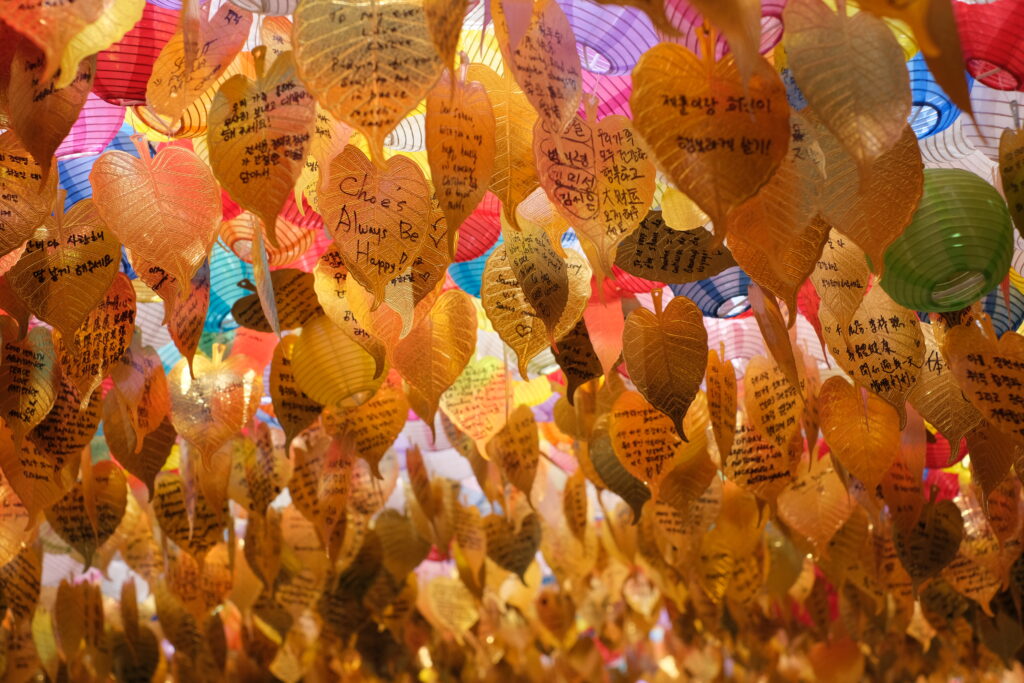
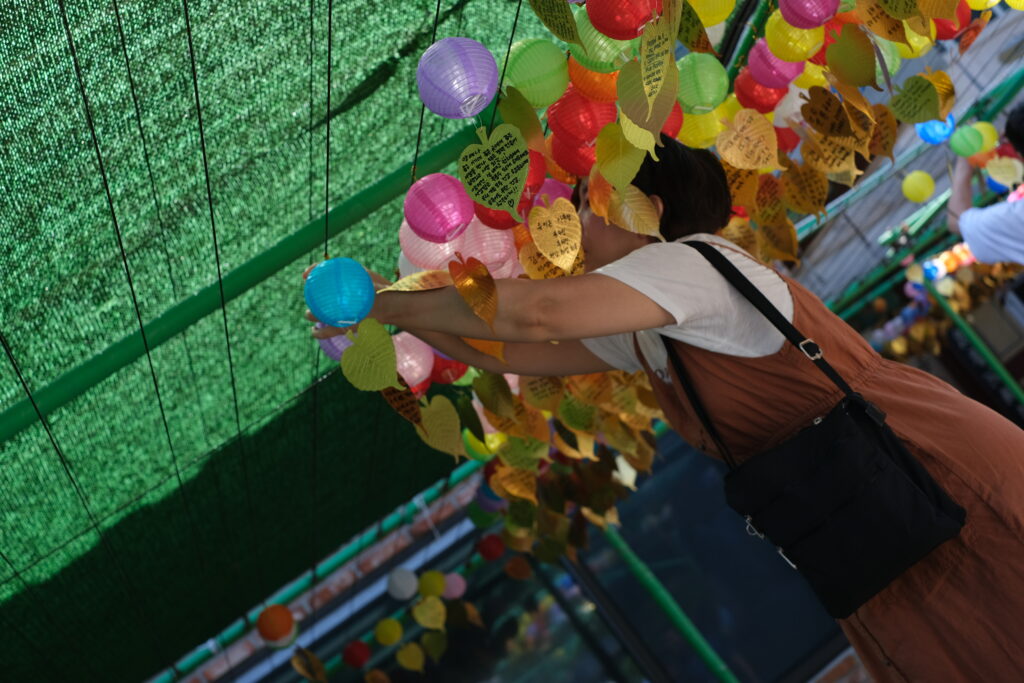
Special event: If you are in Korea in late April or early May, don’t miss the Buddha’s Birthday celebrations. The entire temple is adorned with thousands of colorful paper lanterns that glow magically against the dark sea at night.
How to get there: The temple is located a bit outside Busan’s city center, but getting there is easy. Take Metro Line 2 (Green Line) to the terminus, Haeundae Station (Exit 7). Right outside the exit, transfer to bus number 181 or 100. Get off at the Yonggungsa Temple stop (the bus ride takes about 25 minutes). From there, it’s a gentle 10-minute uphill walk to the temple gate. Alternatively, you can skip the hassle of transfers and take a taxi directly to the temple, just as I did.
MAP:
HAEUNDAE BLUELINE PARK
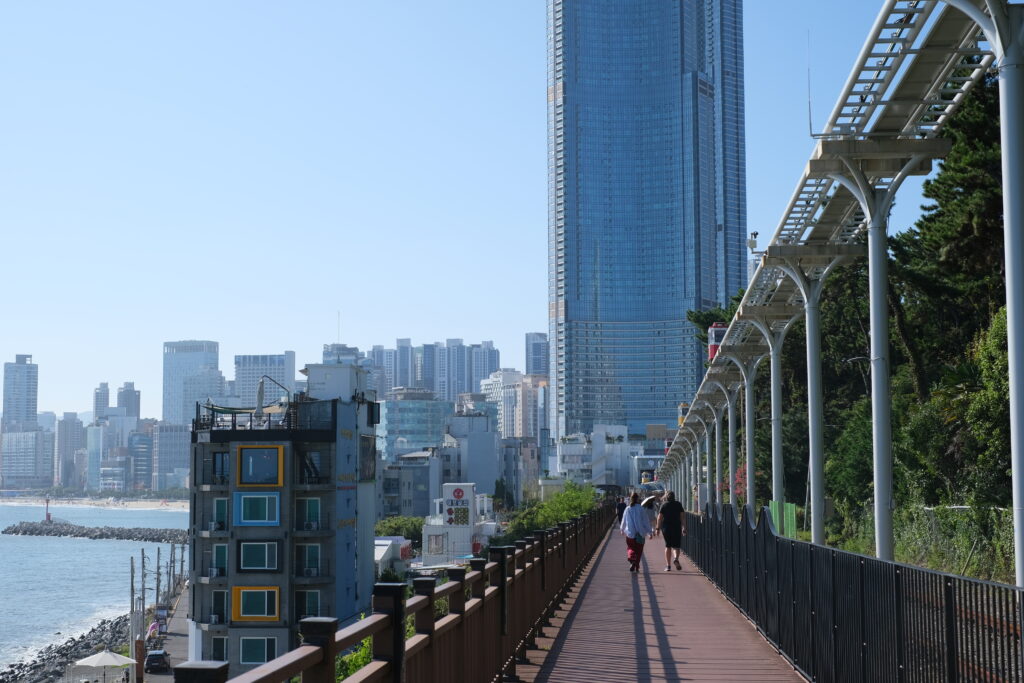
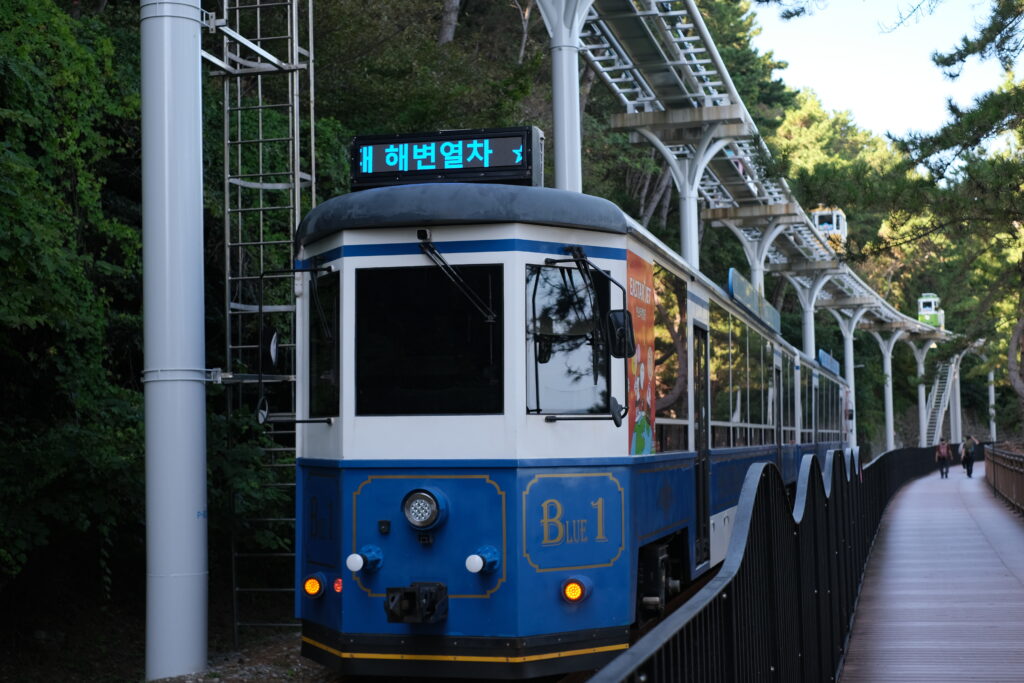
This unique eco-park was created through the complete transformation of the old, abandoned Donghae Nambu railway line. Stretching along 4.8 kilometers of coastline, it now offers two fantastic, experience-oriented modes of transport and a breathtaking walking route. Two distinct types of trains operate in the park; each runs at a different elevation and speed, offering a unique experience.
MAP:
BEACH TRAIN
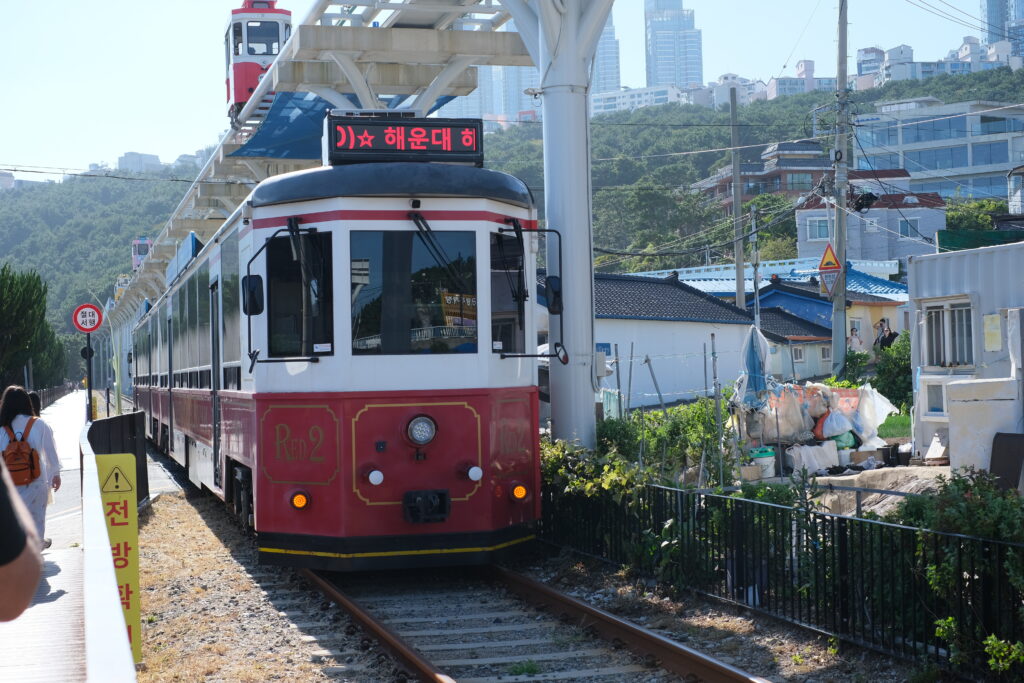
A classic, larger sightseeing train that runs at ground level. It travels the full 4.8 km route from Mipo, through Cheongsapo, to Songjeong Beach. All seats face the sea, allowing you to gaze at the waves through large windows throughout the journey. It is significantly faster (15 km/h), shared with other passengers, and serves as a practical mode of transport between the beaches.
Price list and ticket types:
1 ride: 7,000 KRW (one-way, no re-boarding)
2 rides: 10,000 KRW (ideal for a round trip)
Unlimited: 13,000 KRW (you can board once at each station)
SKY CAPSULE
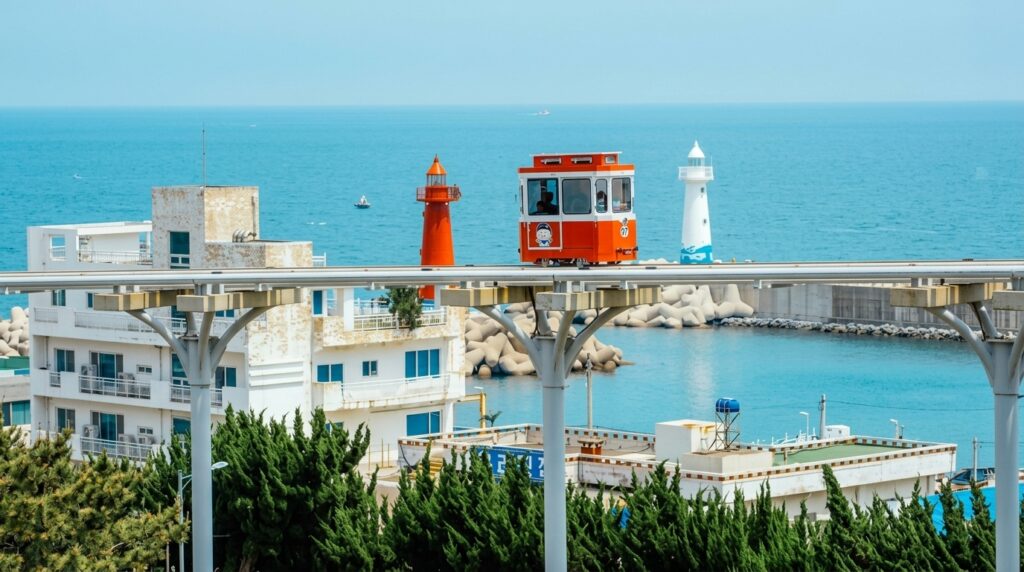
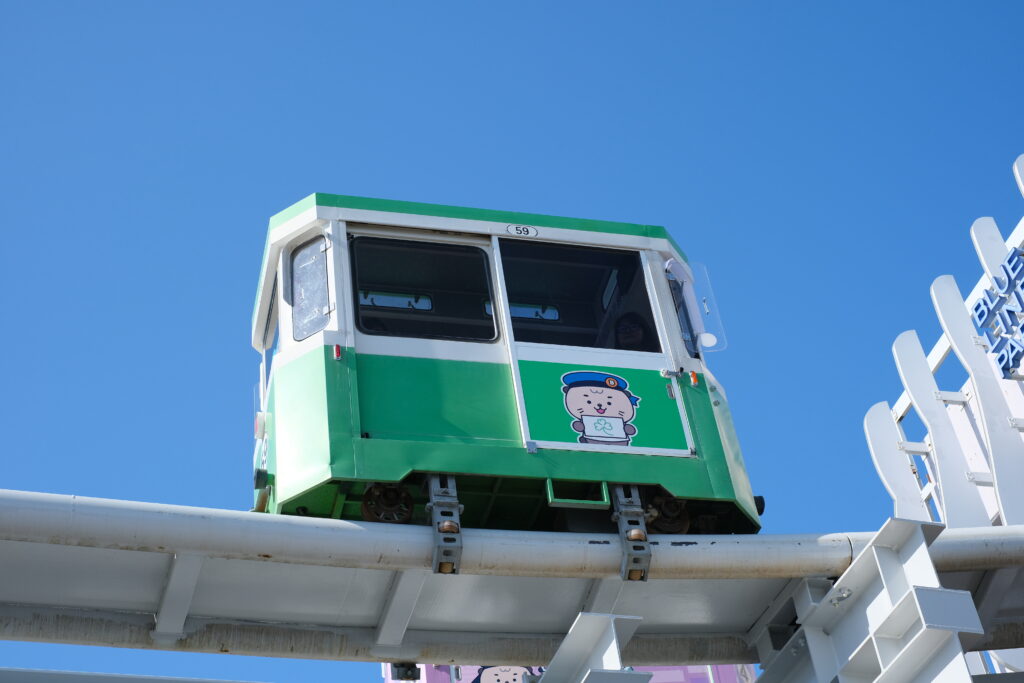
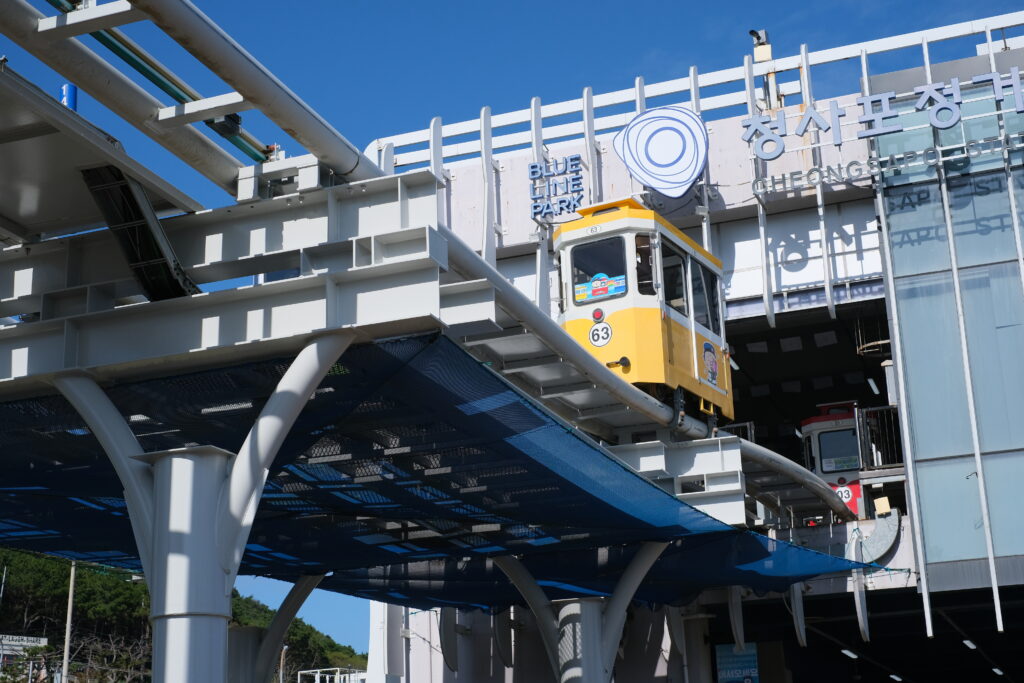
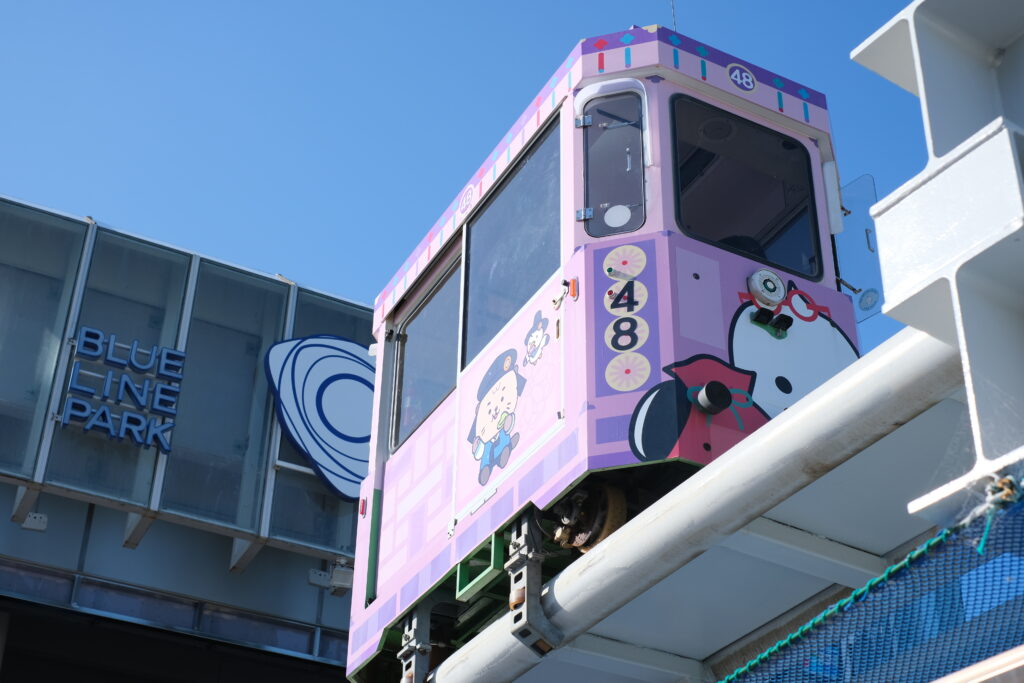
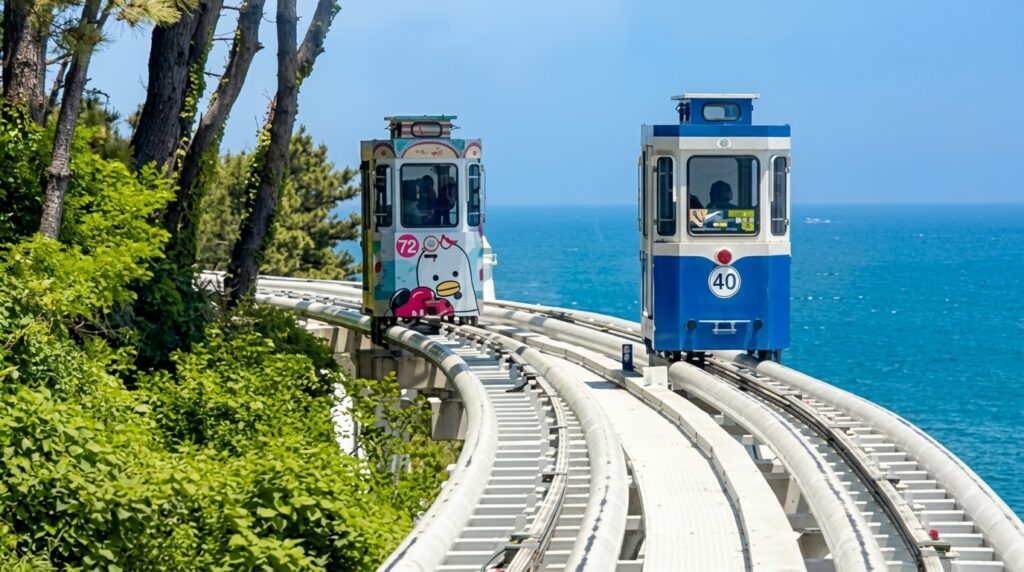
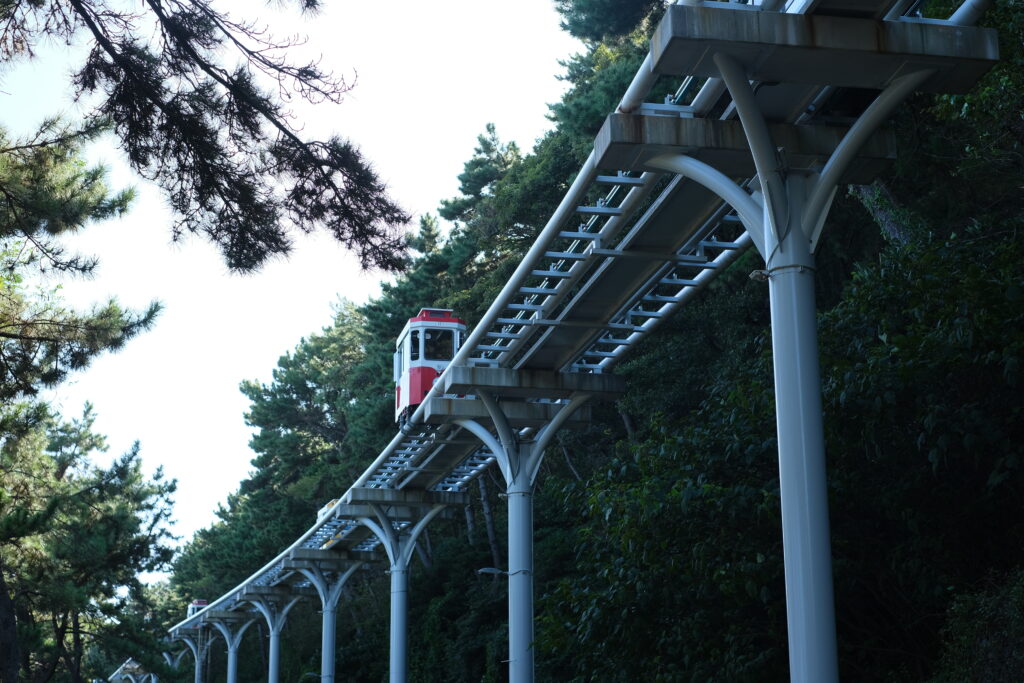
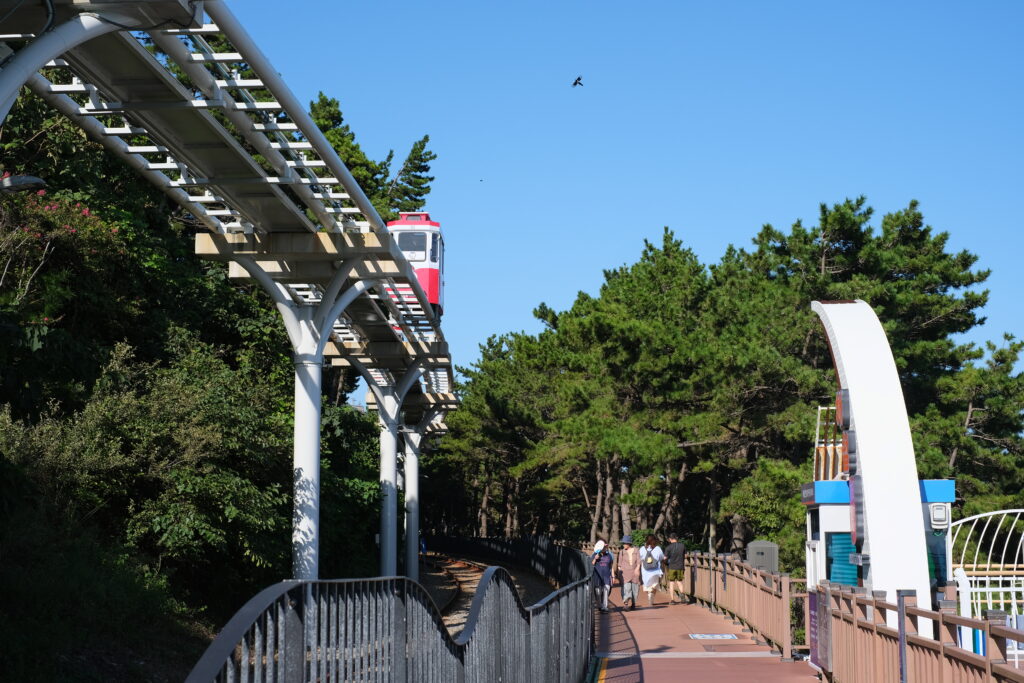
If you scroll through Instagram or TikTok looking for inspiration for a trip to South Korea, you’ve almost certainly come across them: small, pastel-colored pods gliding along an elevated track 7 to 10 meters above the ground, offering panoramic views of the endless ocean and skyscrapers. They run exclusively between the Mipo and Cheongsapo stations (a distance of about 2 km). Each pod is completely private and accommodates 2 to 4 people. The capsule moves at a snail’s pace; the ride takes roughly 30 minutes and offers an incredibly romantic, peaceful experience that is perfect for taking photos.
Ticket prices and types:
For 2 people: 40,000 KRW
For 3 people: 45,000 KRW
For 4 people: 50,000 KRW
🚫 Due to their immense popularity on social media, Sky Capsule tickets often sell out completely days in advance. Sales open on the official Blueline Park website every Tuesday at 7:00 AM for dates up to four weeks ahead. If the website is sold out, tickets can be purchased via authorized platforms such as https://www.klook.com/cs/destination/p50189102-haeundae-blue-line-park/. Tickets for the time around sunset (Golden Hour), when the sea view is most stunning, are the hardest to secure.
MAIN STATIONS AND WHAT TO SEE THERE
The entire route offers some great stops where you can get off (if you have the right type of ticket).
MIPO
The main starting point at the edge of the famous Haeundae Beach. Right next to it stands a giant skyscraper with an observation deck overlooking Busan.
CHEONGSAPO
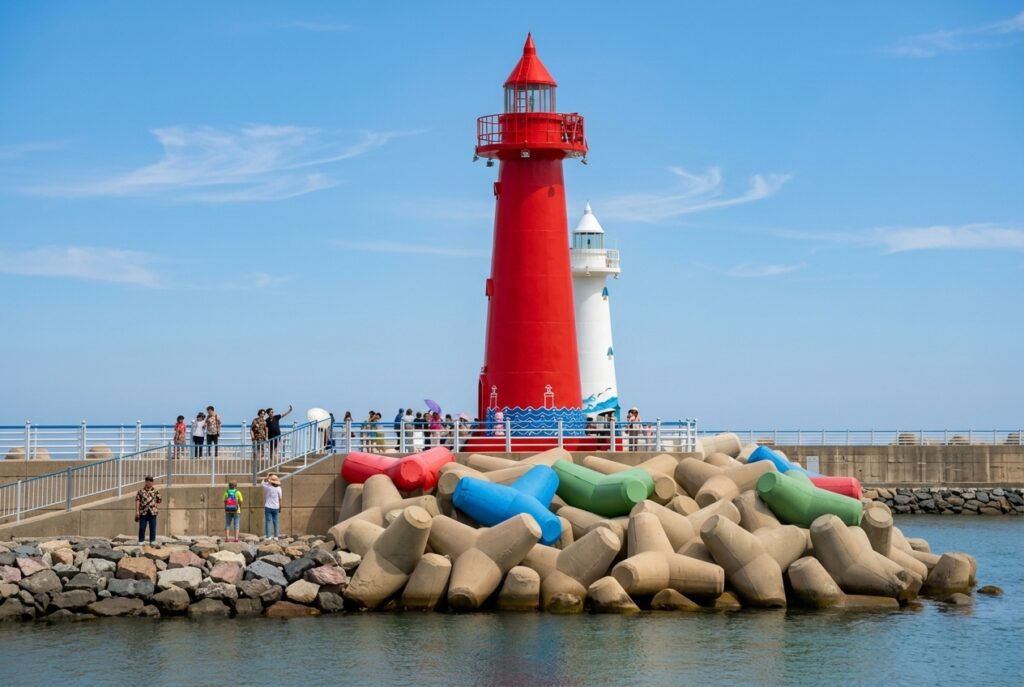
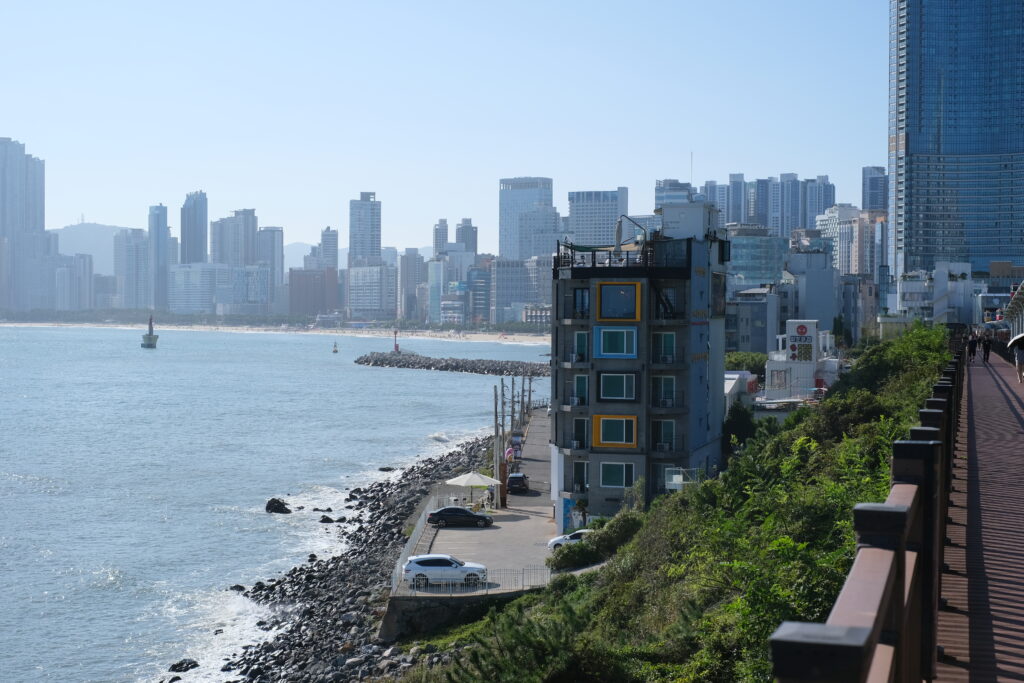
A picturesque fishing village famous for its grilled seafood restaurants and two lighthouses (one white, one red).
It is here that you realize Busan is not just a modern tourist destination; it remains a port city whose life has been intertwined with the ocean for centuries. And if you love seafood, this is definitely the right place for lunch.
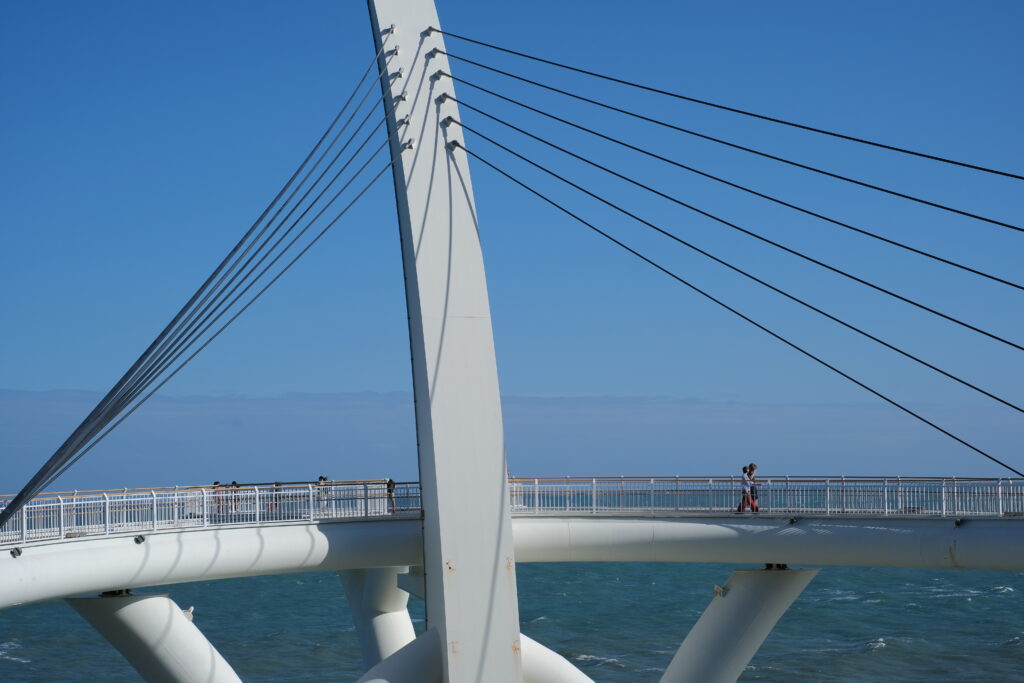
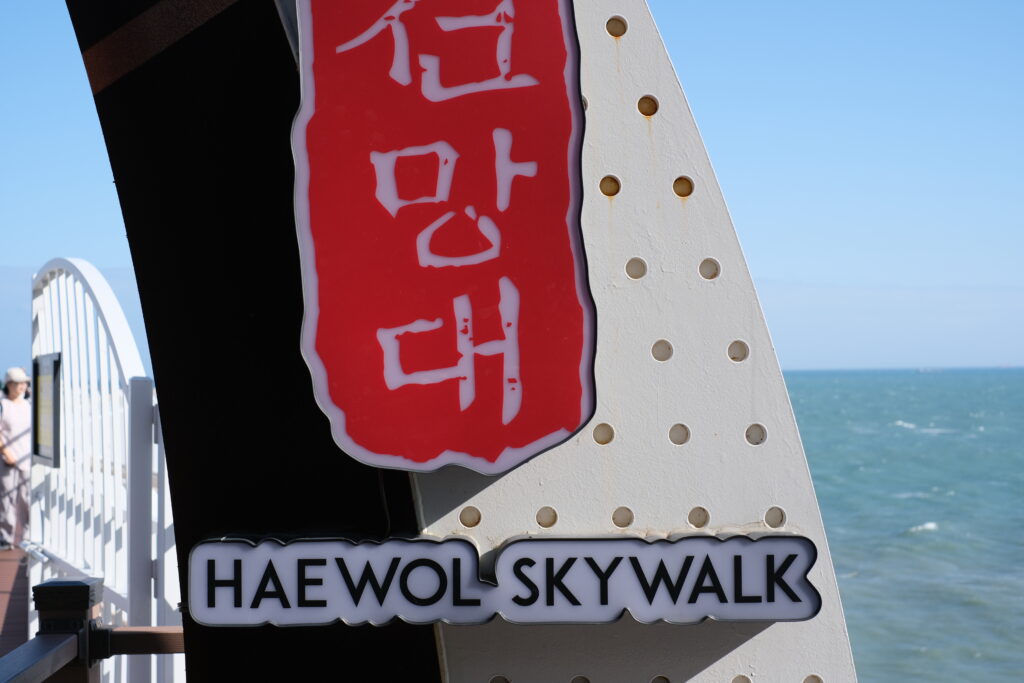
A short distance away lies the Daritdol Skywalk, a glass-floored observation walkway projecting out over the sea. Here, Busan reveals its wildest side, rocks, forest, cliffs, and the ocean. And if you don’t suffer from vertigo, it offers a truly impressive view down onto the rocks and the sea.
SONGJEONG
The final stop. Songjeong Beach is much quieter than Haeundae and is considered a mecca for South Korean surfing.
GREEN RAILWAY
WANT TO SAVE MONEY? WALK! IT’S FREE.
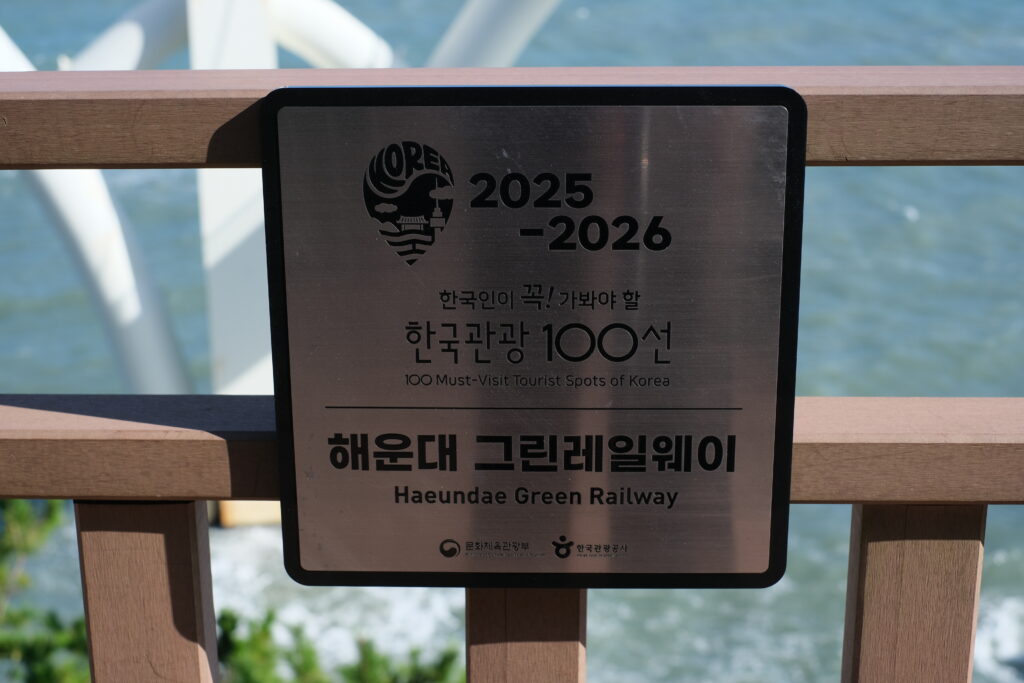
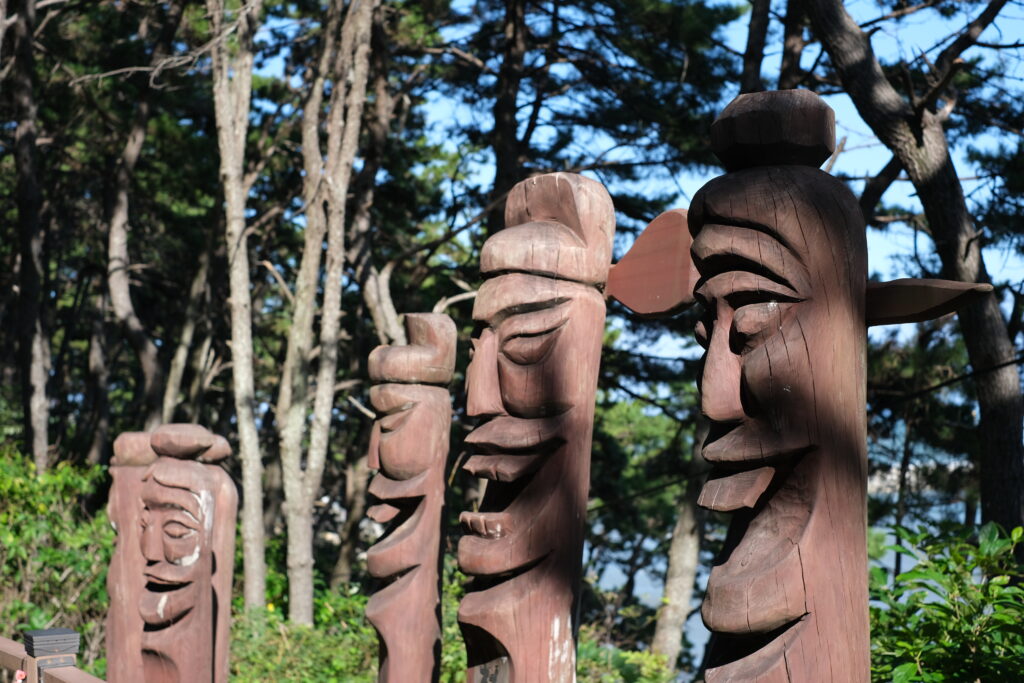
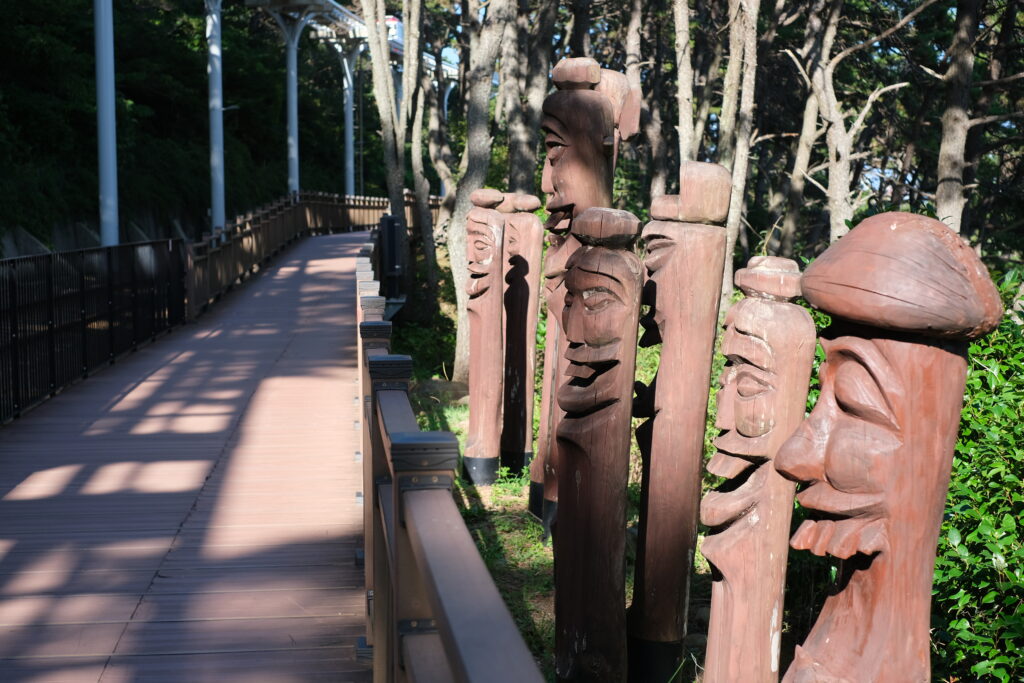
If you don’t want to pay or couldn’t get a ticket, don’t despair. A beautiful wooden pedestrian walkway—the “Green Railway”—runs along the entire route, right beneath the Sky Capsule tracks. It is completely flat, accessible, and barrier-free. As I walked along it, I enjoyed breathing in the sea air and taking photos of the colorful capsules passing right overhead.
MAP:
HAEUNDAE, A BEACH AMONG SKYSCRAPERS
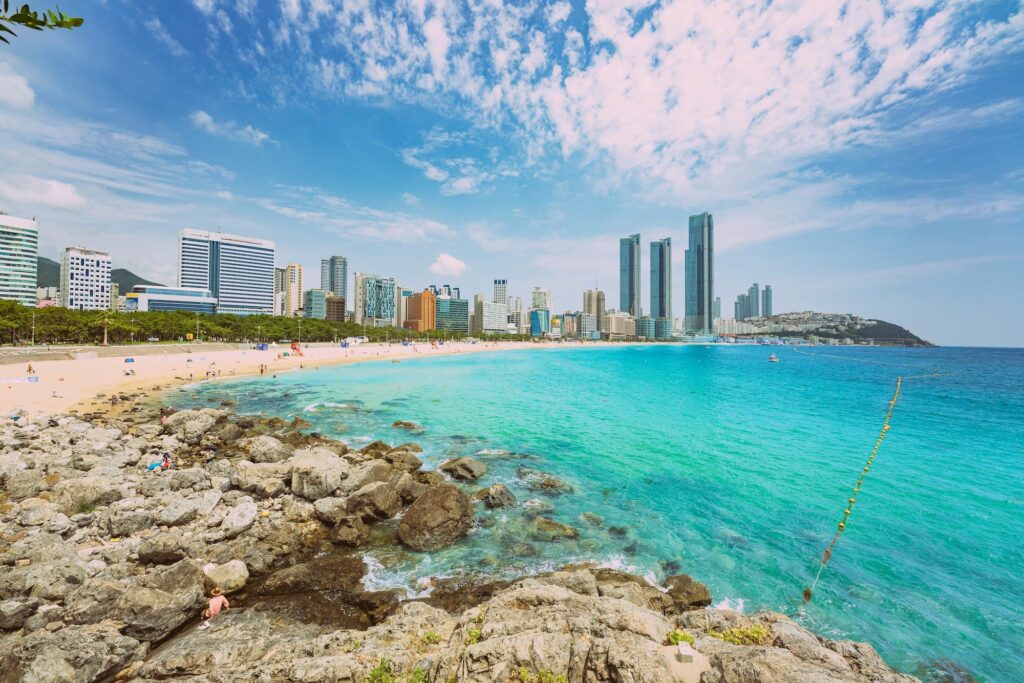
Haeundae Beach is Busan’s most famous beach and perhaps the best example of just how unique the city really is. Before you stretches the sea and a wide sandy beach; behind you tower skyscrapers, hotels, and the modern cityscape. It is a bit like taking a beach resort and dropping it right into the middle of one of Asia’s most modern cities.
Haeundae is beautiful in the morning, when the beach is relatively quiet, but it is even more interesting in the evening. The waterfront comes alive, people stroll, jog, and sit in cafés and restaurants, while the entire city slowly lights up.
MAP:
When you piece all these places together, you understand why Busan is so diverse. It is modern, colorful, peaceful, sacred, rugged, steeped in fishing culture, and historic; there are beaches and coastal trails where you can find near-solitude. That is precisely why I wouldn’t limit a visit to Busan to just a single day. Yet, I would still leave some time for simply doing nothing, because Busan isn’t a city you just tick off a list. Perhaps that is why, after a few days, I felt I had come to understand Korea a little better. Seoul fascinated me, while Busan brought me a sense of calm.
And the last time I stood by the sea, gazing at the city lights, it occurred to me that if I were ever to return to just one place in Korea, it might well be Busan. Because there are cities you want to get to know and others you want to experience all over again.

If you enjoyed the article, I’d love for you to share it or leave a nice comment below.

I would also like to invite you to join me on Instagram and Facebook.