
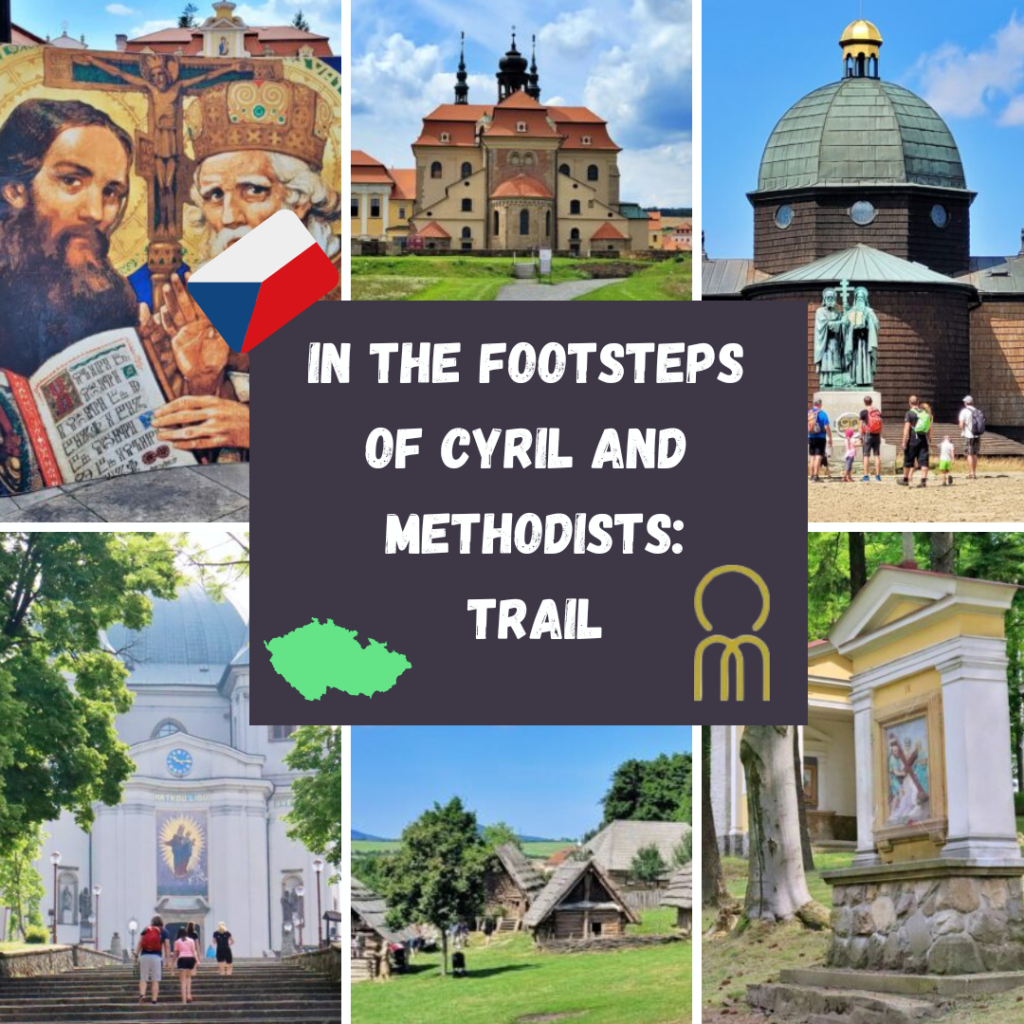
I have another great tip for you for trips. The Day of the Slavic missionaries Cyril and Methodius is celebrated on July 5th. We probably all know that, because there is nothing better than being able to extend your vacation on this day and save money. 🙂 And how about doing it in style during your vacation and following in the footsteps of Cyril and Methodius?
🚸 CYRIL AND METHODIST TRAIL
Many of you are probably familiar with the Way of St. James, which leads across the Czech Republic to Santiago de Compostela in Spain. However, I decided that I would like to take a route that is not so well known. And the Cyril and Methodius Trail is exactly that. It leads through the beautiful nature of East Moravia, and has a cultural and historical overlap. It is associated with the names of Cyril and Methodius, but also with the history of the Great Moravian Empire. The Cyril and Methodius Trail is not just one route that will take you from point A to point B, but it is a network of routes that will take you to Velehrad. This is one of the most important pilgrimage sites in the Czech Republic. And they are very nice routes, thanks to which you will discover the peaks of the Chřiby Mountains, the White Carpathians, the Hostýn Mountains and the Beskydy Mountains.

MARKING OF HIKING ROUTES OF THE CYRIL AND METHODIST TRAIL

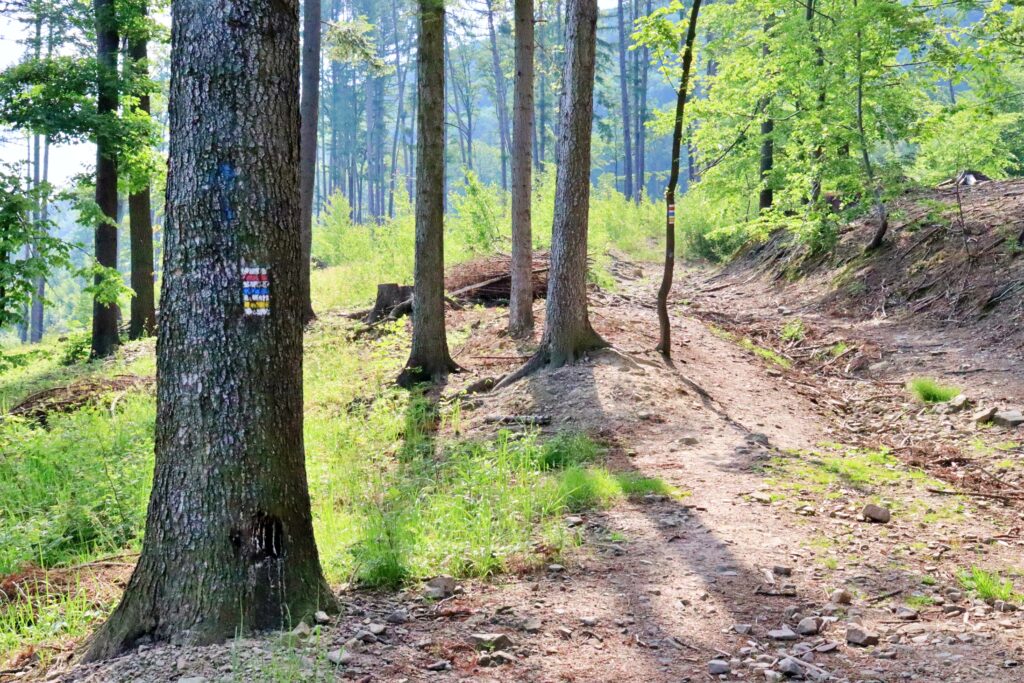
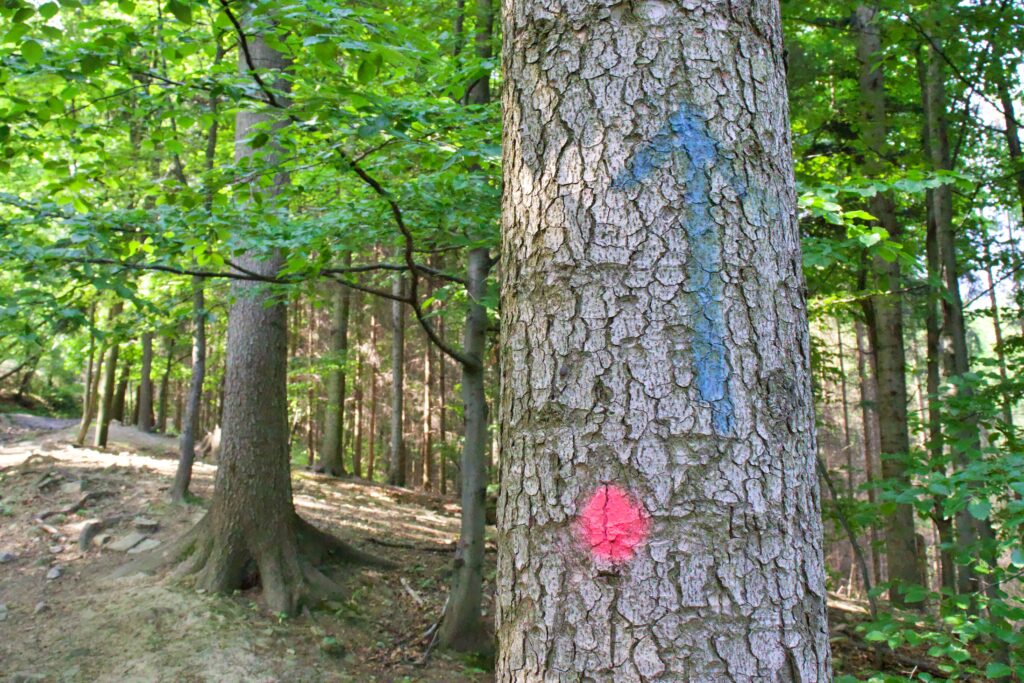
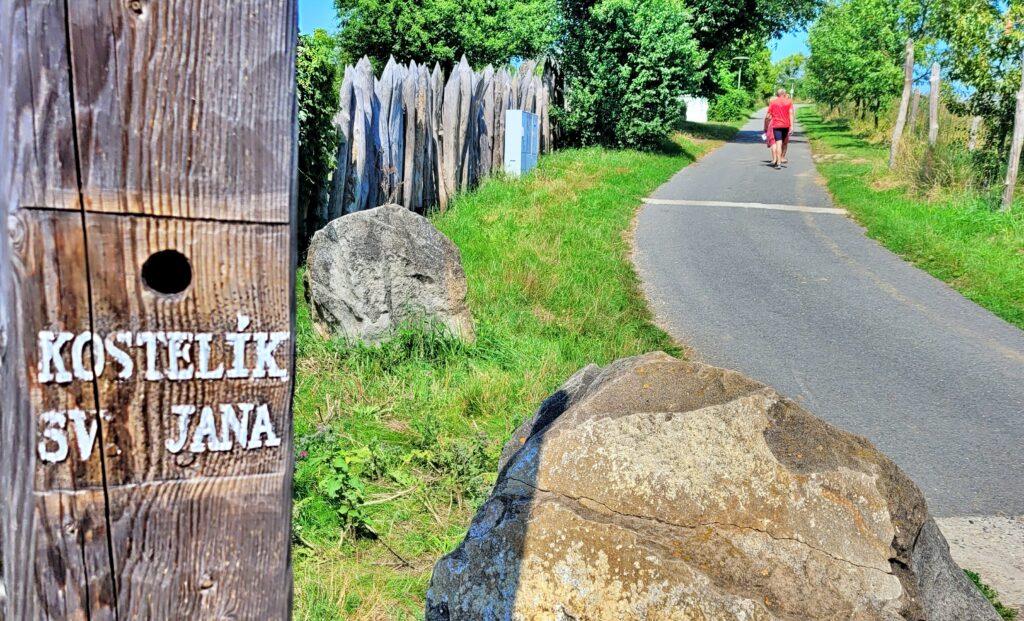
It’s quite simple. If you come across signposts of the Czech Tourists’ Club, know that they are accompanied by the Cyril and Methodius Trail logo. A white stick figure in a blue frame. So you can just follow the color of the lane markings to the next signpost.
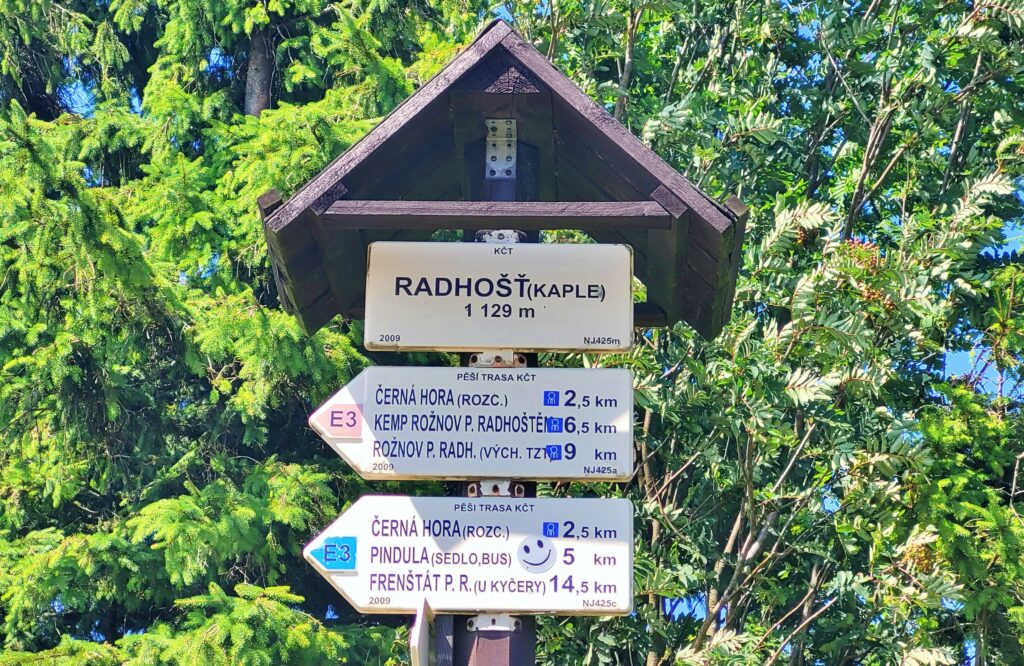
Because these are officially marked routes, you can find them in the app mapy.cz. Just follow the sign Cyril and Methodius Trail.
PASSPORT WE TRAVEL WITHOUT BORDERS
Just from the name alone, it should be clear to you why I enjoy these routes. Yes, just like on the Way of St. James, you can collect stamps on the Cyril and Methodius Trail. Stamps are collected in a passport, where there is a really large space for stamps. You can get a passport at the Cyril and Methodius Trail InfoPoints (i.e. tourist information centers) and at selected monuments. They are marked with a sticker. They will give it to you free of charge upon request, so just ask. Then it is up to you where you get the stamp in your passport. I collected them at individual places, I walked shorter distances, but also longer ones throughout East Moravia.
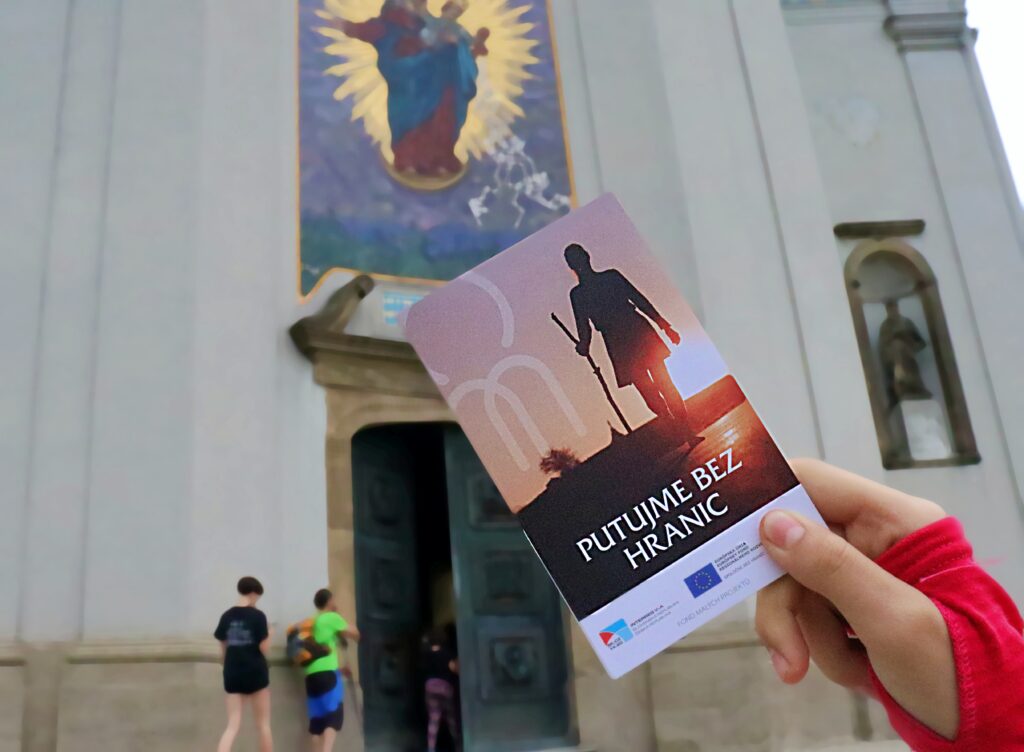

List of InfoPoints where you can obtain passports: Pasy a pamětní listy – PUTUJME BEZ HRANIC
MEMORIAL LETTER
Well, if you walk 15 km and have at least 3 stamps in your passport that prove that you have walked this distance, you are entitled to a commemorative certificate of the Cyril and Methodius Trail. You can pick it up at the Velehrad Info Center or the Velehrad Tourist Center. I was quite confused when the lady asked me where I came from. I have walked quite a lot of those routes, so when the lady at the Info Center blurted out where I came from, I don’t know why and I said that I came from Strážnice. So my commemorative certificate marks my journey from Strážnice to Velehrad.
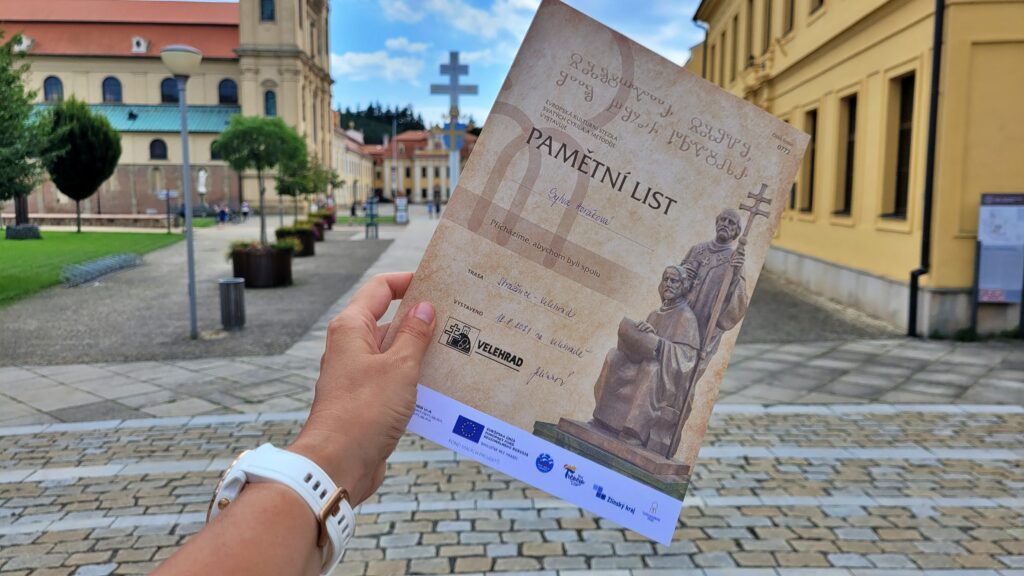
The journey is up to you, you can go shorter sections and make only short trips. Yes, that is a journey without borders. Before you start planning your journey, you can find inspiration on the website Putujme bez hranic.
And now come with me to discover places associated with Cyril and Methodius:
📍CATHEDRAL OF ST. PETER AND PAUL IN BRNO
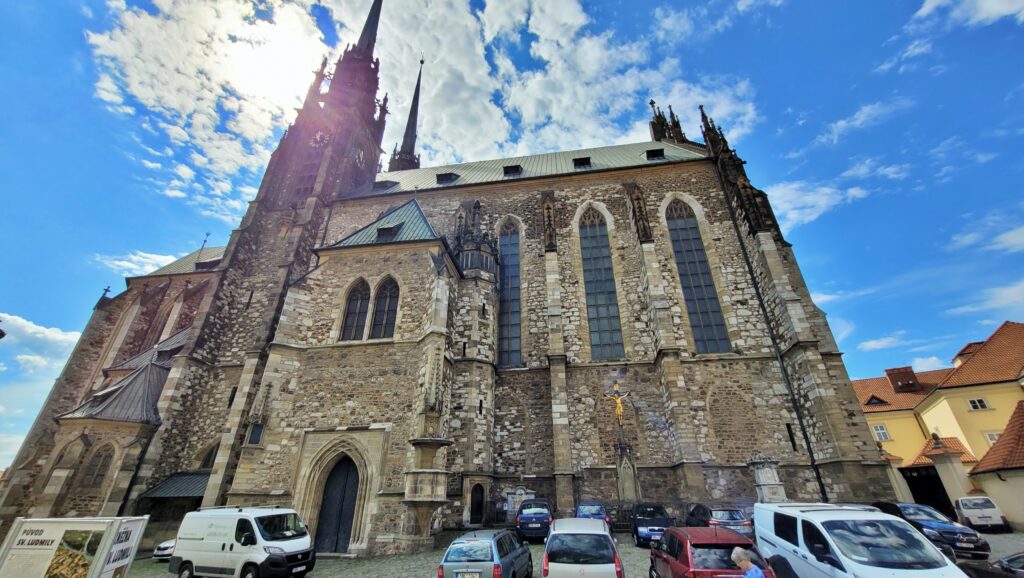
My first steps led to a hill called Petrov. According to the latest findings, the origins of the temple date back to the 1270s. According to legend, Cyril and Methodius founded the first Christian temple in 884. However, this is just a legend. According to archaeologists, it is certain that a Romanesque rotunda stood on Petrov in the 12th century. Today, a cathedral stands in its place. Who would not know this cathedral? It is an unmistakable landmark of Brno.
📍KŘTINY
According to ancient tradition, St. Cyril and Methodius baptized in Křtiny, as the name Vallis baptismi – Valley of Baptism indirectly implies. It is certain that in pre-Slavic times a frequently used path led through the Křtiny Valley. The holy apostles very likely used it too and stopped at the confluence of streams. Křtiny is hidden on the upper edge of the karst Joseph Valley in the central part of the Moravian Karst and is not only a tourist destination, but also a pilgrimage destination. Křtiny has long been one of the most important European Marian pilgrimage sites.
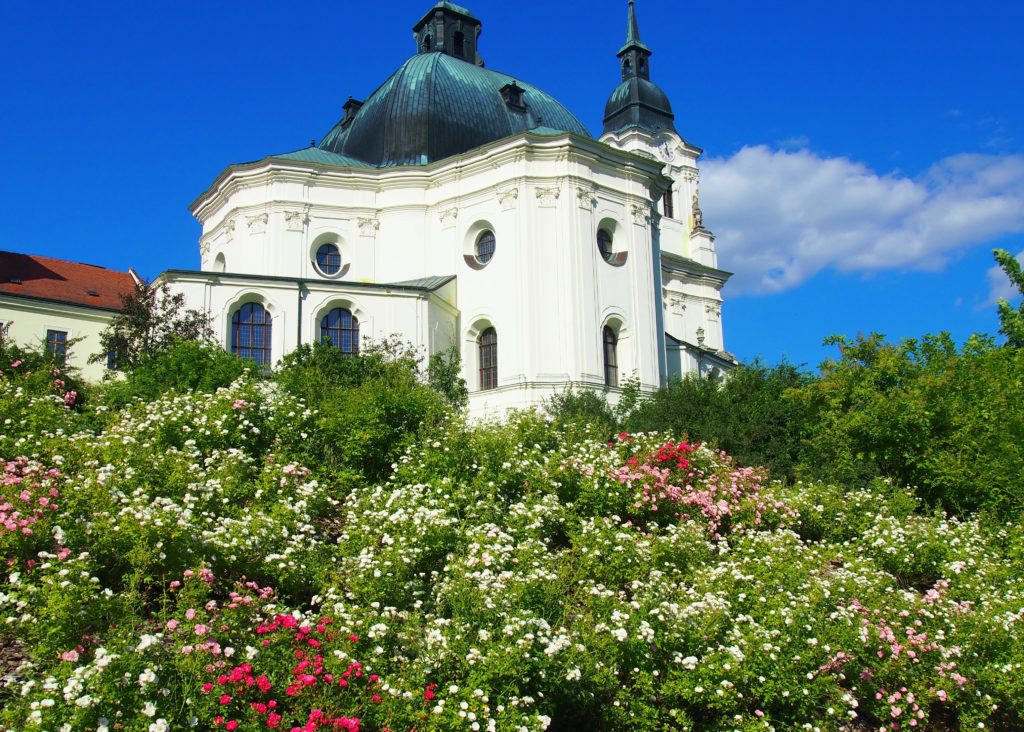
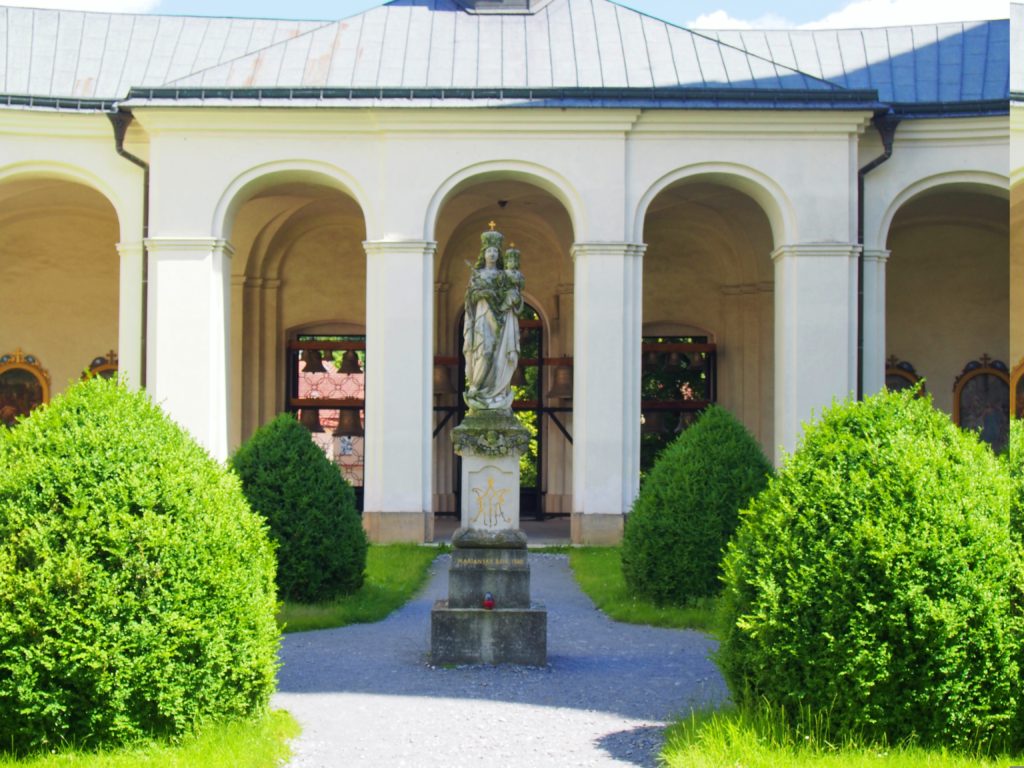
I visited Křtiny as part of my pilgrimage along the Way of St. James:
📍BENEDICTINE MONASTERY IN RAJHRADE
The monastery in Rajhrad is one of the oldest and most famous monasteries in Moravia. The monastery has long served as a center of culture and education. Today you can visit the abbey church of St. Peter and Paul and the Memorial of Literature in Moravia with a historical library. The pinnacle of medieval literature is represented by the manuscripts associated with Queen Eliška Rejčka, the second wife of King Wenceslas II, stepmother of the last Přemyslid, Wenceslas III. Although it was officially founded by Prince Břetislav around 1045, according to legend it was founded during the time of the Cyril and Methodius mission.

I visited Rajhrad as part of the Way of St. James through South Moravia.

📍ST. KLIMENT’S HILLFORT
🚸Route length: 17 km (To the Old Town near Uherské Hradiště)
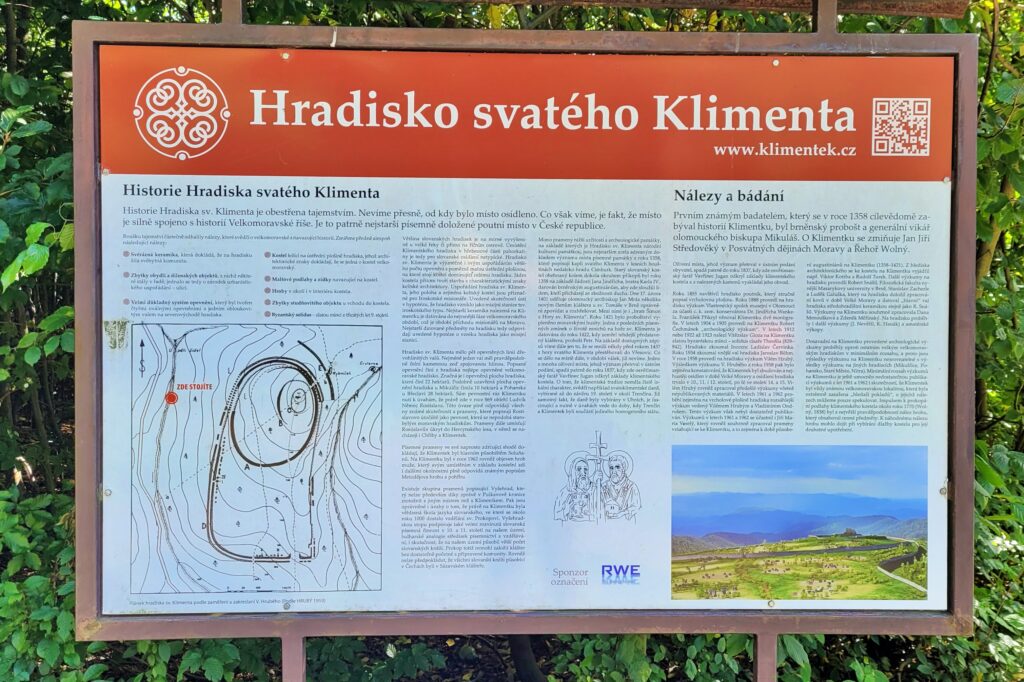
The hillfort of St. Clement is a pilgrimage site, a national cultural monument and an archaeological site. The hillfort was built on one of the wooded hills in the southwestern part of Chřiby, near the former old merchant route that connected the area of Central Moravia with the Brno region. It is surrounded by many legends, the most famous of which is connected with the Cyril and Methodius tradition.
There are a number of protected areas in the Chřiby area. Worth mentioning are the sunny grassy slopes with thermophilic flora with a number of protected species from the orchid family, or the rock formations on the Chřiby ridges.
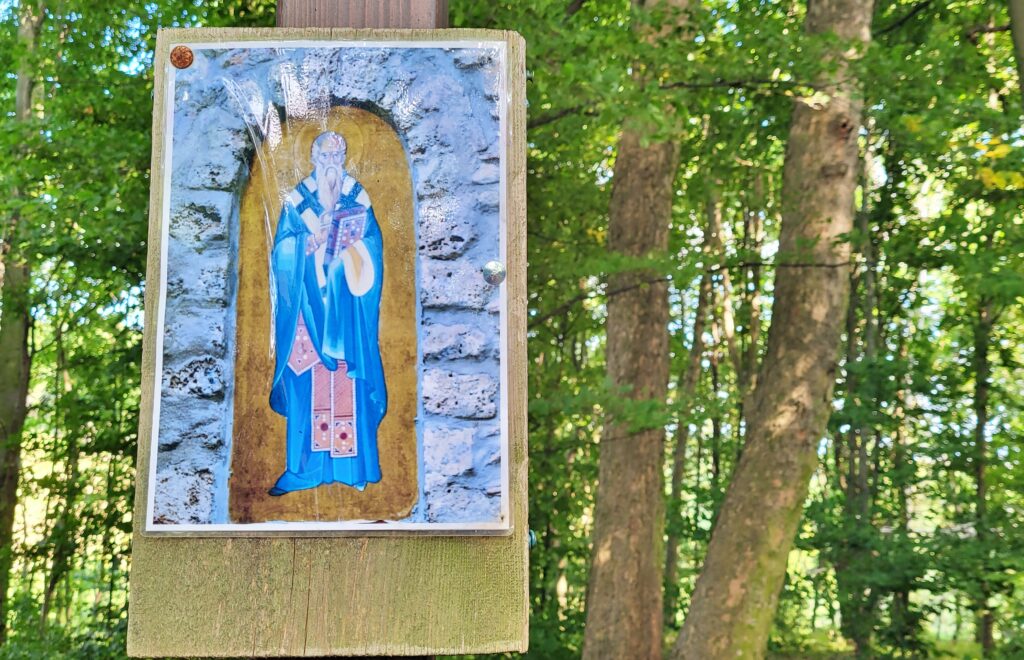
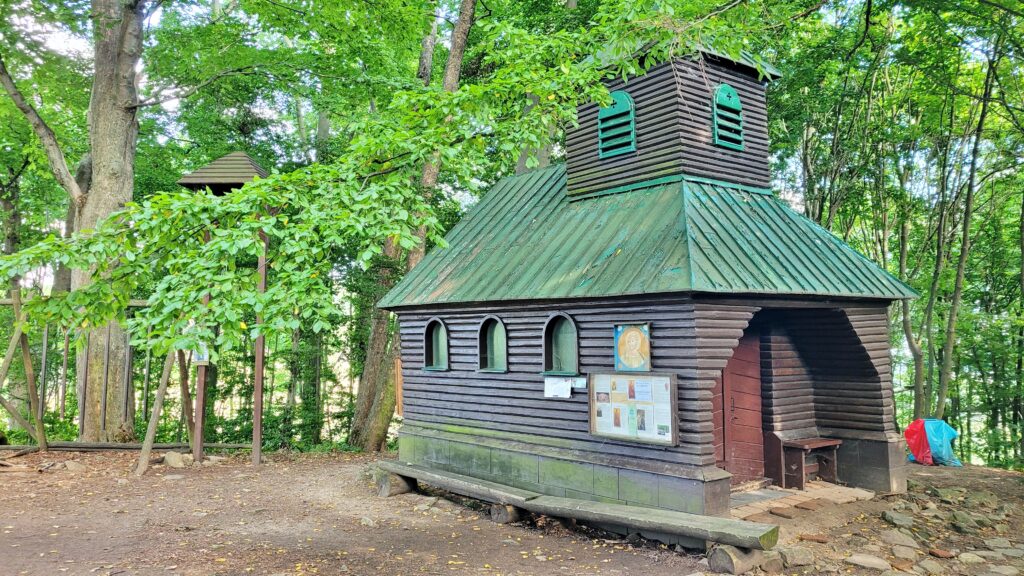
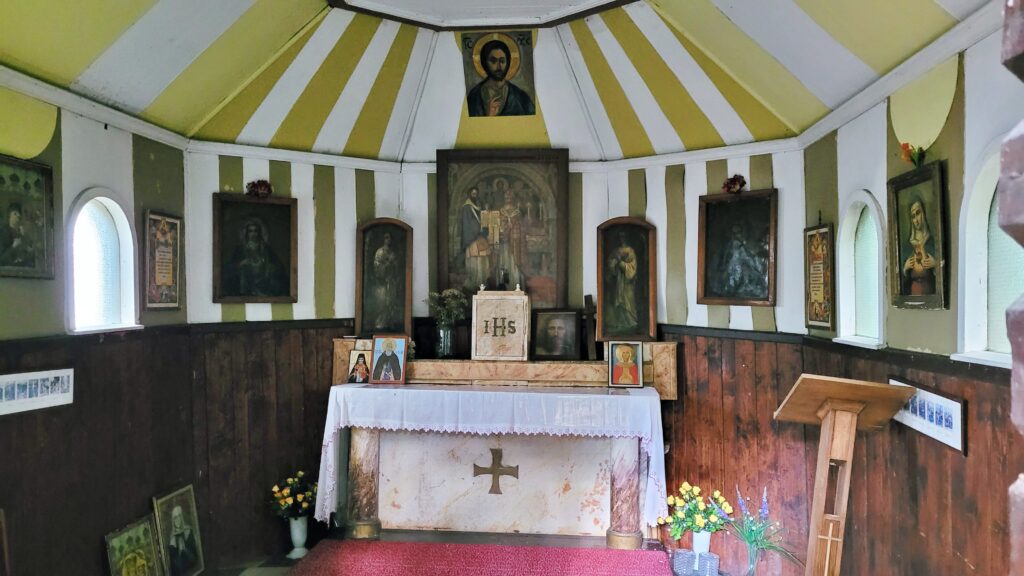
There was probably a church and a monastery here. In 1421, the church complex was burned down by the Hussites and since the 16th century the place has been deserted. Today you can see the remains of fortifications and ditches fortifying the entire fort. According to historical sources, this “Mountain” was given centuries ago by King Rastislav to Saints Constantine, Methodius and their disciples for a contemplative life. They found a place here for prayer, but also for work. A monastery (a common dwelling for monks), a hermitage and a school, a center for education and training were built near the church. Archaeological research has shown that a brick chapel stood on this mountain during the Great Moravian period in the 9th century.
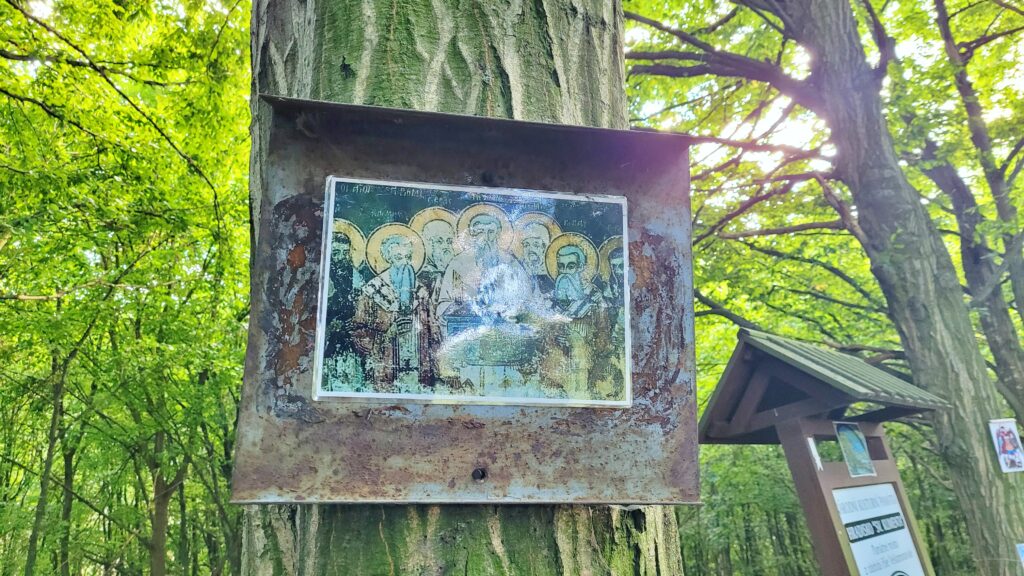
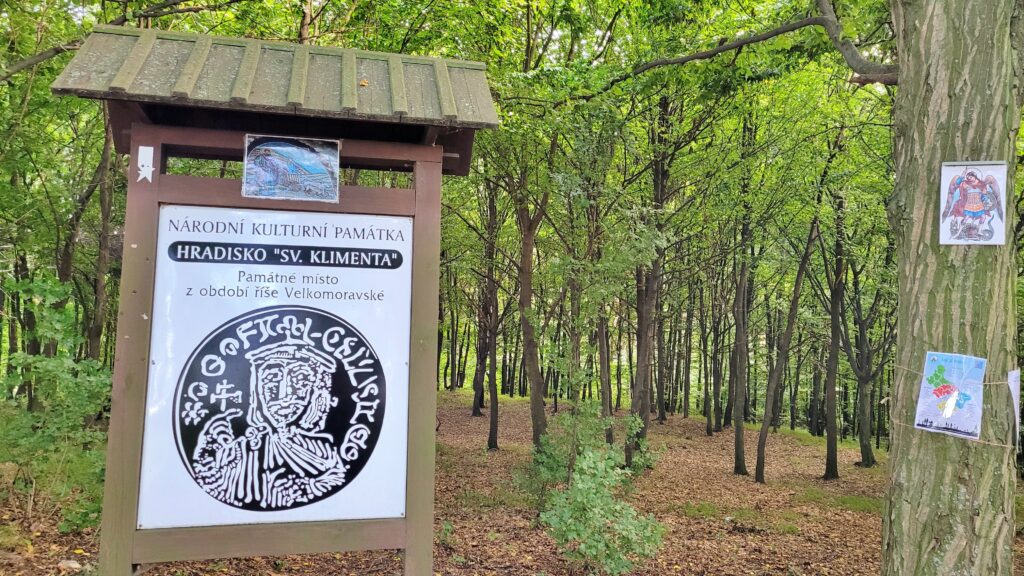
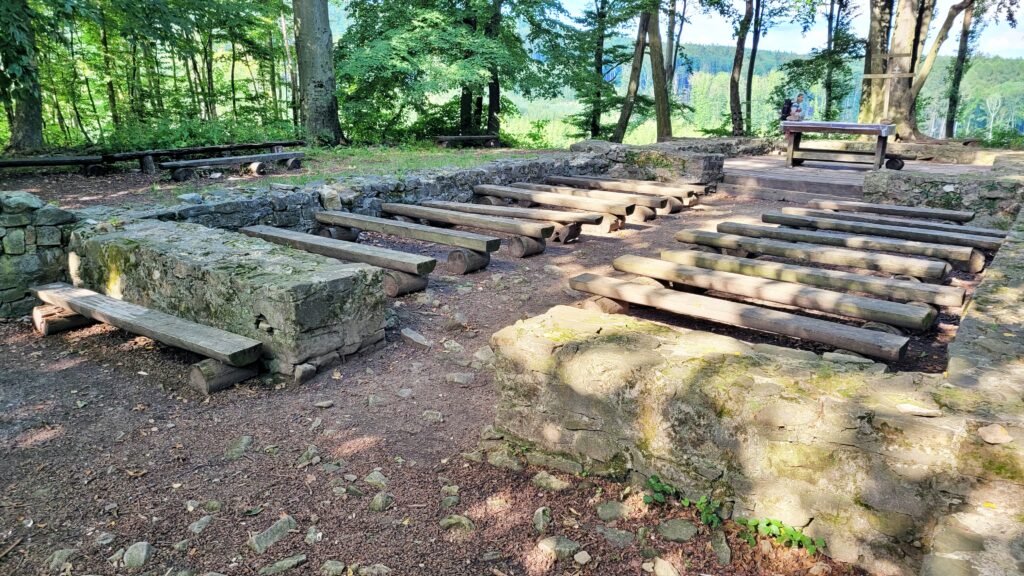
There is also a wooden chapel, which was built in 1964 by some people from Koryčany to replace the original chapel from 1880, which stood in the chancel of the church foundations. You will also find the bell tower of St. Gorazd, which was built in 1985 by members of the Community of St. Gorazd and his friends – Living Heritage.
📍HOLY HOSTYN AND HOSTYN HILLS
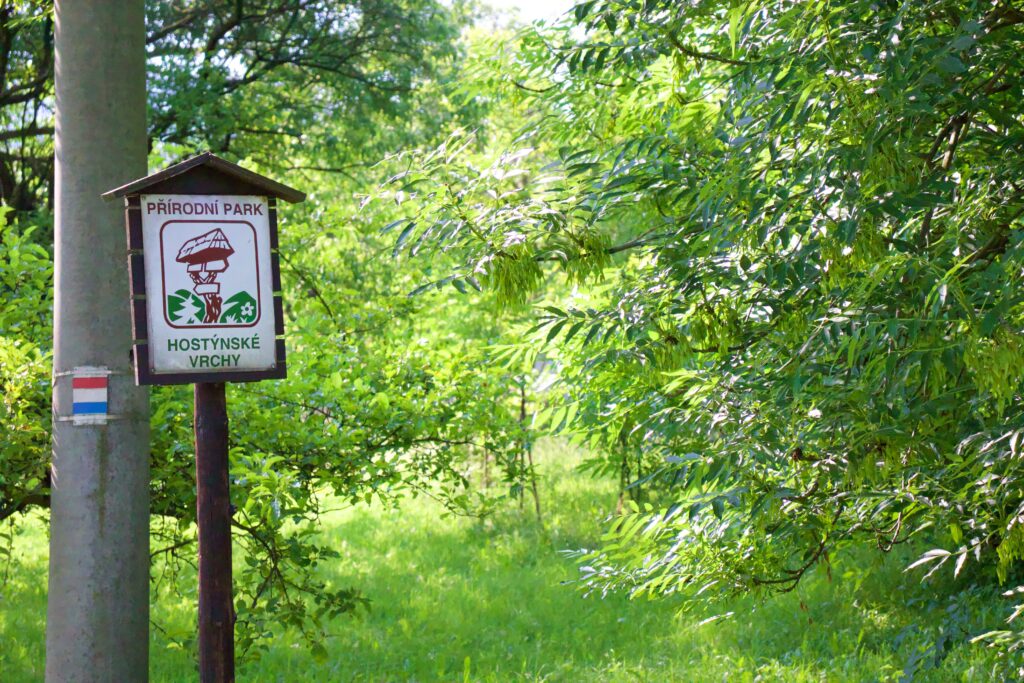
The Hostýn Hills are named after the memorable Hostýn mountain. They are a spur of the Moravian-Slovak Carpathians and the western part of the Vsetín Hills. The Hostýn Hills consist of two peaks. On one there is a lookout tower with a wind power plant and on the other there is a pilgrimage church.
You can get to the Basilica by bus or on foot. We chose the second option. The Hostýn Hills are slightly undulating ridges and I must admit that in front of the church I looked like I had a heart attack, I was so sweaty and red. But I didn’t mind at all, because the walk was very pleasant.
THE INN MIRACLE
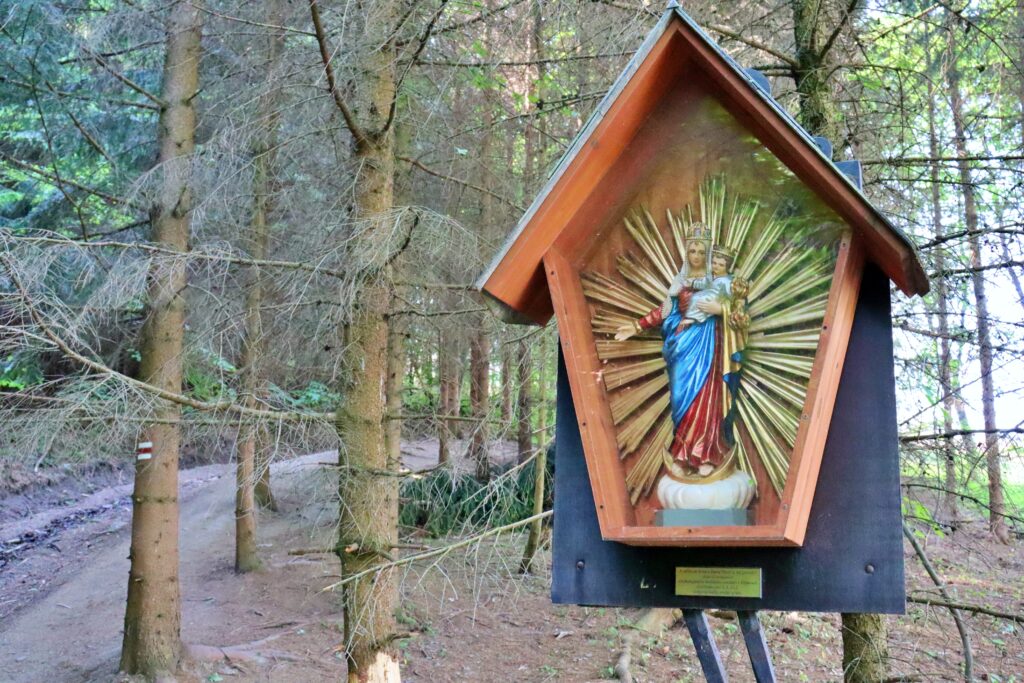
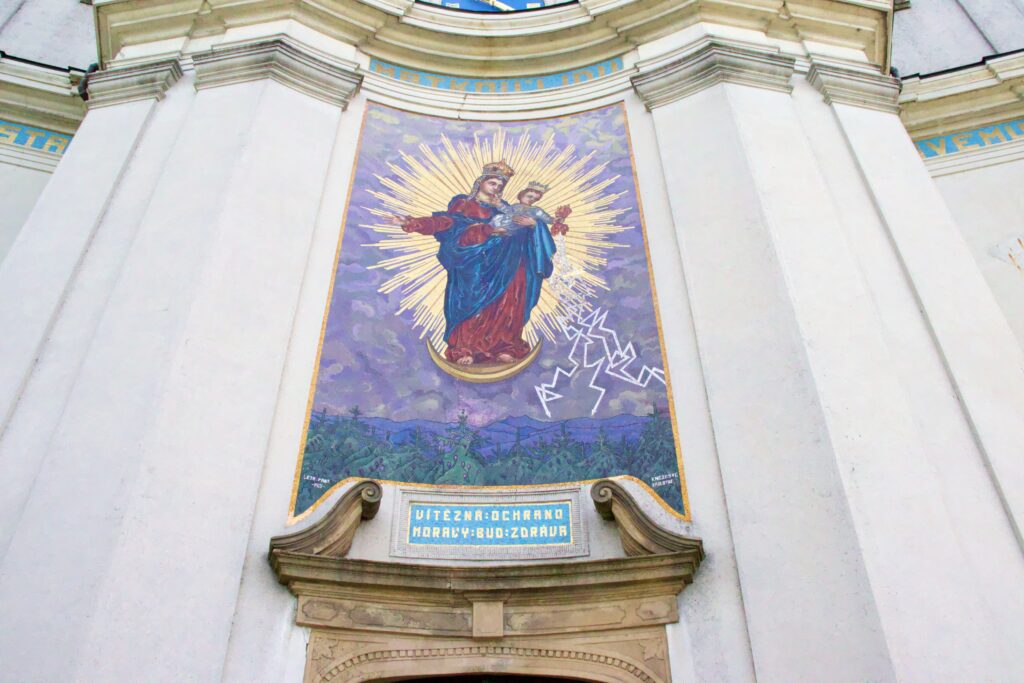
Who has not heard of the miraculous defeat of the Tatars under Hostýn? Half a million wild Tatars marched west to Europe and in 1241 they stormed Moravia. The warriors were distinguished by their extraordinary cruelty and fighting spirit. They flooded and devastated the entire country and besieged Mount Hostýn. Thousands of Moravians fled in terror to the Hostýn forests and sought shelter. Here, for at least three months, terrified in their prayers, they desperately begged the Virgin Mary for help and water. It is still said that, due to the intervention of the Mother of God, a spring of water gushed out from under the mountaintop, saving the Moravians from death by thirst and hunger. Then a huge storm broke out, which destroyed the Tatar camp under Hostýn with lightning and fire, and the Tatars fled in panic. Today, pilgrims can also refresh themselves with the Hostýn water that springs at the Water Chapel.
📍BASILICA OF THE ASSUMPTION OF THE VIRGIN MARY
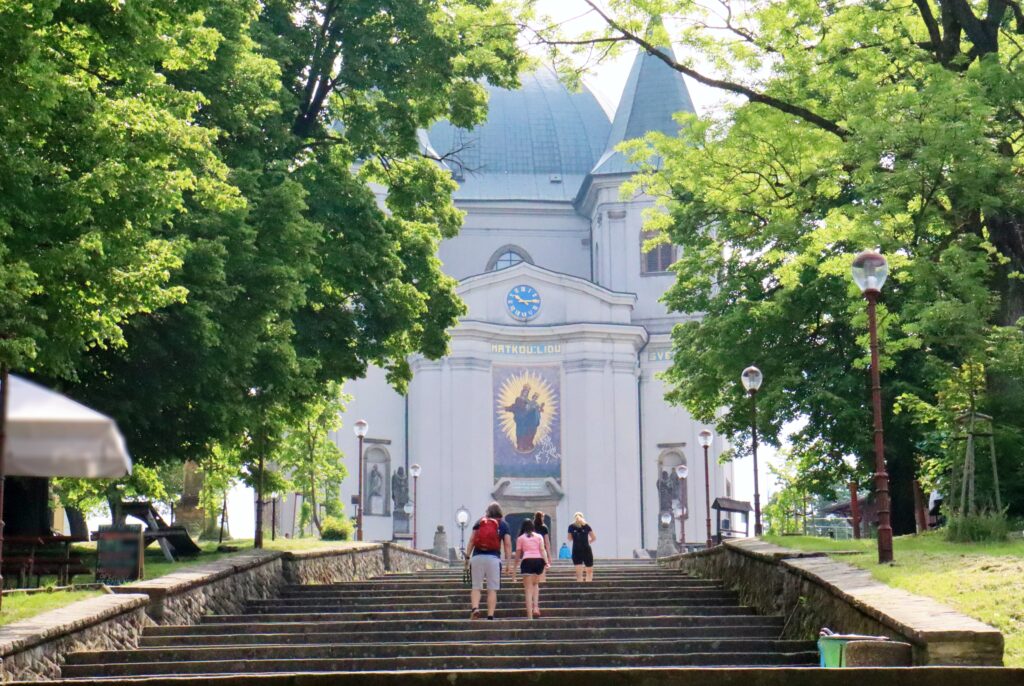
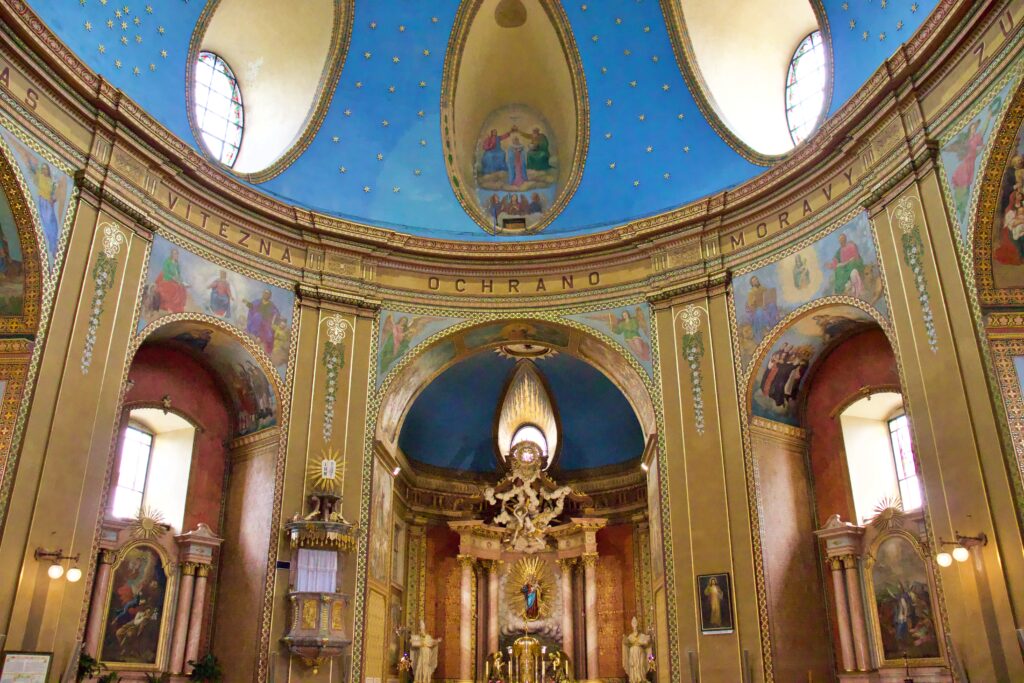
In the square in front of the church there are statues of the missionaries Cyril and Methodius. Inside the church, the main altar is decorated with a statue of the Hostýn Madonna with the Infant Jesus and a scene of the defeated Tatars. If you go on foot, you will have a bit of a hike, because there are 250 stone steps leading to the church. If you look closely at the Madonna with the Infant Jesus, you will find that the Infant Jesus is holding a bundle of lightning bolts in his hand. It is still a symbol of Saint Hostýn to this day. Reverence for the Mother of God was spread in Moravia in the 9th century by St. Cyril and Methodius. After the Celts and nomadic Germans, from the 6th century onwards, the Eastern Slavs gradually arrived, who created Great Moravia after the year 800. Their Christianization was the work of the Thessaloniki brothers. They preached the Christian faith to the pagan forefathers and brought their love for the Virgin Mary closer, whose image they hung on a linden tree (a Slavic tree). Their sandstone statues are placed in the facade of the temple. Other memorials of their figures are placed in the basilica.
THE STAGE OF THE CROSS BY DUŠAN JURKOVIČ
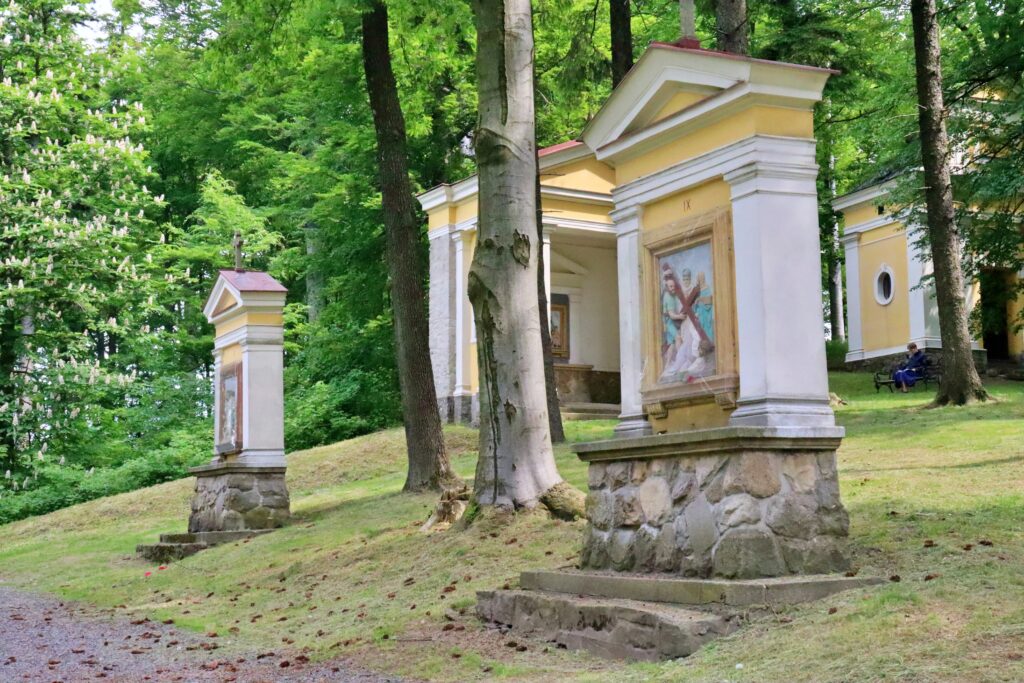
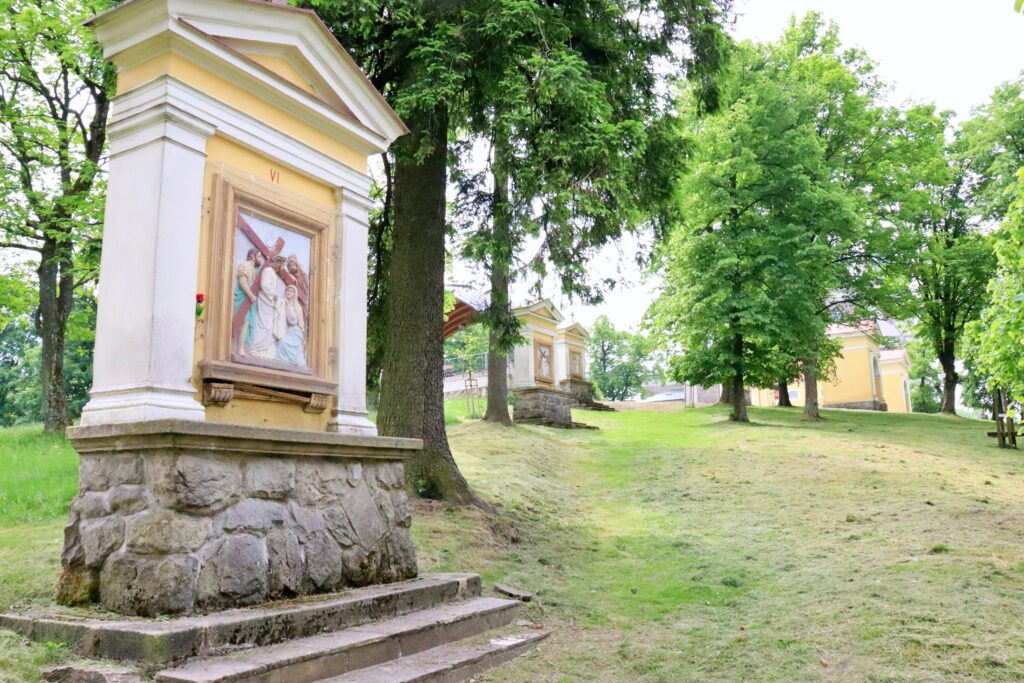
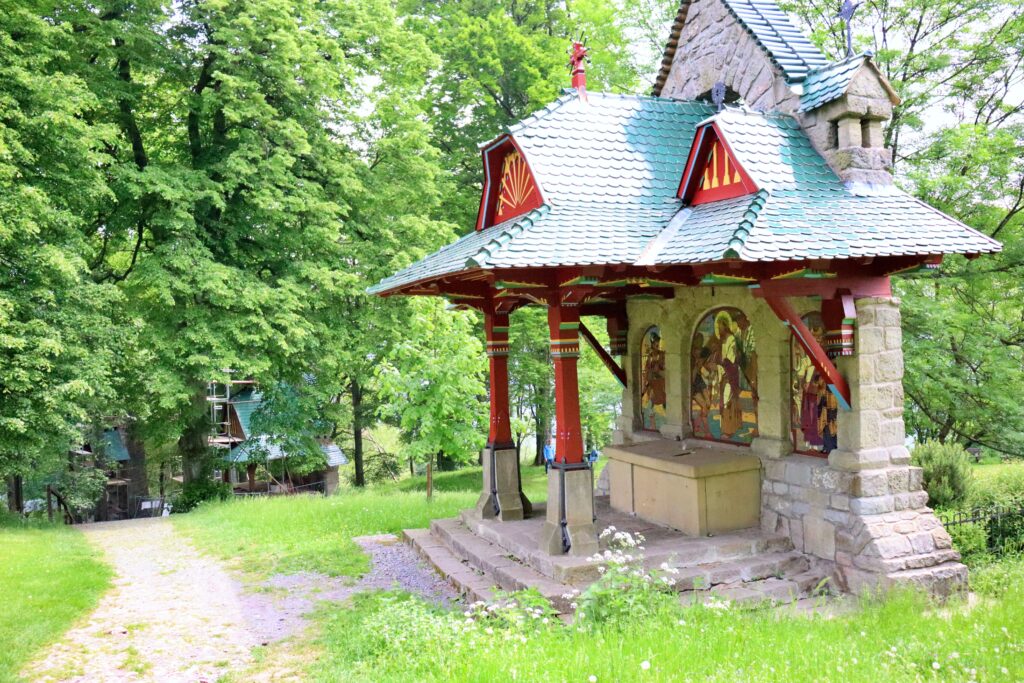
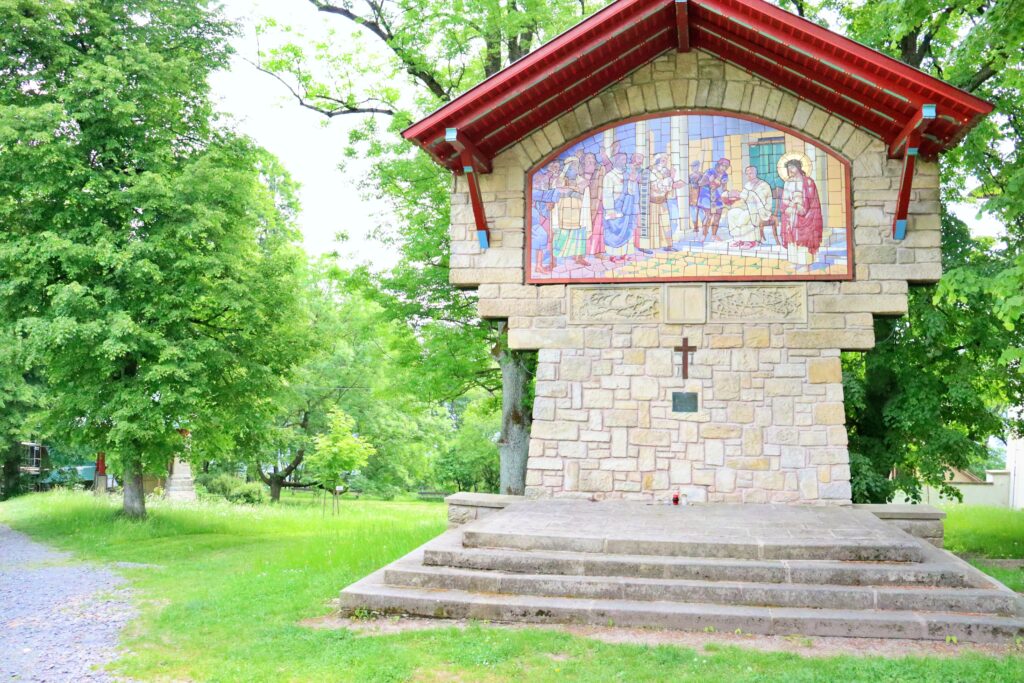
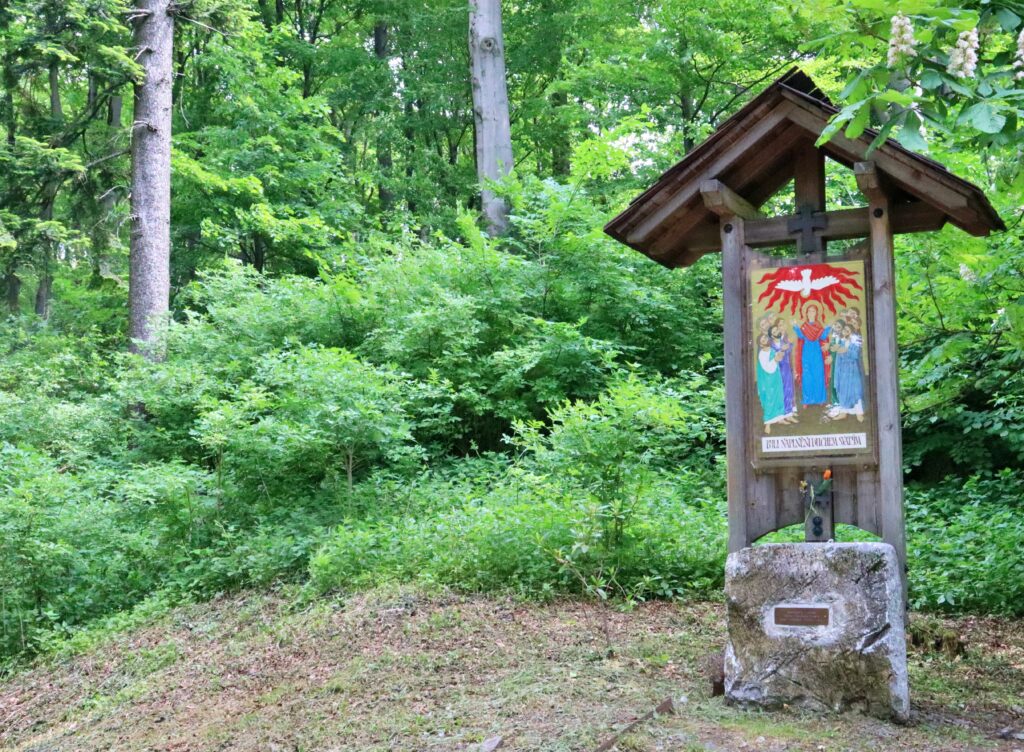
Two Stations of the Cross lead to the top of Hostýn. In artistic circles, the one by Dušan Jurkovič, who himself supervised the construction work on Hostýn, was more accepted. Jurkovič himself chose the Moravian painter Joža Úprka for the painted decoration of the Stations of the Cross. The paintings were made using a new technique called glass painting, which was not suitable for the harsh Hostýn conditions. The artist Jano Köhler was invited to further collaborate, creating a brightly colored ceramic mosaic.
HOLY HOST MUSEUM
The museum is located in the Jurkovič Hall in the pilgrimage houses complex. Here you can learn about the historical development of Hostýn from prehistory to the present. There is also an exhibition dedicated to the nature, fauna and flora of the Hostýn Hills.

📍CHAPEL OF SAINT CYRIL AND METHODISTS IN RADHOŠT
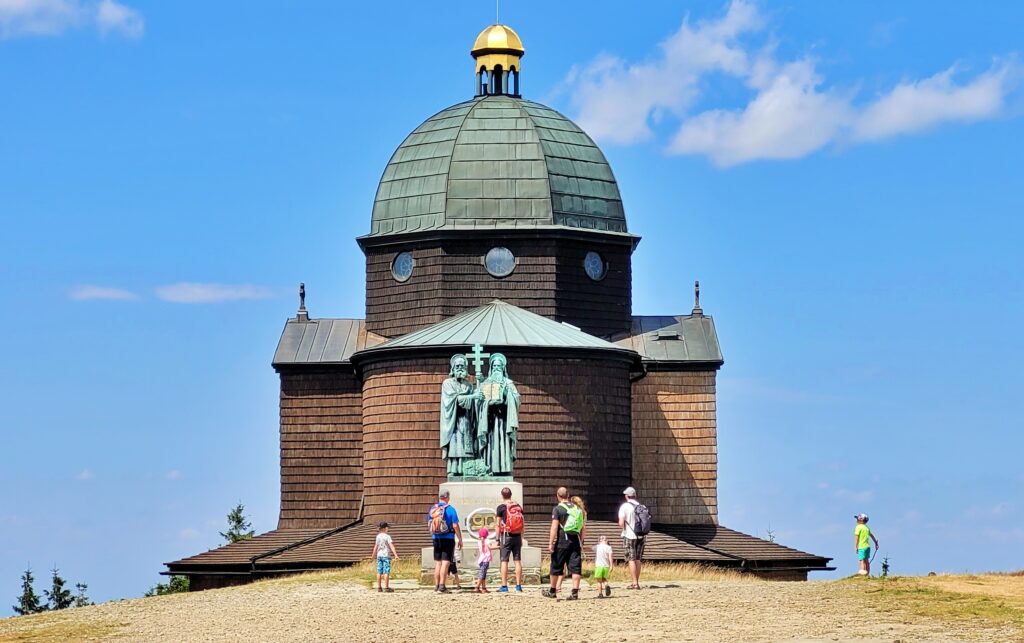
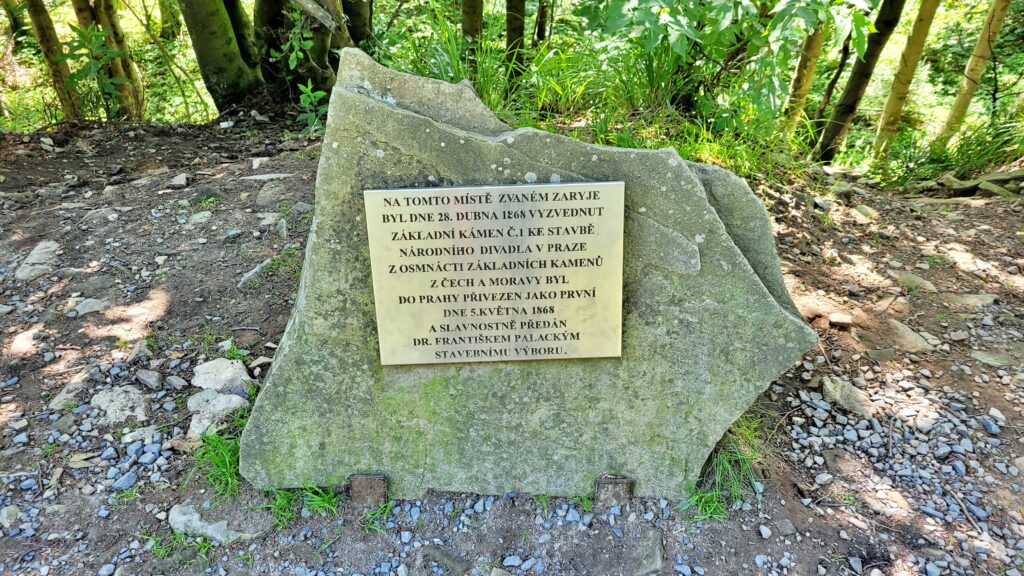
What Říp is in Bohemia, Radhošť is in Moravia. This is where the foundation stone for the National Theatre comes from. It was here that Cyril and Methodius stopped to erect a cross on the site of pagan sacrifices. I visited Radhošť as part of a journey through the Beskydy Mountains. The chapel is built on the top of Radhošť hill and remains the highest temple in the Czech land. In the early Middle Ages, the pagan god Radegast was worshipped at this place. Pilgrimages took place here four times a year. People from not only Bohemia but also from abroad come here to visit the Hermitage.
Initially, the chapel was a stone building with white plaster and a dome in the Byzantine style. Above the entrance to the church was the inscription “Love each other, Slavs, and unite in the faith preached here by Saints Cyril and Methodius”. Their sculptural group is located outside the chapel. The chapel is the highest religious building in the Czech Republic.
📍OLD TOWN – VELIGRAD
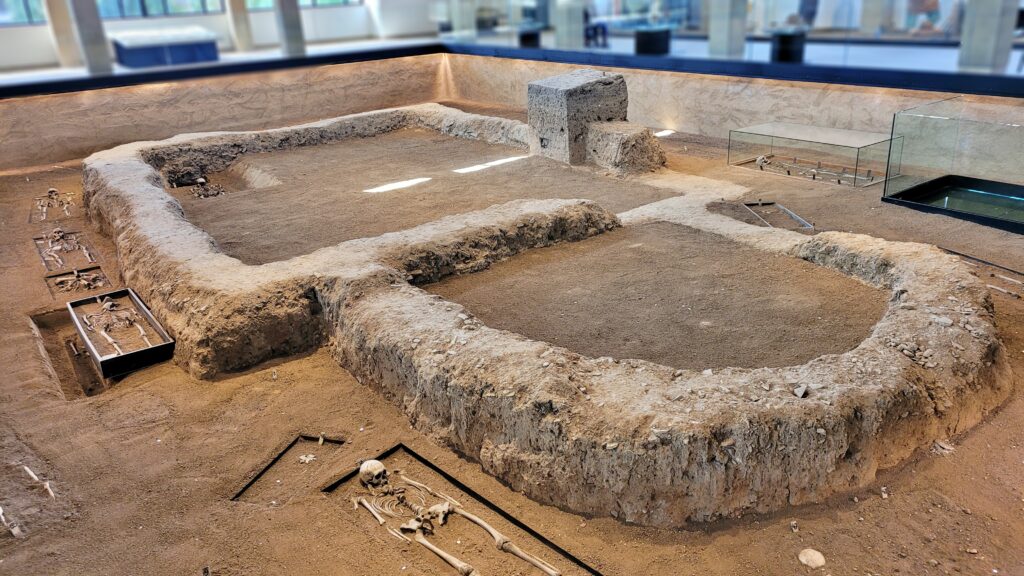
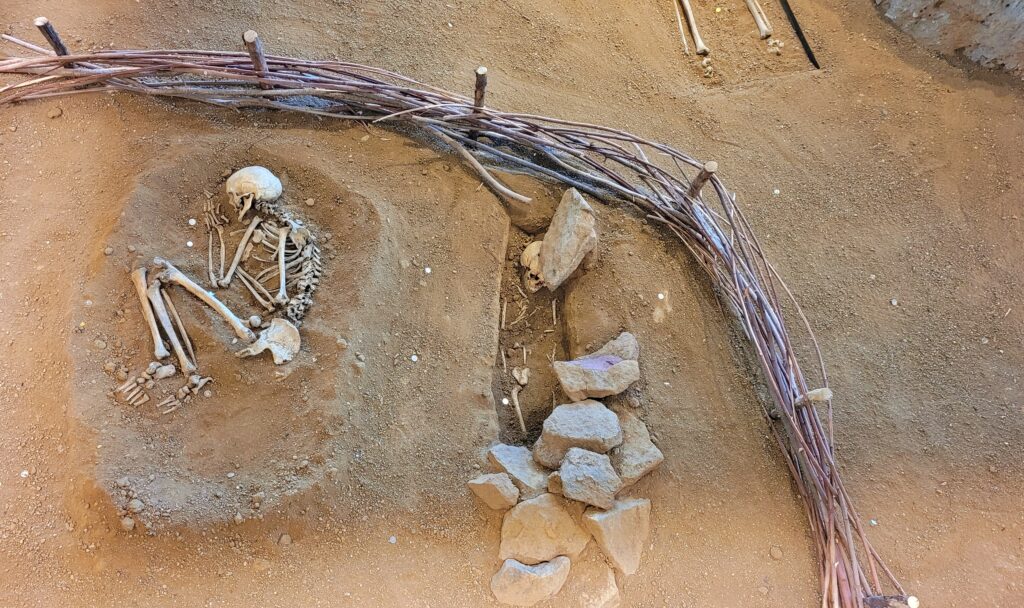
In the 9th century, in the area of today’s Old Town and Uherské Hradiště, there was a large settlement agglomeration, later known as Veligrad. Today, it includes three archaeological sites. I visited it as part of my visit to Uherské Hradiště. The scope and richness of archaeological finds (buildings, utility objects, weapons, jewelry) leaves no doubt that it was one of the important centers of the Great Moravian Empire.

PILGRIMAGE OF THE ROSARY
🚸Route length: 6.1 km
We set off on foot from the Old Town near Uherské Hradiště to the Modrá Archeoskanzen. The path here also follows both the Cyril and Methodius Trail and the Rosary Pilgrimage. It connects Veligrad in Great Moravia with Velehrad. The pilgrimage route partly follows the original route, which was cancelled during the totalitarian era. It starts behind the railway line near the Old Town, where I also set off from. Then it continues further through the valley along the Salaška stream. You will walk most of the route in the sun, so keep that in mind in the summer.
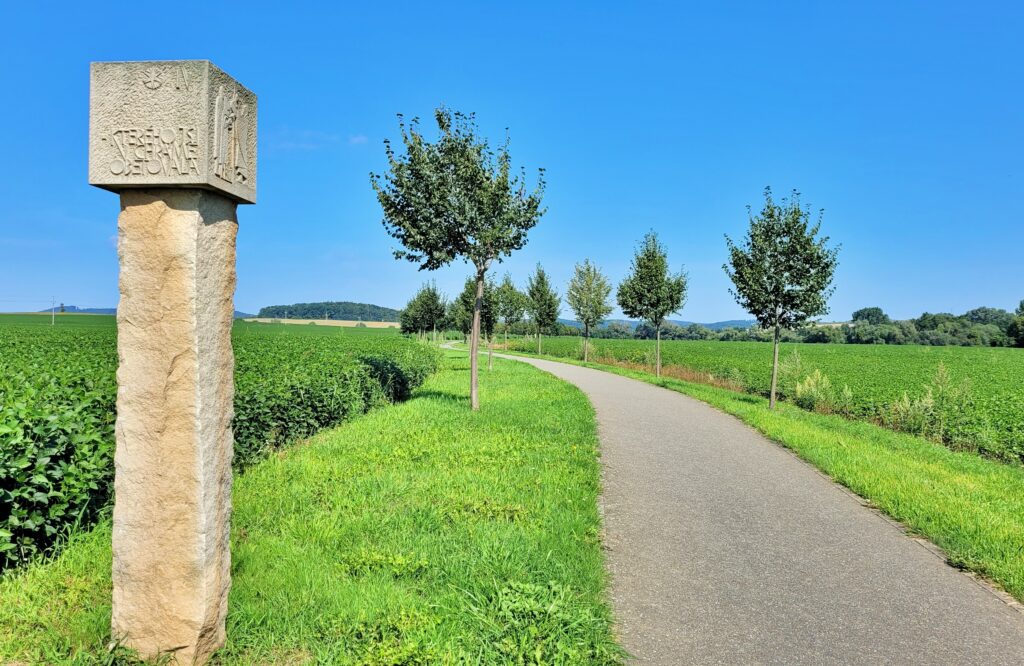
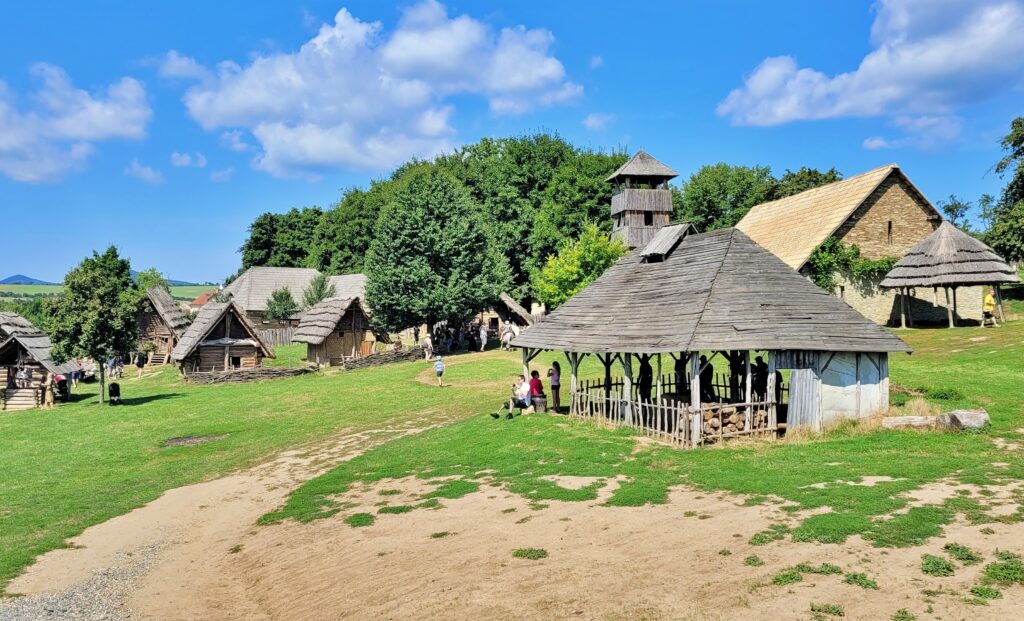
We stop at the Modrá Archaeological Museum.
📍BLUE ARCHEO-SPANISH CENTER
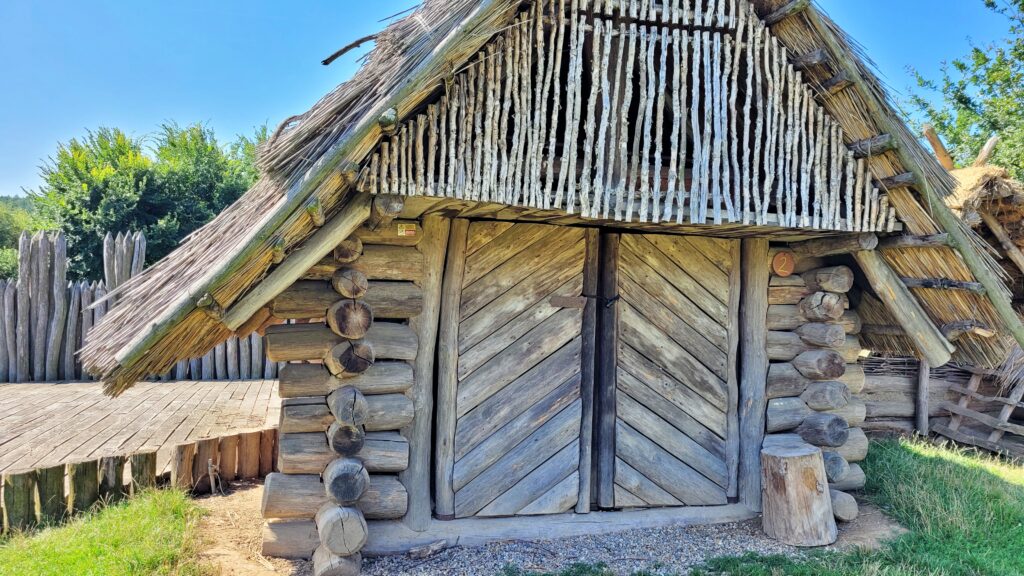
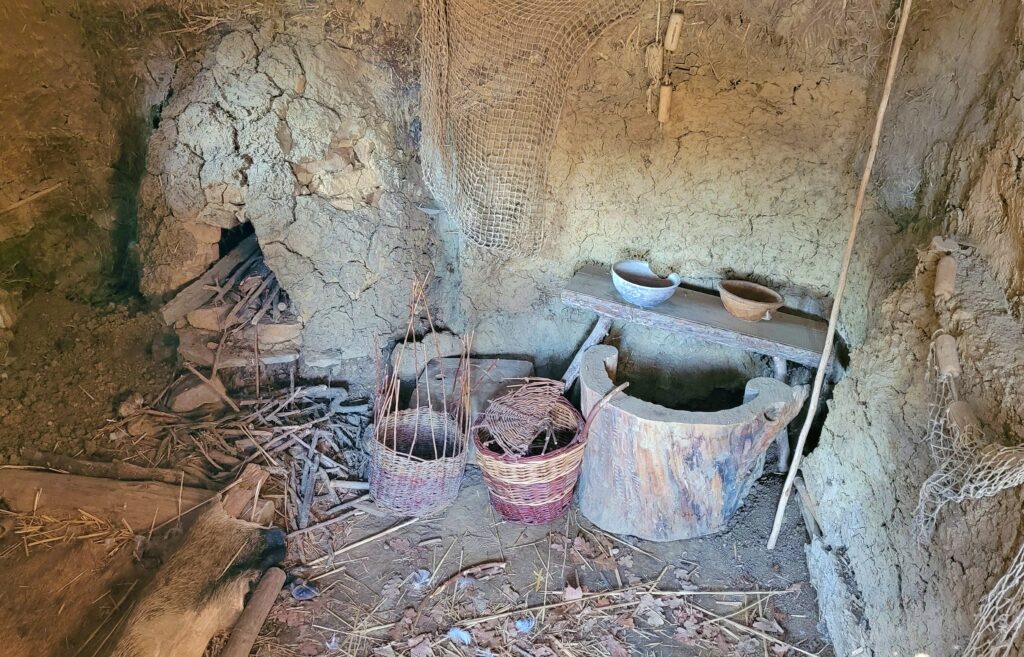
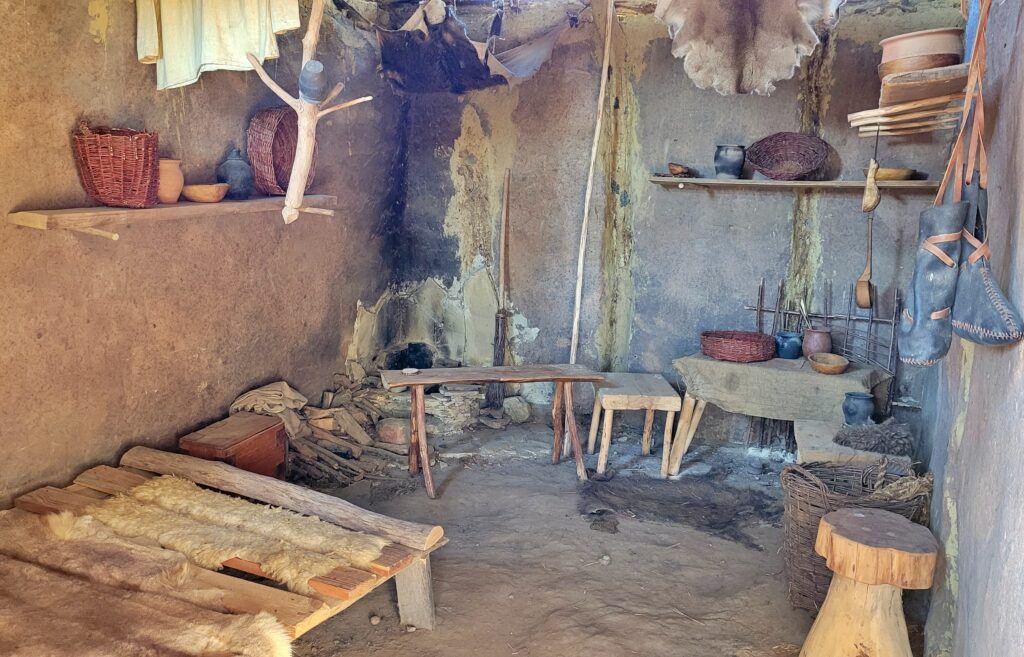
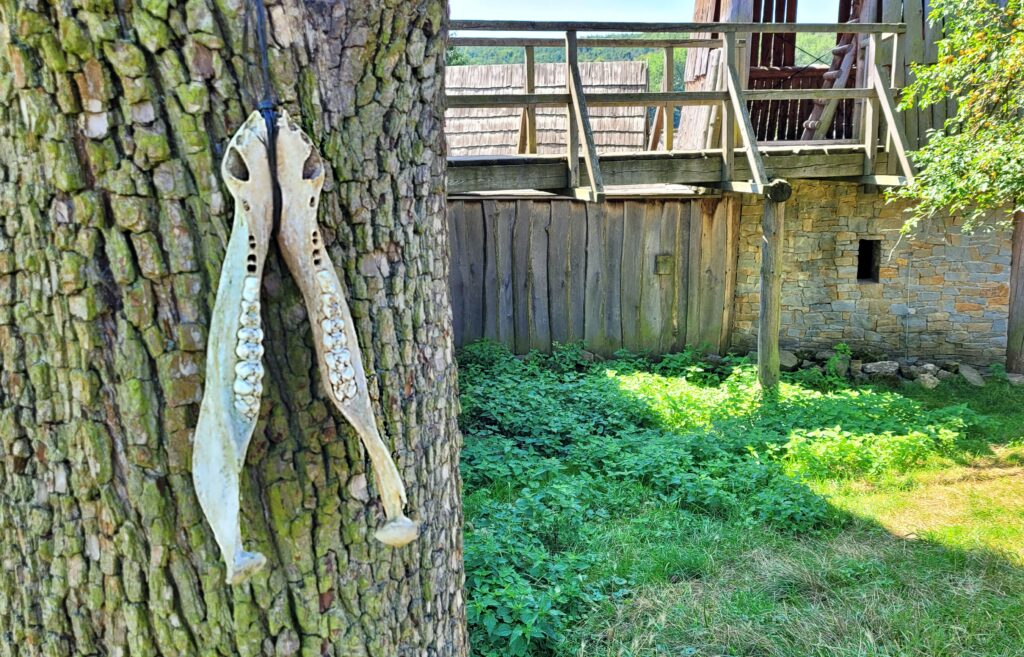
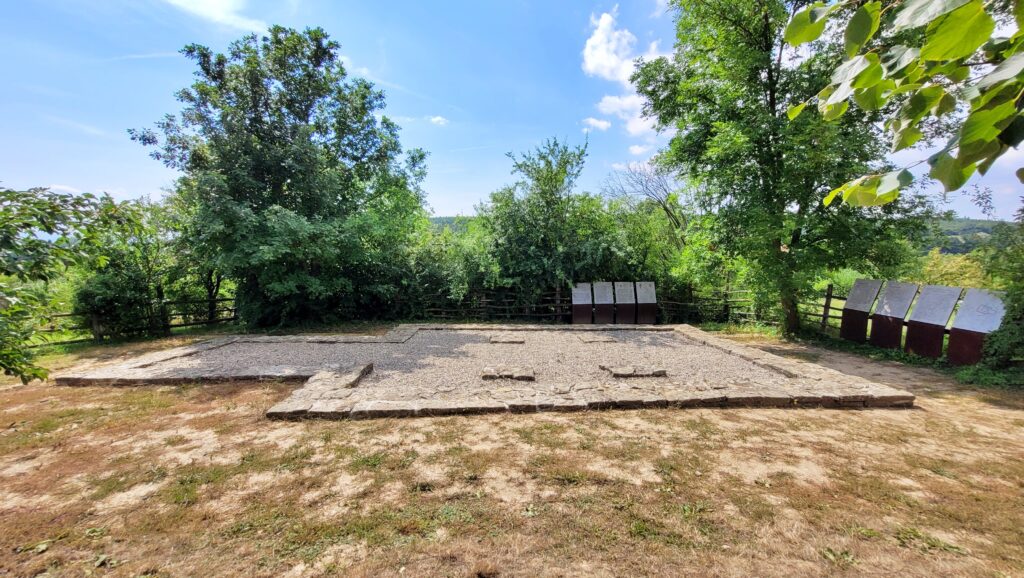
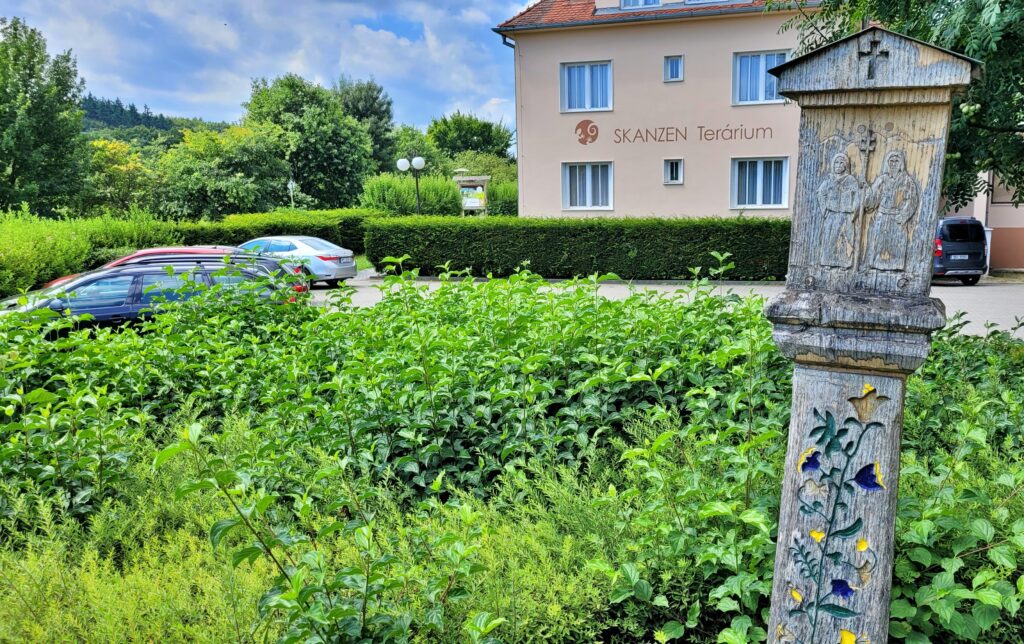
It represents a fortified settlement from the Great Moravian period (9th century) with ramparts, dwellings, workshops, farm buildings and palaces of princes and bishops built on the basis of real archaeological finds, some of which come directly from the archaeological open-air museum area. We thus got a glimpse into the buildings where Slavs once lived. You can also find domestic animals in the area. Hand-kneaded fired ceramics were found in the village, as well as later pottery made of float clay made on a potter’s wheel. However, the most significant archaeological discovery is the first discovery of the remains of a Great Moravian stone building in our territory.
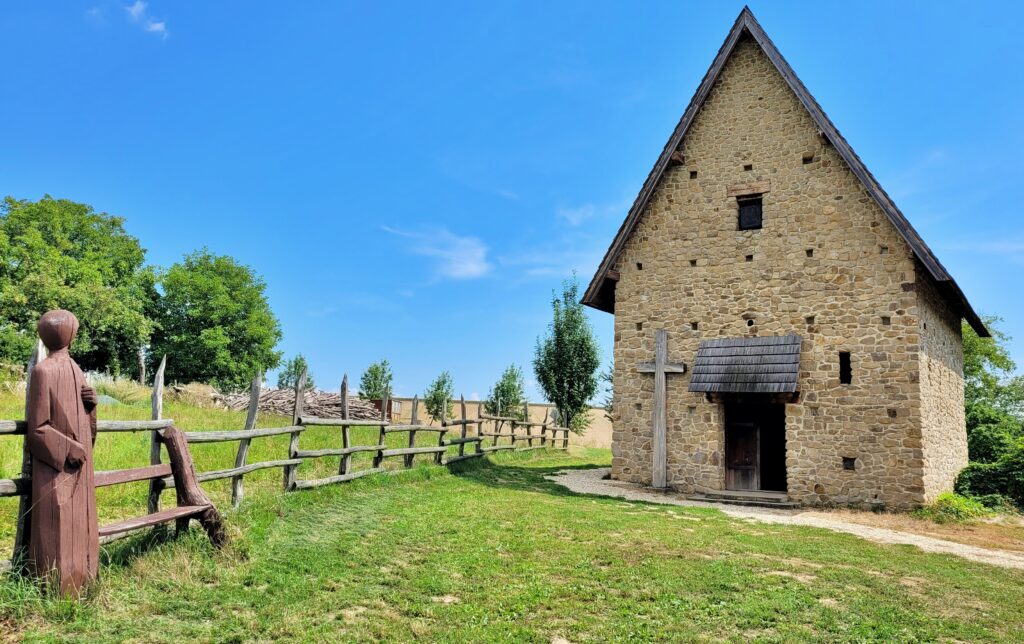
CHURCH OF ST. JOHN THE BAPTIST
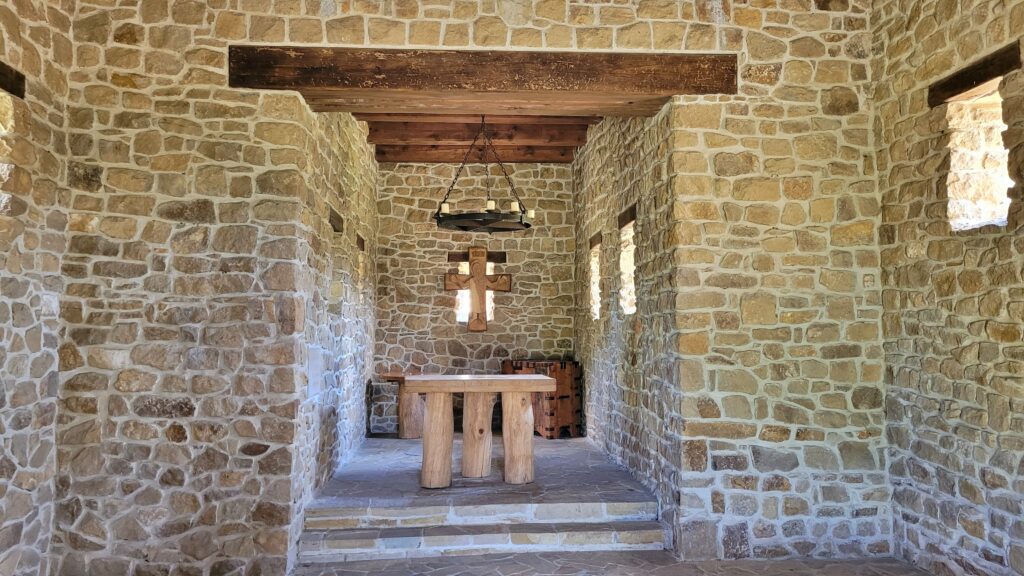
At the beginning of the 9th century, a simple church was built here, which, according to experts, was one of the oldest in Moravia and disappeared at the end of the 17th century. In 1999-2000, a small stone church of St. John the Baptist was built in Modrá next to the foundations of the original building on a hill above the Archeoskanzen, which is a hypothetical reconstruction of the original sanctuary.
📍VELEHRAD
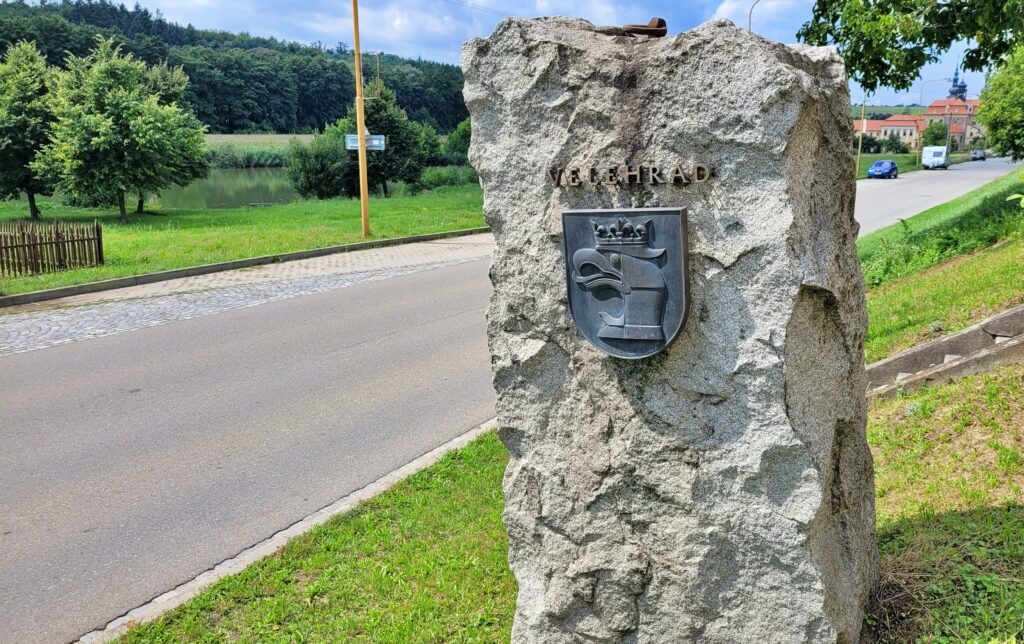
Our last stop and destination after my journey through East Moravia is the legendary Velehrad. St. Cyril (Constantine) and Methodius came here at the invitation of the ruler of Great Moravia, Rostislav, from distant Thessaloniki to baptize pagans.

To make the new religion understandable, they created a language called Old Church Slavonic. They raised their future successors there and created a script, Glagolitic, into which they then translated a number of liturgical books from Greek, including the Bible. And why Velehrad? When the first Cistercian monastery in Moravia was founded here, they named it after the nearby settlement of Veligrad – Velehrad. You can also get to Velehrad from nearby Tupes.

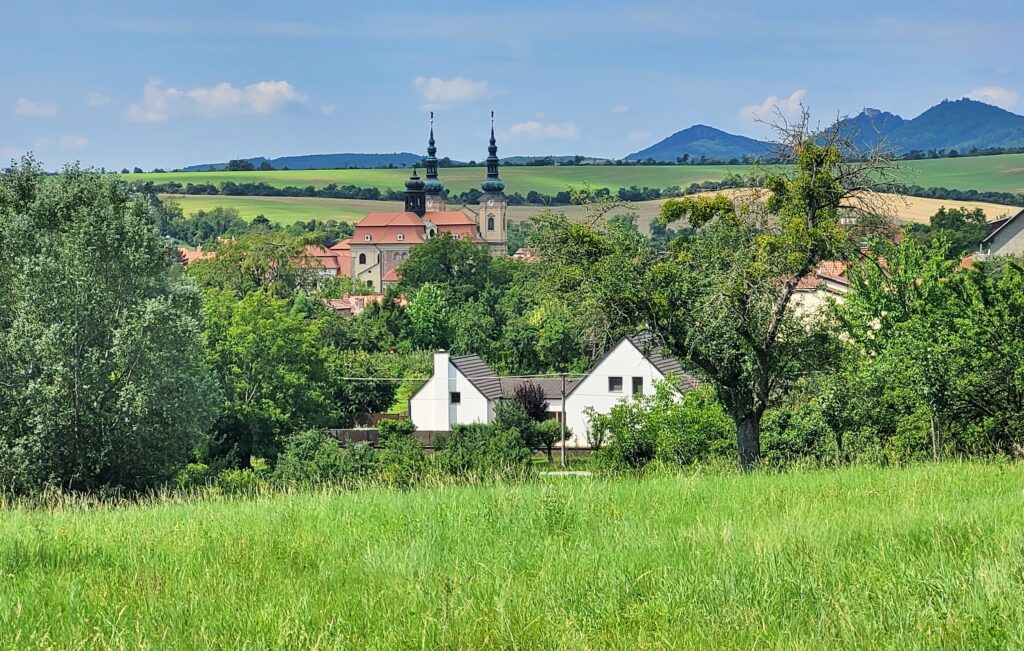
Pope Pius XI appreciated the Cyril and Methodius importance of Velehrad and granted the local church the title and privileges of a minor basilica. On the occasion of the 1100th anniversary of the death of St. Methodius in 1985, Pope John Paul II presented the basilica with the Golden Rose. Only a few Christian churches in the world have received this high honor.
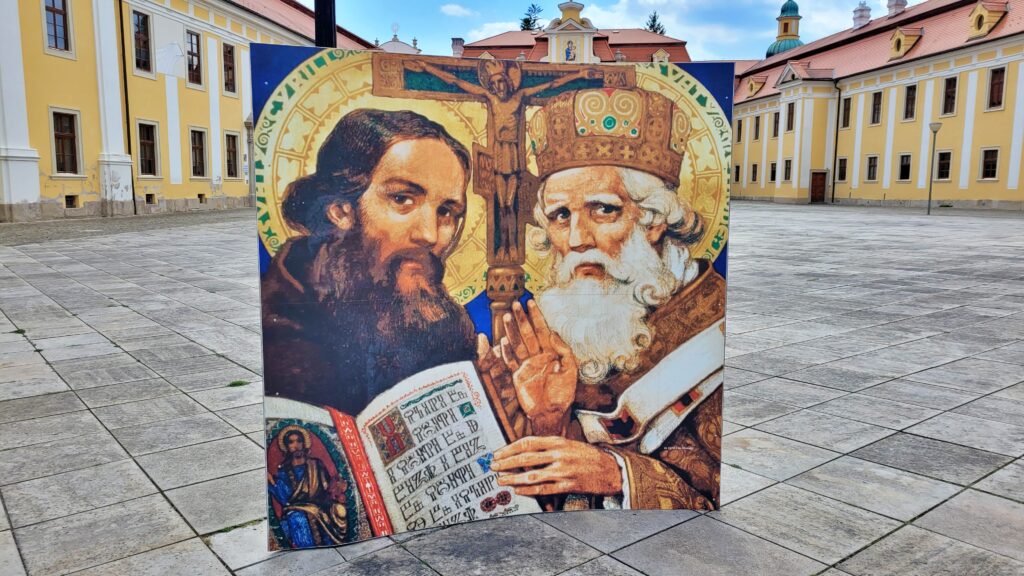
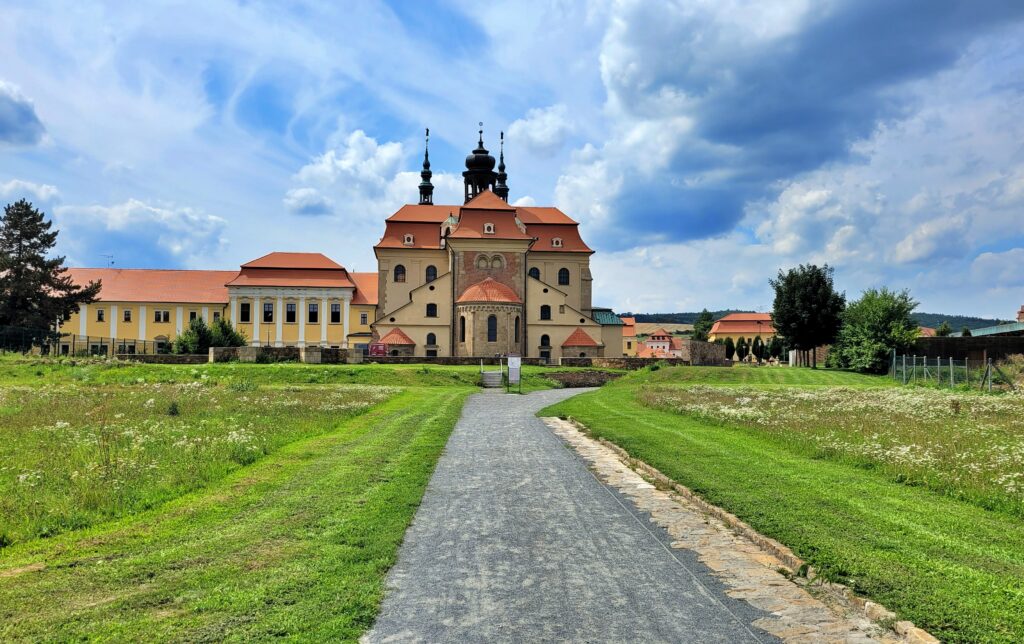
In the courtyard in front of the basilica, you can’t help but notice a huge cross, which is a memorial to the visit of the head of the Roman Catholic Church, Pope John Paul II.
VELEHRAD GINGERBREAD
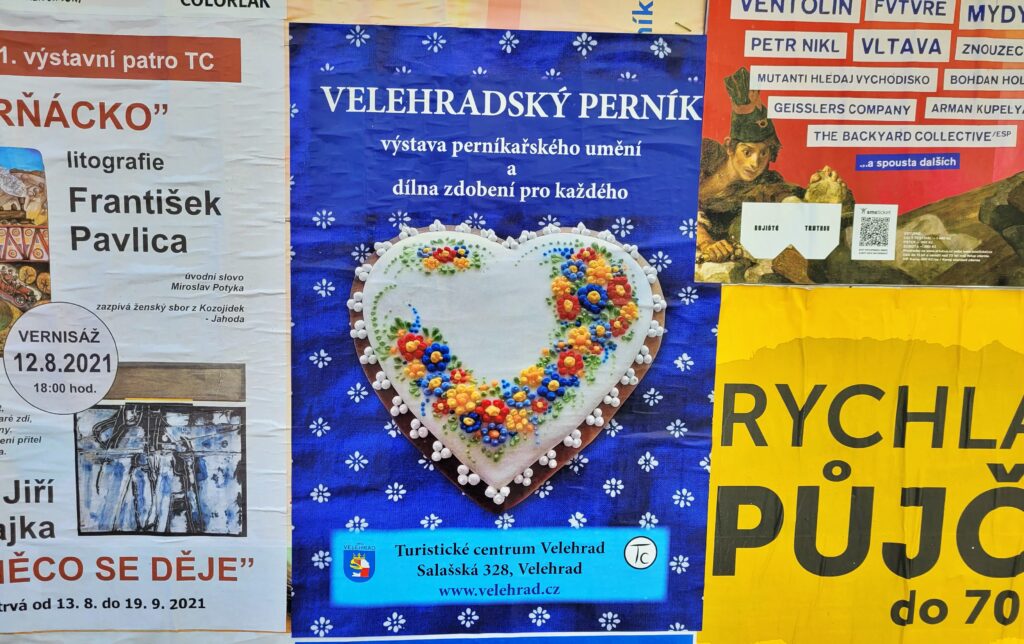
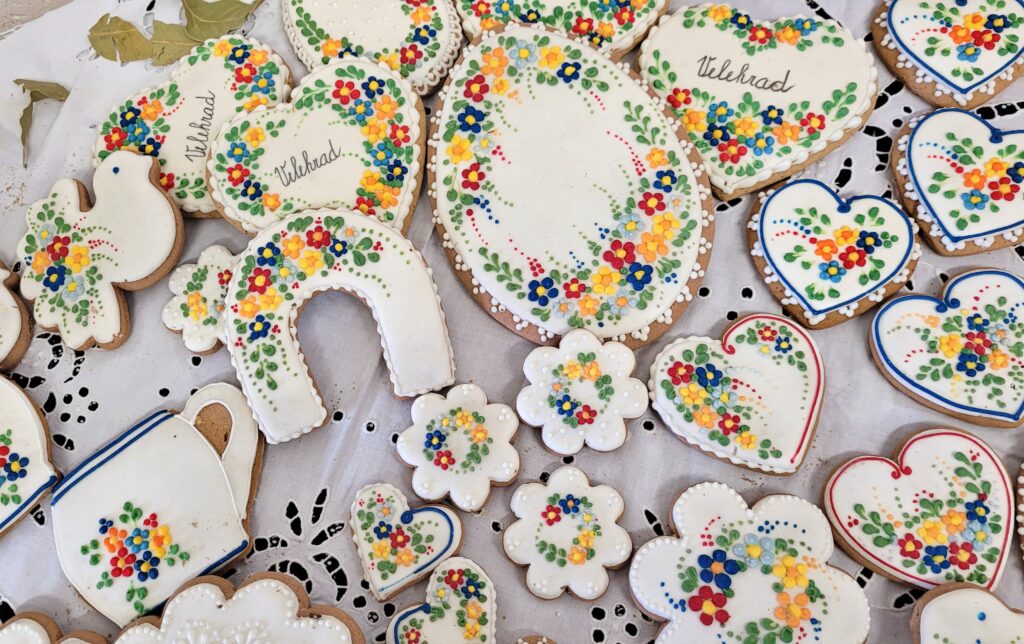
In the gingerbread workshop exhibition you will learn about the history and present of gingerbread in Velehrad and its surroundings. You will see works from all over the Czech Republic and Slovakia. Admire how gingerbread is decorated. The advertisements say that you can taste and decorate your own. I was honestly quite disappointed because the lady at the exhibition told us to go through it quickly, that she was dealing with her own orders and did not have time for us. Well, maybe you will have better luck.
So, have you already chosen which route you will take? 🙂 It is up to you which direction you will set off to Velehrad from. You just need to be attentive and allow your eyes to see beyond the horizon of the monuments that are connected to them. When you set out in the footsteps of the holy brothers of Thessaloniki, keep not only your eyes but also your mind open so that their message of faith, reverence and respect can touch your heart. ♥
I wish you a safe journey!♥

If you liked the article, I would be happy if you share it or leave a nice comment below the article.

I would also like to invite you to join me on Instagram and Facebook.

OTHER ARTICLES FROM SOUTH MORAVIA
