
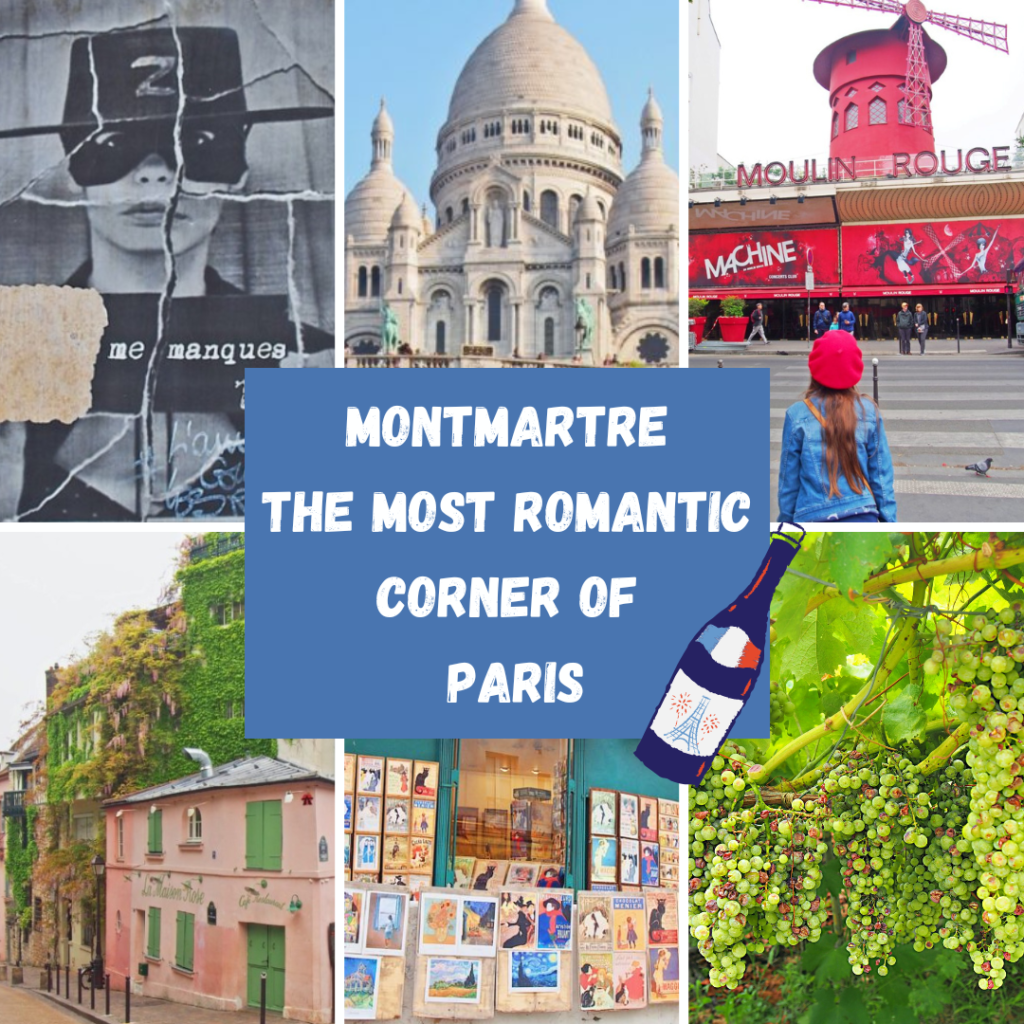
In Paris, it is definitely worth getting up and exploring it when the tourists are just getting up. I was lucky enough to stay right in Montmartre, so I had the opportunity to get to know this district a little more intimately than other Parisian districts. In the morning, people rush to work on the streets, shop shutters rattle, the smell of coffee comes from the cafes, saleswomen in bakeries straighten long baguettes and in the shops rearrange shiny fresh fruit. I have to admit that Montmartre probably has the greatest charm for me in the morning.
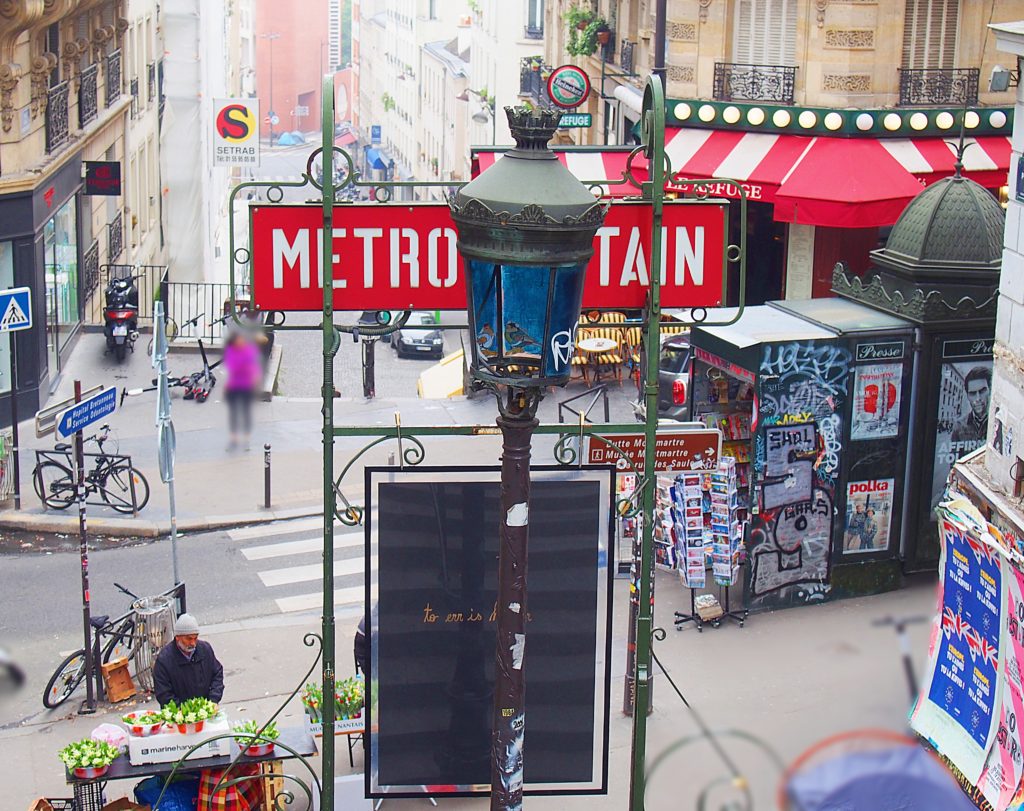
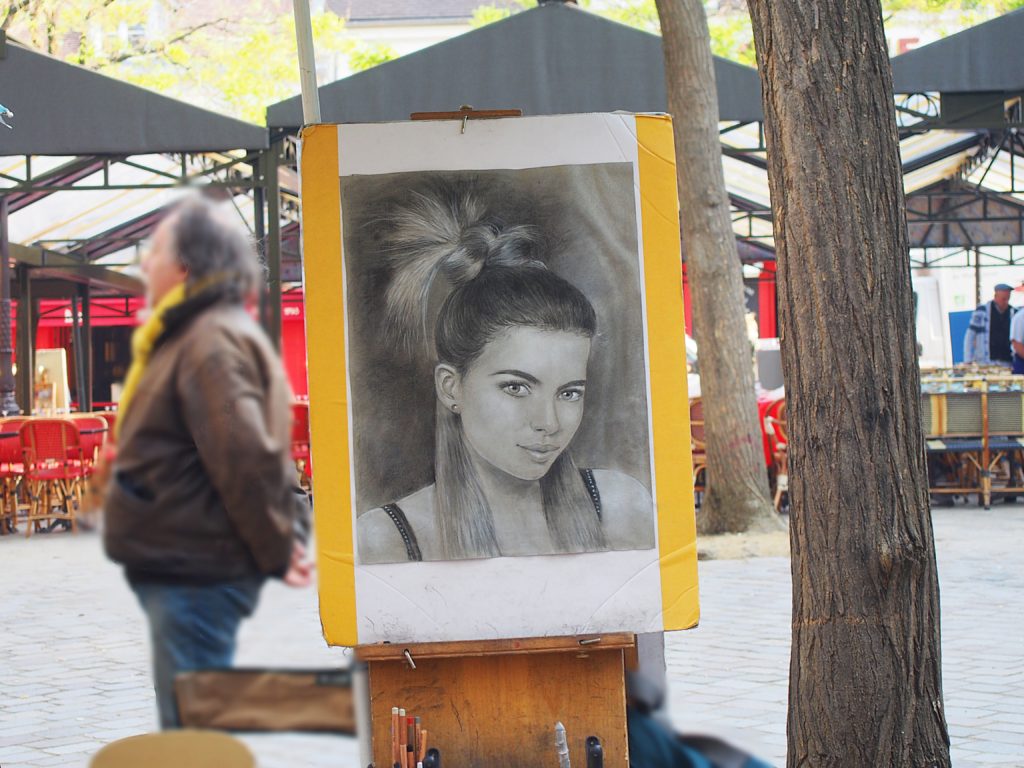
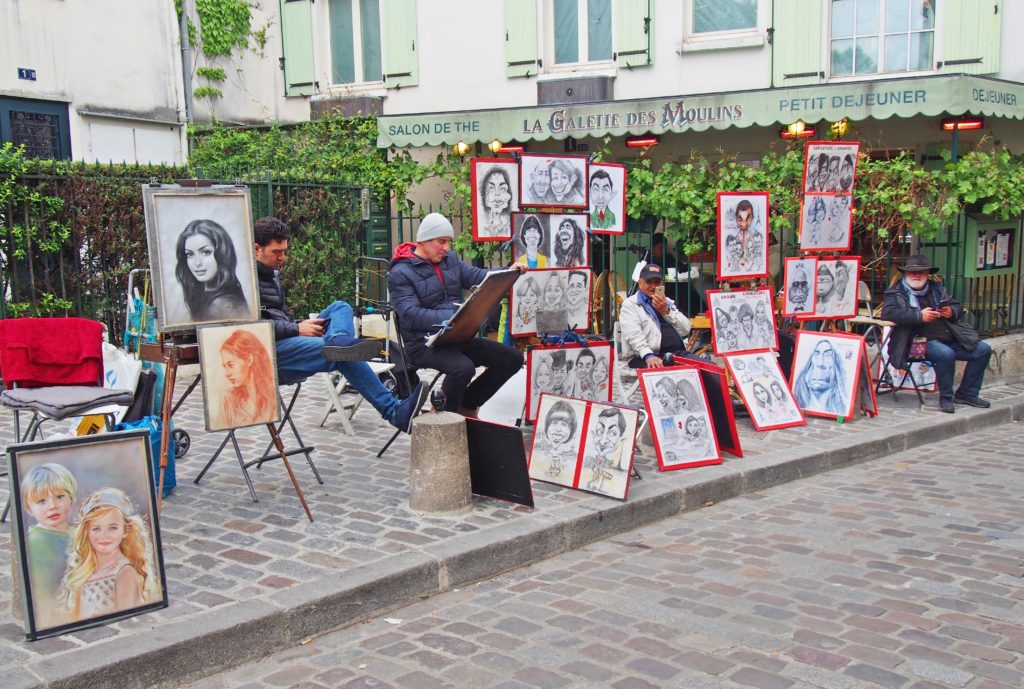
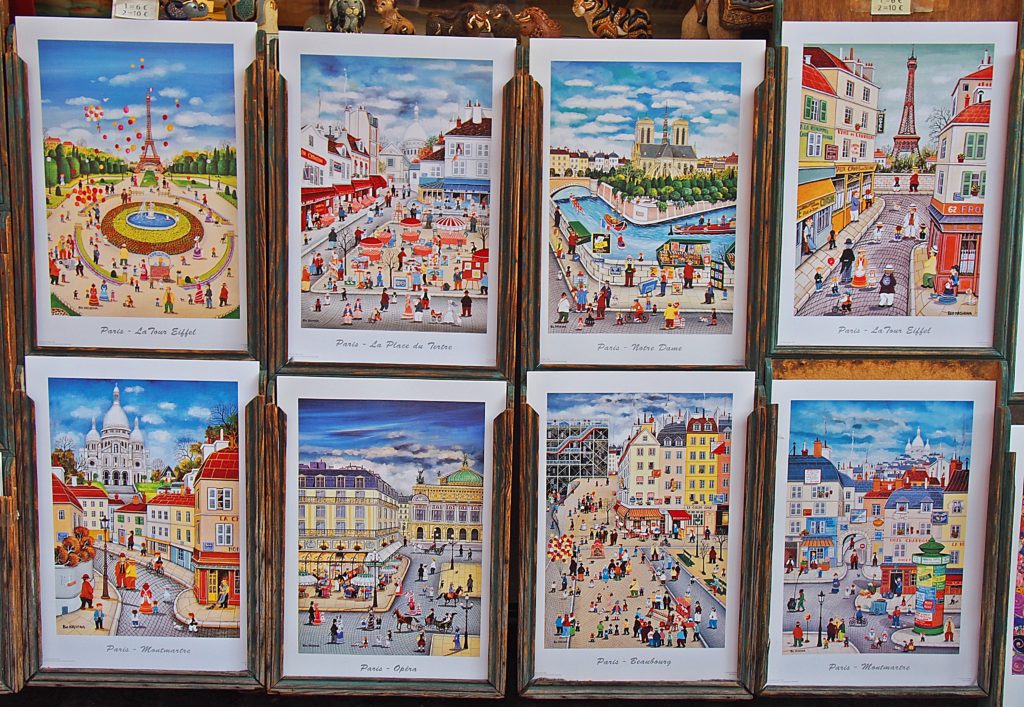
That’s why I didn’t mind getting up in the morning and exploring it properly. My path led along narrow streets, uphill stairs to the art district. You’ll see the first people here in the morning as far as place du Tertre. But even here the cafes are still empty, a few men are washing the tiles with water from a hose, and painters are gradually starting to take up space, set up stepladders, spread out umbrellas and prepare for the first customers. What I probably enjoy most here are the colorful streets, the relaxed atmosphere, street artists on every corner, lots of souvenir shops and picturesque cafes. All of this creates a very cozy and pleasant atmosphere here.

A LITTLE BIT OF HISTORY KILLS NO ONE
If you look far back in history, you will find that the Montmartre district was originally a small village outside the city walls. It was dotted with windmills and vineyards. It was only in 1860 that it became a sought-after place for the poor Parisian population to live. Young and aspiring artists began to come here, for whom the place had a very inspiring atmosphere and affordable rent prices. And Montmartre certainly enjoyed its greatest fame especially at the turn of the 19th and 20th centuries, when great artists such as Henri de Toulouse-Lautrec, Pablo Picasso and Vincent van Gogh lived there. Many of their works were preserved only because they used them to pay for the rent of their modest apartments. Which is quite funny, because they didn’t stay there much anyway, because the events in the streets and pubs were more interesting to them. 🙂

BASILICA SACRE-COEUR
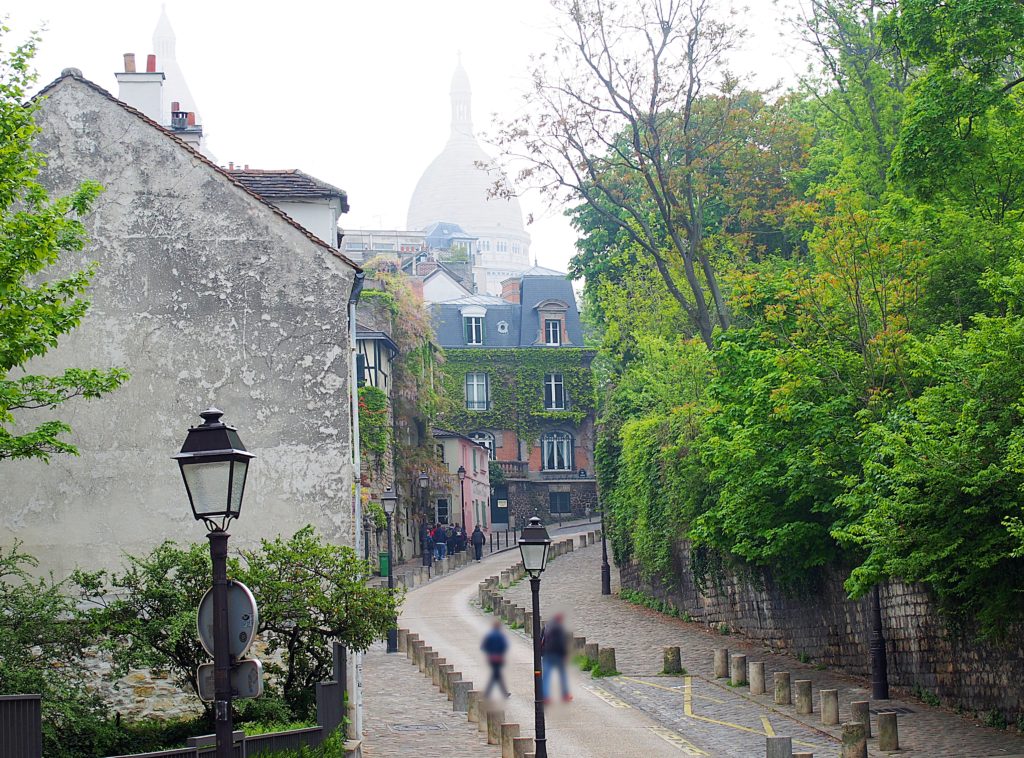
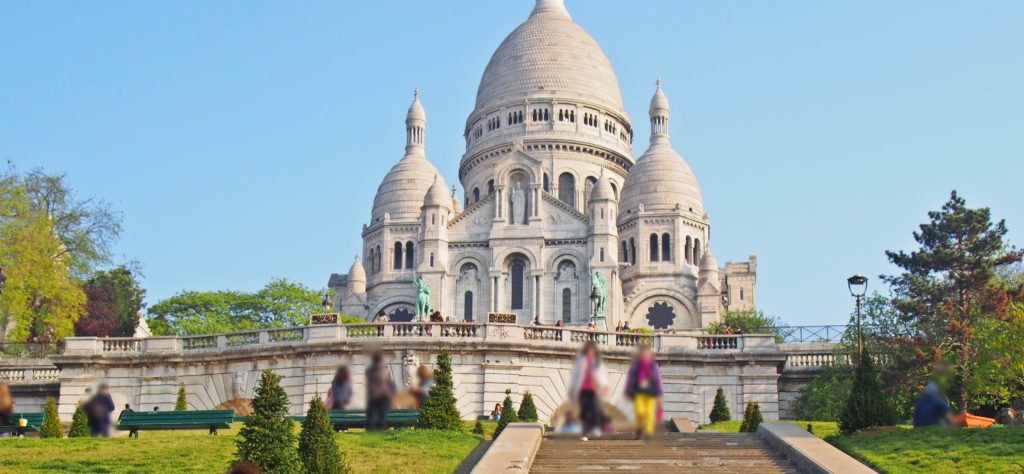
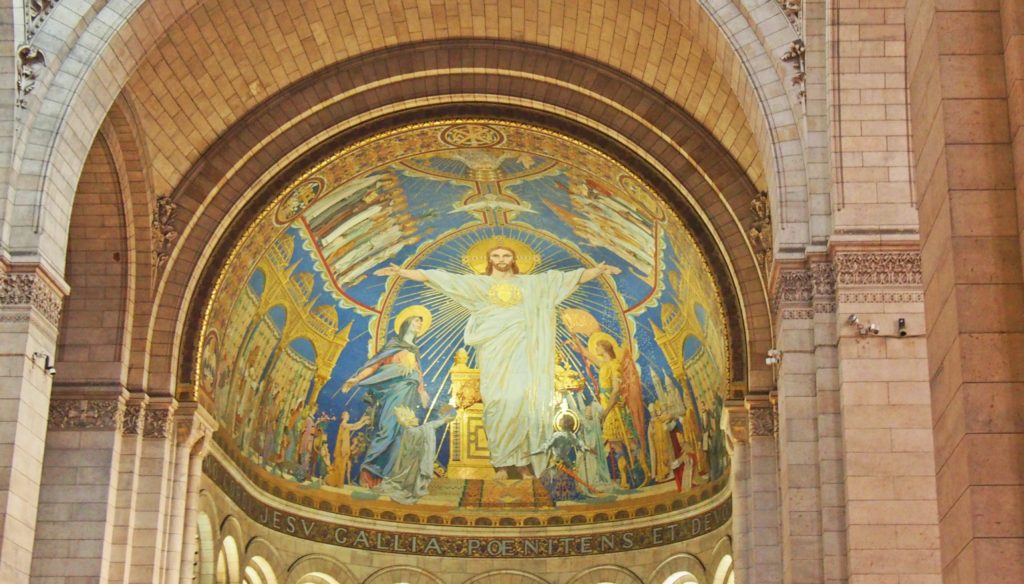
The white stone of the Sacré-Coeur Basilica shines beautifully and attracts the attention of all of Paris. The massive building in the Byzantine-Romanesque style is an expression of the Parisians’ apology for the sins of the city. It was completed just before the First World War, largely from donations from believers. You can get up very early to visit the basilica, because it opens at 6 am. That early, there is almost no one in it and you will have it all to yourself. Then the crowds of tourists start to flow in and you will have to stand in a long line. Visitors try to take the best photos here, and couples in love sit on the steps below the basilica and enjoy the view of the city. And you can do the same, sit among the others for a moment and let yourself be carried away by this atmosphere.
CABARET AU LAPIN AGILE –
BY THE FRISKY RABBIT
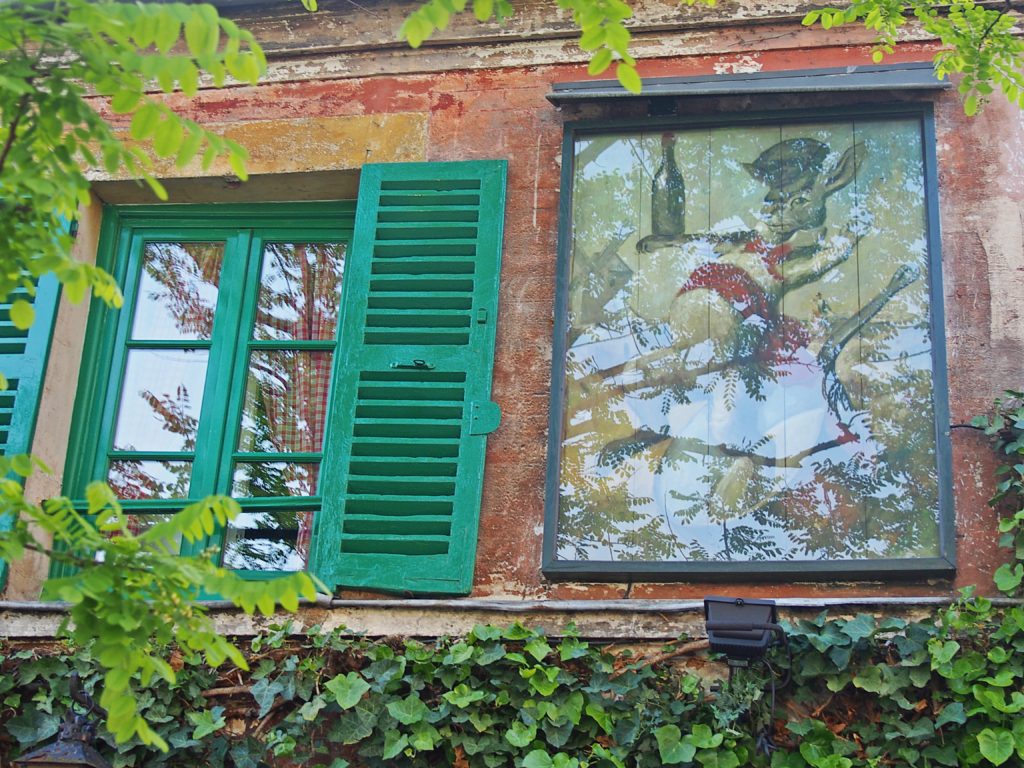
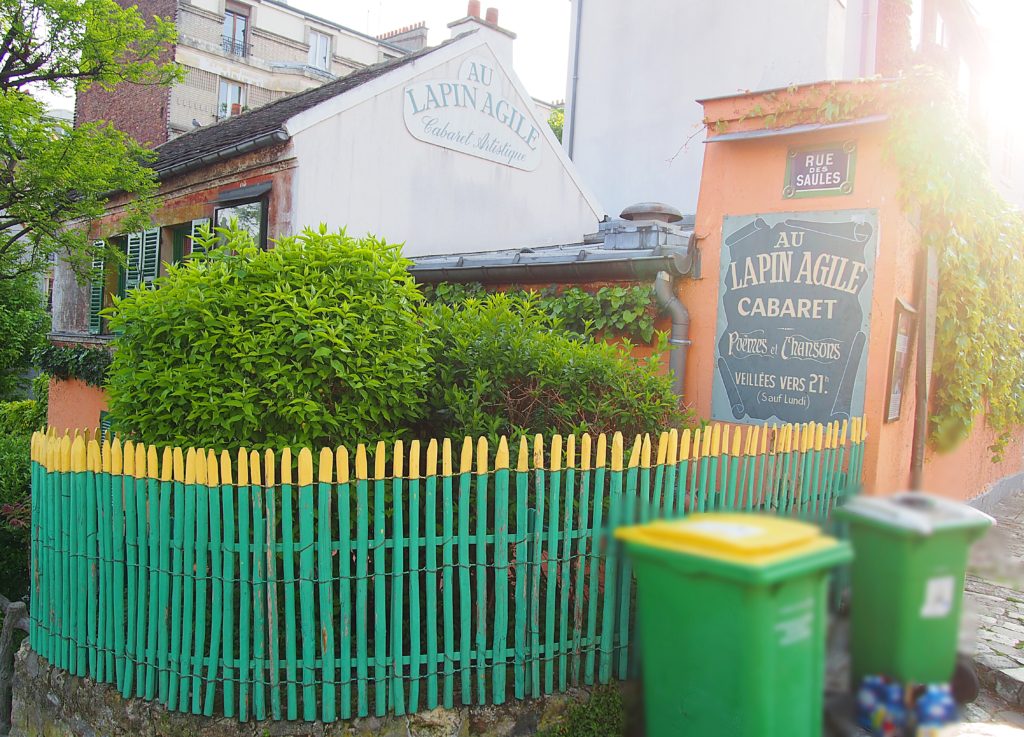
Cabaret Au Lapin Agile was and still is one of the most popular pubs in Montmartre. It has been open since 1823 and is still open. Pablo Picasso, for example, spent a lot of time here, and left his painting Harlequin as payment for his stay. It’s amazing that this original is still here. The writer Guillaume Apollinaire and many other famous artists also frequented it.

MONTMARTRE VINEYARD
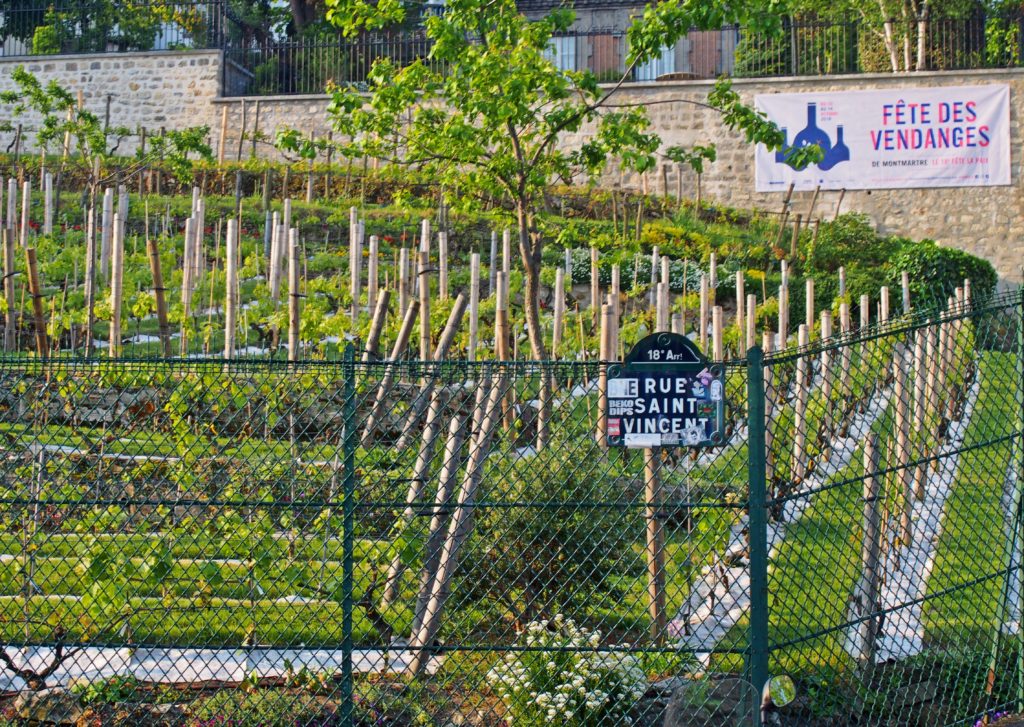
Opposite the cabaret, just up the hill above you, you will see the last vineyard of Montmartre. Every year, a grape harvest is celebrated in its vicinity. It is one of the biggest and most fun events of autumn in Paris. For four whole days, there is celebration, drinking and feasting on every square meter of this district. The highlight of the grape harvest is a spectacular fireworks display and a carnival parade.
LA MAISON ROSE – PINK HOUSE
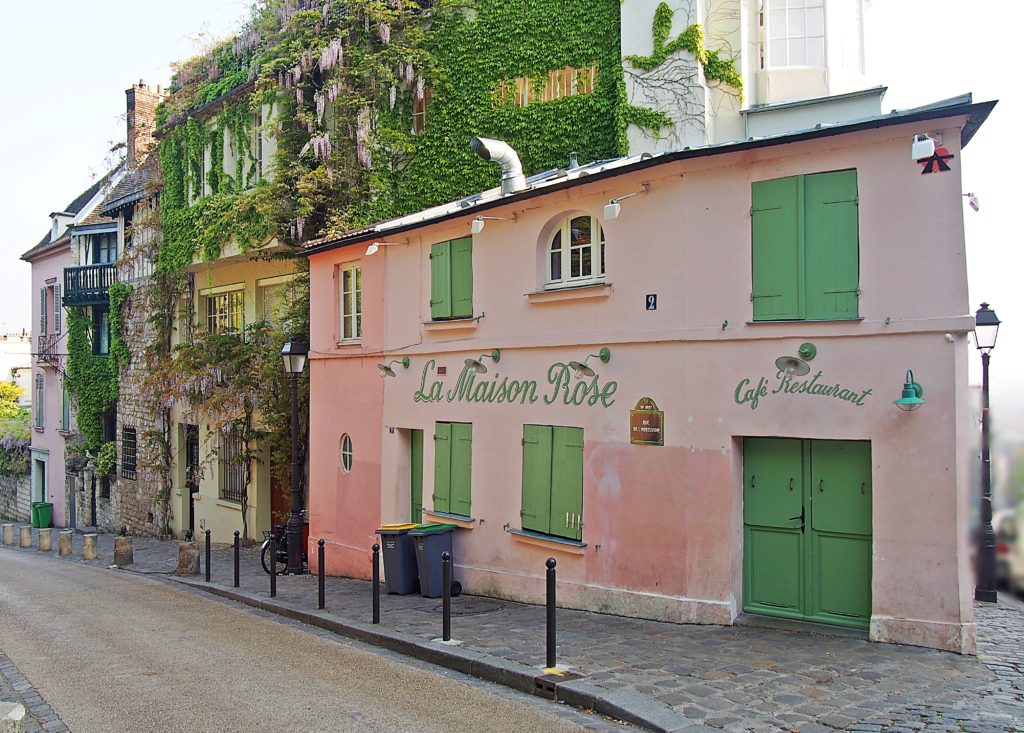
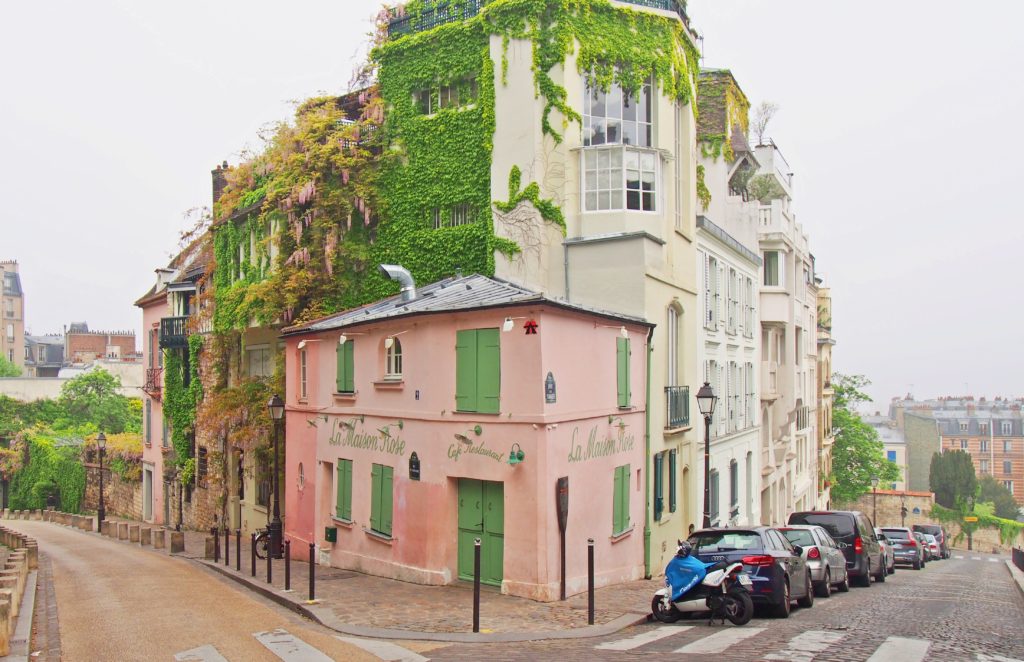
If you climb up the hill, you will come across La Maison Rose – The Pink House. This pink house shows what this walled village might have once looked like. In 1902, Pablo Picasso briefly stayed in the house during his first trip to Paris. The house was made famous by the painter Maurice Utrillo, the unknown and alcoholic son of the model and painter Suzanne Valadon, who painted a painting with a pink house. The painting was bought from him by the writer Octave Mirbeau for a few francs. When Mirbeau’s estate was sold, the painting was sold for a high price of 1,000 francs for that time, which aroused great interest in the painter. An exhibition was immediately organized for him, the prices of his paintings began to rise sharply, and the painter became very famous in a short time. Maurice Utrillo painted the house many more times at different times in his life. Now the house is primarily an Instagram sensation and it is always crowded in front of it.

RESTAURANT LE CONSULAT
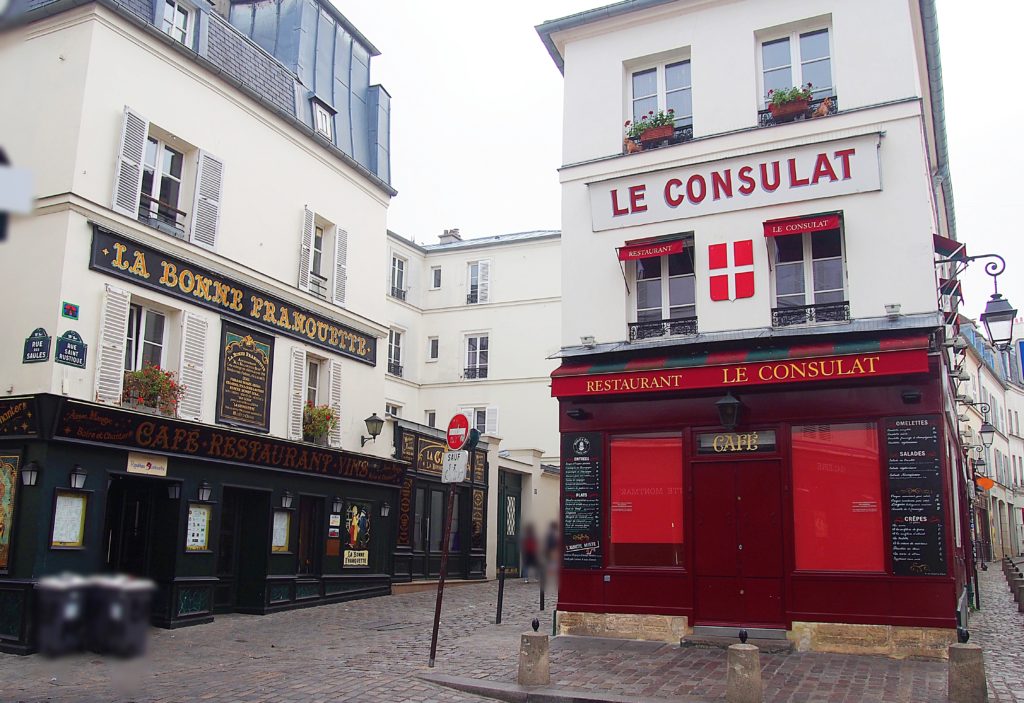
The restaurant Le Consulat, where painters, writers and philosophers liked to meet during the artistic boom of Montmartre, is still full. Yes, it is another Instagram sensation. 🙂 On the side wall of the pub you can read all their famous names.
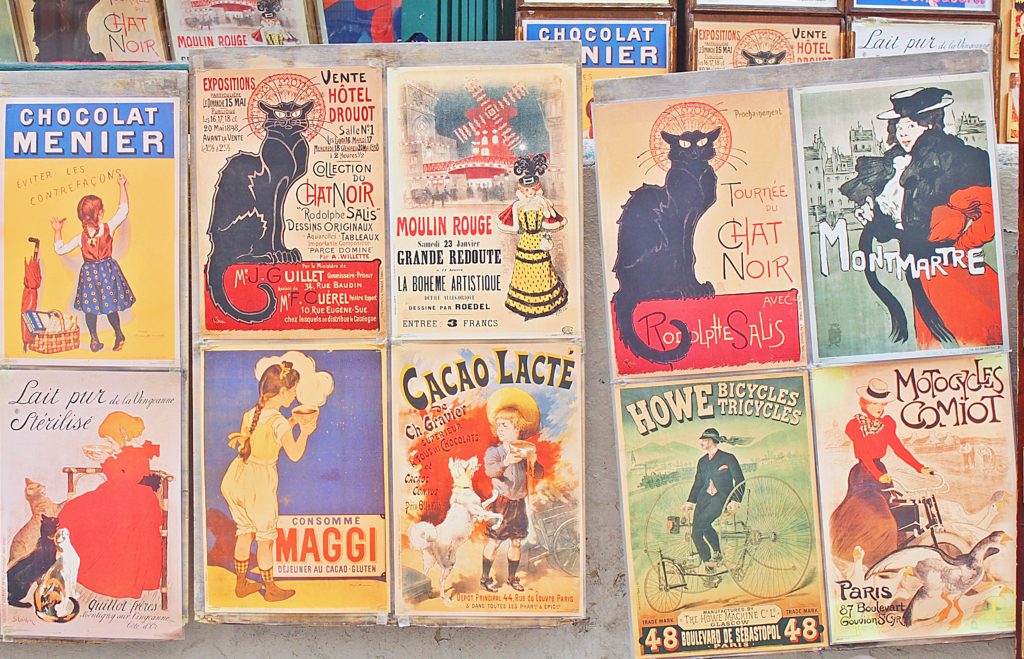
GALERIE BUTTE MONTMARTRE
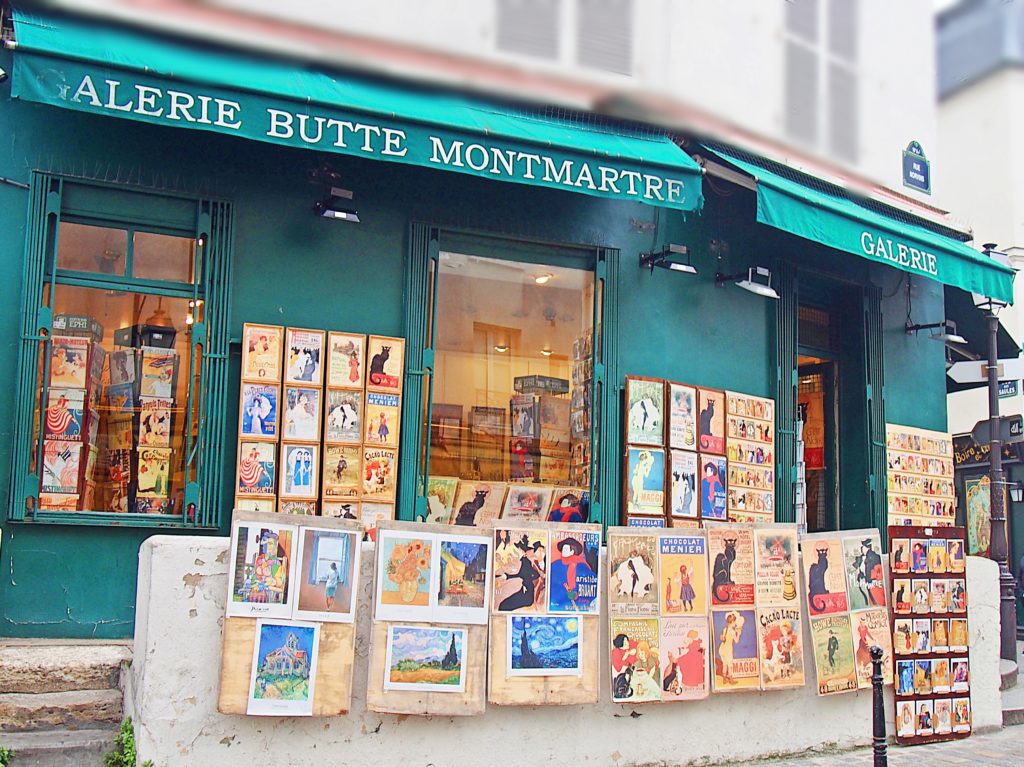
V tomto obchůdku se nesmí fotit, ale můžete si tu pořídit krásné plakáty impresionistů.

PAINTERS’ SQUARE
After a few steps down this picturesque alley, you will reach the Painters’ Square. During the main tourist season, this mini square is always full of visitors, street painters and waiters with trays, who skillfully maneuver among the pedestrians.
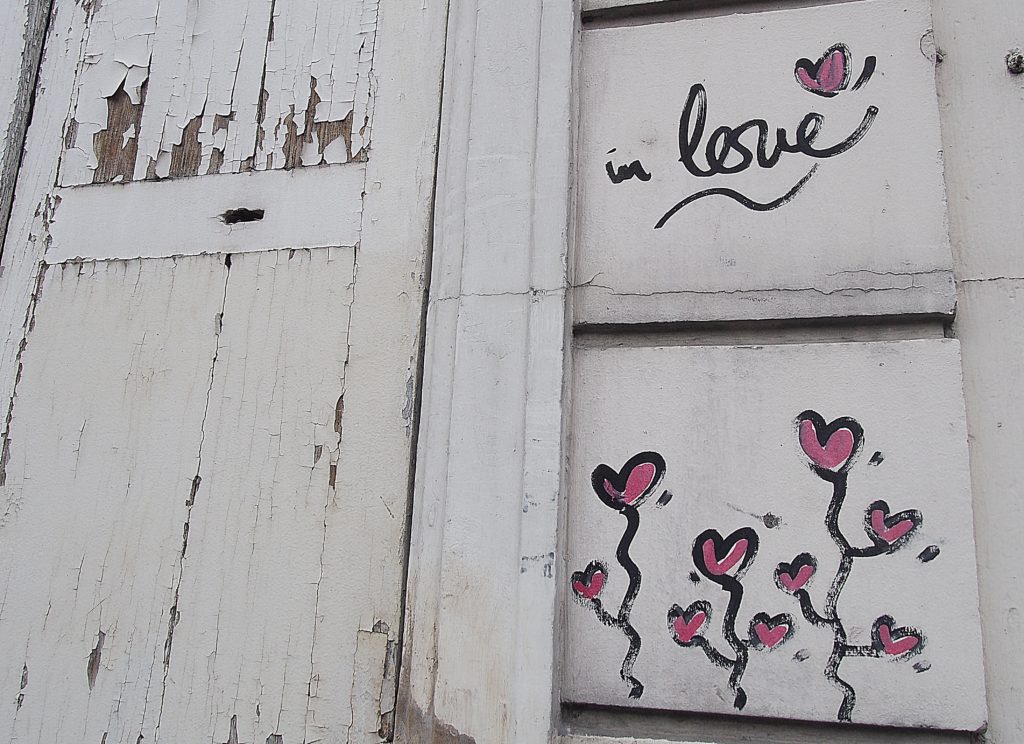
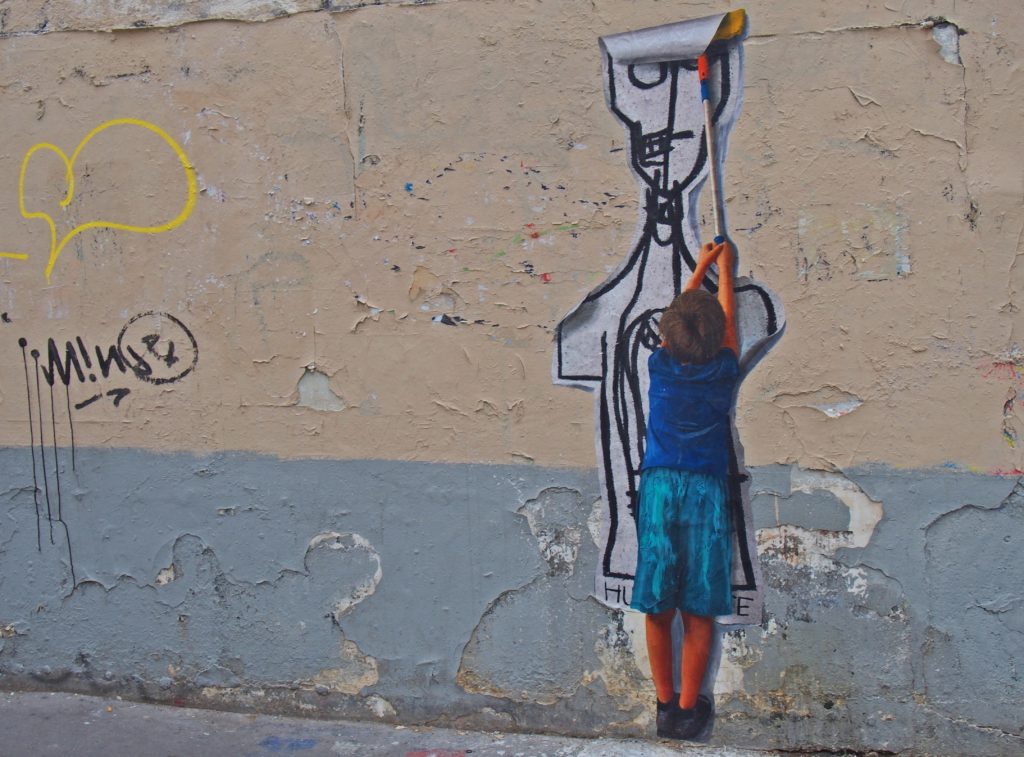
STREET ART AND NARROW STREETS
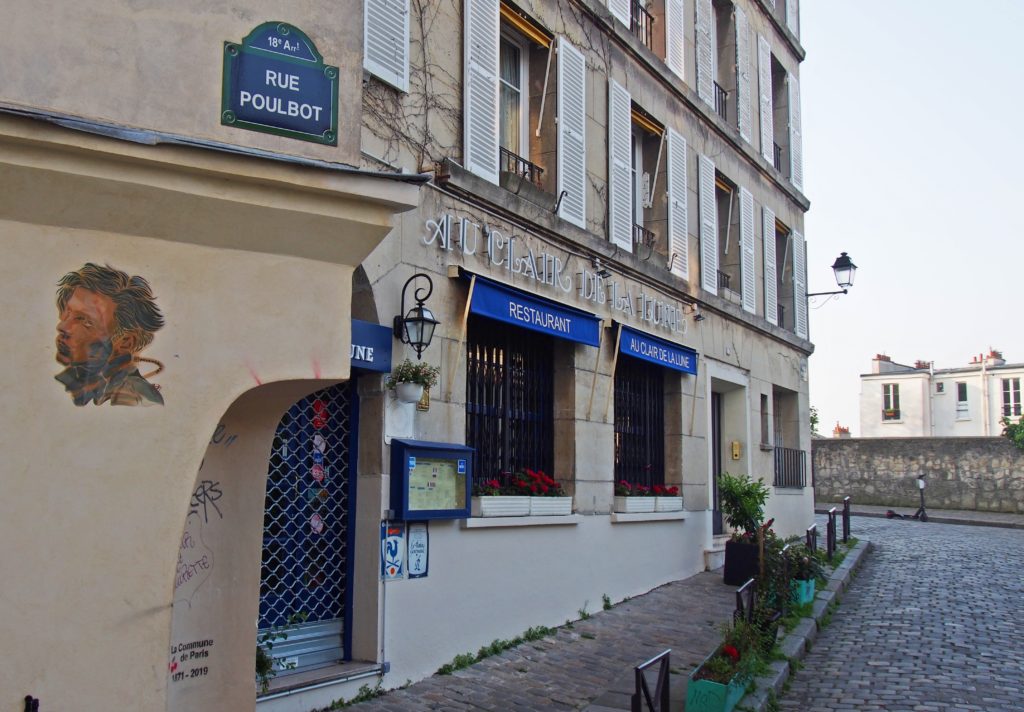
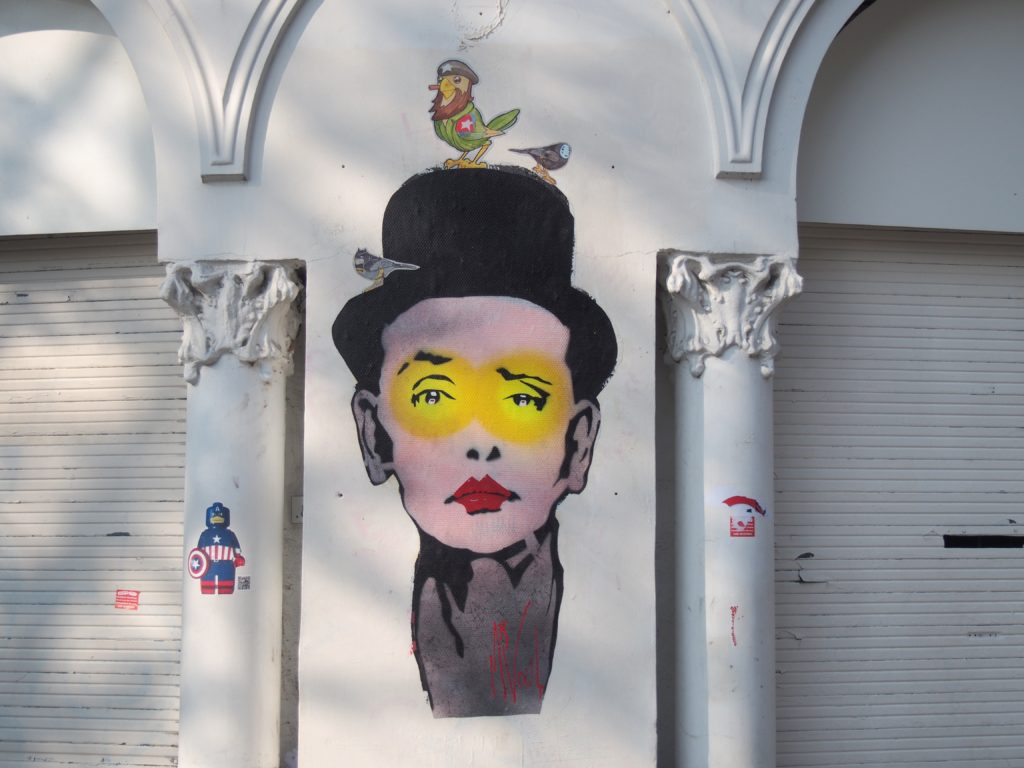
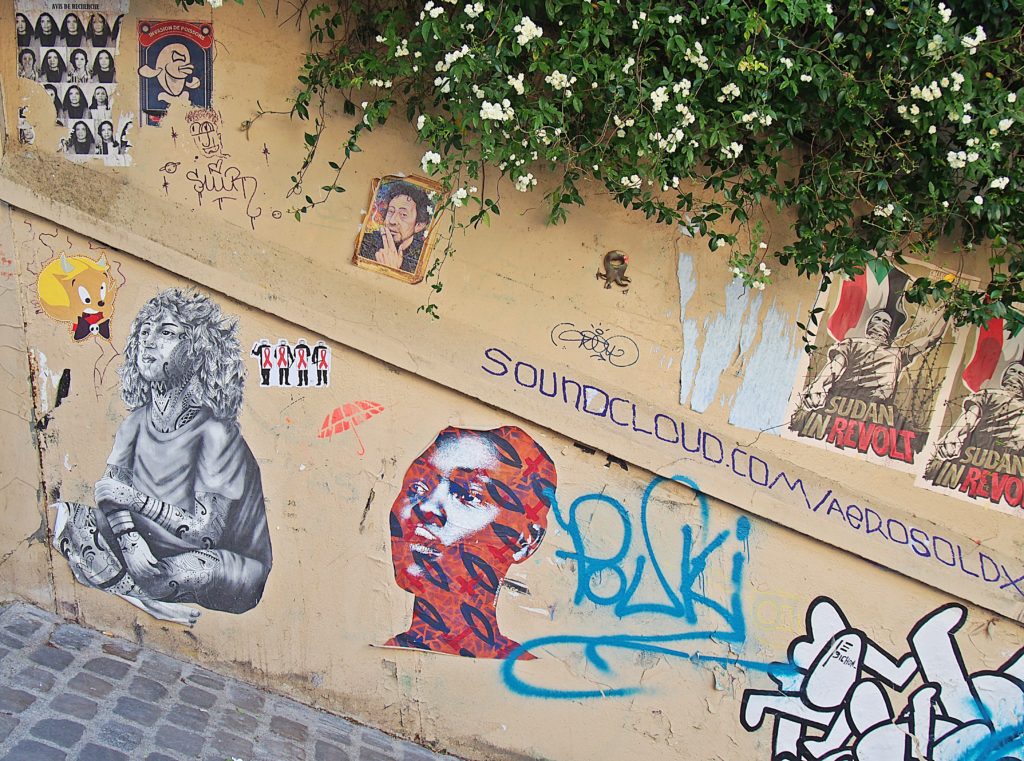
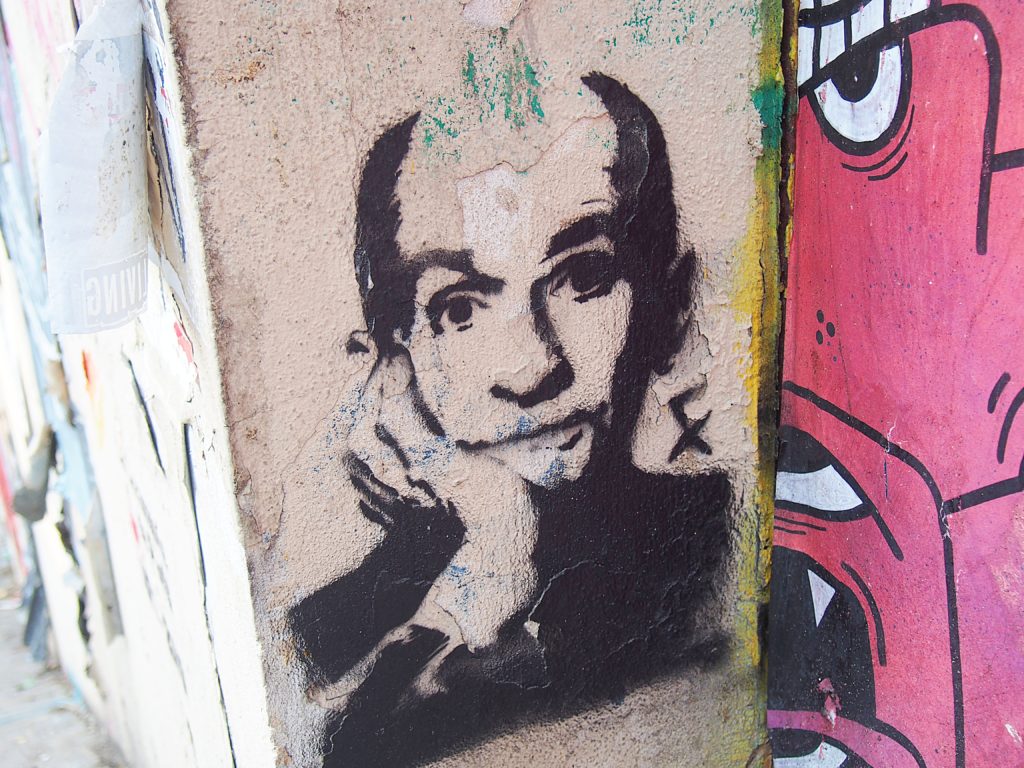
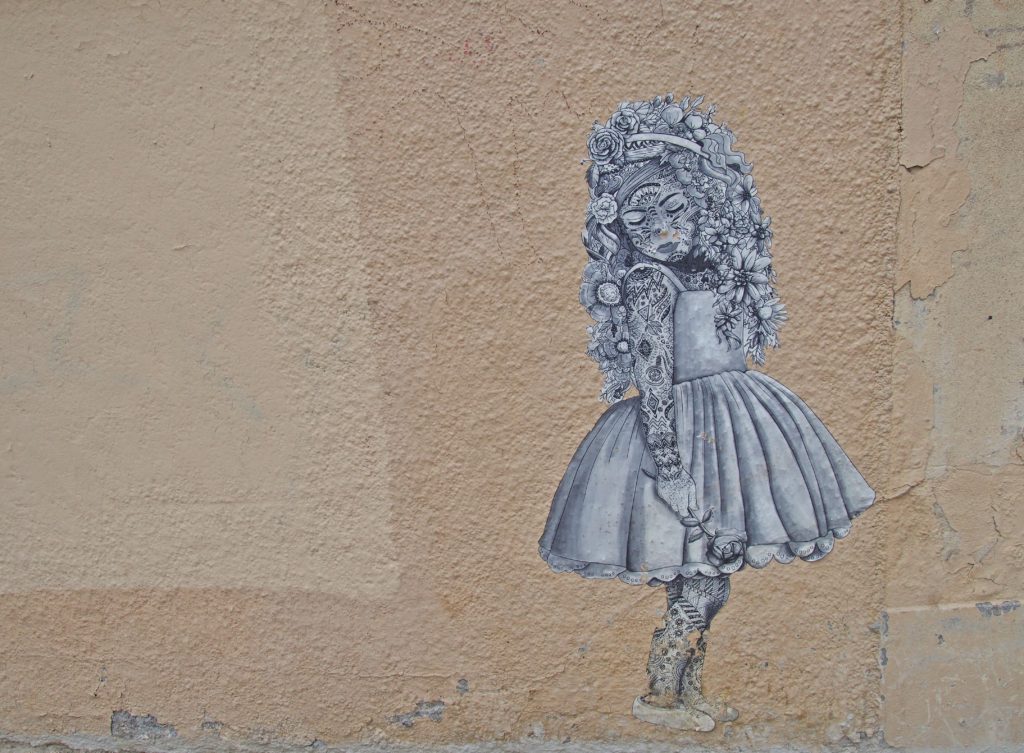
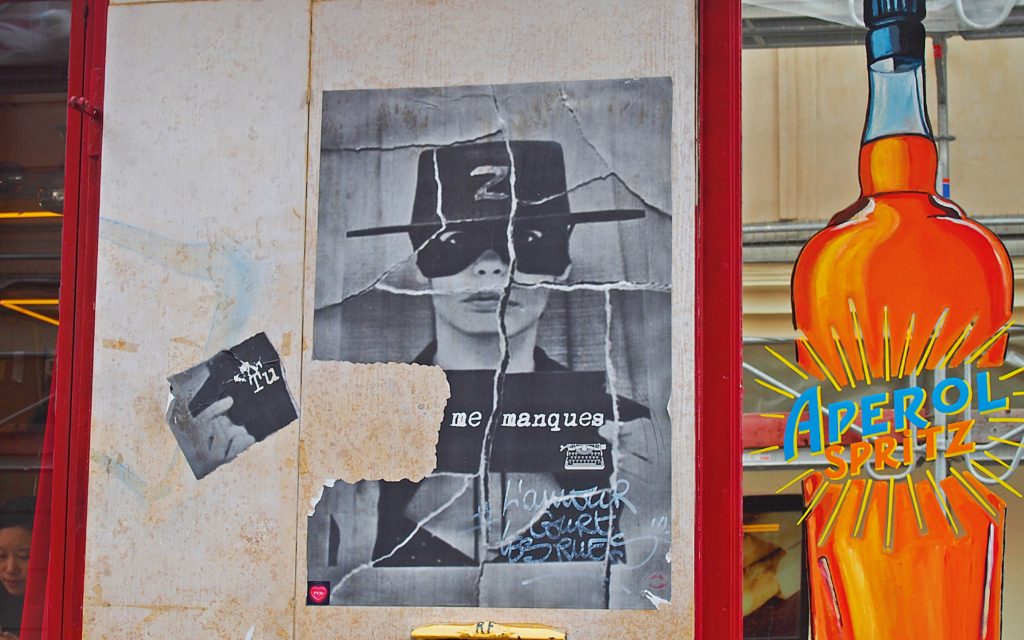
I could spend hours walking through the local streets and I don’t mind at all that they are downhill and uphill. I’ve always been bothered by people painting houses, but here I like it.
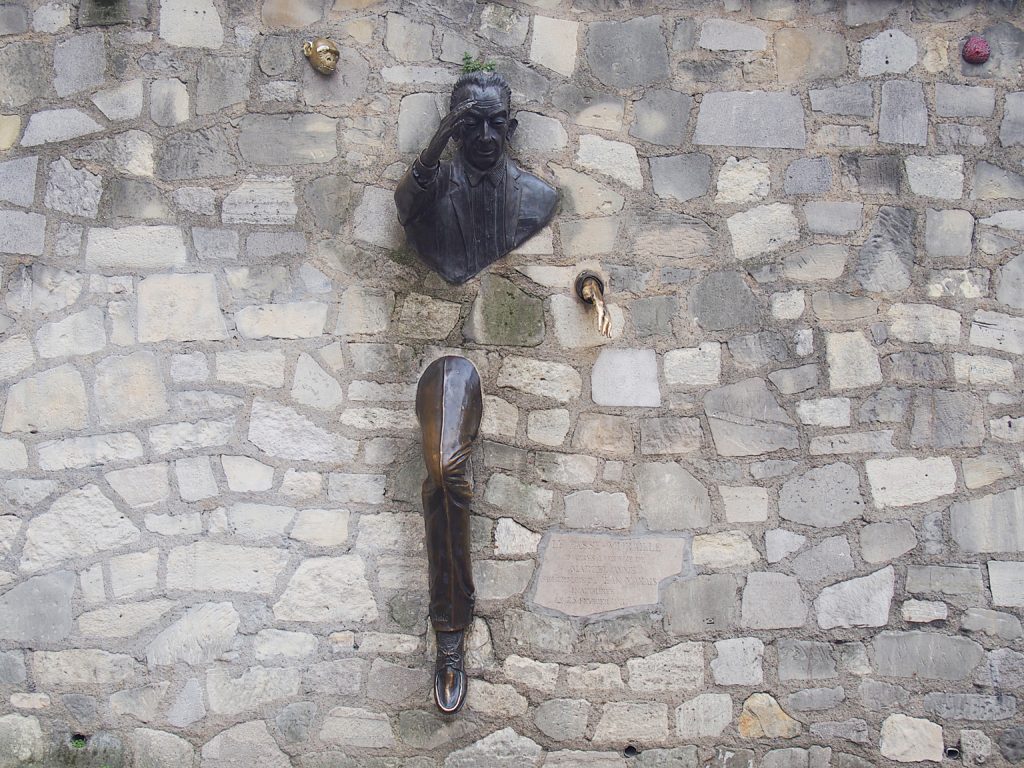
 The Man Walking Through the Wall – the sculpture was created by the famous actor Jean Marais based on the main character of the short story of the same name by the writer Marcel Aymé. And why does he have such a golden hand? Every Frenchman passing by will tell you that.
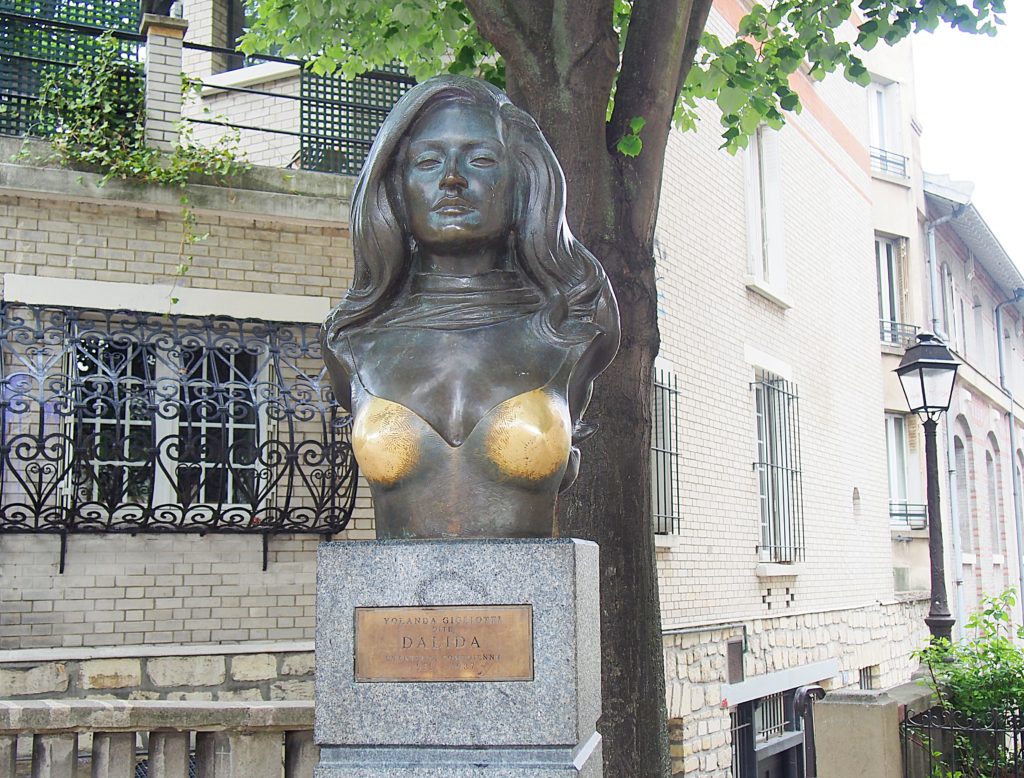
 Bust of Dalida, the famous French chansonnier. She decided to end her life in her house in Montmartre by overdosing on barbiturates and drinking alcohol. The only message she wrote just before she died was: “La vie m’est insupportable. Pardonnez-moi.” (“Life has become unbearable for me. Forgive me.”).

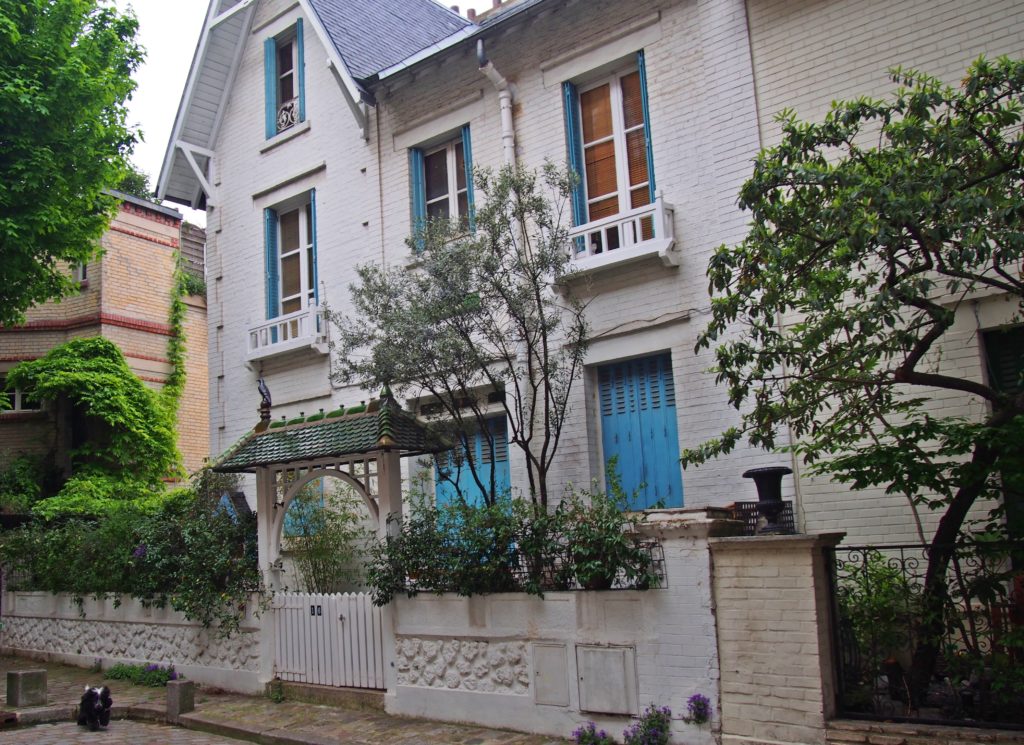
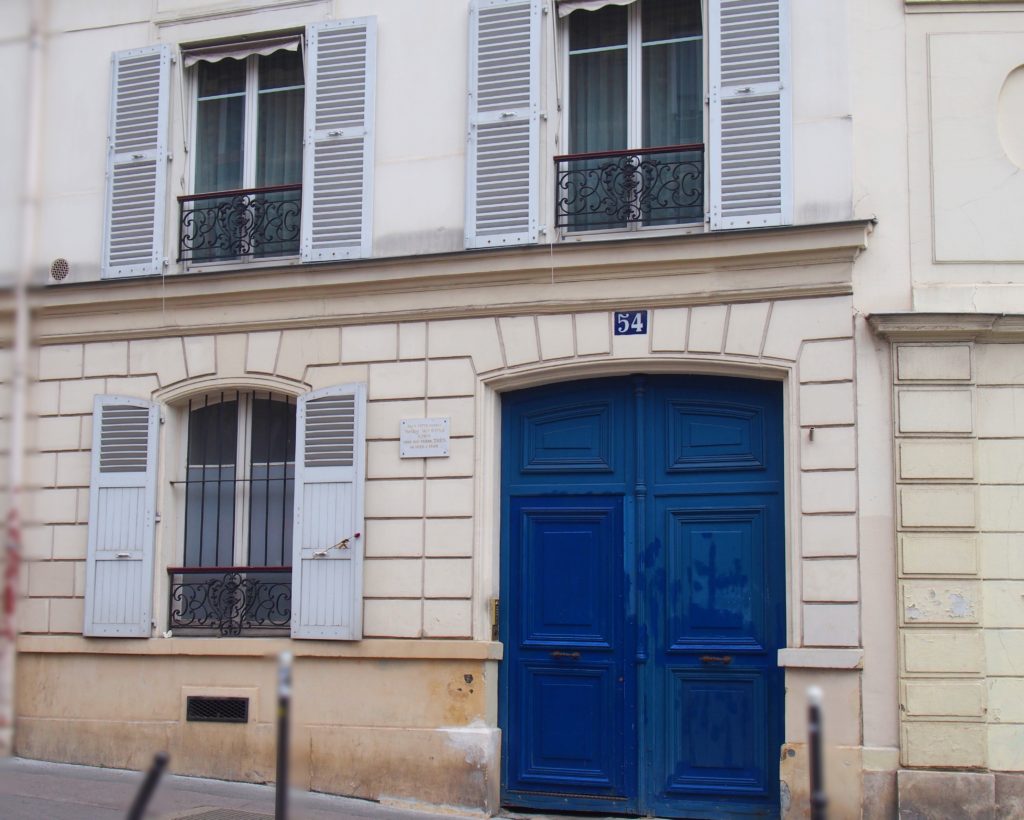
HOUSE no.54 RUE LEPIC
In June 1886, the painter Vincent van Gogh moved into a third-floor apartment at 54 Rue Lepic with his brother Theo, an art dealer. Vincent also had his studio in the house and painted several views of Paris from it. Although their stay there sometimes became unbearable, Theo supported Vincent financially. He also introduced him to artists. Eventually, Vincent left Paris and settled in Arles.

HOUSE no. 14 RUE NICOLET
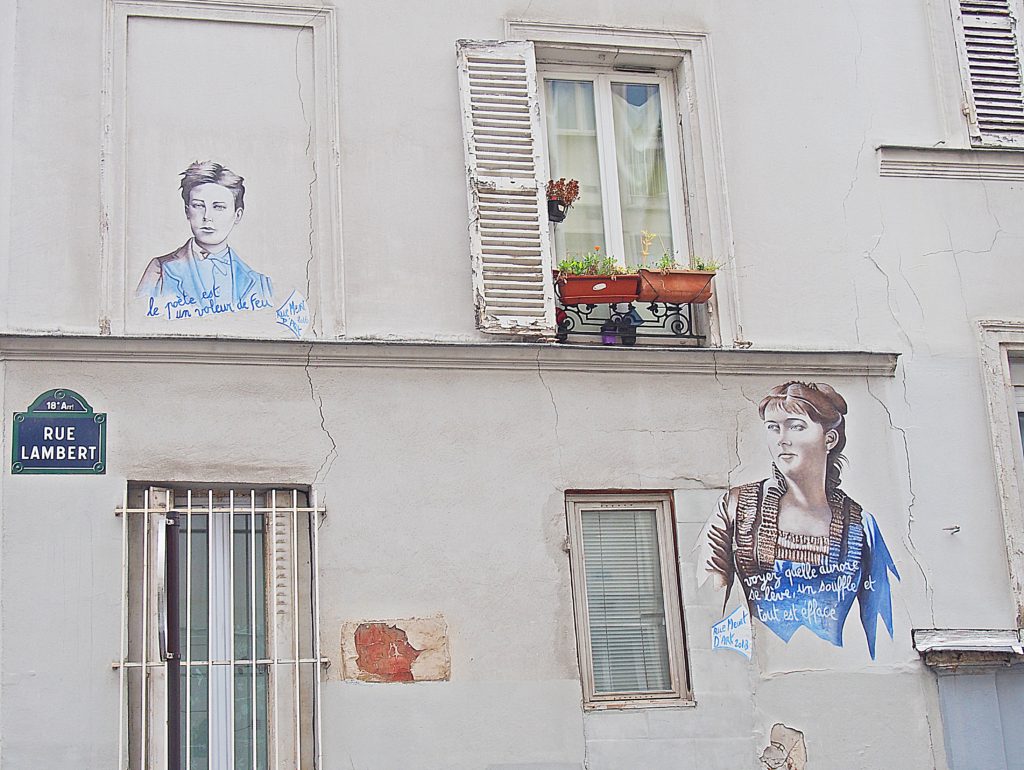
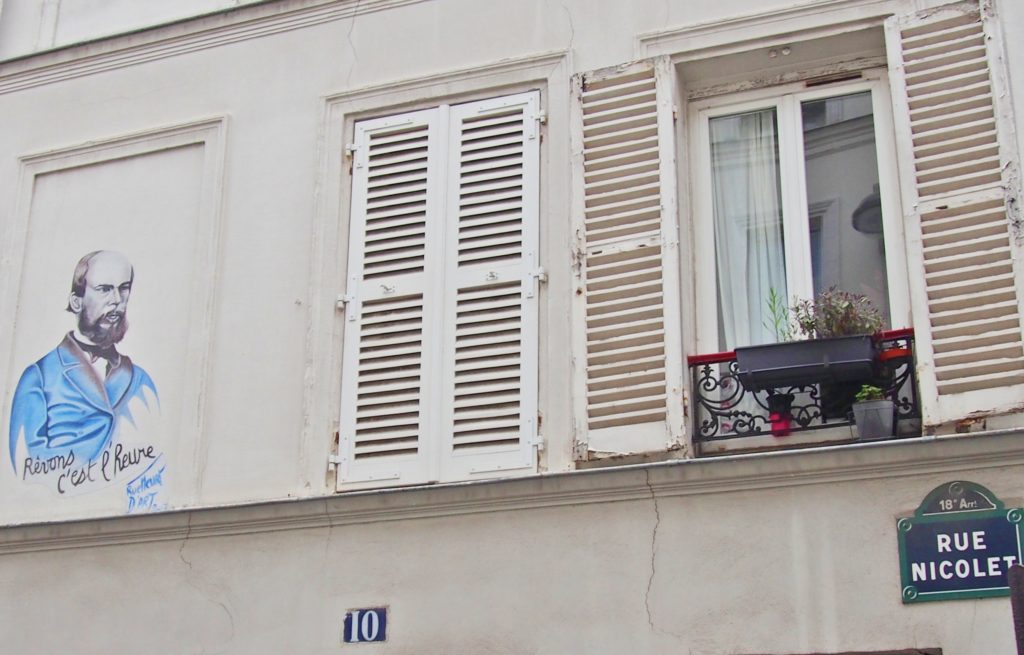
The house number 14 was the home of Mathilde de Fleurville‘s parents, the wife of the poet Paul Verlaine. Since the young couple could not afford their own home, they lived with Mathilde’s parents. In this house, the young Verlaine met Arthur Rimbaud. He lived in the laundry for a few days, but because he was very conflicted, messy and stole some things from Mathilde’s parents, he eventually had to move out.

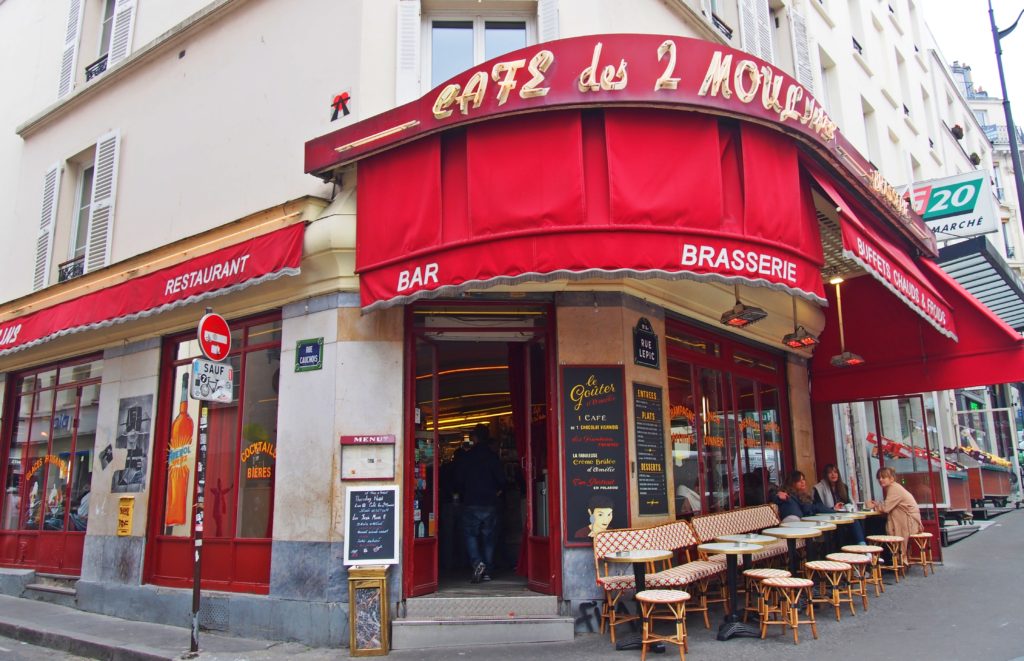
CAFÉ DES DEUX MOULINS
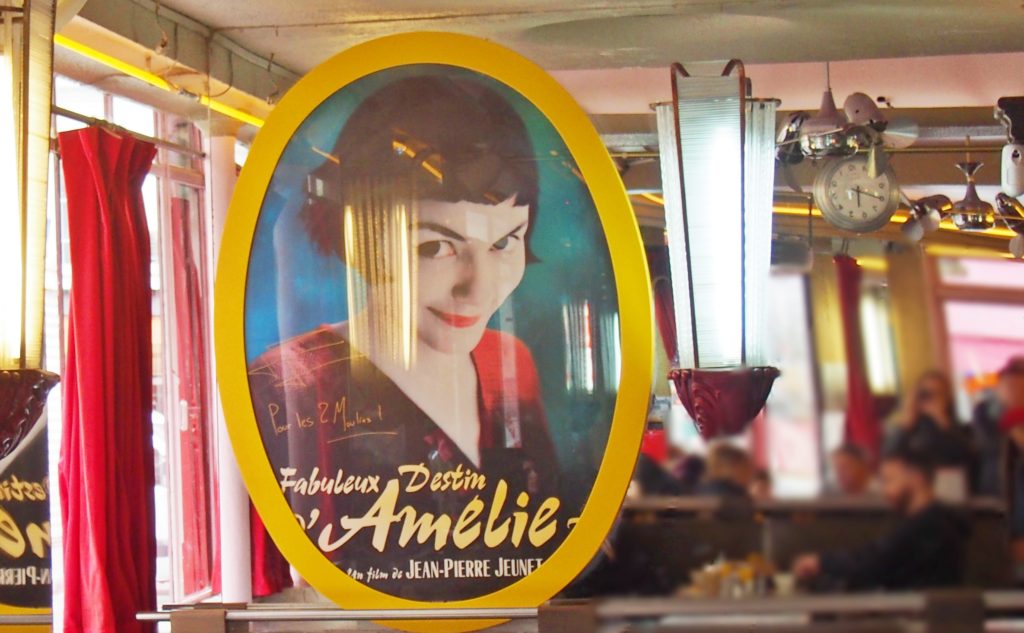
This famous café, Café des Deux Moulins, where the film Amélie de Montmartre was filmed, will be familiar to all film fans. You can sit at an outdoor table and enjoy the hustle and bustle of the street like a true Parisian. Or you can have a glass of kir at the bar, the aperitif that the unsuccessful writer Hipolito liked to drink in the film.



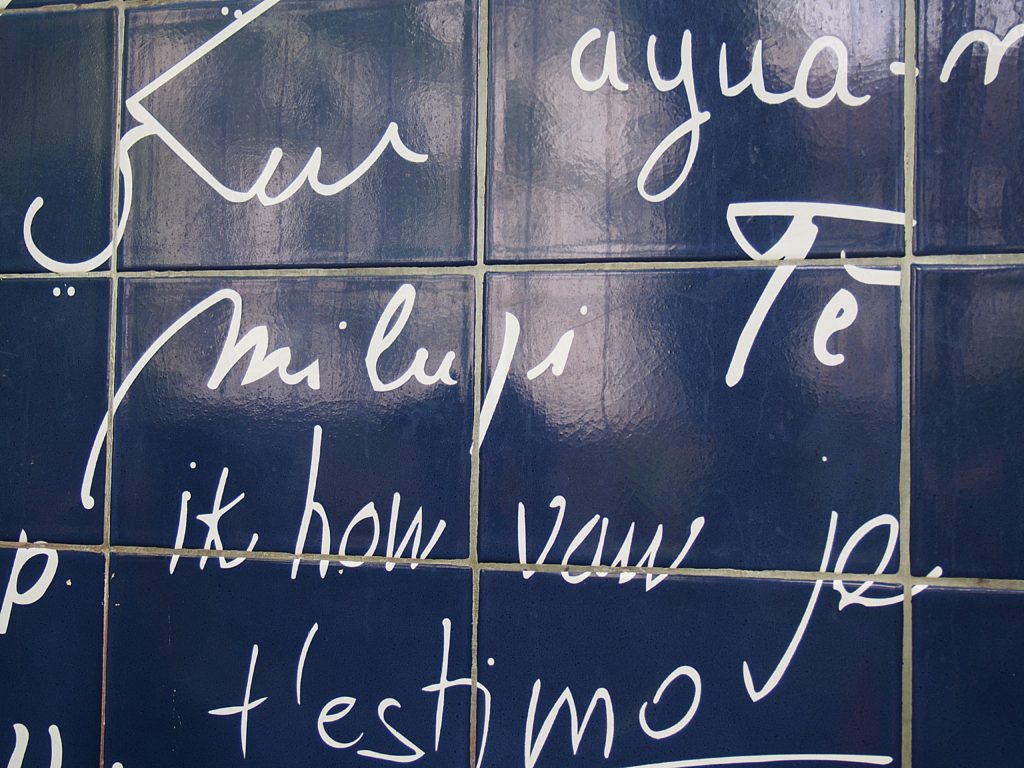
LOVERS’ WALL
In one of the parks, dozens of visitors look at a wall every day and take photos of it like a race. It’s the “I Love You” Wall, where that very expression of love is written in all the world’s languages. Don’t forget to find it in Czech too! It was quite a chore to find it.


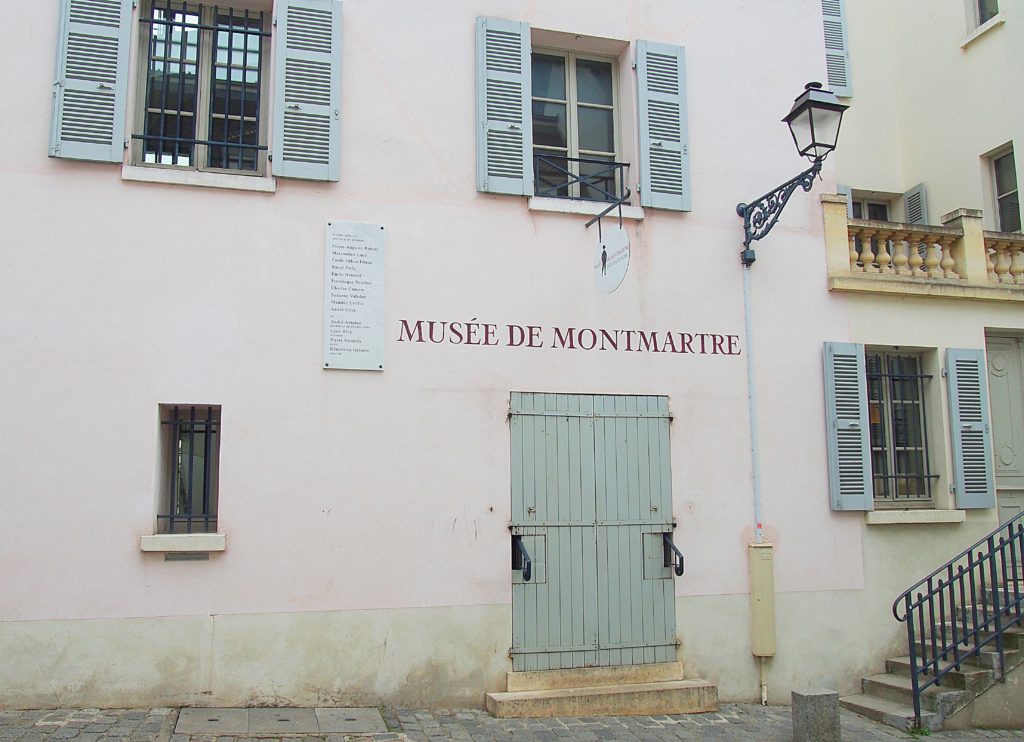
MONTMARTRE MUSEUM
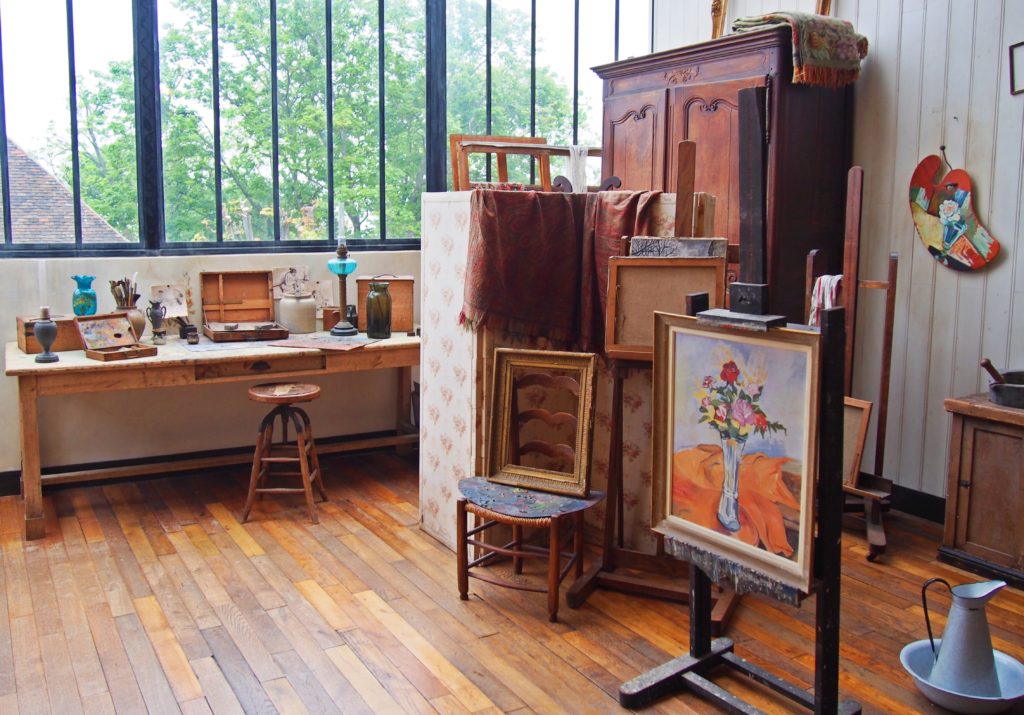
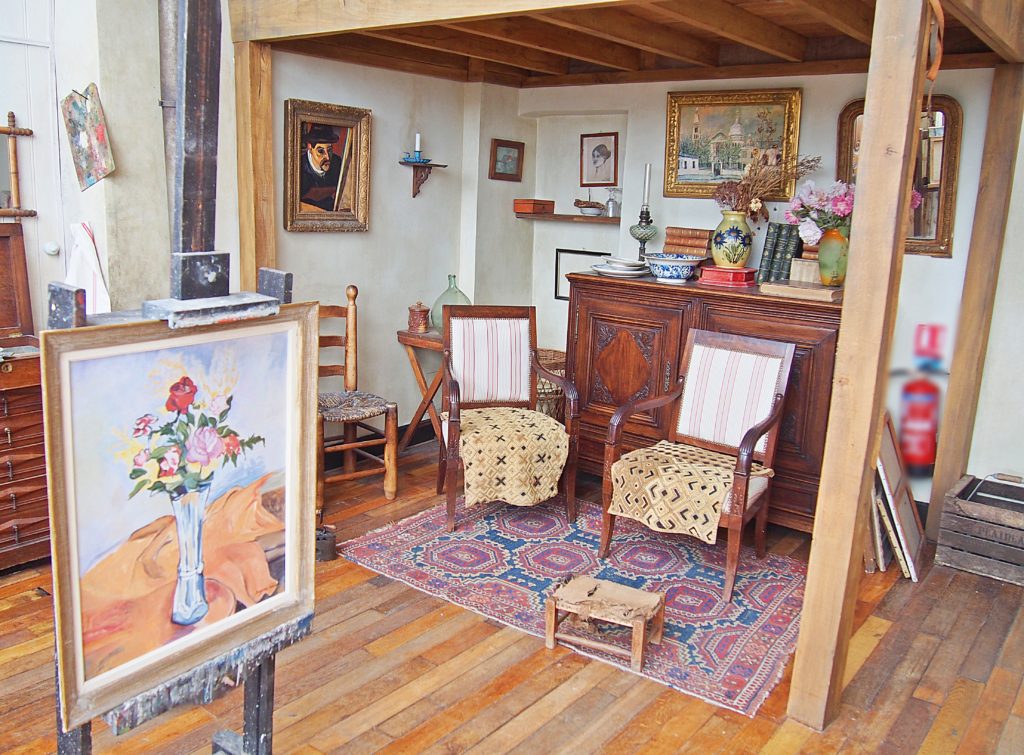
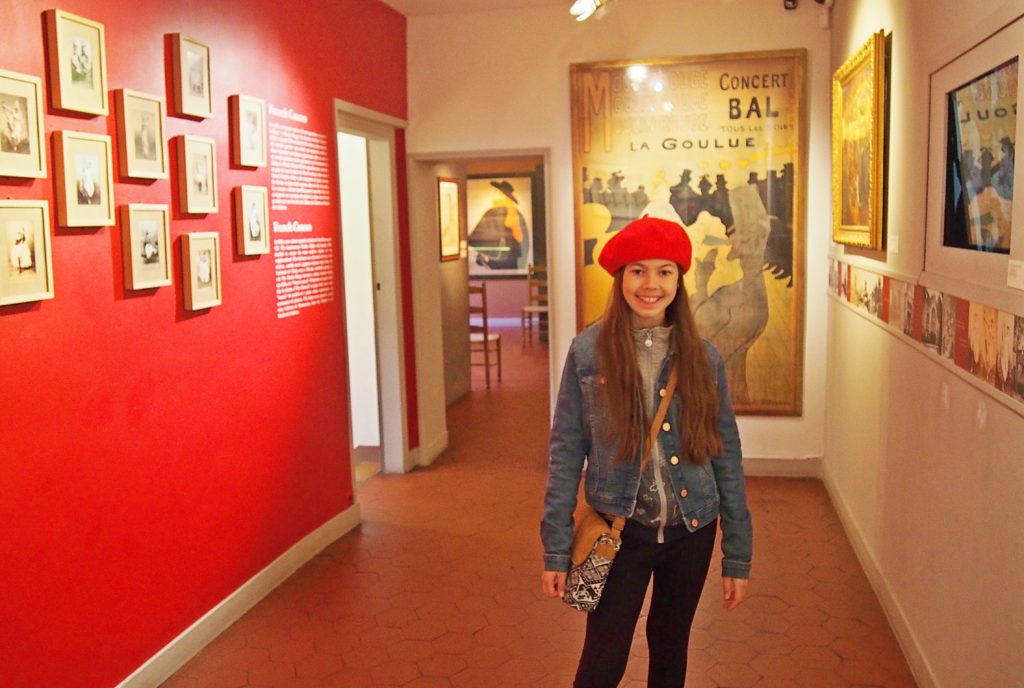
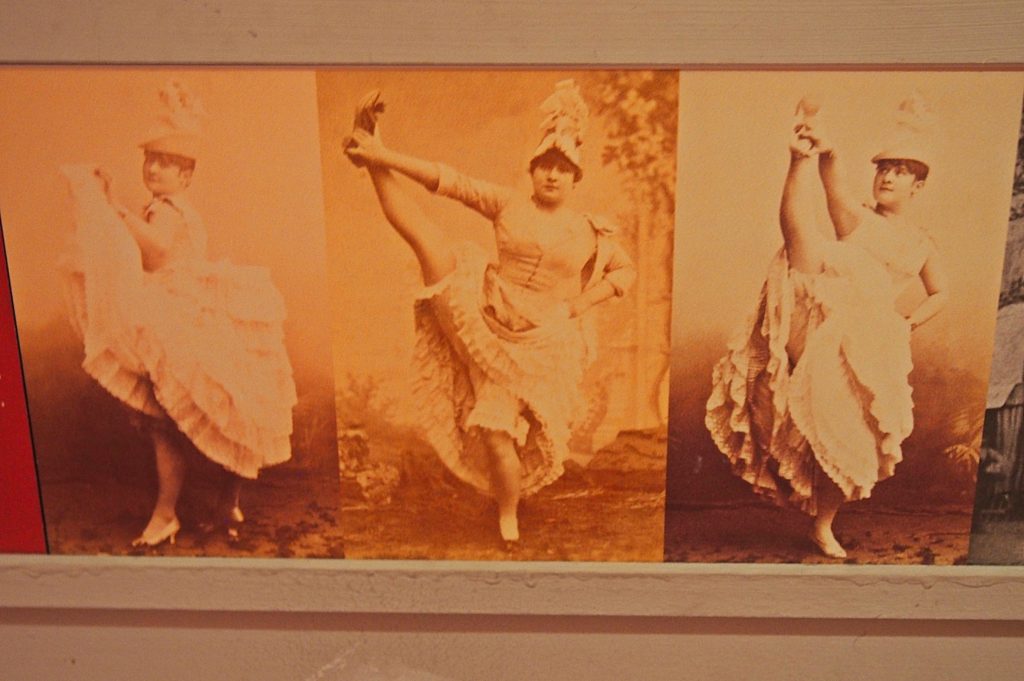
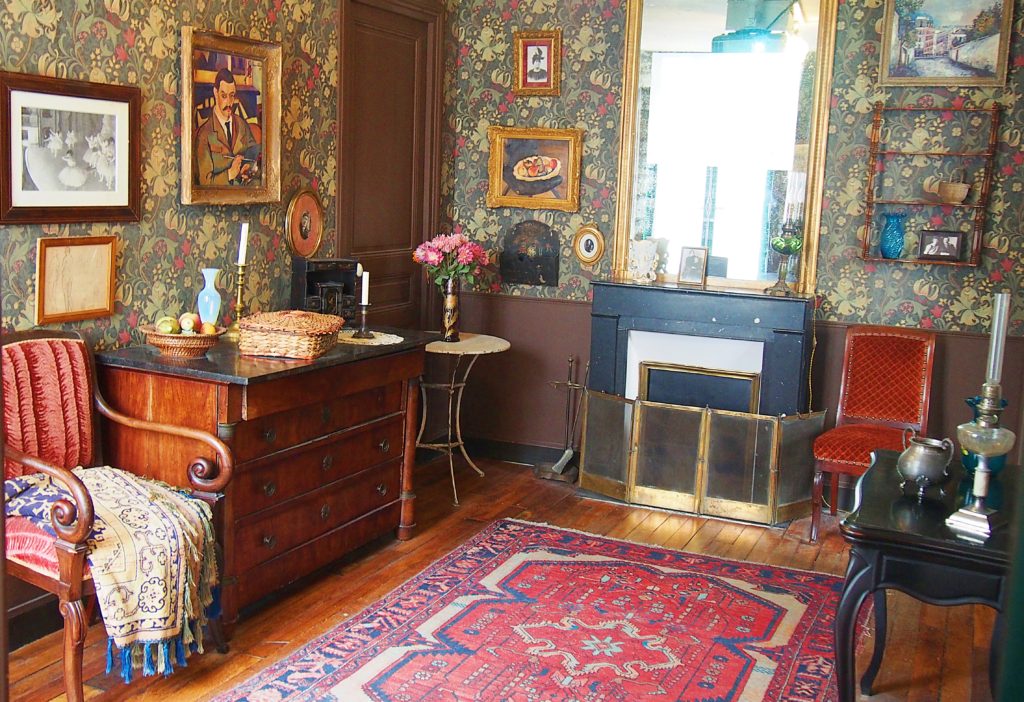
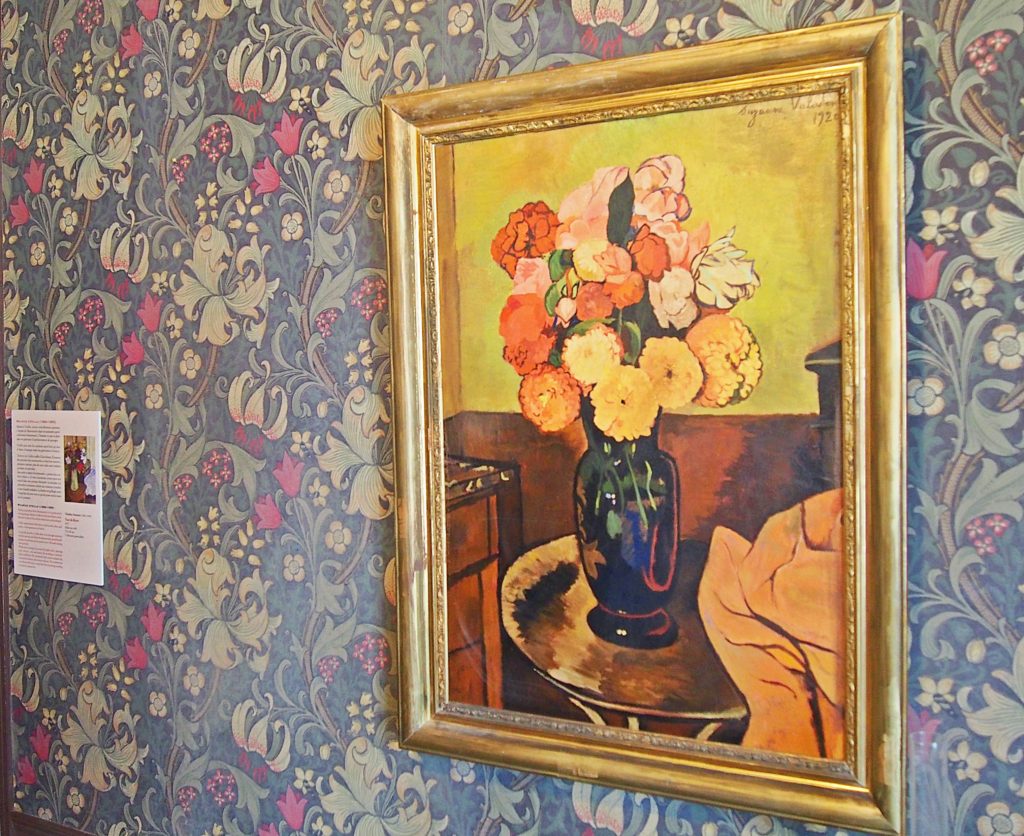
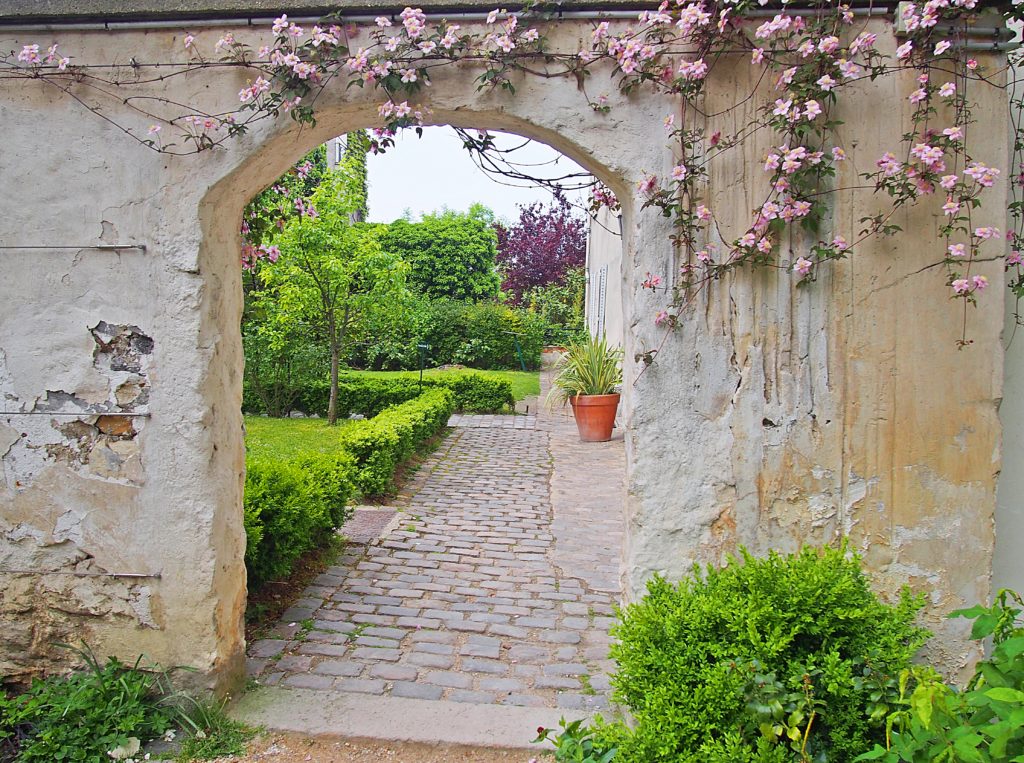
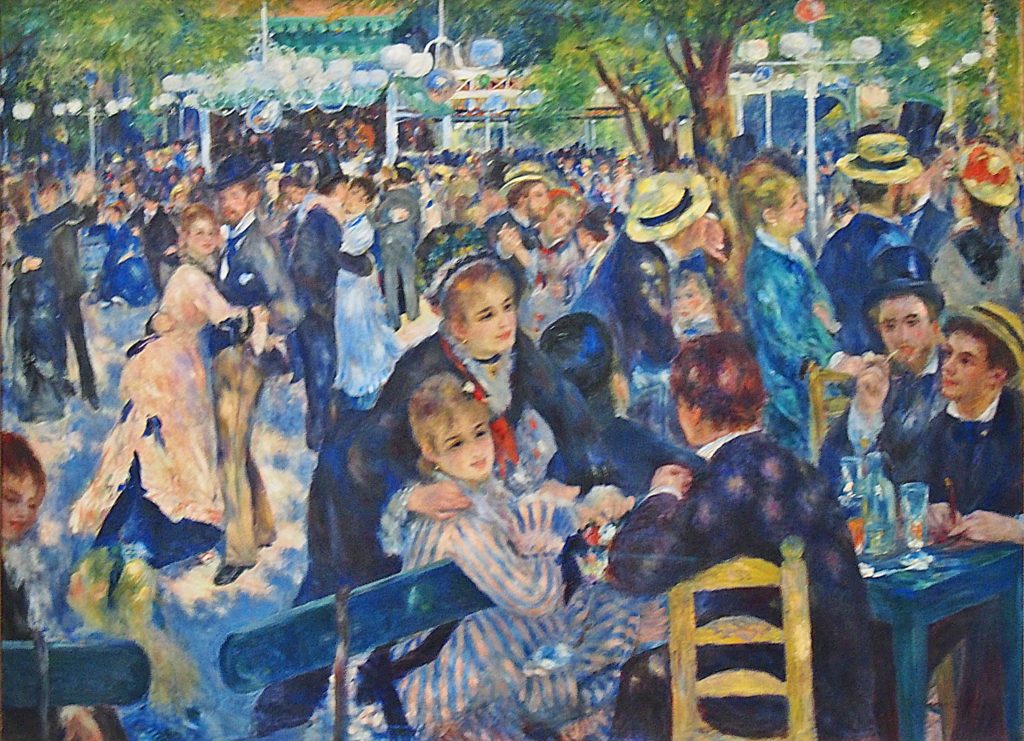
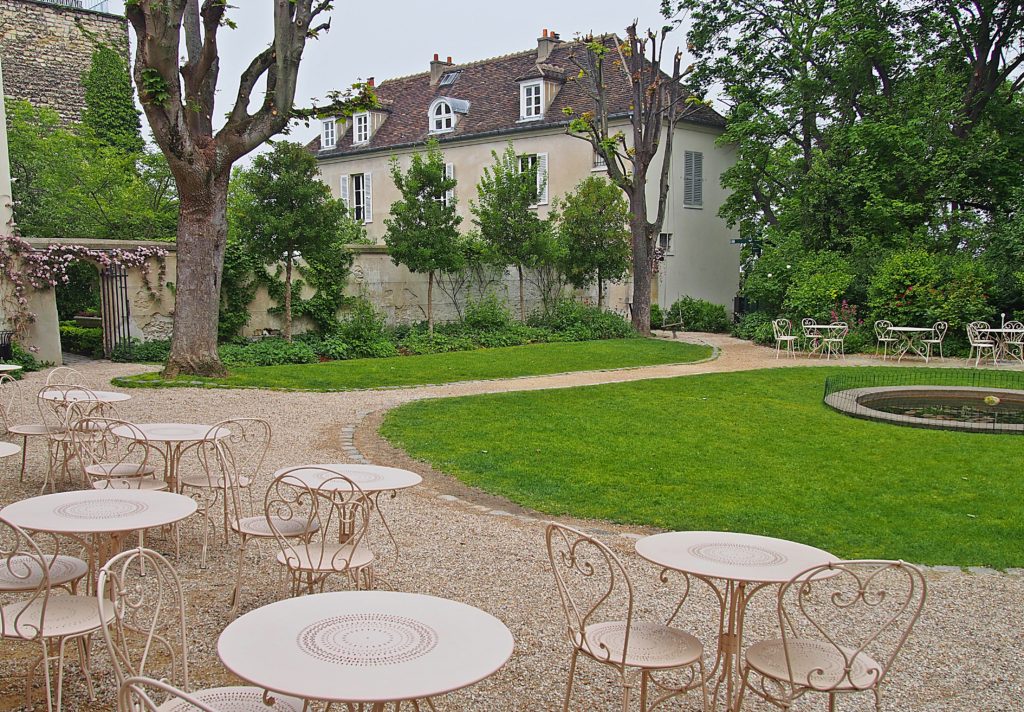
The museum is located on rue Cortot and is dedicated to the history of this district. Here you will find memories of cabarets, dance halls and artists who created here. Thanks to them, this district has entered the history of art. Here you will find not only works of art, posters, but also many documents, photographs and objects related to this part of the city. The museum was established in 1960 in a 16th-century farmhouse, which is today the oldest house in Montmartre. In the last two centuries, several famous figures of French and world culture have lived here. August Renoir, Suzanne Valadon with her son Maurice Utrillo, Raoul Dufy and others lived and worked here. Renoir’s studio was located in the garden near the entrance. Today there is an information sign with the canvas Dance at the Moulin de la Galette. It is said that he painted it here in the garden, where the dancers and other characters depicted on the canvas would come to pose for him.

CABARET MOULIN ROUGE
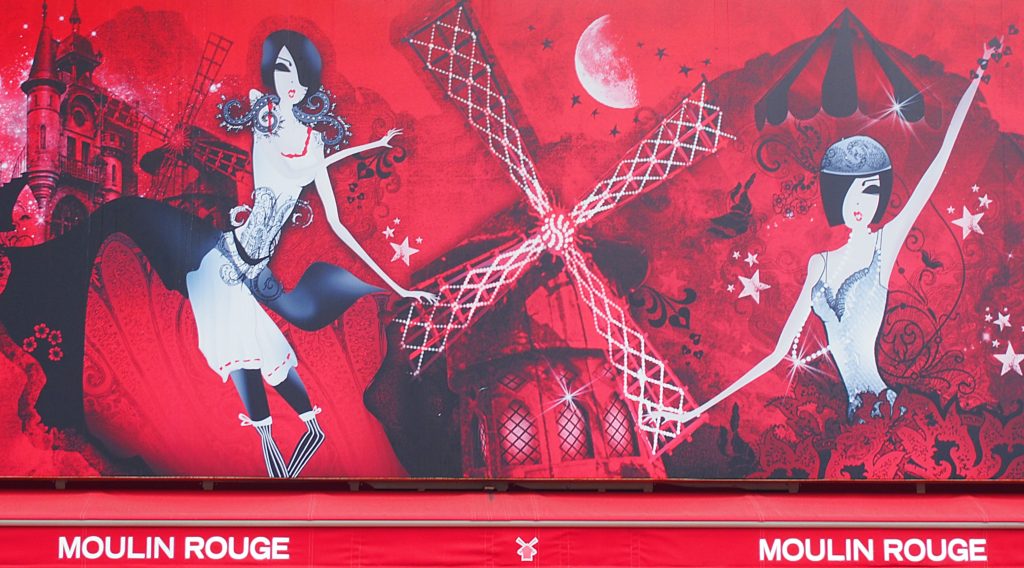
This cabaret has existed since 1889 and was once a representative of true Parisian evening entertainment and an integral part of French life. It was often visited by various artists and famous personalities, including representatives of royal families. The painter Henri de Toulouse-Lautrec had a reserved table here every evening and found inspiration here, among other things, for his paintings, which are now exhibited in the Orsay Museum. They are really beautiful and you should definitely visit the Orsay. Tickets can now be obtained at a fairly high price. However, if you want to visit the cabaret, make sure to secure your tickets well in advance, as the seats in the hall are often completely sold out due to great demand.
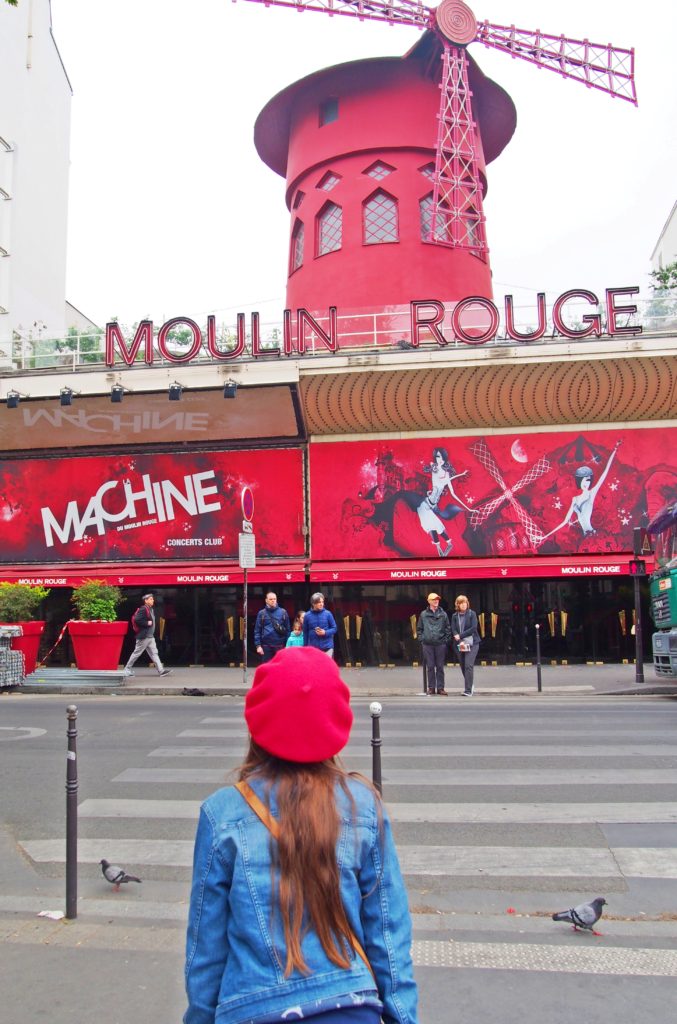
If you continue further down the Boulevard Clichy, you may not be surprised at how many sex shops and other nightspots can be concentrated in one place.
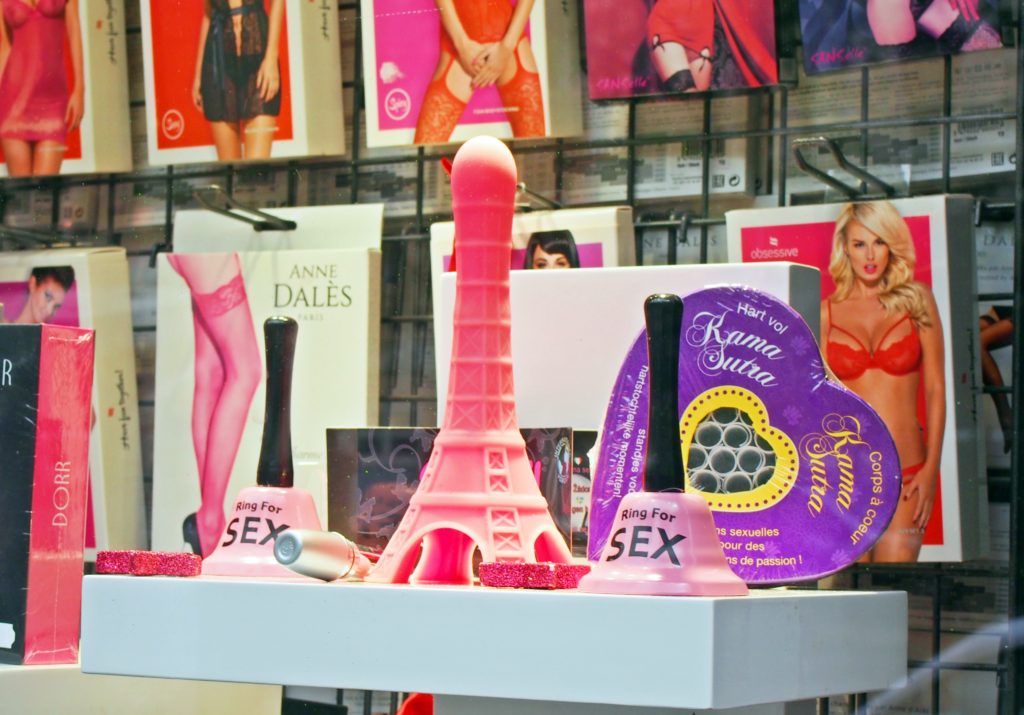
Well, I think I couldn’t have ended my journey through Montmartre more optimistically. 🙂

If you liked the article, I would be happy if you share it or leave a nice comment below the article.

I would also like to invite you to join me on Instagram and Facebook.