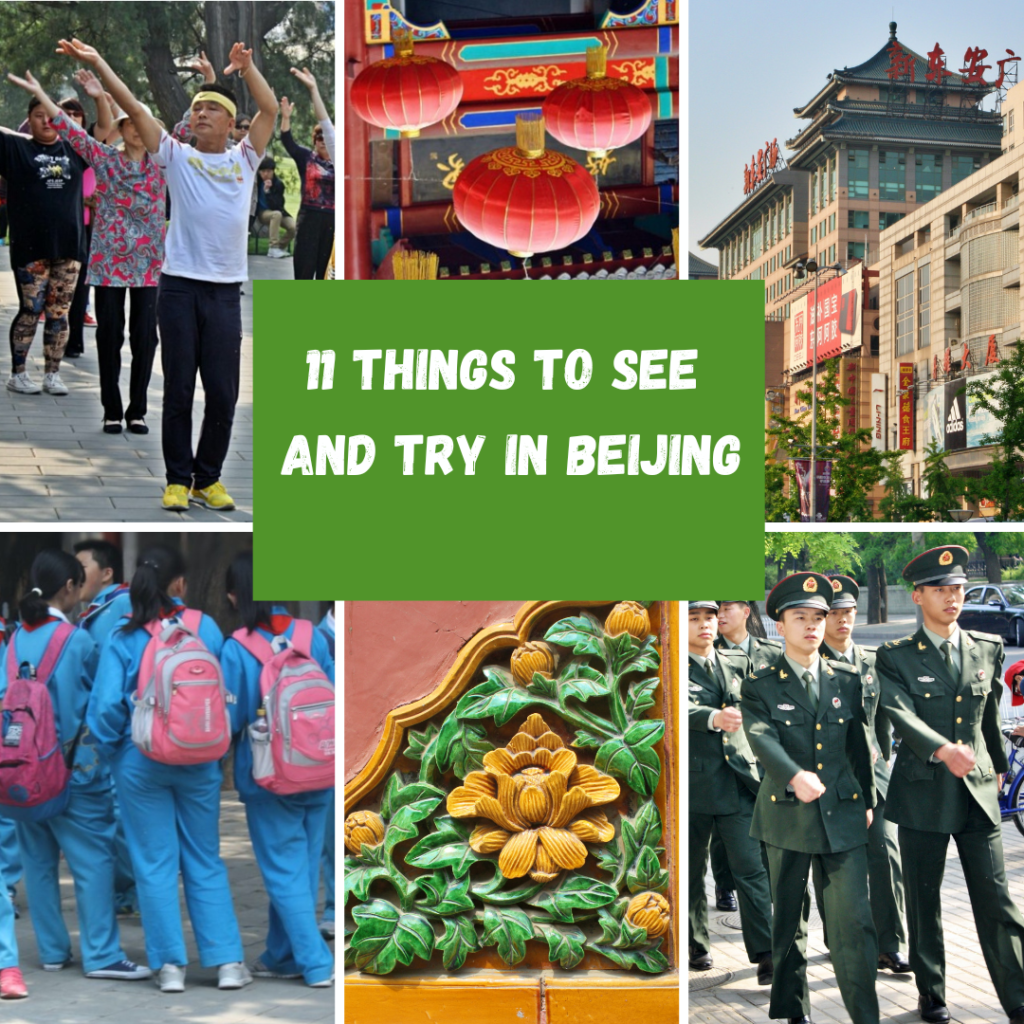
Beijing has a lot of historical sites, but there are many other things to experience. So what to do in Beijing?
MARCO POLO AND THE JOURNEY THAT CHANGED THE WORLD
Imagine 13th-century Europe—a world where distant lands were shrouded in mystery, and where merchants were explorers, diplomats, and adventurers. One of the most famous travelers of this era was Marco Polo, a man whose journey to China not only fascinated his contemporaries but also influenced the way the West and East began to perceive each other.
Marco Polo was enchanted by what he saw in China (then called Cathay). He described wonders that were almost unimaginable to Europeans—paper money, porcelain, vast palaces, and advanced agricultural techniques. He brought back stories that seemed almost like fairy tales to Europeans. He described vast markets where silk, spices, and gems were traded, and a culture that was far more advanced than medieval Europe.
Welcome to Beijing, a place where history was made. You’ll realize that as soon as you step out of the airport. The history of the city, and indeed of all of China, is longer than the history of individual places in Europe, which the Chinese are rightly proud of. The state formation on this territory existed long before the Roman Empire. For many centuries, the Ming, Qi and other dynasties ruled here. The country is associated with such names as Genghis Khan or Kublai Khan, who just received Marco Polo.
VISIT THE FORBIDDEN CITY
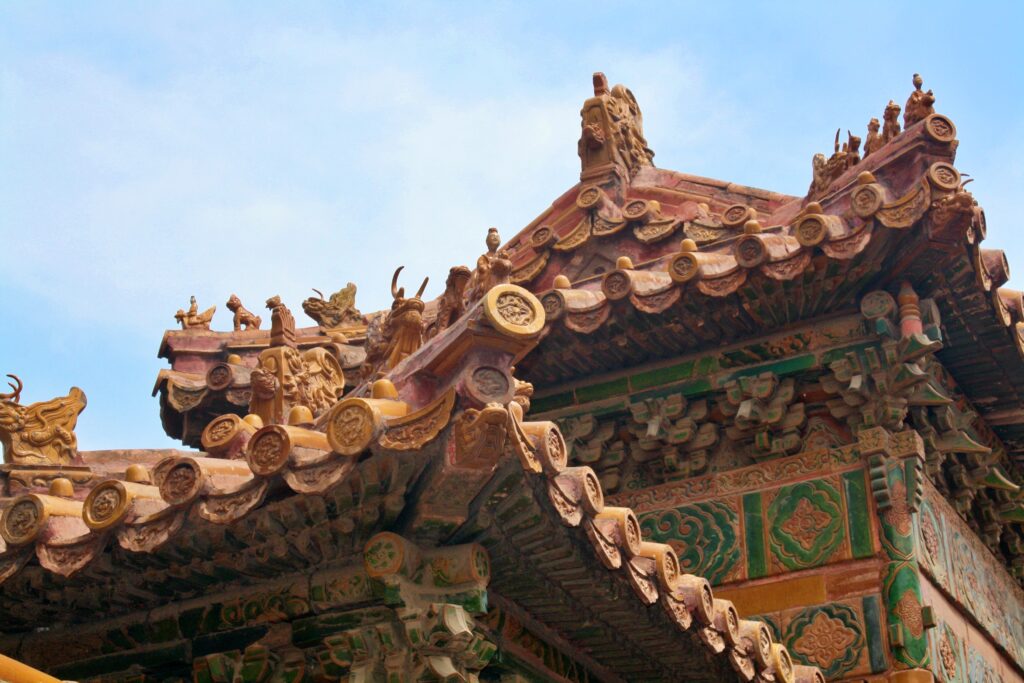
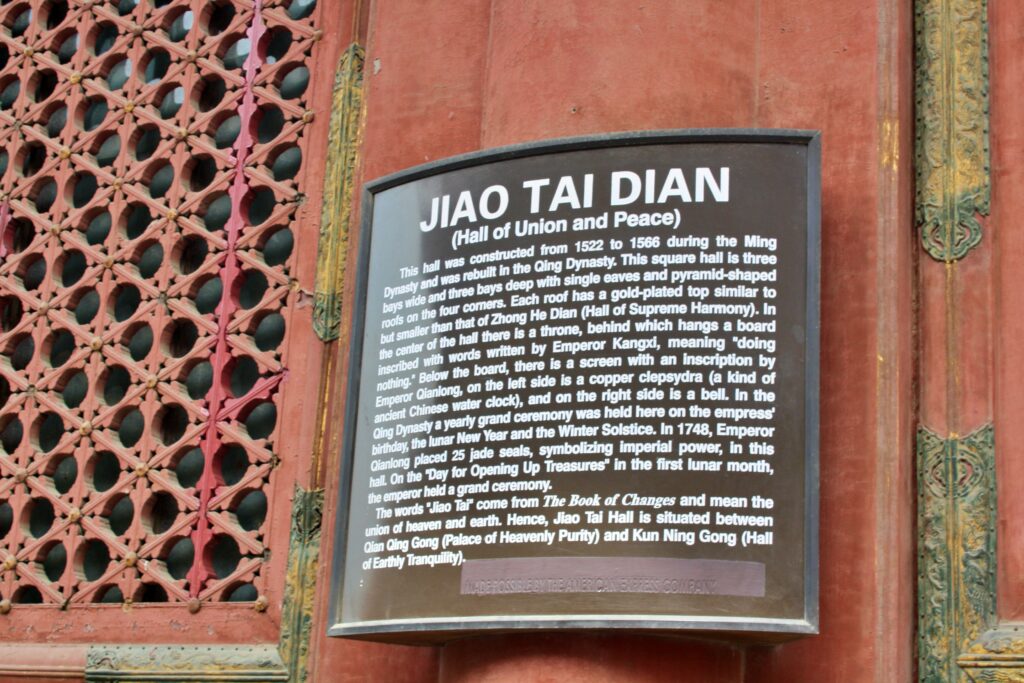
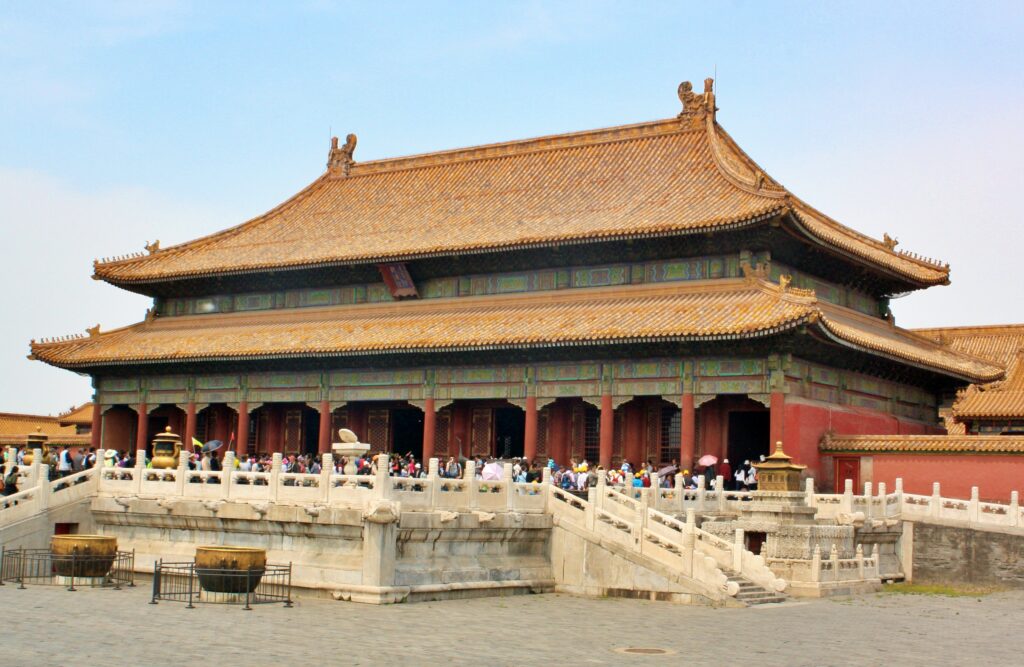
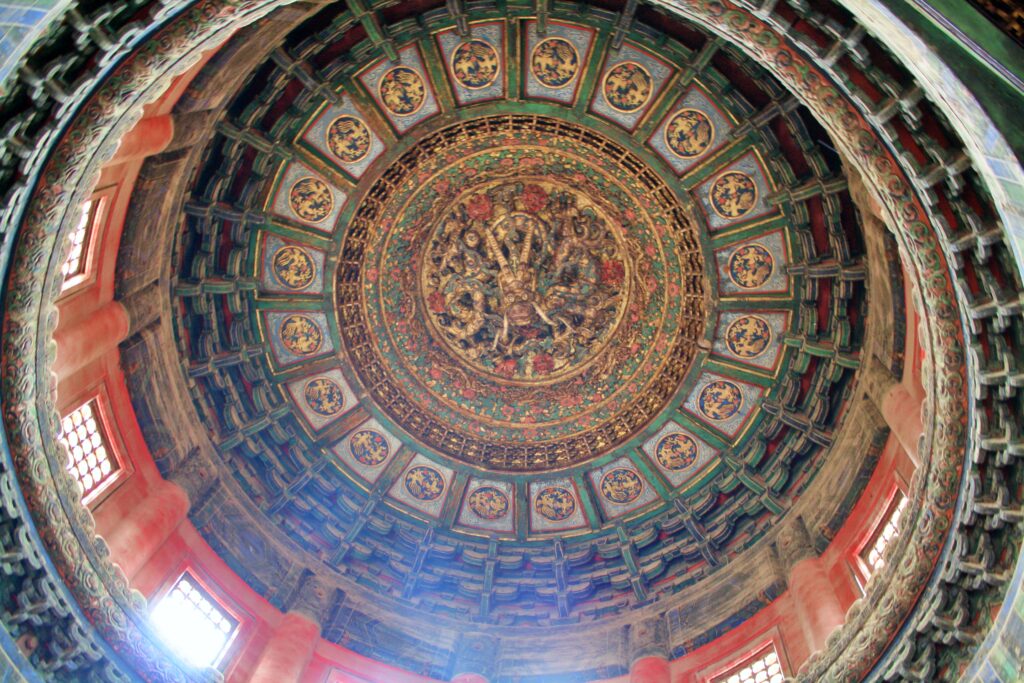
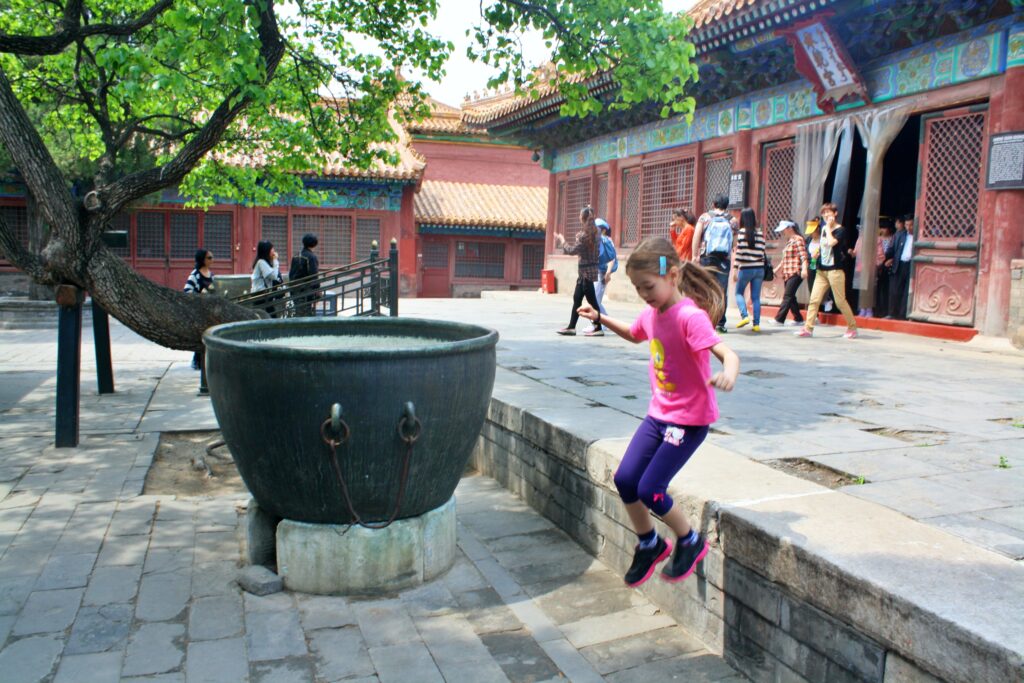
The treasure of imperial China, simply a must-see. If you are planning a trip to Beijing, a visit to the Forbidden City should be at the top of your list. This monumental complex is one of the largest and best-preserved palace complexes in the world. For over 500 years, the Forbidden City was the seat of Chinese emperors and the epicenter of power, culture and history.
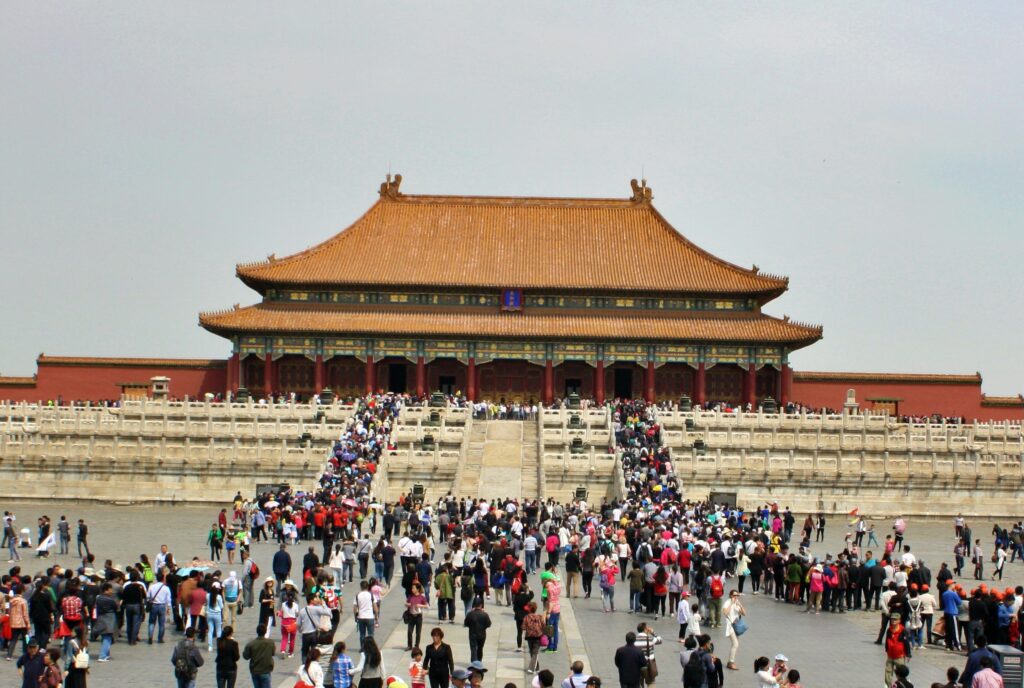
Be prepared for crowds, especially Chinese people. The whole city is very large and has up to 9,000 rooms. You will definitely need comfortable shoes and strong nerves. I was quite nervous at times, because the Chinese are quite bold, they cram everywhere, they overtake and they don’t mind you taking pictures and getting in your frame.
So what should you definitely not miss here?
1. Gate of Heavenly Purity (Tiananmen) – A magnificent entry into history
Your adventure begins at the iconic Tiananmen Gate, which symbolizes the entrance to the Forbidden City. This monumental structure, adorned with red walls and traditional Chinese roofs, will transport you back in time. Don’t forget to stop and admire its details, such as the majestic portrait of Mao Zedong, an inseparable part of the history of modern China.
2. Square of Supreme Harmony (Taihe Dian) – Heart of Power
Once you pass through the gate, you will find yourself in a vast courtyard, where the Hall of Supreme Harmony is located. This imposing building was the place where emperors held important ceremonies, such as coronations and New Year celebrations. The biggest attraction here is the imperial throne, richly decorated with dragons and gold ornaments, symbolizing the power and wealth of the Ming and Qing dynasties.
3. Imperial Garden – Oasis of peace
After touring the palaces, the ideal stop is the Imperial Garden at the northern end of the complex. This harmoniously designed space filled with ancient pine trees, pavilions and stones is the perfect place to relax. Pay special attention to the symbolic layout of the garden, which, according to Chinese philosophy, was intended to ensure happiness and balance.
4. Treasury and exhibition of imperial jewels
For lovers of luxury, a visit to the Treasury (The Palace of Tranquil Longevity) is an unforgettable experience. Here you will find priceless artifacts, including imperial crowns, jade statues and golden ritual objects. Each of the exhibits tells a story of the wealth and cultural heritage of ancient China.
5. The Courtyard of the Concubines – Secrets of Palace Life
Don’t miss the Courtyard of Supreme Harmony, where the emperor’s concubines lived. This space will take you into the lives of those who lived in the shadow of power. You will learn fascinating details about their role in the palace and their influence on the imperial court.
6. Jingshan Park
Once you’ve explored the entire complex, head to nearby Ball Hill (Jingshan Park), located north of the Forbidden City. From its summit, you’ll enjoy a breathtaking view of the entire complex, allowing you to appreciate its scale and symmetry.
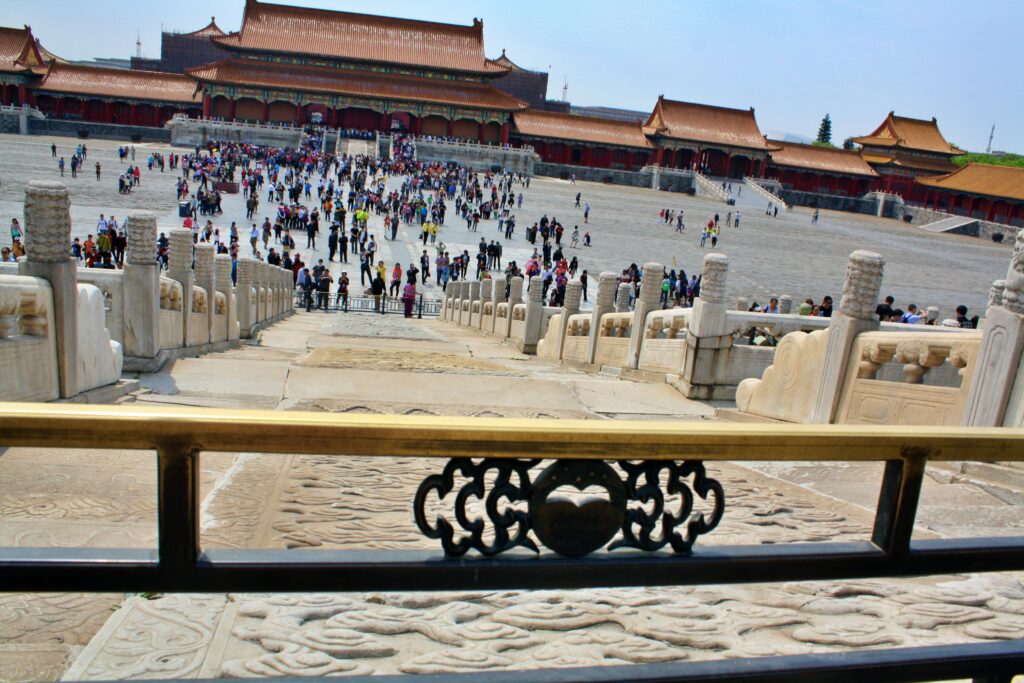
Given that the complex is located on a large area, I can safely say that it is a city. There are 800 buildings, a moat 52 m wide and the entire complex is separated by a wall that is 8.5 m wide. The construction took 14 years and more than a million workers worked on it. The buildings have various corridors and passages, but tourists are not allowed there.
It’s a strange feeling to walk here, because for almost 500 years, ordinary Chinese people were not allowed to set foot here. The ban was for everyone under penalty of death, due to the emperor’s inviolability. This place is truly fascinating, especially when you realize that history walked here.
Practical tips:
Time to visit: Plan at least half a day, ideally a full day, to allow you to see everything at your leisure.
Tickets: Buy tickets in advance, the Forbidden City tends to be very busy.
Guide: If you are interested in history, consider hiring a guide or audio guide to reveal interesting points of interest that you might otherwise miss.
The Forbidden City is not just a historical monument, but a living testament to China’s rich past. Every building, courtyard, and detail here has its own meaning and story. This visit will not only amaze you with its architecture, but also enrich you with a deeper understanding of Chinese culture and traditions.
COSTUME RENTALS IN BEIJING
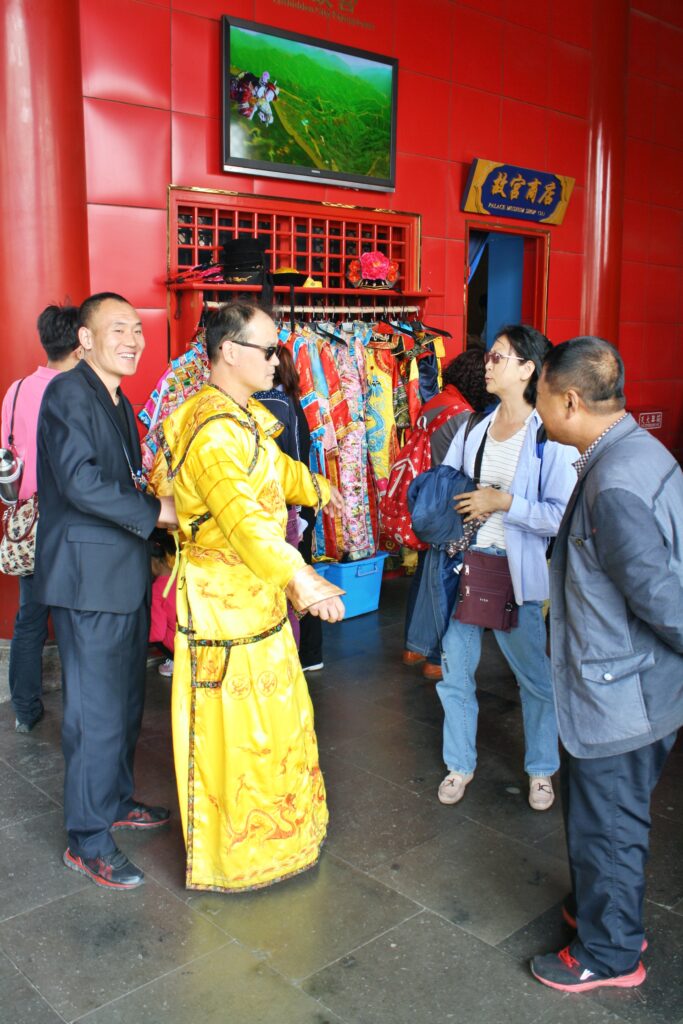
Where else to immerse yourself in Chinese history and pop culture than in Beijing? Yes, you can literally put yourself in the role of an emperor, empress, warrior, or perhaps a character from Chinese opera or modern fantasy stories. It took me a while to understand that these are actually costumes, not real clothes. 🙂 It’s such a popular pastime in basically all of Asia, not only for locals but also for tourists who want to experience a touch of Chinese culture or get perfect photos for social networks.
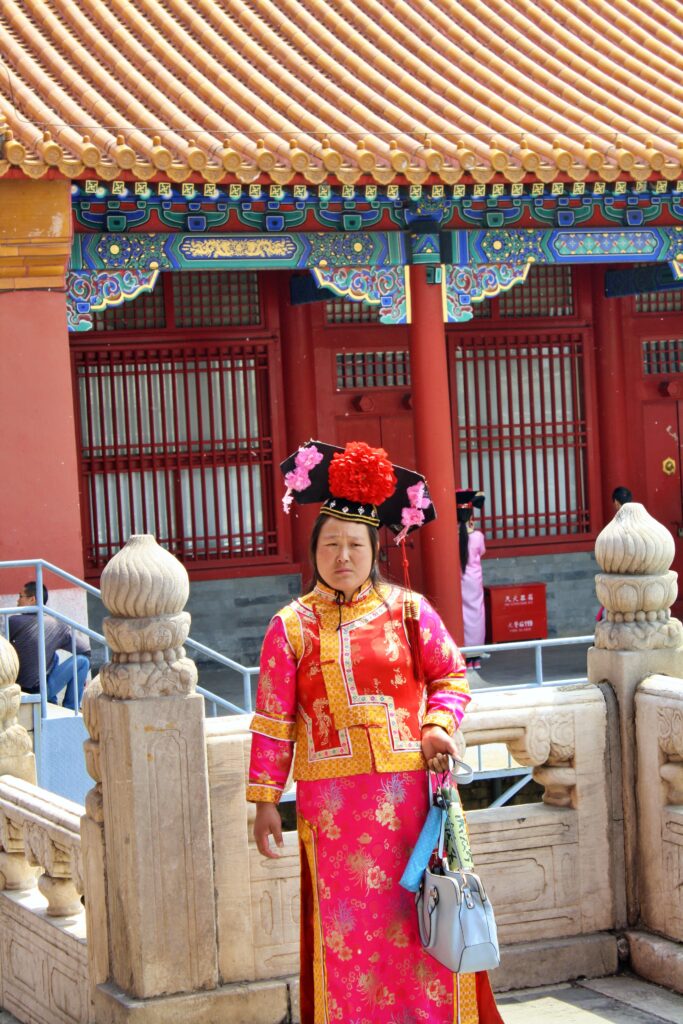
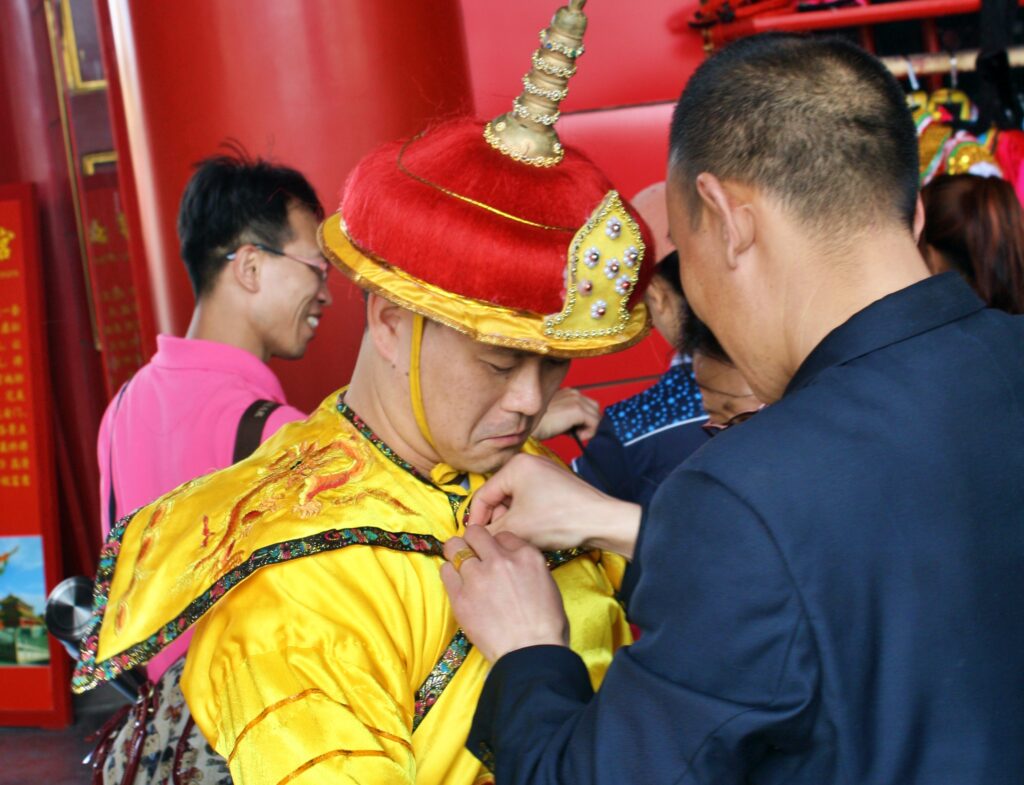
When you find yourself in the Forbidden City, the experience can be even more authentic if you wear traditional Chinese clothing. Wearing a hanfu (historical Chinese clothing), a Ming Dynasty imperial robe, or a Tang Dynasty martial arts costume will transport you to another time. Many see it as an opportunity to connect historical monuments with their own creativity. At the same time, in Beijing, you can rent not only historical clothing, but also modern costumes inspired by Chinese pop culture, such as characters from wuxia films, Chinese fairy tales, or anime.
WHERE TO FIND COSTUME RENTALS
Forbidden City and surroundings
There are many costume rental shops located right around the Forbidden City. Here you can rent imperial robes or outfits inspired by the Chinese aristocracy. Some rental shops even offer a guide to help you get dressed and recommend the best spots for photo shoots.
Park Beihai
This beautiful park, full of traditional Chinese architecture, has several rental shops offering hanfu and other traditional clothing. Don your attire and stroll around the lake or ancient pavilions, and you’ll feel like you’ve stepped back into the Song Dynasty.
Nanluoguxiang a hutongs
This historic area, full of narrow streets, is ideal for those looking to combine modern Chinese style with ancient history. Rental shops here often combine hanfu with modern accessories, which is especially popular with younger visitors.
Chinese theater of operations (Mei Lanfang Theatre)
If you are fascinated by the dramatic costumes and makeup of Chinese opera, you can rent them here. The rental shops offer complete costumes, including iconic masks and headgear.
Studio in 798 Art District
This modern art district offers a unique mix of futuristic and traditional costumes, making it the perfect place to go if you’re looking for something a little unconventional for an artistic photoshoot.
WHAT CAN YOU BORROW?
Hanfu: Elegant traditional clothing from different dynasties. Perfect for those who want to experience authentic Chinese history.
Imperial dress: Gold and red costumes decorated with dragon motifs will transform you into an emperor or empress.
War clothes: Costumes inspired by Chinese generals and warriors from the Tang and Han dynasties.
Chinese opera costumes: Richly decorated dresses, masks and headdresses that will transport you to the stage of a Chinese opera.
Pop culture costumes: Clothing inspired by wuxia films, Chinese fantasy series and even anime or manga characters.
HOW TO DO IT?
Book your costume in advance
Costume rental shops in popular locations can be busy, especially on weekends. Some companies allow online reservations.
Use a professional photographer
Many rental companies offer the services of professional photographers who know the best places to take photos, often resulting in a movie poster-like result.
Choose the right accessories
Accessories such as fans, swords, jewelry, or traditional headdresses will add authenticity to your look.
Try makeup and hairstyle
Some rental companies offer a complete makeover, including traditional Chinese makeup and hairstyles, which can take your experience to the next level.
PRICES
Costume rental prices vary depending on location and quality of clothing. Basic costumes start at around 100-300 yuan (350-1000 CZK) per hour. More luxurious costumes or photography packages can cost up to 1000 yuan (3500 CZK) and more.
Costume rental in Beijing is not just about clothes – it’s a journey back in time and into a world of fantasy. Whether you want to spend a day as an emperor, a warrior, or a character from a Chinese opera, Beijing offers countless options. Just dress up, step on stage, and let yourself be carried away by the story you create yourself.
HUTONGS
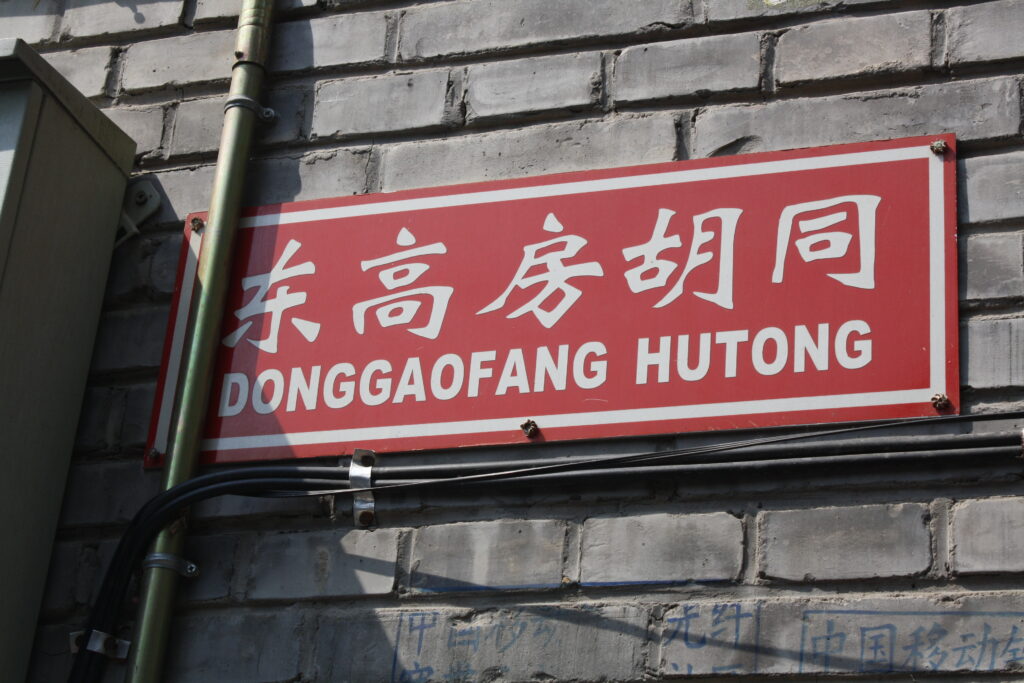
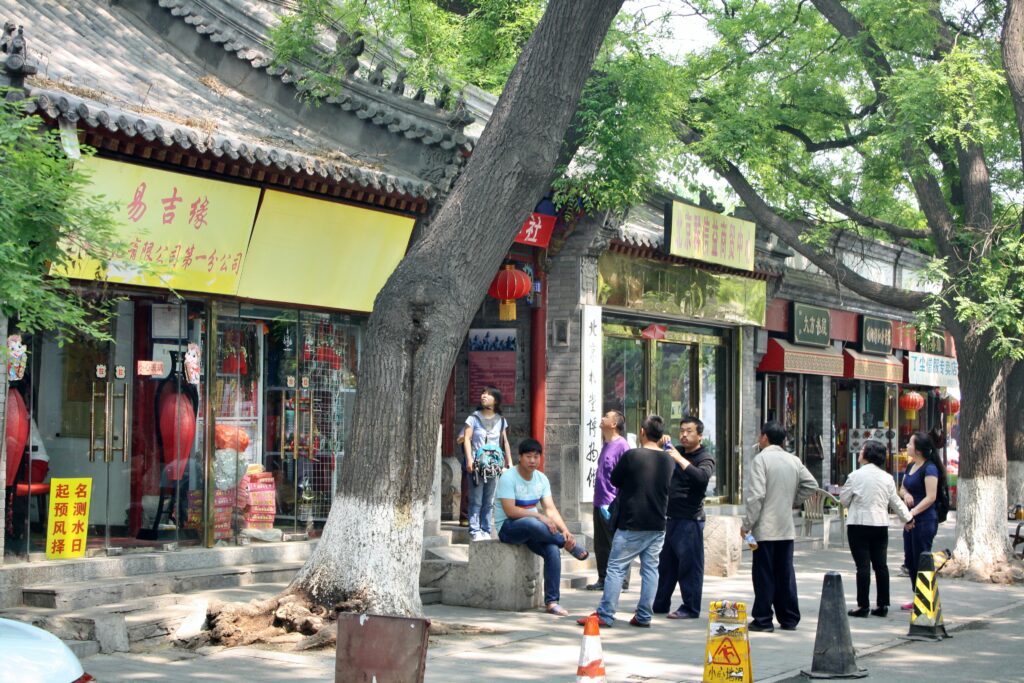
When most people think of Beijing, they think of the majestic Forbidden City or the Great Wall of China. A lesser-known but equally fascinating aspect of the city are the hutongs – narrow, winding streets lined with traditional one-story houses (siheyuan) that have been the heart of daily life in the Chinese capital for centuries. Although Beijing’s modernization has brought skyscrapers and wide avenues, the hutongs remain a living testament to the city’s history and culture.
If you want to experience the authentic face of Beijing, a walk through the hutongs is a must. Here’s everything you need to know and experience.
What are hutongs?
Hutongs originated as residential areas during the Yuan Dynasty in the 13th century, and became an integral part of the urban fabric during the Ming and Qing Dynasties. A typical hutong consists of enclosed courtyards (siheyuan) where families or communities lived, often surrounded by high walls. Previously, hutongs were not only residential areas, but also places full of markets, teahouses, and small temples.
Hutongs are ancient residential areas of Beijingers and are a tangle of alleys. They were built as early as the 13th century. Typical are single-storey, low, greyish-coloured brick houses, which are home to several related families.
Which hutongs are worth visiting?
1. Nanluoguxiang
Nanluoguxiang is one of the most famous hutongs in Beijing. This bustling street offers a unique mix of traditional architecture and modern shops, cafes and bars. Here you can buy handmade souvenirs, sample local food or have a cup of tea in a traditional teahouse.
2. Dongcheng a Shichahai
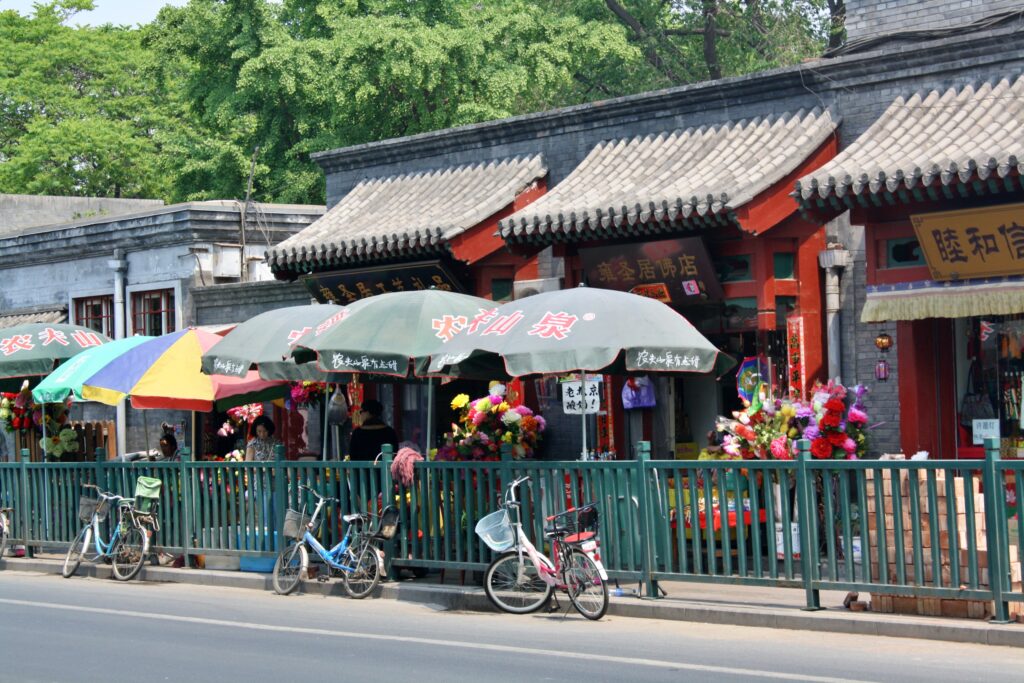
The area around Shichahai Lakes is a great place to experience the more tranquil atmosphere of the hutongs. You’ll find picturesque canals, historic bridges and traditional Chinese courtyards. Rent a bike and cycle around Houhai Lakes, where you’ll see a mix of old and new Beijing.
3. Yandai Xiejie
One of the oldest streets in Beijing, known for its history and name referring to a pipe shop, today it is the perfect place to stroll and discover boutiques and antique shops.
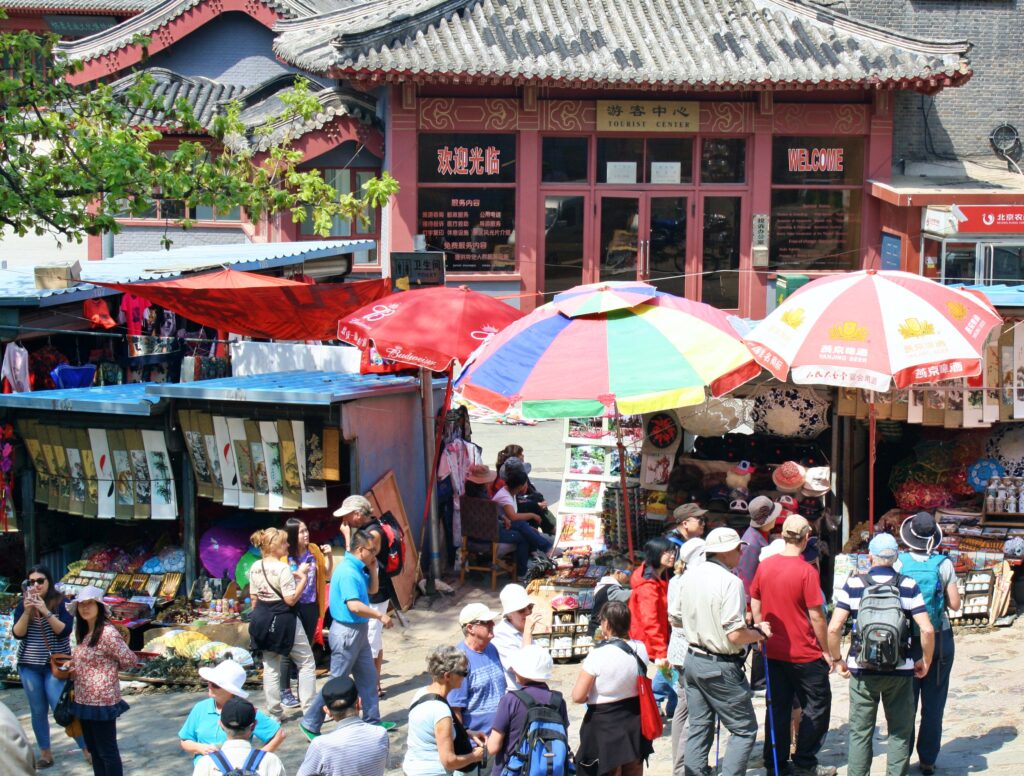
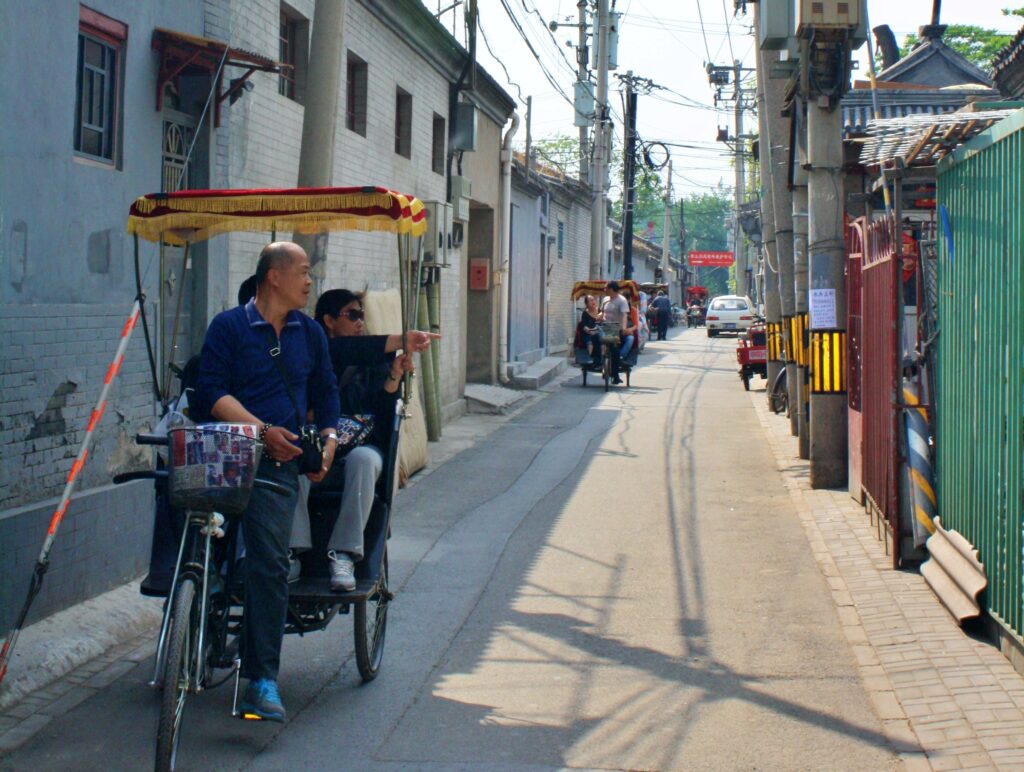
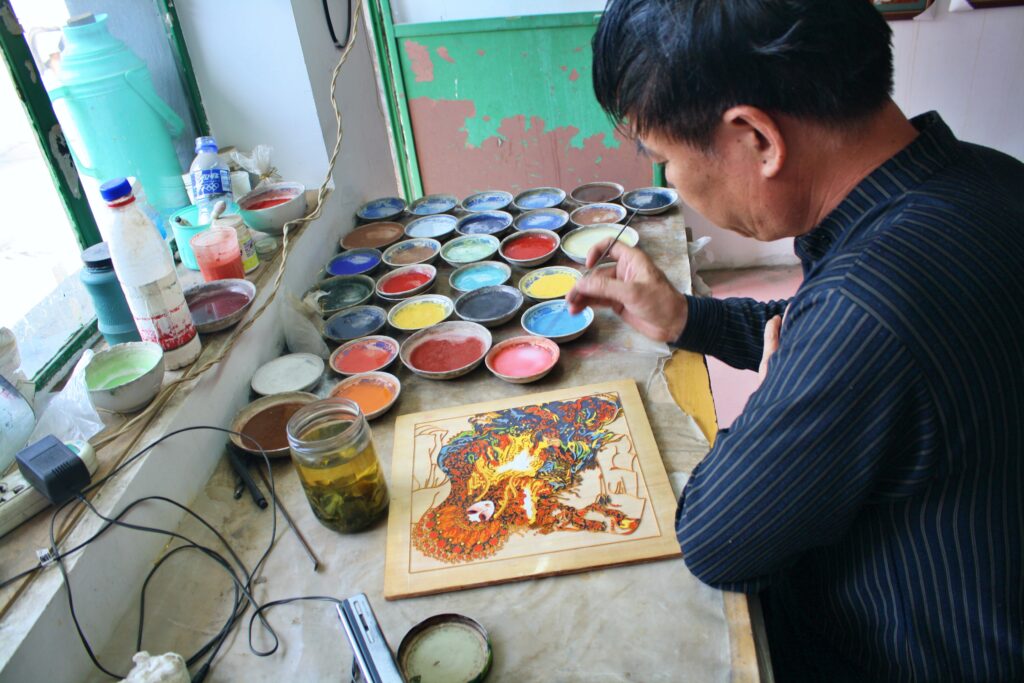
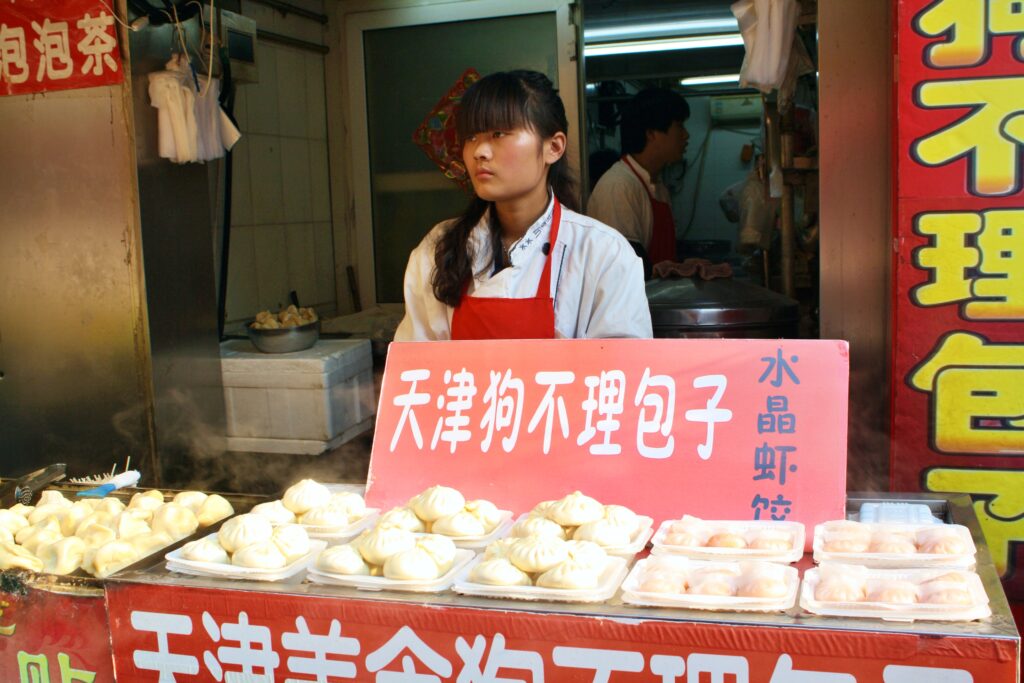
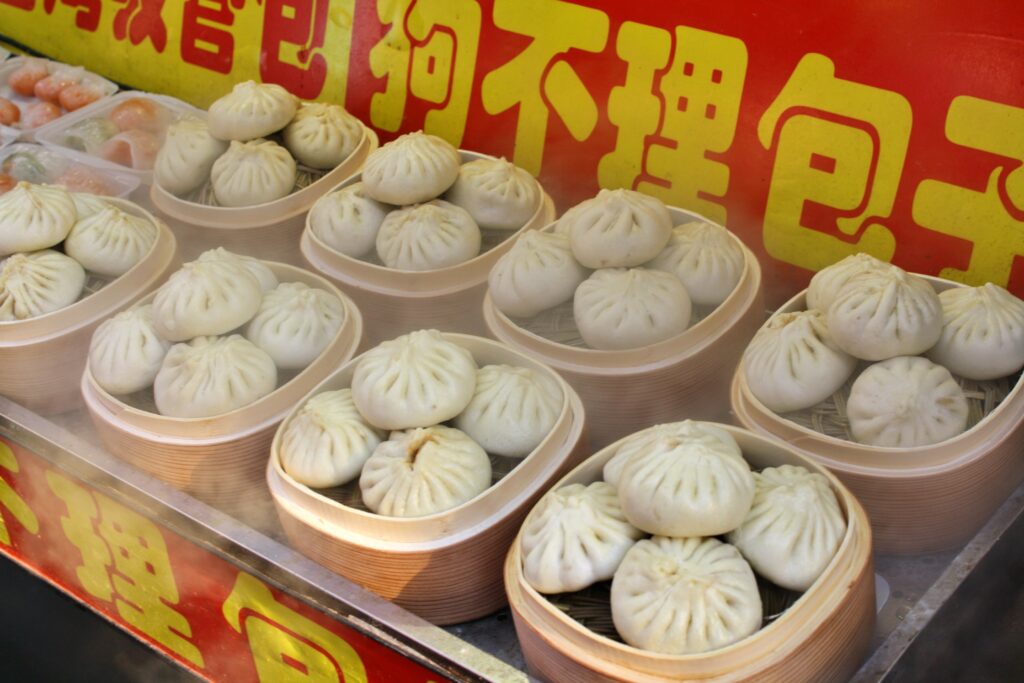
Many hutongs still house artisan workshops. You can watch Chinese paper lanterns, calligraphy or hand-painted porcelain being made. You will find small restaurants and stalls selling traditional food such as steamed dumplings (baozi), fried noodles or the famous Peking duck. Stop at the local market and sample the authentic flavours of Beijing. If you want to see the hutongs from a different perspective, we recommend a rickshaw ride. Local guides will tell you interesting facts about the history and life in the hutongs during the ride.
How to get to the hutongs?
Hutongs are mainly located in the Dongcheng and Xicheng districts of central Beijing. The easiest way to visit them is on foot or by bicycle. The metro (Nanluoguxiang or Shichahai stations) is another convenient option.
Public toilets
The great thing is that most of the houses only have public toilets. Honestly, it’s a great experience because you are here without any privacy. These are typical Turkish toilets and it can happen that 6 people of the same sex are doing their business opposite you at the same time. And you are not separated from each other. 🙂
If you want to experience the true, unadulterated atmosphere of Chinese street life, then Hutongs are the place to be. In the streets you will find men playing cards or other board games, or greengrocers pushing two-wheelers with groceries. Every courtyard is different, varying in size and use. And if, like me, you are overcome by the terrible need to go to the toilet, one of the greatest experiences is guaranteed. Believe me, you will never be alone here! :-))
CERAMICS PRODUCTION
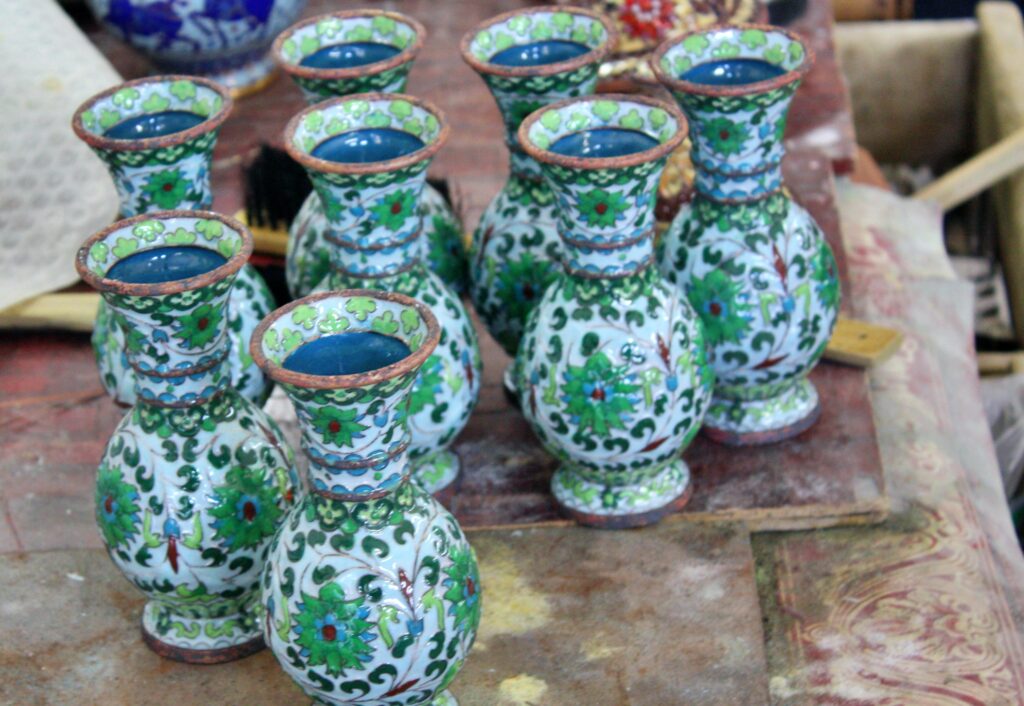
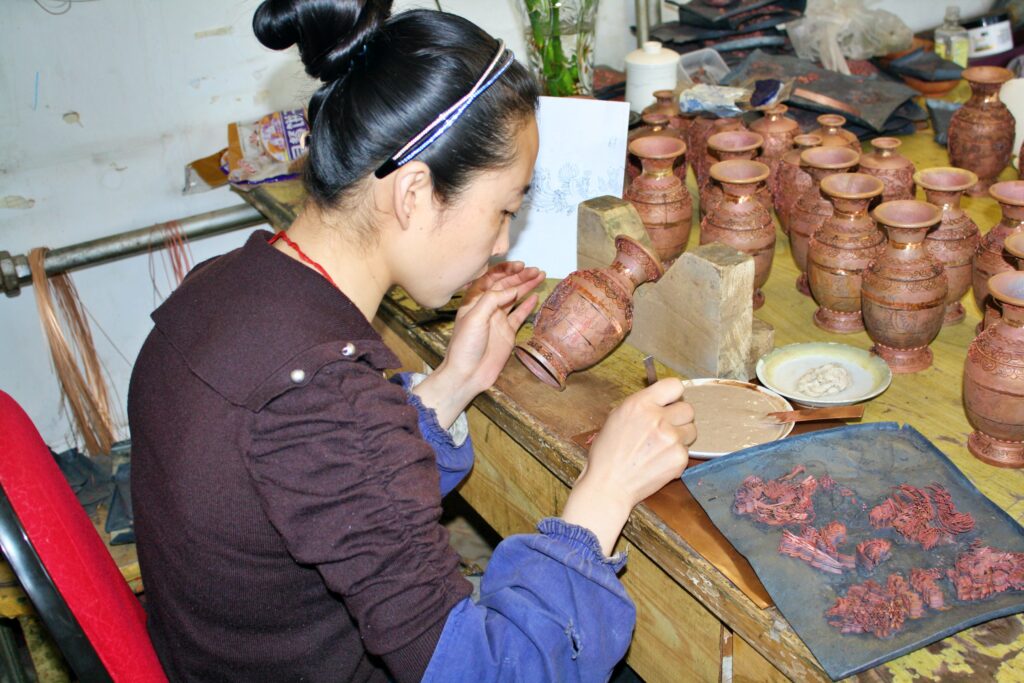
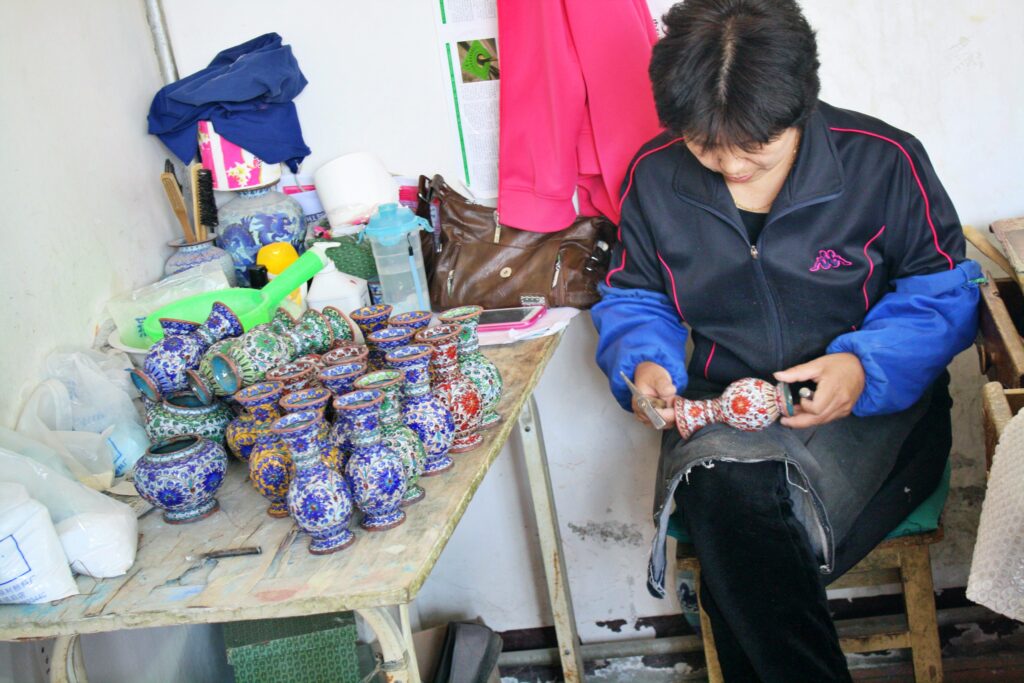
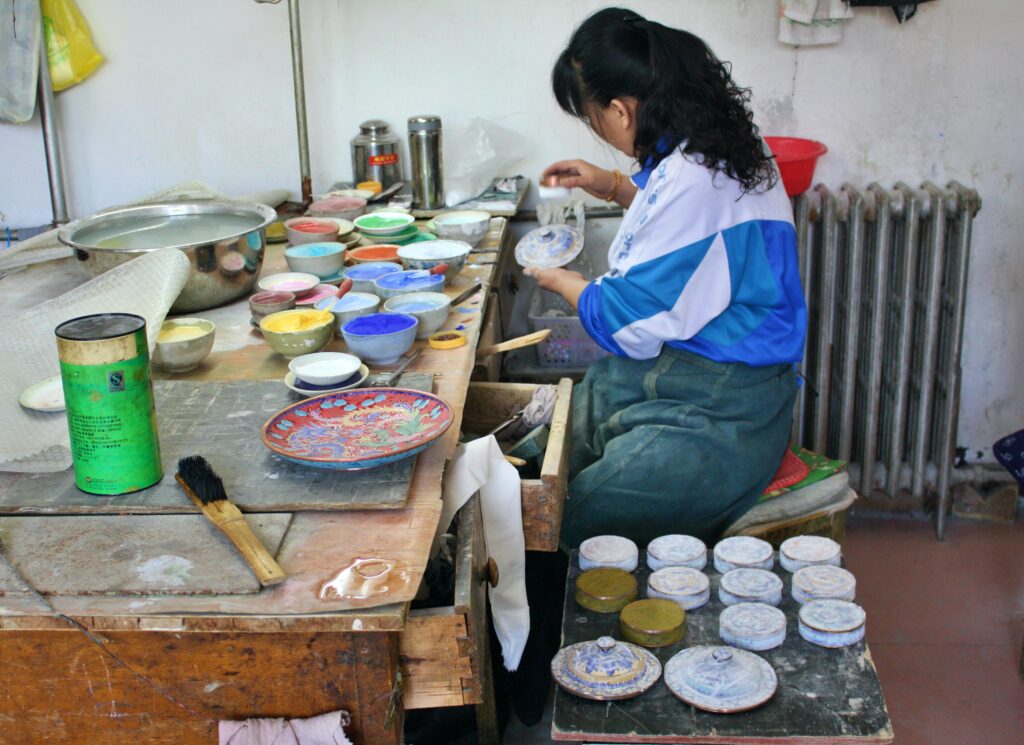
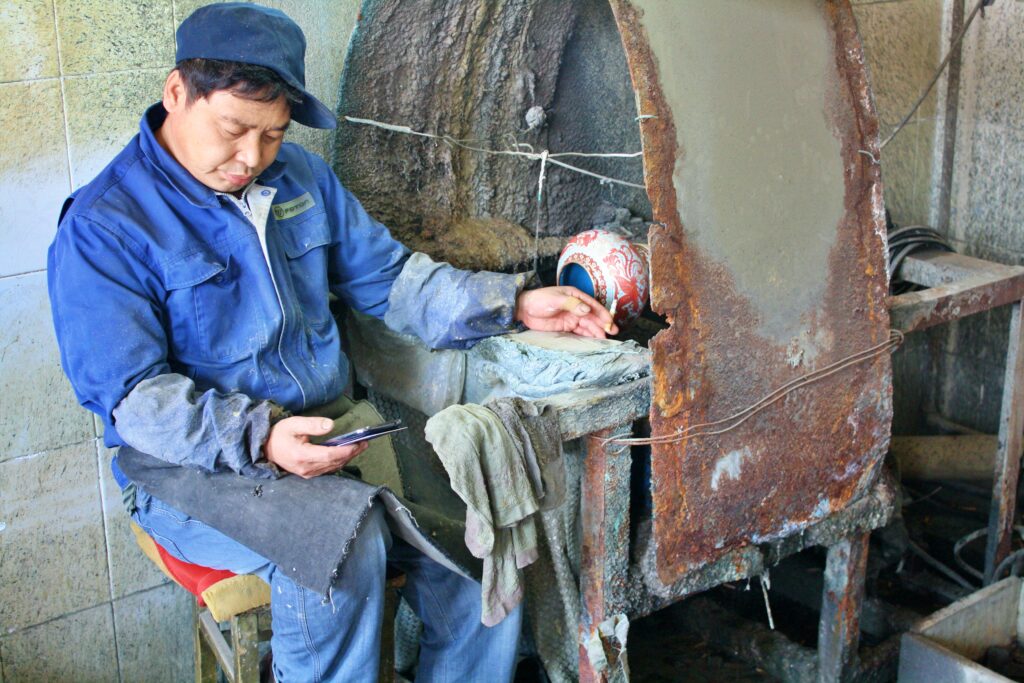
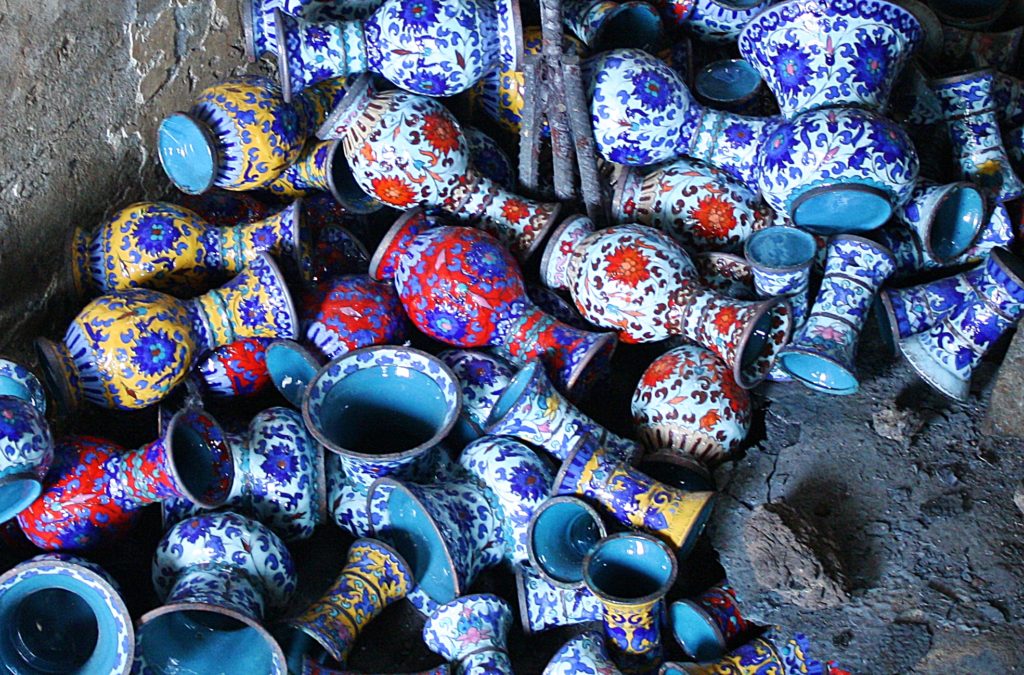
Hutongs, the old narrow streets, are where traditional craft workshops still exist. Ceramicists here often use the same techniques as their ancestors, creating pieces that honor ancient traditions. This art has a rich tradition in China, and Beijing is best known for its unique style of porcelain, which has become a symbol of elegance. The roots of ceramic production in China date back to the Neolithic period, when the first glazed and decorated pottery was born. However, in Beijing, ceramic production experienced its golden age during the reigns of the Ming and Qing dynasties.
Beijing porcelain, known as “Jingdezhen” porcelain, was considered the finest in the world at the time.
Although modern technology has changed the way it is produced, Beijing still preserves the traditions of ceramic craftsmanship.
PRODUCTION PROCESS
Clay selection: A key step is to choose a quality porcelain clay. The fine, light-colored clay used around Beijing is ideal for making thin, durable pieces.
Modeling: Artisans shape the clay on a potter’s wheel or hand-mold it into more intricate shapes. Each piece is carefully crafted to be symmetrical and smooth.
Drying and first firing: Before glazing, the pieces are dried and then fired at a lower temperature (around 900°C) to gain strength.
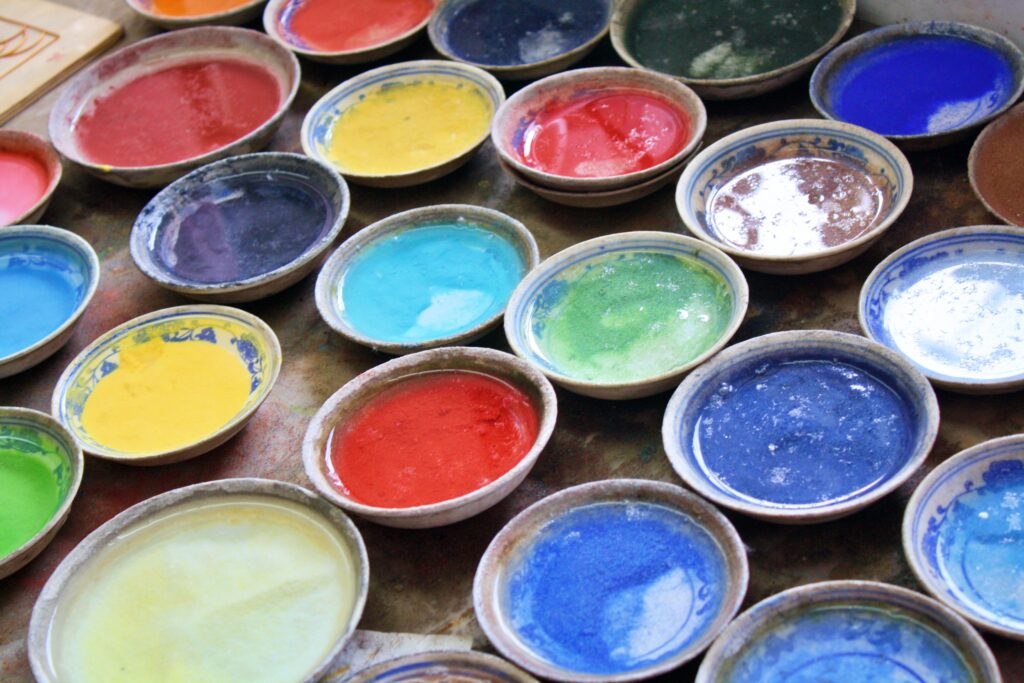
Glazing and decoration:The glaze is applied by hand or by dipping and often contains natural dyes.
Painting: traditional motifs such as lotuses, dragons or clouds is a painstaking process that requires precision and experience.
Second firing: After the glaze is applied, the pieces are fired again at temperatures of up to 1,300°C, giving them their iconic shine and durability.
WHERE CAN YOU EXPERIENCE CERAMICS?
1.Ceramic workshops in 798 Art District
Beijing’s modern art district is not only home to galleries and exhibitions, but also a place to try your hand at pottery making. Local workshops offer workshops where you can create your own mug, vase or plate under the guidance of professionals.
2.Hongqiao Market
This famous market is a paradise for pottery lovers.You can find hand-painted porcelain vases, tea sets and other products made by local artists.Prices vary depending on the quality, but you can be sure that each piece is unique.
3.Beijing Porcelain Museum
If you are interested in the history and development of ceramics, a visit to this museum is a must. The exhibits include rare pieces from the Ming and Qing dynasties as well as modern interpretations of traditional techniques.
And the best part? Each piece of pottery is unique. It’s something that no machine can replace – and that’s what makes it a beautiful and valuable souvenir from your time in Beijing.
HAVE A FOOD AT DONGHUAMEN NIGHT MARKET
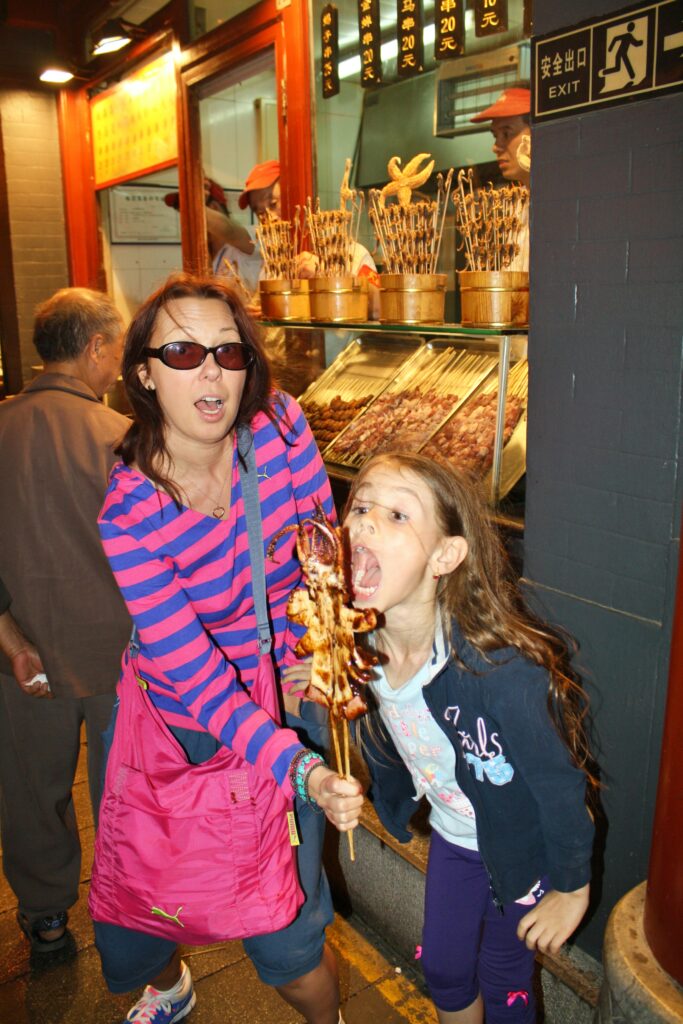
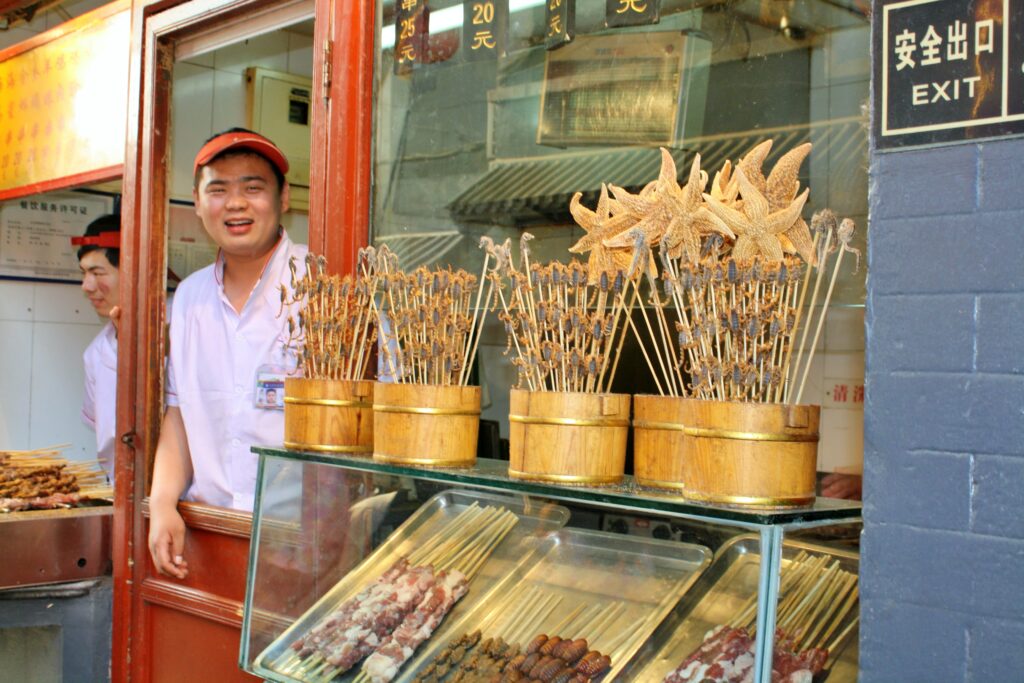
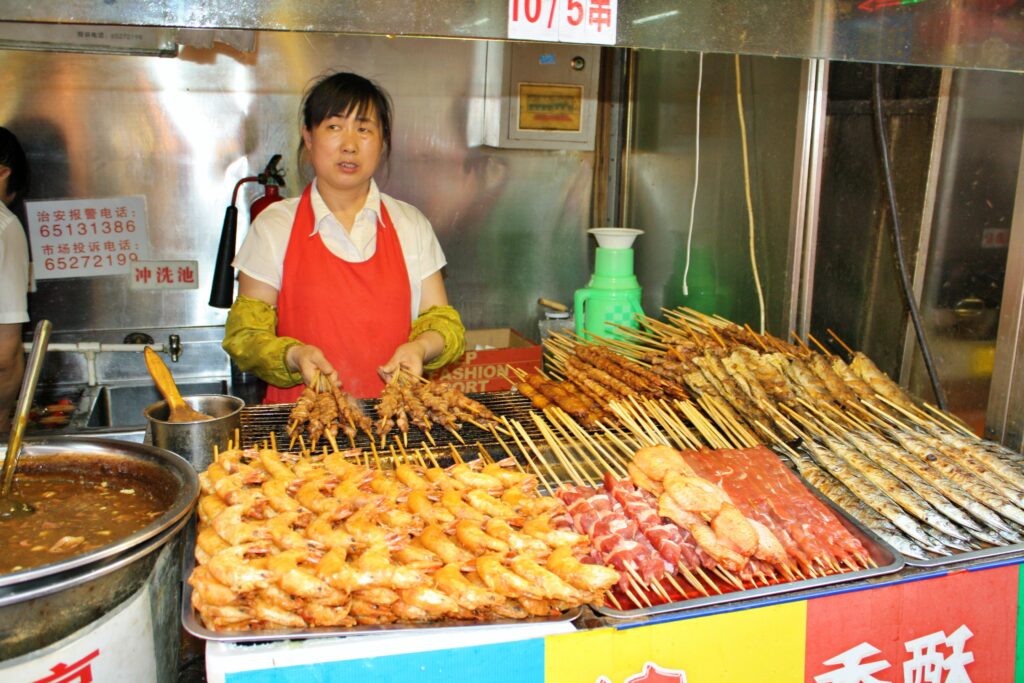
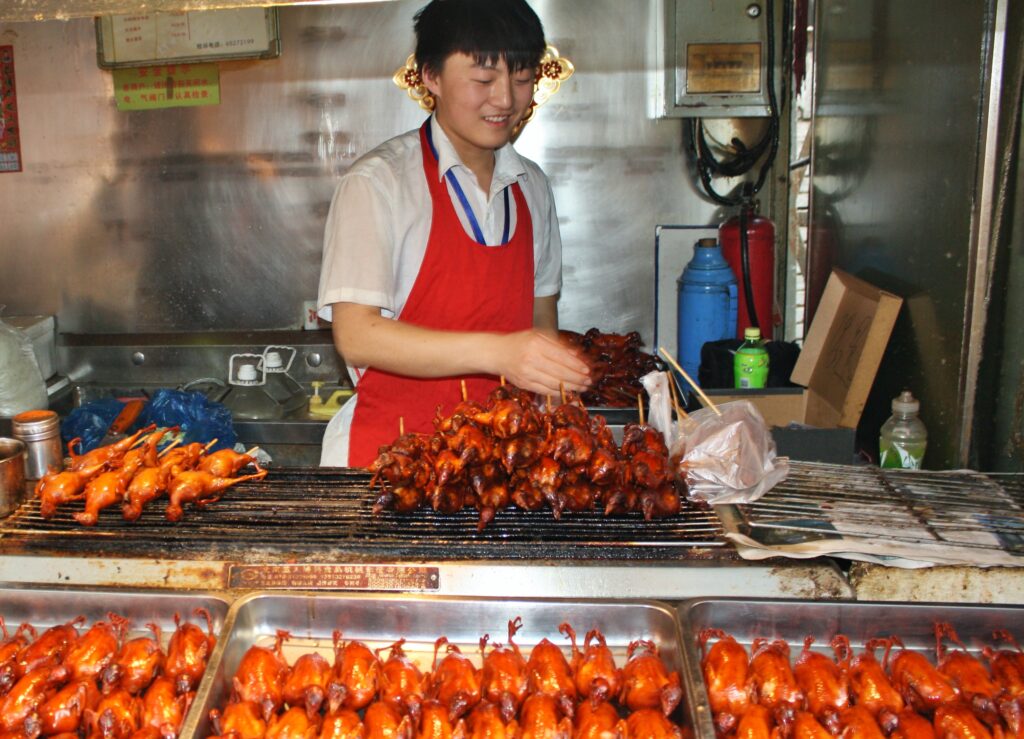
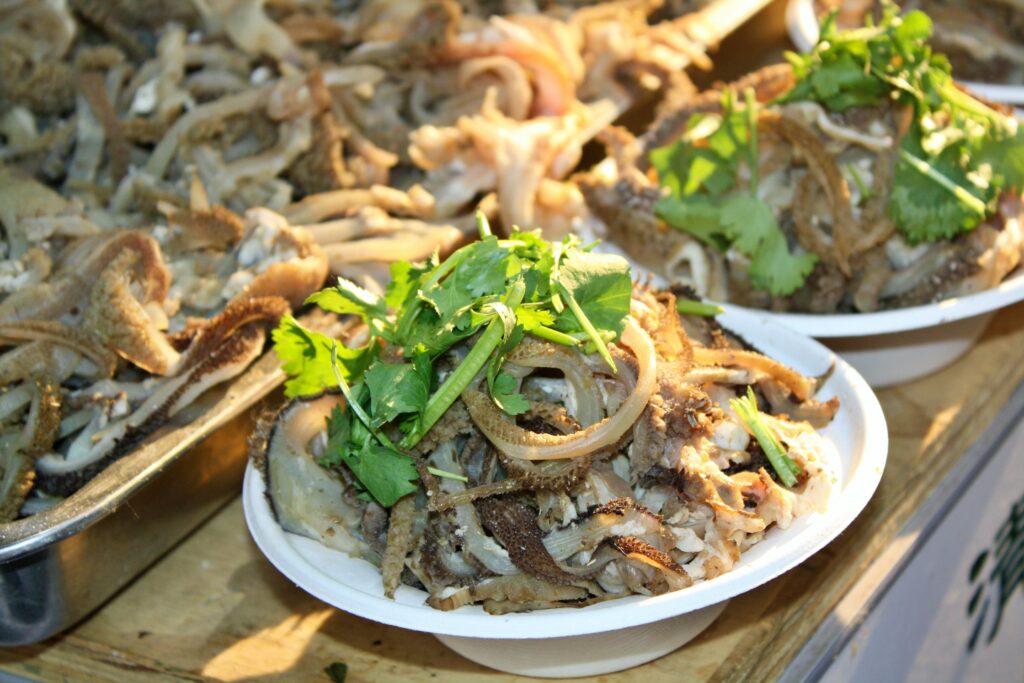
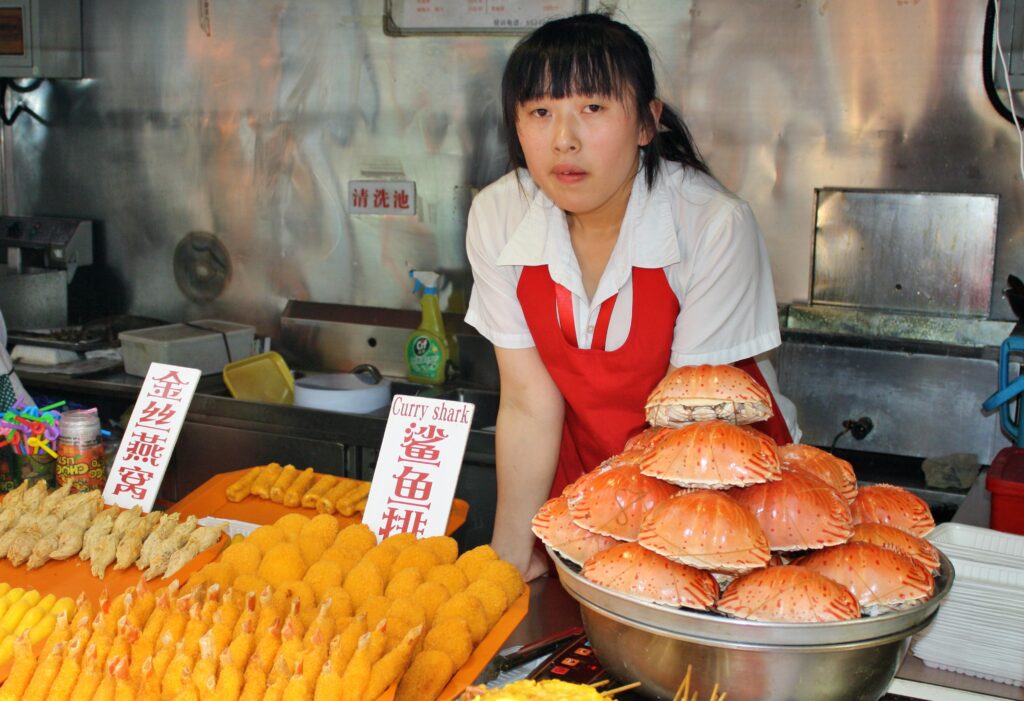
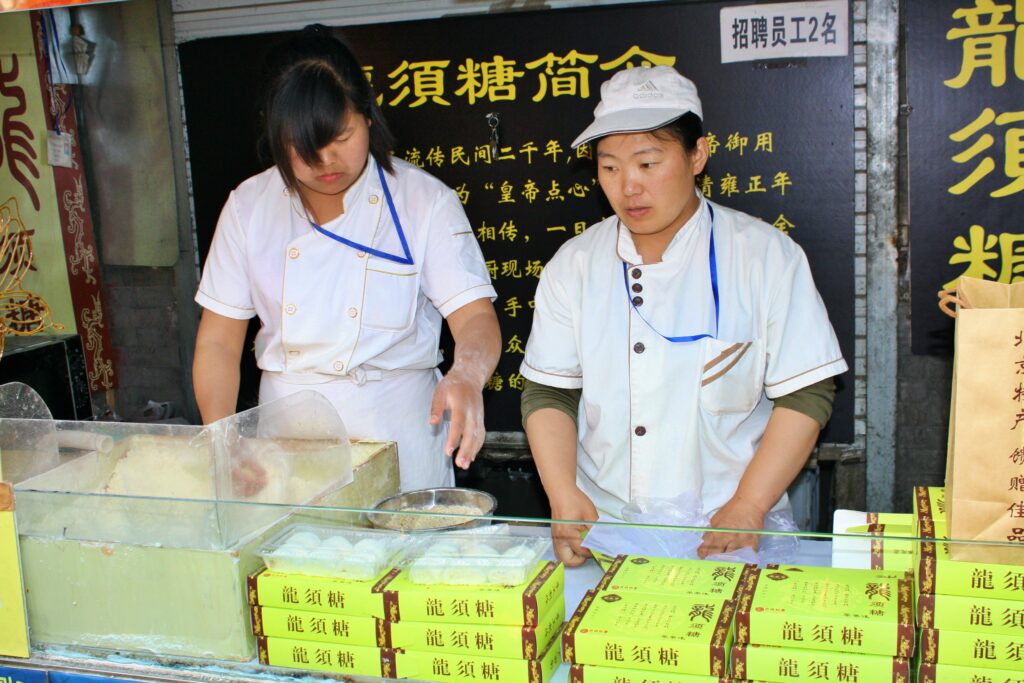
Located near the Forbidden City, this market is a place for street food, offering delicacies such as grasshoppers dipped in batter, roasted scorpions, and silkworm skewers.
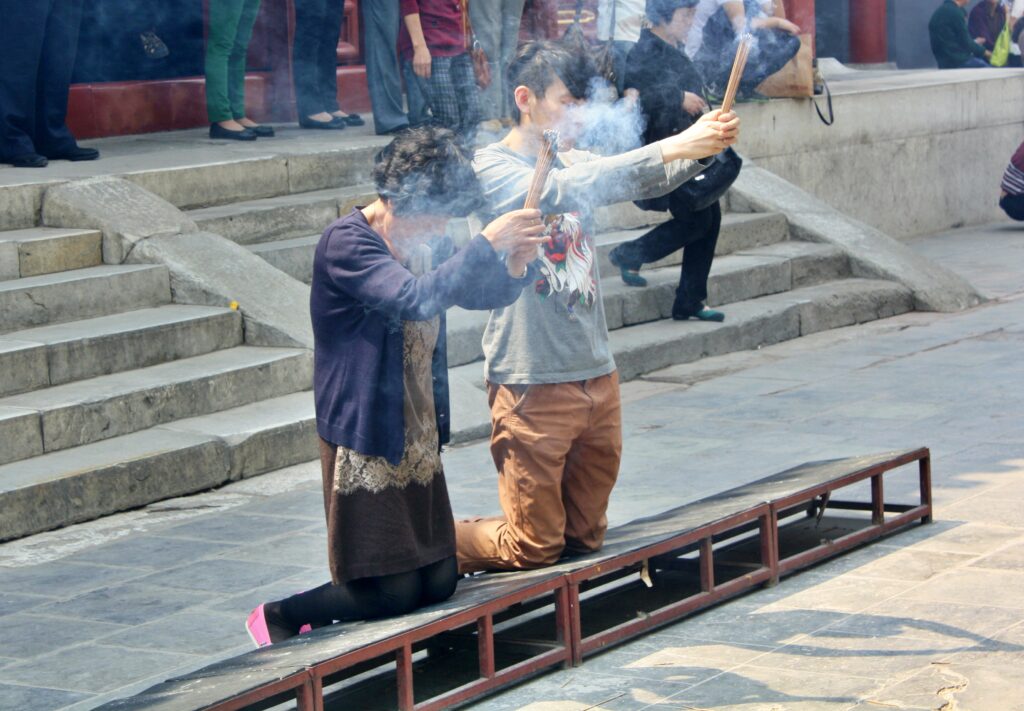
DON’T BE BURNED WHERE THE TEMPLE OF HEAVEN IS LOCATED
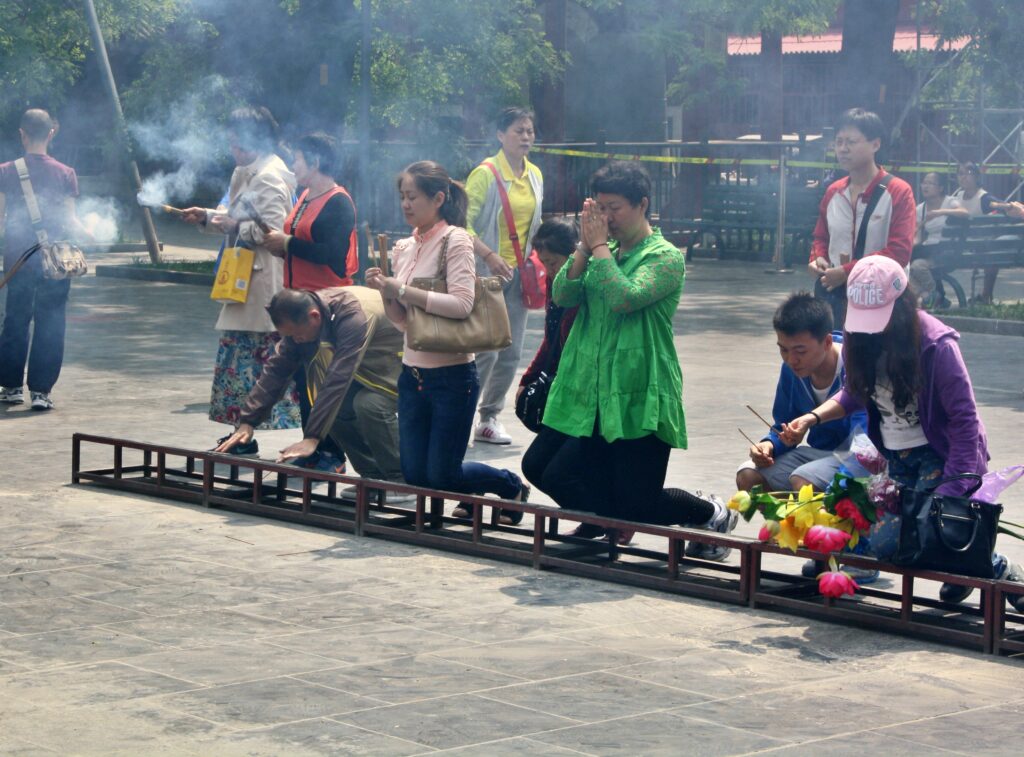
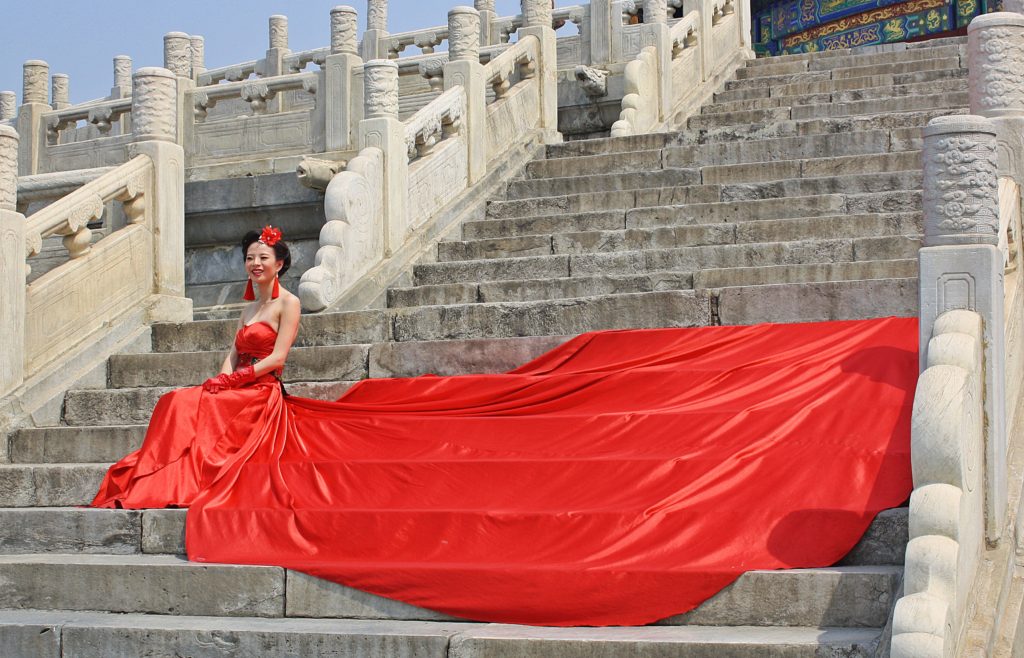
In the 5th century, it was one of the most sacred places for the entire country and, together with the Forbidden City, is one of the most important monuments of the Chinese metropolis. You can also find one of the largest sacrificial sites in Beijing here. The sacrificial altar played the biggest role here. It used to be the only place where it was possible to contact the gods. The emperor prayed here for a good harvest. We met a lot of weddings taking photos here.
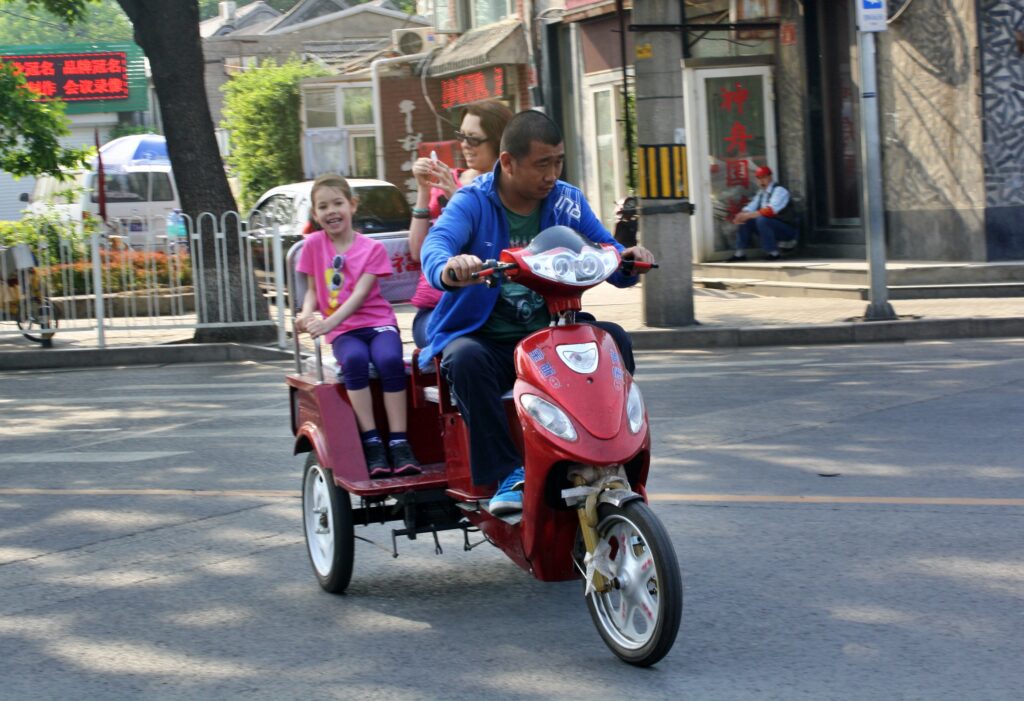
Well, initially it looked like we wouldn’t even visit the temple, because we decided to use rickshaws to get from the Hutongs to the temple. The gentlemen were very nice, and since there were three of us, they offered us that it would be better if we took two rickshaws, but for the price of one. Honestly, we were very excited about it, but not for long. Suddenly we were driving in the wrong direction and stopped in front of an old shack and started telling us that it was the Temple of Heaven. And they insisted for quite a long time. Suddenly they wanted all our money. This situation was unpleasant, and even more so when you experience it with a small child who doesn’t understand what’s happening. I don’t know if we kept our spirits up or our robbers maybe understood that we wouldn’t give them anything and that threats wouldn’t help them, and they let us go.
We finally got to the temple the next day because we were quite shocked by this ambush. You definitely shouldn’t miss the Echo Wall, which is located in the Taoist Temple of Heaven. This whole place is so mysterious. If you whisper something on one edge, the person on the other edge will hear your message. What is important is that both the whisperer and the listener must face north. This means that you have to stand with your back to the hall. You don’t even have to raise your voice, you just whisper. You will understand everything on the spot, but it may happen that you won’t hear anything because there are too many tourists there who are noisy.
EXERCISE LIKE THE CHINESE
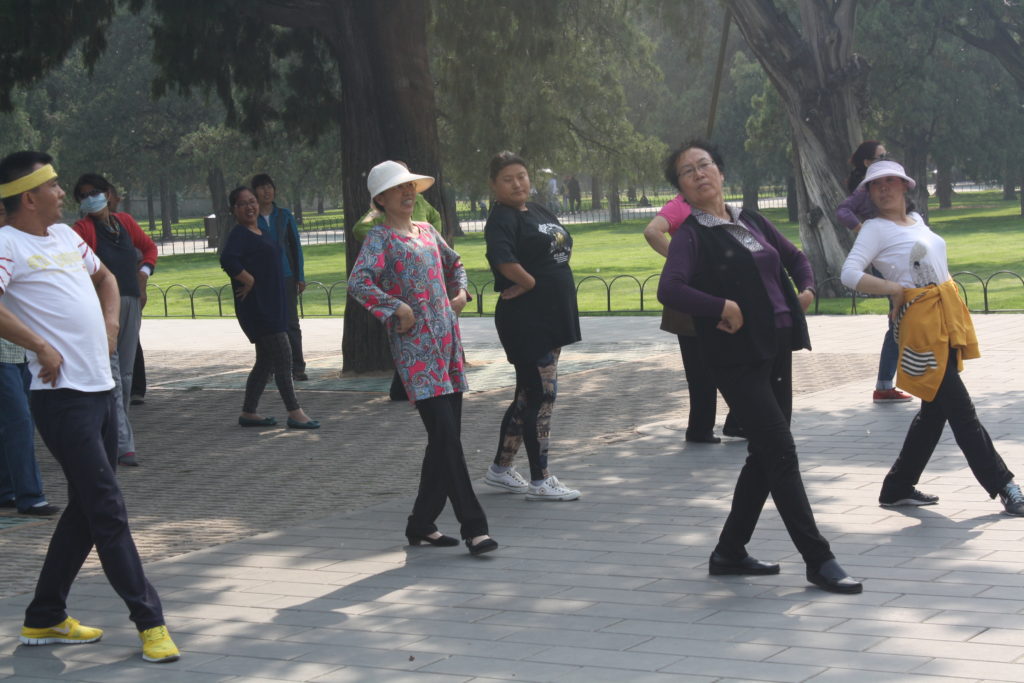
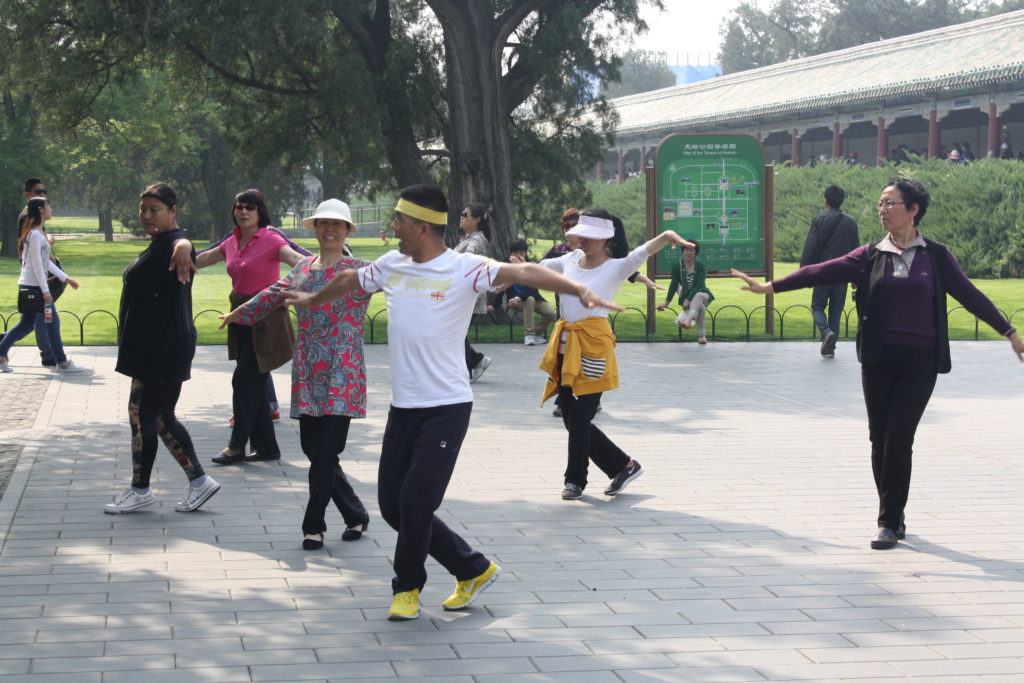
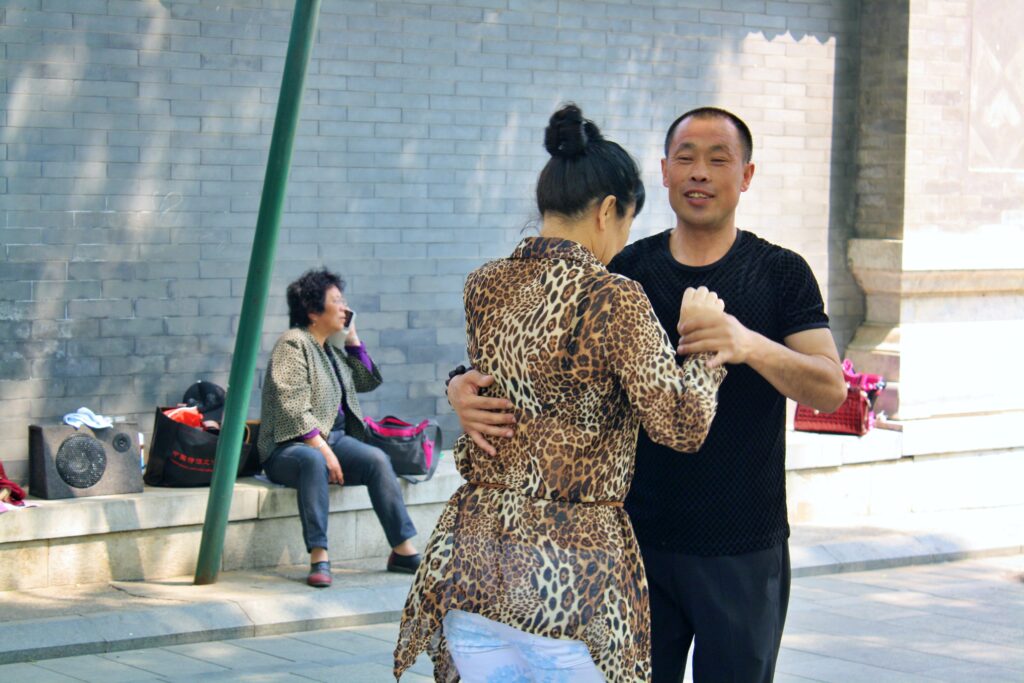
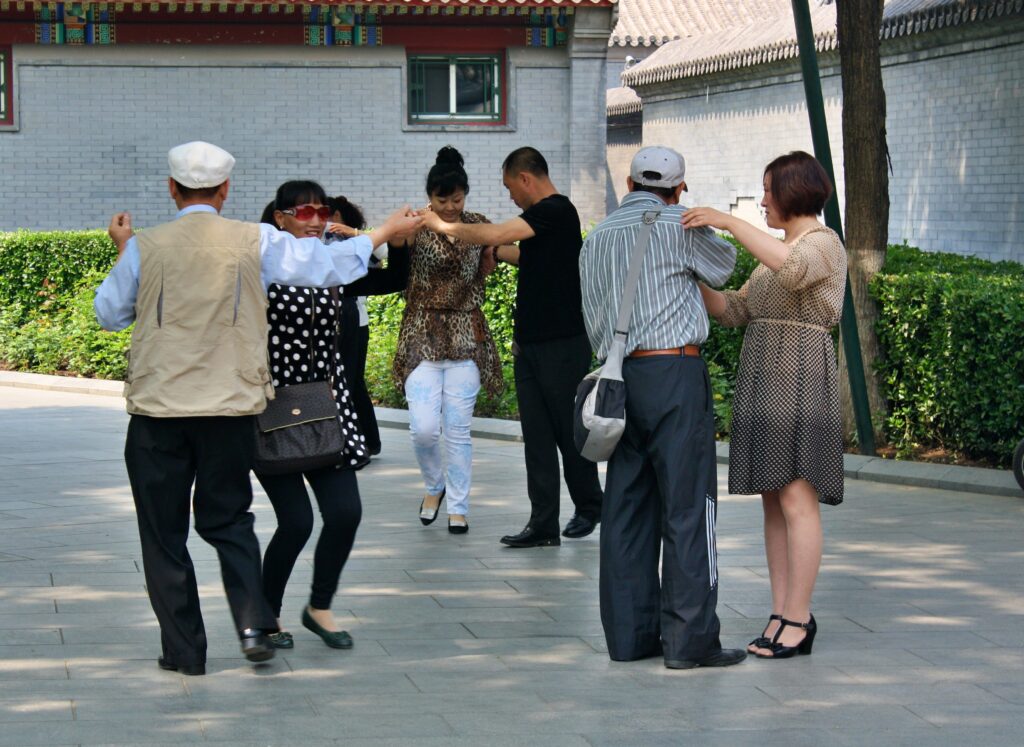
You don’t have to spend hours in the gym to stay fit. The Chinese approach it completely differently. They go to the park every day to do aerobics or tai chi. One thing that all Asian countries have in common is the emphasis placed on exercise, whether for the younger, the older, or even the seniors. It’s not mandatory or forced. And that’s how it should be!
DANCE IN THE PARK
I was pleasantly surprised when we walked through the park in the morning to get to the sights as early as possible and avoid the large crowds of tourists. There is also dancing in the park early in the morning. A truly amazing spectacle. A tape recorder is playing in the park and everyone is dancing the Austrian waltz. And believe me, you won’t be able to resist it and you will join in for a while.
WALK AROUND THE SQUARE OF TIANNEALS
Who wouldn’t know this one of the largest squares in the world? It has an area of 40 hectares and is currently ranked sixth in the ranking of the largest squares in the world. It can even accommodate up to one million people during celebrations or gatherings. The Mausoleum of Mao Zedong is located here. We didn’t visit it because it seemed a bit strange to look at someone dead whom we don’t know personally. :-)))
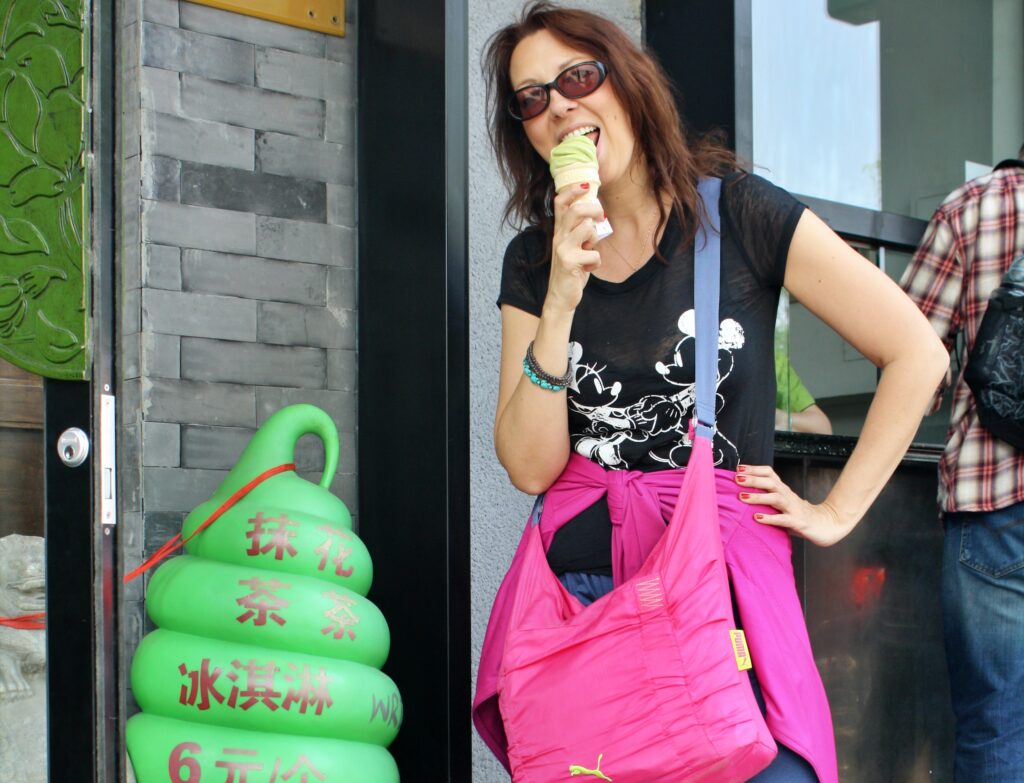
TASTE LUXURY GREEN TEA ICE CREAM
Everyone knows that China is a tea powerhouse. But few people know that tea can also be used to make quite tasty ice cream. And what does such ice cream taste like? It has a unique taste. It is smooth and creamy with a bitter note.
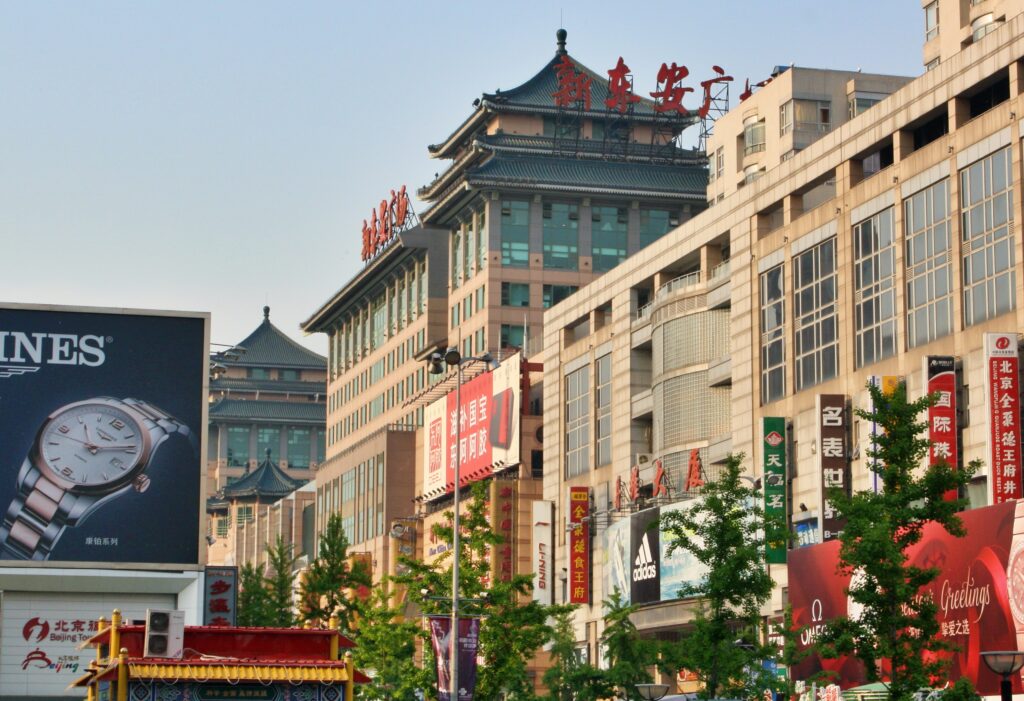
SHOPPING IN Wang-fu-ťing
Wangfujing Street is sometimes called the beating heart of Beijing. You will find around 280 shops here with a wide range of products. You can buy everything from clothes, electronics, souvenirs to household items. Just don’t be like my friend who brought home a gold mobile phone from China. He was very surprised and also quite angry when he found out that it had a Chinese keyboard. Not all that glitters is gold! :-)))
You will find many places with Chinese tea and chocolates. Just so you don’t get fooled, these are not classic sweets, but rather nuts in various forms. In addition to the classic shops, you will find a large market here, which is a paradise for those who like to bargain. Are you worried that you won’t be able to negotiate with the seller? Yes, that is also possible, but they usually have pocket calculators available to show you the price. And don’t be afraid to bargain, they are usually willing to go very low with the price.
At the market you can also find foods that can be very exotic for us.What I probably enjoyed the most were various beetles, insects, seafood and scorpions on skewers, which are mostly still alive.The seller will fry them for you right there and you can enjoy these delicacies at your own risk.Otherwise, of course, you can also find fresh fruit here, for example.
SILK FACTORIES
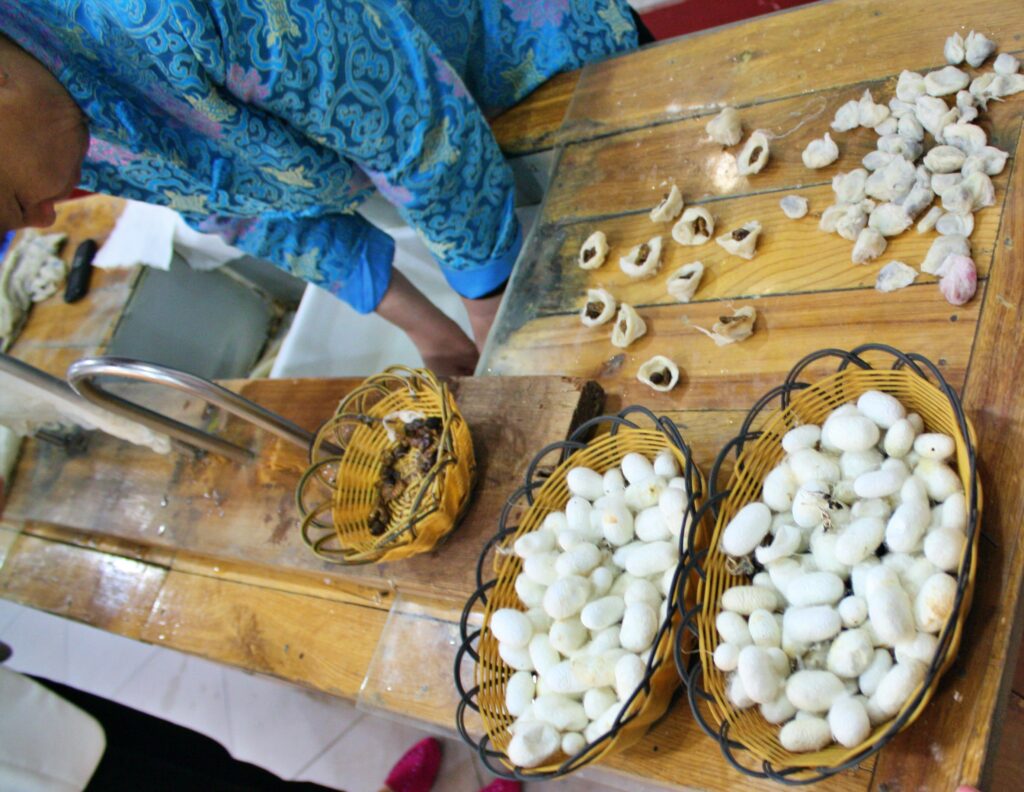
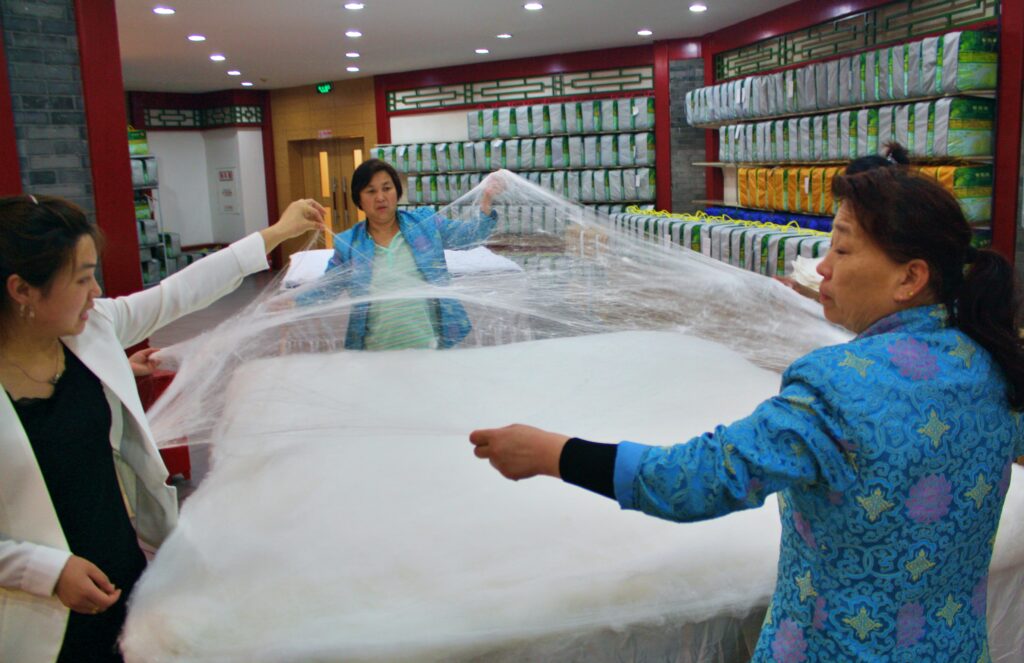
Silk has deep roots in China, dating back more than 5,000 years.Legend has it that its production was discovered by Empress Leizu, who noticed that fine threads could be spun from the cocoon of the silkworm (Bombyx mori).During the Tang, Ming, and Qing dynasties, silk became a key export and part of the legendary Silk Road.As an imperial center, Beijing played an important role in the production and processing of silk for the imperial court.
How is silk made?
Silk production is a complex process that requires patience and precision. Here is a brief overview of the key steps:
1. Silkworm farming
Production begins with the rearing of silkworms, which feed exclusively on mulberry leaves. The larvae are carefully fed until they begin to pupate. A single cocoon can contain up to 900 meters of silk fiber.
2. Unwinding the fiber
Once the cocoons are finished, they are soaked in hot water to soften the fibers so they can be unwound. This process is very delicate – water that is too hot can damage the fibers, while water that is too cold will prevent the fibers from separating.
3. Weaving and dyeing
The unwound fibers are processed into threads, which are then woven into silk fabric. Traditional Chinese production uses hand-looms, which allow for intricate patterns. Dyeing the fabric is also an important part, often using natural dyes to give the silk deep and vibrant hues.
Where to experience silk production in Beijing?
1. Beijing Silk Museum
This museum is a great place to see the entire silk-making process. Visitors can see historical tools, old silk fabrics, and even try weaving on a traditional loom.
2. Silk Market
Although it is now more focused on selling finished products, you can find a wide selection of silk fabrics, scarves, clothing, and other products here. If you want to bring home an authentic souvenir, this is the perfect place.
3. Workshops around old hutongs
Some small family workshops in traditional hutongs still maintain the old techniques of silk-making. Visiting these places will give you a unique insight into the craft in its most authentic form.
TAKE A TRIP TO THE SUMMER PALACE
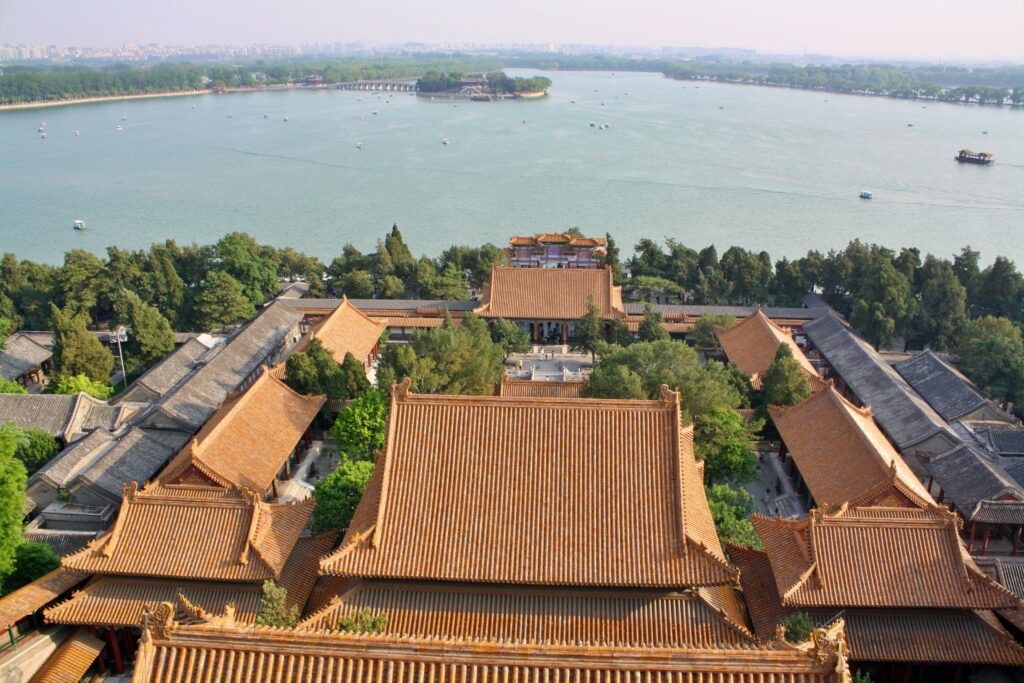
Just as the Queen of England travels to the Palace of Westminster, Chinese rulers traveled to the Summer Palace. The Summer Palace, also known as Yiheyuan (Garden of Cultivating Harmony), is one of Beijing’s most beautiful historical sites and a shining example of Chinese garden architecture. Located just 15 kilometers from the city center, this vast complex served as the summer retreat of the imperial family during the Ming and Qing dynasties. If you’re looking for a place where natural beauty meets rich history, the Summer Palace is the place to be.
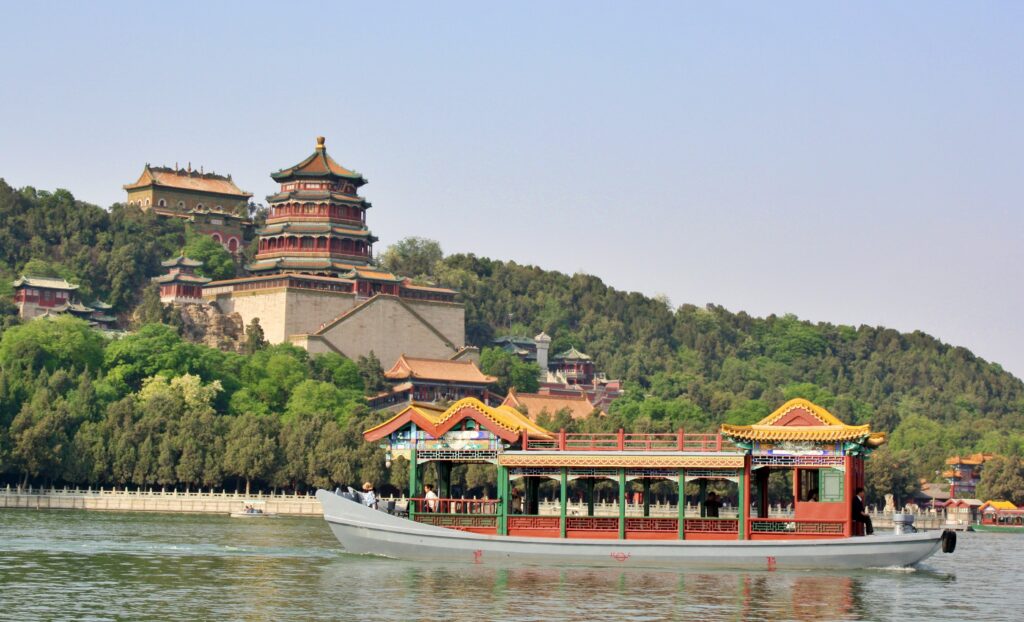
This place is truly beautiful. It is a green oasis in the bustling Beijing. You can take a boat ride on Kunning Lake and admire the palace buildings. You will find many Beijingers here walking here with a thermos of tea and relaxing in the park around the lakes. These take up 75% of the entire area. The place also served as an imperial stud farm and the horses were looked after by eunuchs.
It was damaged several times in the early 20th century, but thanks to careful reconstruction it has become a masterpiece again, which is now a UNESCO World Heritage Site.
What to see in the Summer Palace?
1. Kunming Lake Kunming Lake
Kunming Lake Kunming Lake, which covers almost three-quarters of the entire site, is the main landmark of the Summer Palace.Its calm surface reflects the surrounding pavilions, bridges and hills.You can rent a traditional Chinese boat and take a ride on the lake, which offers a unique view of the entire complex.
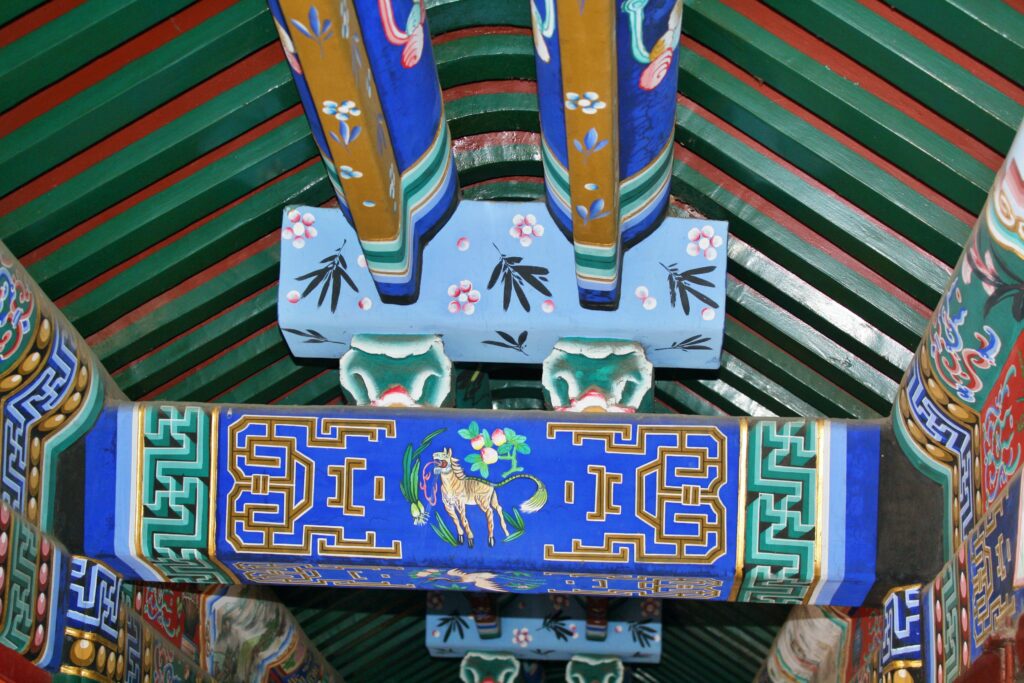
2. Long corridor (Changlang)
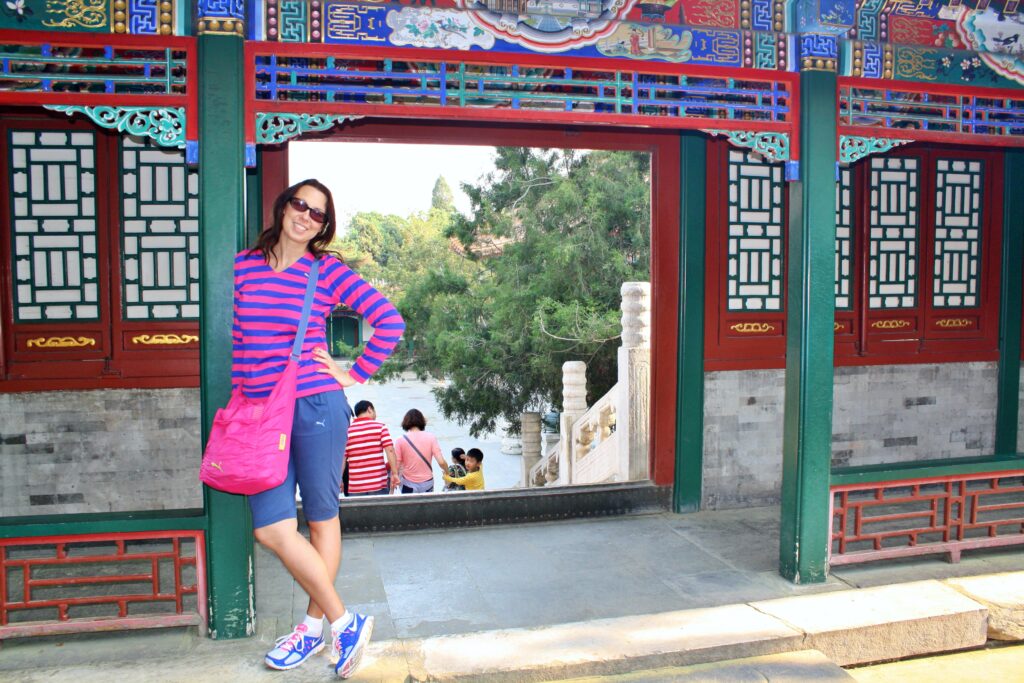
One of the most admired architectural features of the Summer Palace is the Long Corridor, a covered promenade that measures almost 728 meters. Its ceilings are decorated with thousands of colorful paintings depicting legends, landscapes, and historical events. A walk through this gallery is like a journey through time.
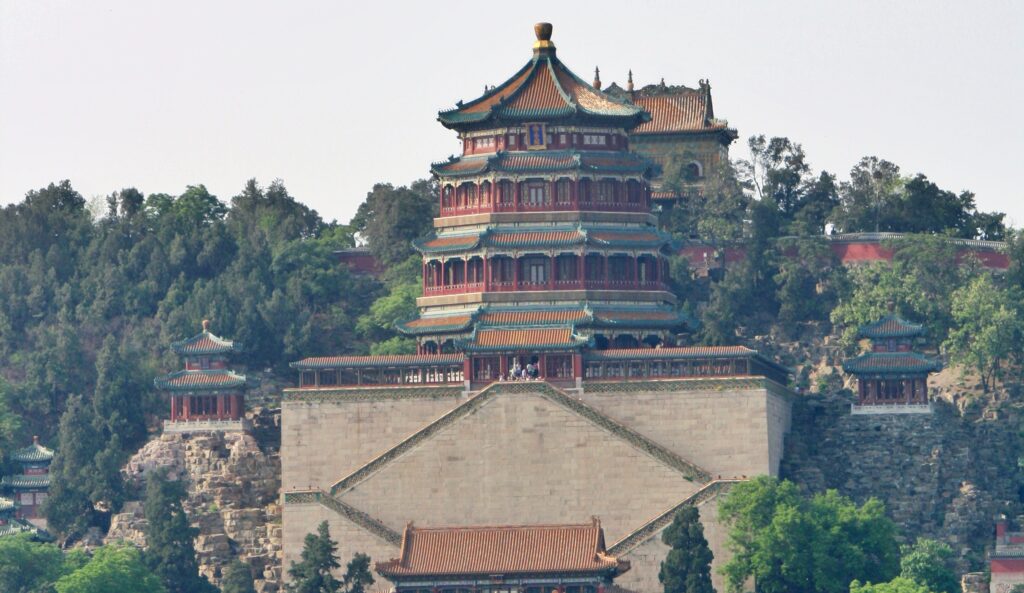
3. Buddha Fragrance Pagoda (Fo Xiang Ge)
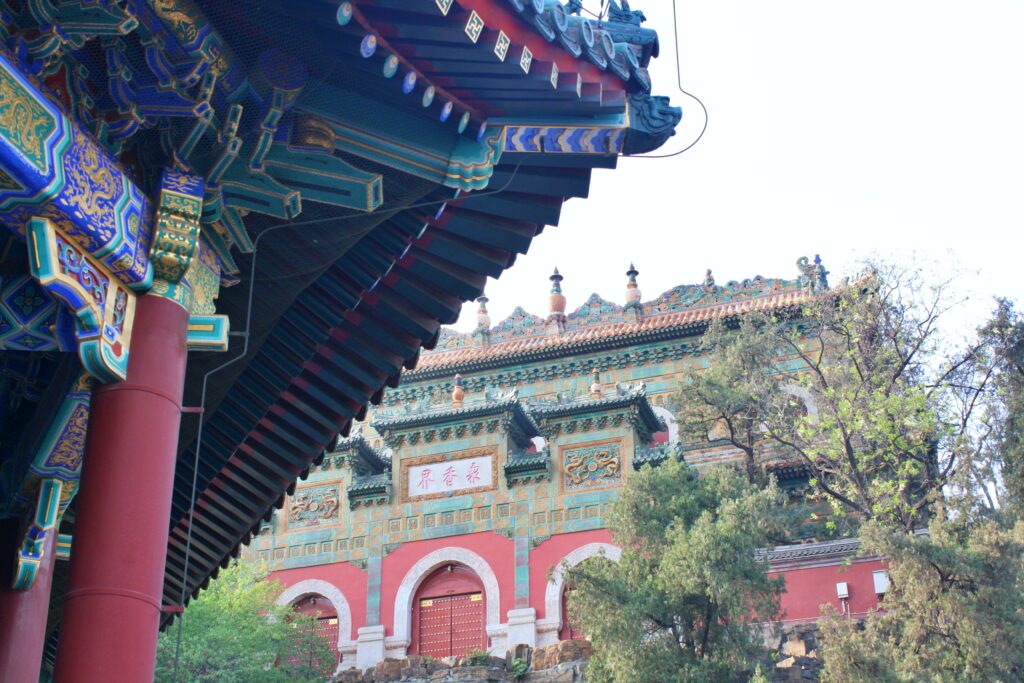
At the top of Longevity Hill (Wanshou Shan) stands the Buddha Fragrance Pagoda, one of the most important structures in the Summer Palace. This octagonal pavilion offers a magnificent view of the lake and the surrounding area. The climb to the pagoda is a bit challenging, but the reward of the panoramic view is worth it.
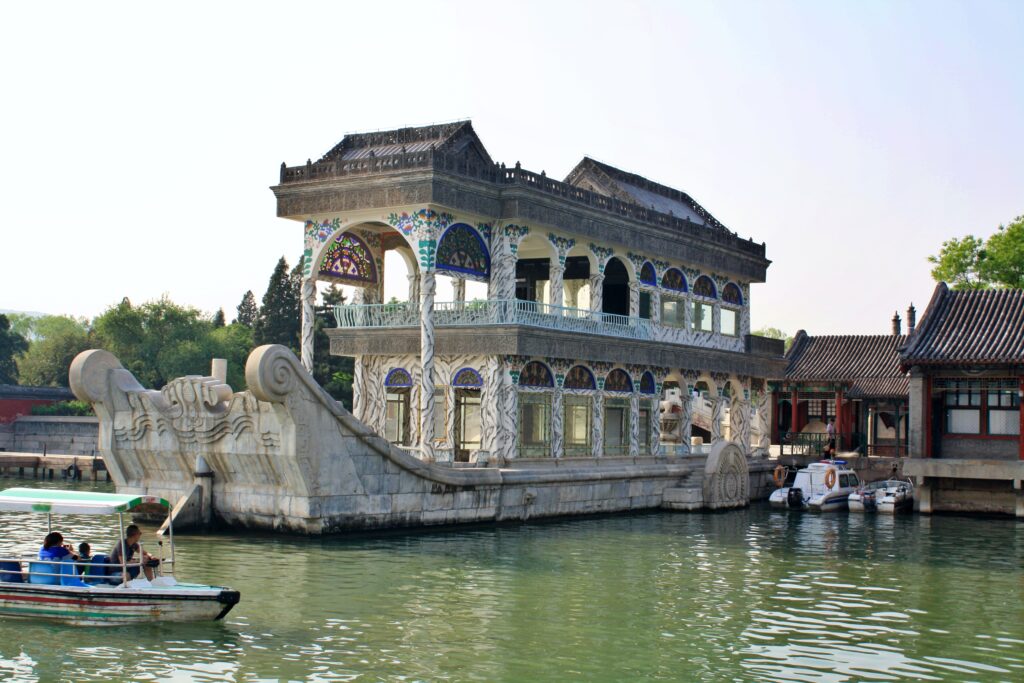
4. Marble ship
On the northwest shore of Kunming Lake is the famous Marble Boat. This magnificent structure of marble and wood is a symbol of the luxury of the imperial court and a reminder of the wealth of the Qing Dynasty.
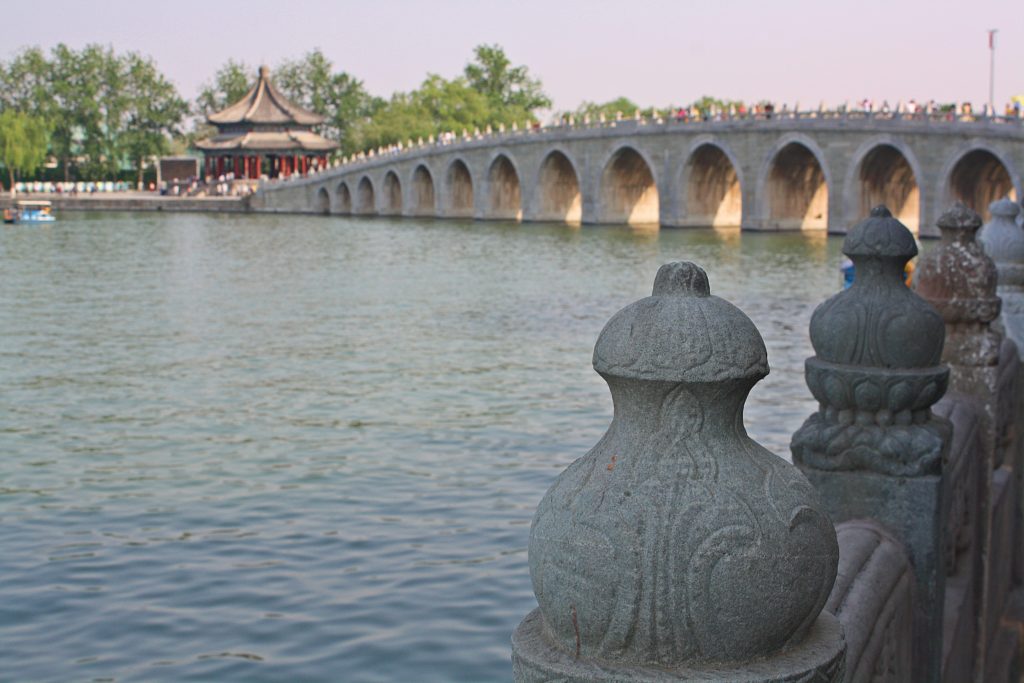
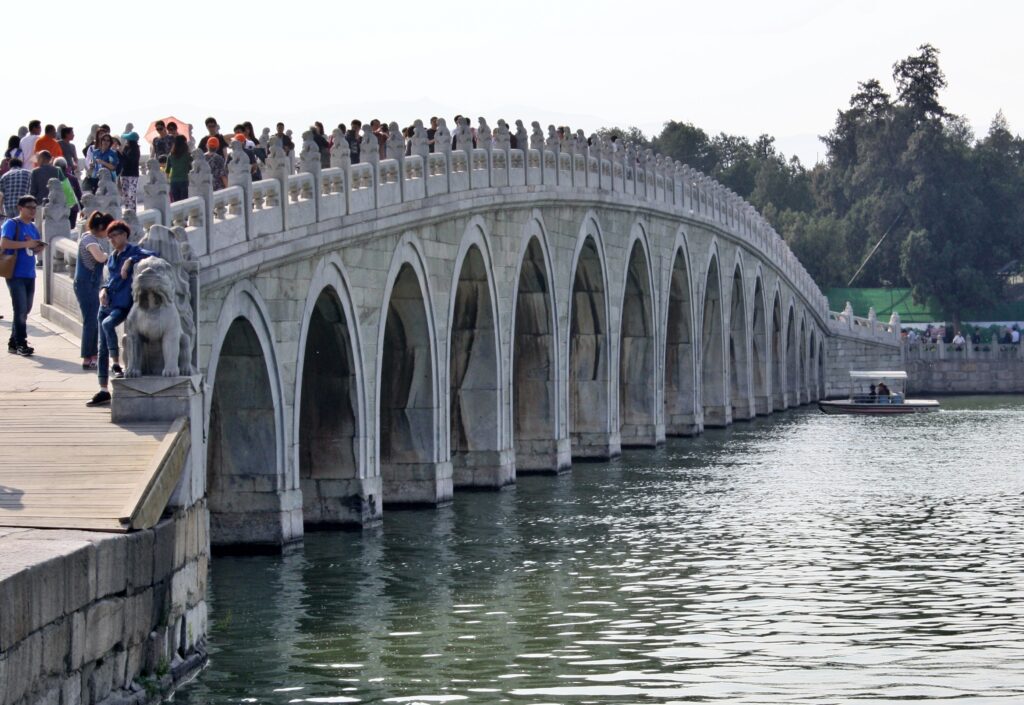
5. Bridge Seventeen-Arch
This majestic 17-arch bridge connects the mainland to Nanhu Island. It is decorated with 544 stone lion statues and offers wonderful photo opportunities at sunset.
And what can you do in the Summer Palace? There are beautiful romantic spots like the South Lake Island or the gardens at Renshou Dian Palace. You can sail on Kunming Lake, which is one of the best ways to enjoy the peace and beauty of the place.
Practical information
Opening hours:The Summer Palace is open year-round, but it is recommended to visit during spring or autumn, when the weather is most pleasant and the scenery is at its most beautiful.
Admission:The basic ticket includes access to most of the grounds. Some specific areas, such as the Buddha Fragrance Pagoda, require an additional fee.
How to get there: The easiest way is by subway (Line 4, Beigongmen Station) or taxi.
Beijing is really beautiful, stunning, original and unique. I like the great mix of everything about Beijing, starting from the omnipresent communism, Buddhist buildings, beautiful parks, people dancing and exercising in the park. I believe that you will fall in love with Beijing as I do. If you are not going there, I believe that it will at least get you by the photos.
If you liked the article, I would be happy if you share it or leave a nice comment below the article.
I would also like to invite you to join me on Instagram and Facebook.









 This place is truly beautiful. It is a green oasis in the bustling Beijing. You can take a boat ride on Kunning Lake and admire the palace buildings. You will find many Beijingers here walking here with a thermos of tea and relaxing in the park around the lakes. These take up 75% of the entire area. The place also served as an imperial stud farm and the horses were looked after by eunuchs.