
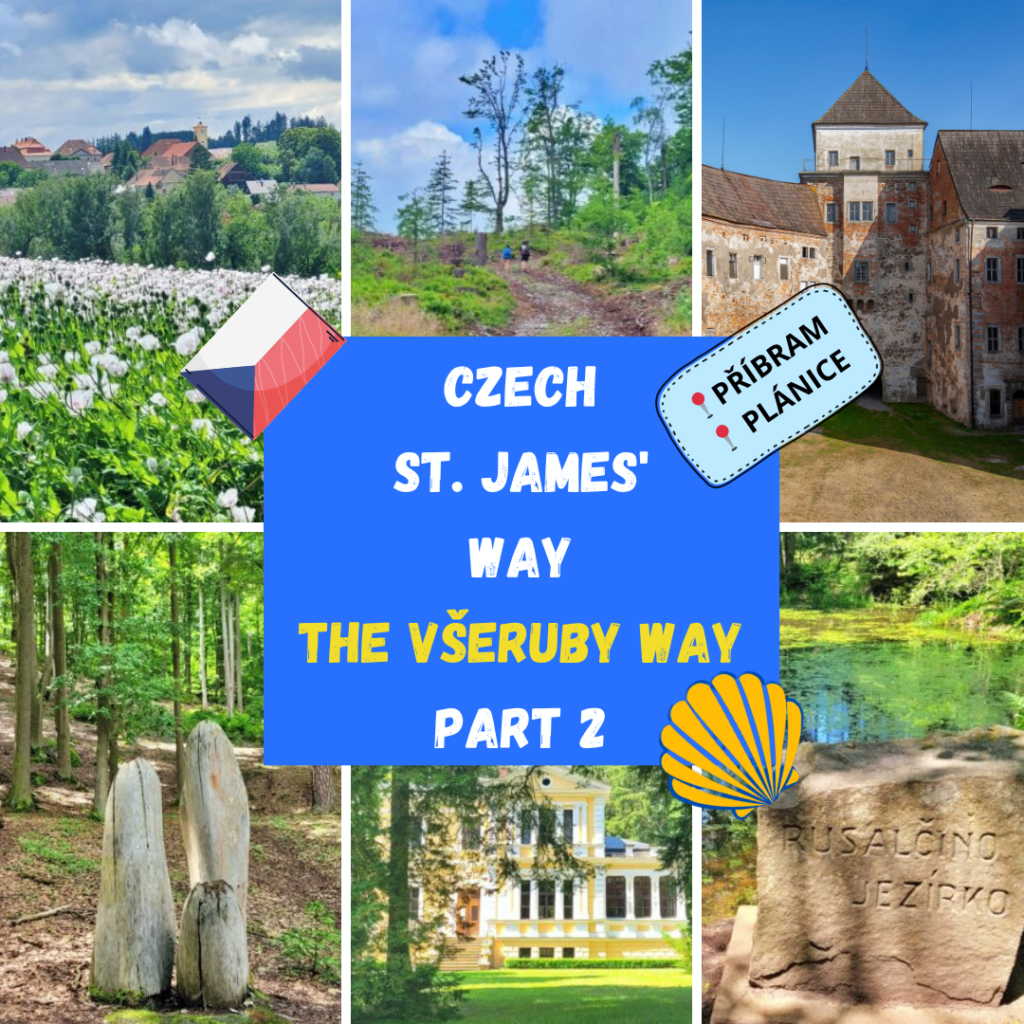
Once you get past your first 30 kilometers, you’ll feel like you can do it. And that’s a good thing! And trust me, you can do it!

MY ADVICE:
Don’t plan! It doesn’t matter how many kilometers you walk a day! It’s possible that your own body will betray you, you’ll get blisters, or you’ll discover a beautiful place that you’ll really like and decide to stay there for a while.
ROUTE:📍PŘÍBRAM -📍VYSOKÁ U PŘÍBRAMĚ -📍NESVAČILY -📍ROŽMITÁL POD TŘEMŠÍNEM -📍KASEJOVICE – 📍NEPOMUK -📍PLÁNICE (Length: 20,1 km)
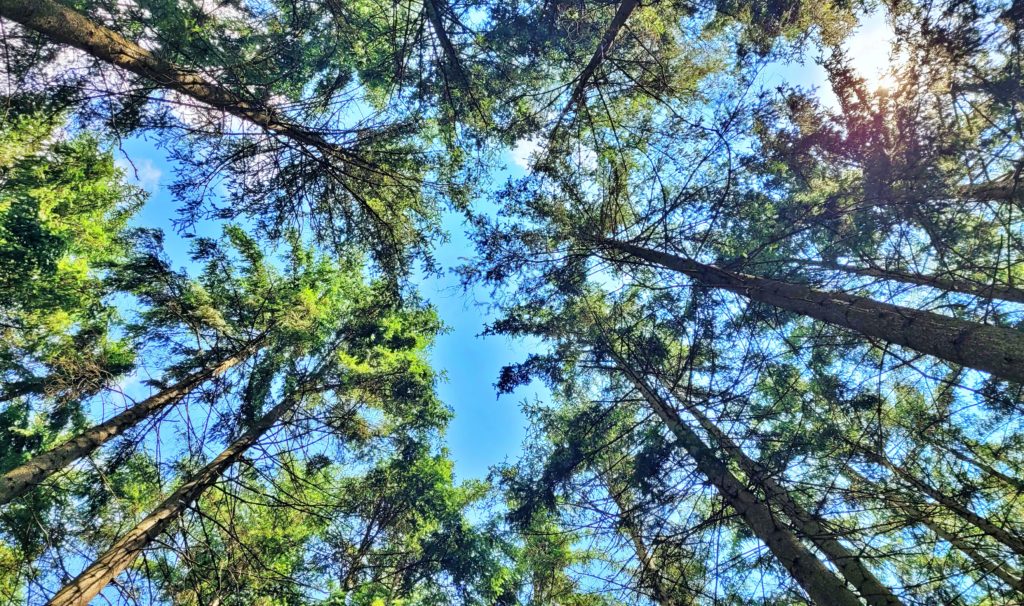
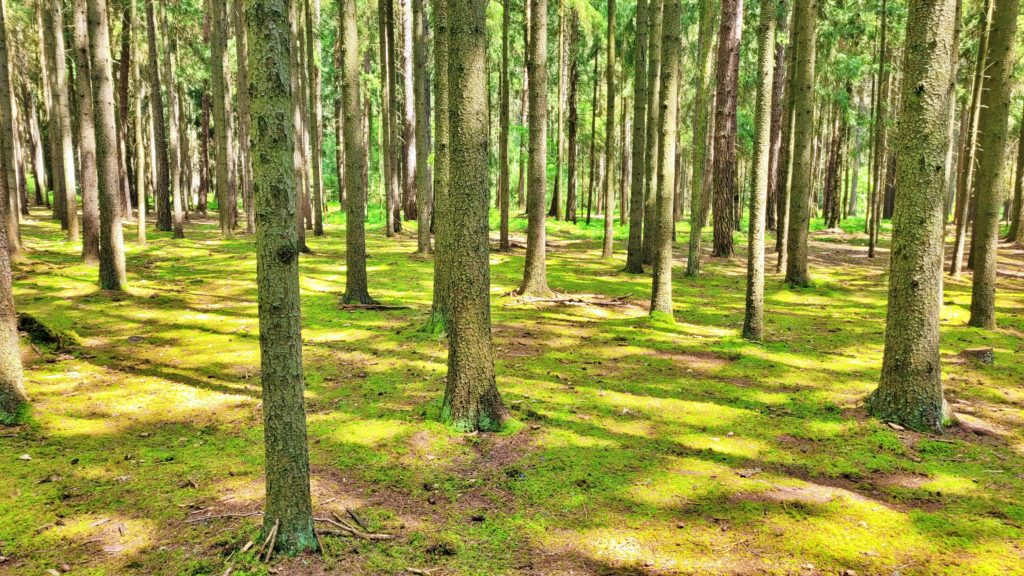
Spending most of your time in nature is very energizing. I find that walking in nature promotes creativity and mindfulness, you learn something about yourself and you relax. Scientists have even found that walking in the forest reduces stress, lowers blood pressure, improves attention, and so on. In Japan, doctors even prescribe forest baths as medicine today.
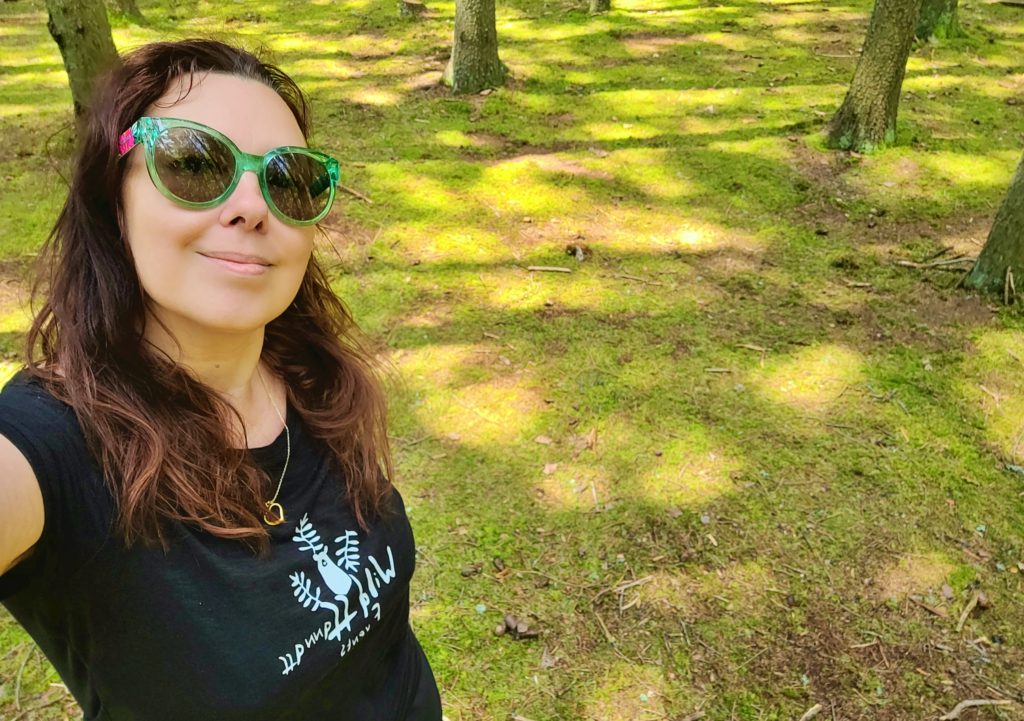
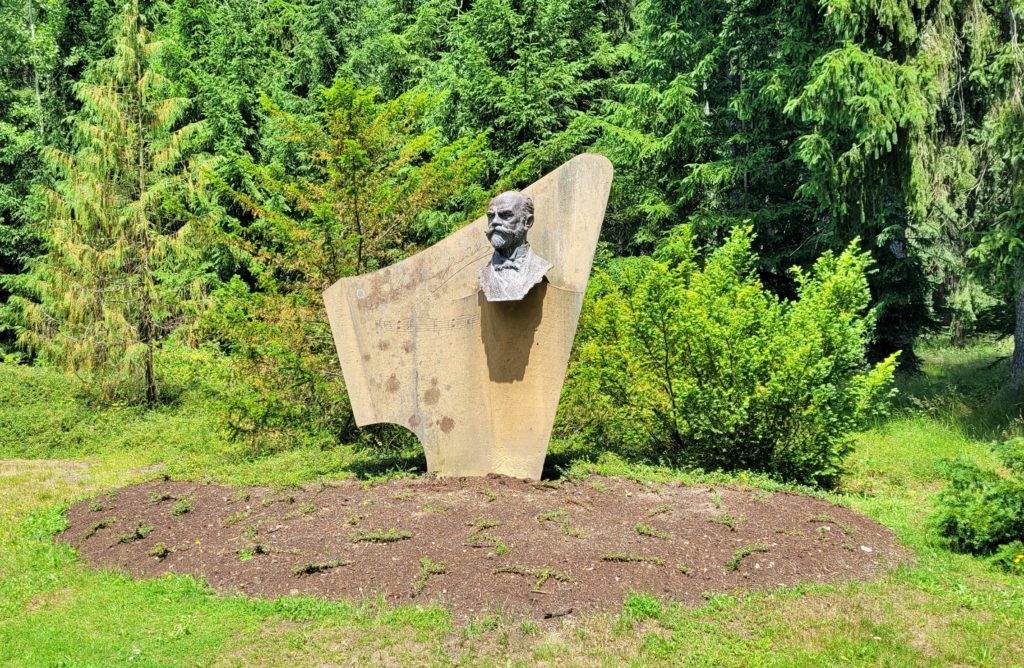
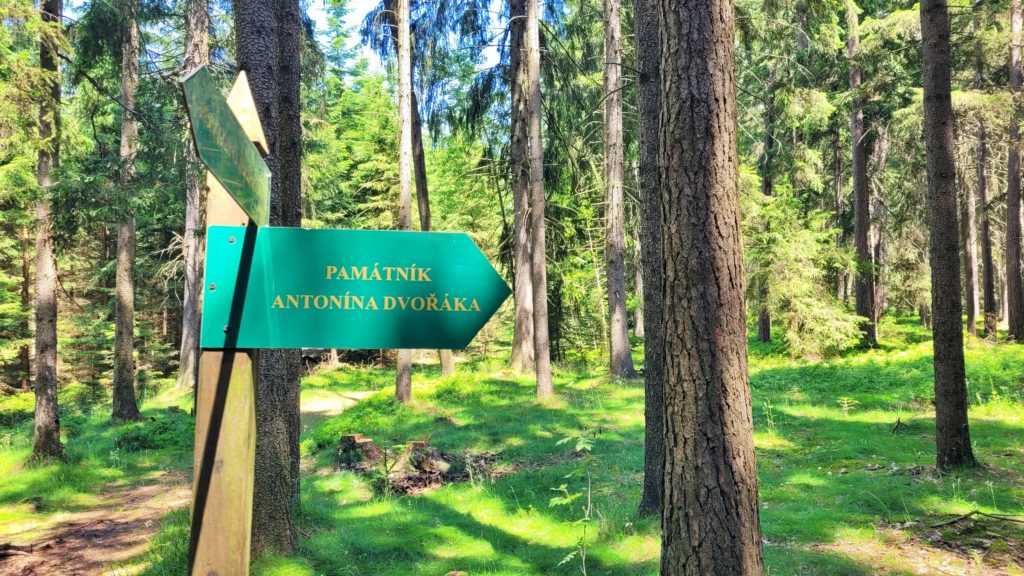
VYSOKÁ NEAR PŘÍBRAM – MONUMENT TO ANTONÍN DVOŘÁK
The road through the forested countryside near the Brdy Mountains will take you to the small village of Vysoká u Příbram. Keep in mind that there is nowhere to eat properly. So keep that in mind and take some lunch with you on the way. And especially water! In a beautiful, extensive park there is a neo-Renaissance chateau, where the Antonín Dvořák Monument is located, dedicated to this genius of Czech music. This chateau complex was built by Dvořák’s brother-in-law, Count Václav Kounic. Here you will find an exhibition dedicated to the life, work and stay of Antonín Dvořák in Vysoká. The composer enthusiastically planted trees, gardened, raised pigeons and, of course, composed.
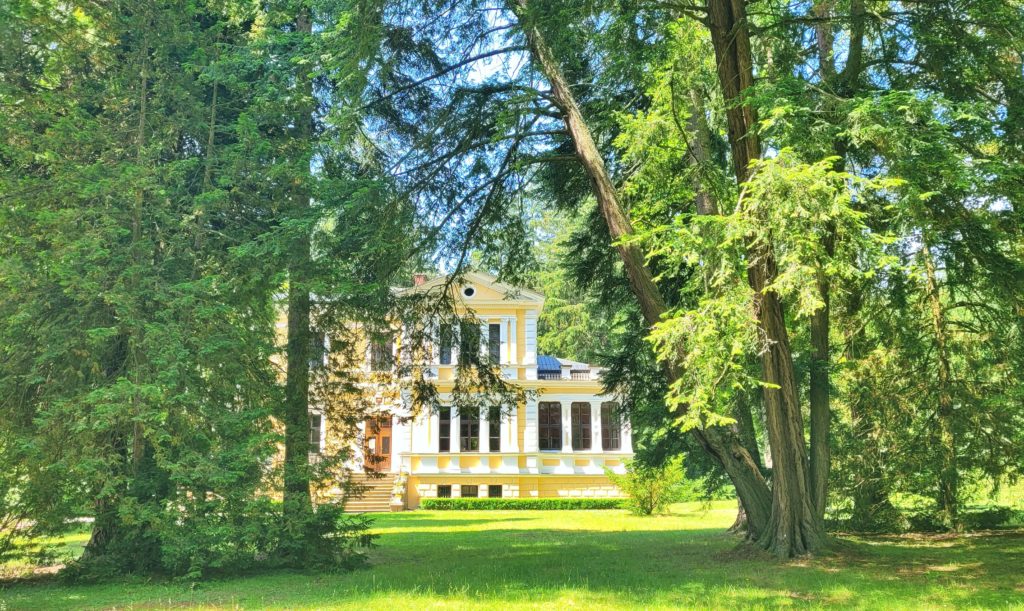
RUSALÇA’S POND
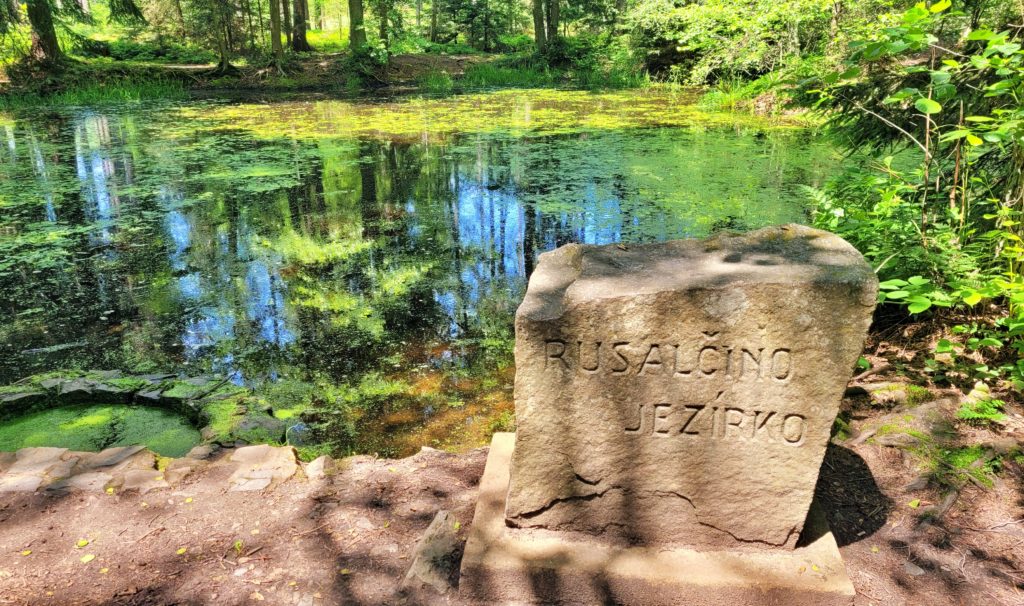
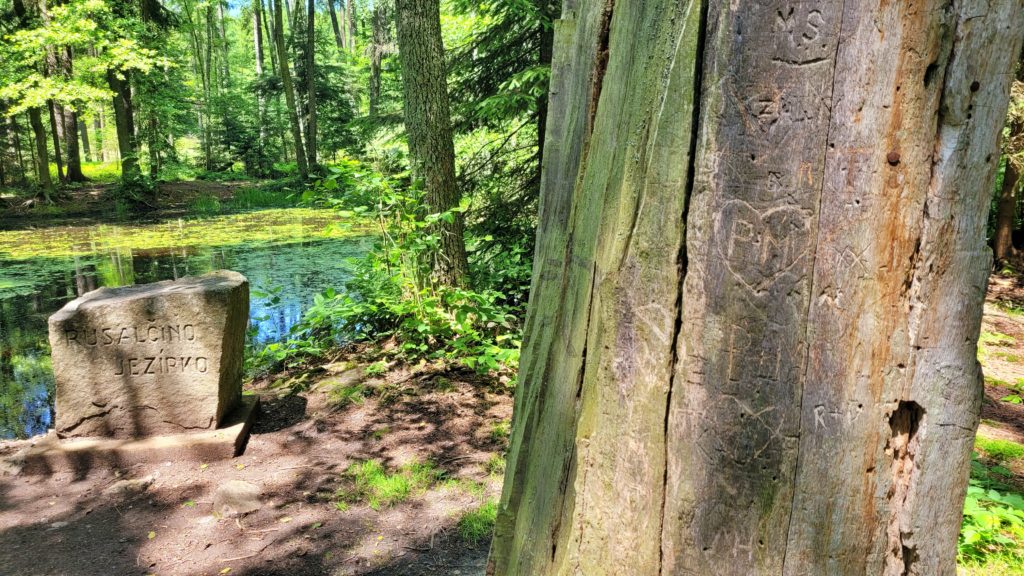
Near the chateau (approximately 400 meters) is Rusalka’s Lake. It is a classic peat lake that looks very mysterious, I would say fairy-tale. However, the name “Rusalka” lake came about only after Dvořák’s death – at a time when the opera Rusalka was already a famous opera.
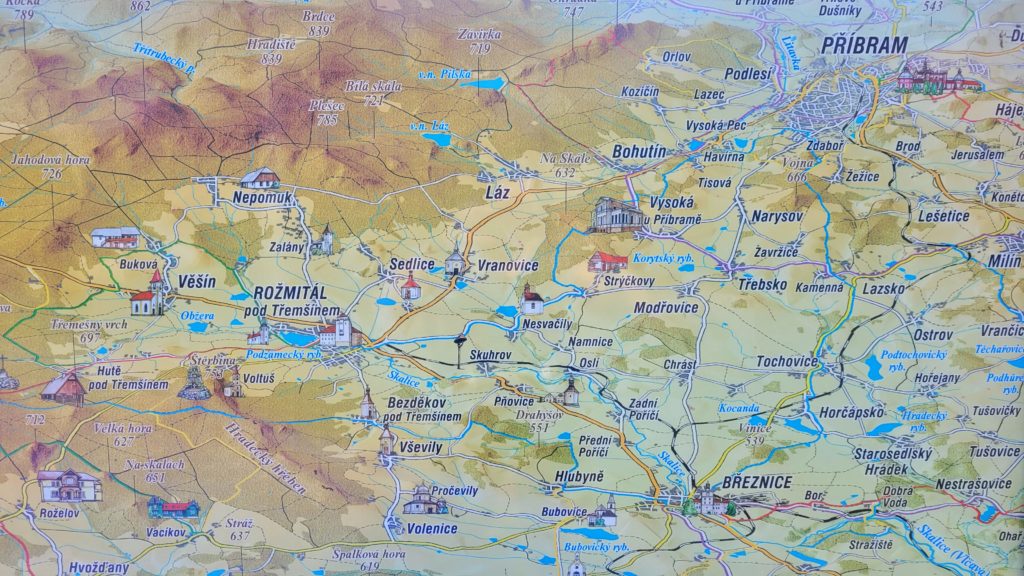
NESVAČILY
Along the way you will come across various names of towns and villages. But I probably enjoy Nesvačyly the most.
ROŽMITÁL POD TŘEMŠÍNEM
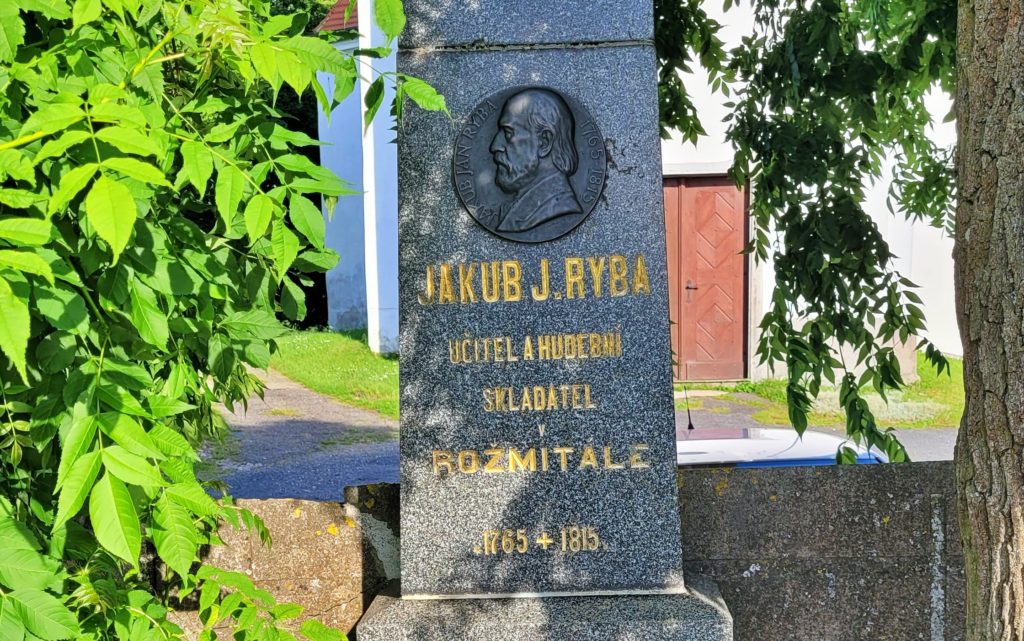
In the foothills of the Brdy Mountains lies the town of Rožmitál pod Třemšínem. The main livelihood here was pastoralism, grain cultivation, horse breeding, mining of poor iron ore, work in the forest and in ironworks. It was here that Jakub Jan Ryba lived and worked.
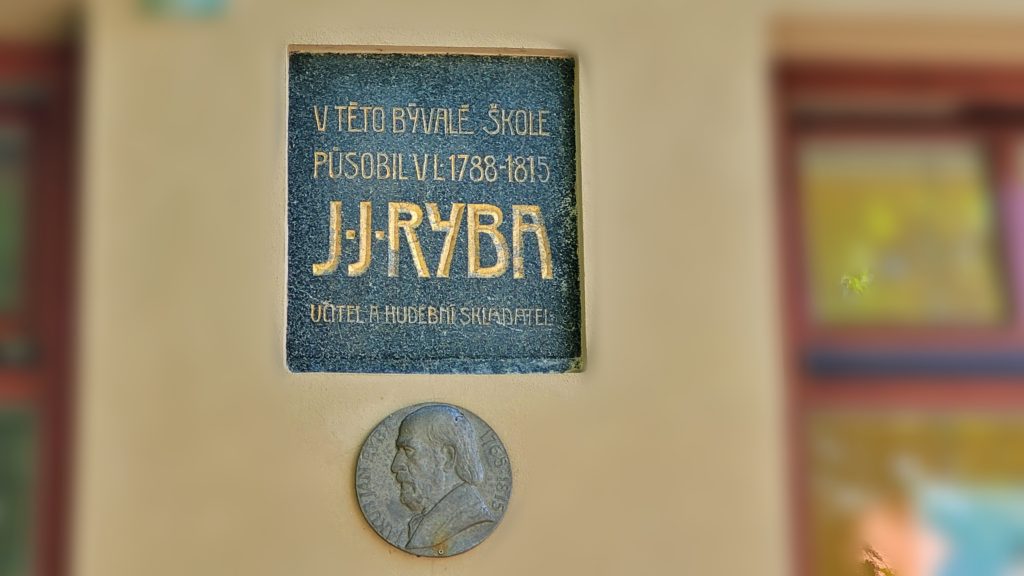
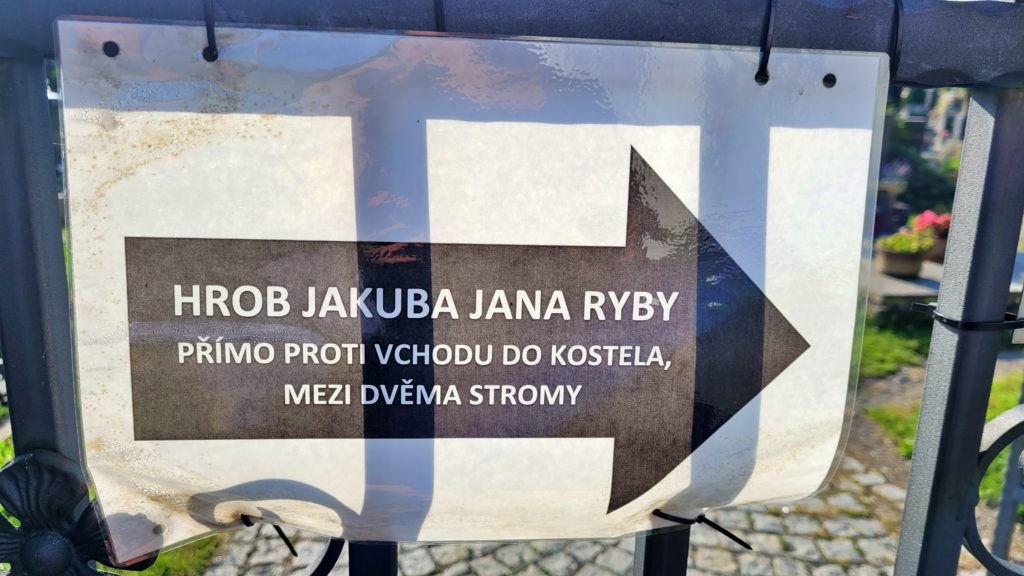
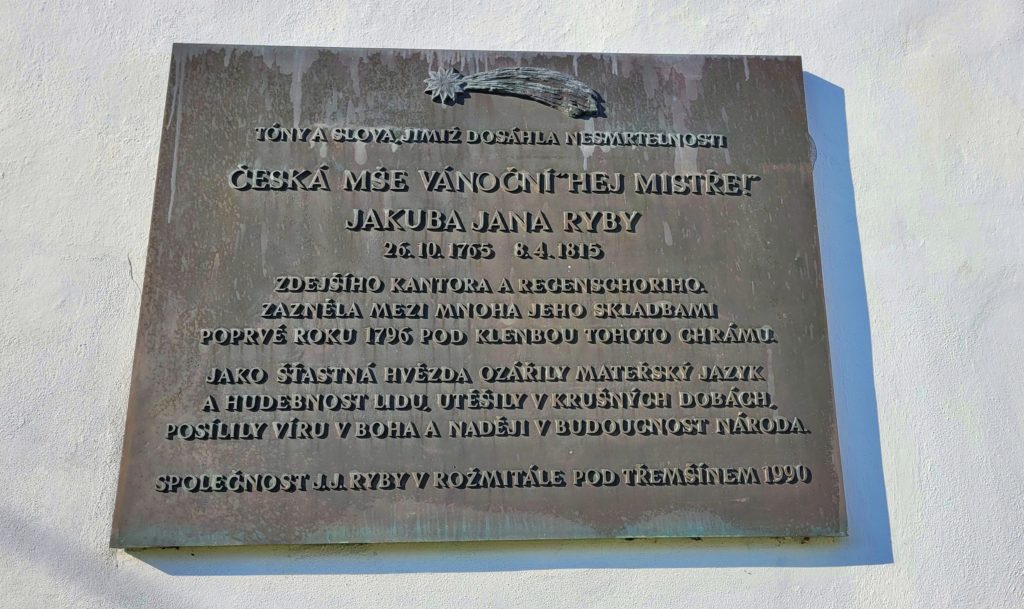
However, he did not have it easy here. He worked as a teacher, spoke three languages and composed music. He made sure that children went to school often, diligently and happily. He introduced many innovations at school. However, because of this, he had disputes with the parents of his pupils. He wrote his texts in Czech, so that even the common people could understand it. Because of all this, he suffered from depression, exhaustion and also suffered from hemorrhoids. Therefore, he decided to end his life by committing suicide by cutting his carotid arteries with a razor. As a suicide, he could not be buried in the cemetery, so his final resting place was the plague cemetery, northwest of Starý Rožmitál. Only later, at the instigation of his son, were his remains transferred to the cemetery at the Church of the Exaltation of the Holy Cross. His grave is one of the most visited graves here in the cemetery.
CASTLE
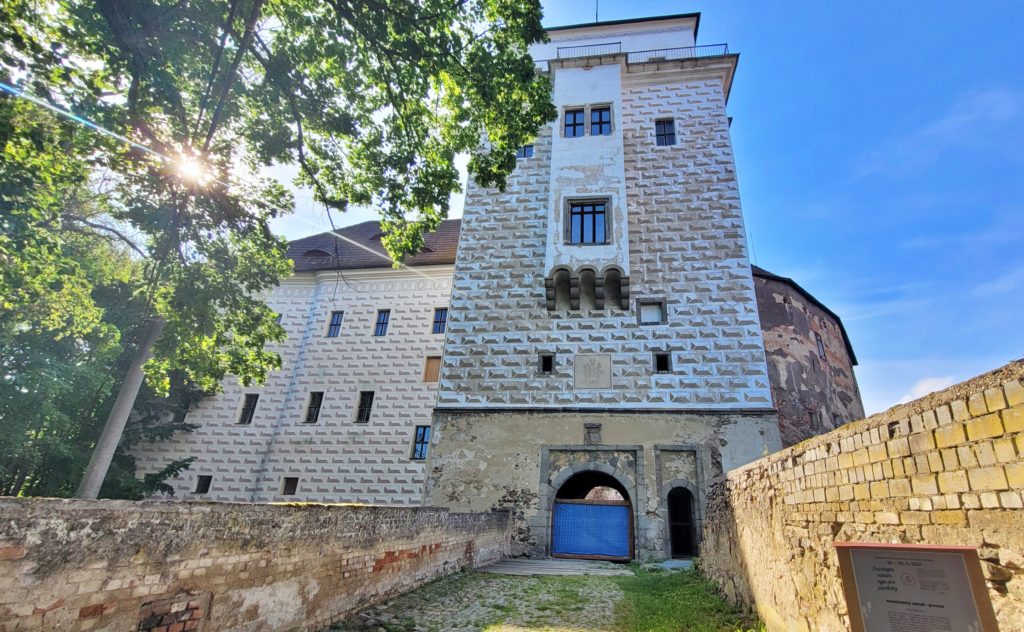
The most valuable monument of the city could easily be the castle, but it is in a dilapidated state.
CHURCH OF SAINT JOHN OF NEPOMUCK
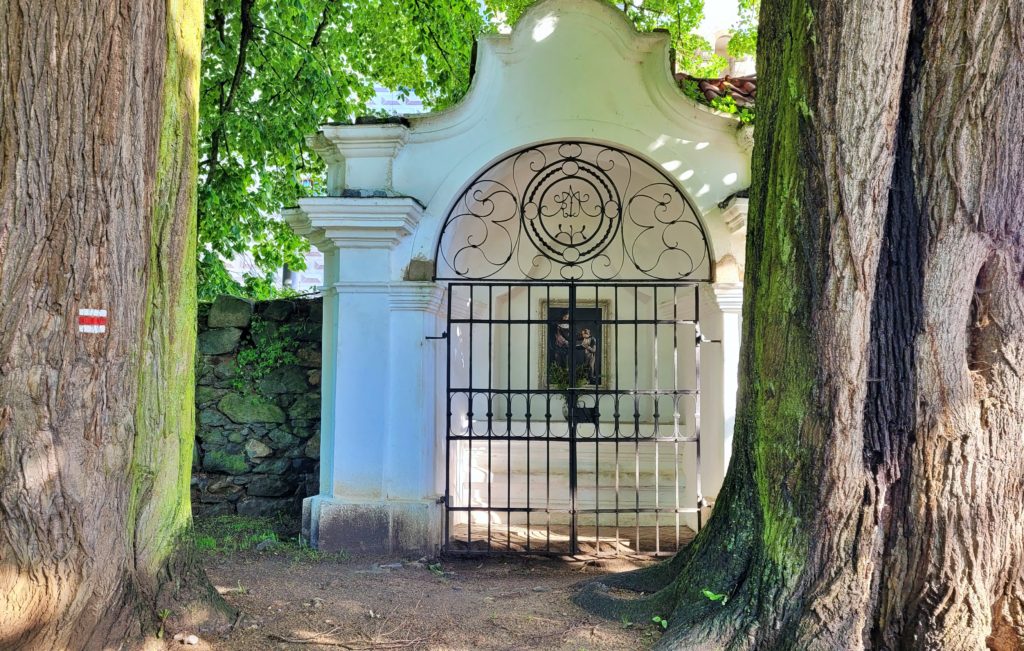
In the city center there are Baroque houses and you will also find the Church of St. John of Nepomuk from the 13th century. In the corridor to the choir of this branch church, a cast iron plate with one of Ryba’s mottos has been preserved: “To be better, observe your actions daily and examine them.”
CHURCH OF THE EXALTATION OF THE HOLY CROSS
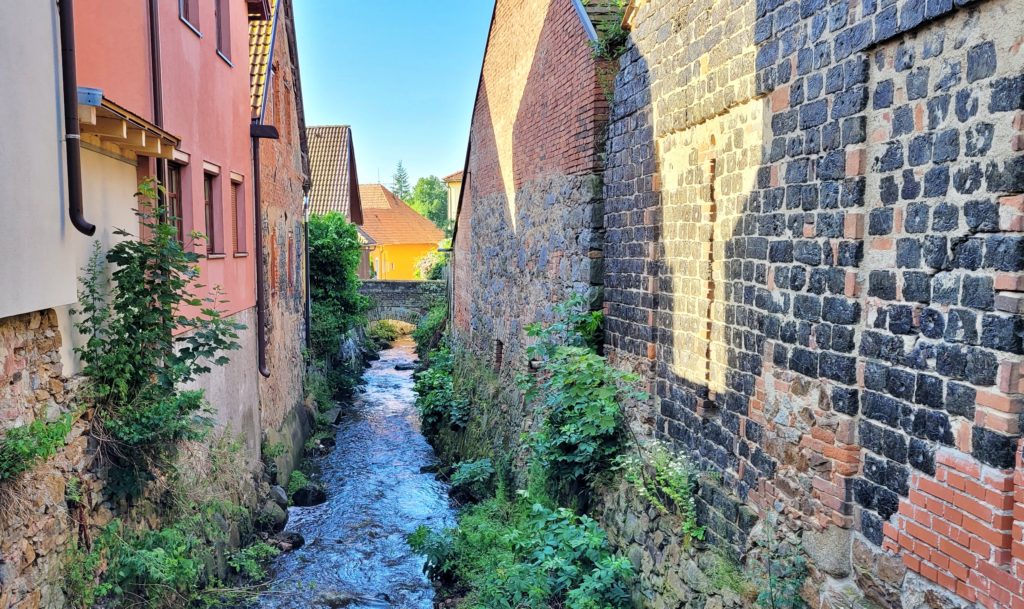
The church is built in the shape of a cross. The greatest jewel of the church is the historic organ, sometimes also called Rybovy. He played it and it was here that he first introduced the famous Czech Christmas Mass. The composer’s grave is located in the nearby cemetery.
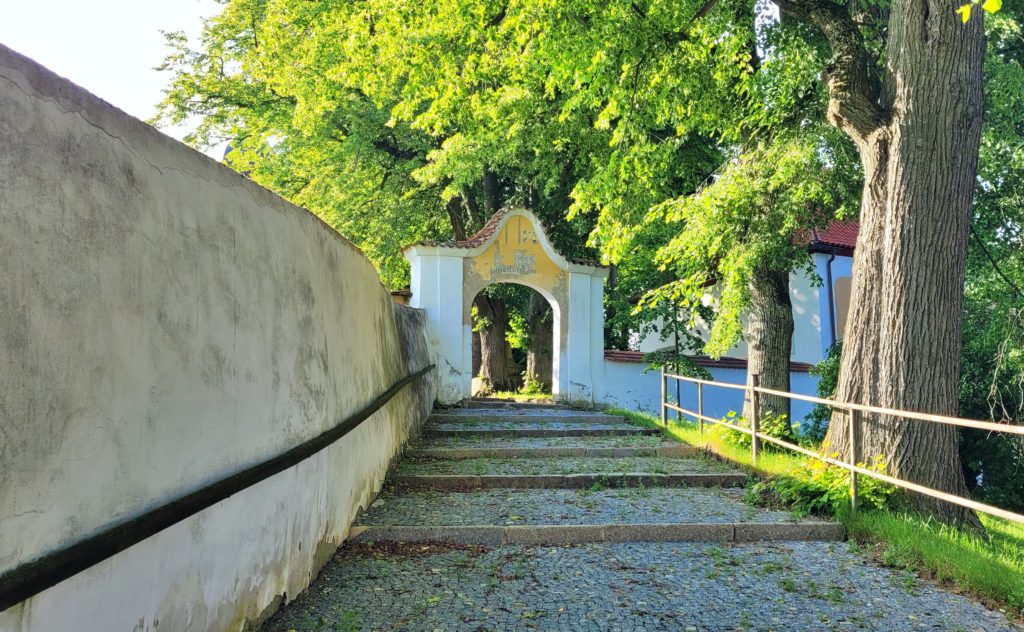
CLOTHING MUSEUM
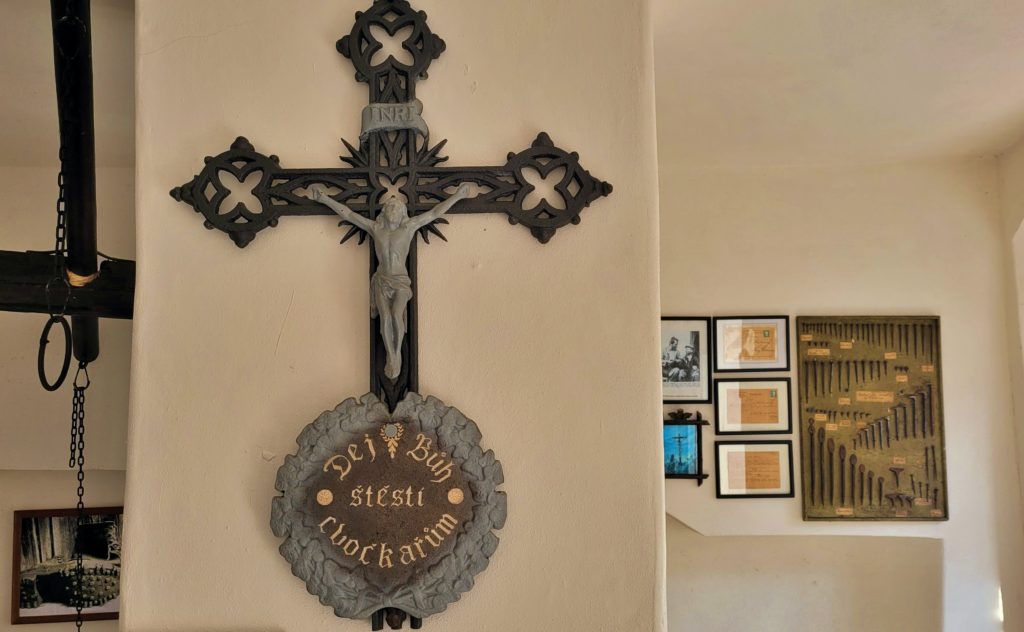
No, don’t worry! This is not a museum of crazy people, but on the contrary, it is a museum dedicated to the craft of tinkering. Although tinkering has long ceased to exist, it would be a great shame if it fell into oblivion.
🚸ROUTE: ROŽMITÁL POD TŘEMŠÍNEM AND KASEJOVICE (Long: 24 km)
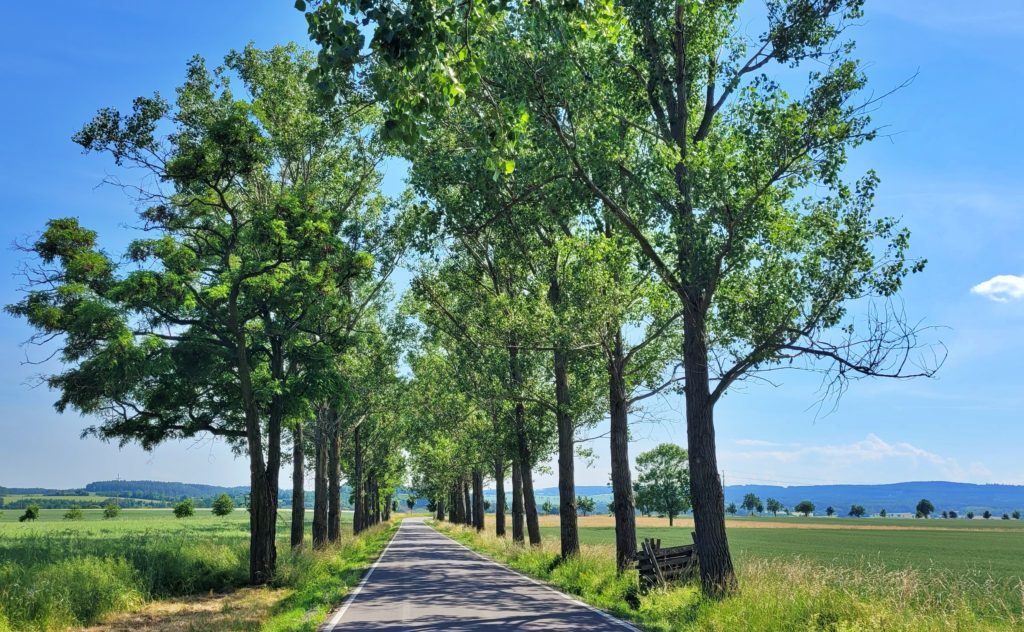
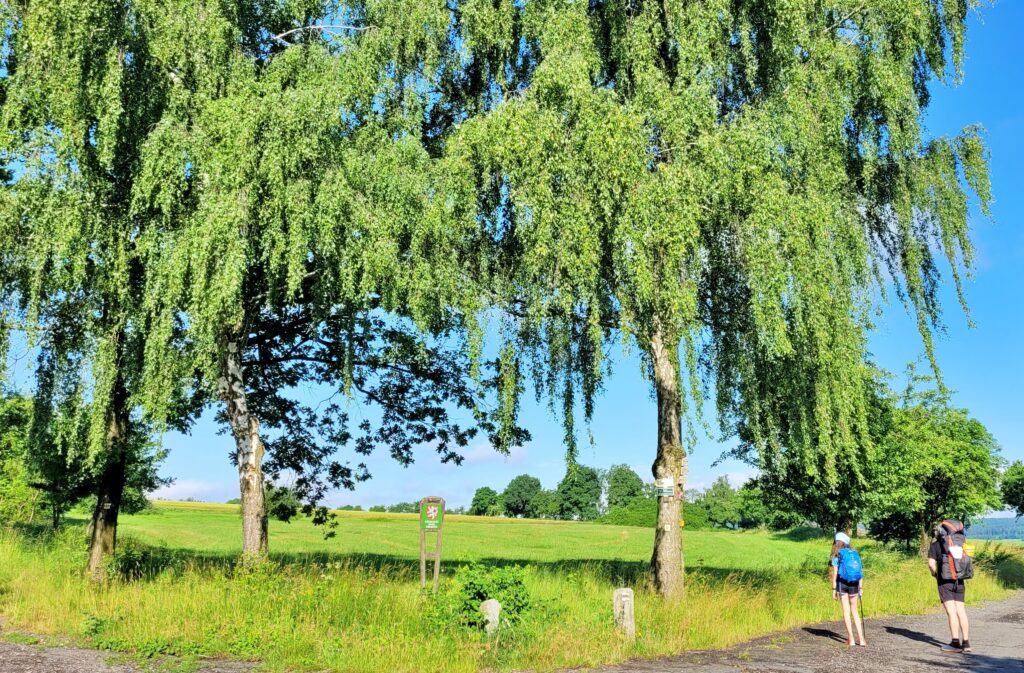
From the picturesque Rožmitál, you can follow the red trail uphill to Třemšín. Třemšín is the highest peak in the southern Brdy Mountains.
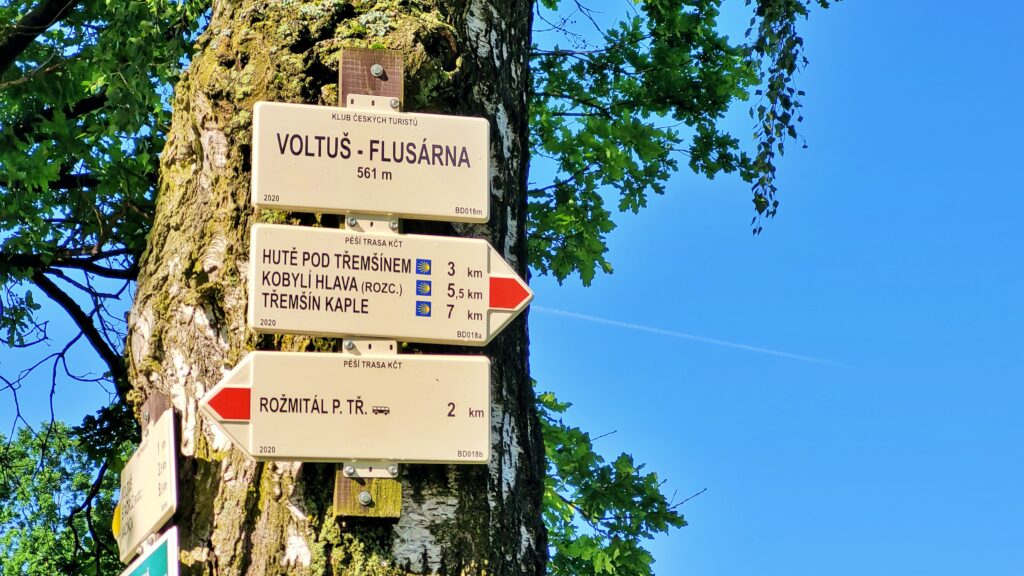
TŘEMŠÍN SHED
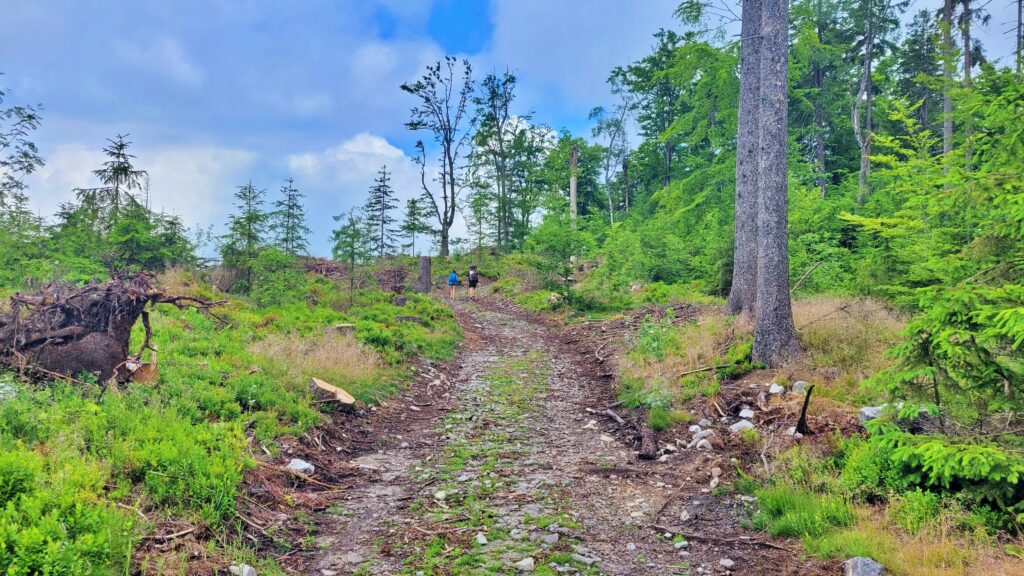
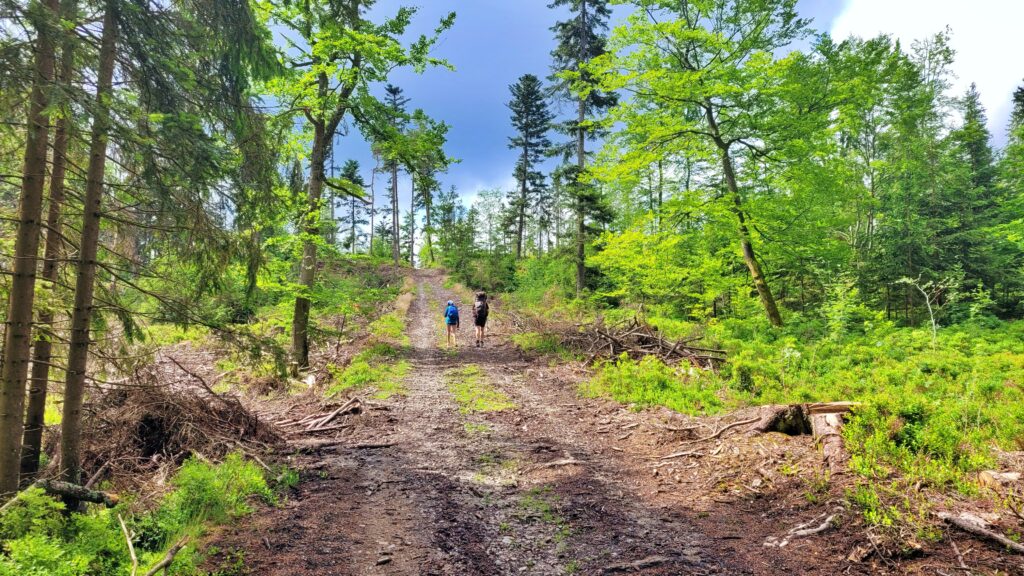
The journey to Třemšín seemed endless. I kept telling myself: “You can do it! You’ll see, the girl will be worth it!” And it was worth it. 🙂
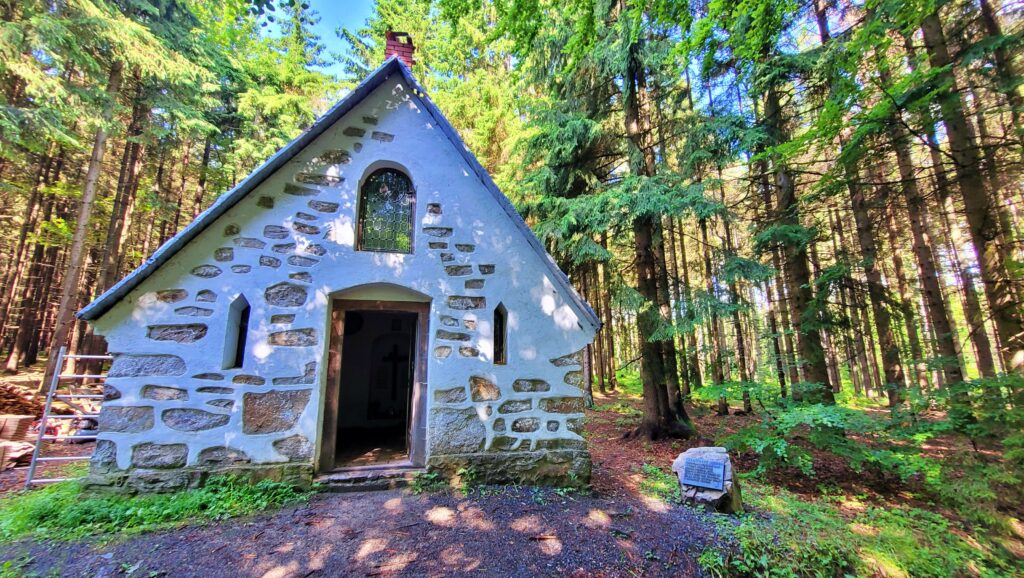
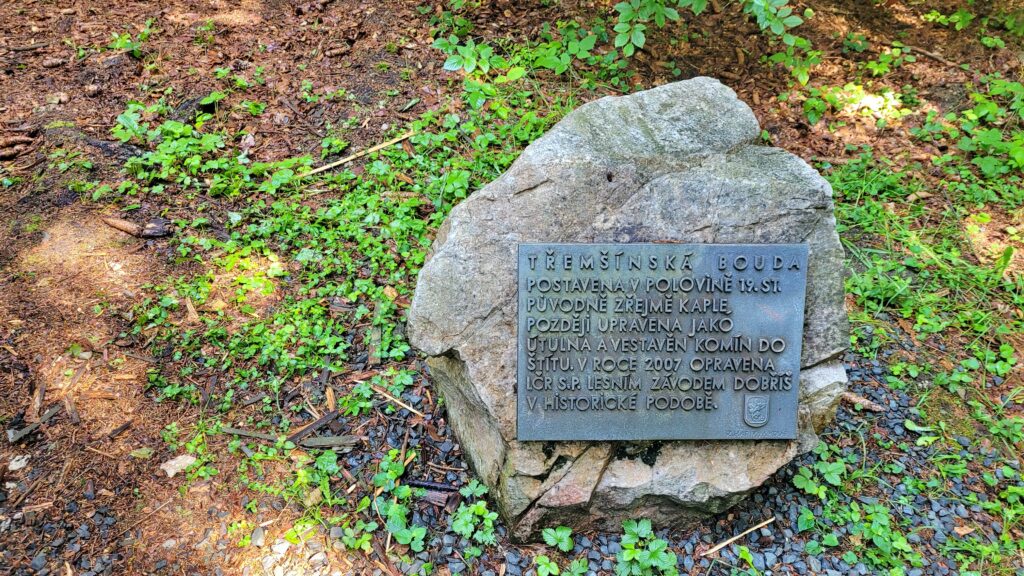
CHAPEL ON TŘEMŠÍNA
The Chapel of the Transfiguration of the Lord Christ in Třemšín supposedly stands above a filled-in well. It was built by the forester of Rožmitál at the time.
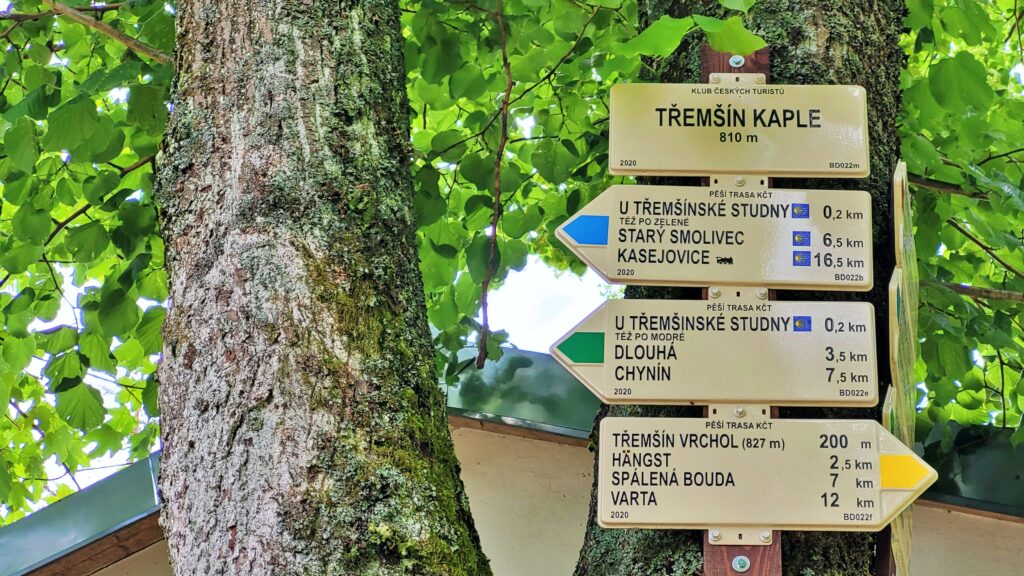
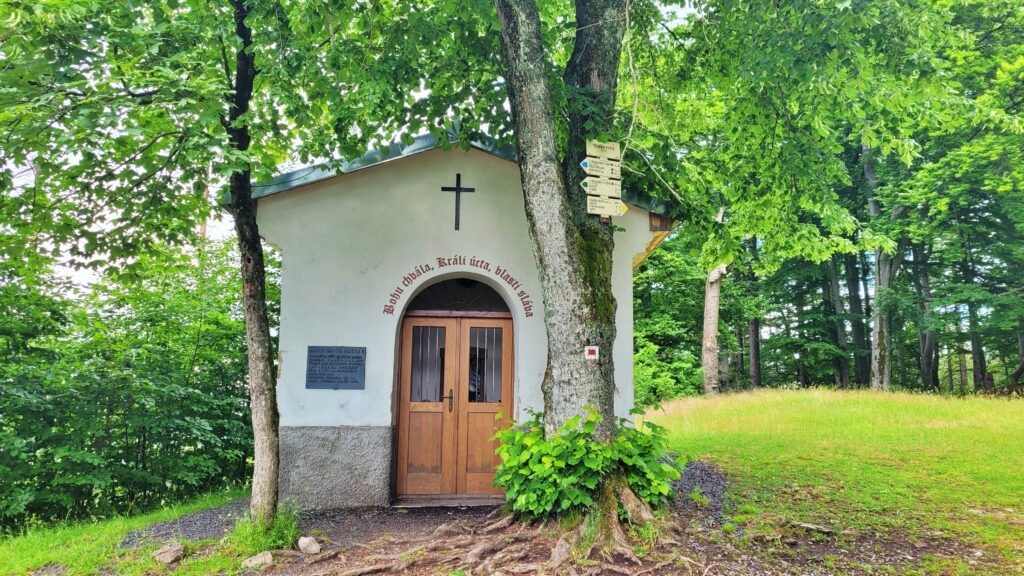
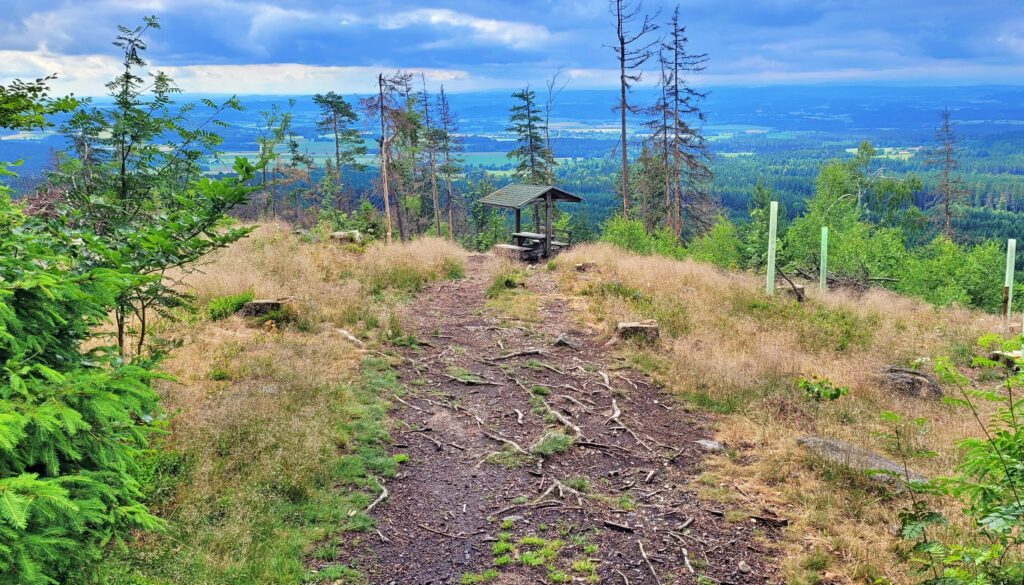
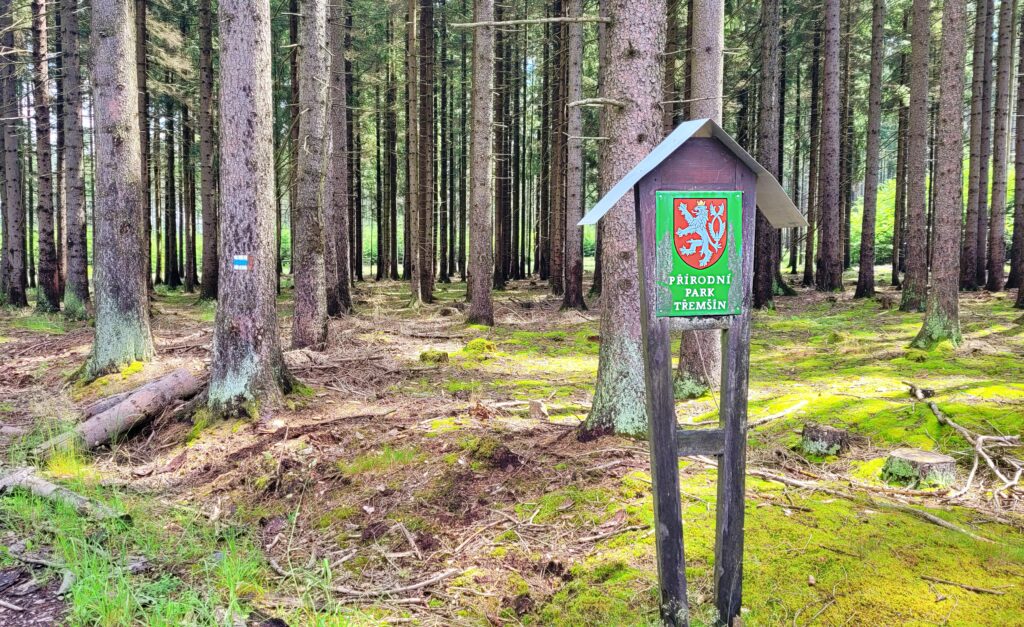
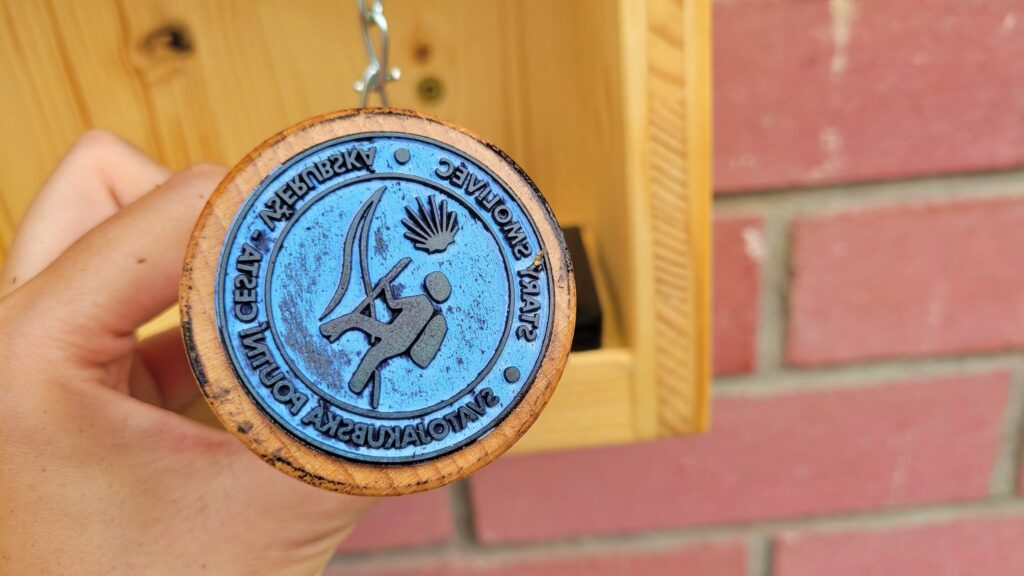
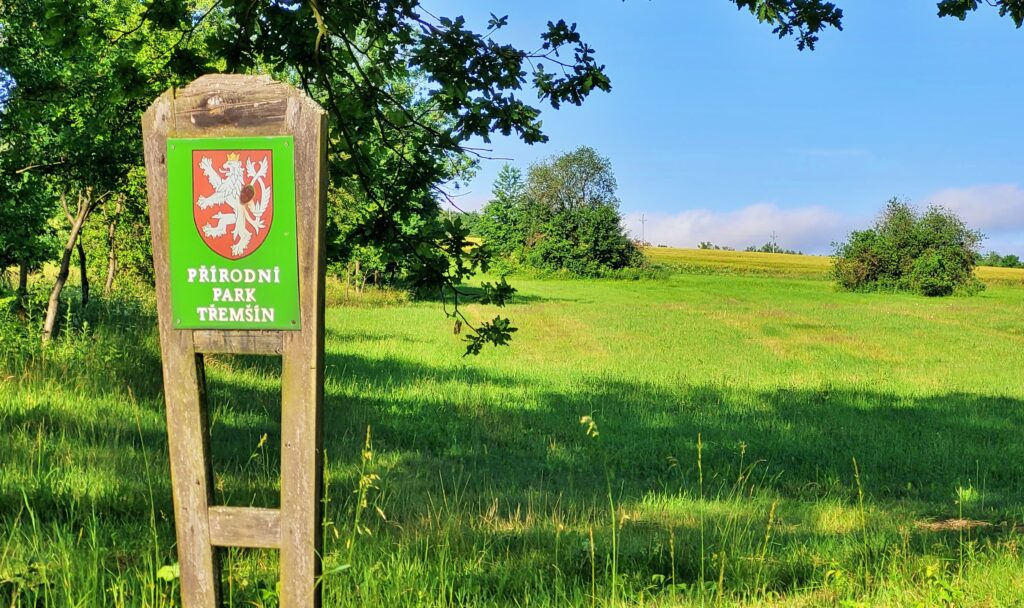
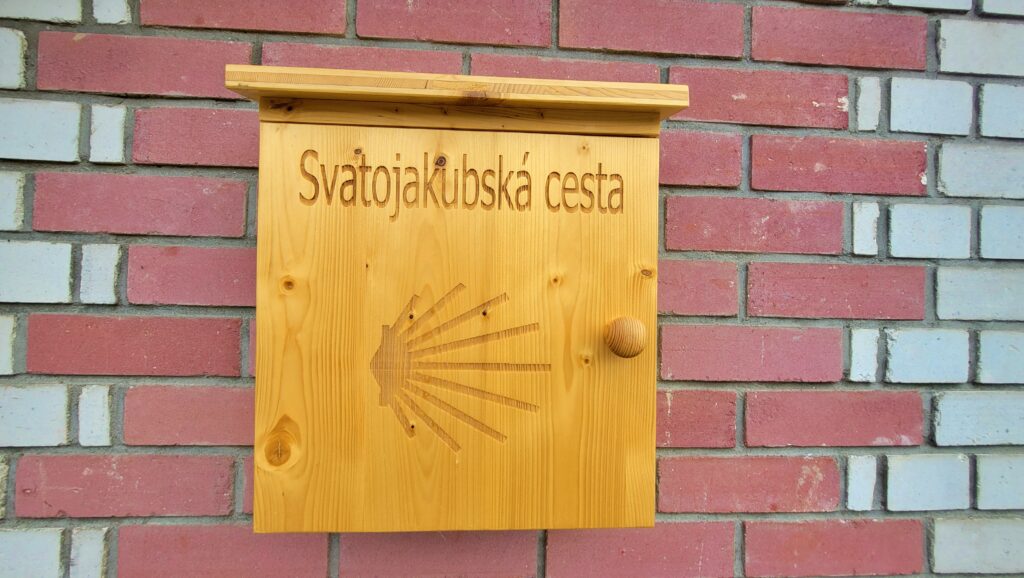
From the forest of the Třemšín Nature Park, a path leads pilgrims to the resort village of Starý Smolivec.
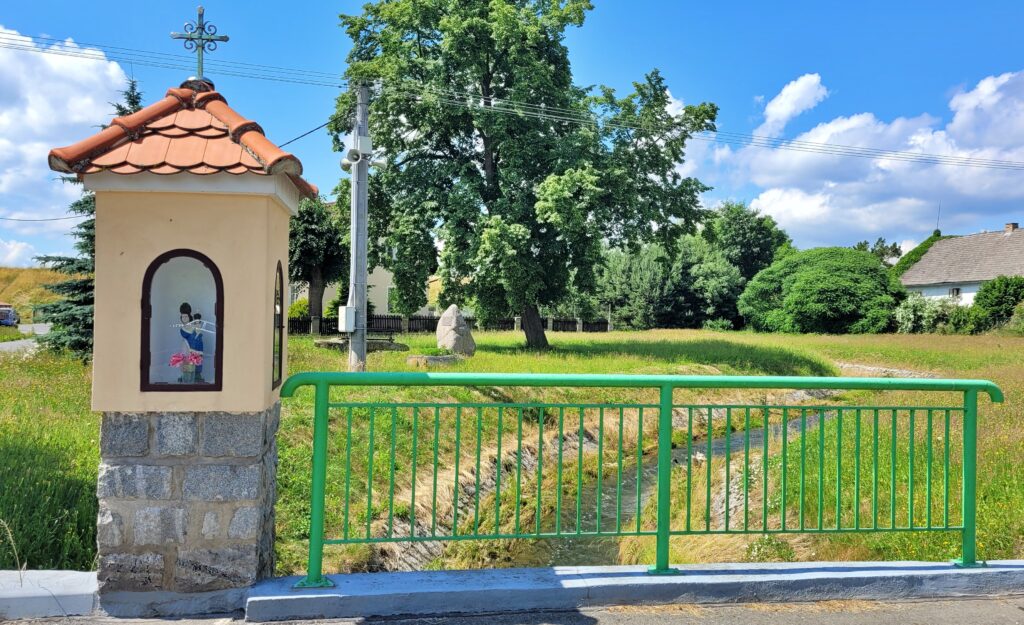
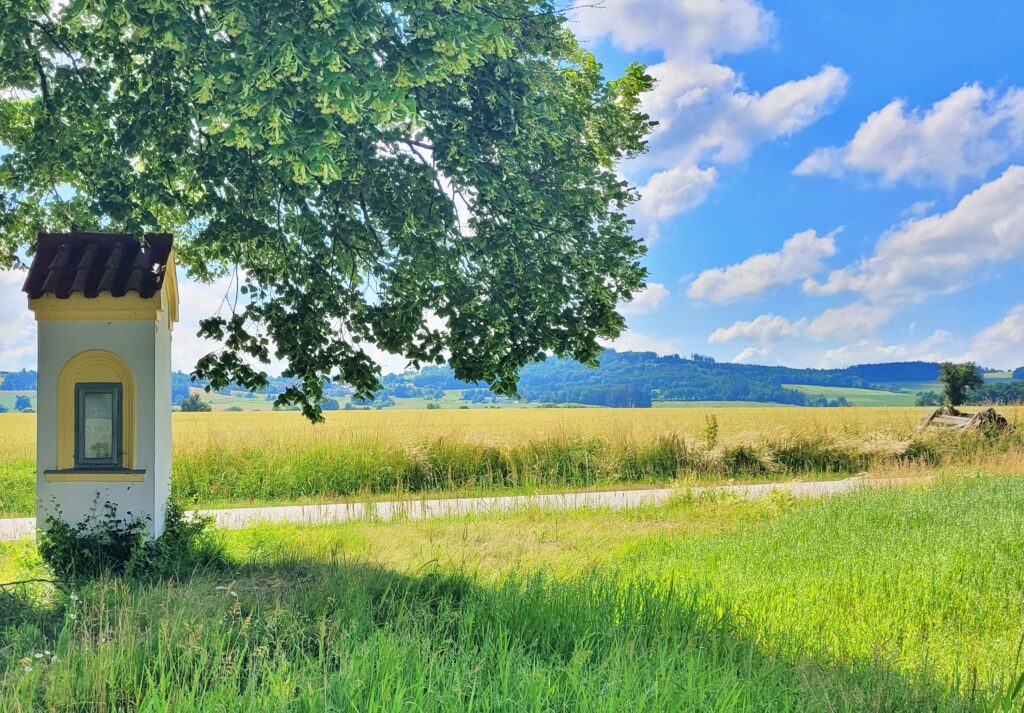
The road also leads through the tiny village of Újezd u Kasejovice.
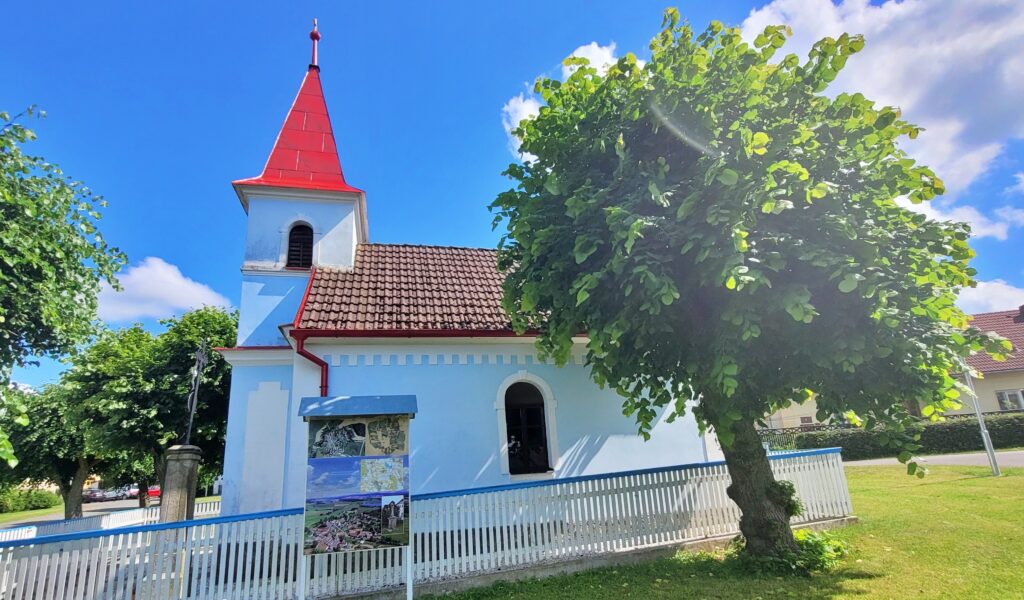
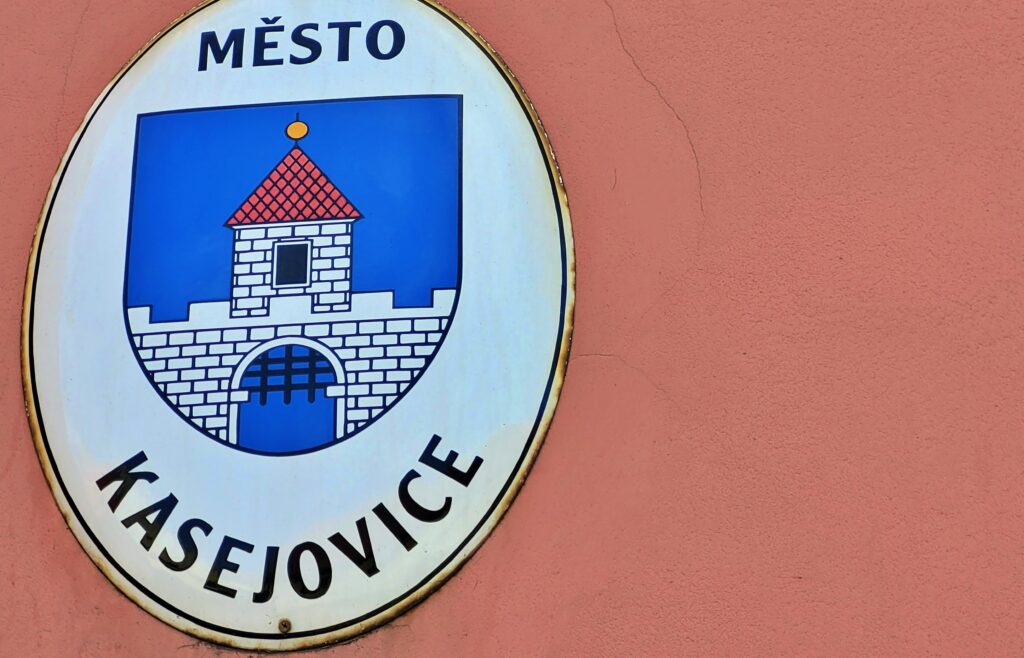
KASEJOVICE
Kasejovice is known primarily for the fact that gold was mined here for several centuries. And if you have the time and the mood, take a trip to Kasojovický gold. There is an educational trail that runs through the town.
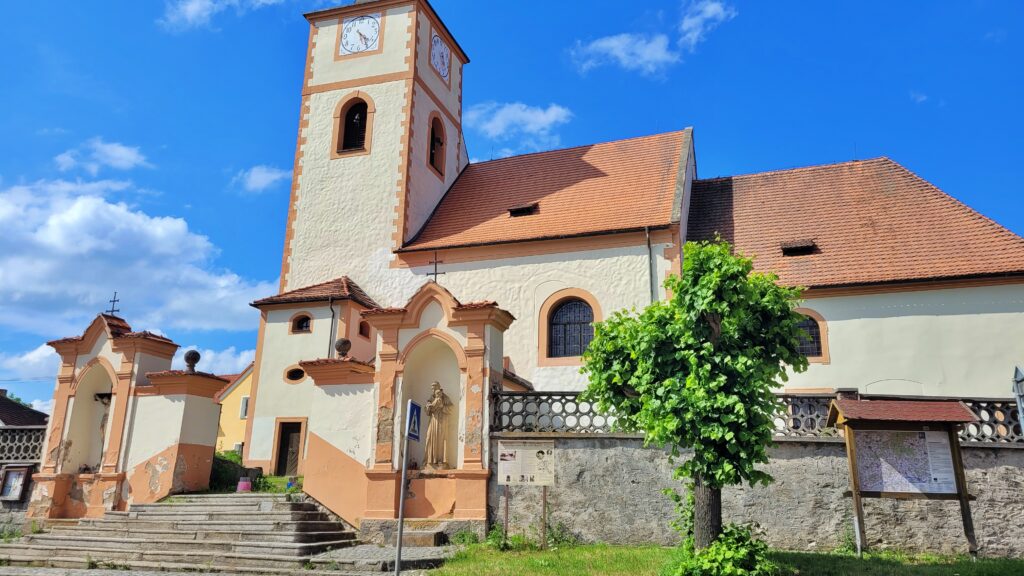
CHURCH OF ST. JAMES
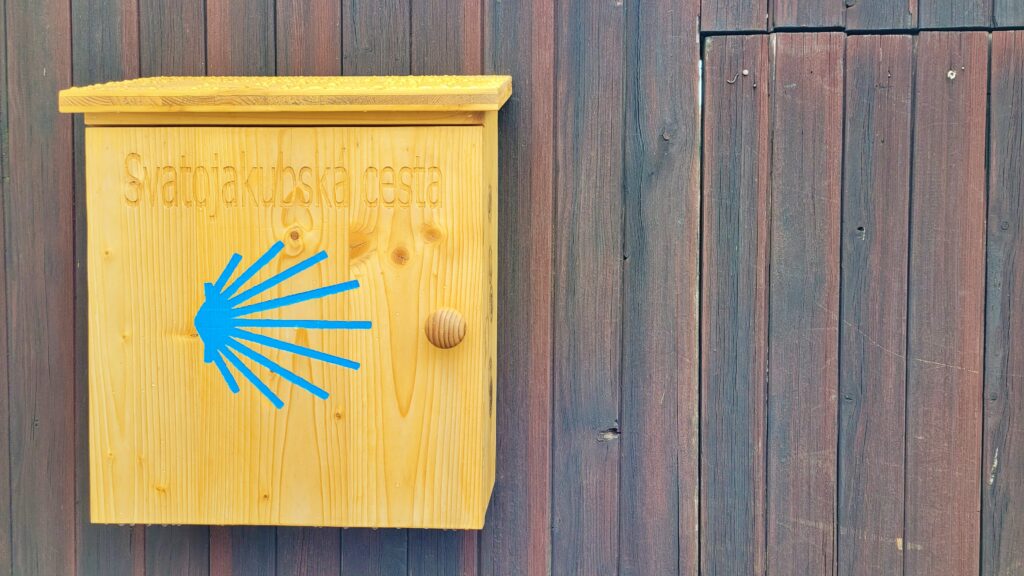
However, your goal in the city will not be gold, but the Kasejovicky Church, which is dedicated to St. James. And it is here that you will put another stamp in your pilgrimage book.
📍NATURAL TRAIL – JOURNEY TO KASEJOVCE GOLD
This project was created with the support of the Pilsen Region and the city of Kasejovice. The route is approximately 6 km long and will take you through the town from the railway station to the now defunct St. James mine. Anyone who wants to learn something about the town’s history, as if transported back in time to times long gone by, when stagecoaches drove along the imperial road, shoemakers sat on the verpánku and neighbors chatted in the evenings in one of the many local inns, can set off to explore at fifteen educational stops.
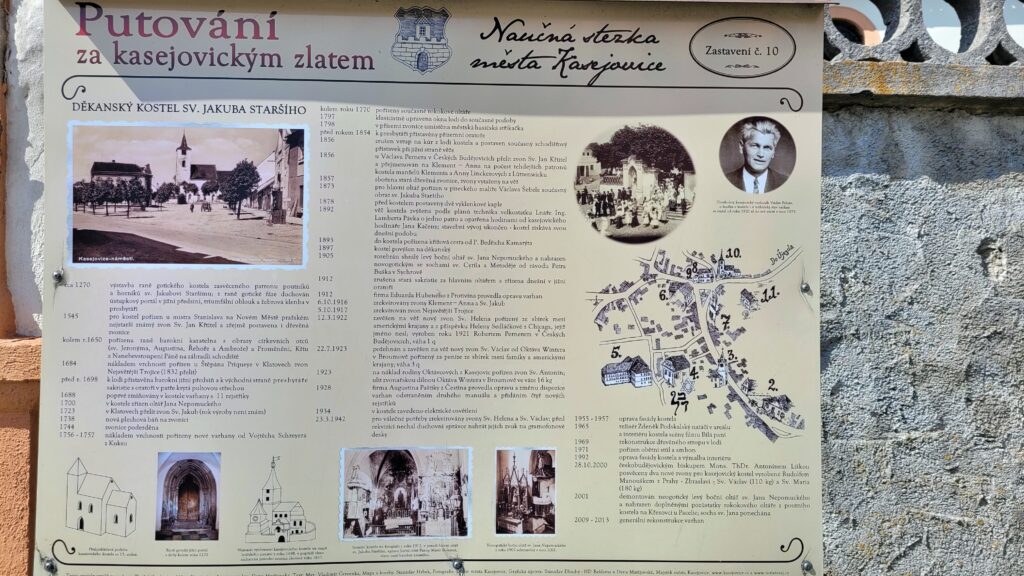
ROUTE: KASEJOVICE – NEPOMUK (Long: 16 km)
From Kasejovice you can take a leisurely walk to the birthplace of St. John of Nepomuk. Along the way you will come across many benches, so you can relax in peace and quiet.
ROUTE: NEPOMUK – PLÁNICE (Long: 17 km)
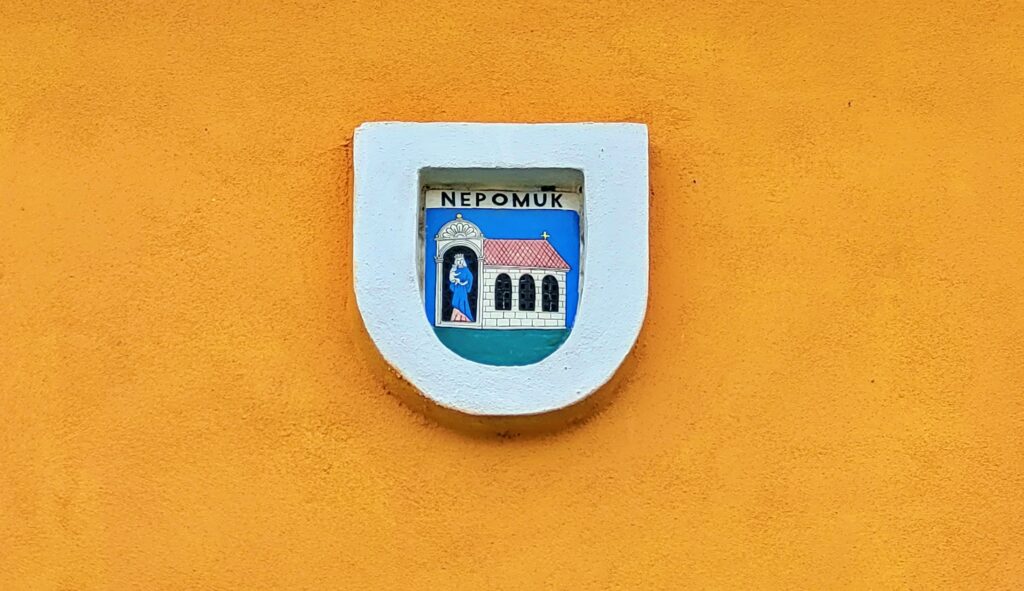
The town of Nepomuk is truly beautifully picturesque and peaceful. History breathes on you at every step. The Nepomuk nature trail runs through the town, which will take you through important historical houses. There are many legends about the name of the town, and I personally probably like the interpretation that the name of the town is derived from “pomukávání” (talking), which the monks used to talk to each other while working, during which they were not allowed to talk unnecessarily according to their rule. 🙂
In the town you will find the Piarist College and the birthplace of the academic painter Augustin Němec, the author of the curtain in the J. K. Tyl Theatre in Pilsen. He also captured his native region in many of his paintings. The house houses a permanent exhibition.
The town of Nepomuk is associated with the name of the famous composer Jakub Jan Ryba. His father worked as a teacher in Nepomuk, so he also spent part of his youth here and taught here for a short time.
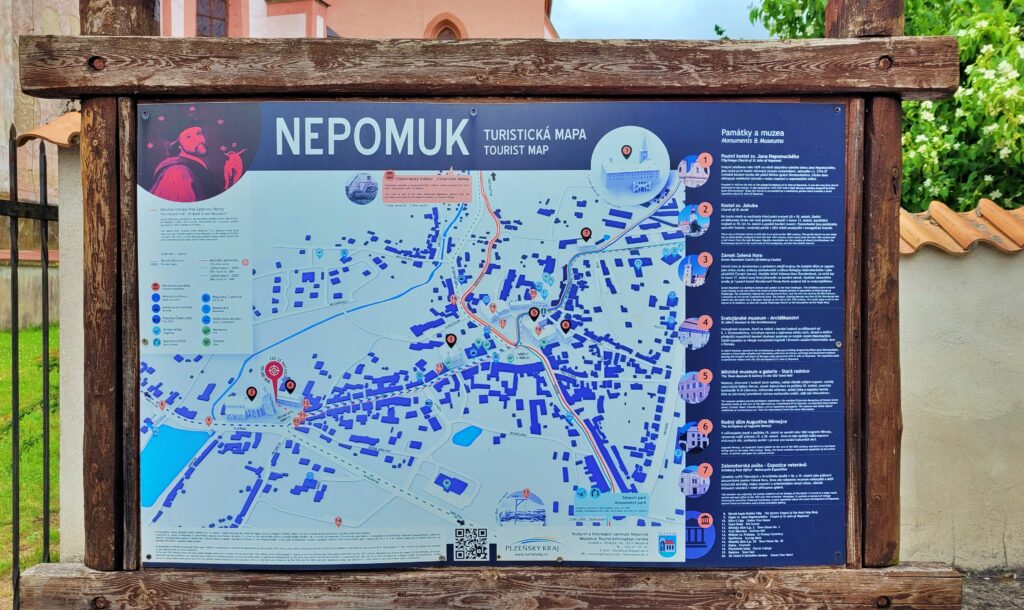
CHURCH OF SAINT JOHN OF NEPOMUCK
This church is special because, according to legend, the birthplace of John of Nepomuk used to stand here. You will also find a nice exhibition dedicated to this saint. St. John of Nepomuk was an important historical figure and a spiritual legacy was created around him, which soon spread throughout the world. And believe me, the atmosphere of this place will quickly get you.
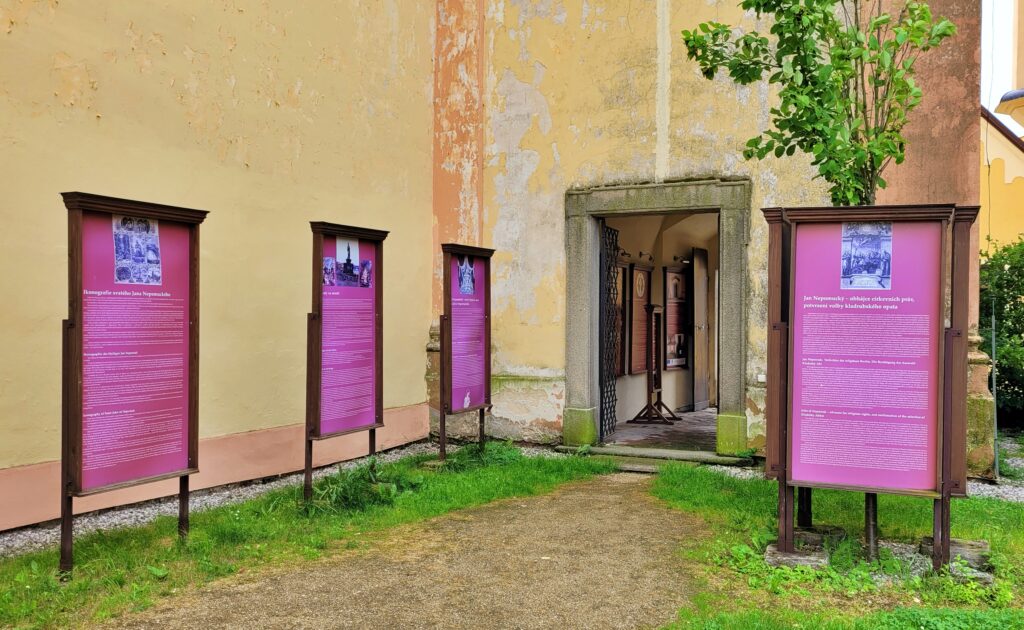
SAINT JOHANNES MUSEUM
This museum, located on the ground floor of the Nepomuk Archdeaconry, is also dedicated to St. John of Nepomuk. It was founded by Archdeacon P. Jan Strnad. The museum was intended not only to encourage and delight pilgrims and devotees of St. John, but also to provide instruction for all who wish to continue their studies of the history of St. John. It was open until 1950, when it was closed by the communist regime.
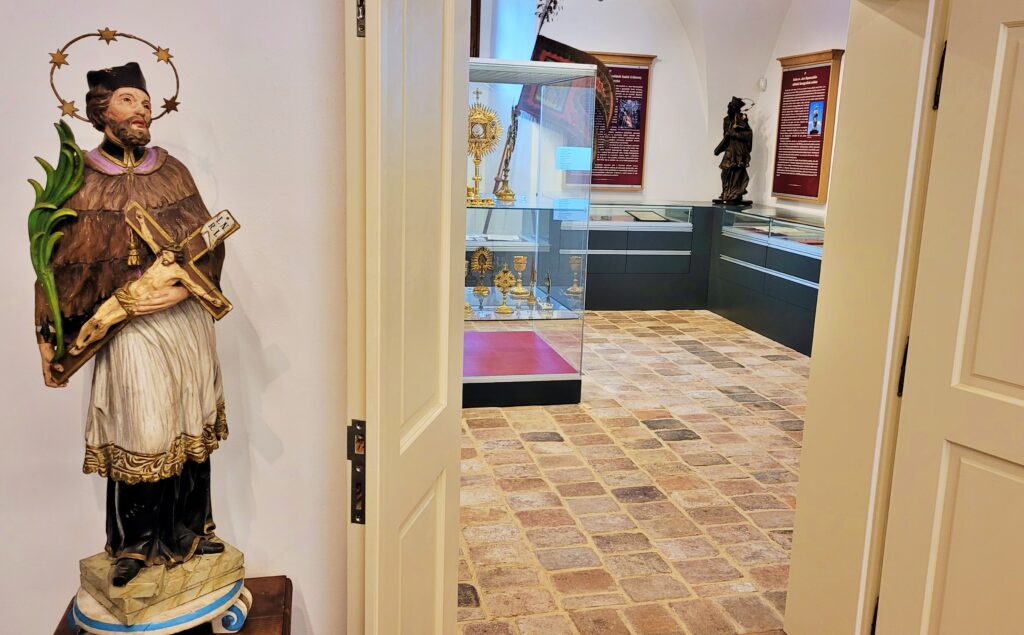
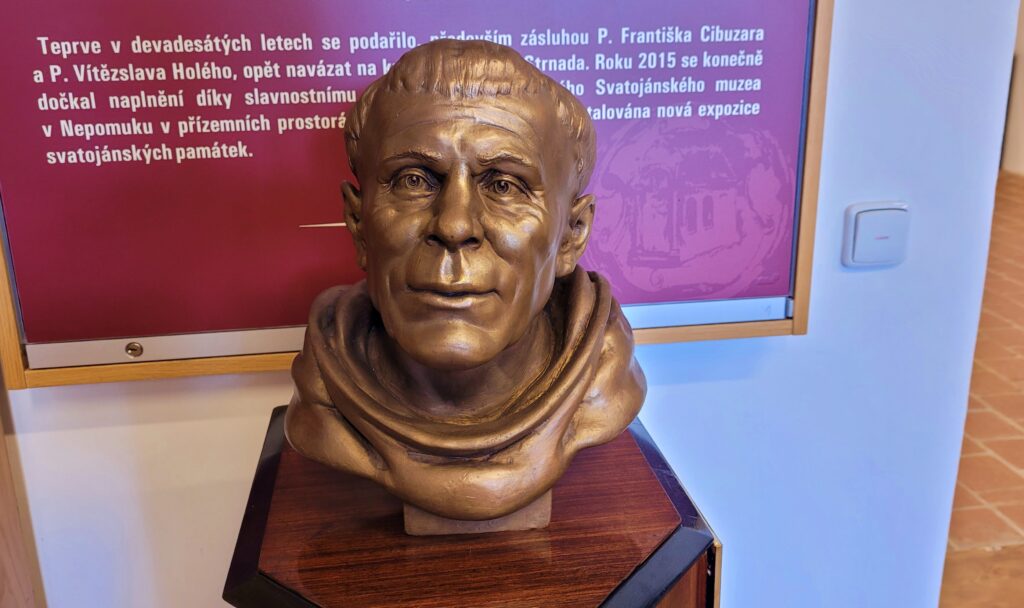
In the St. John’s Museum you can find a replica of the skull, lower jaw, skeleton, shoulder blades and most importantly his tongue.
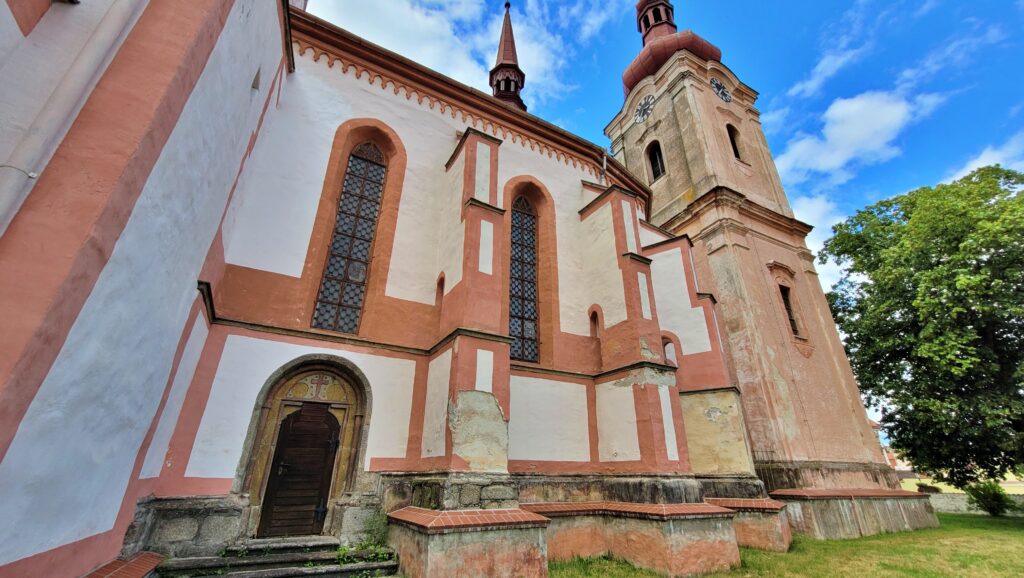
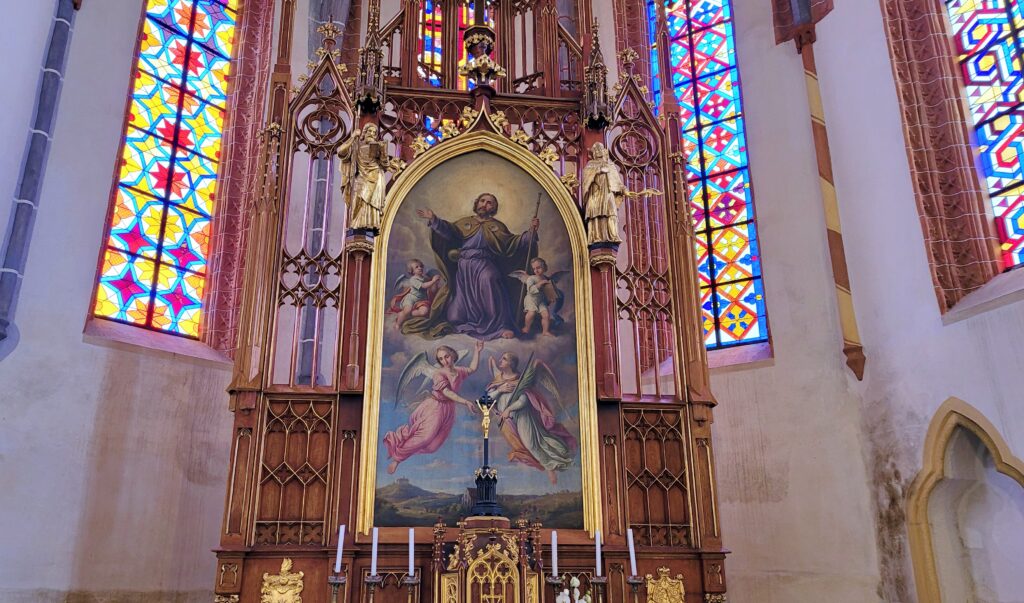
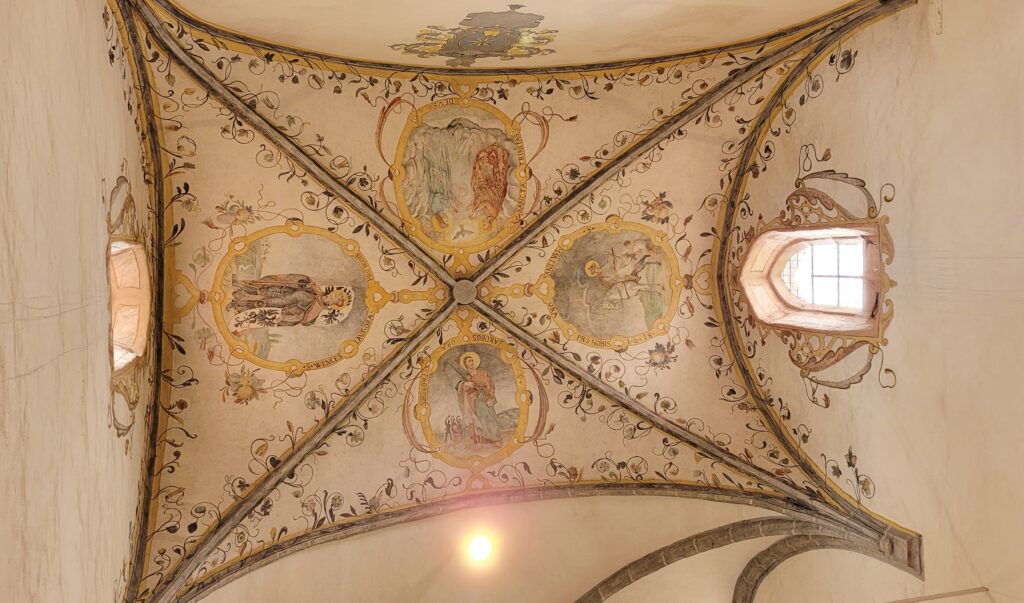
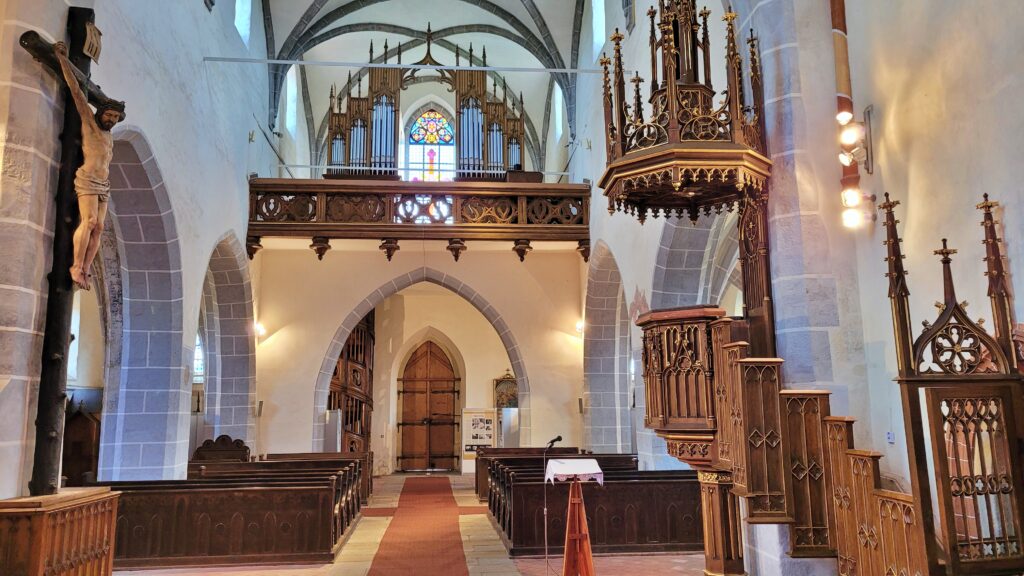
CHURCH OF SAINT JAMES THE GREAT
This little church is very nice and can be visited upon request during the opening hours of the St. John’s Museum. I was lucky enough to be there alone and had a private tour. A very kind lady showed me around and it was a very pleasant meeting.
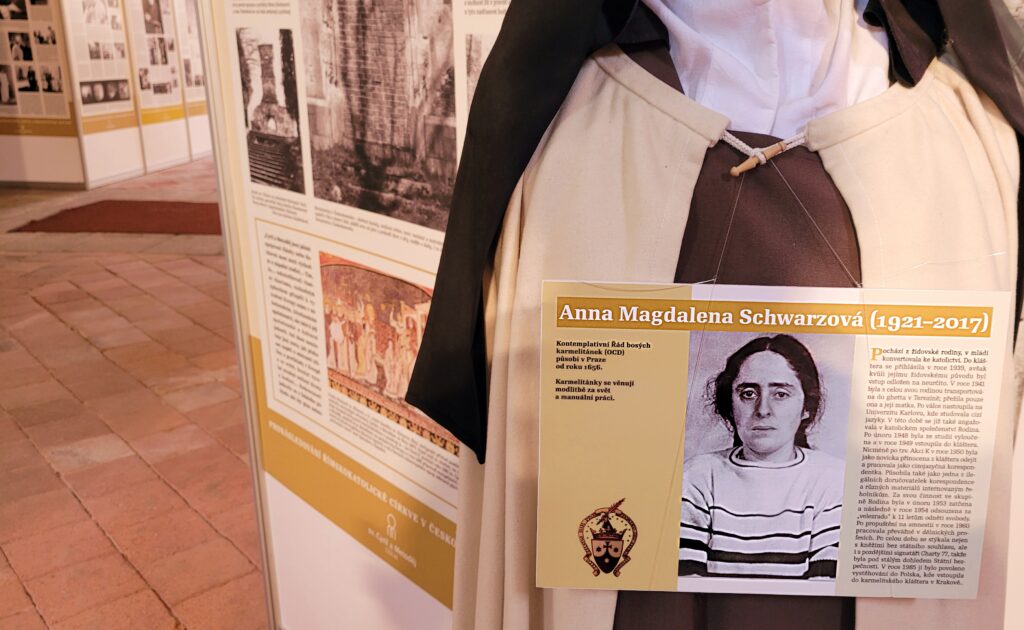
The church houses an exhibition dedicated to the communist Action K and Action Ř. You will learn about the life of priests and nuns in prisons and labor camps. The communist regime primarily promised them “re-education”.
Trip to the village of Klášter
When you are in Nepomuk, I advise you to stay here for one more day and take a trip to the village of Klášter. From A. Němejce Square, you can take the nature trail around Zelená Hora.
ZELENOHORSKÁ POST
On the way you will come across the Zelenohorská post office building, which was rebuilt according to the plan of K.I. Dientzenhofer. Today it houses a veterans’ museum.
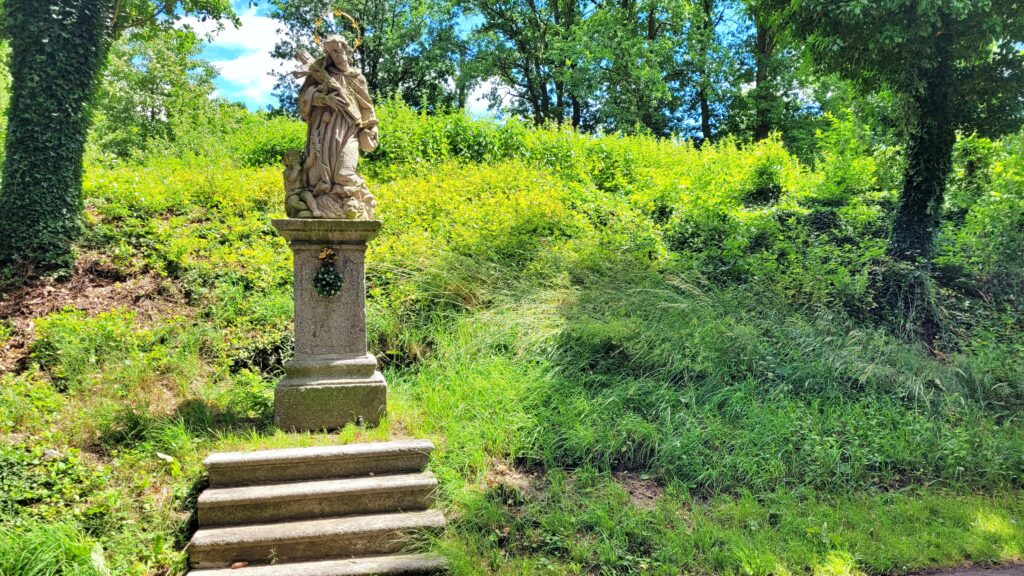
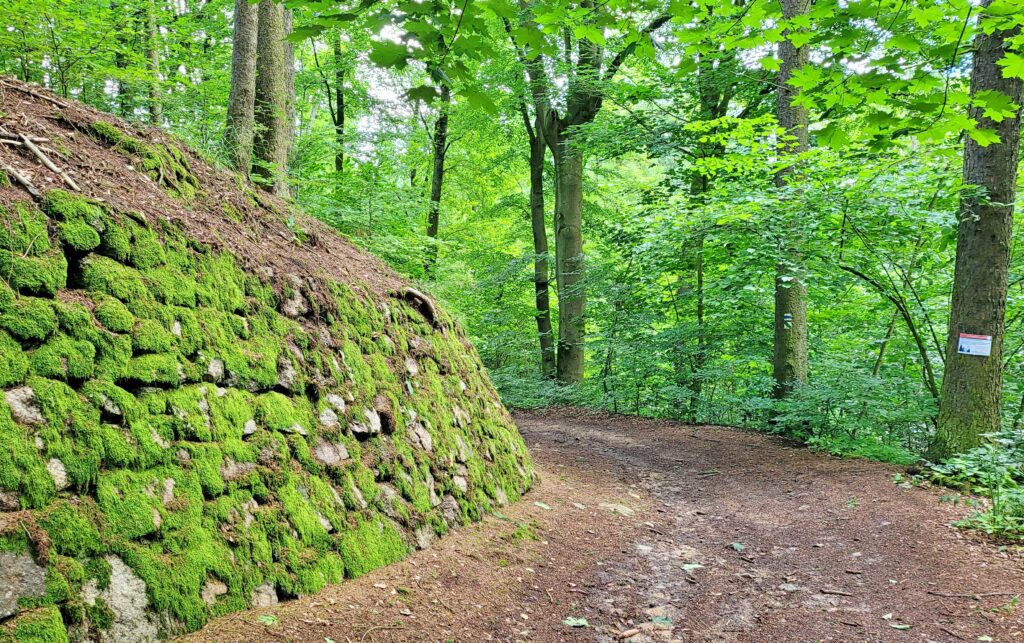
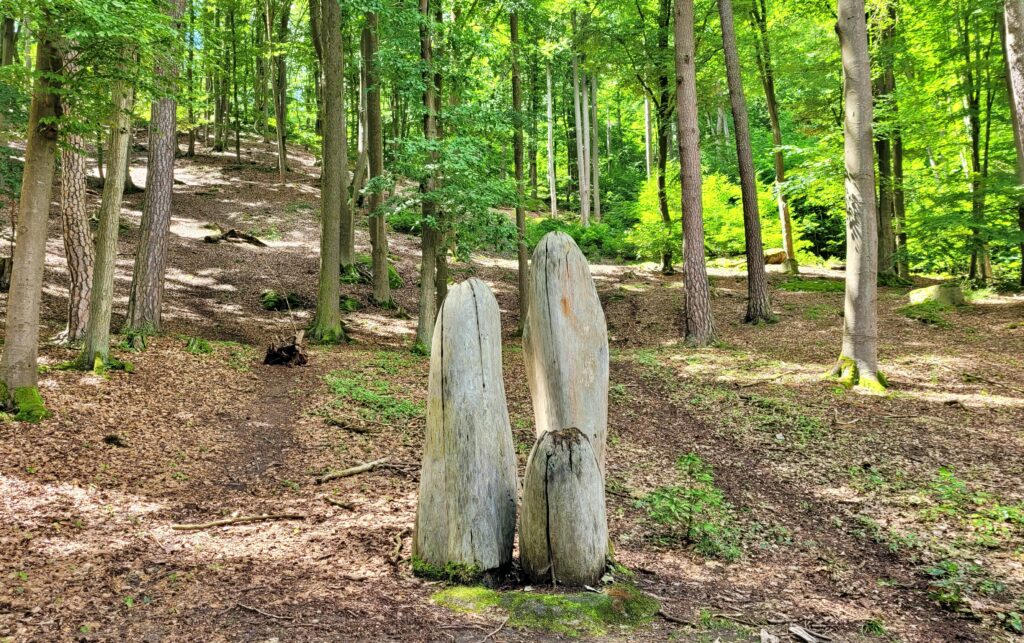
The road to Zelená Hora leads past the statue of St. John of Nepomuk to the crossroads, where there is an inn and a forge on Vyskočilka from the second half of the 16th century. The name of the inn is derived from the St. Adalbert legend, according to which two robbers jumped out of the woods on St. Adalbert. In the old days, the bailiffs of the Zelená Hora estate, aldermen and musketeers met here.
ZELENA HORA CASTLE
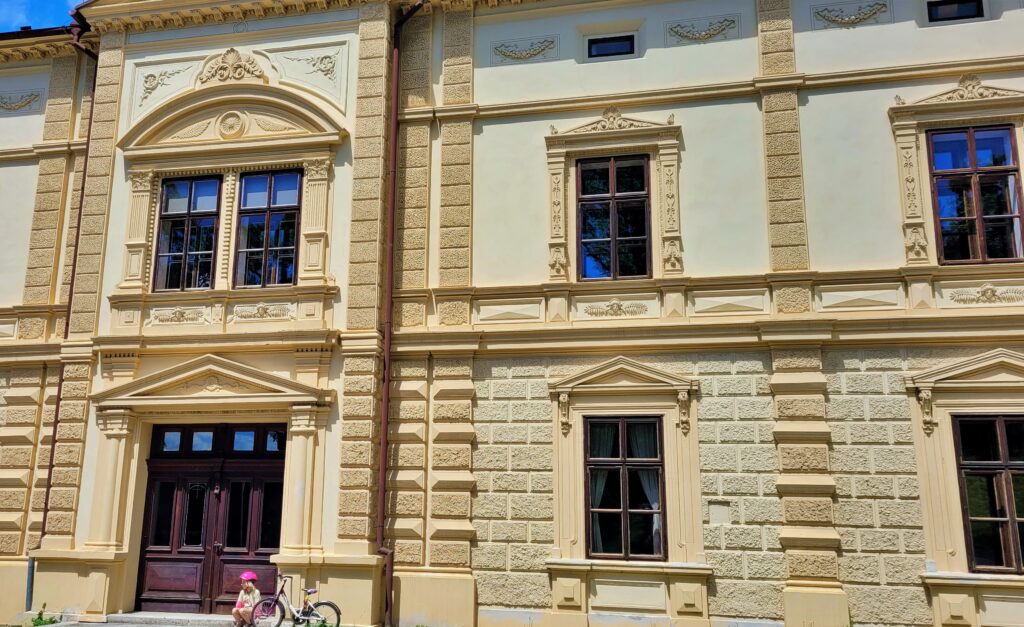
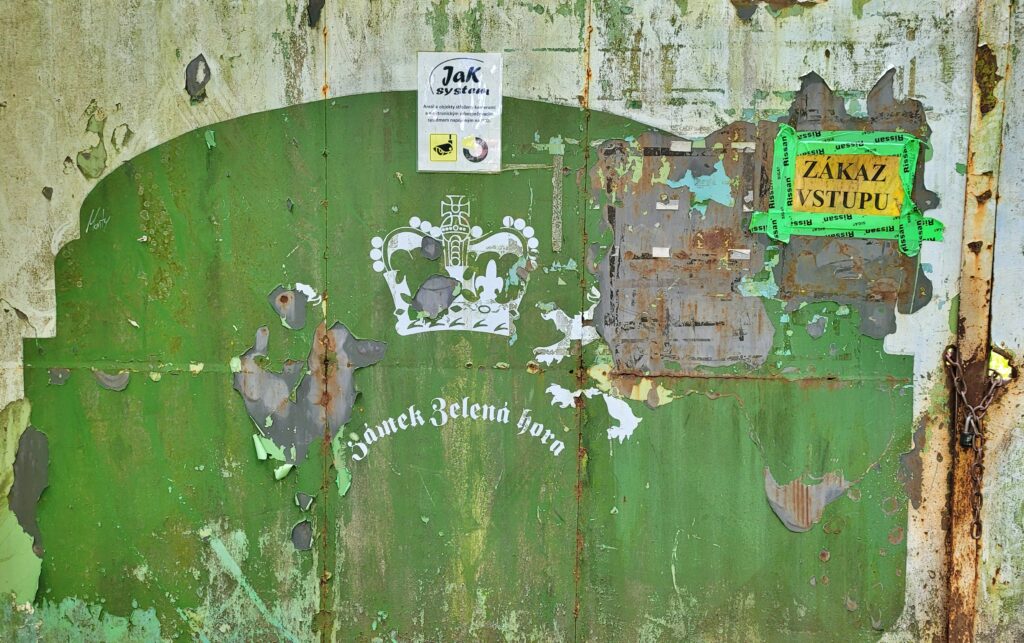
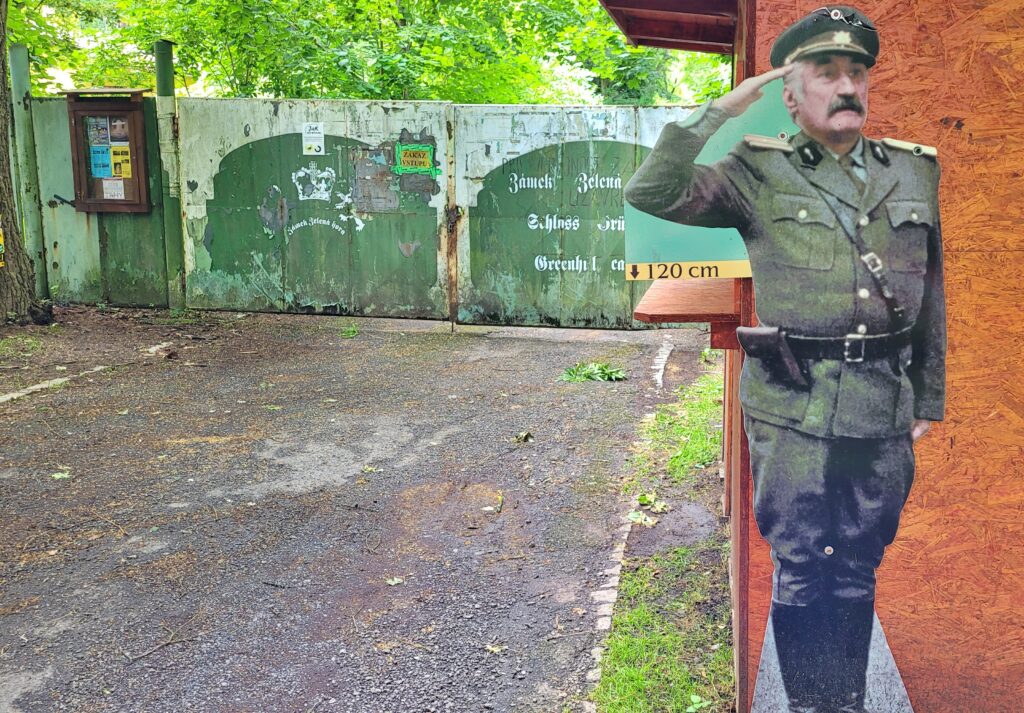
The Zelená Hora Castle is a dominant feature of Nepomuk at an altitude of 536 m above sea level. The castle became more widely known thanks to Miloslav Švandrlík’s novel “The Black Barons”, based on which a film of the same name was made, set in the events of the first half of the 1950s at the castle. The castle was owned by the state for 63 long years, during which it essentially just fell into disrepair. In addition, the castle was used by French filmmakers to film the film “Kateřina Kurážná” or the series “John Sinclair”. The castle is now owned by the municipality and is currently undergoing gradual reconstruction as part of the Ministry of Culture’s “Architectural Heritage Preservation” program.
From here, you will descend the forested slope of Zelená hora along the nature trail to the Monastery.
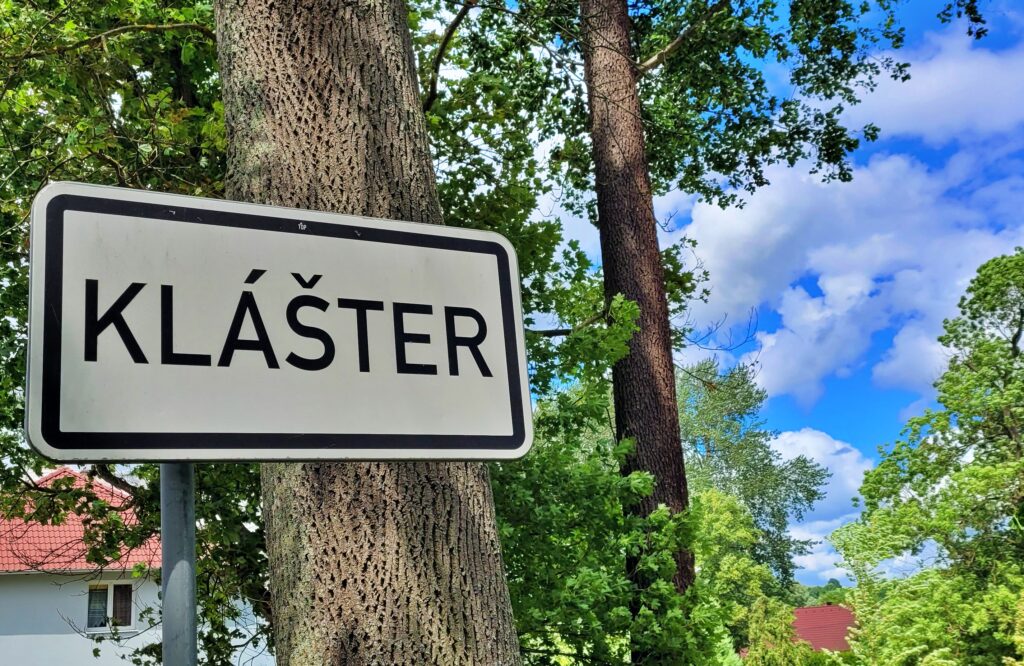
KLÁŠTER U NEPOMUKU
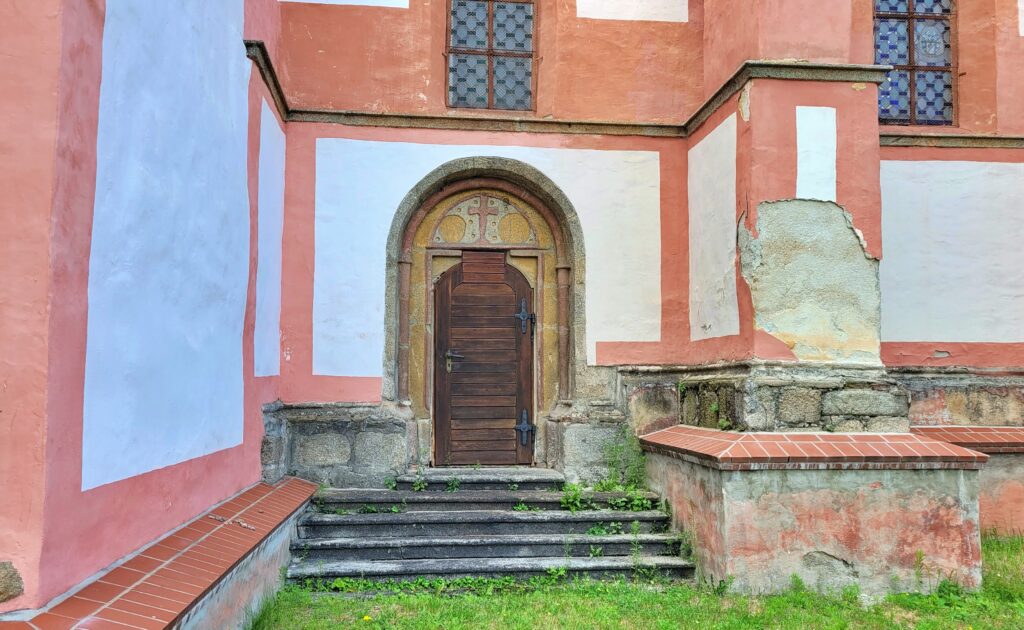
Near Nepomuk (about 2 km) is the village of Klášter, which is one of the oldest settlements in the Nepomuk region. A Cistercian monastery was founded here in the 12th century by monks from Erbrach.
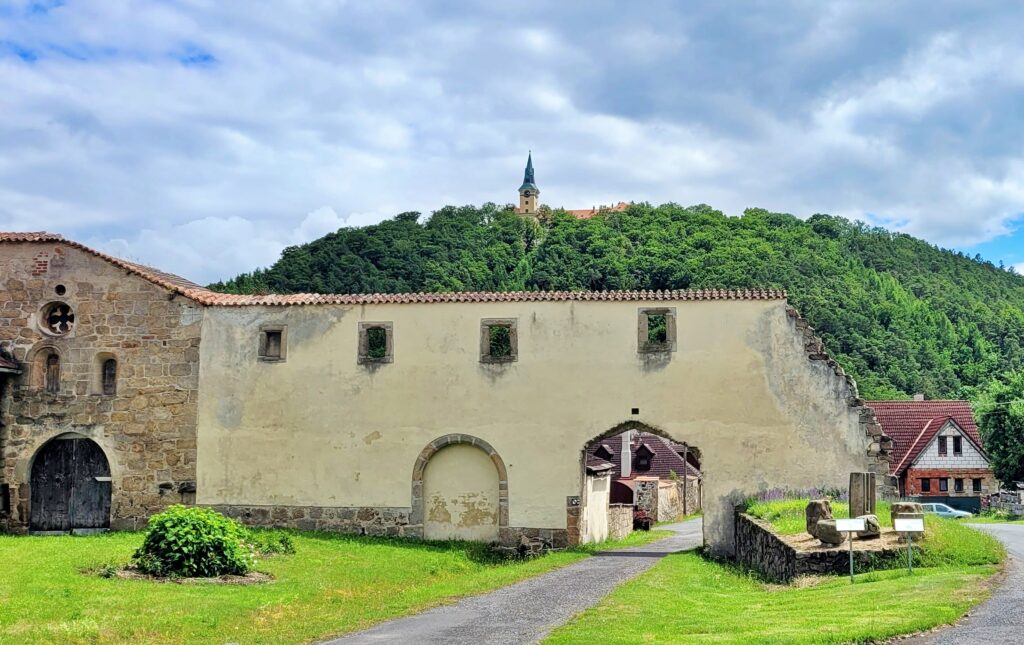
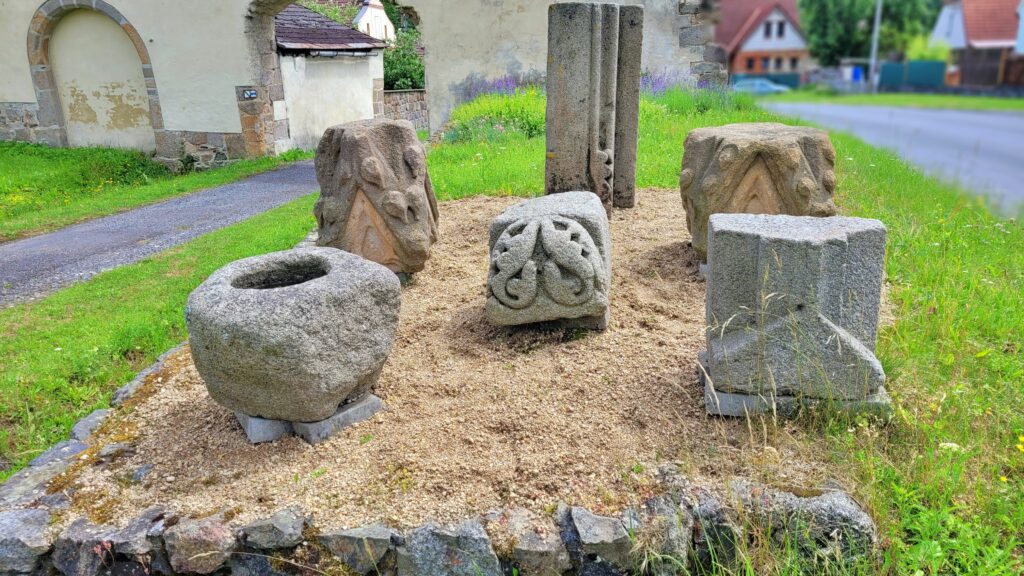
It was not just any monastery, however, but one of the largest and richest monasteries in Bohemia. Its remains, which survived the burning of the Hussites in the 15th century, form one of the dominant features of the village. There are a number of massive walls with the remains of Gothic arcades and windows.
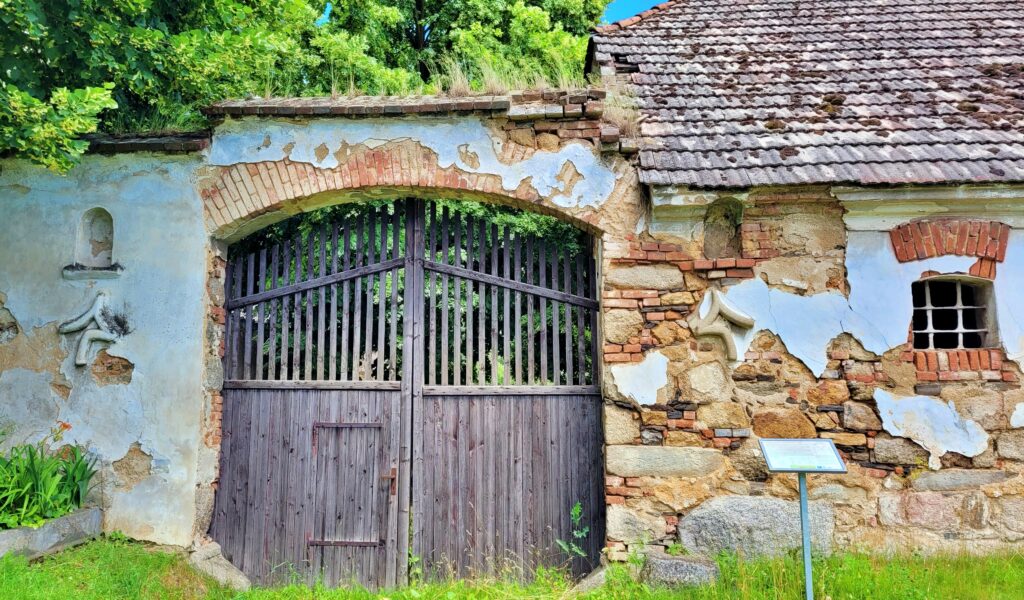
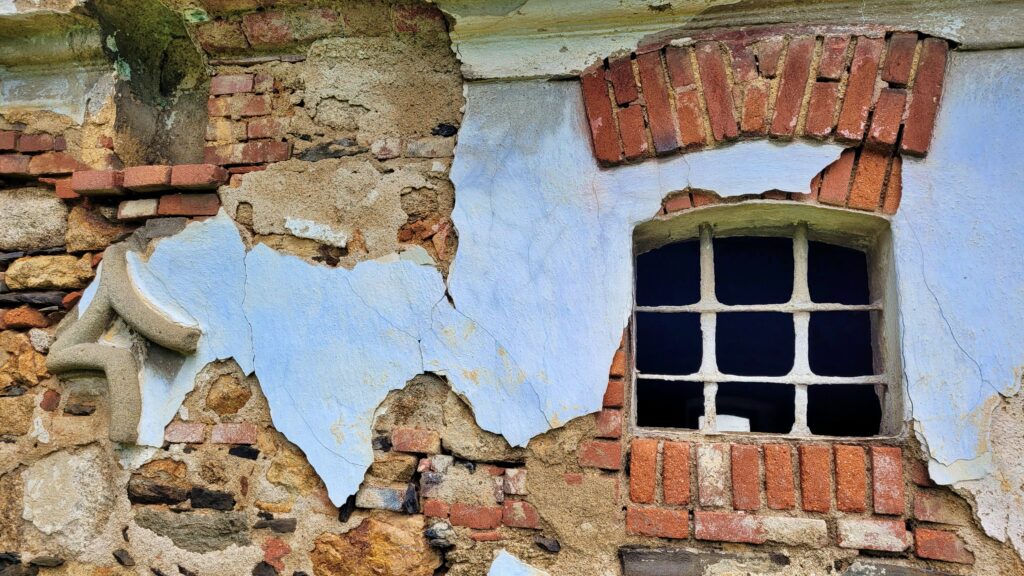
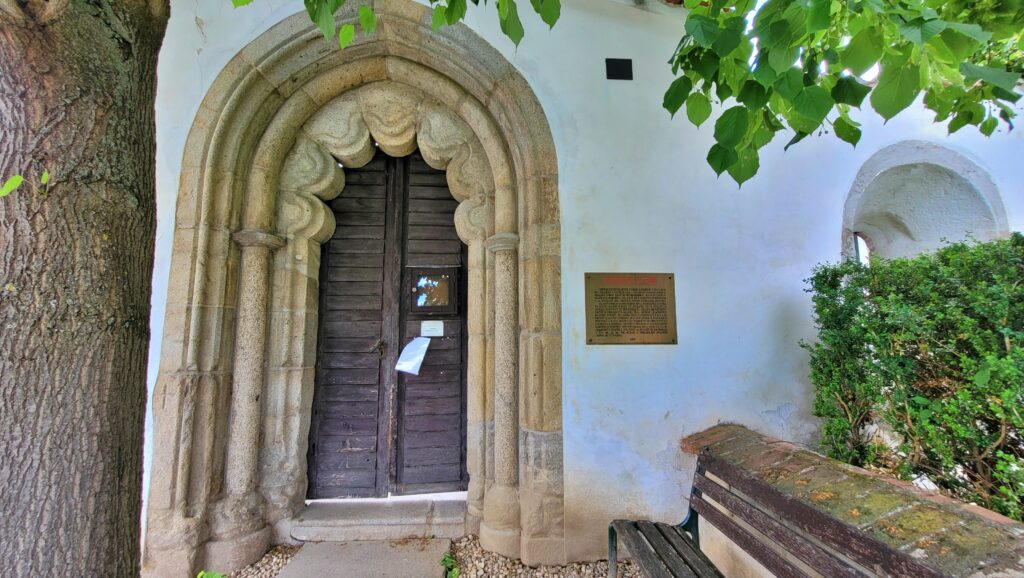
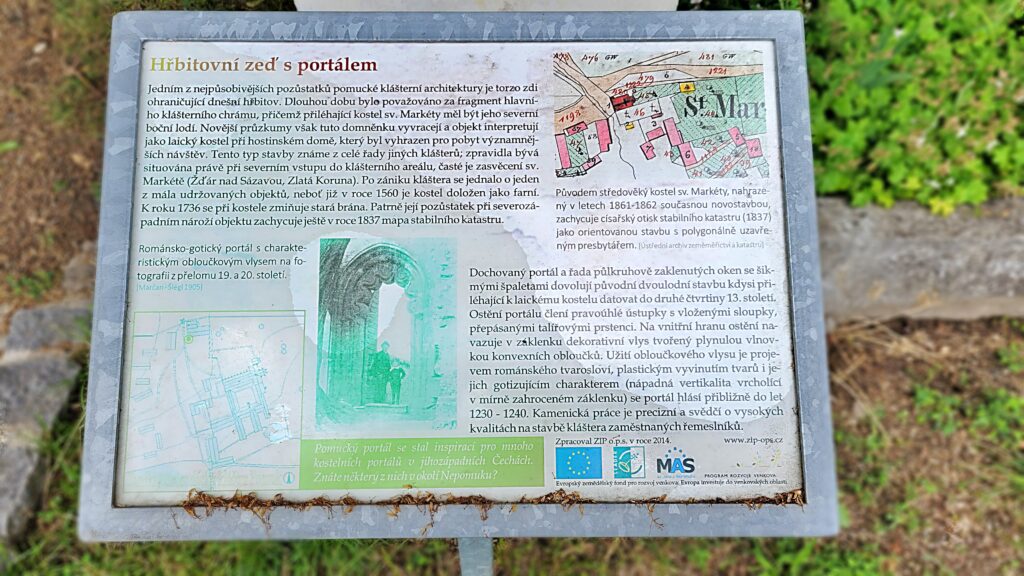
In addition to the remains of the monastery itself, you will also find the chapel (sometimes referred to as a church) of St. Margaret. The chapel boasts a portal that is considered one of the first Gothic portals in Bohemia.
The monastery pond, over whose dam the road to Nepomuk leads, is mainly used by fishermen for breeding purposes and fishing, and partly also for swimming.
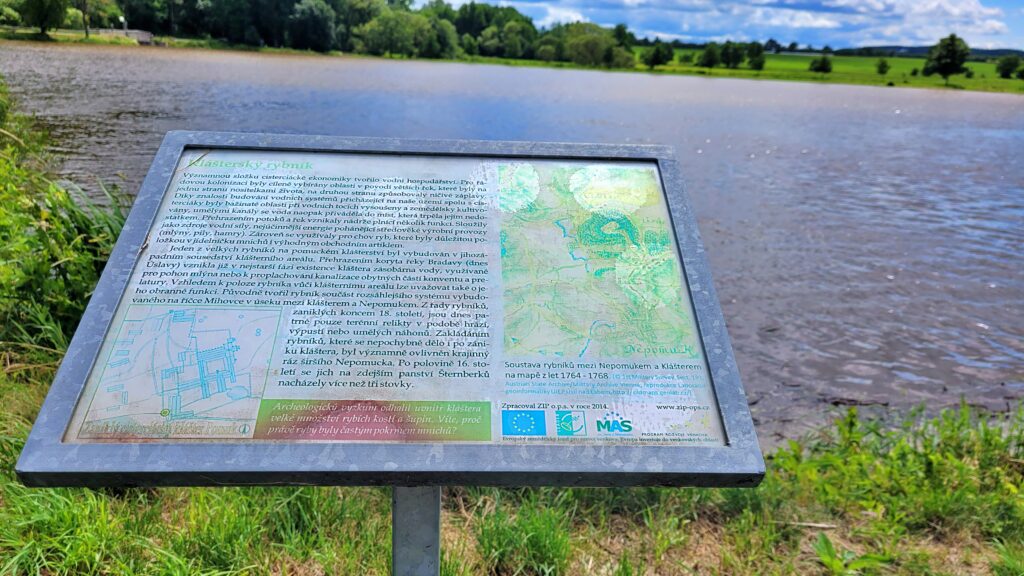
At the dam of the Monastery Pond, you will turn off the blue road and continue upstream of the Muchovka River back to Nepomuk.
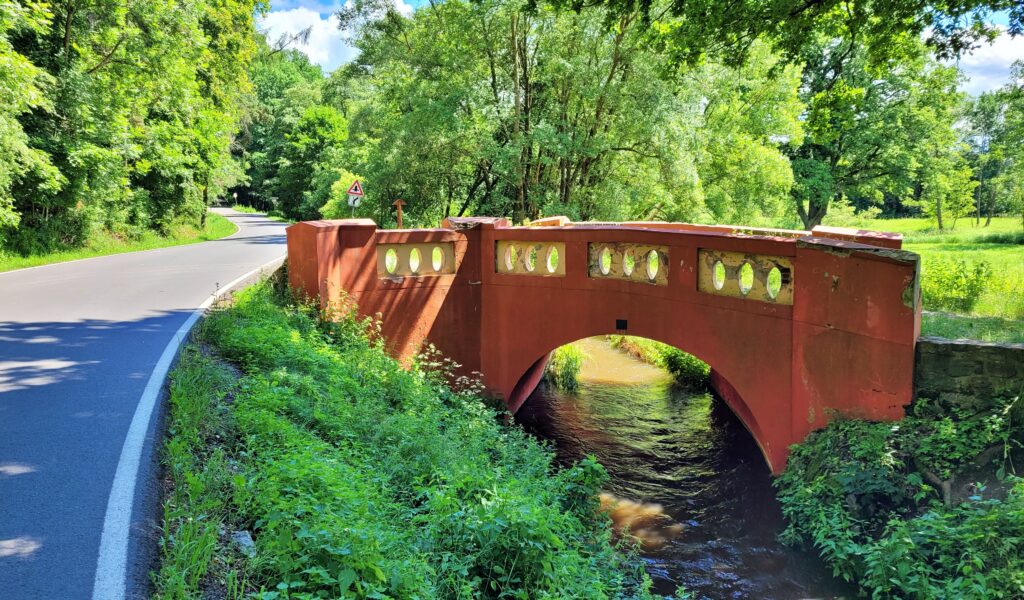
On the way, you will come across the Baroque Red Bridge. According to legend, a bloody battle took place here during the Hussite period.
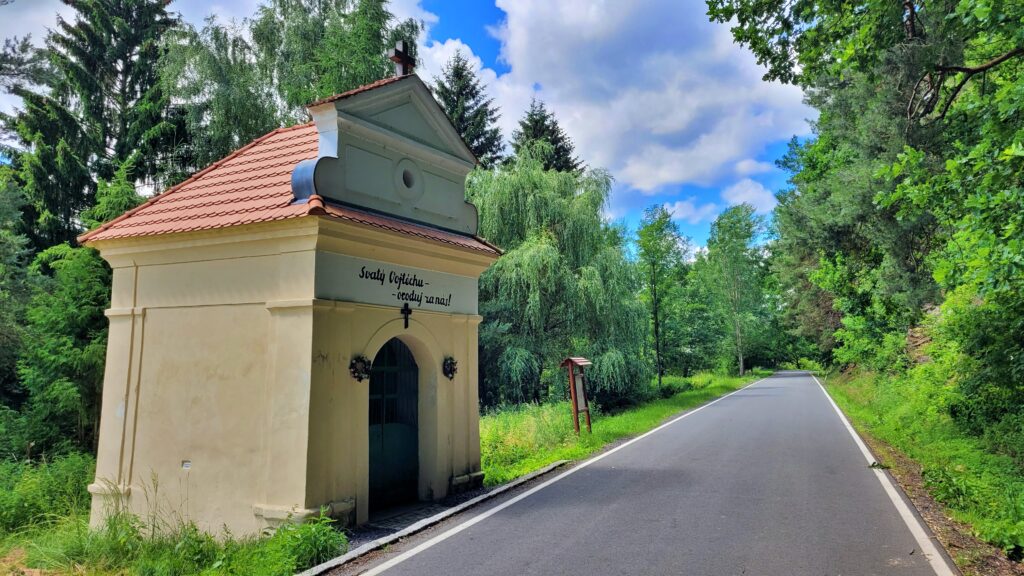
Towards the city, you will also come across the chapel of St. Adalbert from 1682 with a human footprint in the stone.
🚸ROUTE: FROM NEPOMUKU TO PLÁNICE (Long:17 km)
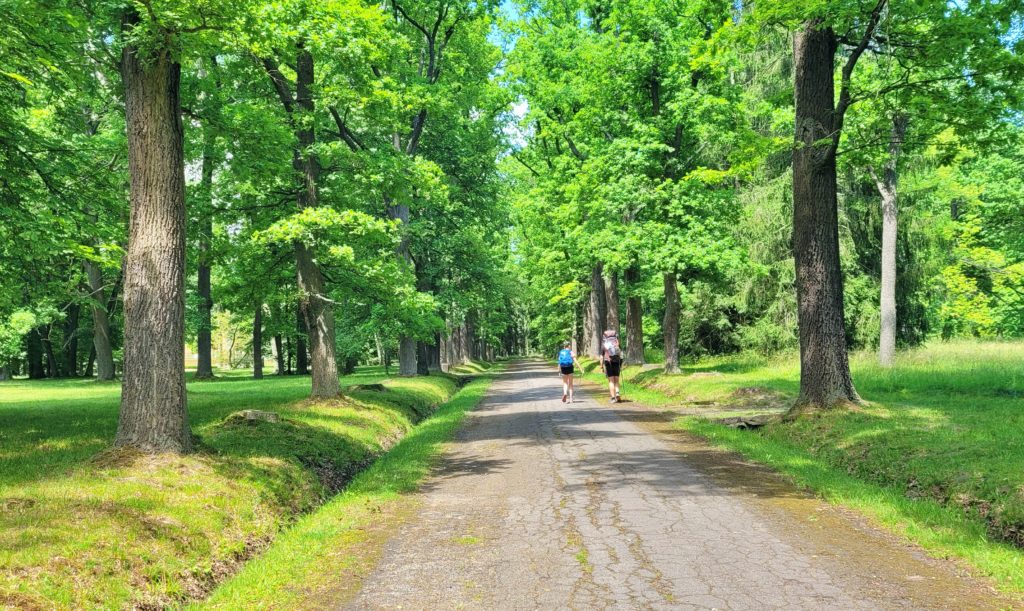
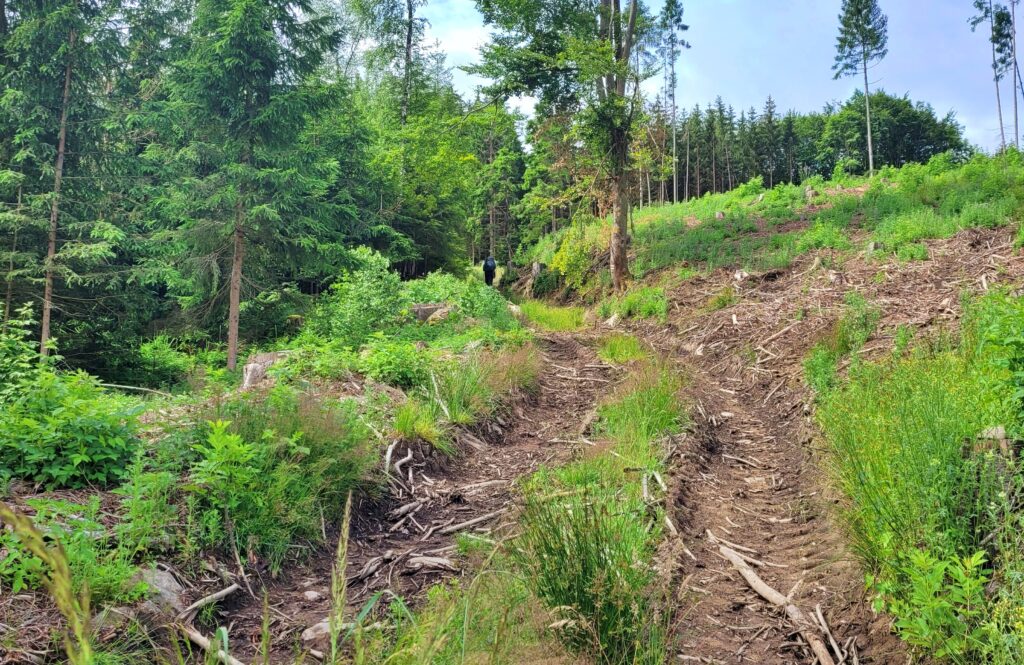
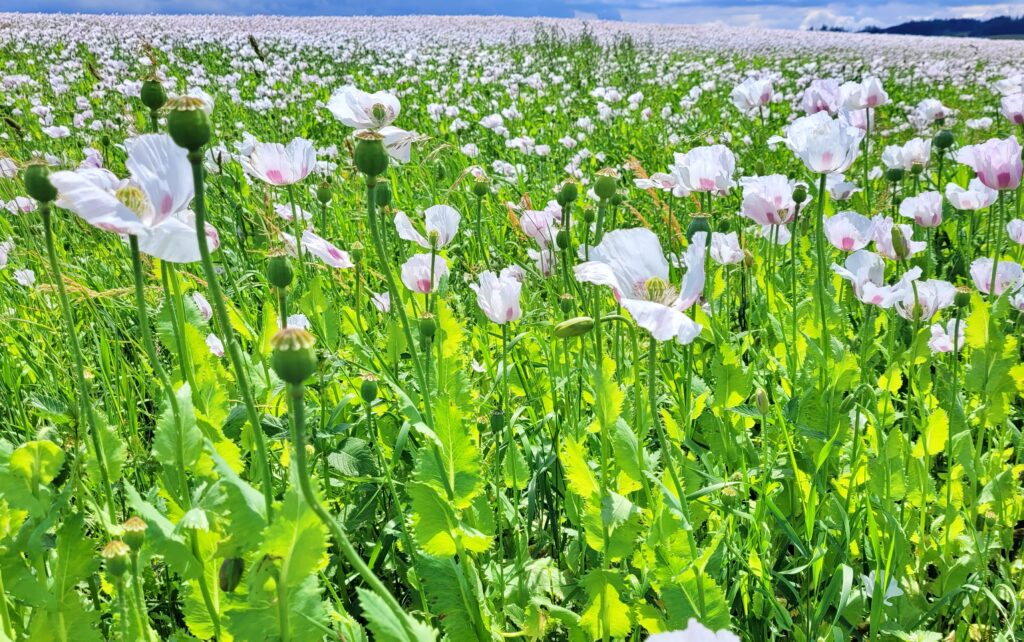
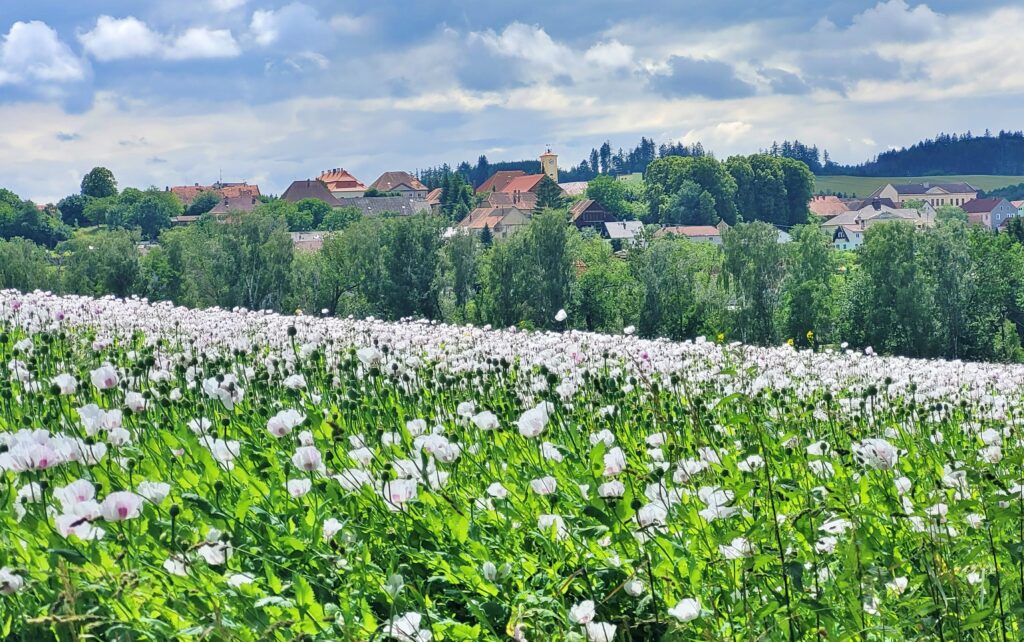
From Nepomuk you will head towards the town of Plánice. And believe me, this section of the route is exactly what you will need. It is an easy stage. You will find yourself quite far from civilization, no big hills and nicely in the shade of the forest. The route leads through the Plánice Highlands to Plánice.
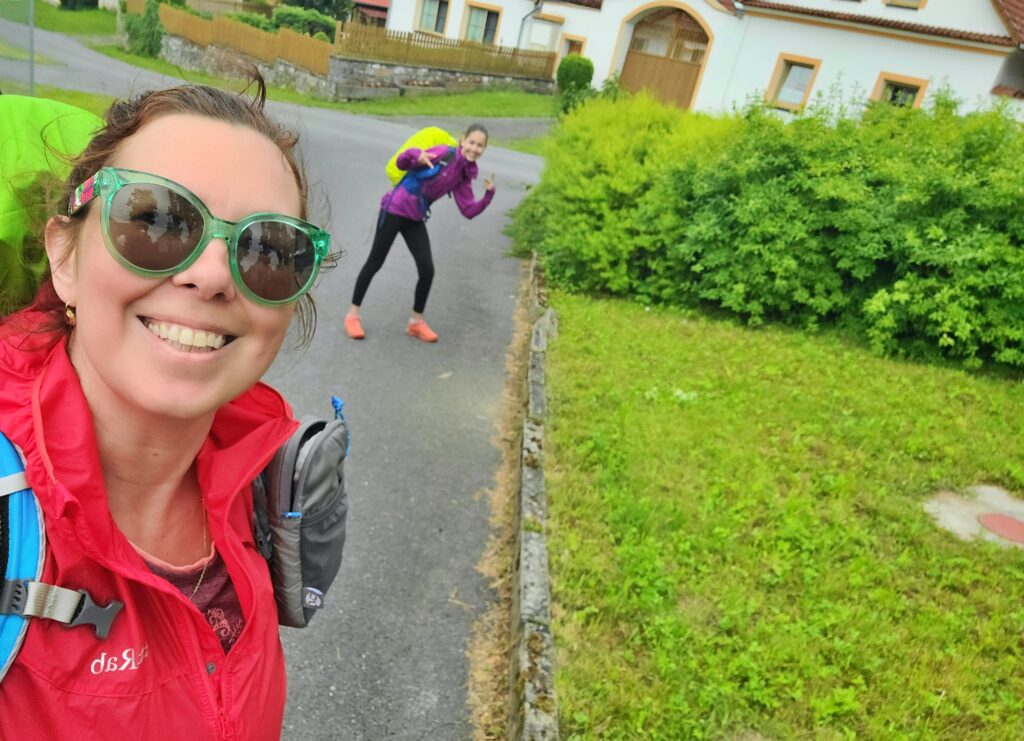
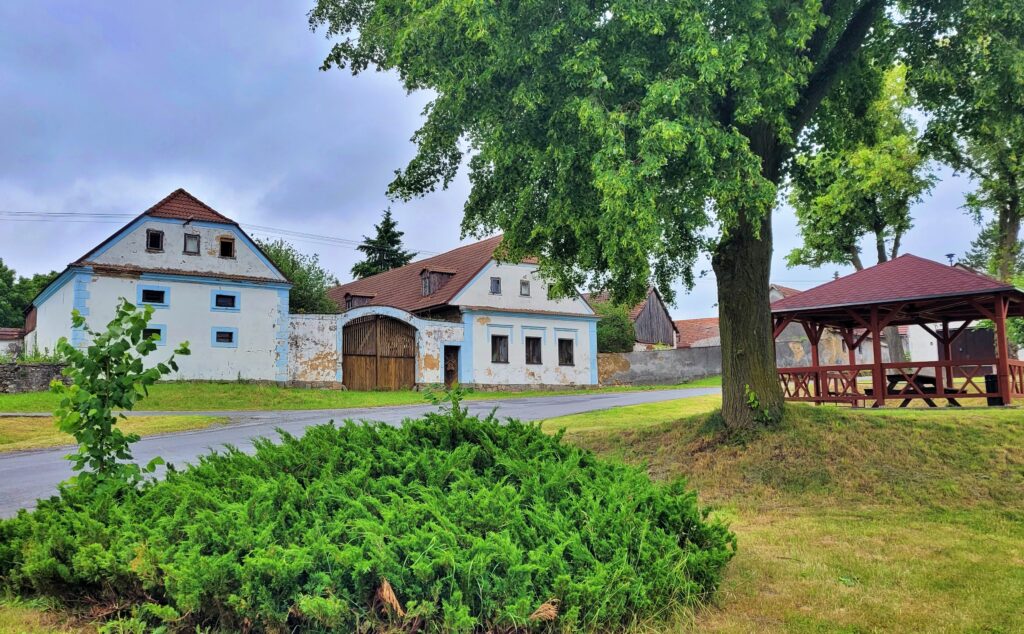
PLÁNICE
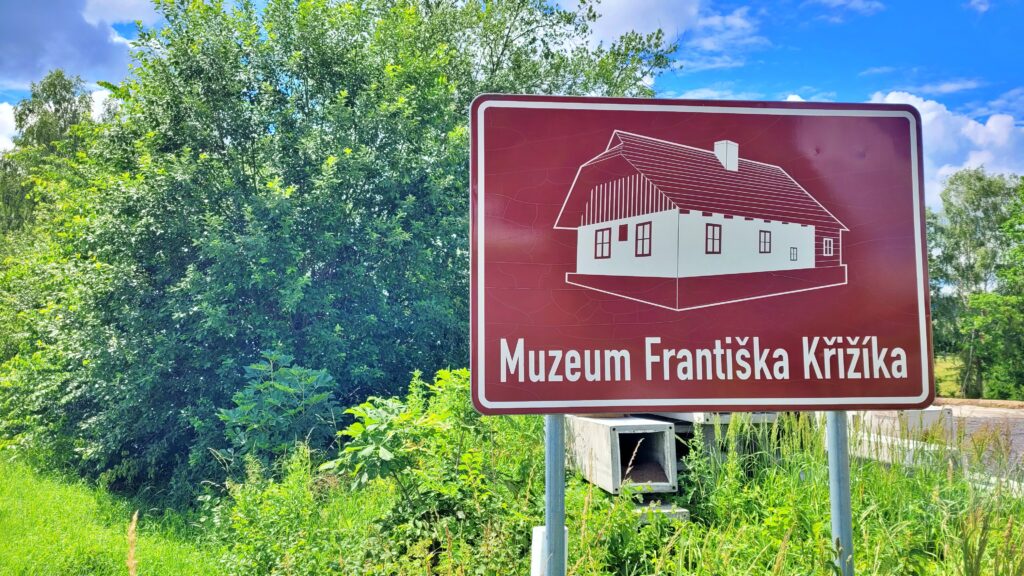
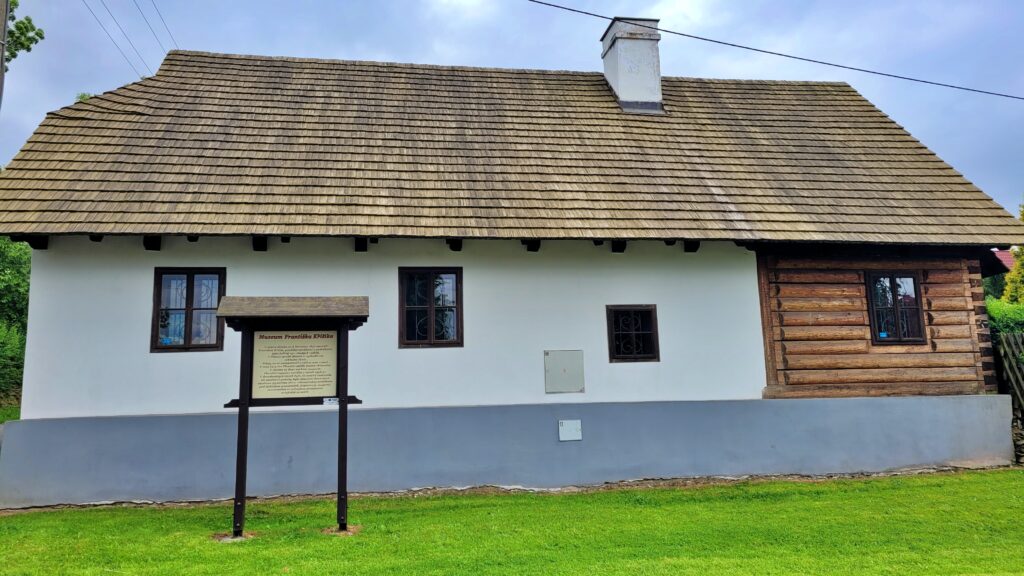
Most of you will probably associate Plánice with the inventor František Křižík, who was born here. His birthplace is now a museum dedicated to the life and work of the inventor. Unfortunately, it was closed when we were there.
It’s a nice feeling when you realize that you’ve completed most of the route and the destination is already in sight.

If you liked the article, I would be happy if you share it or leave a nice comment below the article.

I would also like to invite you to join me on Instagram and Facebook.