

Kanazawa is one of the most beautiful cities I have visited in Japan. For me, it is truly a hidden gem of Japan, surpassing even such giants as Kyoto or Tokyo in my ranking of Japanese cities. It is located in the central Honshu region and this city was once one of the richest Japanese cities. It is also one of the few large Japanese cities that was spared from bombing during World War II, and thanks to this, there are many architectural monuments here. Kanazawa is nicknamed “little Kyoto” and is much less visited and well-known than Kyoto. Personally, I think it is a great shame. Most of the monuments are concentrated in the city center, so the tour is not at all difficult.

ELEGANT SAMURAI QUARTER NAGAMACHI
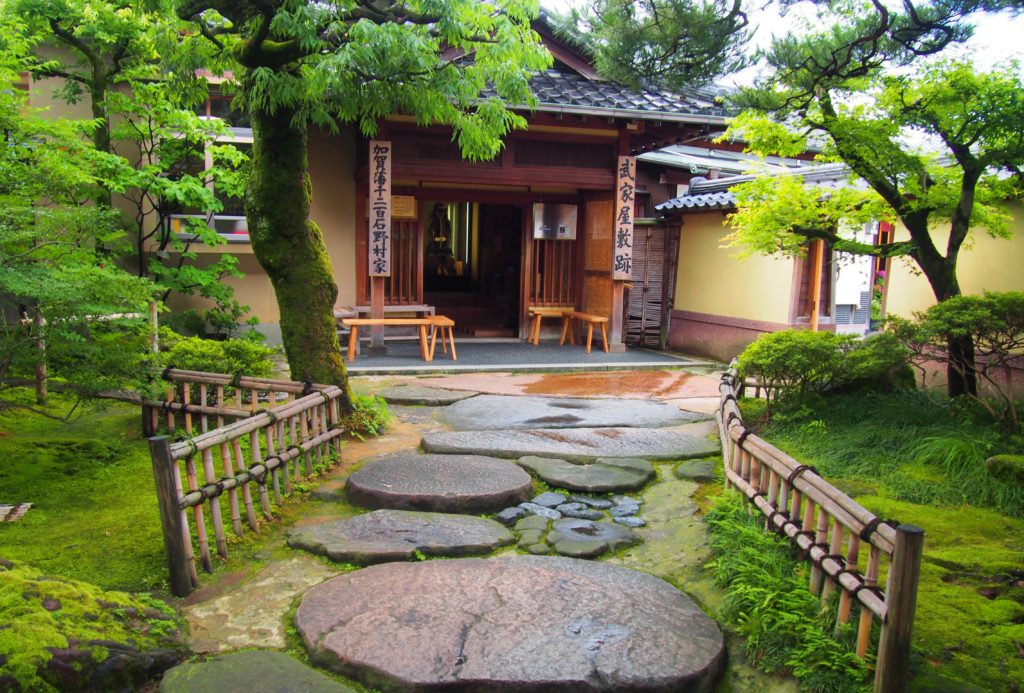
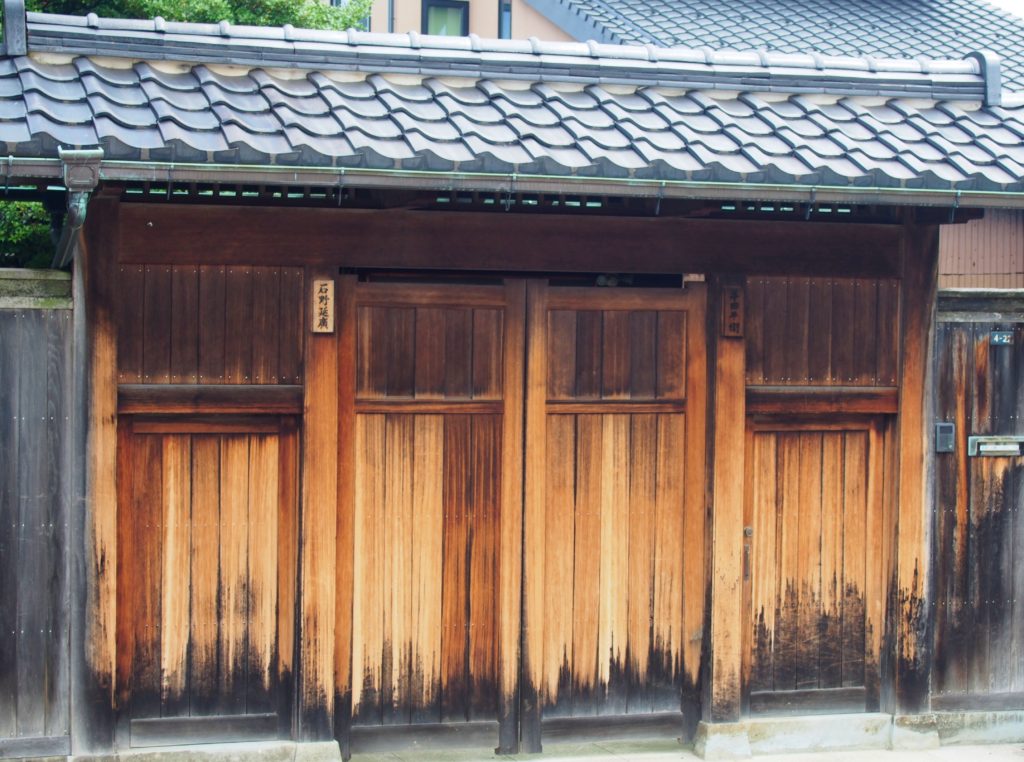
This samurai district, where the richest vassals of the Maedo lords lived, exudes an atmosphere of old times. You will find intact streets with clay walls and houses. Shingle roofs hidden in the shade of stately trees blend beautifully with stone walkways leading to wooden thresholds of houses.
NOMURA FAMILY VILLA
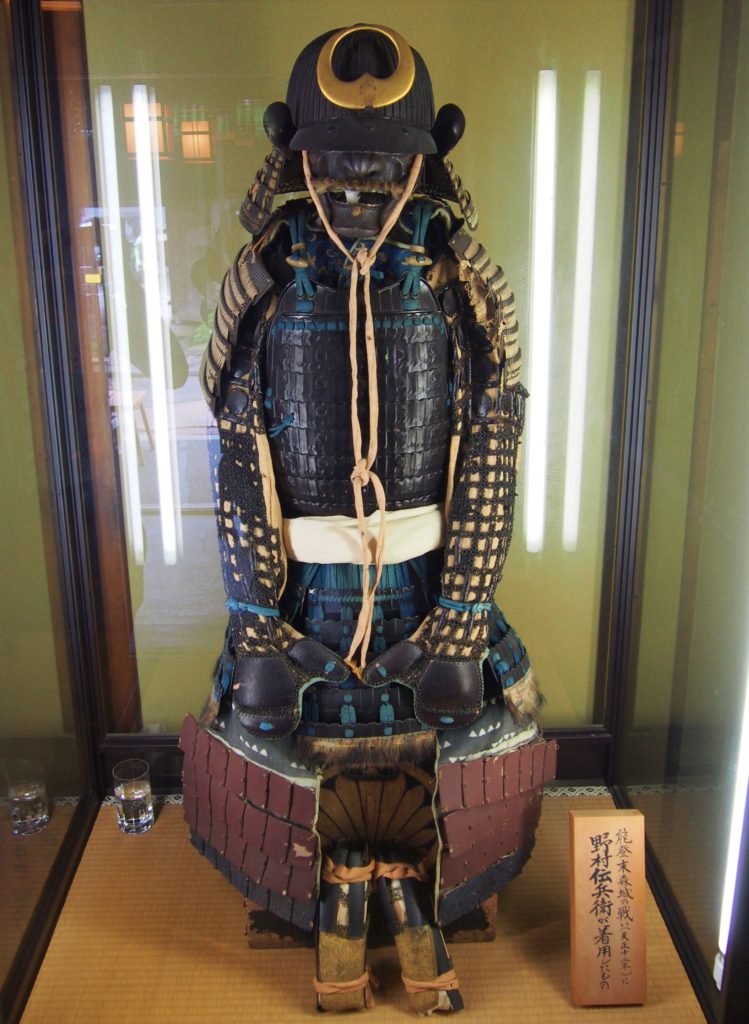
This beautiful samurai house has been owned by the Maeda family for several generations and the sacred atmosphere immediately fills you as you enter. In the museum you will find beautiful family samurai armor.
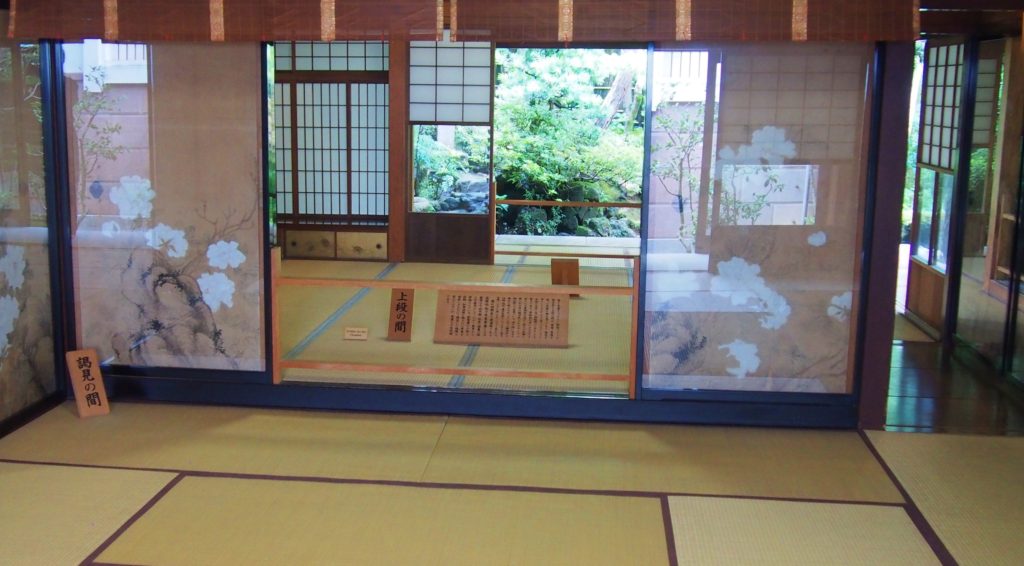
You walk through chambers separated by sliding doors made of thin paper and Indian hornbeam.
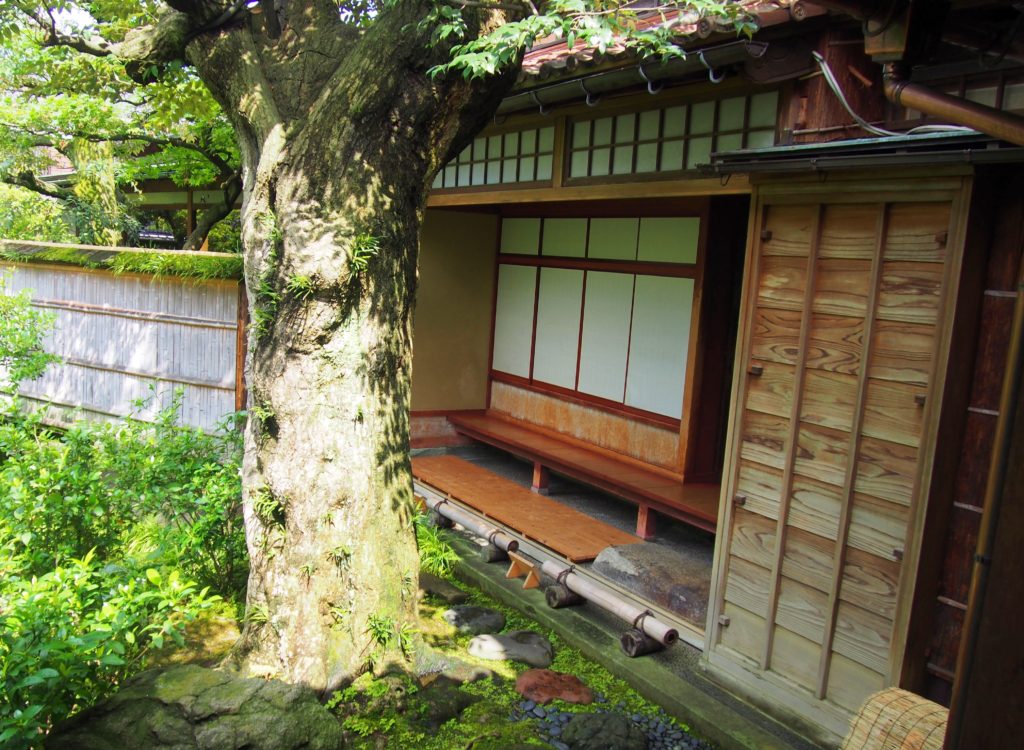

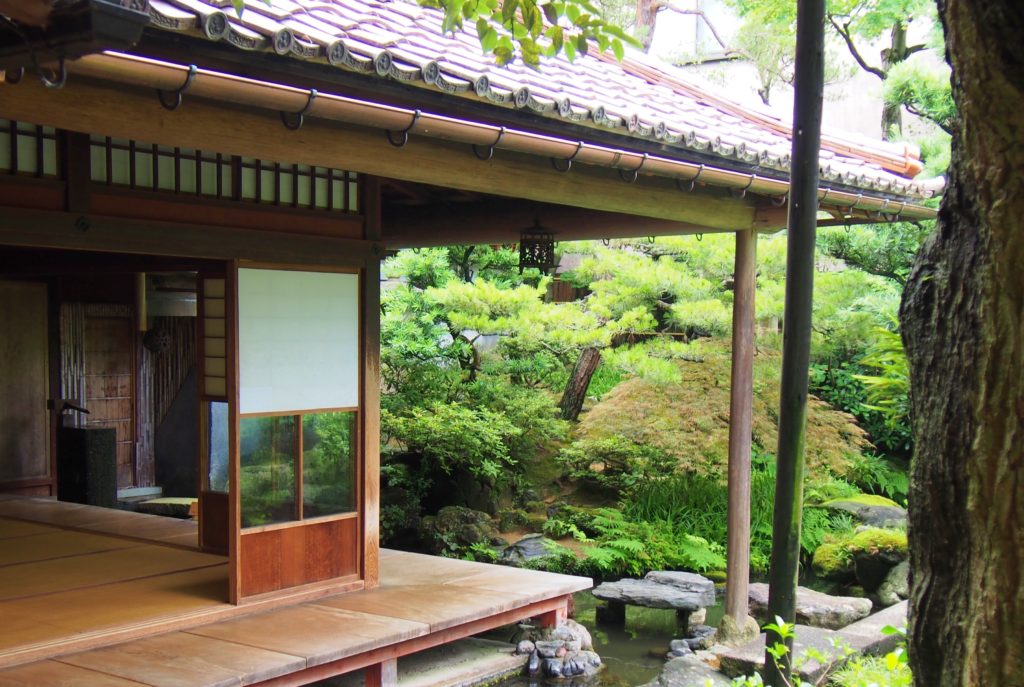
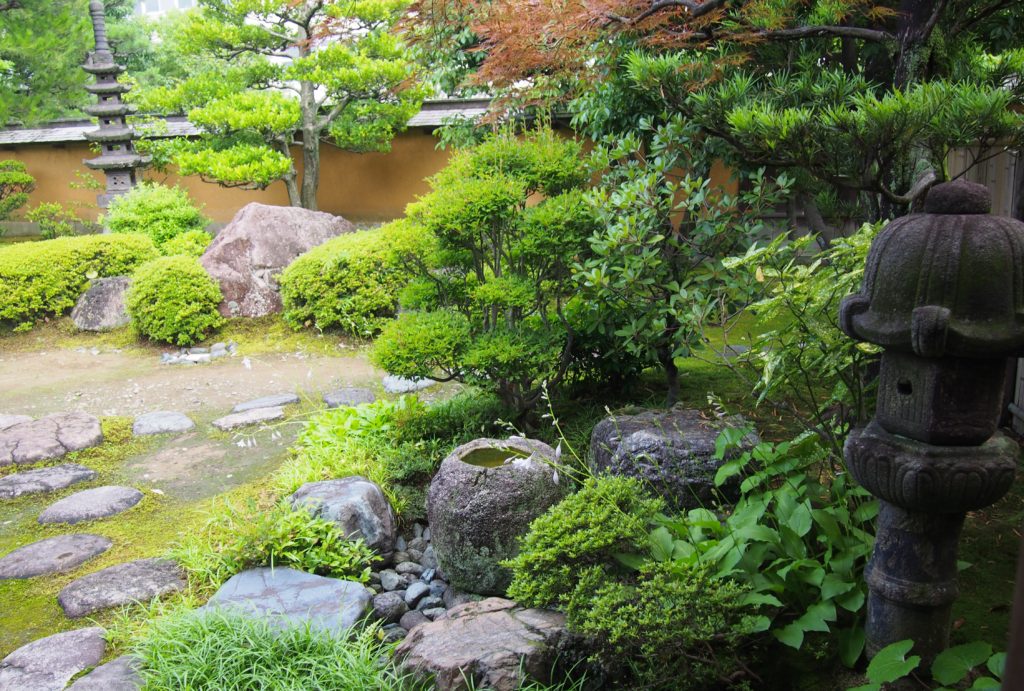 But honestly, what got me to this museum is the veranda and the miniature garden. For me, probably the most picturesque and cute Japanese garden ever. The garden is permeated with beautiful silence, peace, harmony and serenity. I love the classic elements of a Japanese garden – waterfall, bonsai, pond with Koi carp (these carp are kept for decorative purposes), stone bridge, lantern, rockeries. The garden also boasts a 400-year-old rare Japanese wax tree.

GEISHA QUARTER
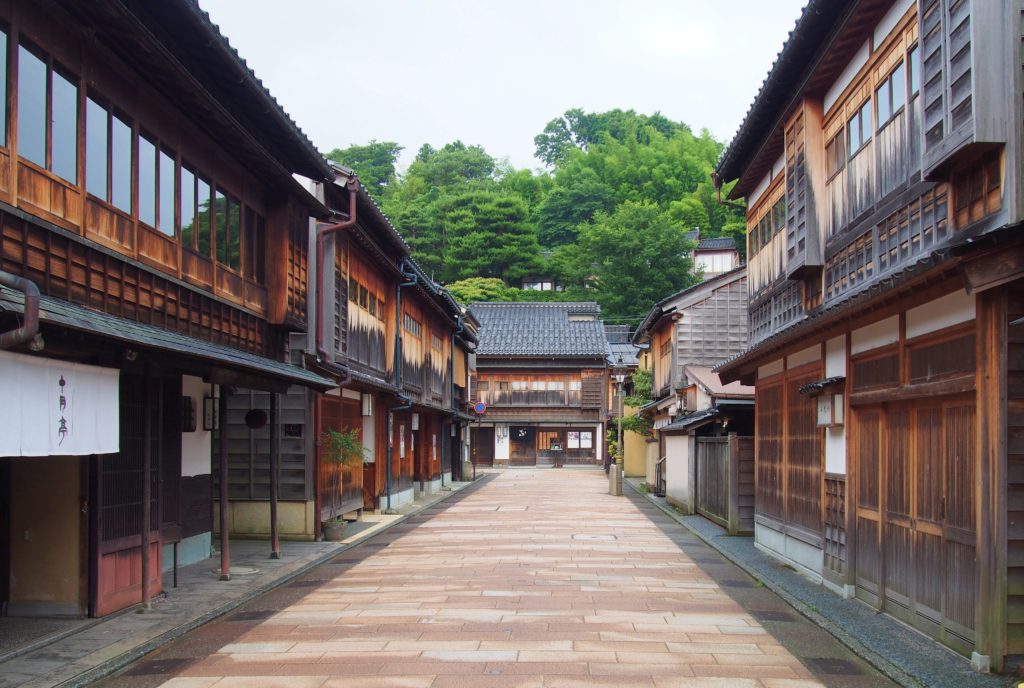
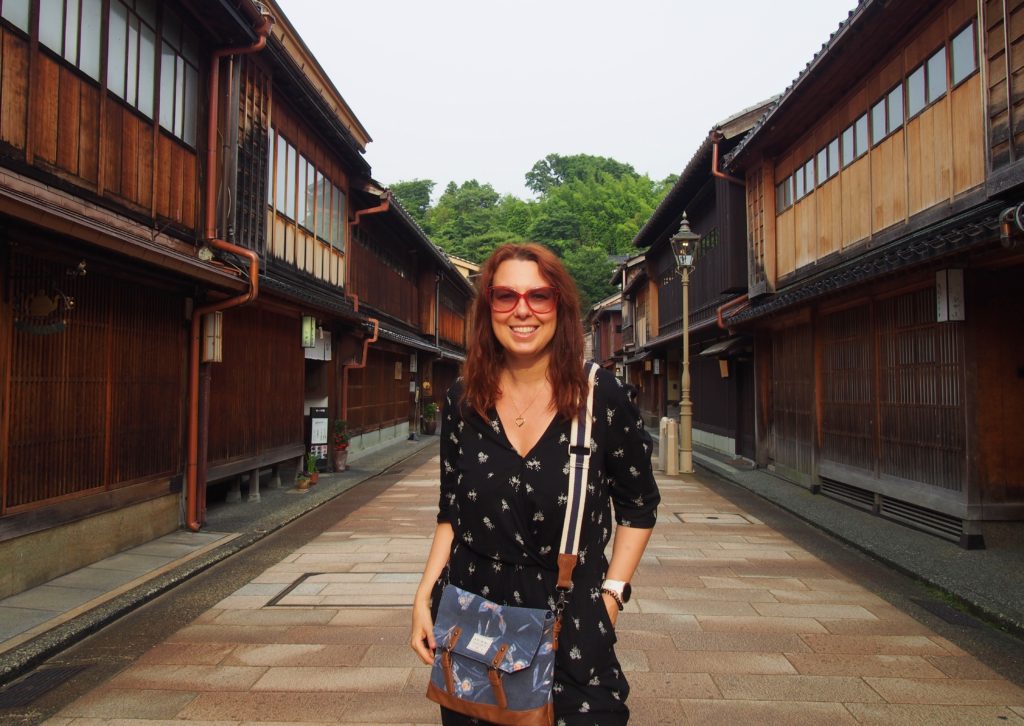
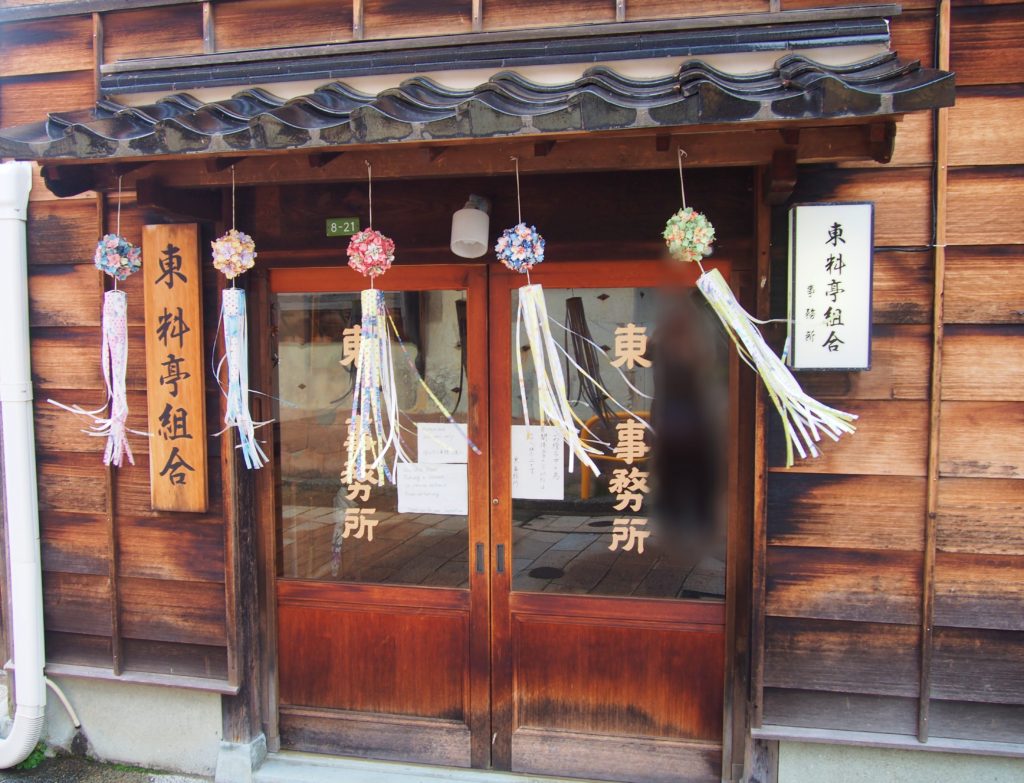
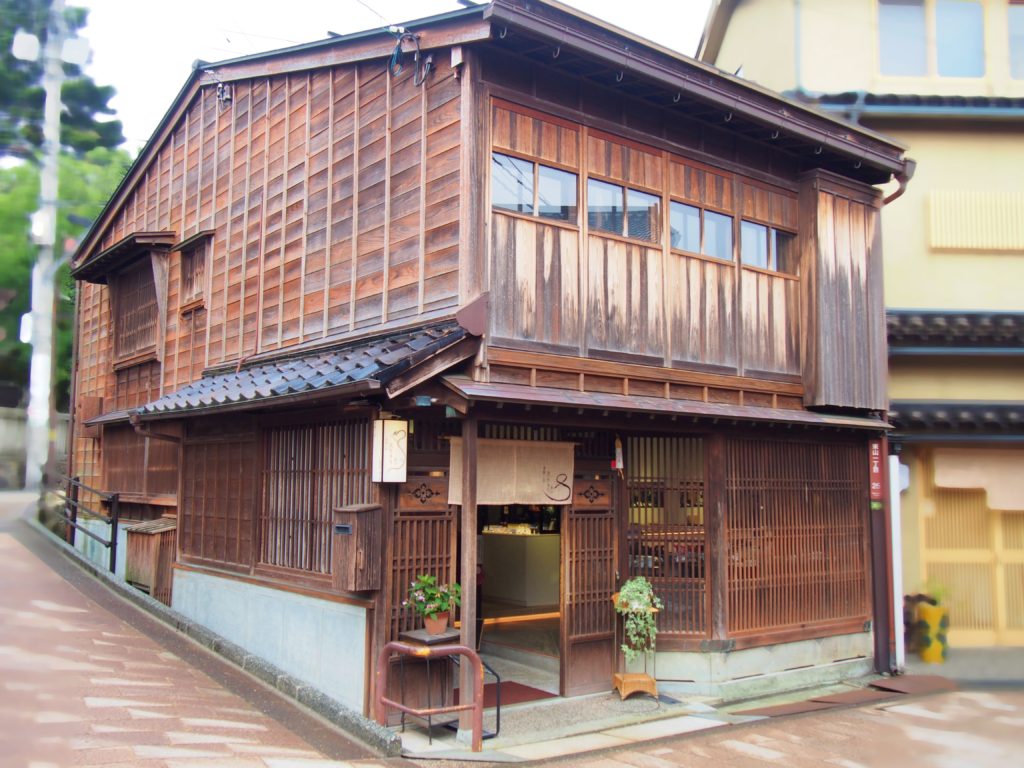
The Higashi district was considered the largest and most glamorous of the three areas of the city inhabited by geisha. The street lamps and wooden lattice windows give the district a unique atmosphere that made me very curious about what was going on behind these walls. The streets are lined with restaurants and galleries. Several of the original geisha houses have been preserved to this day.

SHIMA TEAHOUSE
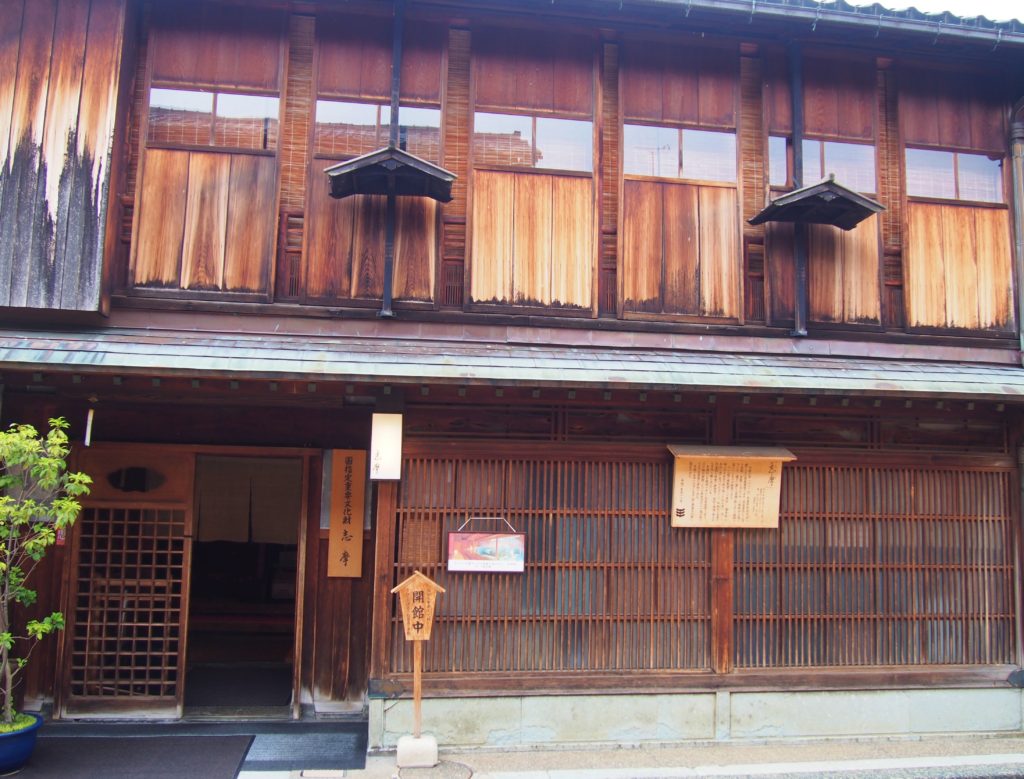
This beautifully preserved teahouse, which is now a museum, dates back to the 19th century. You are not allowed to take pictures with a camera, but you can with your mobile phone. On the upper floor there are guest rooms with small stages where geisha danced and sang. Downstairs are the accommodation. The original furniture and interior have been preserved. There is a traditional kitchen full of various objects and tools that geisha used in their daily lives.
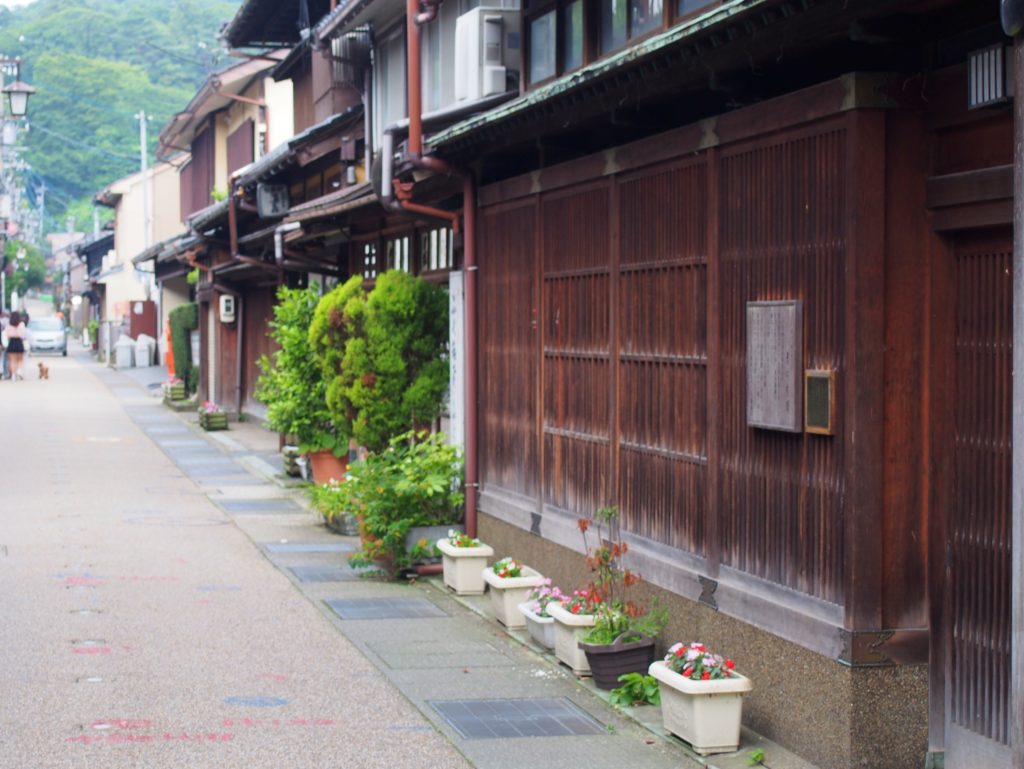

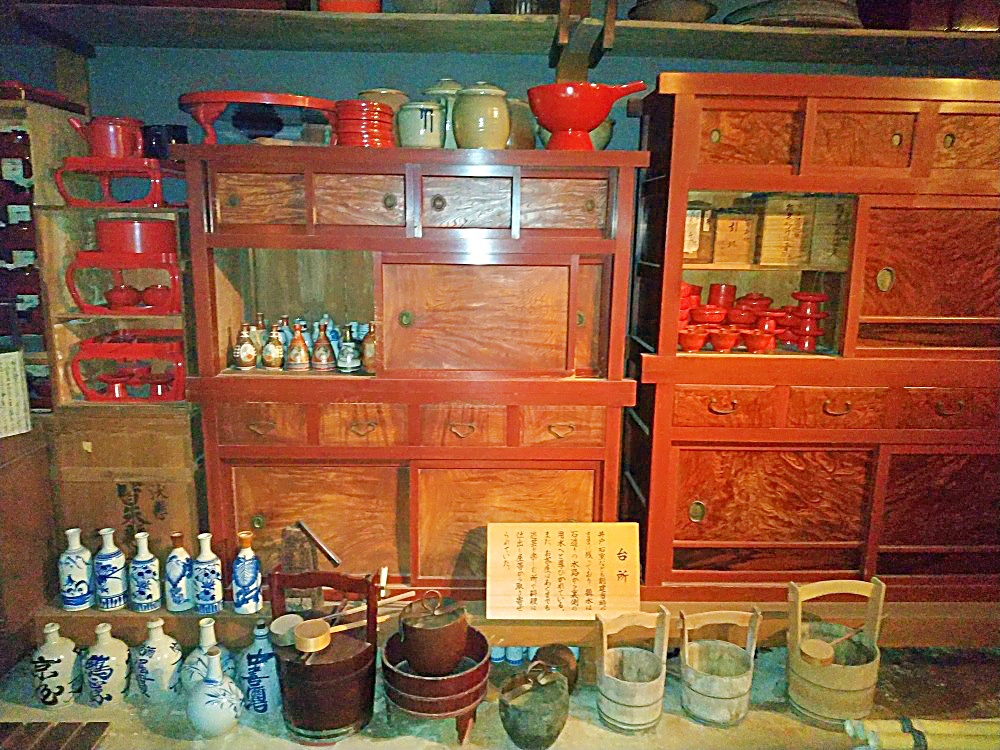
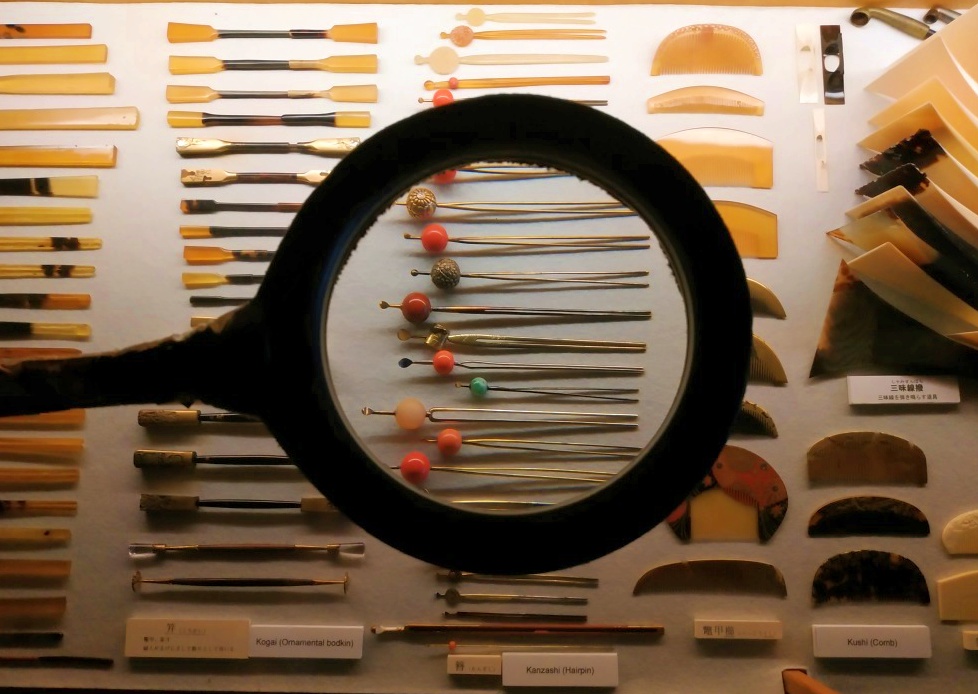
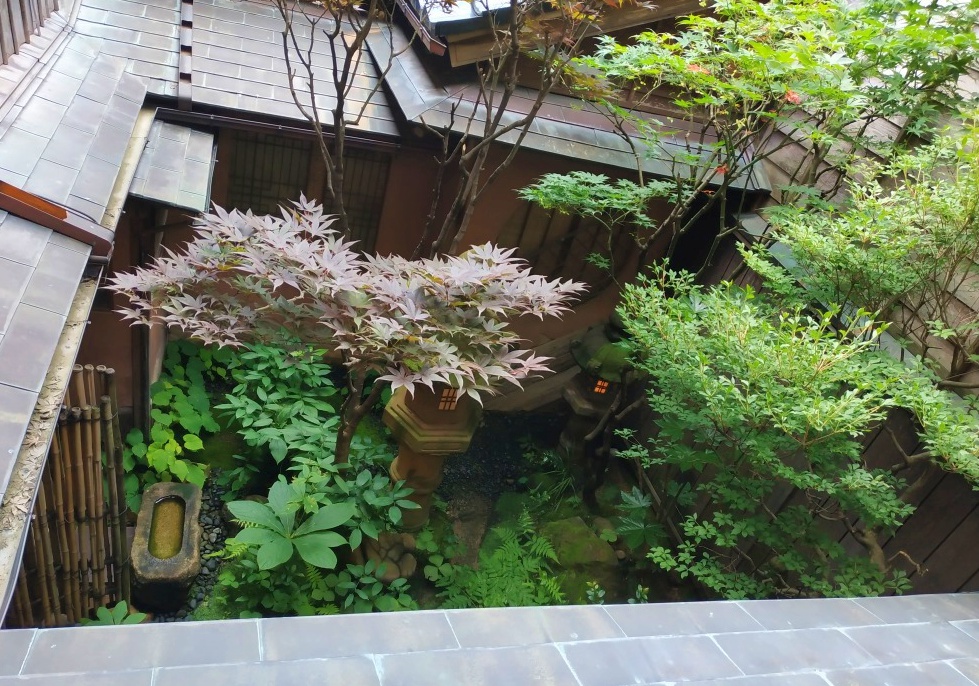
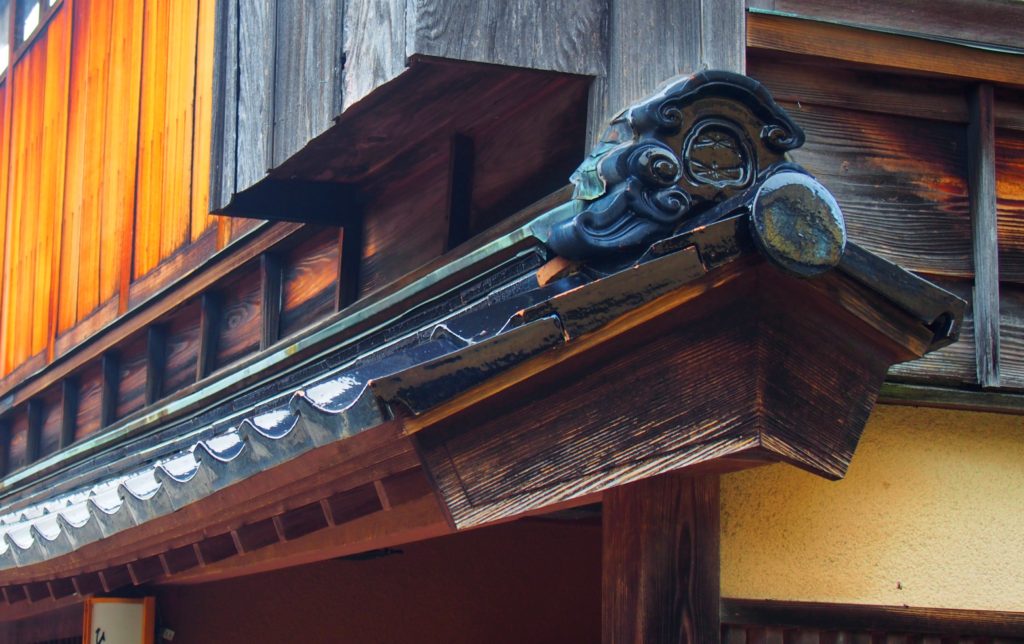
In the evenings, you will often hear music and singing in this neighborhood, as there are many different entertainment venues and theaters here.
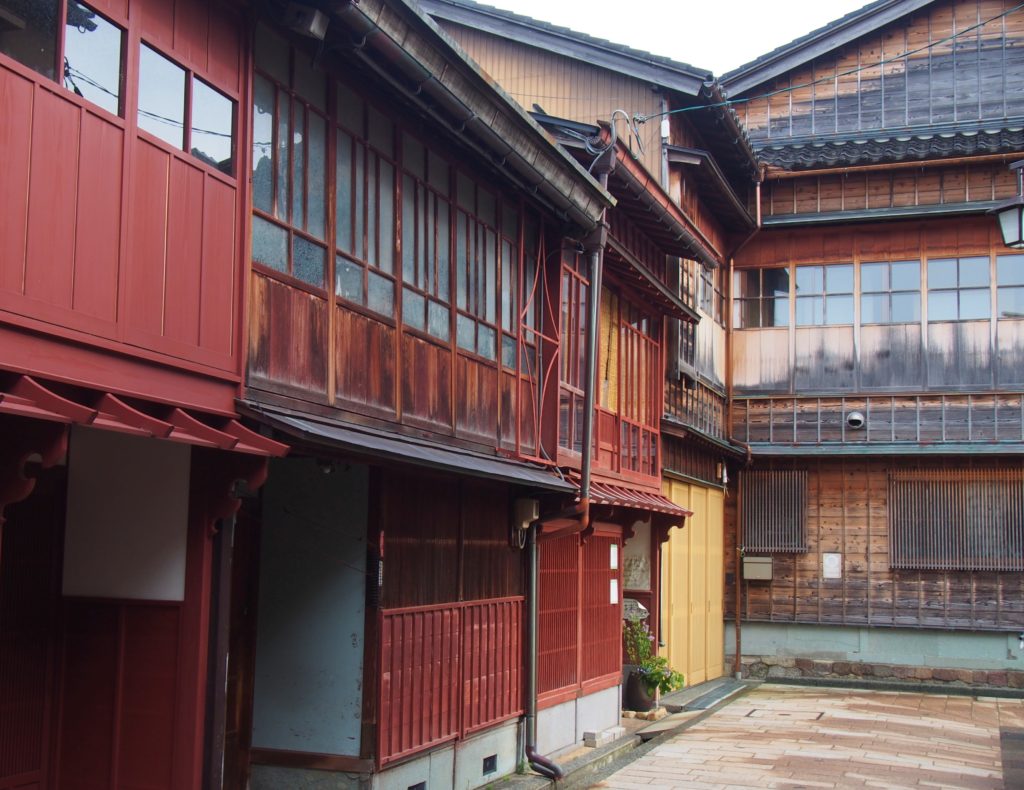
A typical feature of these teahouses are wooden grilles instead of windows (kimusuko), which provide privacy for the geishas, as they allow them to see from the inside out, but not the other way around.
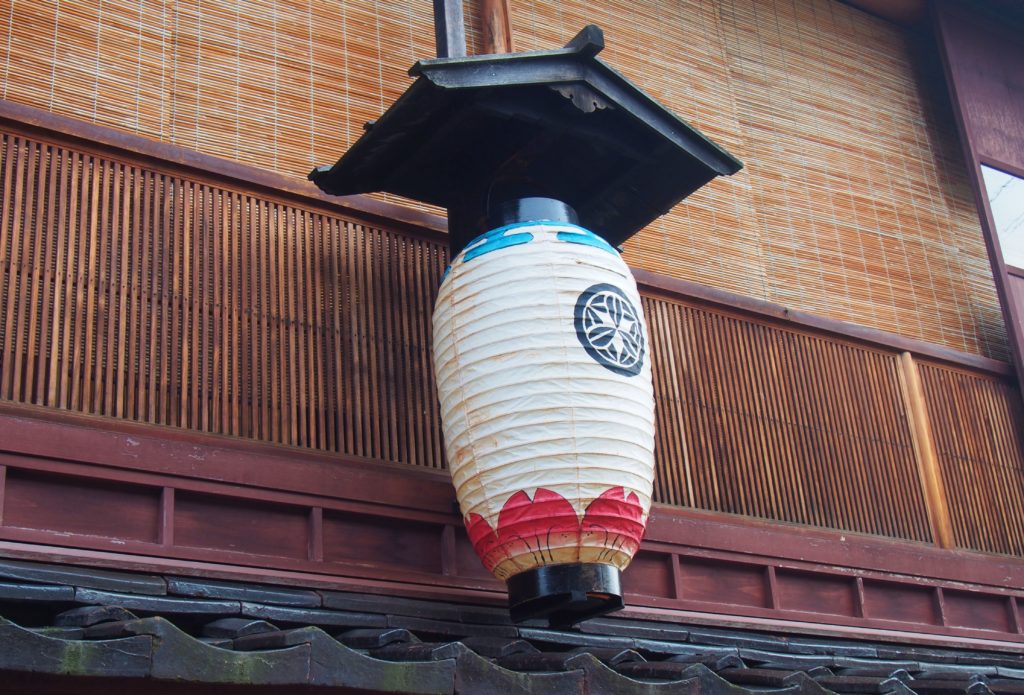
In the early evening, the latticework of wooden houses creates beautiful lighting effects and envelops the streets with teahouses in a magical atmosphere.

WHO WAS A GEISHA?
I think that no figure in traditional cultures arouses as much imagination as the Japanese geisha. The translation of the word geisha means artist. She not only mastered the art of feminine coquetry and elegantly appearing in a kimono to please the eye. These women also devoted themselves to poetry, music, or dance. Geisha were neither prostitutes from high society, nor by any means women with a heartbreaking story. The truth, as is often the case, is a little more complicated. In ancient times, these girls were recruited from poor families, who often sold them into apprenticeships, where they became so-called maiko. From an early age, they were prepared for their future career under the supervision of a new patron (okásan) and a more experienced colleague (older sister or oné-san) as an apprentice geisha.
In the past, the life of a geisha was very strict, full of rules and obligations. Once a maiko had undergone the ritual of initiation into the state of geisha, her original mistress had to pay for her education. On the other hand, it happened that her virginity could be monetized. A wealthy merchant could pay for the right to the first night with a new geisha, and the initiation itself was called mizuage. However, an adult artist could lead an independent life, when she was invited to social banquets called ozashiki or tea ceremonies to demonstrate her skills. Otherwise, geisha had their own social status and were to a certain extent self-sufficient, as they did not depend on any husband. In the best case, a geisha got a sponsor – the so-called danna, who could feed her and pay for expensive clothes. These were often married men, because male fidelity was not a recognized value in old Japan. The decline of their profession occurred around the war and the American occupation, when any easy girls began to be called geisha.
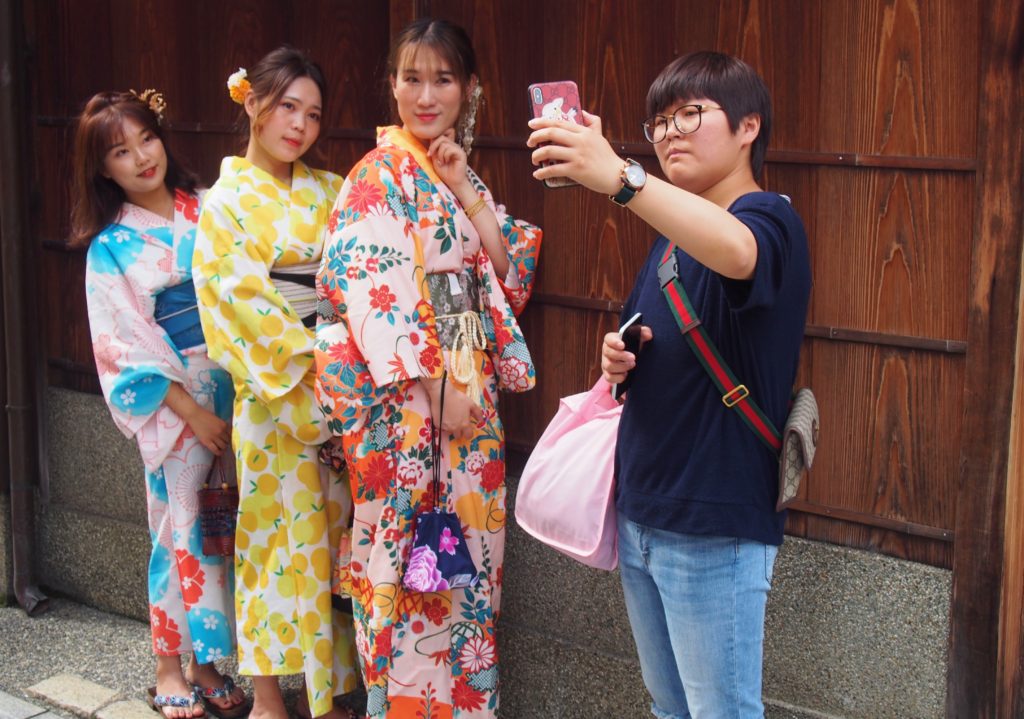
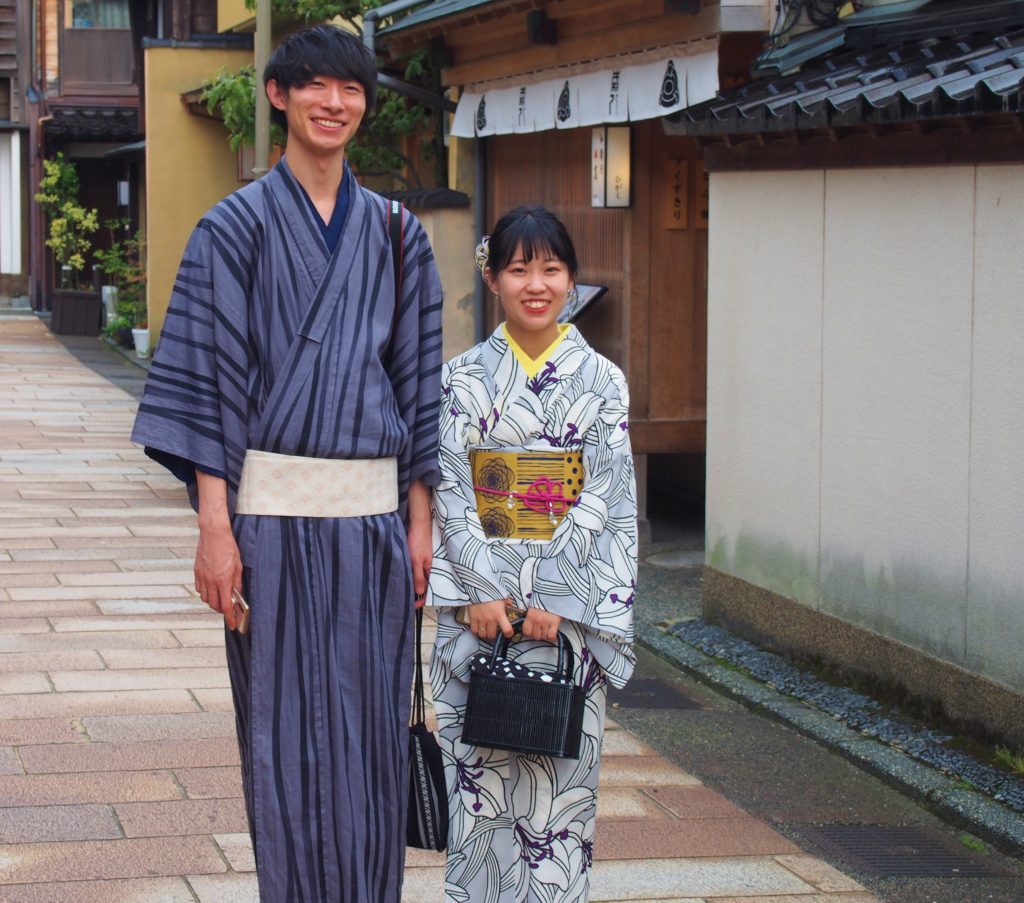
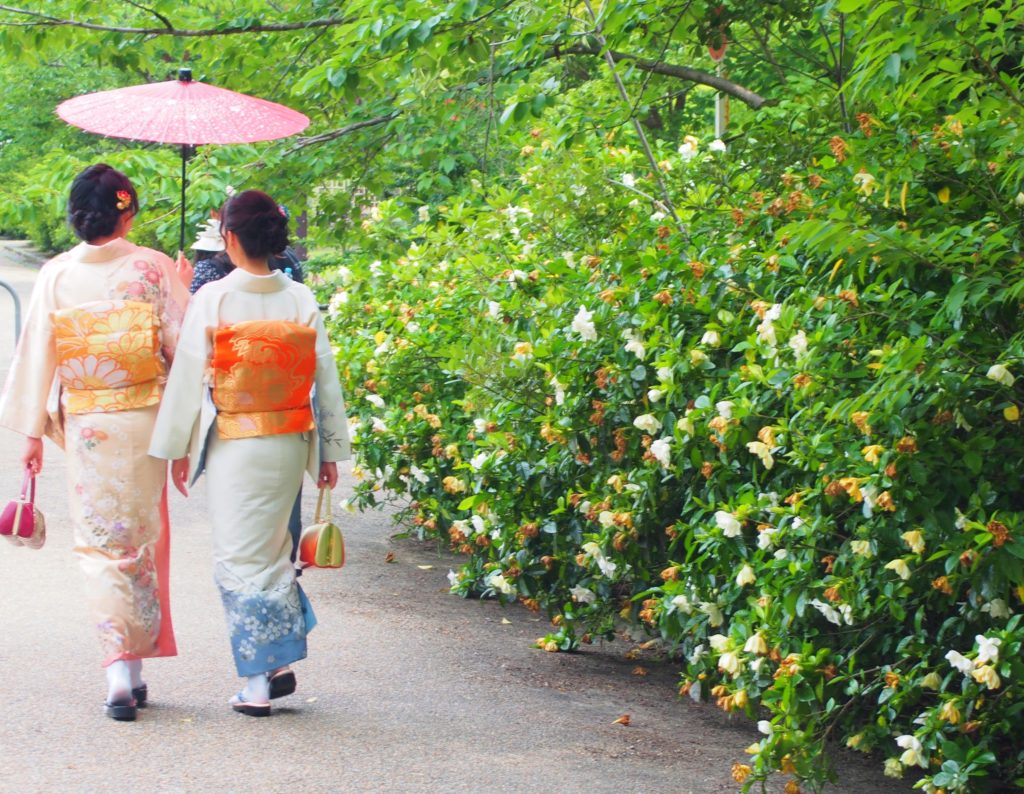
In modern Japan, you can still book a geisha, but it is a very expensive pastime. The chances of meeting a real geisha in the city were very slim. However, I am happy to meet a lot of Japanese people who are dressed in local kimonos from a rental shop. And they look great. They walk around in wooden sandals with white socks. So I really don’t envy them. 🙂

GOLDEN TICKETS SHOP
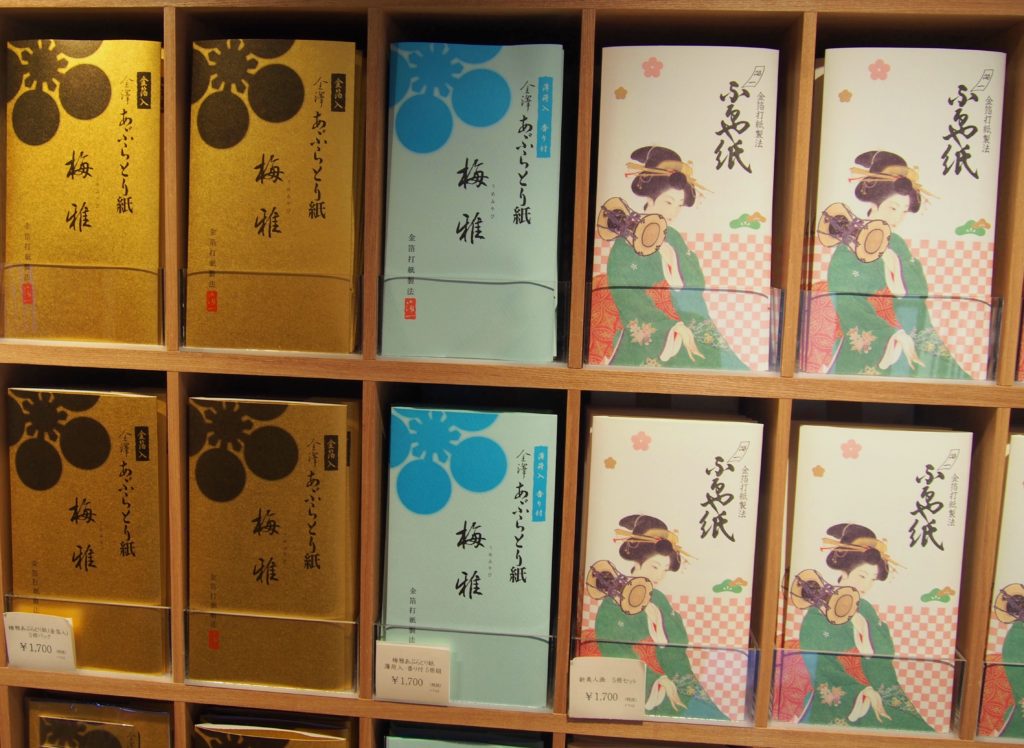
I stop at a shop that sells cleansing and gold sheets, which were once used by Geishas. Gold firms and smoothes, reduces wrinkles and fine lines, reduces the appearance of pigment and age spots, and most importantly gives the skin a radiant and brightened appearance. Geishas also used mattifying wipes that absorb excess oil and remove unwanted shine from the skin.
GARDEN KENROKUEN
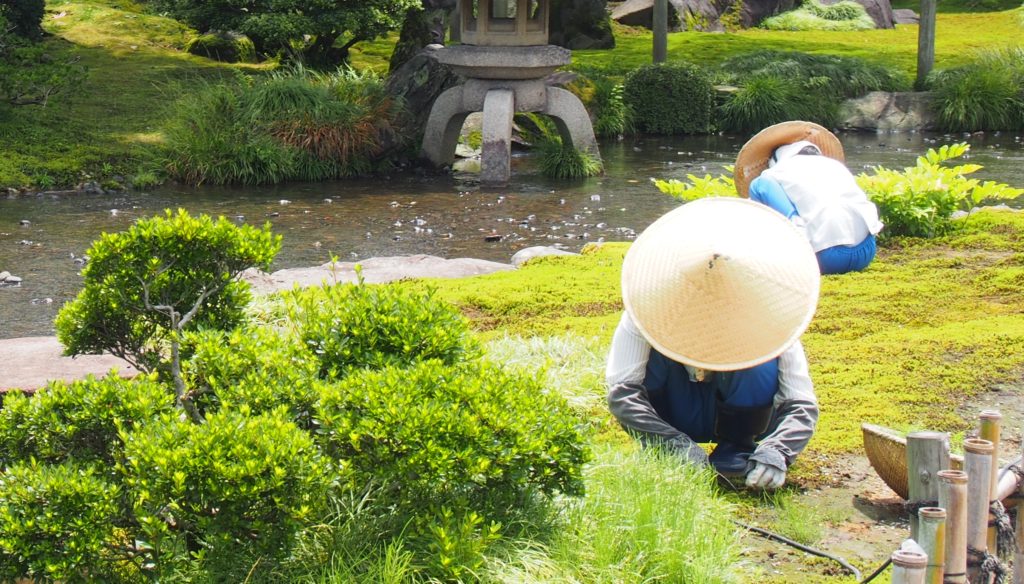
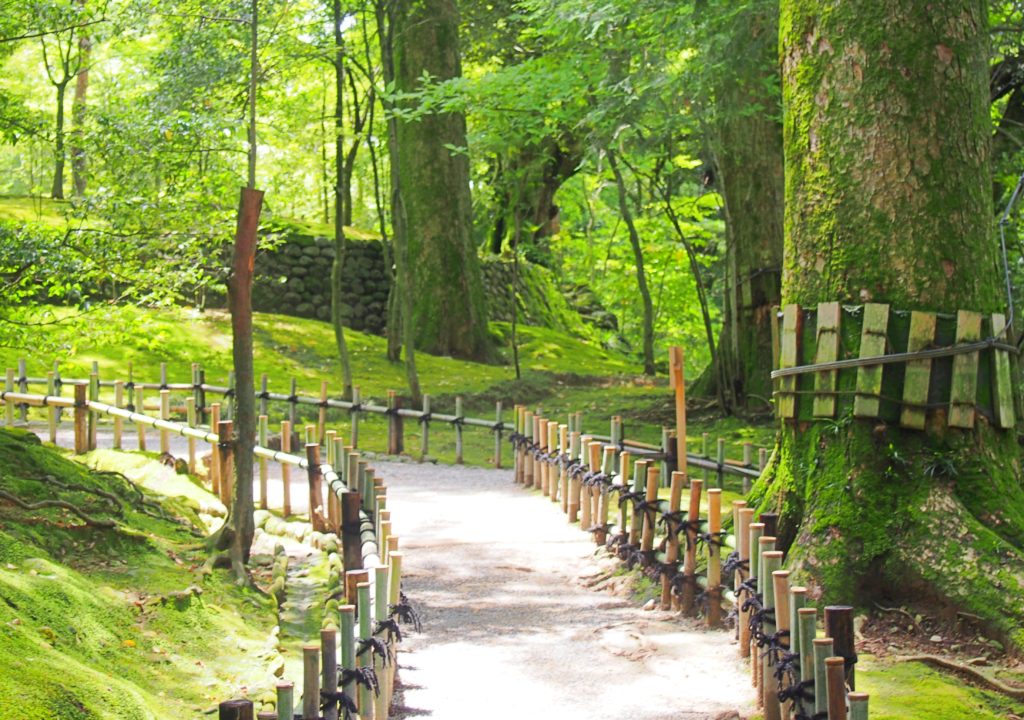
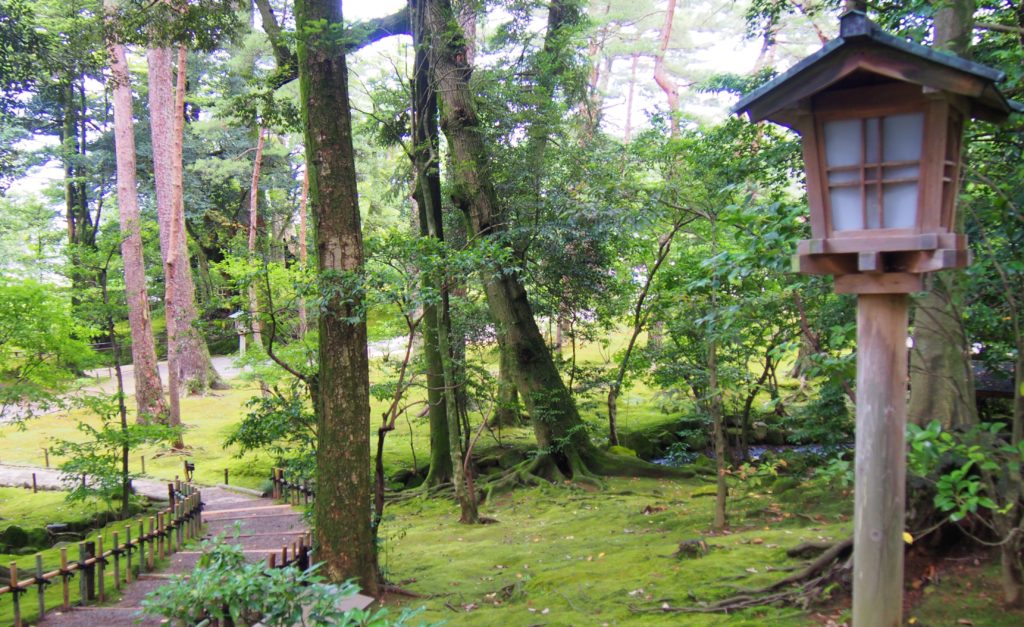
It is said to be one of the three most beautiful gardens in all of Japan. I have never been to a garden as beautiful as this. Its name, Kenrokuen, translates to “garden of six qualities” and they are: spaciousness, seclusion, an atmosphere of antiquity, humor, running water and a view. All of these qualities must have been present in Japanese gardens back then. There are lots of ponds, trees and beautiful flowers. It is truly a relaxing magical walk through beautiful forests with majestic trees and beautiful ponds.

OMIČO MARKET
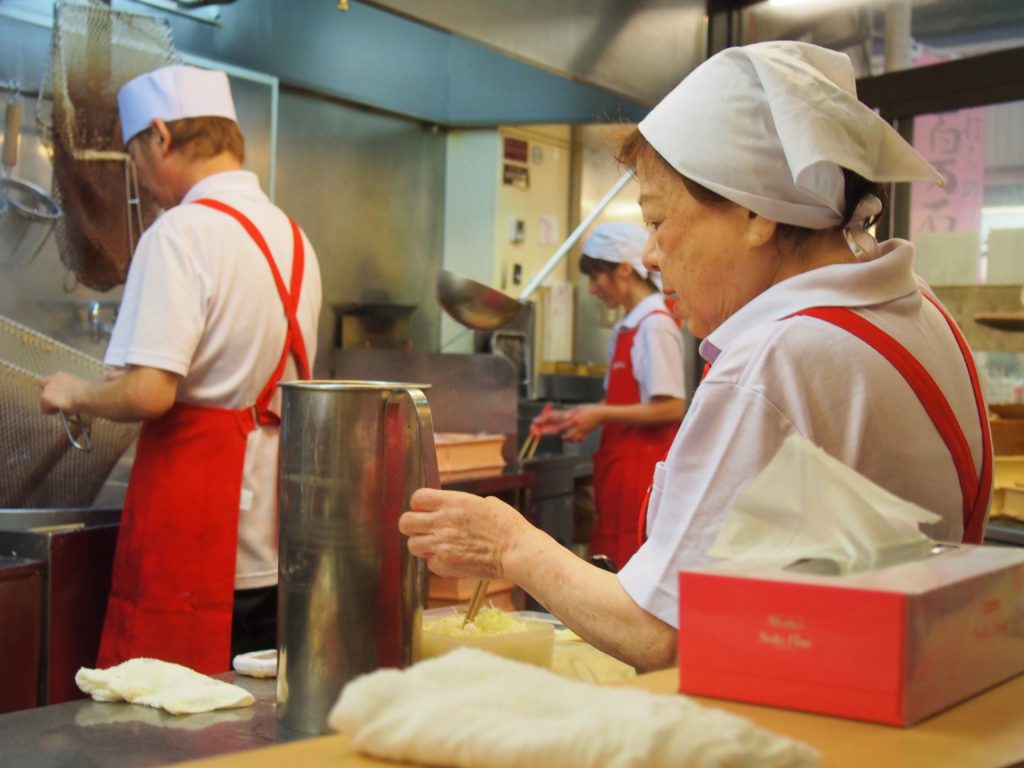
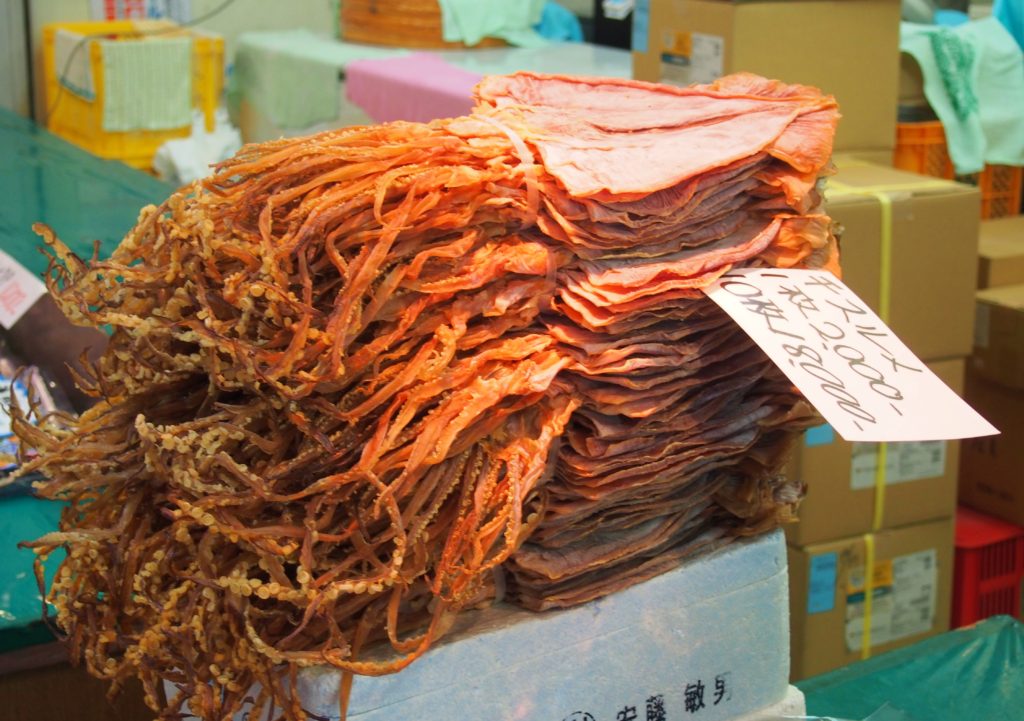
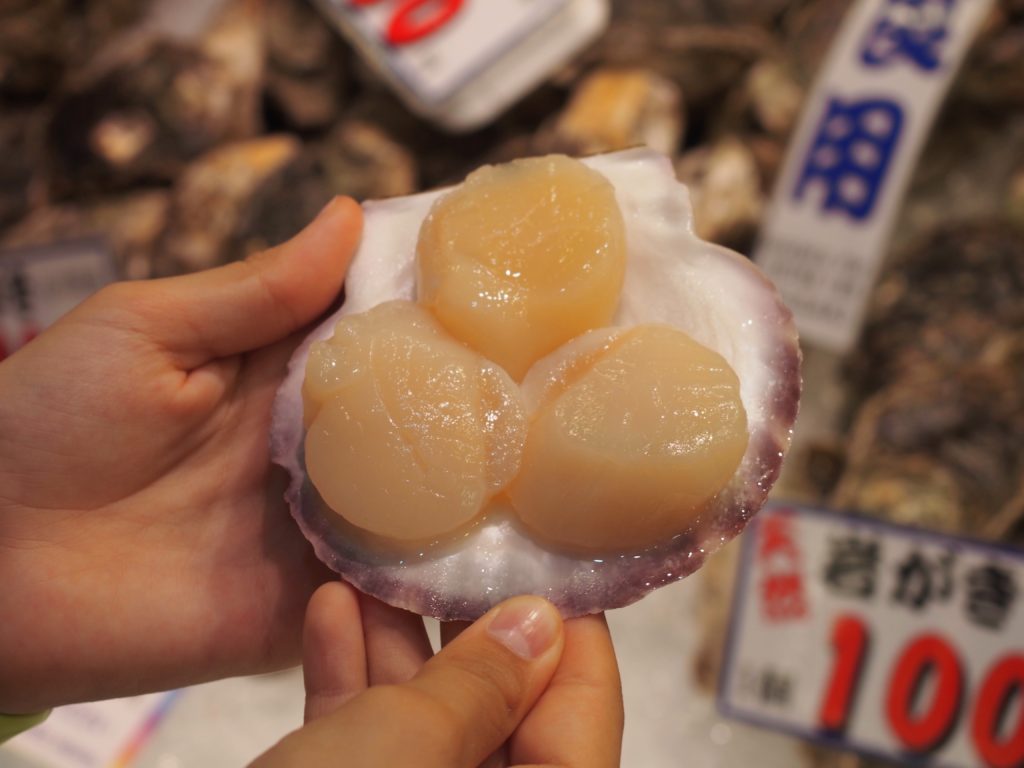
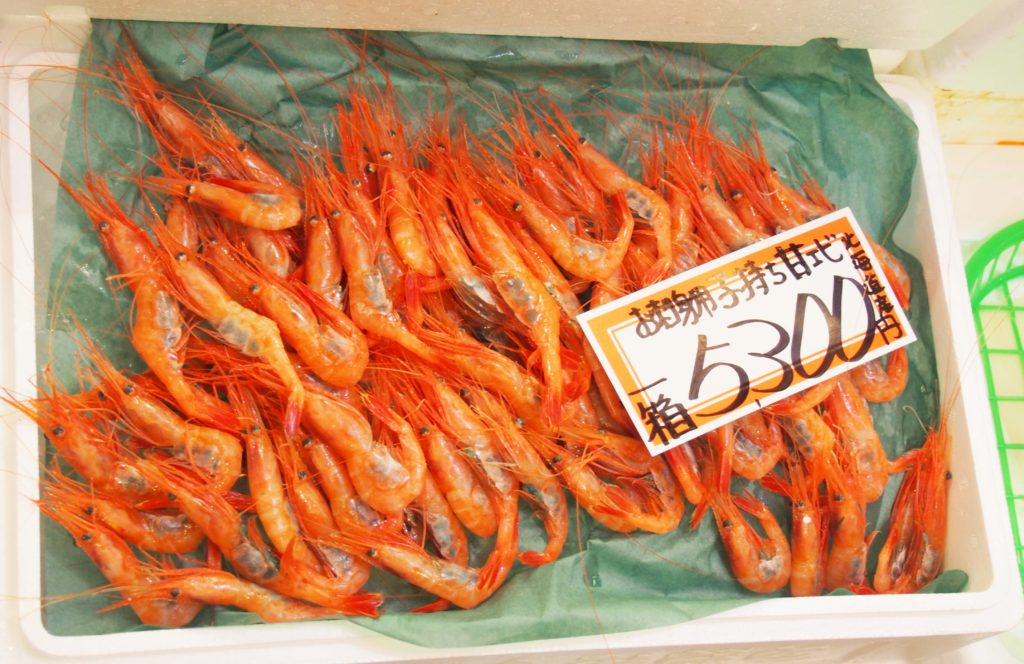
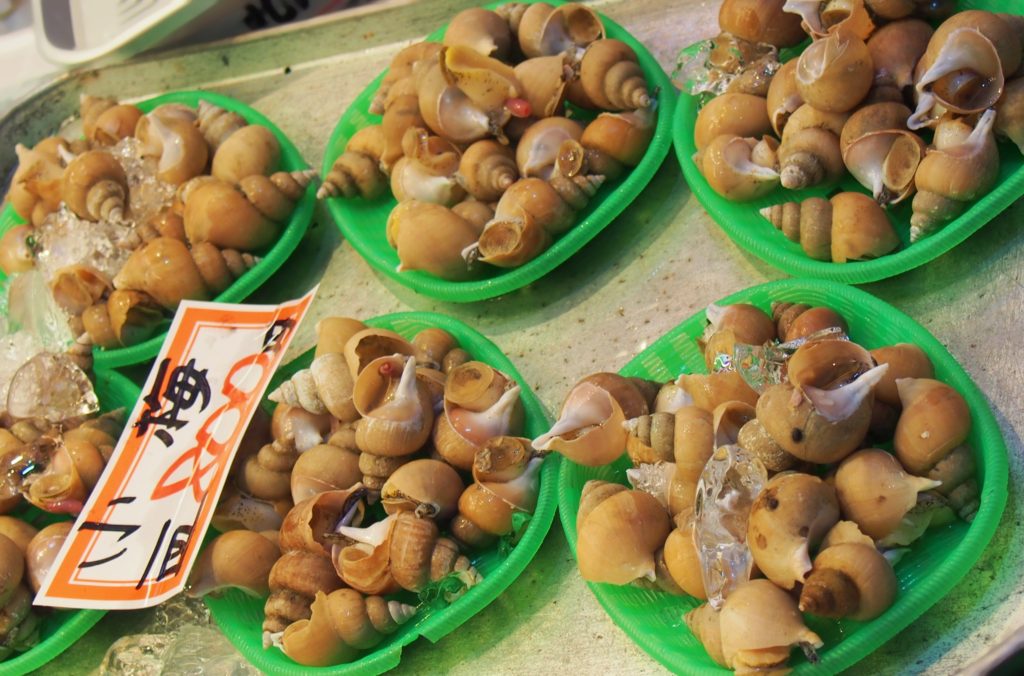
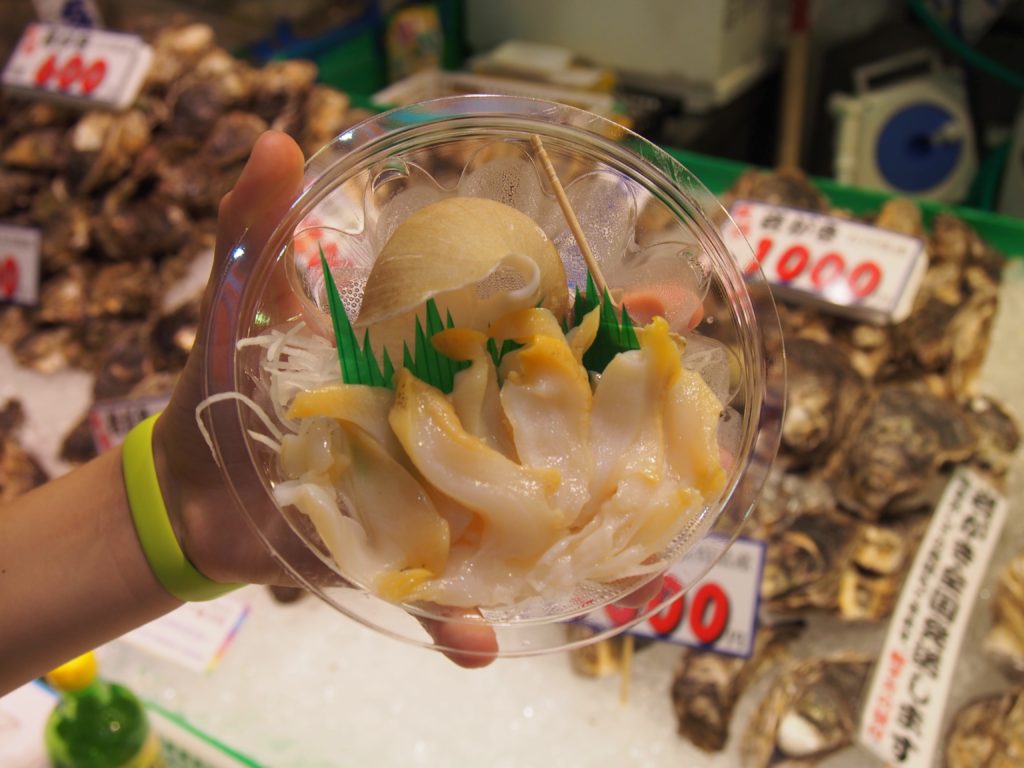
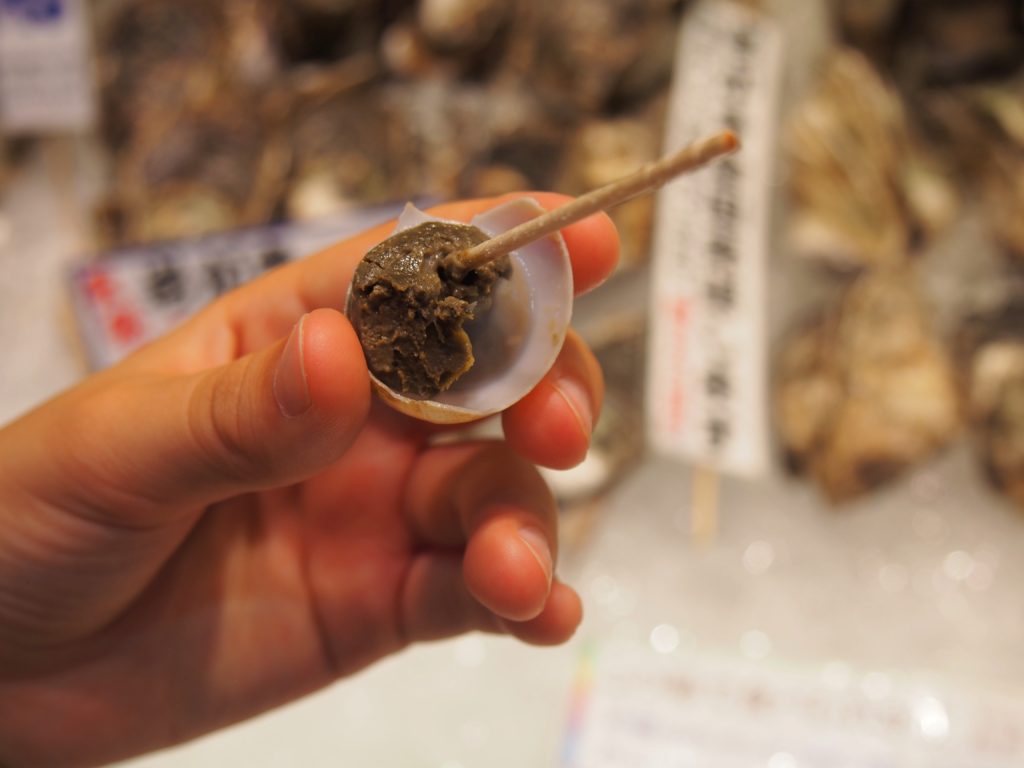
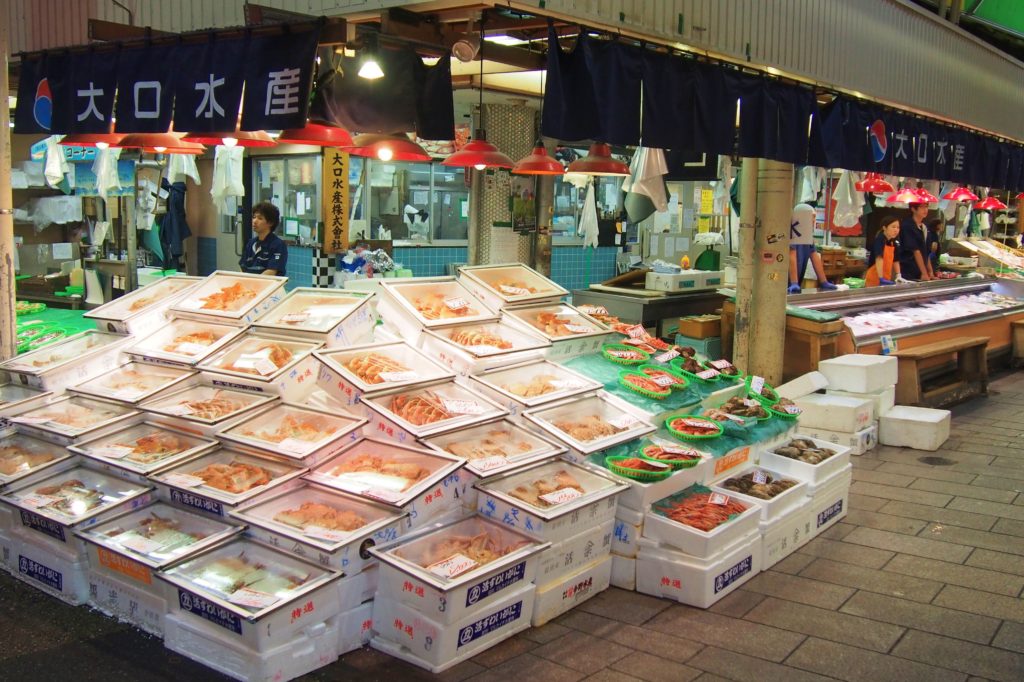
This market is the largest fresh food market in Kanazawa since the Edo period. It is very busy and I really enjoy this colorful network of alleys where you will find a lot of shops and stalls.


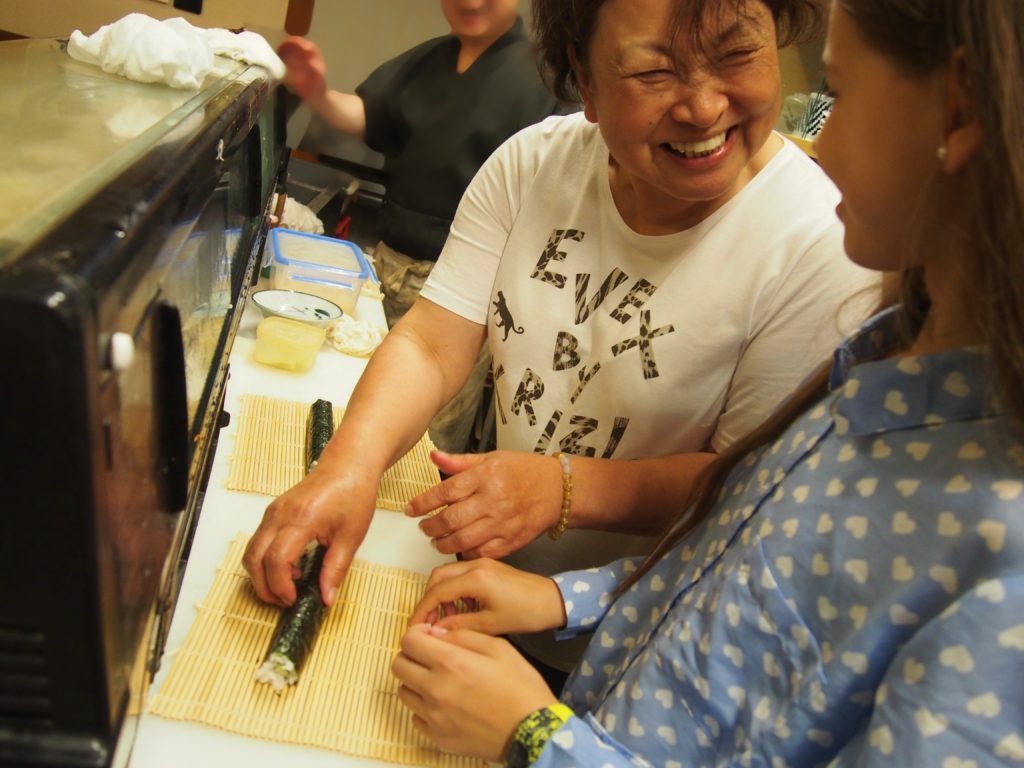
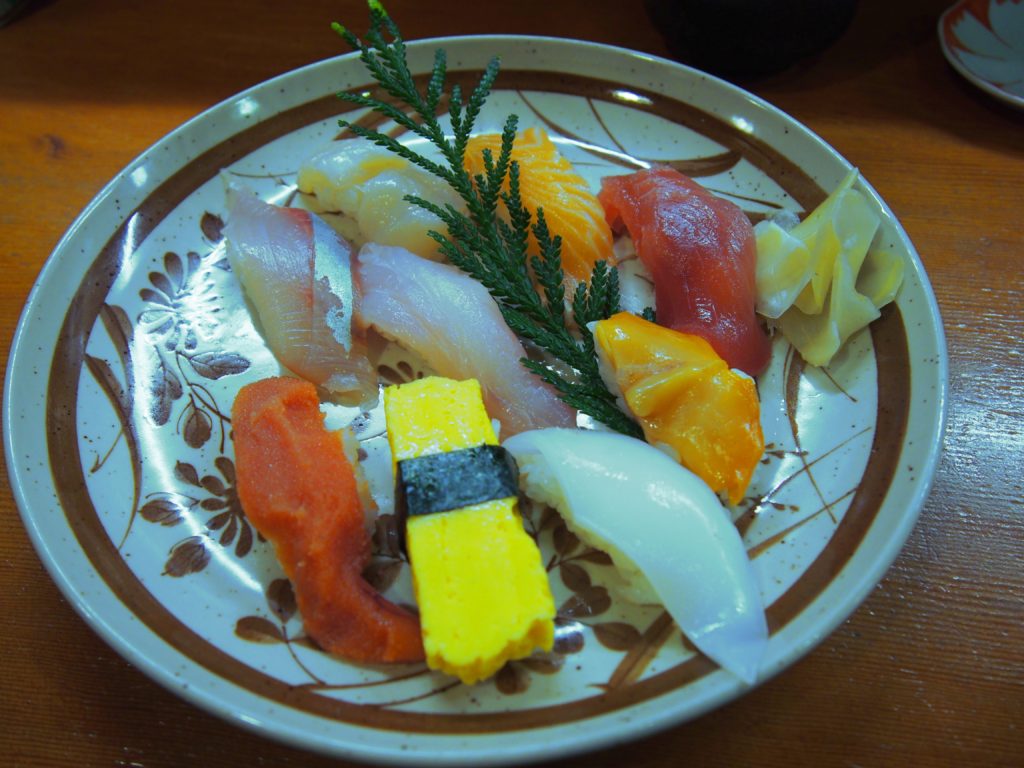
GO FOR SUSHI
You can buy sushi not only at the market, but you can also taste it at a sushi bar. And maybe you’ll be lucky and they’ll show you the secrets of its preparation.

ŠIRAKAWAGO
THE MOST BEAUTIFUL VILLAGE I KNOW
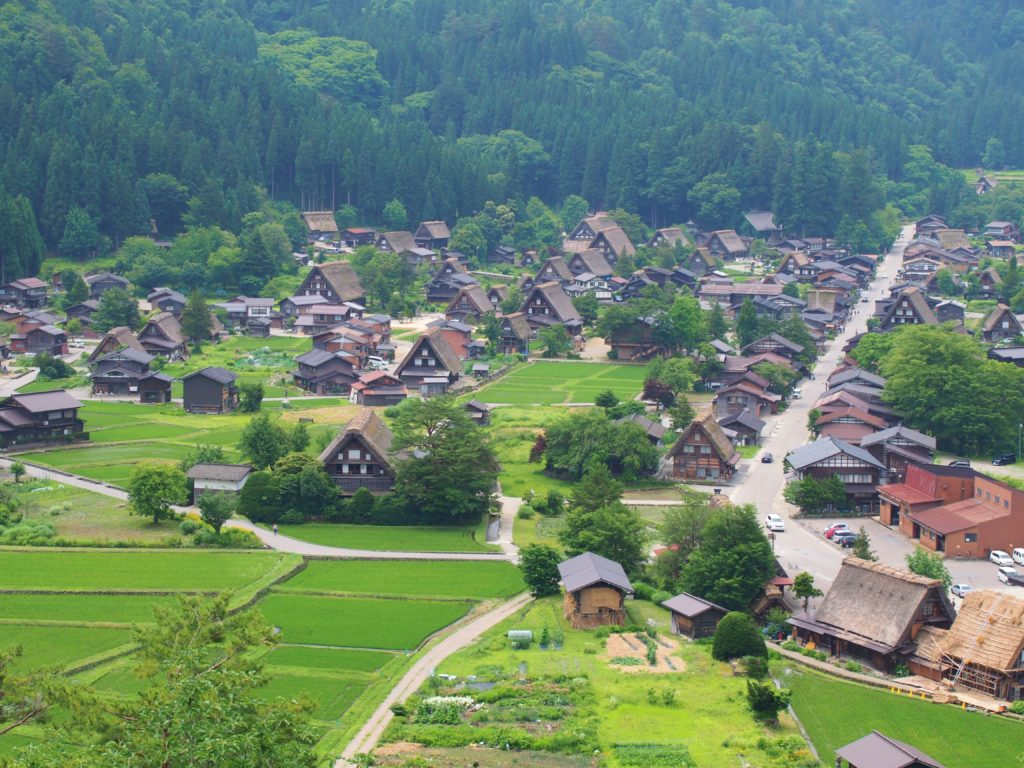
If I had to live in a village, I would definitely want to live here. I have never seen such a beautiful village. The village lies deep in the Japanese Alps and, because it is so unique, it has been registered as a UNESCO World Heritage Site.
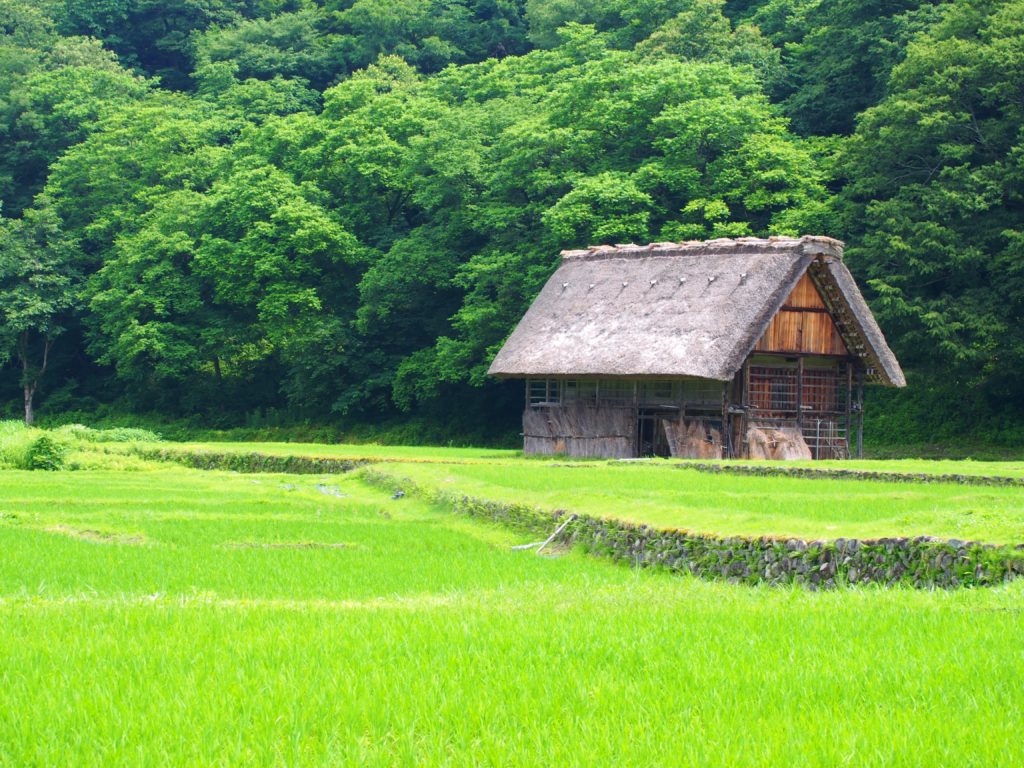
There is a bus from Kanazawa every day. You can buy tickets at least a day in advance at the Higway Express Bus office in front of the train station. The journey takes about 75 minutes and you will pass through beautiful countryside with wonderful views. I think this village is very nice in every season. I am here in the summer – that is, during the rainy season. Everything is beautifully green.
TRADITIONAL HOUSES GASŠO – ZUKURI
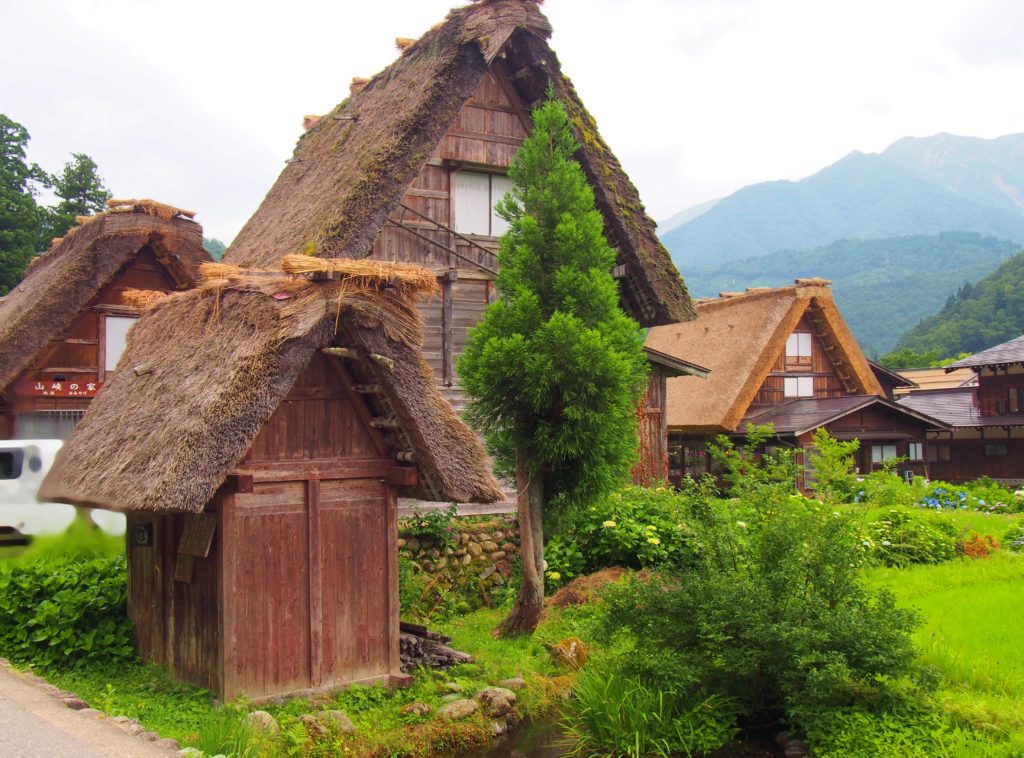
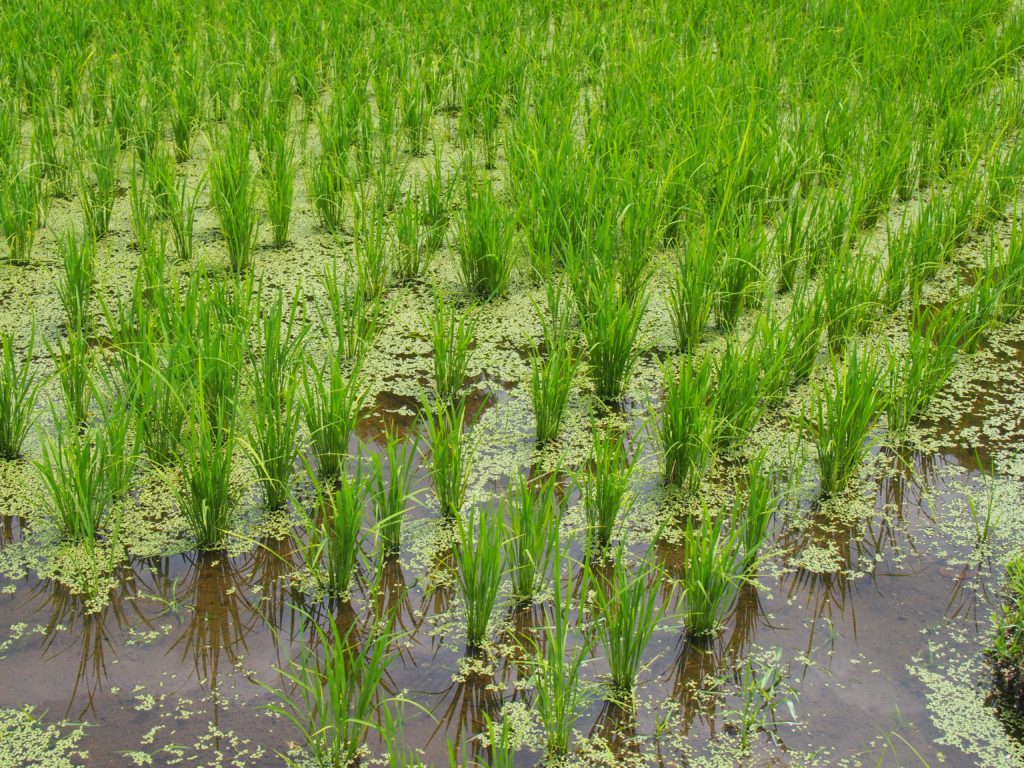
Some of the houses are over 250 years old. This lively village also has an exceptional history. When you visit it, you will realize that many families have lived here for many generations, mainly growing rice and many other crops.
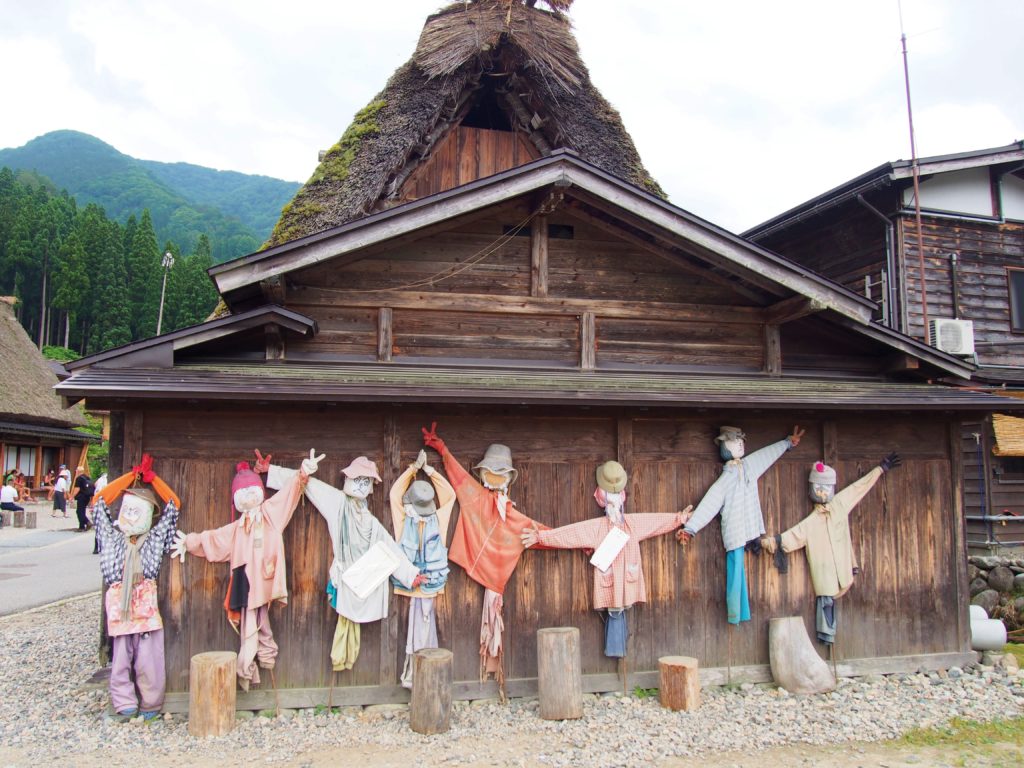
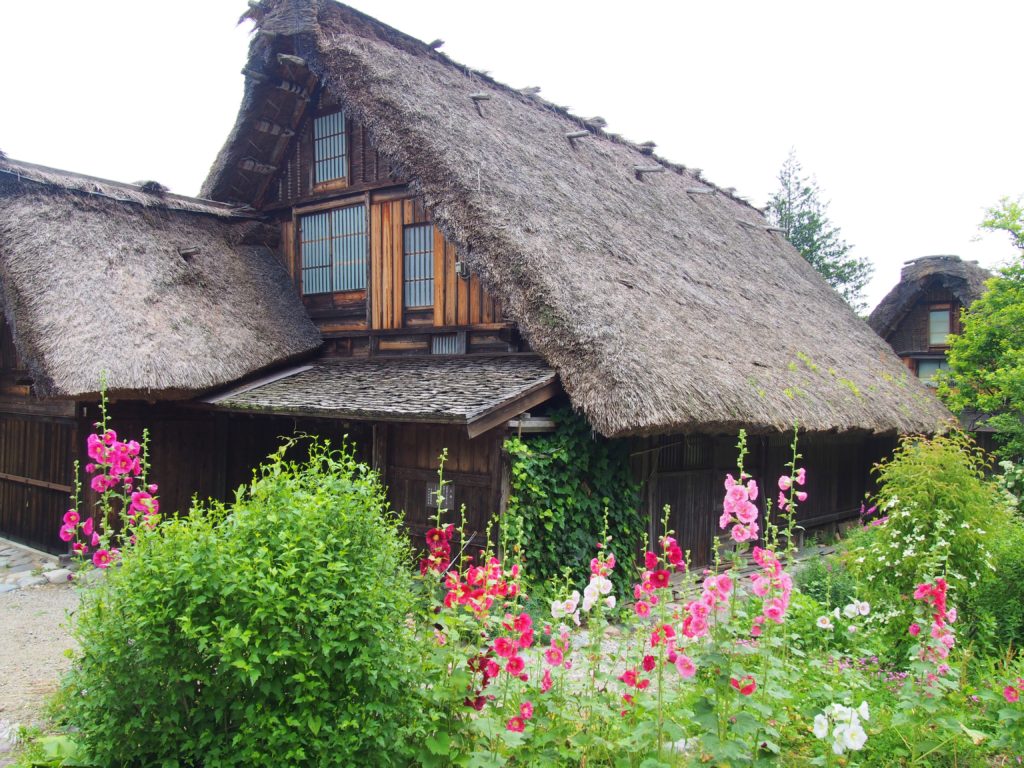
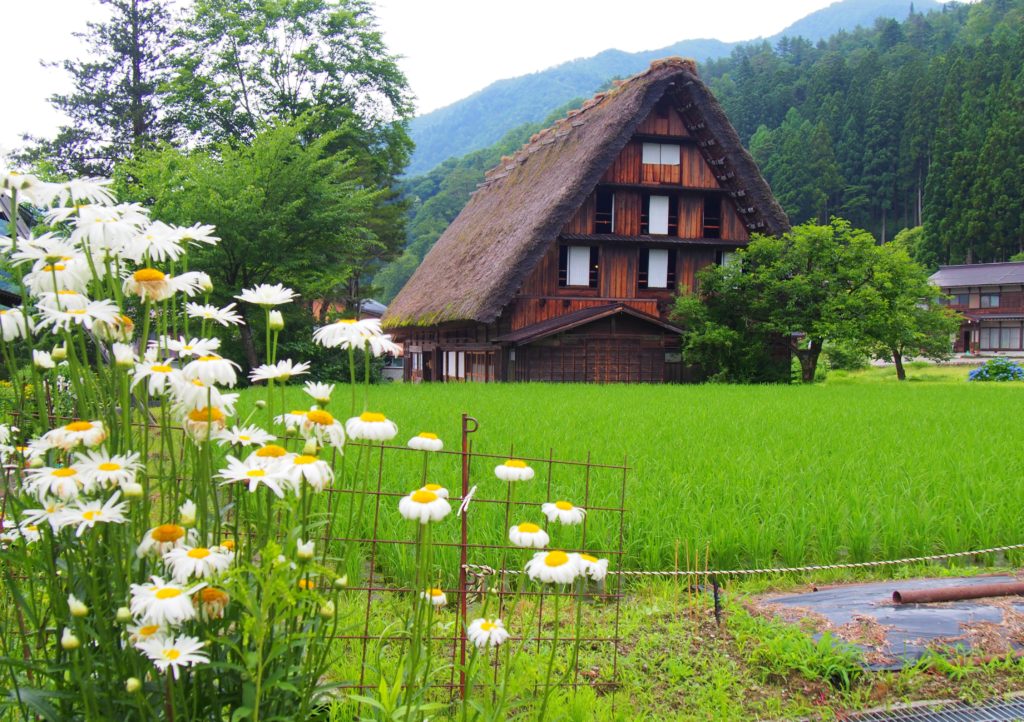
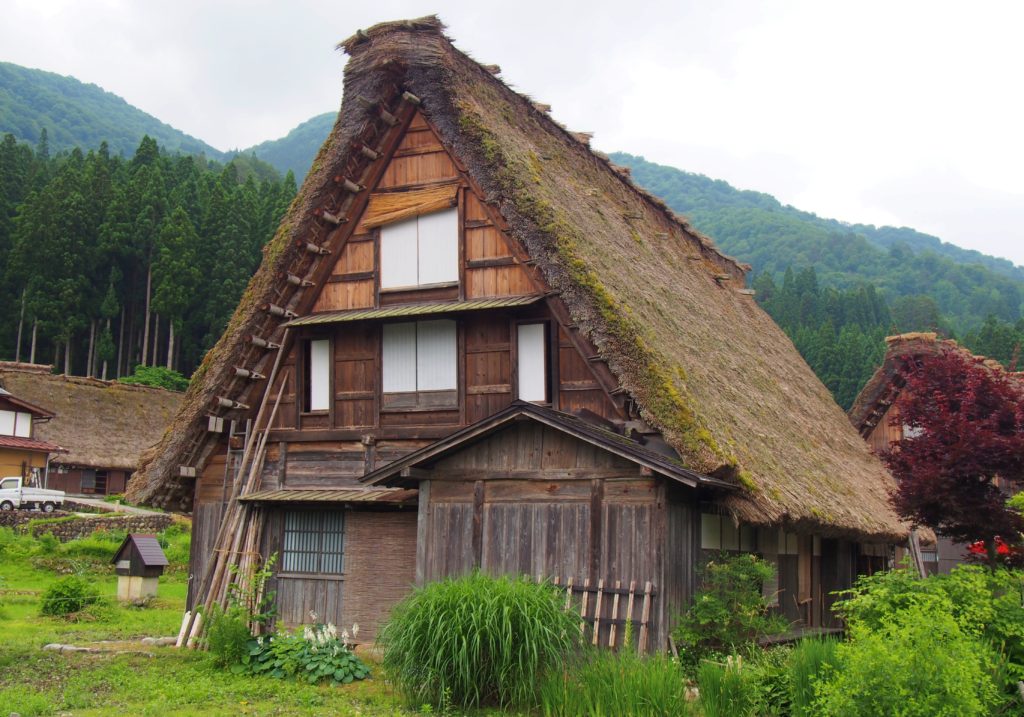
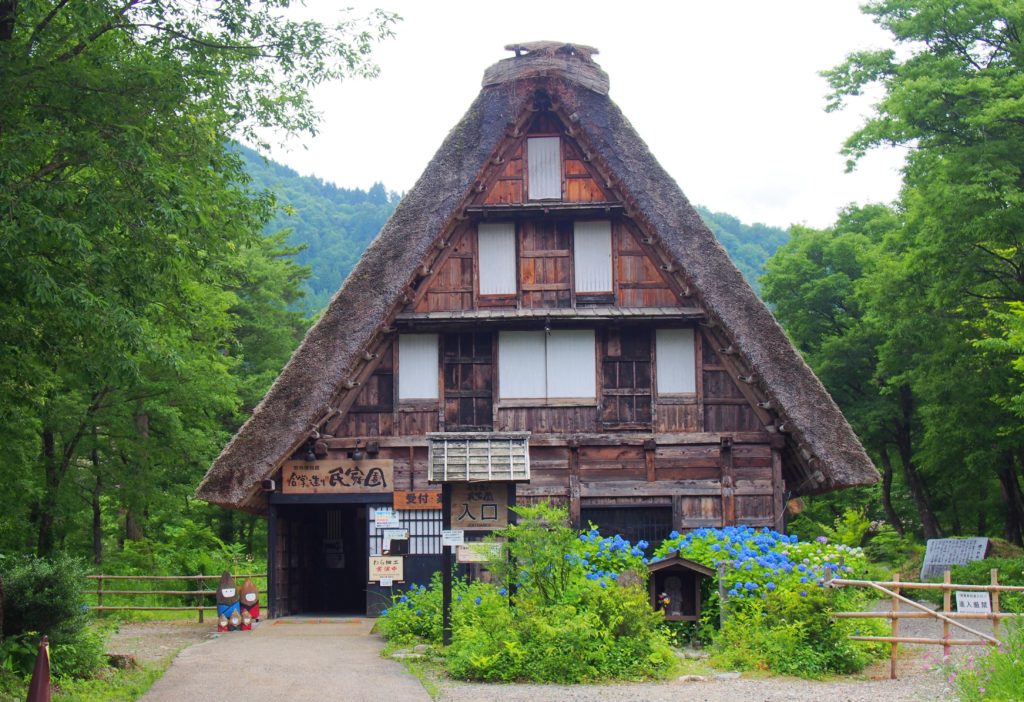
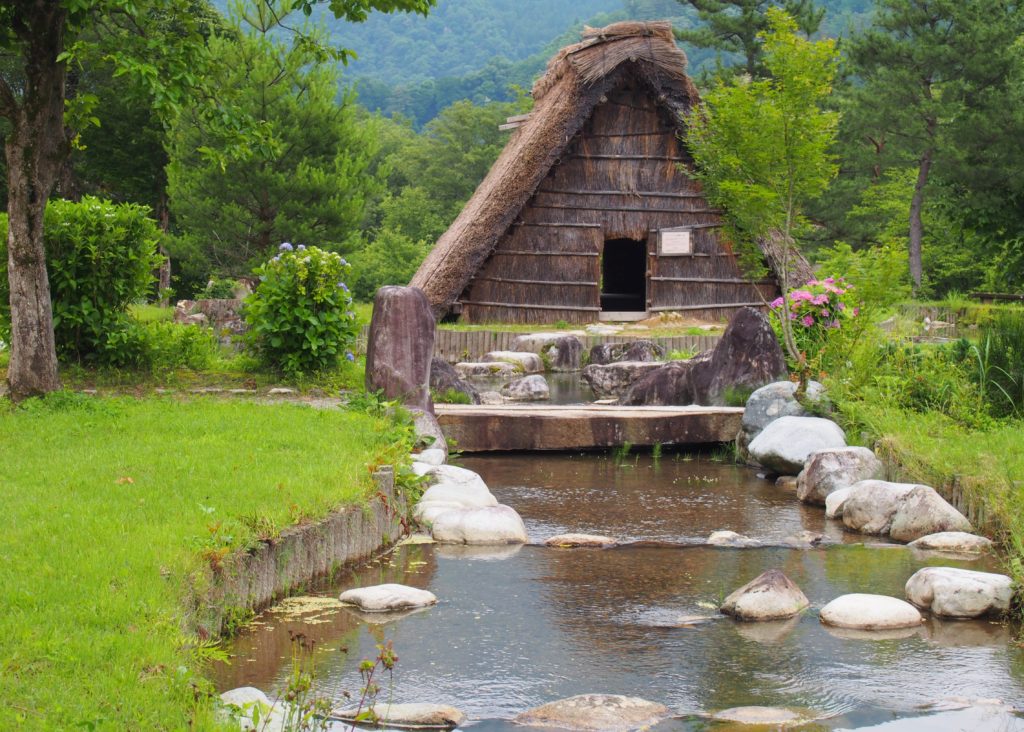
The houses here are built in the gassho style. These are unique buildings that you won’t find anywhere else. Their characteristic feature is a steep sloping roof in the shape of a triangle, reminiscent of clasped hands in prayer, which is where its name gassho comes from. These houses have 3-4 floors, so that 20-30 people can live here. To achieve the highest possible level of ventilation and light, these houses have huge windows. A great rarity is that no nails or beams were used here. The struts are tied only with straw ropes that hold the structure together.

CULTIVATION OF SILK BOWLS
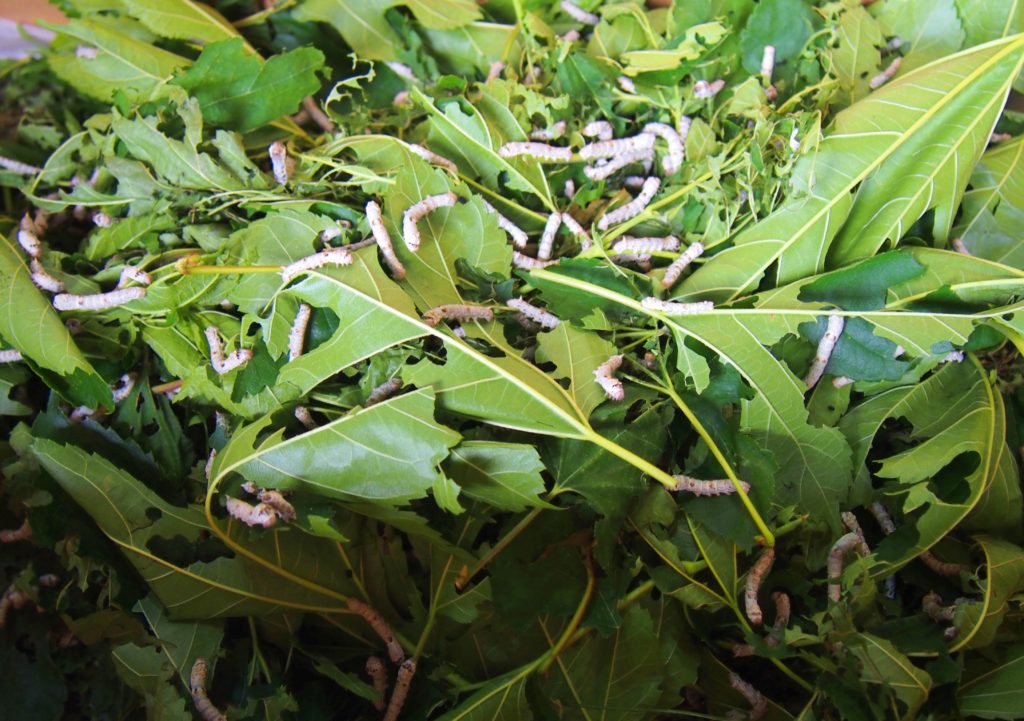
And what else is the village famous for? The silkworm! This caterpillar feeds exclusively on mulberry leaves, and mulberry trees are naturally found in the Shirakawago Valley. The caterpillars must gain up to 9,000 times their weight during the 30 days after which they pupate, and silk from 2,100 caterpillars is needed to make one kimono. That is why the Japanese have invented such spacious houses so that they can all fit in there. It takes about 2,000-3,000 cocoons (protective cocoons) to produce one kilogram of silk.
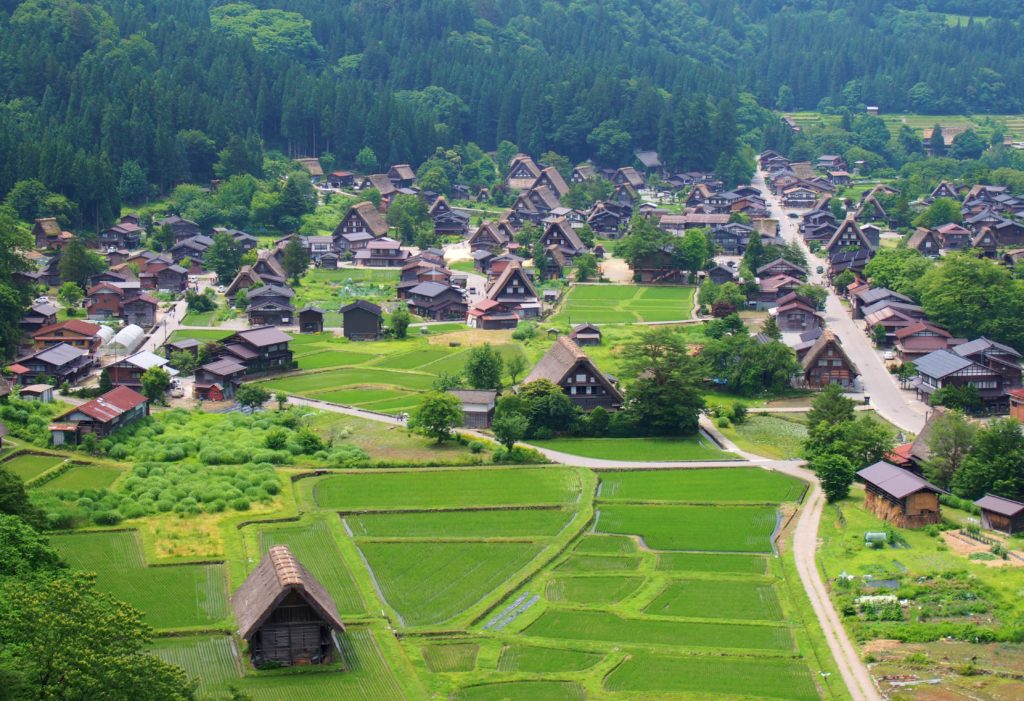
VIEW OF THE VILLAGE
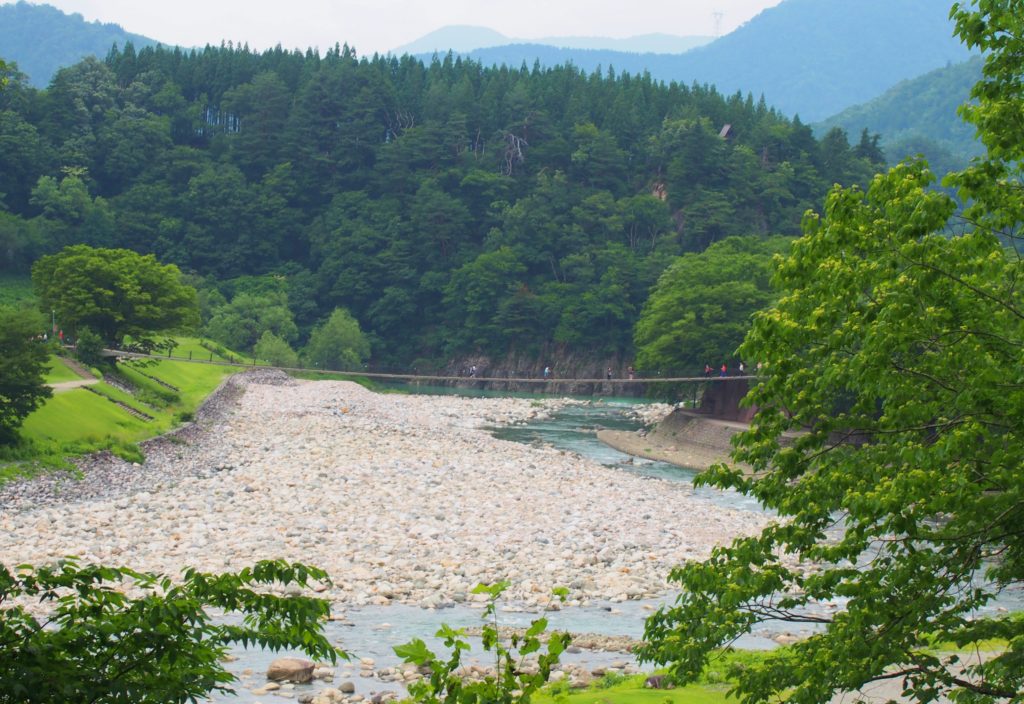
You can easily reach the viewpoint on foot. The journey takes about 20 minutes. Then you will be greeted by a beautiful view and you have the whole village in the palm of your hand. The village is small, but I still stay here for more than half a day. I enjoy observing all the details.
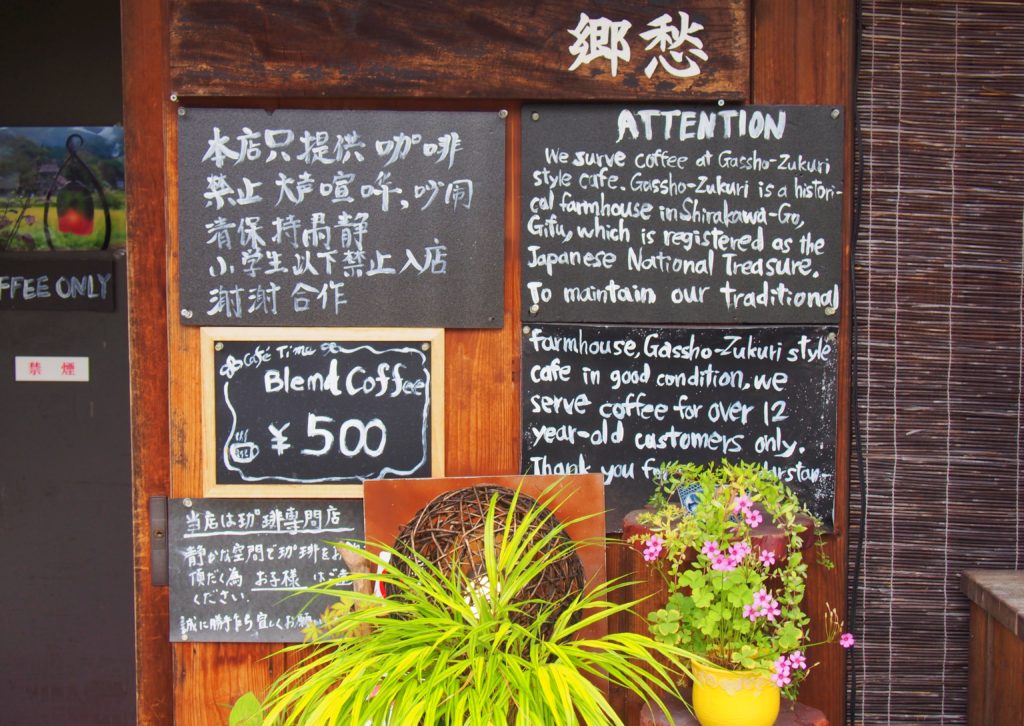
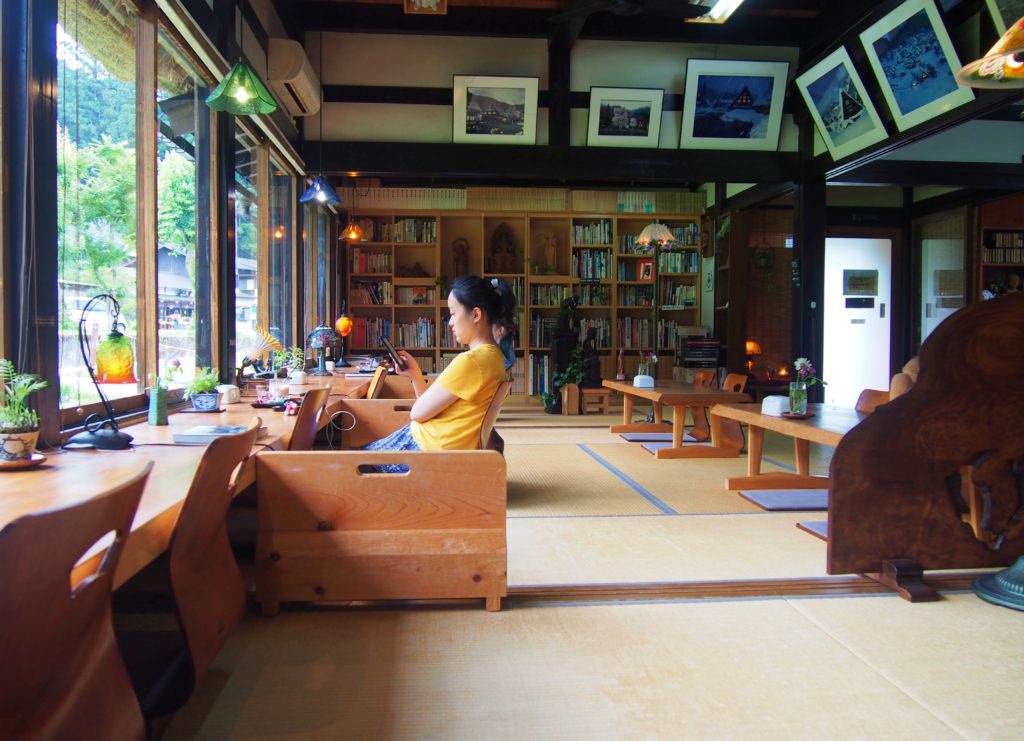
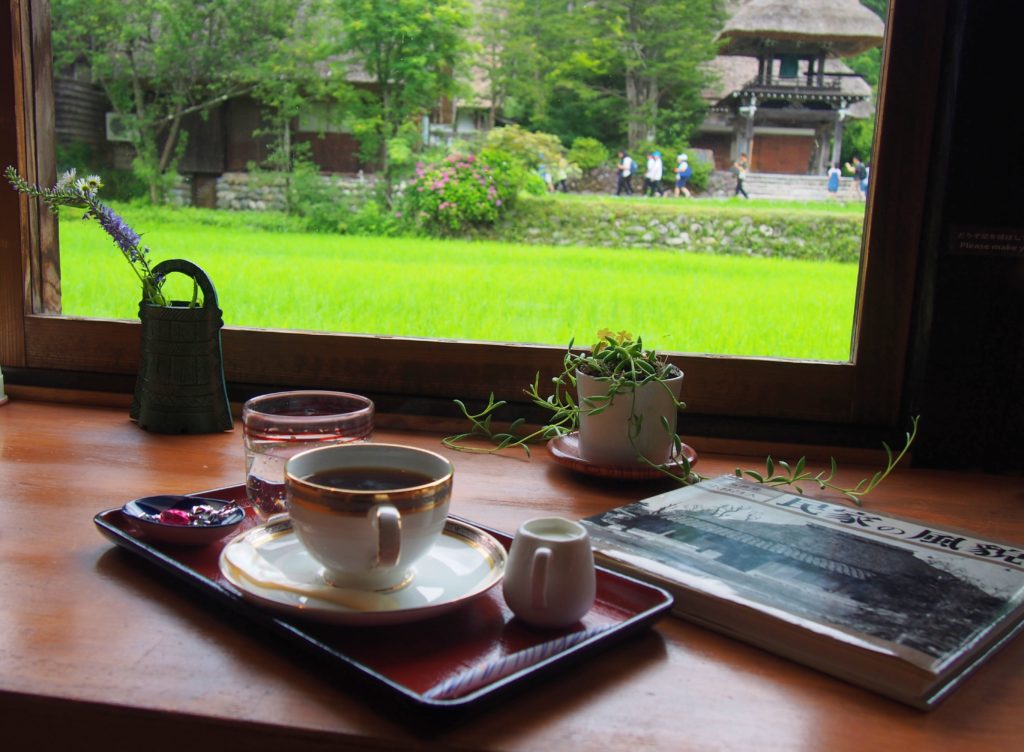
I’m having coffee in one of the renovated houses, where I’m almost lying down and enjoying the wonderful atmosphere.

OPEN MUSEUM IN NATURE
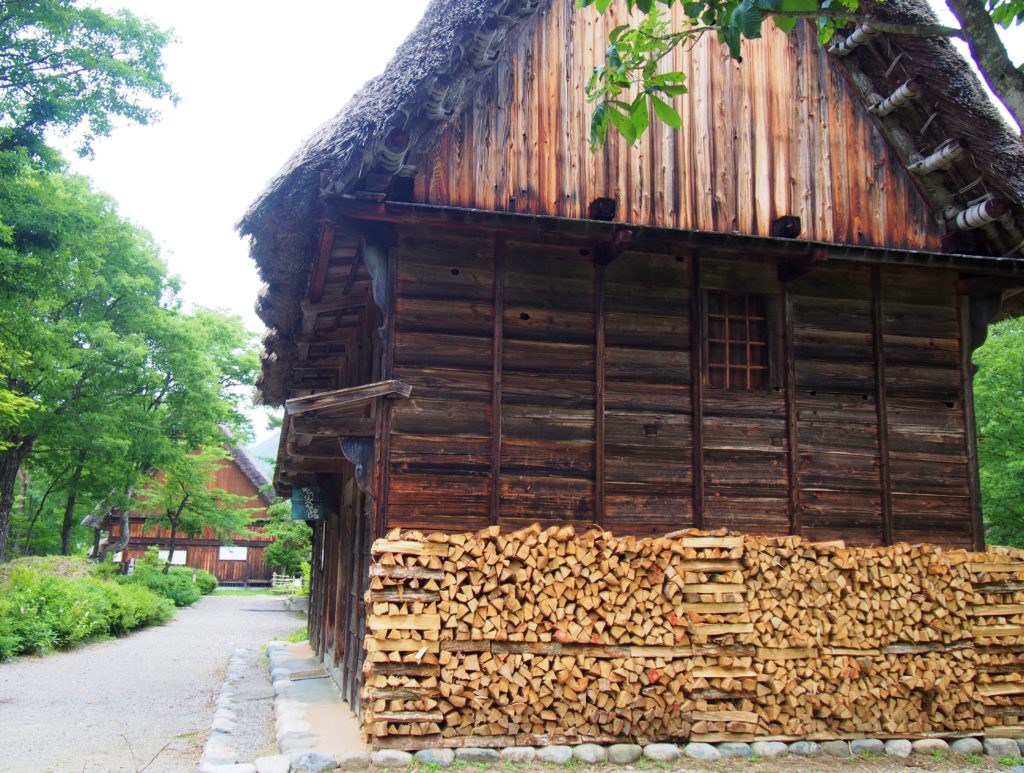
Behind the river lies an open-air museum with 26 traditional gassho-zukuri-style buildings that were moved here from more or less distant places. In addition to the classic farmhouses, there is also a water mill, a shrine, a temple and farm buildings. I really like such open-air museums.
I hope I have enticed you, because in my opinion these places are worth a visit. If you decide to stay only one day in Japan and spend it in these places, you will not make a mistake.

If you liked the article, I would be happy if you share it or leave a nice comment below the article.

I would also like to invite you to join me on Instagram and Facebook.

ARTICLES


