
San Francisco is amazing! It’s one of those cities that really gets you. In a good way or bad way. At every turn, you’ll find beautiful renovated Victorian houses, Chinatown, Italian Quarter, or the world’s prettiest street. This city will turn its shady or pretty face in a day. And it’s really worth it!
MISTAKES YOU SHOULD NOT MAKE WHEN VISITING THIS CITY
Well, I may not be starting out optimistically, but before I went to San Francisco, I came across this information quite often. I was like, “What a load of crap! :-)” I was a little surprised because they are very true. That’s why I’d like to pass them on to you at the beginning, so you can prepare yourself before your trip and not be so surprised and uncomfortable.
1) DRESS PROPERLY
And I’m dead serious! Even if you’re going in the summer! Take several layers and especially warm clothes! Yes, this is Southern California. They don’t call it “The Foggy City” for nothing. The weather here is very mild, around 20 C year round. Most nights there’s a fog that cools the city. So pack several layers in your suitcase, including a big thick sweater or jacket. Yes, even in summer.

2) WEAR COMFORTABLE SHOES
San Francisco is a walkable city. Be prepared, however, for hills with gradients of up to 31%. That means they’re really steep! So you’re gonna have a hard time like I did.

3) HOMELESS
Yes, there are homeless people here, just like in most big cities. But here, I feel like there’s more of them. And they’re everywhere. Remember, homelessness doesn’t strip a person of their humanity, even if the people involved feel that way. And it’s usually not their choice. If you don’t feel safe, feel free to move on, the next block will be completely different. Many of them have mental health issues, others may have been kicked out of their homes. This is a complex issue that I will not delve into here. Mostly, though, they stay away and don’t bother anyone, except to ask for money. You either give it or you don’t. It’s up to you. Unfortunately, car break-ins are incredibly common in the tourist areas of the city. If you have a car, don’t leave anything in it that you don’t want to lose when you park it!

NORTH BEACH OR LITTLE ITALY
Located in the northeastern part of San Francisco, North Beach is bordered by Fisherman’s Wharf to the north, the Embarcadero to the east, the Financial District to the south, Chinatown to the southwest, and Russian Hill (where Lombard Street is located) to the west.

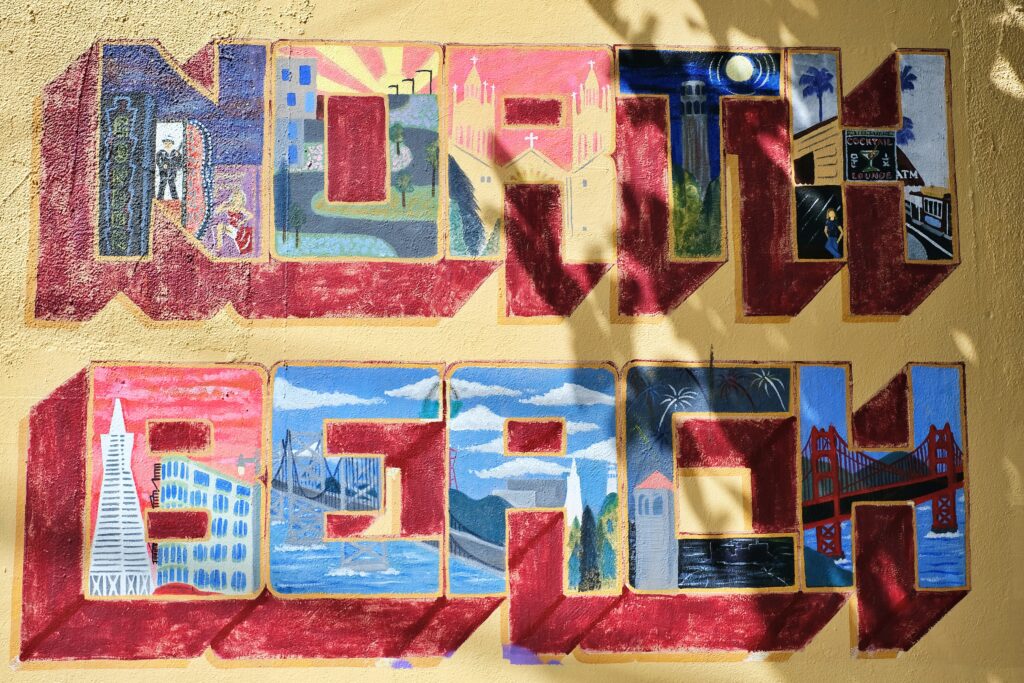
North Beach is one of San Francisco’s most popular neighborhoods. It is known as the Little Italy of San Francisco because Italian immigrants have made North Beach their home. North Beach has also become home to the Beat Generation. Today, the neighborhood is a cultural mix of locals, tourists and immigrants.

Even if you don’t like history, you should still learn a bit about the neighbourhood. It will help you improve your experience.
 BARBARY COAST
It may seem strange that a neighborhood called North Beach isn’t actually on the water, but there is an explanation. In the 19th century, the area was actually located on the bay, but over the years the shoreline has been artificially expanded to include new land. It was also part of the famous red light district known as the Barbary Coast, an area with dance halls, bars, clubs and brothels that was created as a result of the gold rush.

The neighbourhood has Italian roots, as evidenced by the large number of Italian restaurants today. Reconstruction after the 1906 earthquake brought many Italian immigrants to the area. It was even home to professional baseball player Joe DiMaggio, who, in addition to growing up on these streets, lived here with Marilyn Monroe.


BEAT GENERATION
Another important period for North Beach was the 1950s and 1960s, when the neighborhood became a gathering place for the beatnik generation. Among them are the following famous names: Jack Kerouac, Lawrence Ferlinghetti, Allen Ginsberg and Neal Cassady. The Beat Generation preceded the hippie movement, which it influenced greatly.


BOOKSHOP CITY LIGHTS
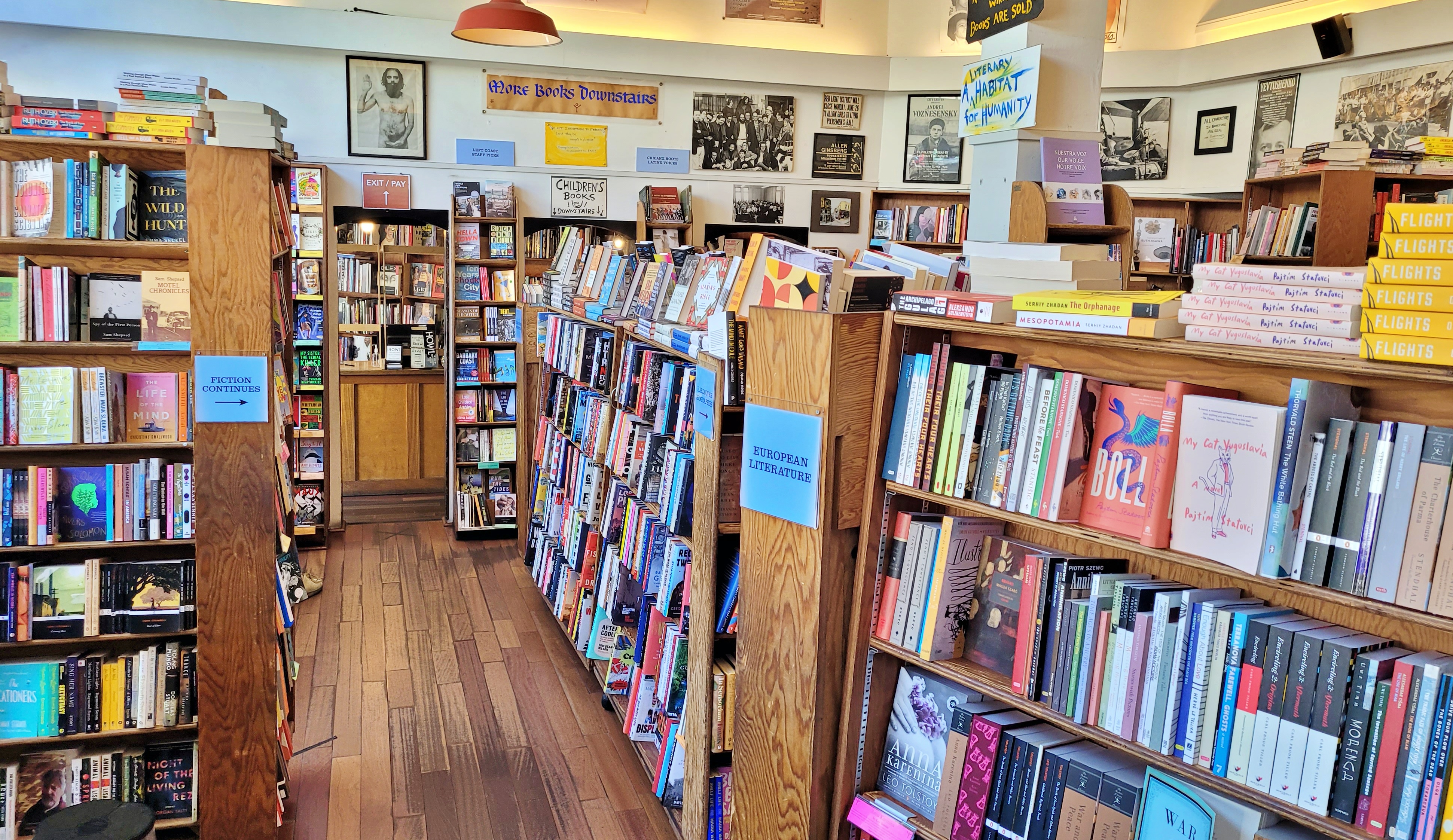
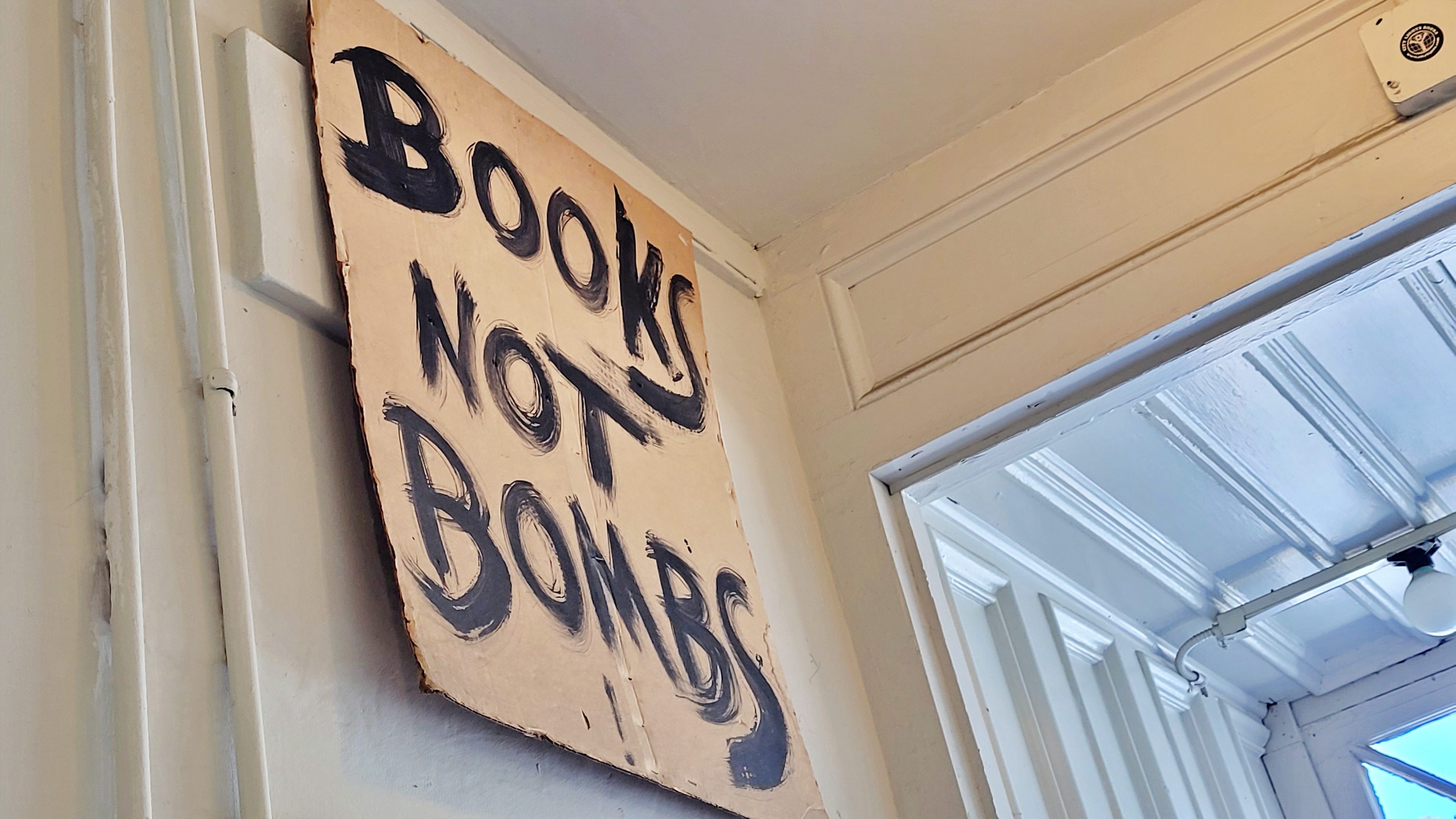
As is well known, North Beach has been the cradle of alternative culture for many years. The traces left by Kerouac, Ginsberg and their contemporaries are long-lasting and ever-present in the streets of the neighbourhood. City Lights Bookstore has published some of the most important and controversial works of the period. Ginsberg’s Howl & Other Poems even led to the arrest of publisher Lawrence Ferlinghetti (founder of City Lights Books).

JACK KEROUAC ALLEY
Right on the corner between the bookshop and Vesuvio café is Jack Kerouac Alley, which is covered with murals dedicated to the great writer.


BEAT MUSEUM
As you continue down Broadway, you’ll come across the Beat Museum, a small museum with records, books, posters, photographs and magazines from the Beat movement. There are other places that were important meeting places for beat writers.
CAFÉ VESUVIO
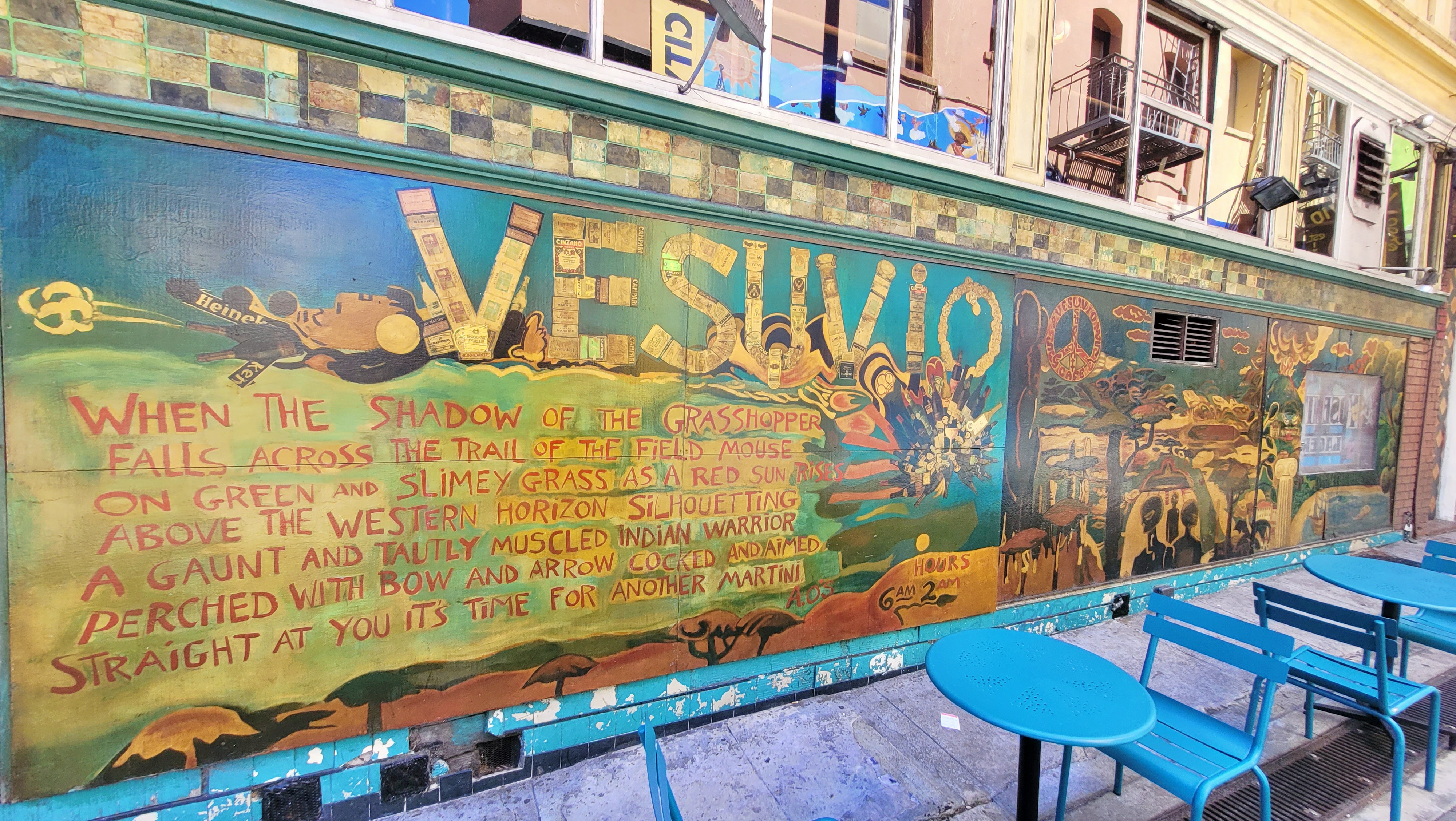
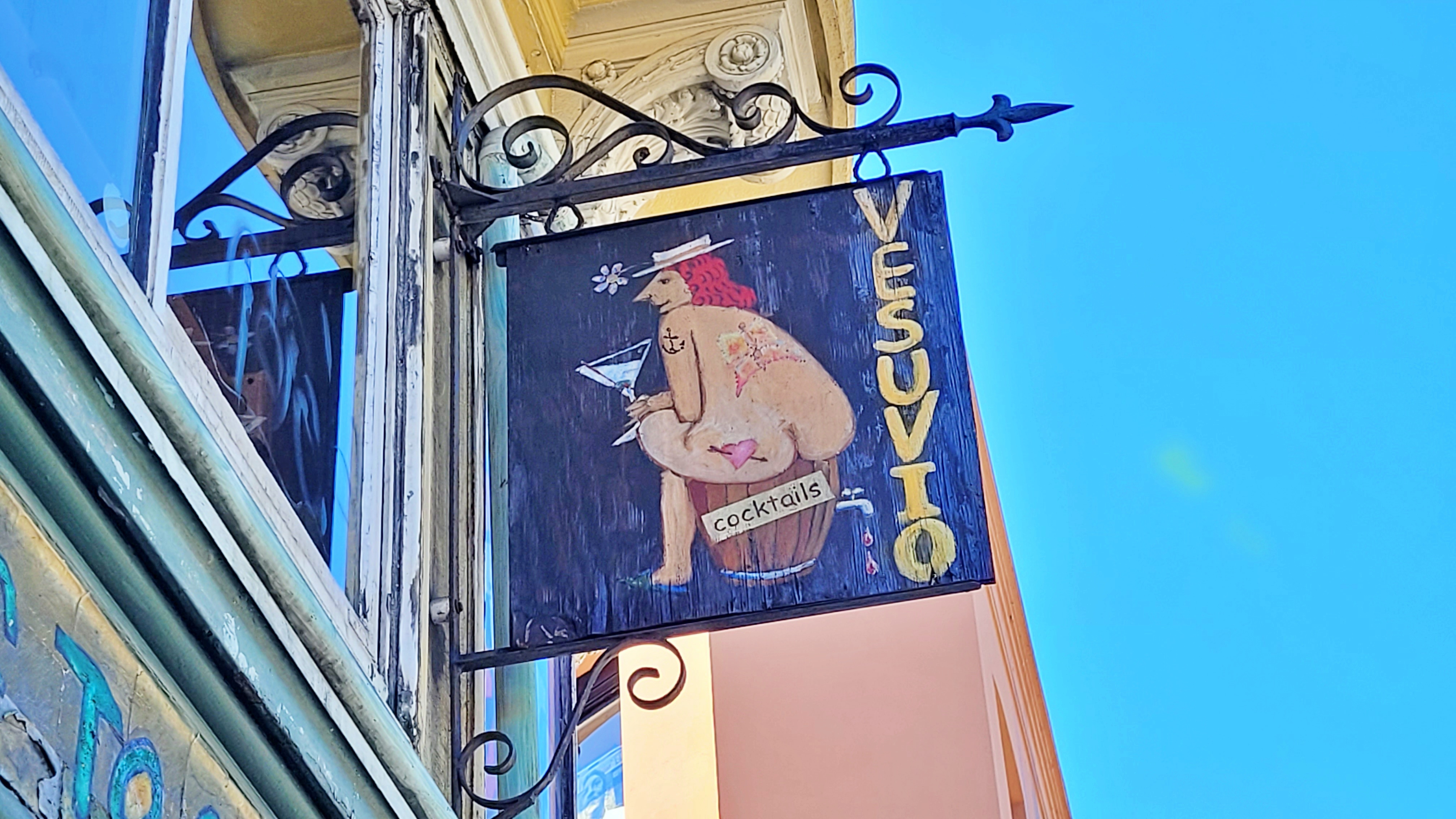
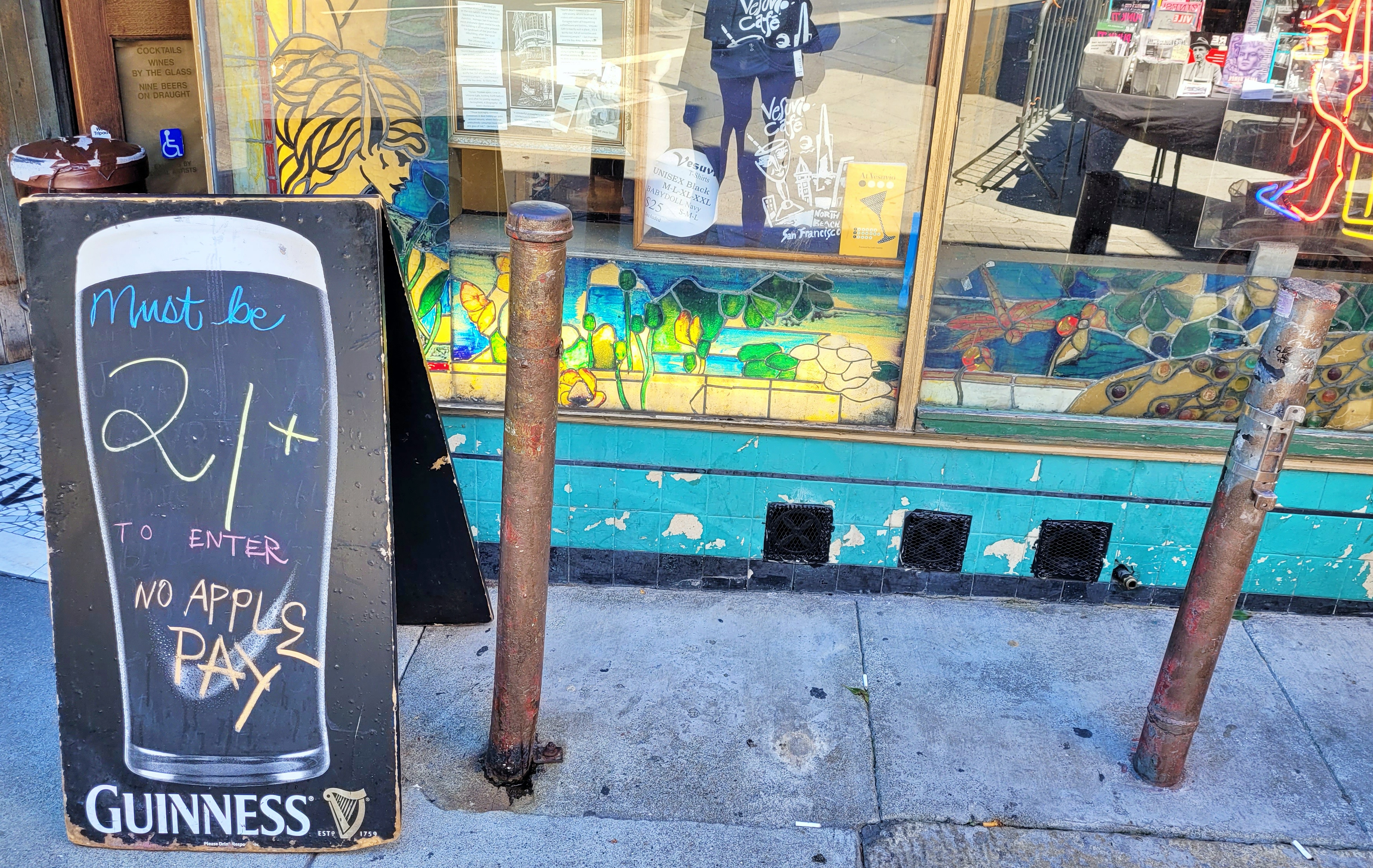
When visiting North Beach, you can’t help but notice that the area is dotted with Italian restaurants and cafes. Some of them have historical significance and have retained their historic atmosphere. For example, Cafe Vesuvio opened in 1948 next to the City Lights bookstore and was a frequent hangout not only for the Beat Generation, but also artists such as Bob Dylan, Paul Kantner (Jefferson Airplane) and Francis Ford Coppola. There’s just a little catch. If you’re here with kids or are underage, they just won’t let you in. And beware, the age of majority in America is 21+. 🙂


CAFFE TRIESTE
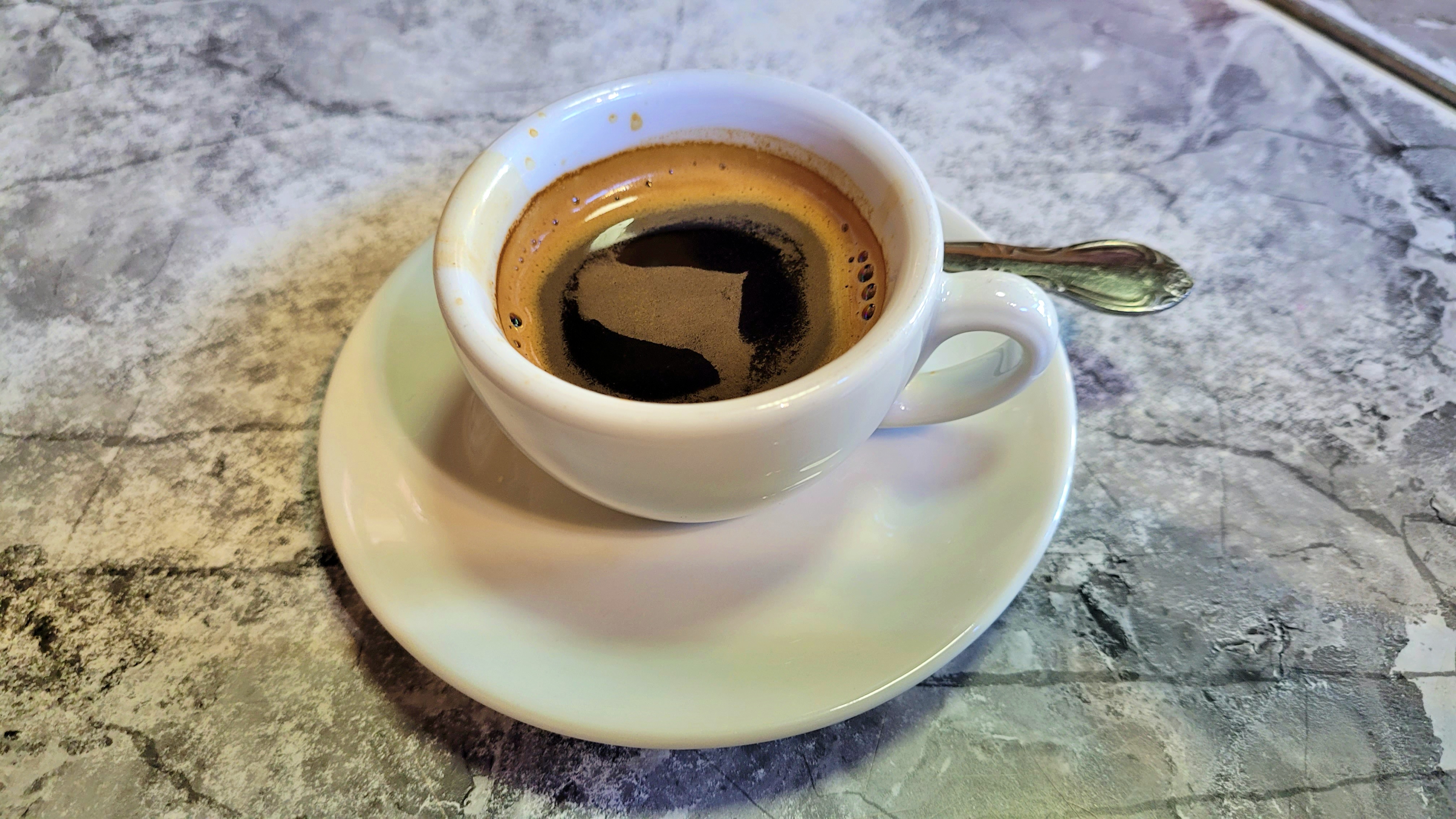
But you don’t have to be sad. There is another café where they will surely let you in. And it’s no less famous. The next big thing is Caffe Trieste. Opened in 1956, it is considered the first Italian café on the west coast. The Beat Generation intellectuals used to gather here too, and many artists still frequent it today. It was here that Francis Ford Coppola wrote the screenplay for The Godfather. Even if you’re not a coffee lover, this place has such a unique atmosphere of a classic Italian café mixed with a bohemian vibe that it’s worth stopping in for at least a bite to eat!
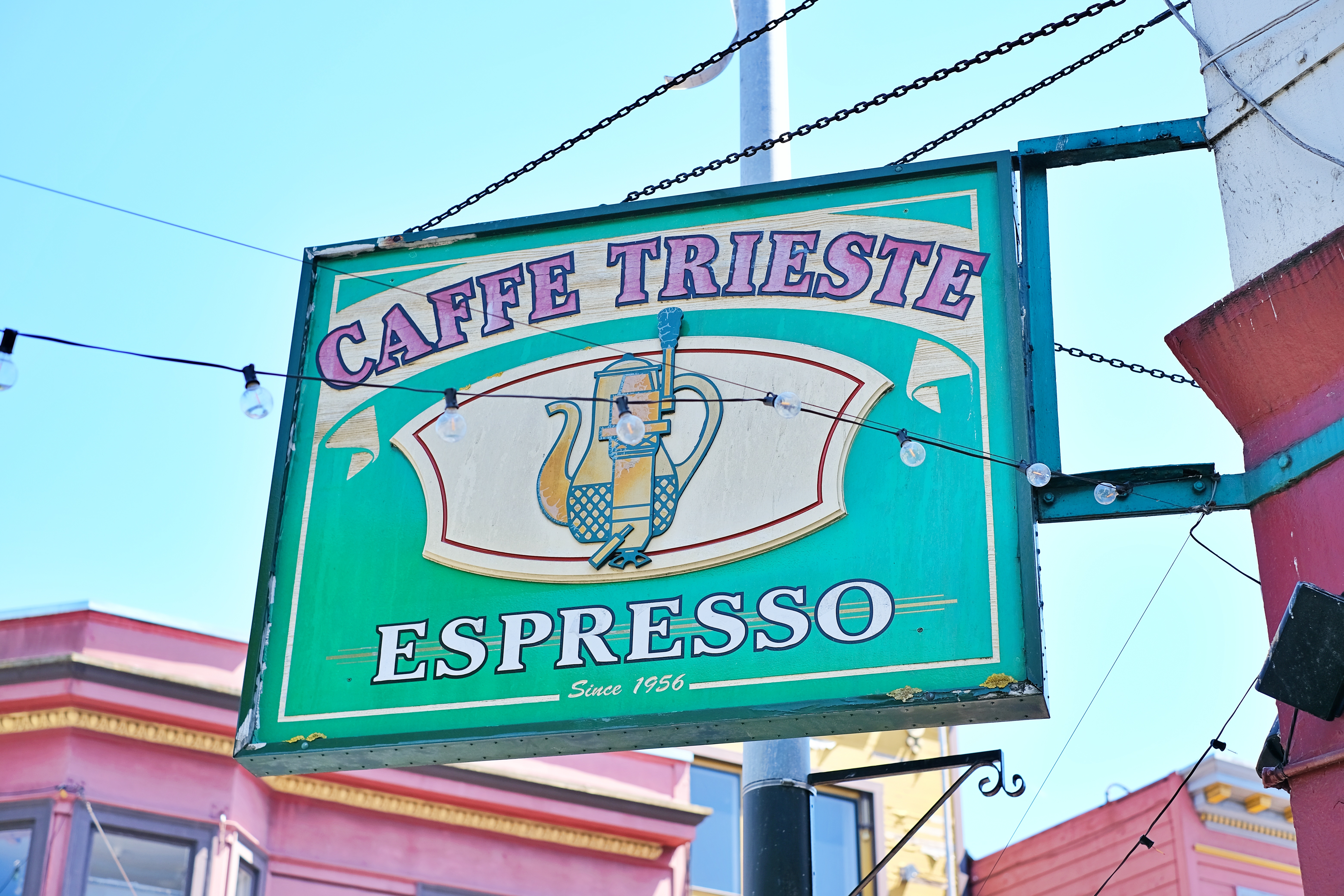


Having a coffee in the first coffee shop on the South Coast of America is simply a must. And you won’t believe me, but it tastes just like Italy. 🙂
CHINATOWN
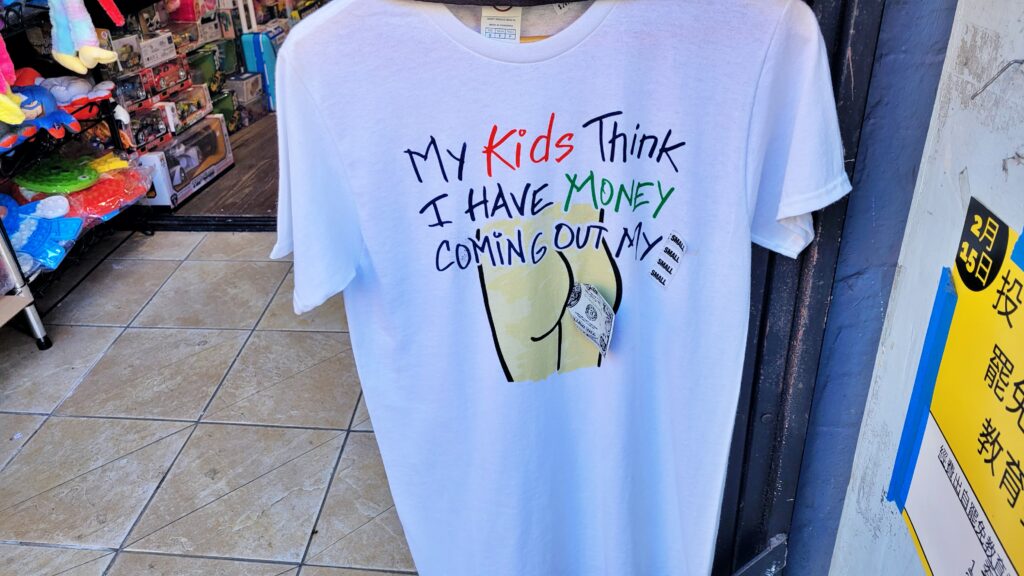
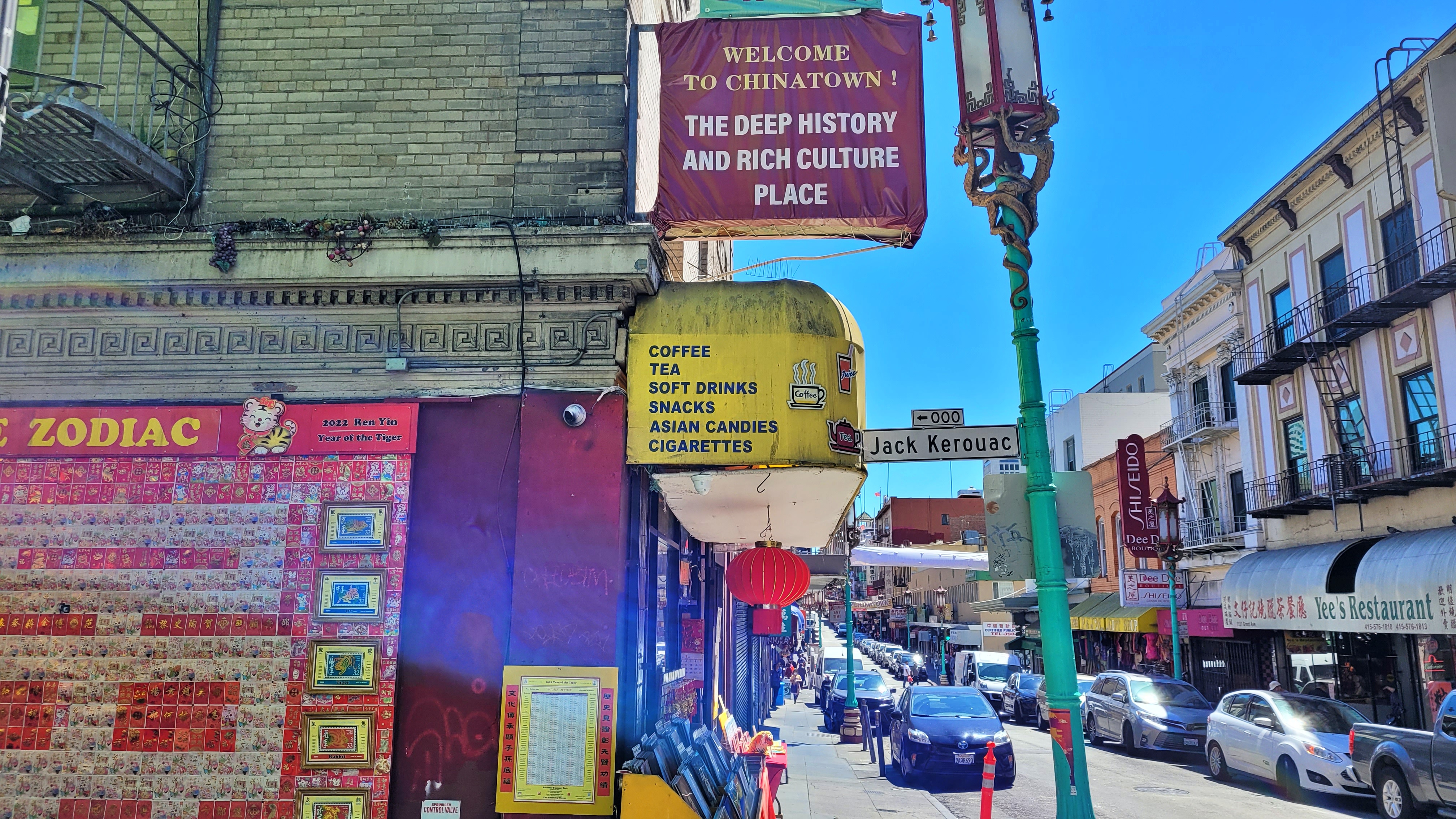
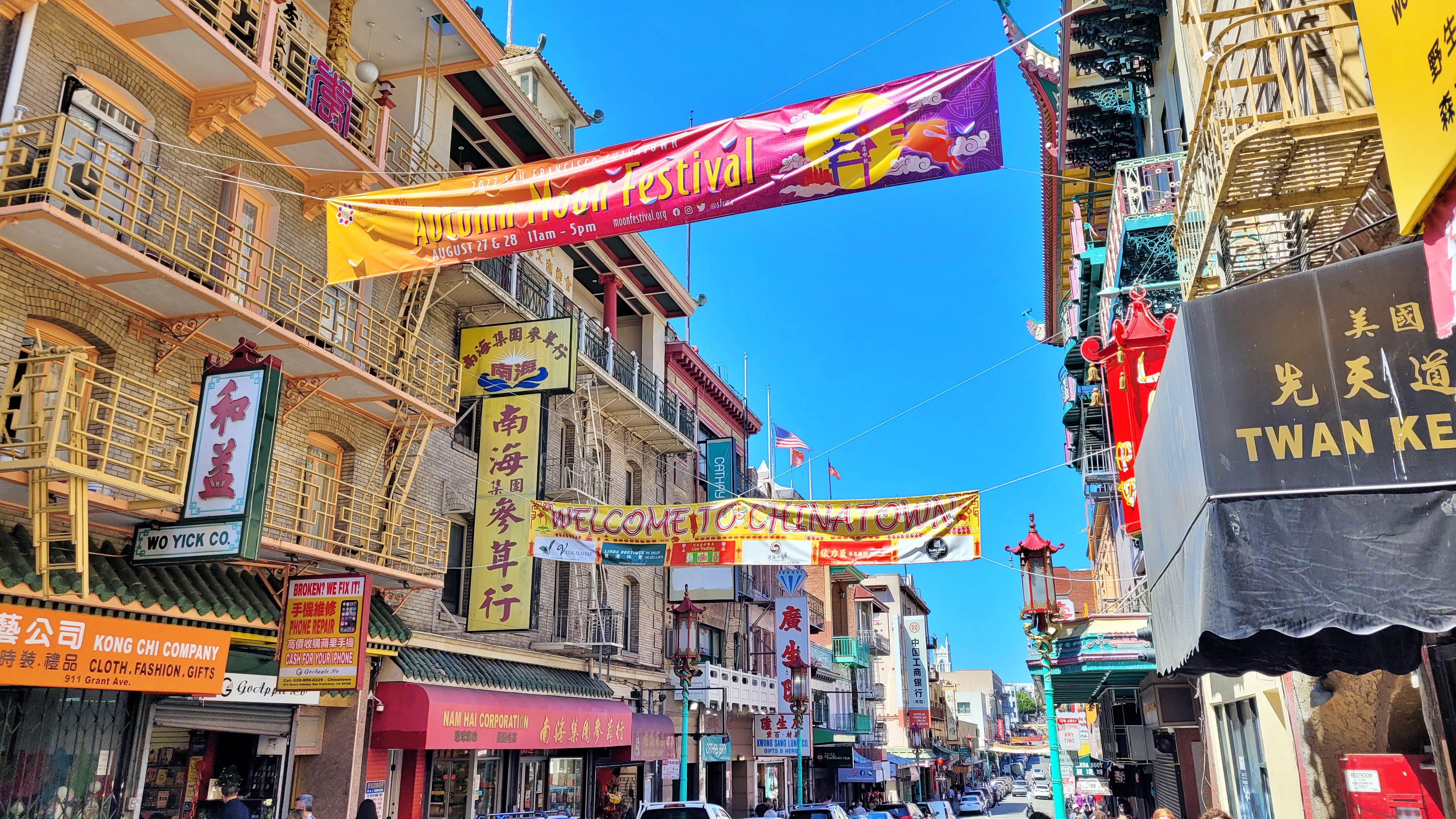
You probably already know that San Francisco’s Chinatown is the largest Chinese community outside of Asia. And this place is sure to blow you away with its atmosphere. You can spend half a day here eating dim sum, shopping for souvenirs and maybe forget you’re in America for a while.
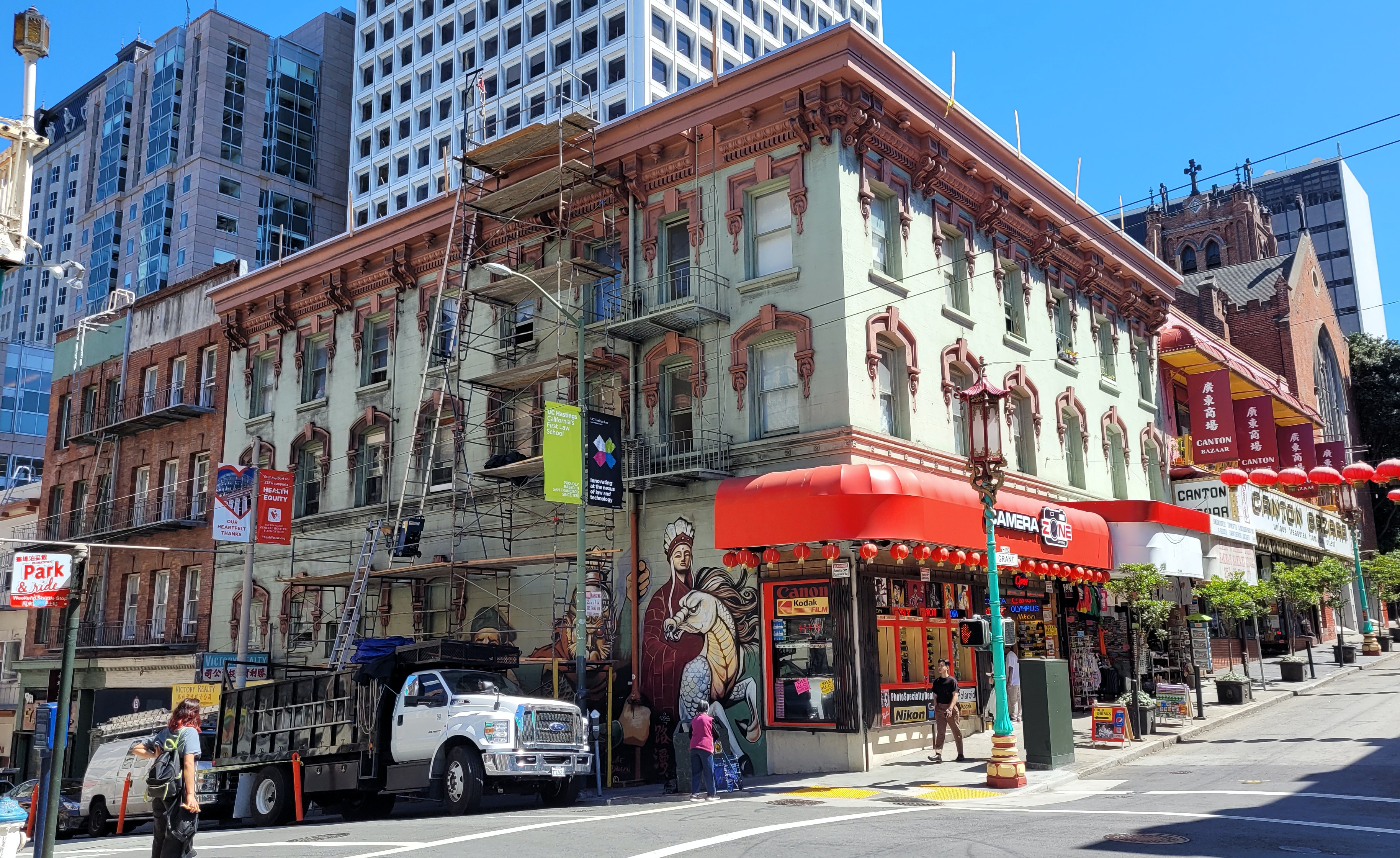

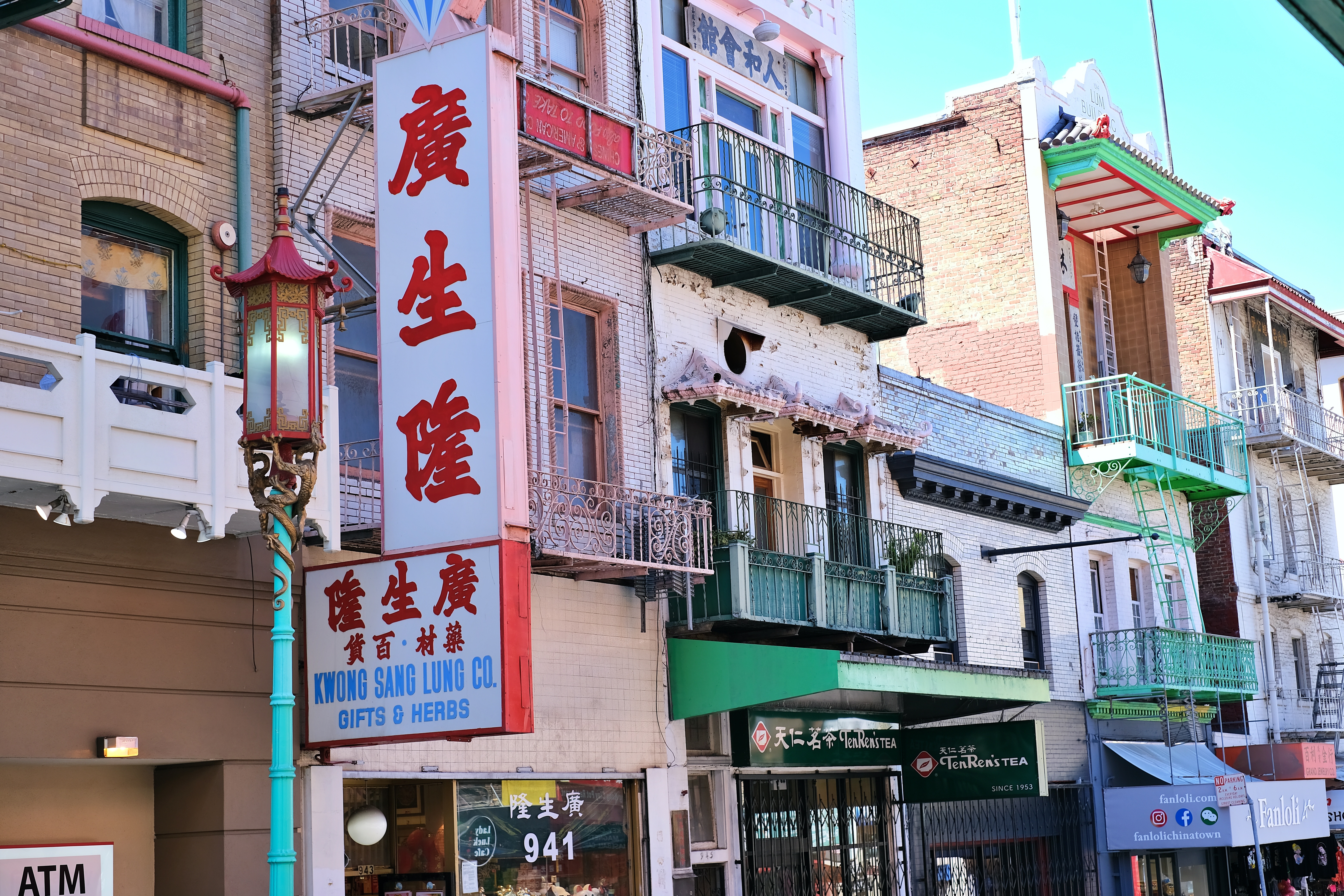
The city was founded in 1848, when emigration from Guangdong and Hong Kong began. San Francisco’s Chinatown is the most densely populated area west of Manhattan. More than 100,000 people live in this neighborhood, many of whom speak only Mandarin or Cantonese Chinese. Here you enter a whole new dimension. You can buy, like me, a Chinese calendar of your sign.

The first brothels were also established in Chinatown. Chinese gangsters realized that gold was not hidden in the mountains, but in the store. So they began to organise the importation of girls from China who were roughly between 10 and 16 years old. Some of these girls were sold by poor Chinese families, some were kidnapped, and some came to San Francisco on the promise of “better” jobs. Upon arrival, they were sold at auction and often died very young in horrific conditions. A lady named Donaldina Cameron was responsible for saving many of the girls. It is estimated that she rescued up to 3,000 girls even though she received several death threats. She went to brothels and helped girls escape. Interesting story of a brave woman.
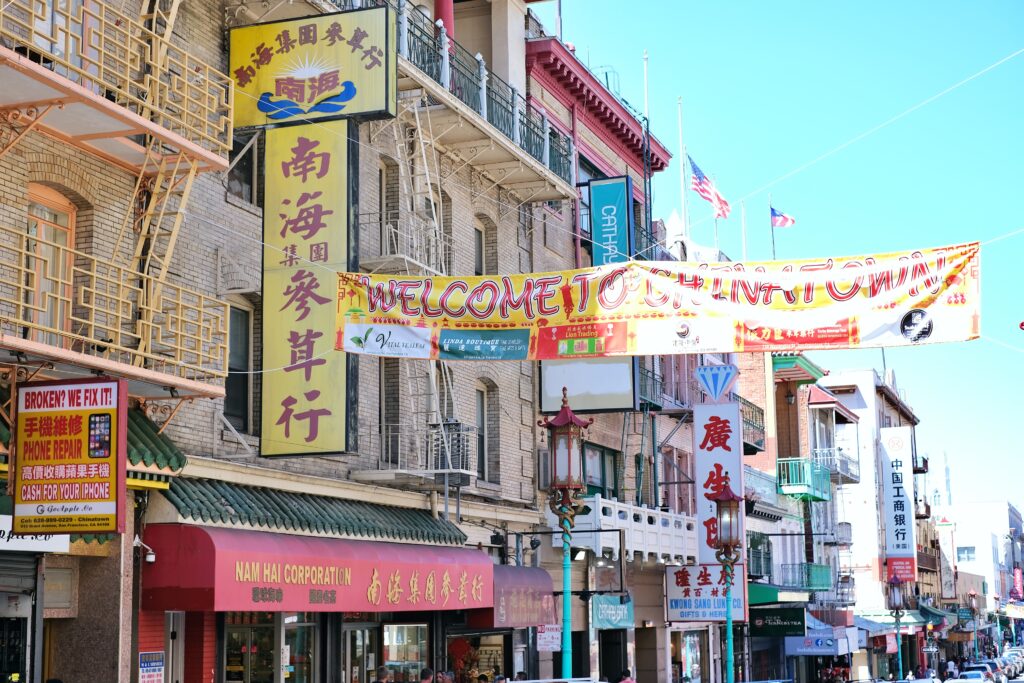
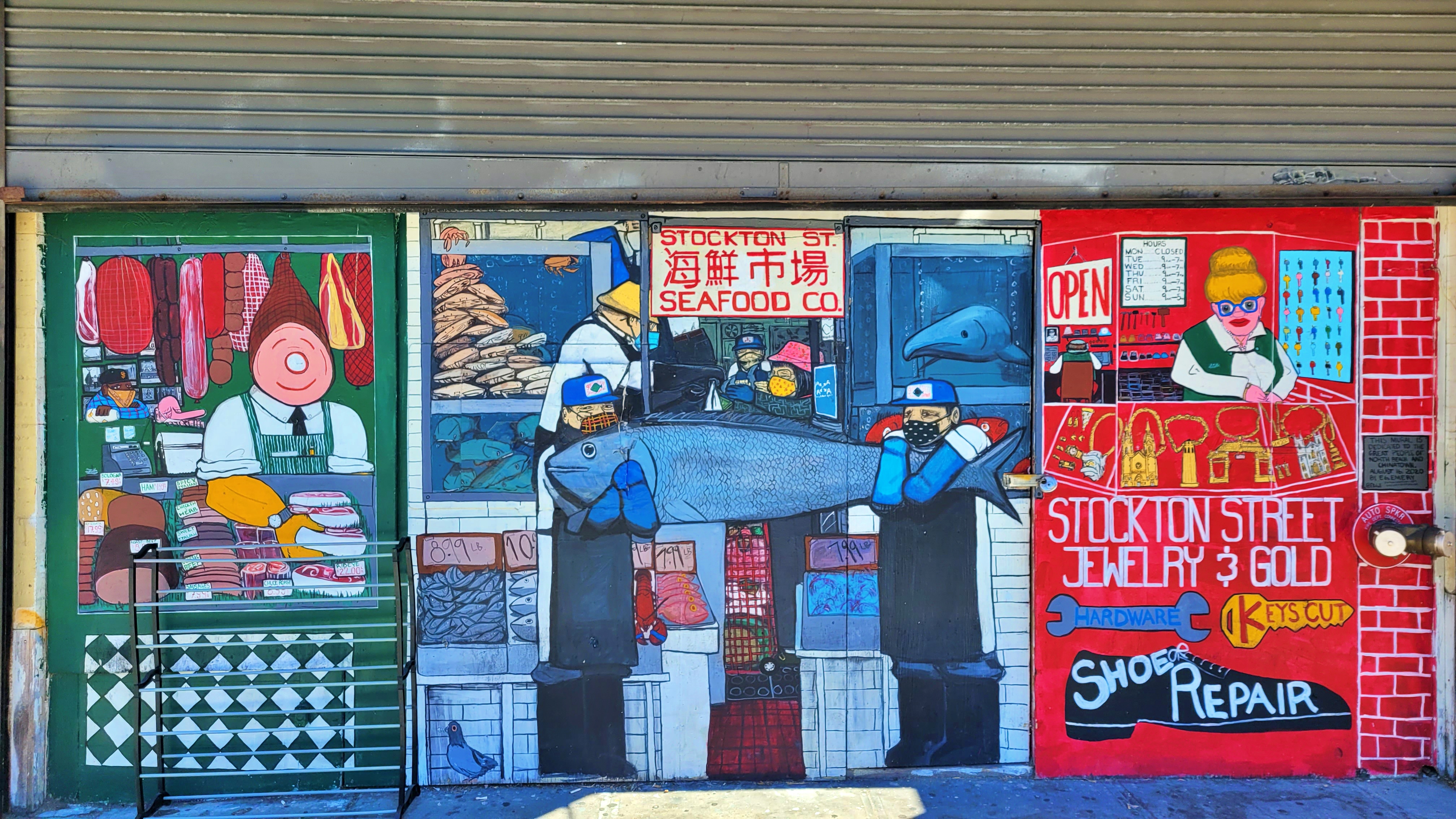
One block from the Fortune Cookie Factory is the main shopping street in Chinatown. Stockton Street runs from Market Street through Union Square. It has everything from fashion stores to fruit, vegetable, spice and fresh fish shops.


LOMBARD STREET
Walking down the crookedest street is simply amazing. First go up Lombard Street, and when you look back, you’ll see the crooked part of it! It’s just a really bad way to take pictures.
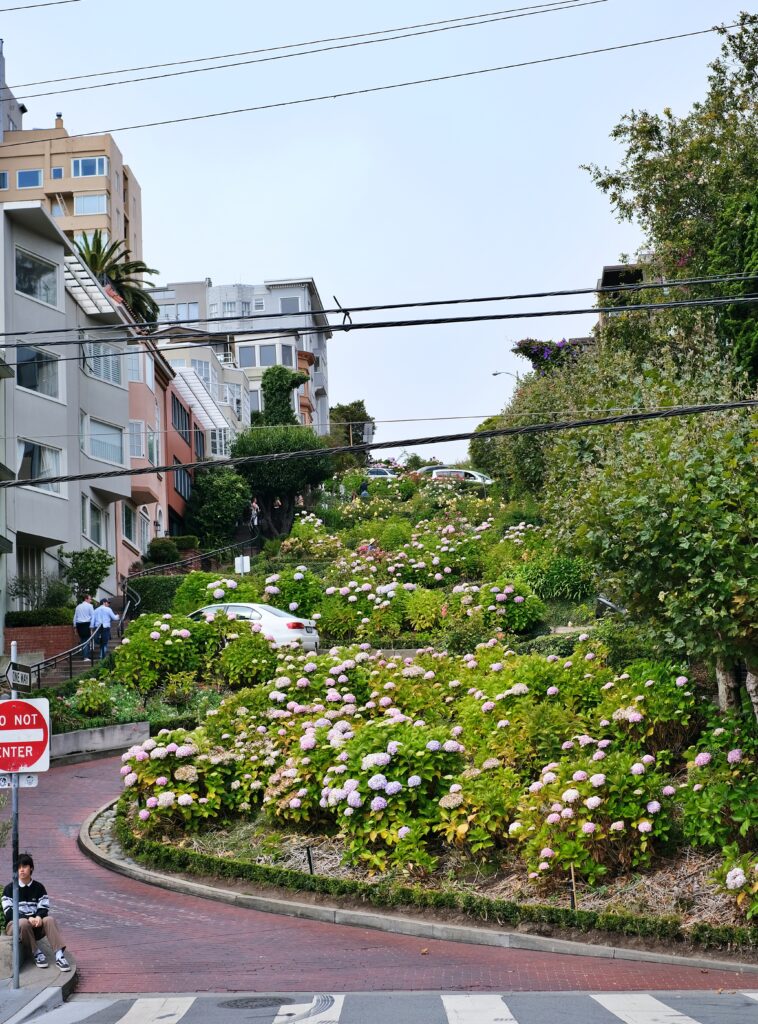
There are also some great Victorian houses here, and no matter the season, they will have flowers blooming!

FISHERMAN’S WHARF
This place is completely different. It’s a historic fishing district, if you can call it that. It felt more like I was suddenly in a quirky neighborhood full of tourist attractions. Not only is there a lot of chaos, but there’s also a salty air. And I would say a chaotic and carefree spirit that creates a strange contrast to the orderly way people behave in residential neighborhoods. Only then did I understand.


PIER 39
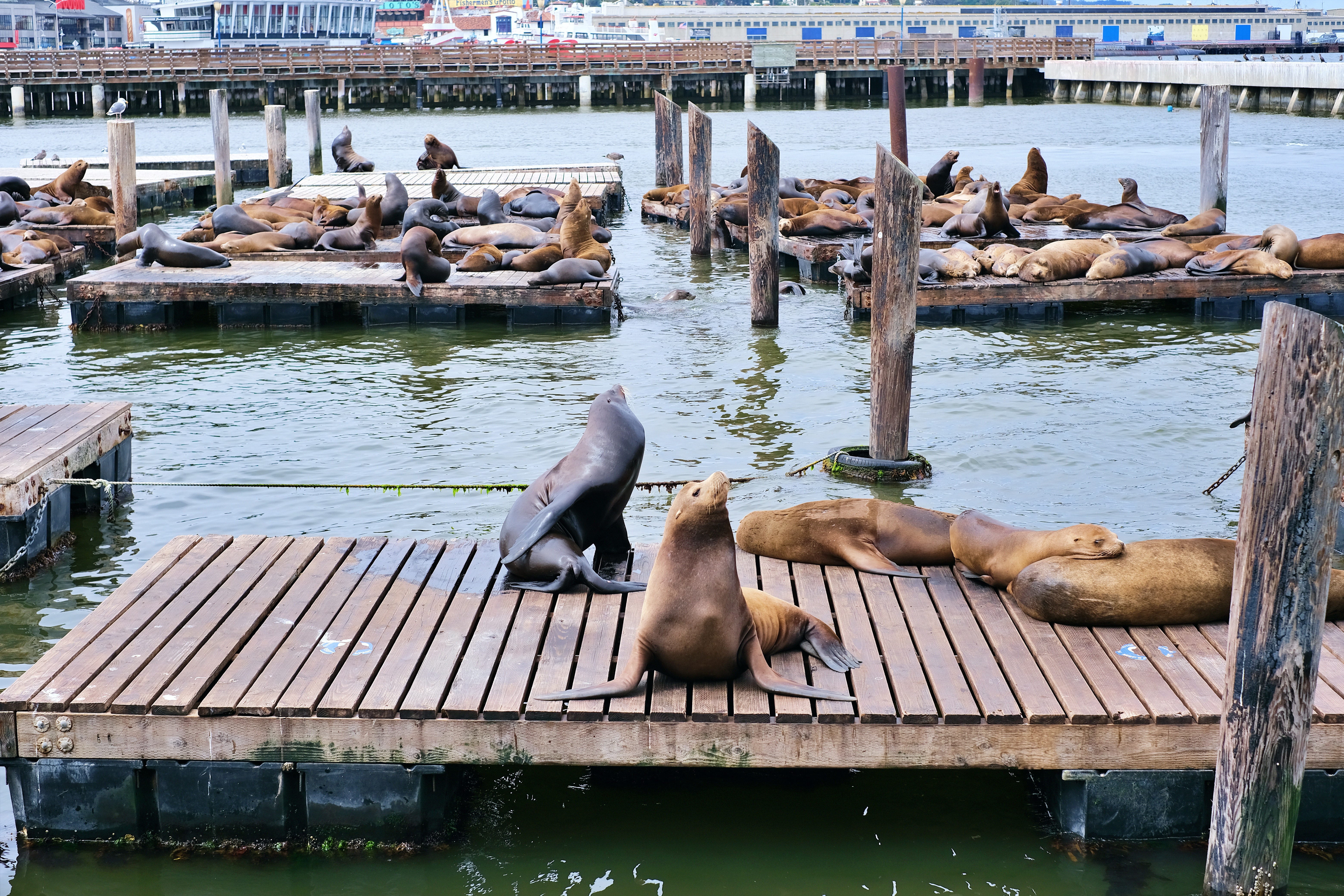
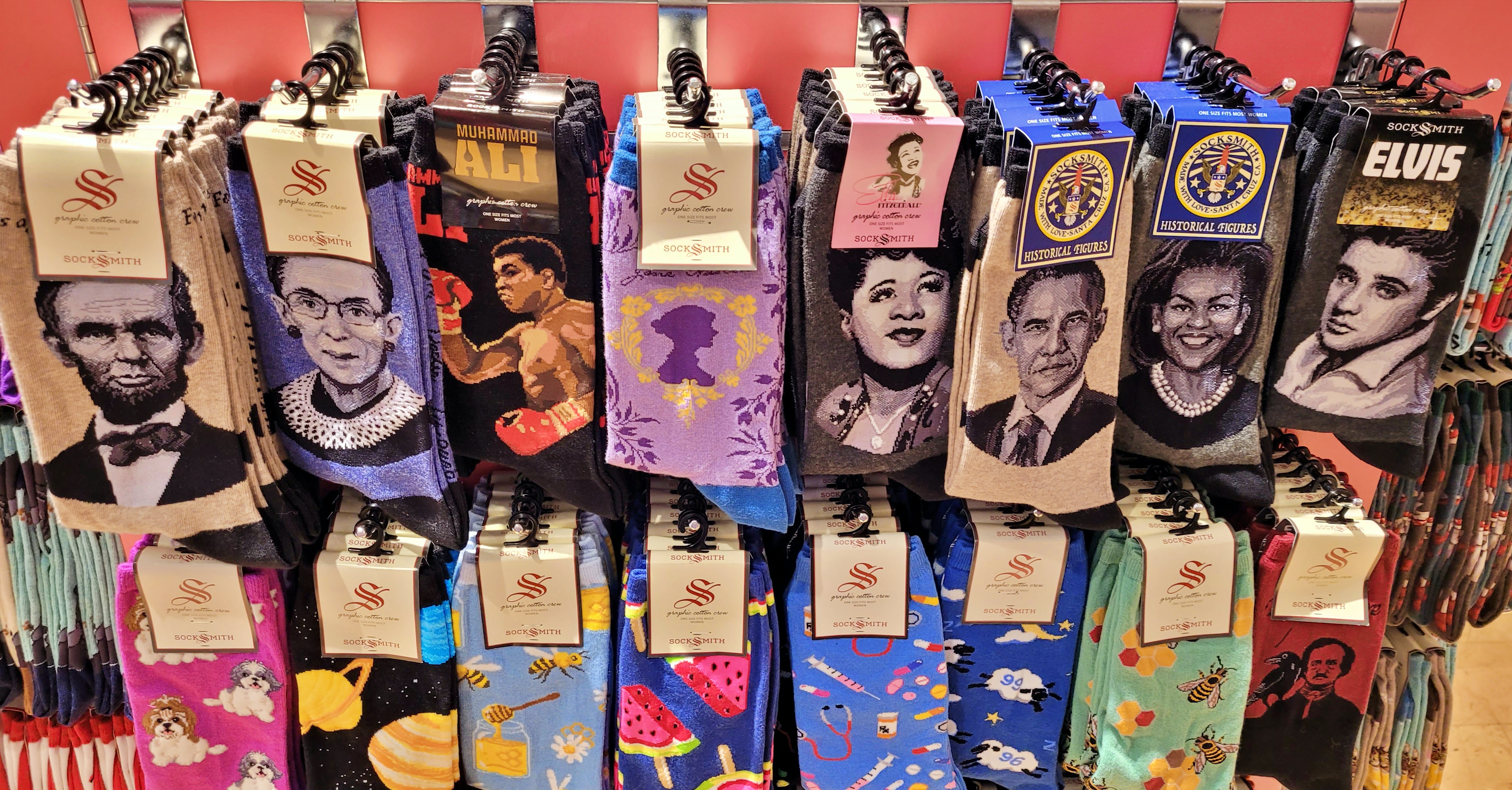
And if you don’t want to visit this part, you should at least go here to see the famous Pier 39. It is the largest commercial pier in San Francisco with limp and noisy sea lions on barges, seafood restaurants, bizarre attractions, souvenir shops and tourist traps. You will definitely like it! I really like it!

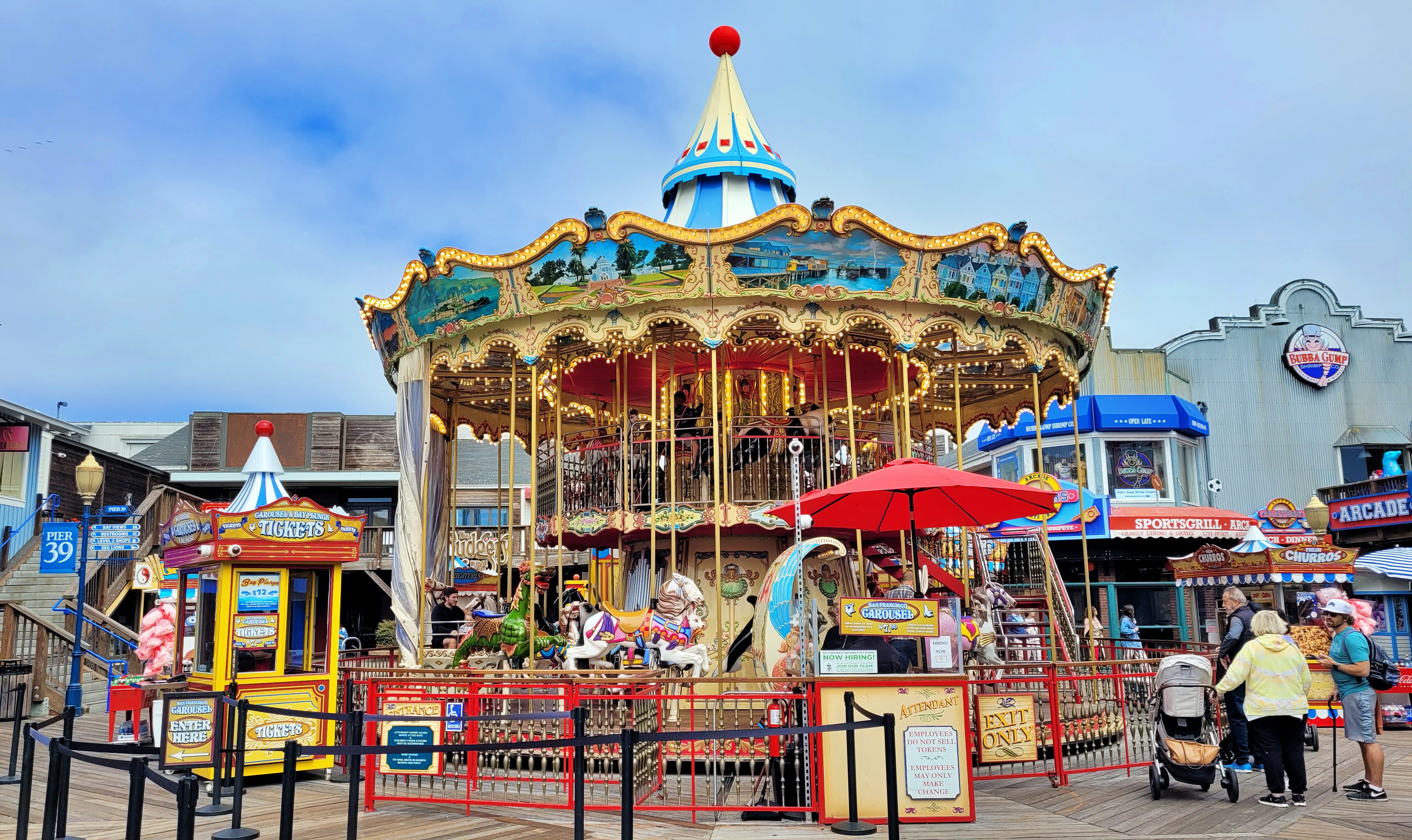

And then you have those who come to this area to board a boat to Alcatraz. You also have fishermen who come here because they love fishing and listening to the sound of the waves crashing against the fishing boats anchored at the pier. They enjoy looking at the tangle of ropes, buckets full of nets and rope, faded buoys, and tanks full of fish just caught in the bay. In short, there is something for everyone.

RESTAURANT BUBBA GUMP
This is a themed restaurant in the spirit of the movie Forrest Gump. It is named after Forrest’s friend Bubba, who was his friend in Vietnam, where he died. He told him about catching shrimp and Forrest became rich because of it. But anyway, you have definitely seen it, so you know what it is about, and if not, go and see it as soon as possible. It is clear that the restaurant specializes in shrimp and all kinds of seafood. The interior is very informal, as if deliberately slightly shabby, similar to a fish restaurant somewhere in the South.
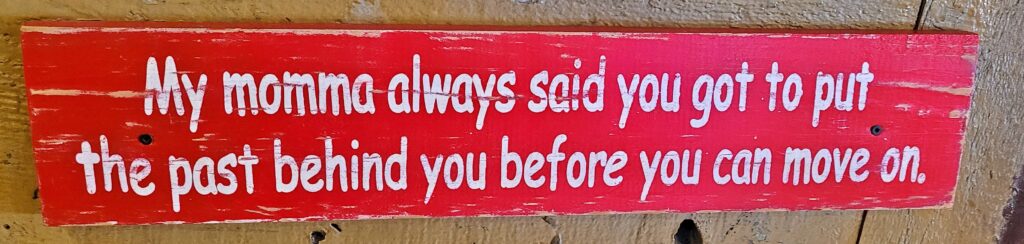
Outside the restaurant there is a bench with a box of chocolates and giant white sneakers. You can put your feet in them and have your picture taken. Right from the entrance you can see film props and photos, old car brands and basically everything connected with the film. What a great idea!

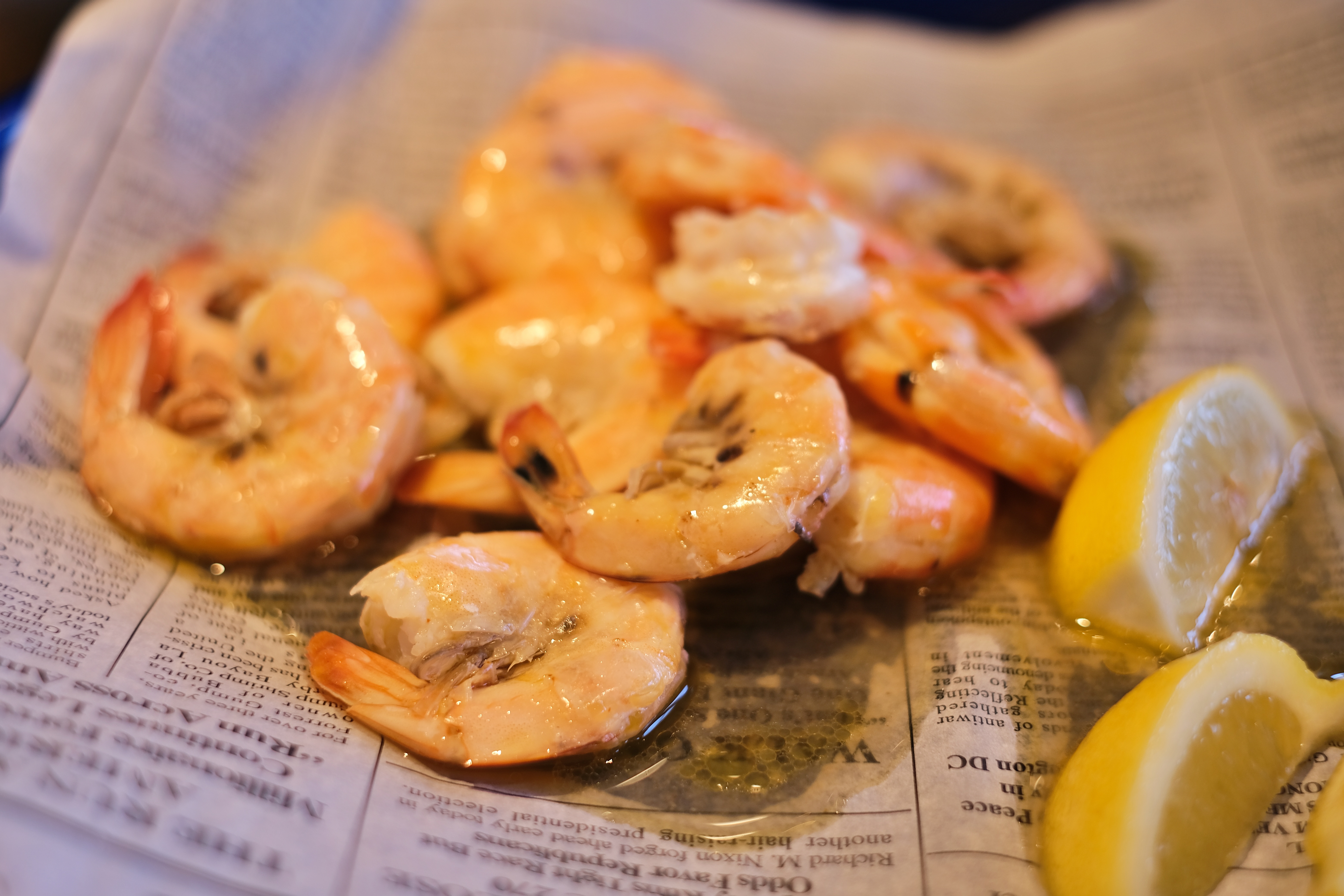


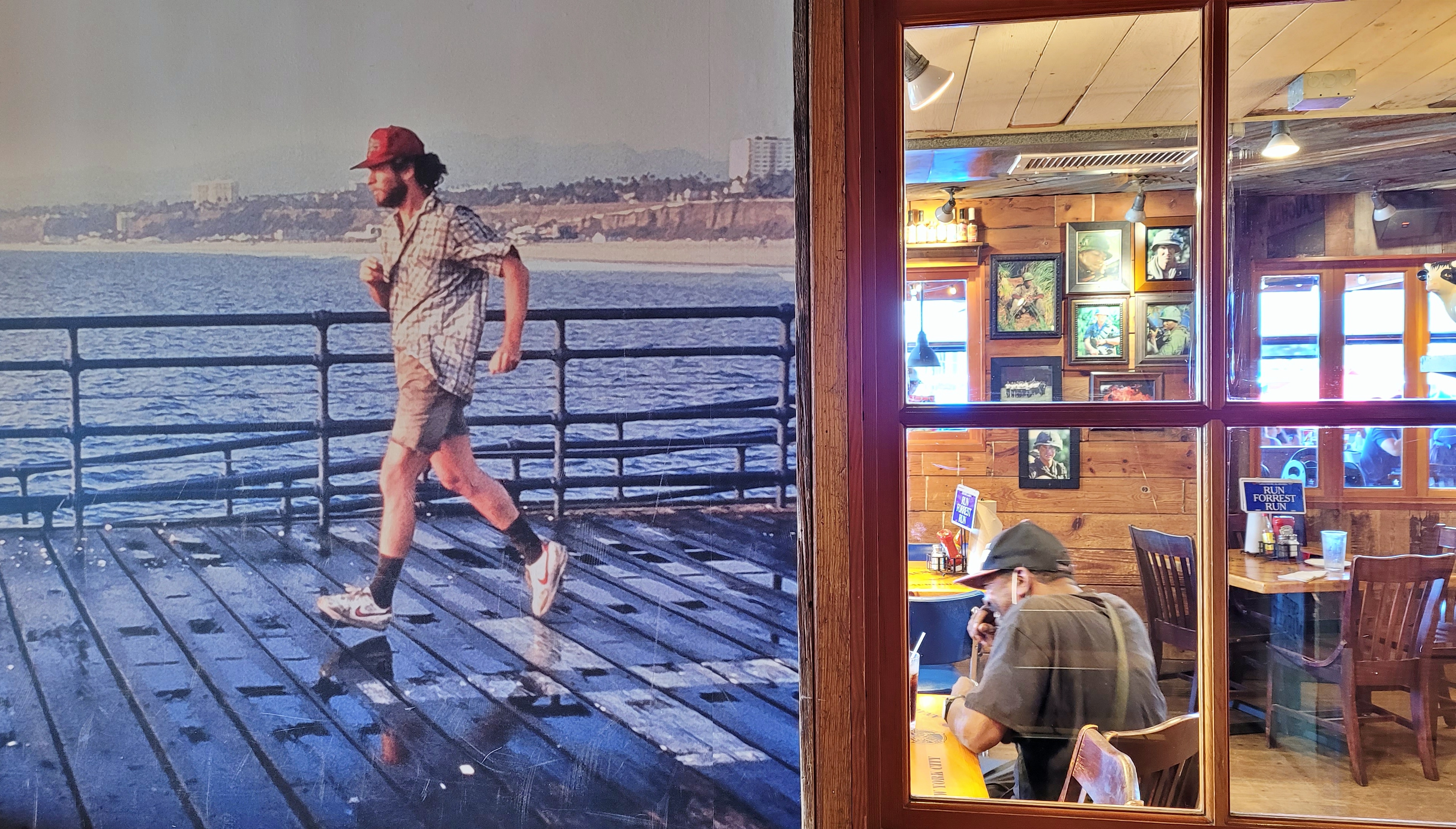
Bubba Gump is a chain spread across the US. Each restaurant is a little different, but always very airy and, when possible, open to the surroundings.
TRAM RIDE
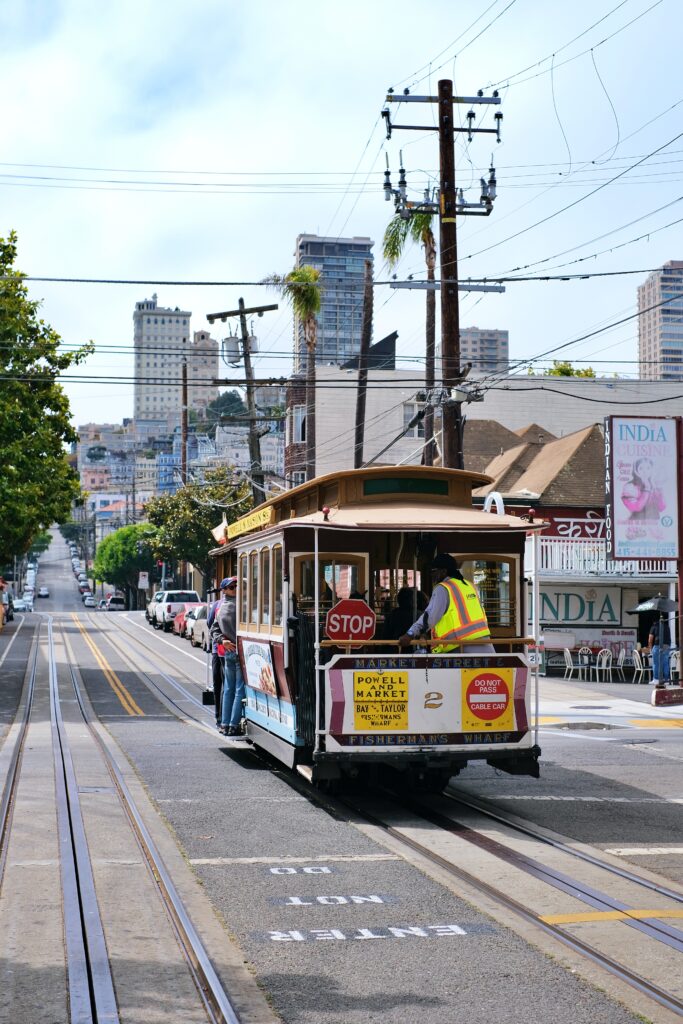
As I mentioned at the beginning of the article, I walked around San Francisco, but the most spectacular way to get to Fisherman’s Wharf is by streetcar. You can get on the Powell/Mason line at the end of Powell Street. You will have such a nice view of the whole of San Francisco while riding the streetcar. The streetcar will take you to the intersection of Taylor Street and Bay Street. You have to get off there.

CRUISE TO ALCATRAS
The bay is not only filled with fishing boats, but also with tourist boats heading to Alcatraz, the infamous San Francisco prison where Al Capone and other criminals were imprisoned. Alphonse Gabriel Capone was one of the most notorious organized crime bosses in the US. He was active in the 1920s. Although he is believed to have executed dozens of people, none of the murders were ever proven. To be precise, boats depart for this island from Pier 33 and are not part of Fisherman’s Wharf. It is also important to know that, unlike other attractions in the area, you cannot buy tickets to Alcatraz when you arrive at the pier. They sell out months in advance. Keep that in mind!
GOLDEN GATE BRIDGE
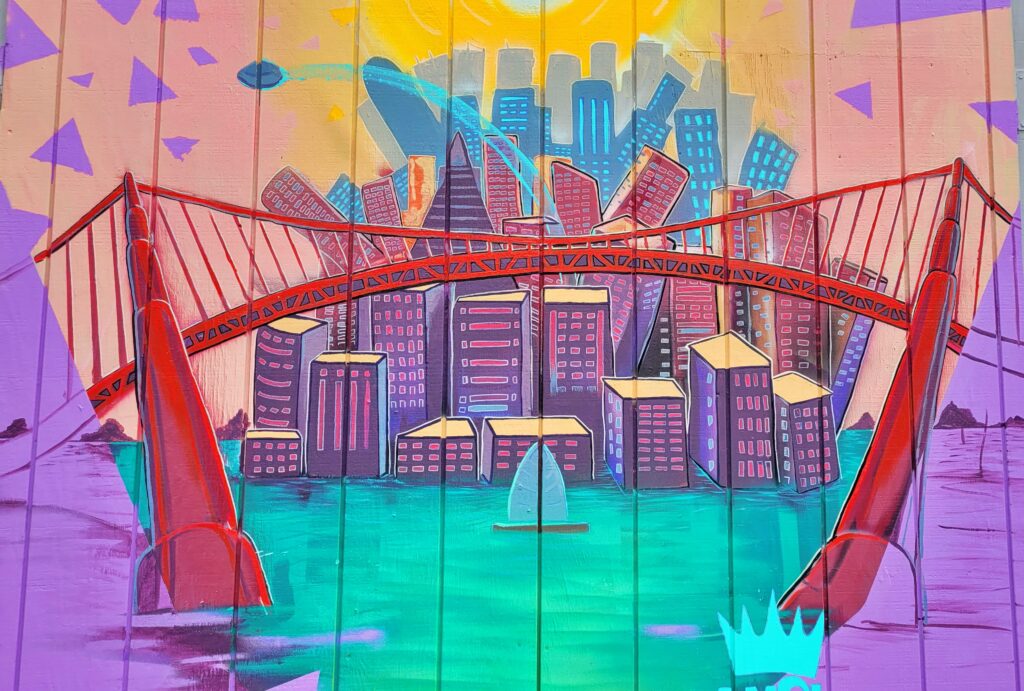
The symbol of San Francisco and at the same time the most famous and most photogenic suspension bridge in the world. Everyone wants a photo with it. Unfortunately, I don’t have one, because whenever I wanted to take a photo of it, it was unfortunately in fog. Did you know that the bridge was originally supposed to be black or gray? Red was ultimately chosen because it blends well with the surroundings and is also relatively visible in the fog, which is more than frequent here. I know my stuff about that. 🙂

If you liked the article, I would be happy if you share it or leave a nice comment below the article.

I would also like to invite you to join me on Instagram and Facebook.
MORE ARTICLES
NATIONAL PARKS AND NATURE




CITIES


