


So I was really looking forward to this trip from Prague. The Hrubá Skála region is one of the most famous rock towns and I also finally wanted to visit the region where many beautiful fairy tales were filmed. We chose a 7 km long circuit from Hrubá Skála to Valdštejn Castle and back “inside” the rock town. This route is also part of the red-marked Golden Trail of the Bohemian Paradise.

PRACHOVNA ROCK
From Hrubá Skála Castle we follow the red tourist trail. Opposite the castle we first come across the Prachovna rock, which is somewhat hidden in the forest. I must admit that if there had not been a large information sign there, I would never have thought of taking the steep path up to the top, where the viewpoint is located. Legend has it that when Jan Žižka besieged Skála Castle, he chose this place as the most convenient place to besiege it. He wanted to see the opposite castle from above and think over a conquest strategy.
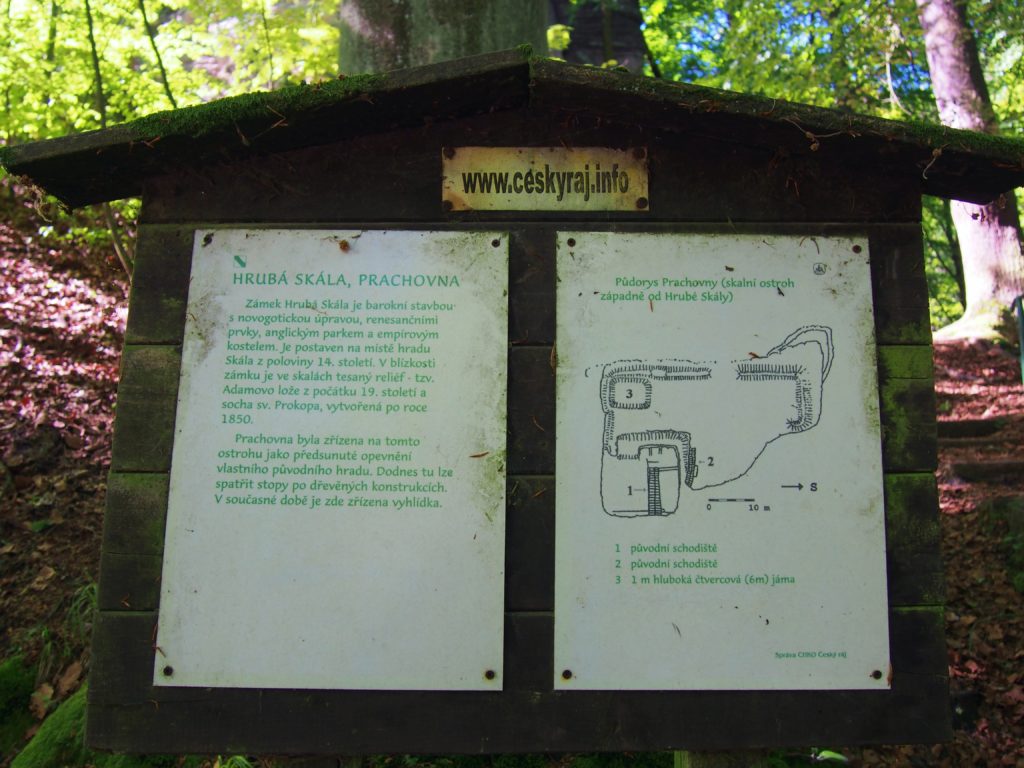
Halfway up the climb, we walk under a deeply overhanging wall. From here we reach carved steps that lead to the rock, and it is said that Jan Žižka himself carved the last step. The powder room is also called the “Puppet Rock“, previously also the “Comedian Rock“. Above the road, in the place of broken boulders, the names of the entire dynasty of puppeteers, the Meizners and Ruml, are carved into the rock. It is not known exactly how the tradition of carving the names of passing puppeteers into the wall in front of the castle originated, but it was probably intended as a grateful reminder of the nobility’s favor, which allowed the puppeteers to organize their performances at the castle.

From the lookout there is a view of the Hrubá Skála castle, the Štekl hotel, the Libuňka valley, Kozákov and Tábor.

BAROQUE BULLDOG IN A BEND
This Baroque niche is located in the wall above the road in a sharp bend. You will probably miss it when driving by car. It became a shelter for the statue of St. John of Nepomuk. But now you will find a statue of the Virgin Mary in the niche. It is beautifully lined with a beautiful Baroque relief on the outside. The frame was supposedly originally painted red. Two plump little angels are flying around it. At first glance, the niche does not bring anything magical or mysterious. But the opposite is true. The first thing that occurred to me was why was St. John of Nepomuk placed in such an impractical place? When John of Nepomuk was canonized, his celebration became very fashionable in the following decades. Statues, chapels and chapels began to grow across Bohemia like mushrooms after rain. Because this saint celebrates his feast day in May, pilgrimages through the blooming May landscape were popular. So it is clear that the nobility on Hrubá Skála could not be left behind in this regard. Pilgrims from all over the region were heading along the roads to Wallenstein and it is clear that they needed to rest, refresh themselves and meditate. And such stops were marked by some sacred place. So historians believe that this place is the designation of a stop from the time of the famous May pilgrimages to Wallenstein.

BUKOVINA ARBORETUM
We continue along the red trail and soon arrive at the Bukovina Arboretum, which was founded by the then owner of the Hruboská estate, Jan Bedřich Lexa of Aehrenthal, in 1860. It houses one of the oldest collections of tree species and one of the first experimental areas for growing North American tree species in Central Europe.


The arboretum houses a historic gazebo from the second half of the nineteenth century, built in the Swiss style, which houses an exhibition and seasonal information center of the PLA Administration.


BAND OUTLOOK
When we finally climb to the edge of the sandstone plateau, one of the most beautiful views of the entire Hruboskalsko region awaits us. In front of us is a whole series of rock towers and one lonely one – the Kapelník. It looks as if he is really conducting the rest of the rock city.


LION’S LOOKOUT
Half a kilometer further on is another beautiful viewpoint at Lvíček, where we have the entire Kapela right in the palm of our hands.


GOLDEN FERN OF THE ROCKY ROCK
And where can you find it? Well, everywhere. In the fairy tale, it served as a pillow for a sleeping princess.


WALLESTEIN CASTLE
In the middle of the Hruboskalský rock town lies the Wallestein Castle, right on the Golden Trail of the Bohemian Paradise. It is considered the oldest castle in the Bohemian Paradise. It is a popular tourist destination and it shows.

And does this sound familiar to you? Many fairy tales and films were filmed at Wallenstein. For example, Prince Bajaja – a carriage with a princess riding to the dragon under a stone bridge.

The entrance bridge already caught my attention with its gallery of Baroque statues of Czech patron saints.

The castle office tells us that the interior tour will be in 3 hours. We give up and go see the castle exterior.
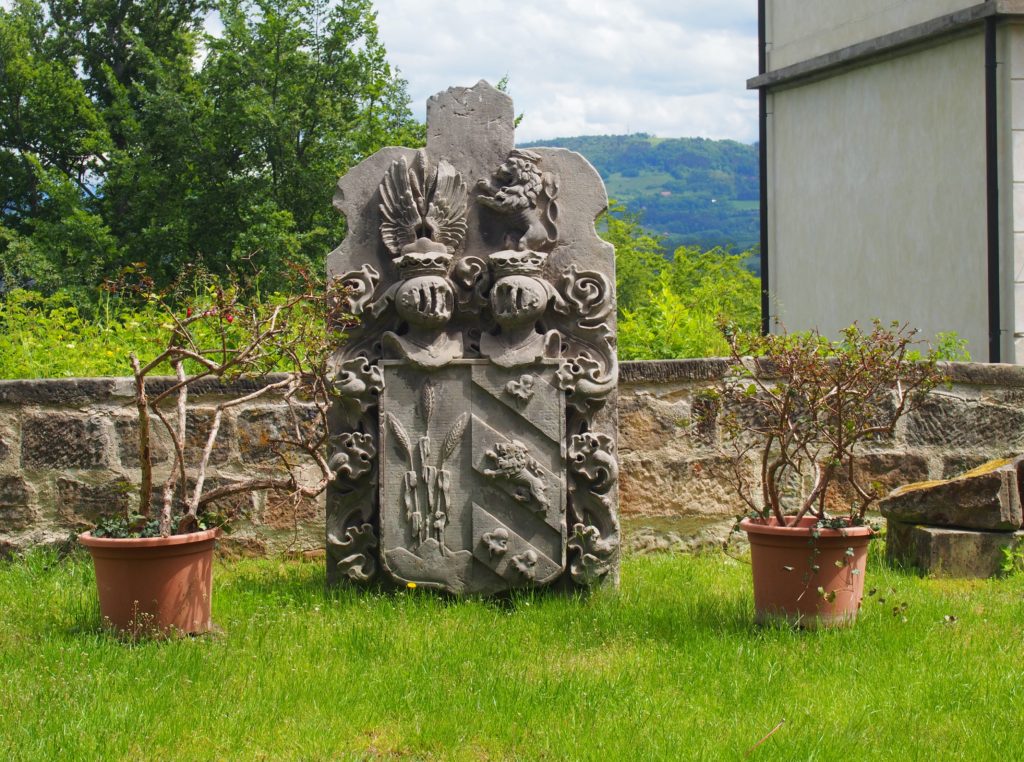


The castle belonged to the Wallenstein family for almost 200 years, and in the 18th century they built an extraordinary pilgrimage site with a unique atmosphere. And this effort was continued by the new owners, the Lex family of Aehrenthal, in the first half of the 19th century. They connected the landscape with a network of tourist routes and built beautiful lookouts.


The second series of Arabella was filmed in the billiard room in the stables – the wedding scene of Xenia and Fantomas.


JOHN’S VIEWPOINT
In 1944, Josef Smítka (Joska), who was the best Czech climber of his time and also a convinced anti-fascist, was hiding in a cave under Janová vyhlídka. During World War II, he refused to go to forced labor in Germany and hid in the rock town of Hruboskalska. In 1944, his hiding place was revealed. The climbers were not careful, thinking that no one would find them in the rocks. After being revealed and captured, he was executed by the Nazis in Terezín. His life is the subject of the film Once Upon a Time in Paradise, with Olympic medalist in water slalom Vavřinec Hradílek playing the main role of Joska.


SKALÁK
From the Wallenstein Castle we head towards the rock town or “Skalák”. Due to the many influences acting on the sandstone, you will find a variety of different forms and shapes in the rocks here. That is why this area has become popular with many climbers.


You continue along the yellow trail and about 200 meters before the symbolic cemetery you will find the Skaut rock, which in the movie How to Get Dad to the Reformatory is called Dragon’s Tooth. The famous scenes took place here, where Dad (František Němec) teaches little Vašek (Tomáš Holý) to climb rocks before everything collapses. A number of films and fairy tales were filmed in the Dragon’s Rocks area, such as Prince Bajaja or The Secret of the Castle in the Carpathians.


DEATH’S HEAD
In the very center of Skalák, in a sloping rock crevice above the road, the gaunt shoulders and skull of a terrifying demon rise from the sand. Its empty eye sockets seem to be watching the unsuspecting tourists.

Hruboskalsko is a very popular area among climbers and rock climbing has a long tradition here. You would be really unlucky if you didn’t come across any climbers. So keep your heads up!

LUCKY HAND IN CROCODILE ROCKS
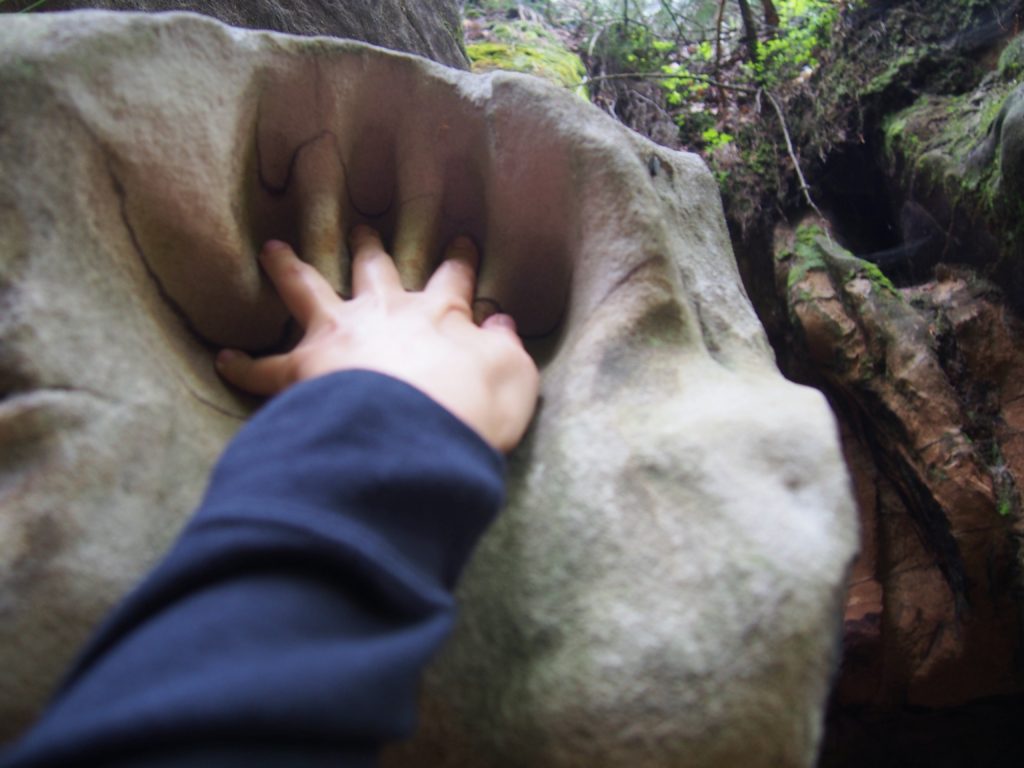
Do you know the reliefs under the statue of St. John of Nepomuk on the Charles Bridge in Prague? They are polished to a golden shine by the touches of tourists who believe that caressing the relief will bring them luck. Something similar was born in the Hruboskalsko region. In the low rockeries near Krokodýl (on the yellow trail from Podháje to Valdštejn), a hollow of a human right hand is visible from the road. Passers-by must have put their palms into it a million times, so that the fingers became more and more hollow. It is hard to say whether tourists wish to have a “lucky hand” out of superstition.
BARBORA QUELLA
If someone is looking for something special and magical in the rock city, like me, then they should visit the Barbora spring. There are testimonies about the spring that the water from Barbora’s spring is healing. At the head of the monument is the “Morning Star“, which carries the sign of the eastern spring and the promise of healing.

Right next to Barbara’s Spring is a crookedly built sacred boulder, which was brought here from an unknown place. No tourist guidebook mentions the boulder. The German inscription on it loosely means “Trust and you will be healed”. Below the inscription is the initial “F.”, which draws attention to the last owner of the estate from the Wallenstein family, the famous botanist František Adam. That the boulder remembers Wallenstein well is proven by the empty frame where the painting was set. It may have been a painting of St. John of Nepomuk. It is assumed that the boulder served as a stop on the pilgrimage route to Wallenstein.


SYMBOLIC CEMETERY OF CLIMBERS
The symbolic cemetery of climbers is located just below the Marian Lookout towards the valley. On the wall of the Endless Tower there is a monument and a place of pilgrimage for climbers. It is located in a very special place in the shade of rocks and trees. About 140 names, dates of death and places of last breath are engraved here, such as Hruboskalsko, Tatras, Dolomites, Himalayas, Norway, Caucasus, Croatia, etc.

The idea of creating a cemetery that would commemorate the tragic deaths of climbers dates back to the 1960s. The sculptor and climber Valerián Karoušek came up with this idea. However, it did not see its creation, as he died during the 1970 Peru expedition. It was the tragedy of this climbing expedition that definitively contributed to the creation of the place, and its members became the first climbers recorded here. Candles under the rock, flowers and a small cross indicate that people come here to remember climbers whose stories did not have a happy ending. A giant copper cracked sun, which refers to distant Peru, watches over everything from the rock…

MARIAN LOOKOUT
From the Mariánská viewpoint there is a magnificent view of the surrounding rock groups, Trosky Castle and Hrubá Skála Chateau.


ADAM’S BED (ADAMOVO LOŽE)
I follow the blue trail along narrow paths between the rocks to Adam’s Bed. This entire so-called Venus’ Cave was built by the Maltese knight Francis Adam of Wallenstein, brother of the last owner of the Wallenstein estate, Joseph of Wallenstein. Its shape resembles a sofa, hence its name. Adam’s Bed was supposed to symbolize three Adams: Adam the first man, Adam of Wallenstein – the founder, the family branch, and then Francis Adam. And do you know this place? Of course you do. Prince Bajaja slept in Adam’s Bed in the fairy tale of the same name and talked to his white man. On the left, on the old carved sofa, he had a bed, on the right, on a small altar, there was a chest and a sword.


Next to the bed on the rock was a plaque announcing that a ten-year-old boy, Tomáš Kadeřábek, had tragically died here on September 24, 1985.

MOUSE HOLE
This 65 m long rock crevice in the Hrubá Skála Rock Town is so narrow that you can barely walk through it. As I did, fortunately, I passed through it. Uffff! We pass through it on the way to the parking lot in front of the Hrubá Skála Chateau.


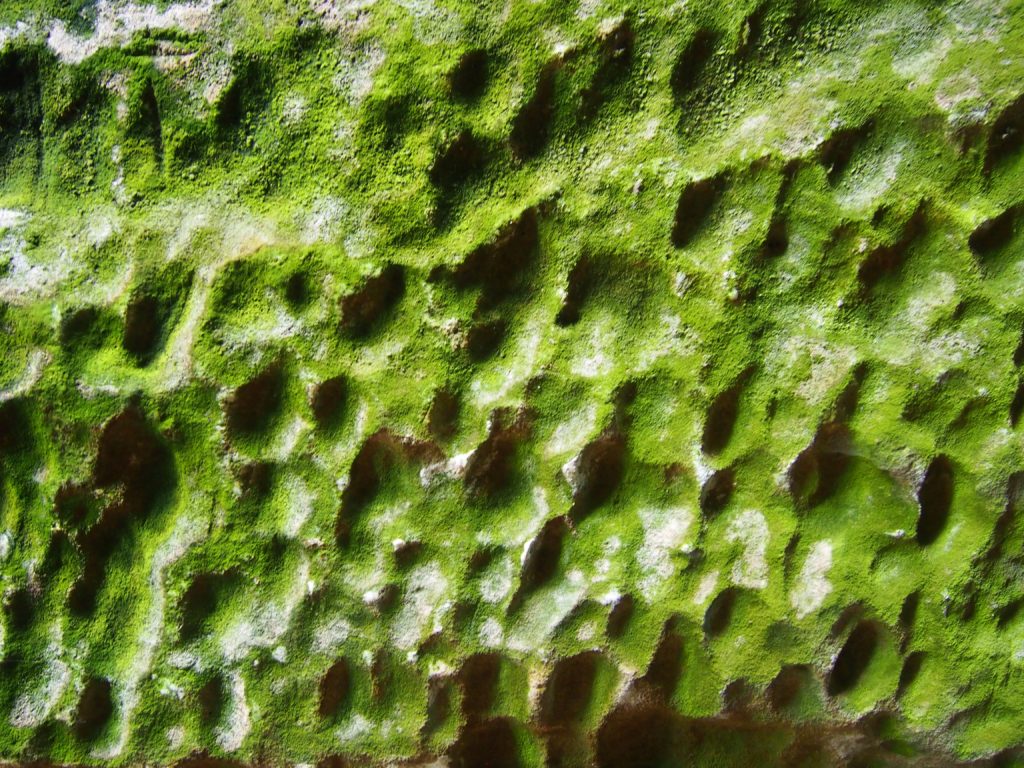
The journey between the rocks was very pleasant. And it is at the Hrubá skála castle that we end our trip. A heavy downpour begins and it is time to head home.


If you liked the article, I would be happy if you share it or leave a nice comment below the article.

I would also like to invite you to join me on

MORE ARTICLES

REGIONS


