

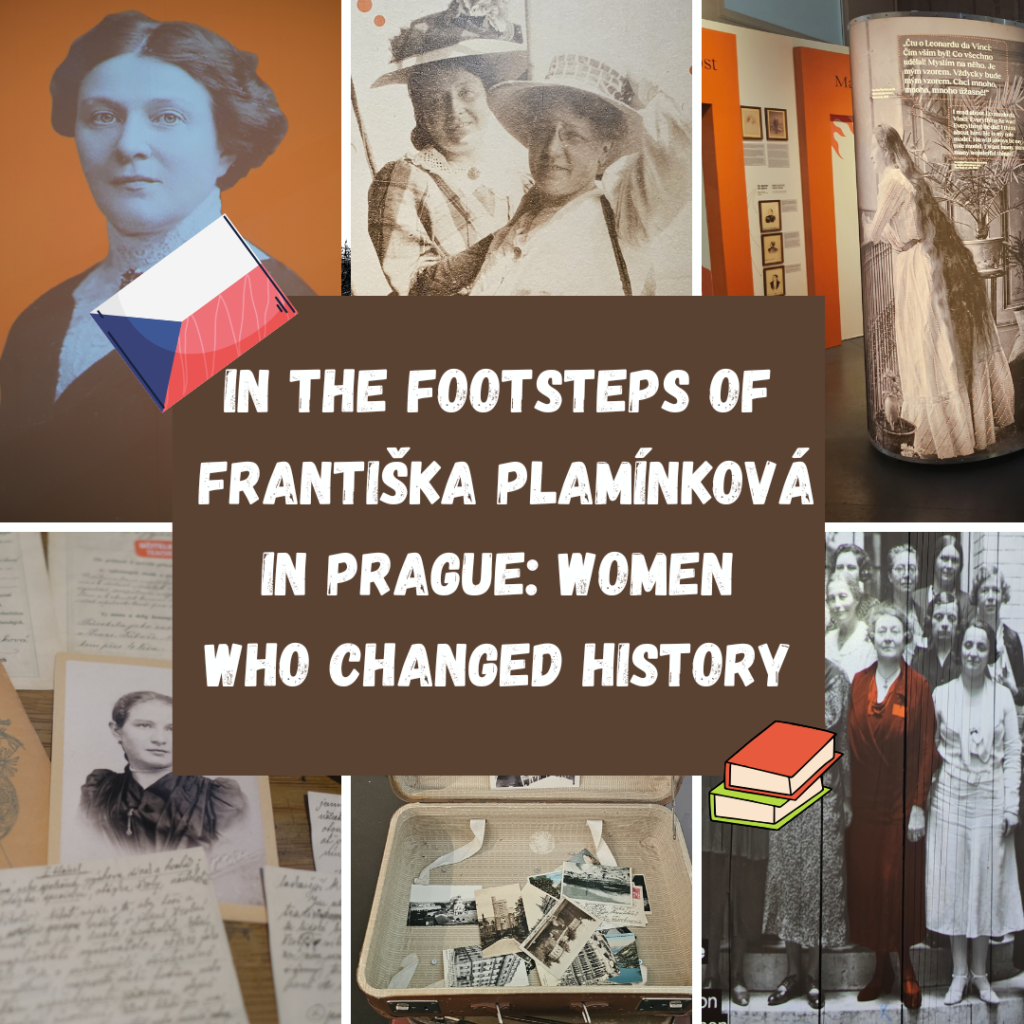
Do you know that feeling when you stand in an ancient square or walk down a narrow cobblestone street and suddenly you feel like you can hear echoes of the past? For me, travel is not just about discovering new destinations on a map. The greatest magic for me lies in following in the footsteps of famous personalities and connecting their destinies with specific places. Whether they are writers, artists, scientists or monarchs, each of them has left an indelible mark on a certain corner of the world.
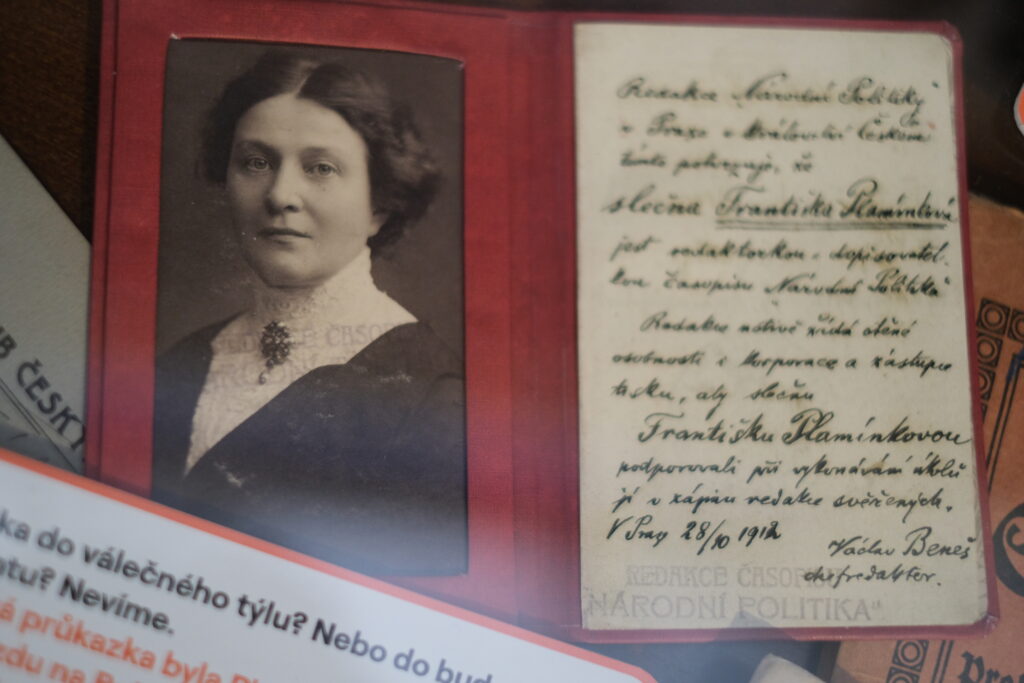
When I walk in their footsteps, I look at the world through their eyes. Suddenly, the very atmosphere of the place comes alive in front of me. And Prague is perfect for that. This time, I want to follow in the footsteps of a woman whose name many people know, but whose story fewer know. We are talking about Františka Plamínková, one of the most important figures in the Czech women’s movement, a teacher, politician, traveler, organizer, feminist and brave opponent of Nazism. Her life shows that changes in society do not begin with great revolutions, but with the courage of individuals to stand up for what they consider right. And be an example to us!
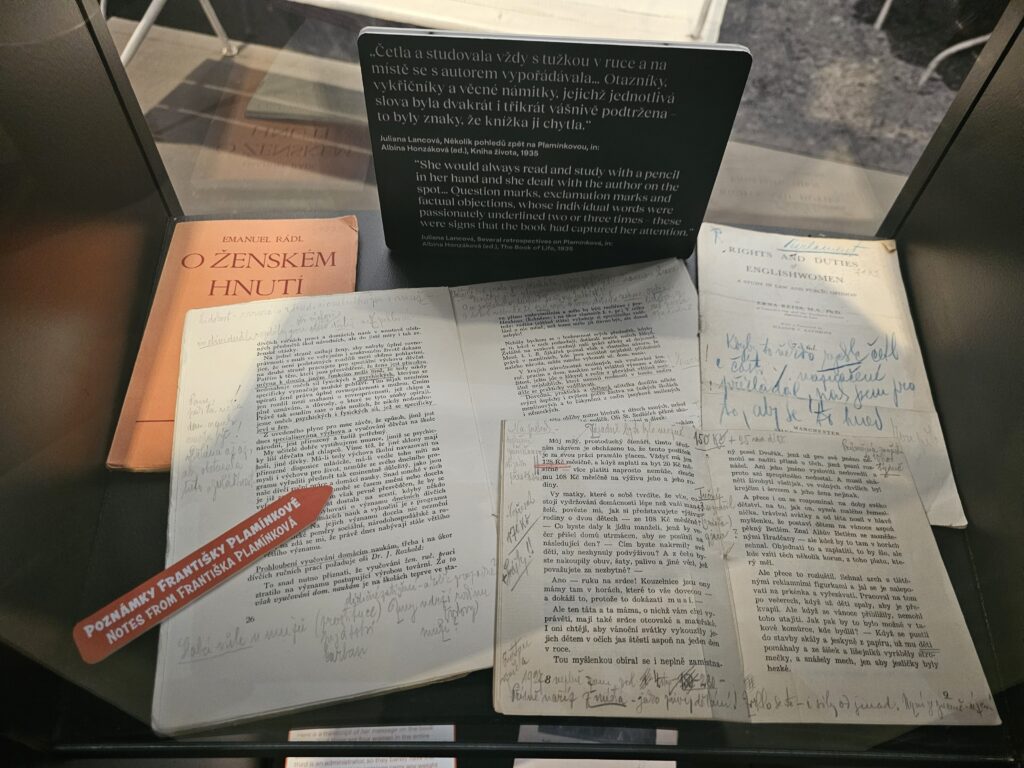
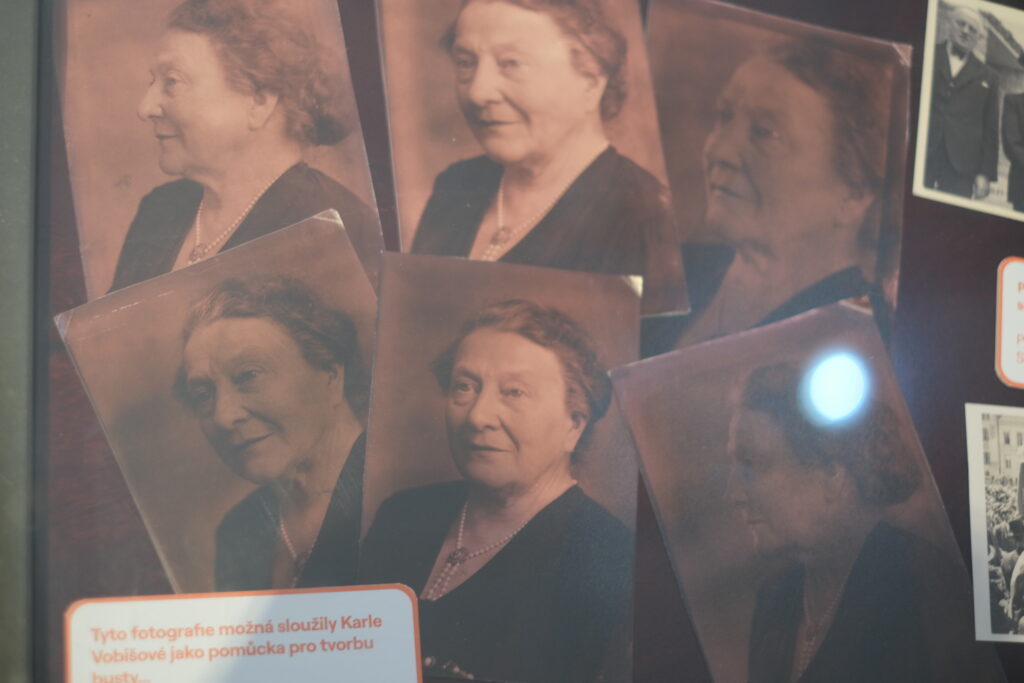
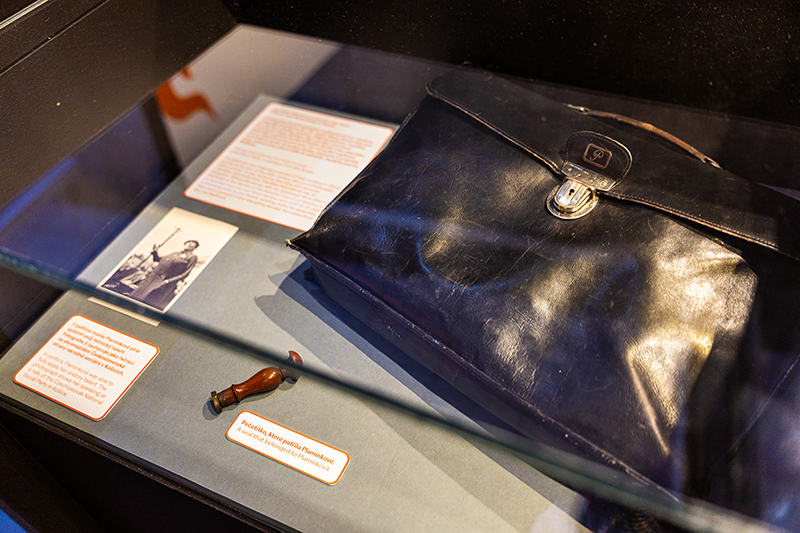
The impetus for this journey for me was the exhibition at the National Museum dedicated to the 150th anniversary of her birth. I admit that I expected a classic historical exhibition full of documents and data. Instead, I discovered the fascinating life story of a woman who was incredibly courageous, educated and progressive for her time. After visiting the exhibition, I realized that Františka Plamínková is not only a historical figure, but also an inspiration for the present. And I would even dare to say that she was ahead of her time.
So come with me to discover her story and at the same time visit places connected to her life. The trip will take you not only to the history of the women’s movement, but also to lesser-known corners of Prague. Let’s uncover together the story of Czech women and their journey to equality.
LET’S GO TO THE EXHIBITION AT THE NATIONAL MUSEUM FIRST
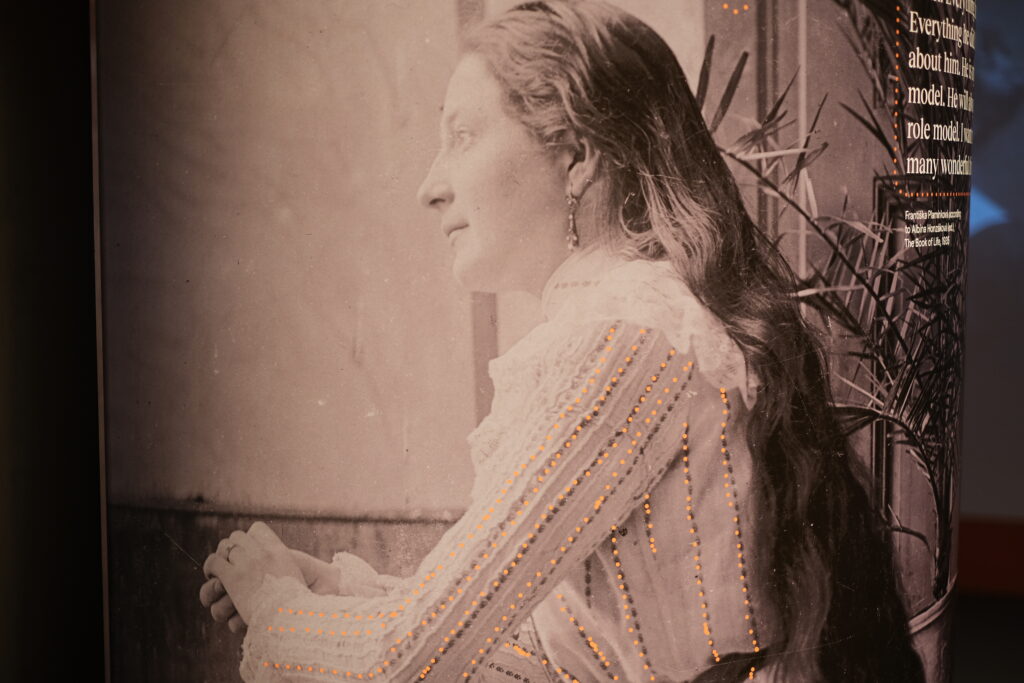
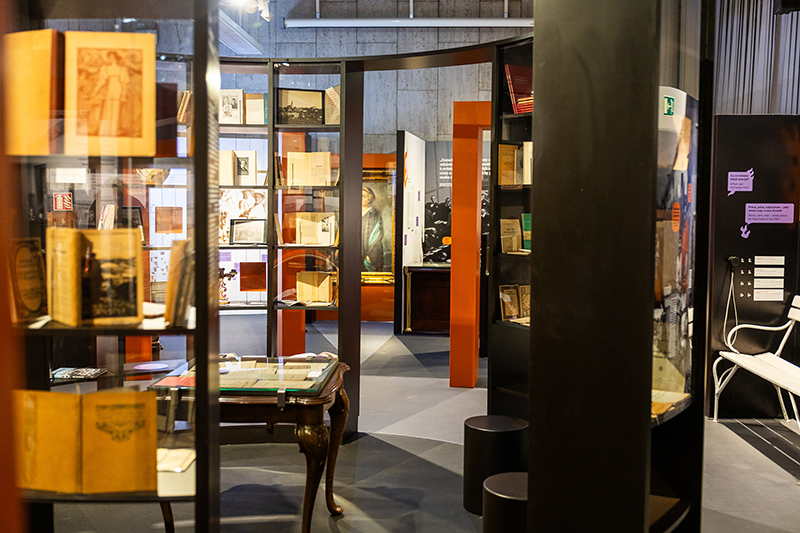
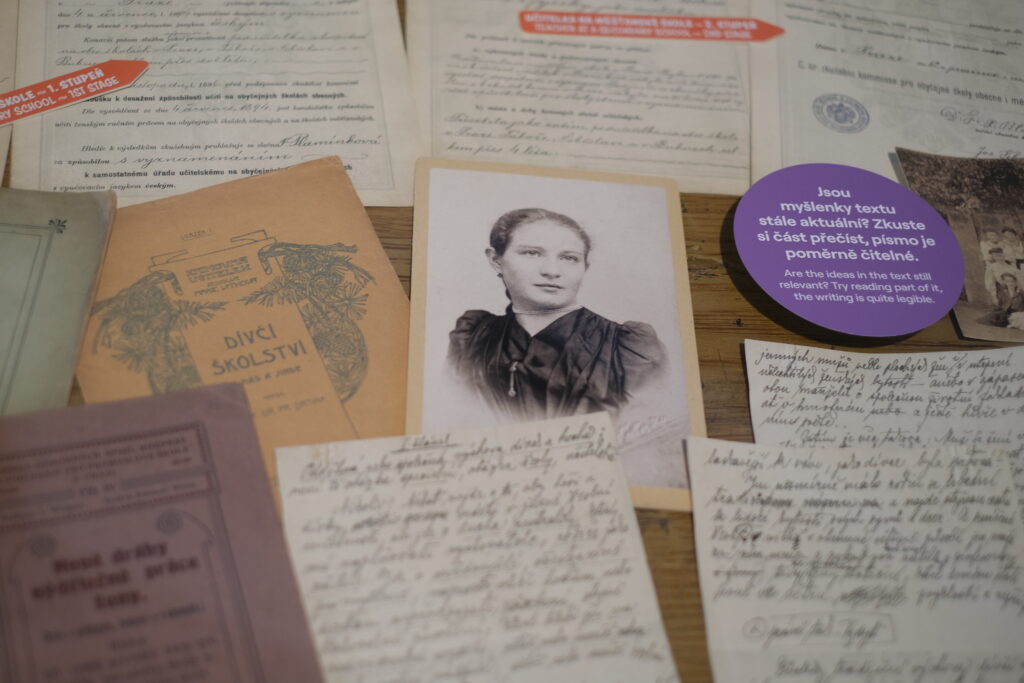
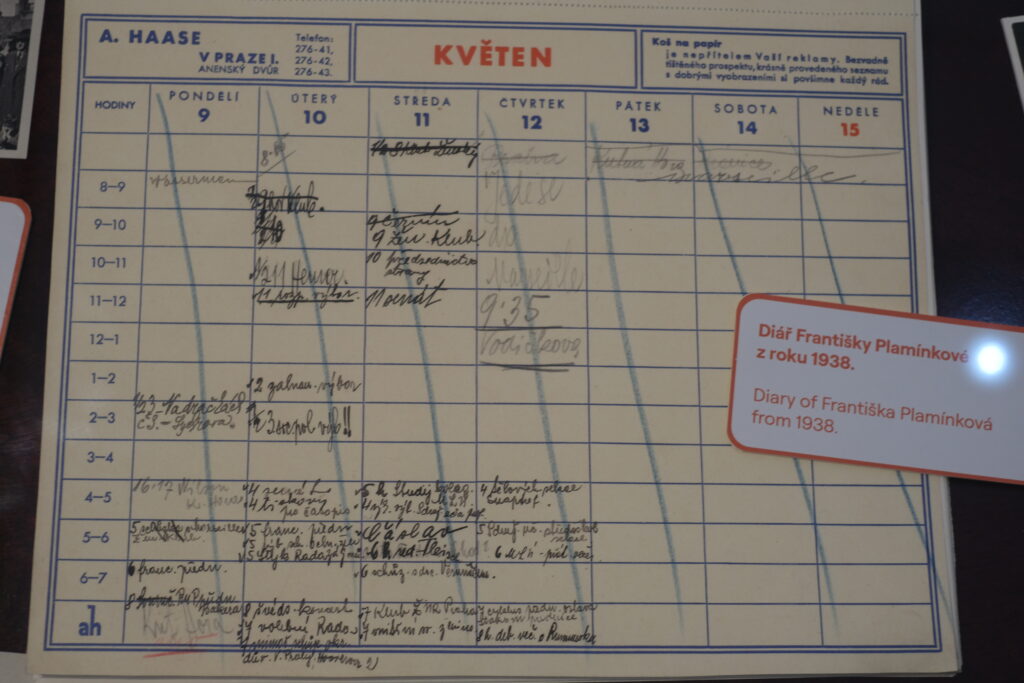
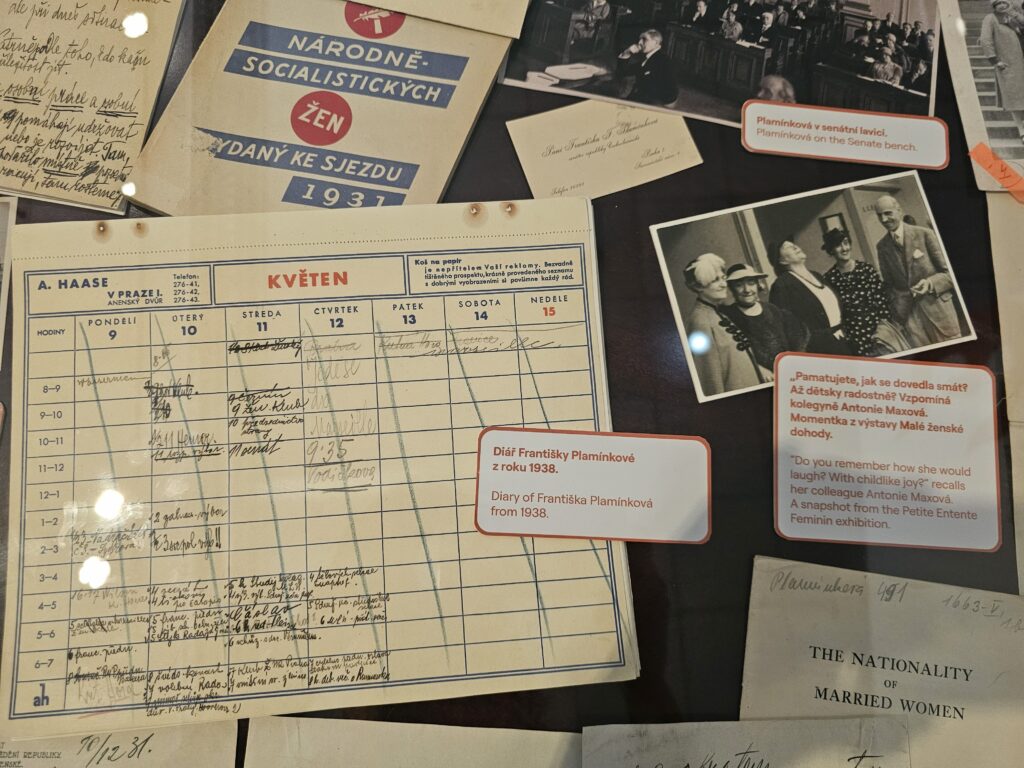
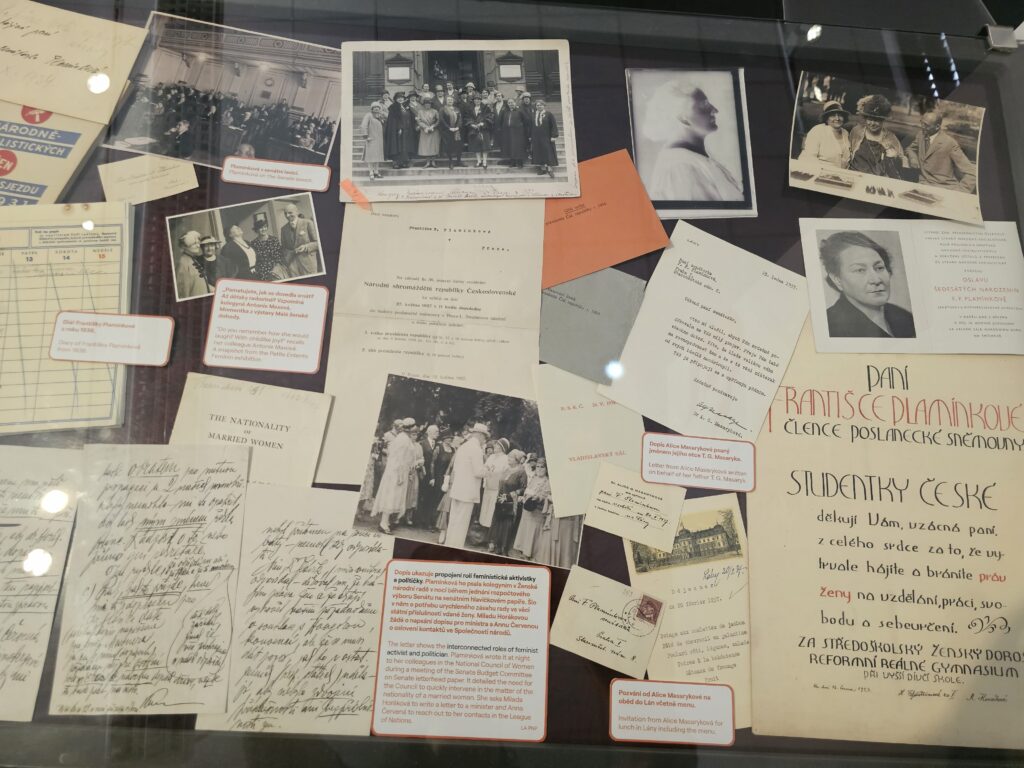
To understand who Františka Plamínková was, first come with me to a very beautiful exhibition in the New Building of the National Theatre. I went to the exhibition with a relatively basic knowledge of who Františka Plamínková was. But I left with the feeling that I had met a personality who significantly influenced the shape of modern Czech society. The exhibition is sensitively and clearly prepared. Through photographs, period documents, personal letters and newspaper articles, it presents Plamínková as a teacher, politician, feminist and defender of democracy. A large part of this is due to the curators of the exhibition, who managed to connect her personal story with the broader history of the position of women in the Czech lands.
What struck me most was how relevant her ideas are today. Many of the problems she addressed over a hundred years ago still appear in various forms in contemporary society.
FRANCISKA WAS BORN IN A DIFFICULT TIME WHEN WOMEN HAD TO FIGHT FOR THEIR RIGHTS
Františka Plamínková was born on February 5, 1875 in Prague. Her life path was shaped by a desire for justice. She was born at a time when the state took away the right of female teachers to love, and Františka became a symbol of the fight for their freedom. I was so excited about the exhibition that I also attended the lecture “Learning with Plamínková“. So I can share with you what I learned. At a time when society dictated a subordinate role for women, she embarked on a teaching career. She graduated from the Teachers’ Institute and began working as a teacher. Today, it is difficult to imagine how limited the opportunities were for women at that time.
The position of female teachers in the 19th century was full of strict prohibitions, sacrifices, and injustice. Although women gained the opportunity to educate children, the state took away their right to have their own families. The path to the department was thorny.
MAP:
Where: Vinohradská 52/1, 110 00 Prague 1-Vinohrady
Tickets: NÁRODNÍ MUZEUM
BIRTHDAY HOUSE (KARLOVA NÁMĚSTÍ 294/14)
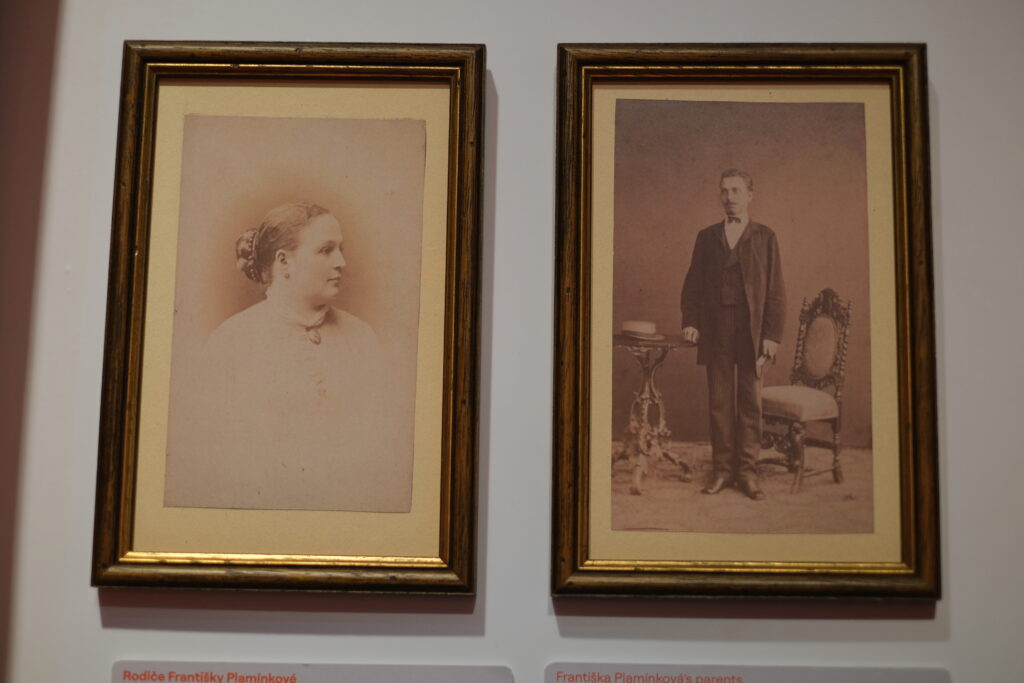
The route starts right at the Karlovo náměstí metro station. At Karlovo náměstí 294/14, there was the house U Tří vlaštovek, where Františka Plamínková was born into a shoemaker’s family in 1875. Although the original house was demolished in the 1930s and replaced by the modern Černý pivovar palace, it was from here that little Františka set out into the world she was about to change.
MAP:
Where: Karlovo nám. 294, 120 00 Nové Město
FRANCISKA WAS A TEACHER, BUT WHAT WAS THE STATUS OF FEMALE TEACHERS IN THE 19TH CENTURY?
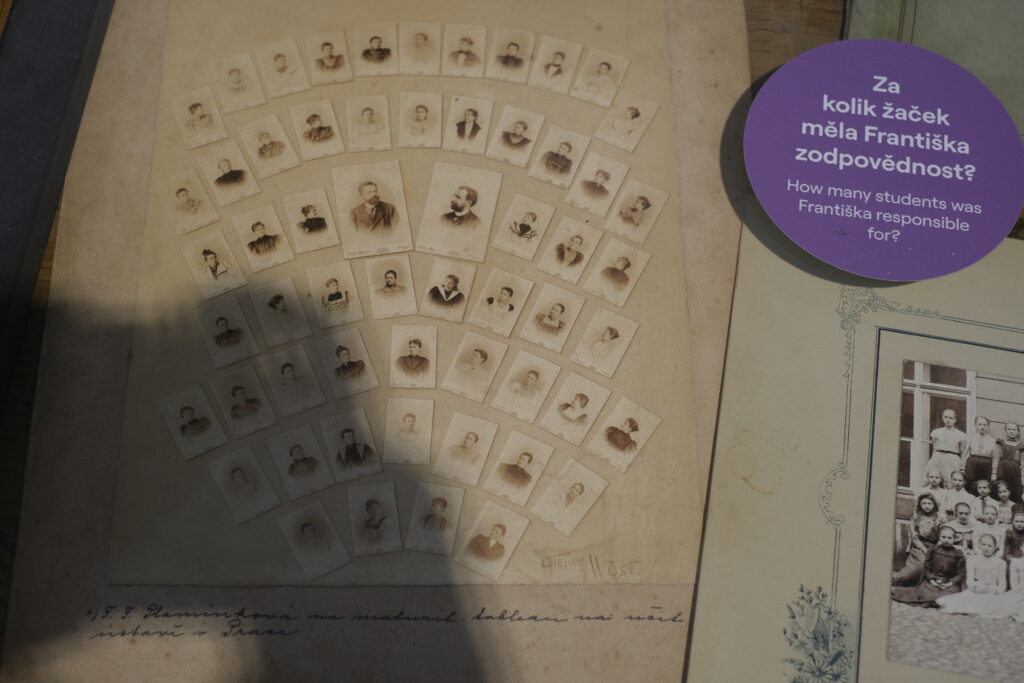
At the beginning of the 19th century, almost exclusively men taught. Women could only help in families as governesses. The situation changed only in the second half of the century. At that time, the state introduced compulsory schooling for both boys and girls. Suddenly, there was a shortage of teachers. The state therefore opened pedagogical schools for women as well. Girls got a chance to earn their own living, but they soon encountered harsh conditions.
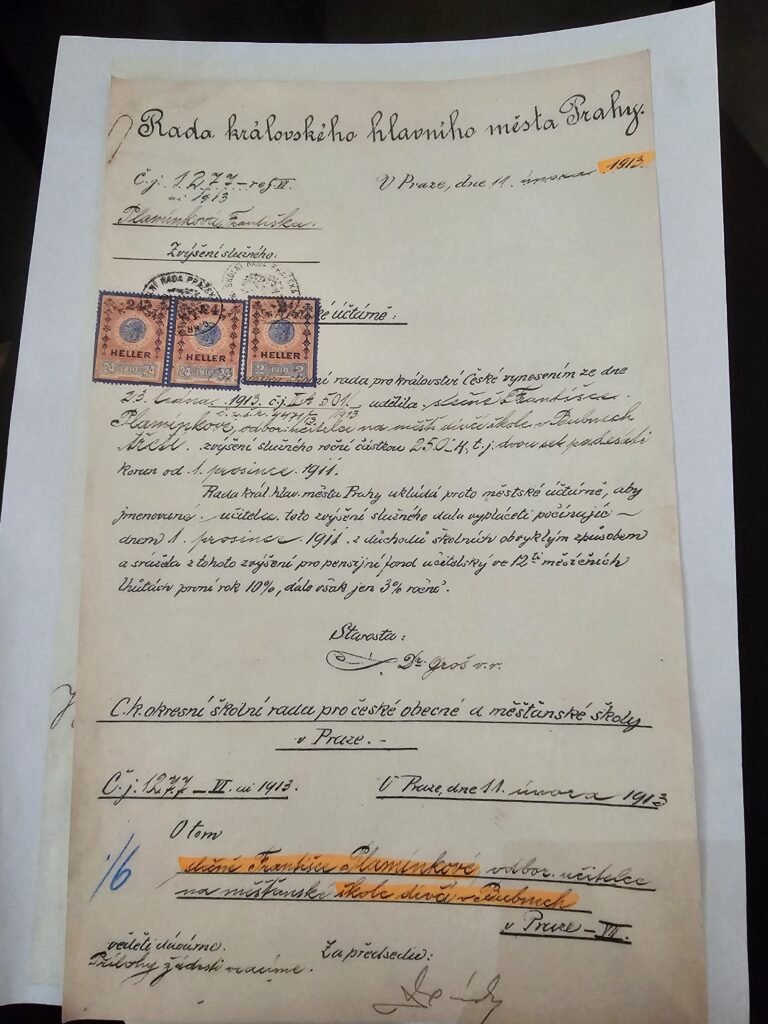
And what was the salary of a teacher at that time? In 1913, just before the First World War, the salary of a teacher in Austria-Hungary was approximately 80 to 100 crowns per month. The amount of 250 crowns that Františka Plamínková was given represented an annual bonus. This meant approximately 21 crowns per month, which was a very significant improvement for her by a full quarter of the then regular monthly salary. For the full 250 crowns, Františka Plamínková could have bought, for example, 20 pairs of luxurious leather shoes, paid half a year’s rent for an apartment in Prague, or bought a complete new wardrobe including several coats and expensive hats for meetings of the Women’s National Council.
The biggest obstacle in the lives of female teachers at that time was mandatory celibacy. The law from 1870 was clear. A teacher had to remain single. Marriage meant immediate expulsion from school. Women had to choose between work and family. Society believed that a married woman belonged at home, to the stove and to the children. Moreover, the state did not want to pay maternity leave. If a teacher became pregnant secretly, she was threatened with a huge social scandal and immediate loss of livelihood. Female teachers did not have equal conditions in their wallets either. For the same work, they received much less money than men. Often it was barely half of a man’s salary. Employers claimed that a woman did not support a family, so she did not need so much money. In addition to all this, female teachers had to adhere to a strict moral code. The whole village was constantly watching them. A teacher had to dress modestly and inconspicuously, attend church regularly and behave absolutely exemplary even in her free time.
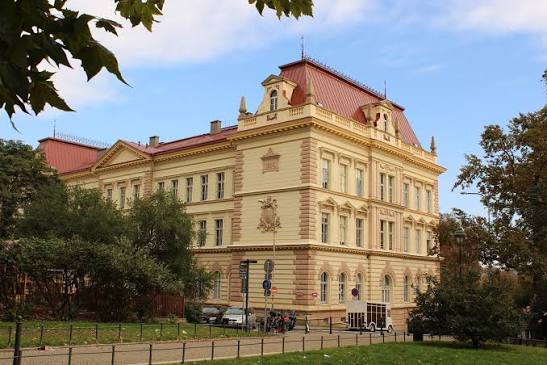
FRANTIŠKA PLAMÍNKOVÁ ELEMENTARY SCHOOL
In the building at Františka Křížka 490/2, today’s Františka Plamínková Elementary School, this courageous woman worked as a teacher for 30 years (1895–1925). It was here that she experienced the harsh reality of mandatory celibacy and unfair salaries, which inspired her to a lifelong struggle. Inside the building you can also find her memorial plaque with a portrait.
MAP:
Where: Františka Křížka 490, 170 00 Prague
THE WOMAN WHO DEFEATED THE SYSTEM
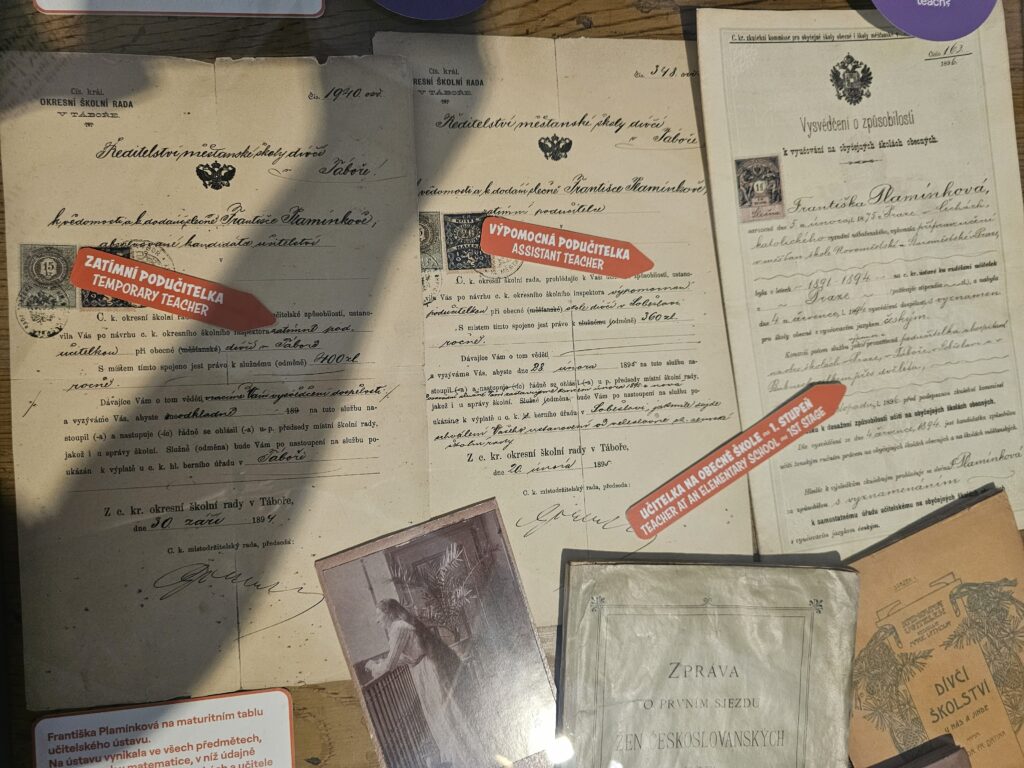
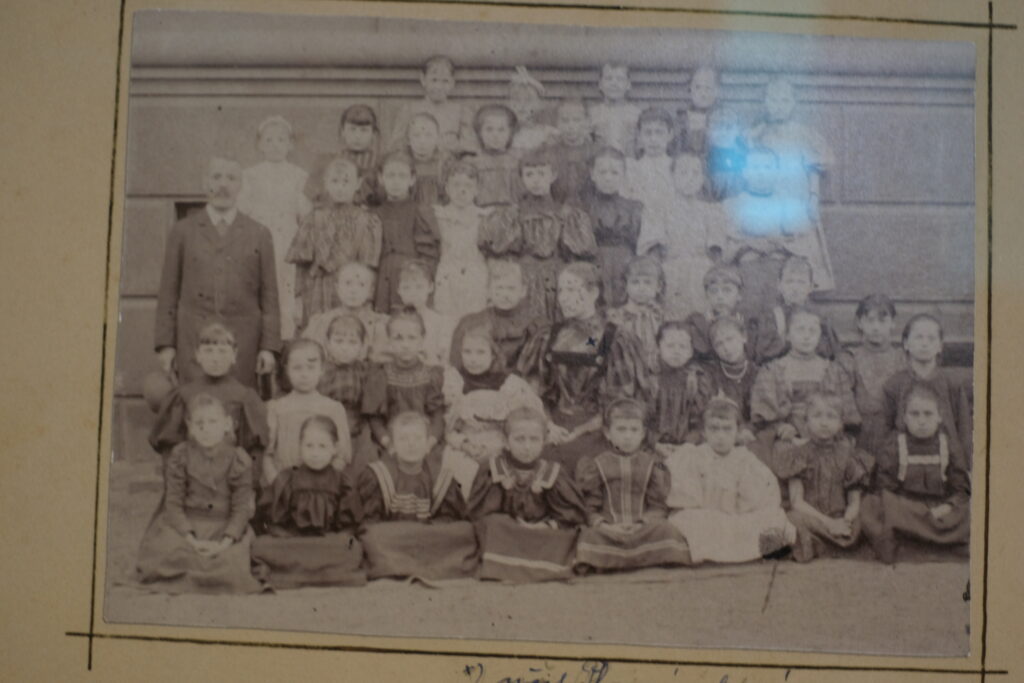
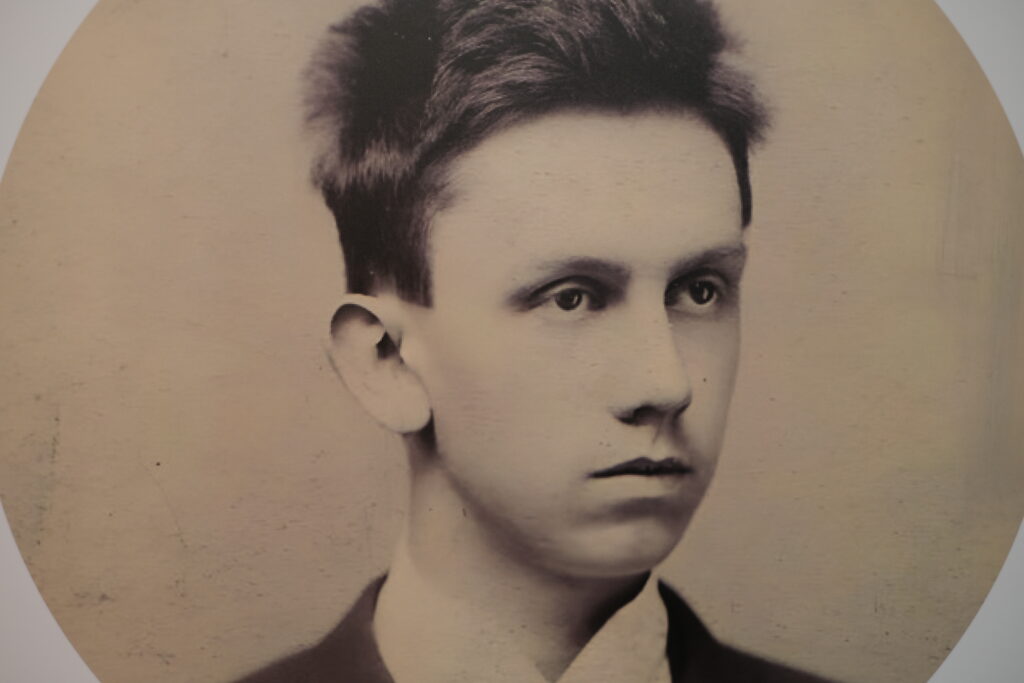
And the story of female teachers in the 19th century is the story of Františka Plamínková, who experienced this unjust system firsthand and ultimately helped to destroy it. When she joined the Institute for the Education of Female Teachers in Prague in 1890, the world of women was only slowly beginning to change. As the daughter of a poor shoemaker, she needed a profession that would support her. Although the state allowed girls to study, it immediately set very strict rules for them. After graduating in 1894, she began teaching in Tábor and Soběslav. As a teacher, she experienced a huge personal dilemma that thousands of women were dealing with at the time. She fell in love and received an offer of marriage. However, marriage would mean immediate expulsion from school. She had to choose between the man she loved or the job she loved.
THE FIGHT TO ABOLISH CELIBATE
Plamínková chose to work and fight for other women. She rejected the marriage proposal, but as a sign of her unrequited love, she began to wear a wedding ring and added the initial “F” to her name, after her fiancé. However, she was not content with the role of a silent victim.
She joined the Association of Czech Teachers and began to organize resistance. She wrote articles, spoke to politicians, and tirelessly repeated that celibacy was humiliating and meaningless. Its abolition became her main goal in life. For a quarter of a century, she fought against the prejudices of a society that believed that a married woman belonged only to the stove.
Her enormous efforts bore fruit only after the collapse of Austria-Hungary. She received the promise of freedom after the establishment of an independent Czechoslovakia. In January 1919, the shameful celibacy of teachers was finally abolished. Only then could teachers teach freely and have their own families.
BEST FRIENDS – FRIENDSHIP WITH ANNA AND ALBÍNA HONZÁKOVA
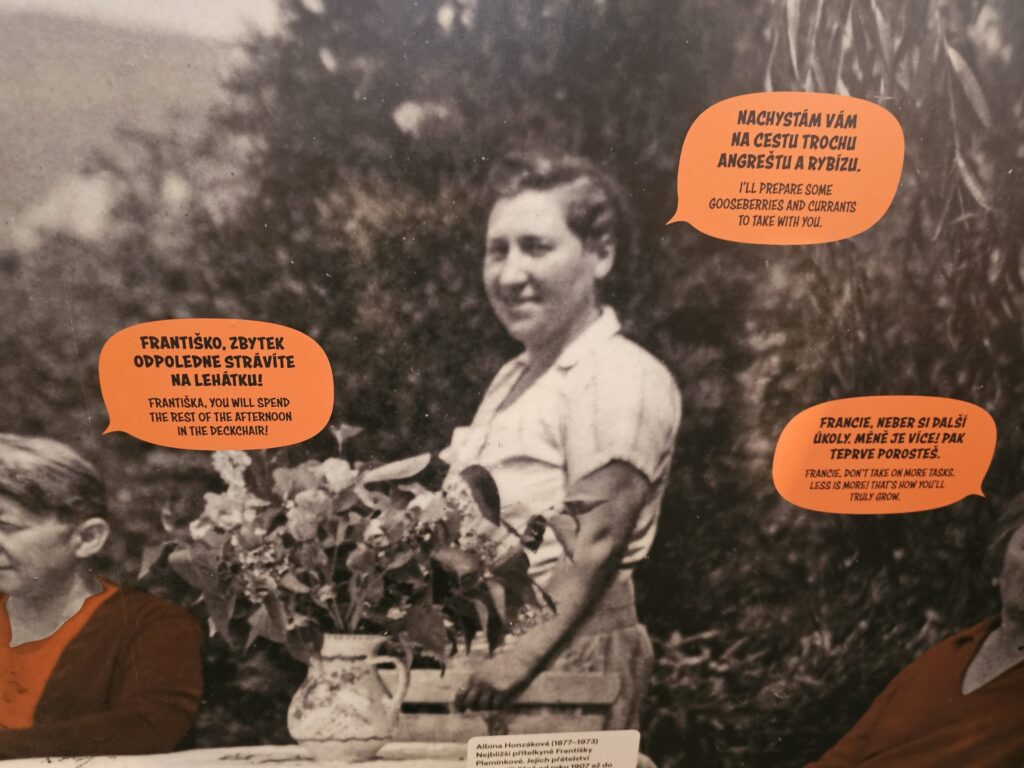
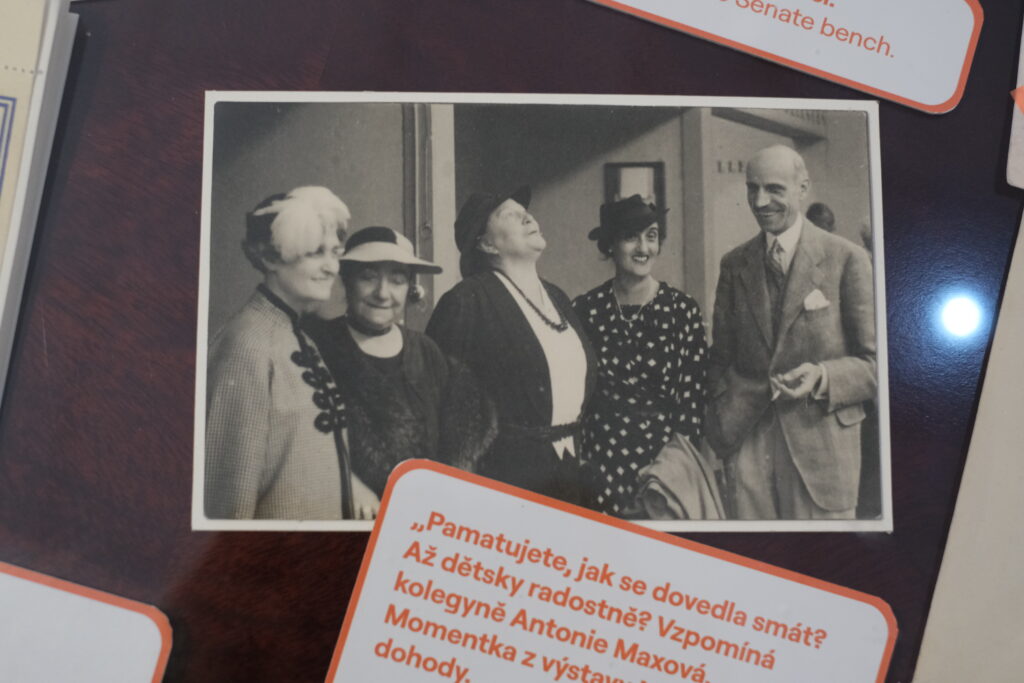
A long-standing friendship connected her with Anna and her sister Albína Honzáková. Anna became the first Czech female doctor of medicine in history and ran a private gynecological practice on Na Moráni Street for 35 years. In 1930, she also co-founded the Association of Czechoslovak Women Doctors, which she headed for a long time, and created a charity fund for poor and sick women. Her sister Albína received her doctorate from the Faculty of Arts at Charles University as the eighteenth Czech woman in the row and taught for 34 years, for which she earned the nickname Pallas Athena from her students. It was the teaching profession that connected Albína with Františka, because both belonged to a new type of modern educators who, instead of mechanically repeating the material, brought fresh ideas and interesting details to the lessons.
CAFES WHERE PROGRESSIVE WOMEN CHANGED PRAGUE
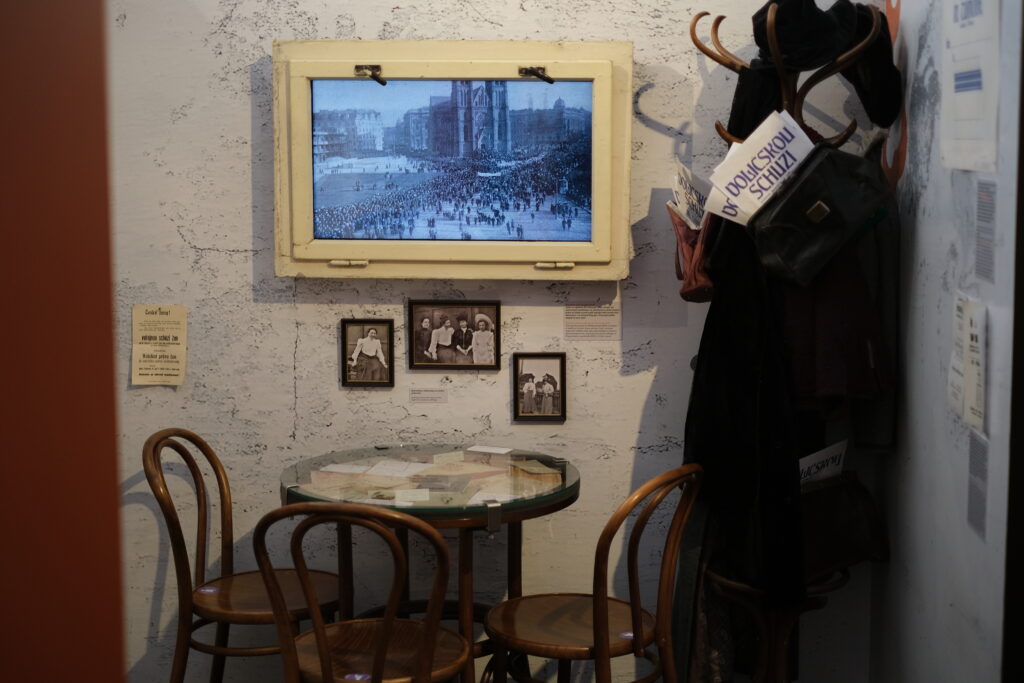
At the turn of the 19th and 20th centuries, coffee shops in Prague were not just places to drink coffee. They became a crucial public space where women’s freedom was born. Until then, women were usually only allowed to sit with coffee at home in the living room. It was the large coffee shops of that time that first opened the door to public life for them, allowing them to study and plan political reforms.
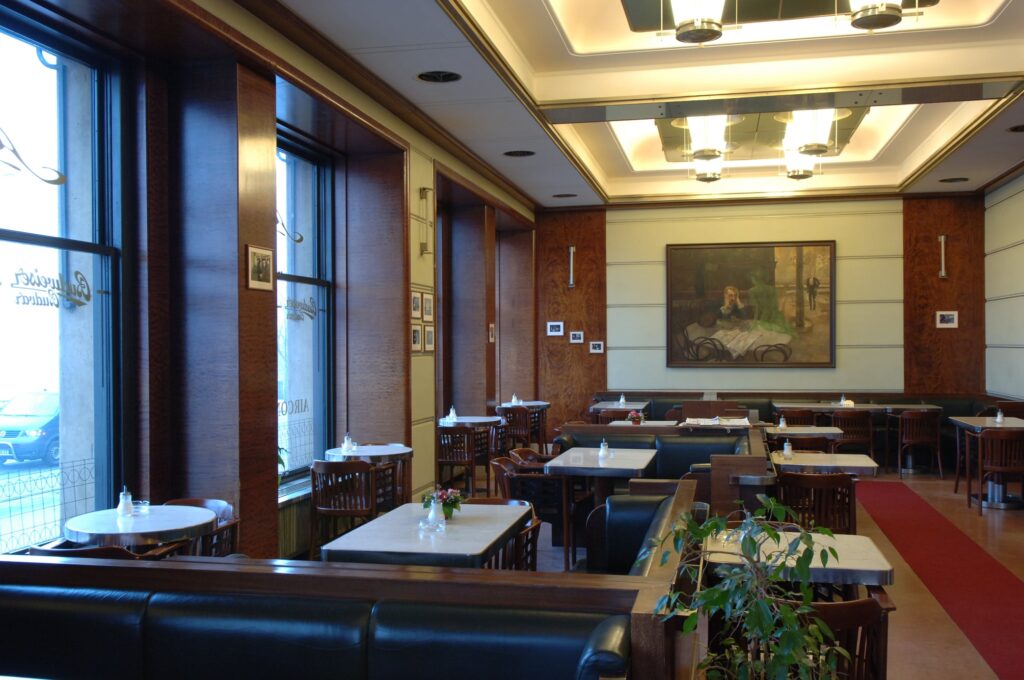
CAFÉ LOUVRE – THE CRADLE OF WOMEN’S EMANCIPATION
Café Louvre on Národní třída is absolutely crucial to the story of Czech women. When it opened in 1902, it became one of the first establishments in Prague where women without a male companion were not only tolerated, but actually welcomed. It was here that educated women from the upper classes would gather and discuss politics. Café Louvre literally became the “café” of women’s emancipation in Prague. The famous journalist Milena Jesenská also had a table here. The café still retains its noble Art Nouveau character. You can have a coffee here in the same elegant hall where Plamínková once wrote her speeches.

MAP:
Where: Národní 22, 110 00 Nové Město
CAFÉ SLAVIE – A PLACE WHERE ART AND POLITICS COLLECT
Just a few steps away, opposite the National Theatre, stands the legendary Slavia Cafe. It has been operating since 1884 and at the turn of the century the entire cultural world lived in it. It was here at the cafe tables that the ideas for founding the future Czech Women’s Club were born.Here, women lively discussed the introduction of women’s suffrage or the abolition of compulsory celibacy for female teachers.
The coffeehouse served as a public space where women could freely talk about literature, art, and science, something that was not always common in the private salons at home. The mere presence of women in a cafe without the accompaniment of men was revolutionary at the time. Here, Plamínková and her friend introduced the rule that every woman pays for herself, thereby demonstrating her financial and personal freedom.
The large windows still offer a magnificent view of Hradčany and the Vltava River. The interior immediately transports you to a time when the future of the nation was hotly debated at tables.
MAP:
Where: Národní 1, 110 00 Staré Město
VINEYARDS AND SECRET MEETINGS OF REBELS
Another neighborhood associated with Františka Plamínková is Vinohrady. Today, it is a renowned address full of cafes and parks, but more than a century ago, women gathered here in rented apartments for secret meetings. The Austrian authorities strictly forbade women from founding political associations.
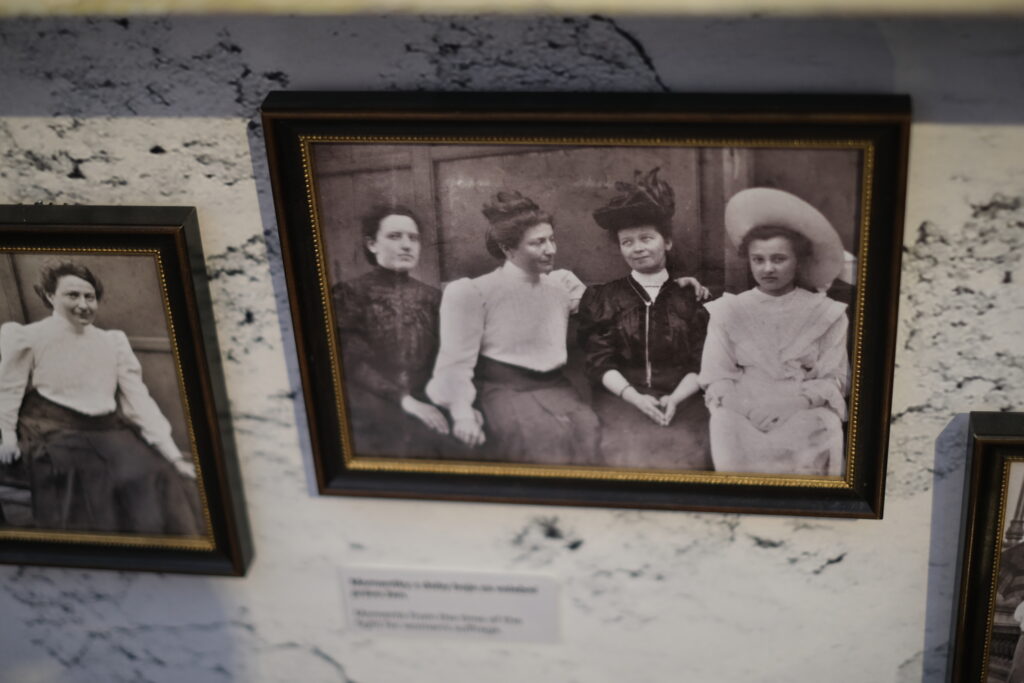
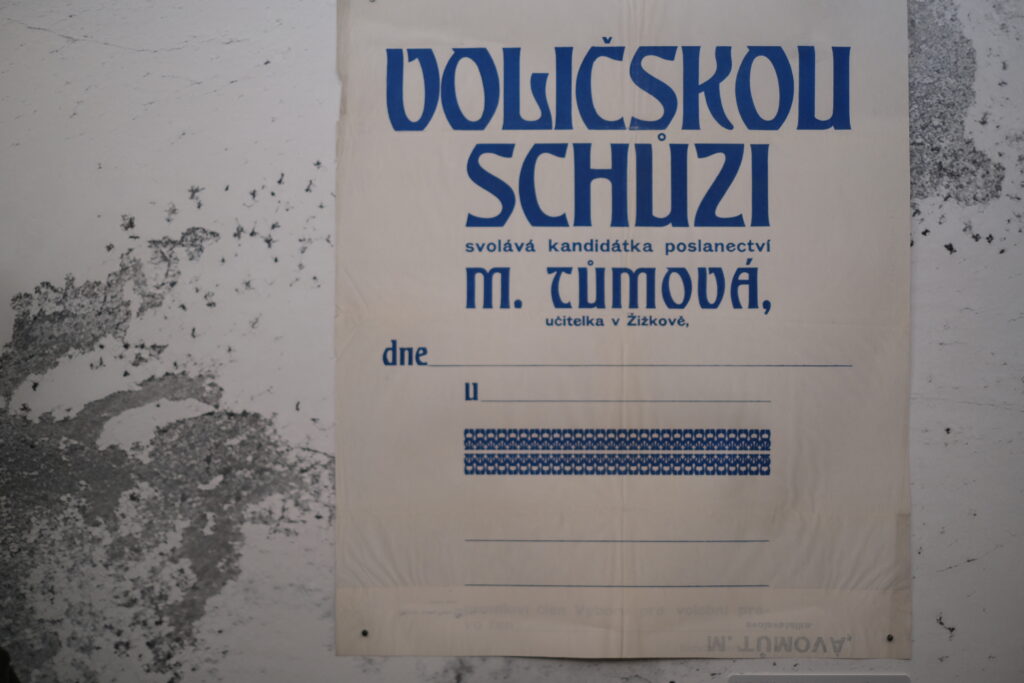
Plamínková and her colleagues therefore founded the unofficial Committee for Women’s Suffrage. In small rooms by a blazing stove, they folded leaflets and devised ways to outwit the strict Austrian officials. When you walk through here today, you can feel the atmosphere of the resistance of that time.
NATIONAL HOUSE IN VINOHRADY – HALL WHERE THE FIRST FEMALE WAS APPLAUDED
As early as 1912 (still under the Austro-Hungarian Empire), the writer Božena Viková-Kunětická was elected to the Parliament of the Kingdom of Bohemia. The laws of the time forbade women from voting, but the authors of the laws forgot to explicitly state that women were not allowed to. Františka Plamínková cleverly exploited this legal paradox and successfully nominated Viková-Kunětická as a candidate. Although the Czech governor did not recognize her mandate at the time, it was a huge moral triumph for the suffragettes.
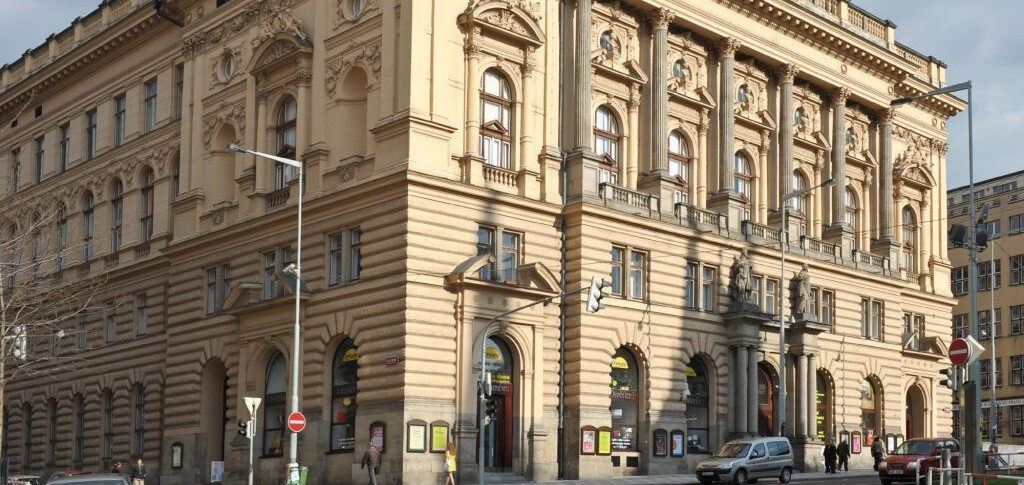
Another stop on the map of courage is the National House in Vinohrady. This magnificent neo-Renaissance palace hosted stormy rallies in 1912. Plamínková spoke to thousands of people there in front of a packed hall. She took advantage of an unexpected loophole in the laws at the time and promoted the candidacy of the writer Božena Viková-Kunětická.
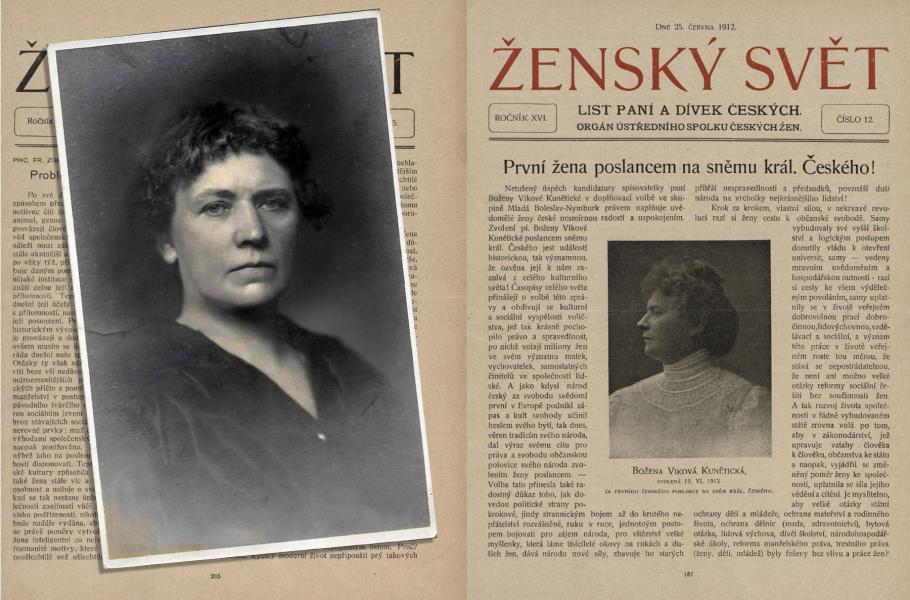
When this woman became the first in Central Europe to win the election to the parliament, Vinohrady celebrated. For the modern traveler, visiting this place is a great experience, combining beautiful architecture with a story of great triumph. And so, eight years later, women were able to participate in elections for the first time.
MAP:
Where: Náměstí Míru 820/9, 120 00 Prague 2-Vinohrady
FRANCIS FEMINIST – CZECH WOMEN’S CLUB
The Czech Women’s Club was founded on September 10, 1902 and initially brought together eleven women’s associations. It was the first truly feminist association in the Czech lands to openly fight for equality and women’s suffrage. One of the main founders and long-time chairwoman was Františka Plamínková. Other famous founders included Charlotta Garrigue Masaryková, wife of T. G. Masaryk. The club became the main center of the fight for women’s suffrage. This was finally achieved in 1919. It organized lectures, discussions, courses and cultural events. It helped women gain self-confidence and perspective. Plamínková and the club successfully fought for the repeal of the law according to which female teachers were not allowed to marry if they wanted to continue teaching.
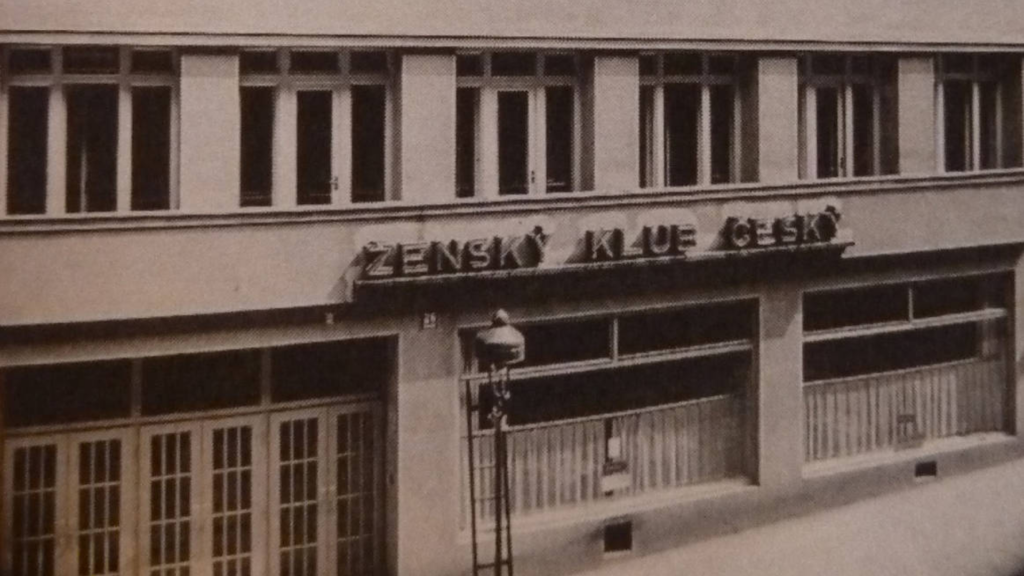
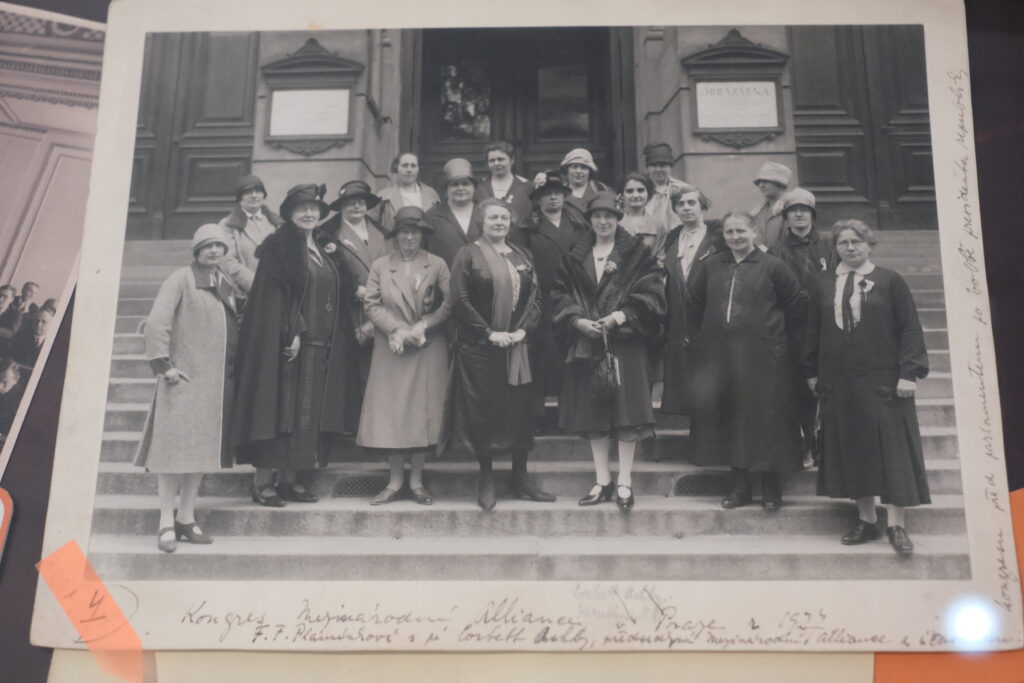
The club was initially based in various rented locations, but its activities grew so much that the members wanted their own facilities. In 1928, they founded a cooperative and either financed or took out a loan to build a house. In 1933, a house was built on Ve Smečkách Street in Prague, designed by the first architect, Milada Petříková-Pavlíková. And so a modern functionalist building grew.
This house was a real refuge for women and offered great facilities. There was a lecture hall and a library for education, as well as club rooms for meetings and discussions. The women even had their own restaurant, which was the only part of the house where men were allowed to enter. There were also rooms for single or studying women.
The promising development of the club was cruelly interrupted by World War II. In 1939, the house was occupied by the Nazis and many members were arrested.
Today, the former lecture hall houses the famous Činoherní klub theatre.
MAP:
Where: Ve Smečkách 594/26, 110 00 Nové Město
LIVING IN THE OLD TOWN SQUARE
In 1914, Plamínková moved to Old Town Square to be in the center of events. In house no. 932 (in house number 6) next to the famous Church of St. Margaret/Nicolas (at the mouth of Pařížská Street), she had her apartment and main work office. Other important women, including her close collaborator Milada Horáková, came to her for meetings here. Plamínková spent the most fruitful years of her life (1914–1939) in this house. It was from here that she directed the Women’s National Council and wrote her fundamental texts. Today, you can find a bronze commemorative plaque on the house.
Bronze memorial plaque:
“From 1914 to 1939, a leading fighter for women’s rights, the founder of the Women’s National Council, Senator F. Plamínková, lived and worked here. She was executed on June 30, 1942.”
MAP:
Where: Staroměstské nám. 932/6, 110 00 Staré Město
FRANTIŠKA FLAMÍNKOVÁ’S WARDROBE WAS ELEGANT
Františka Plamínková’s style of dress was elegant, professional and modern, but certainly not eccentric. Unlike some radical feminists of the time who wore men’s trousers and shocked society, Plamínková relied on femininity and refinement. Her wardrobe changed as her political influence grew.
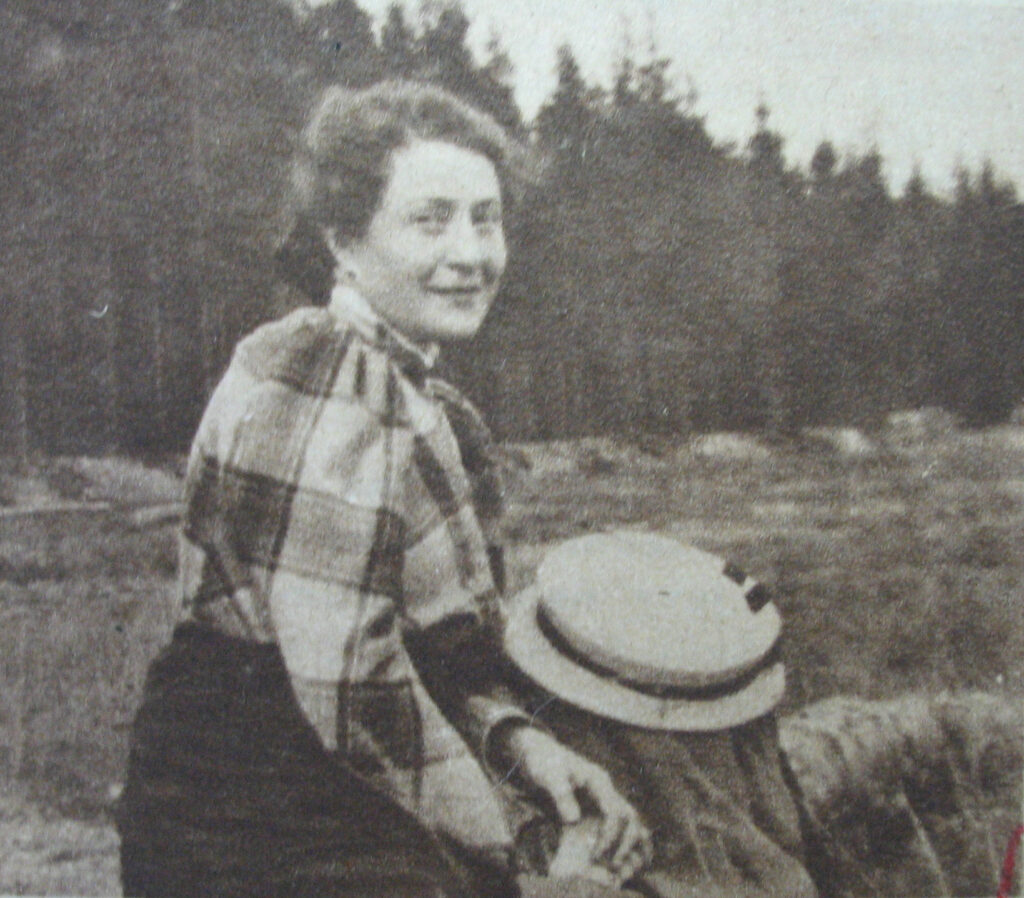
When she started teaching, teachers had to adhere to a very strict moral code. She wore long dark skirts and blouses that reached the neck, which was required by the school regulations of the time. Also simple hairstyles, most often her hair was pulled tightly into a bun. Plamínková was already actively fighting against tight corsets that deformed women’s bodies and prevented them from moving. She advocated looser, healthier clothing that was practical for everyday work and walking around the city. When she became a respected politician and senator in the 1920s, her wardrobe gained great sophistication.
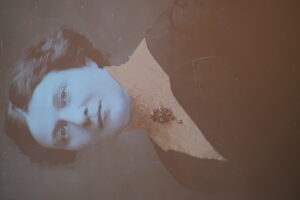
She enjoyed visiting leading Prague fashion salons. Her style of the First Republic was characterized by elegant costumes and flowing dresses made of high-quality fabrics, which emphasized her natural feminine authority and charisma. Stylish hats, without which a lady of that time could not go out on the street. Fur collars and pearl necklaces, which she liked to choose for ceremonial meetings and diplomatic meetings.
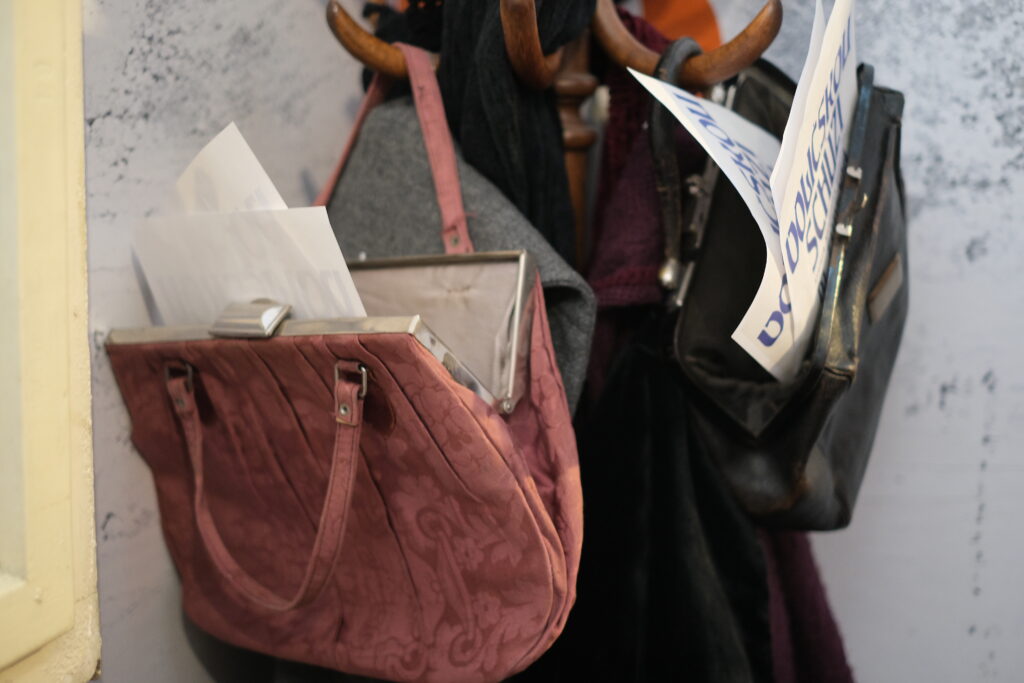
As an influential politician, senator and internationally recognized personality, Františka moved to many important places in Prague and around the world. She relied on a representative appearance and was a popular supporter of Czech businesswomen. And where did she go in Prague for fashion and style? As a leading politician, she bought fabrics and had her elegant costumes and flowing dresses sewn in leading salons on Národní třída and Wenceslas Square, such as the renowned fashion salon of Arnoštka Roubíčková in Palác Koruna.
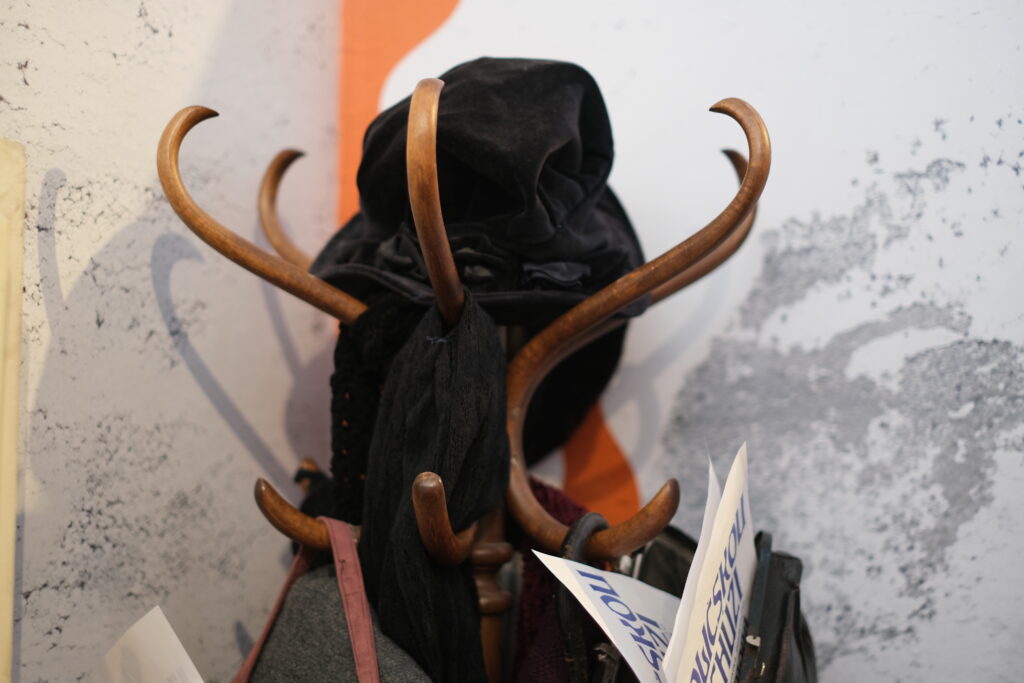
She was also interested in fashion professionally. At the girls’ high school in Holešovice, which she founded herself, she supported the introduction of so-called reform fashion. She taught young girls how to dress healthily, comfortably, and without corsets.
DESIRE FOR KNOWLEDGE – KLEMENTINUM
The path to freedom also led through education. Therefore, our steps are directed to the baroque complex of the Klementinum, where the National Library is now located. It was in these study rooms that the first female students began to timidly penetrate at the turn of the century. Young women came here with a desire to see the world and obtain a profession that would ensure their independence. A walk along the historic bookshelves will remind you of how rare access to knowledge, which we take for granted today, was for girls of that time.
Františka Plamínková continuously supplemented her education. In 1895, she received a decree as a teacher of middle-class schools. Subsequently, in 1898, she passed the professional exams for teaching physics, mathematics, drawing and calligraphy. She also actively studied languages, especially German and French.
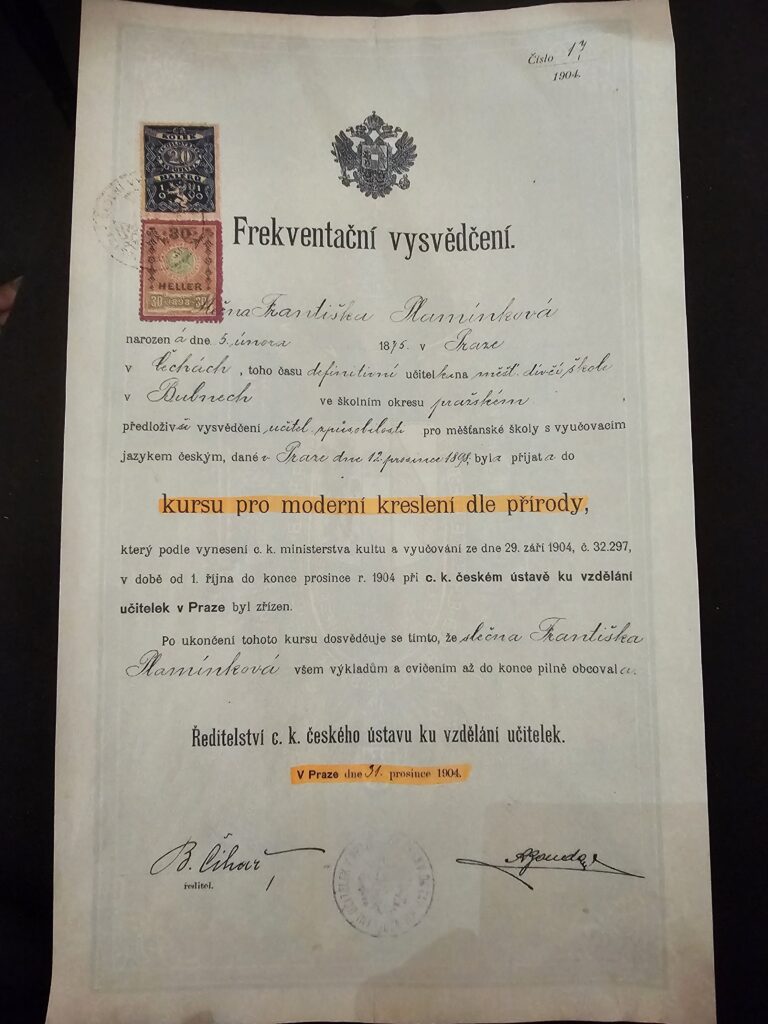
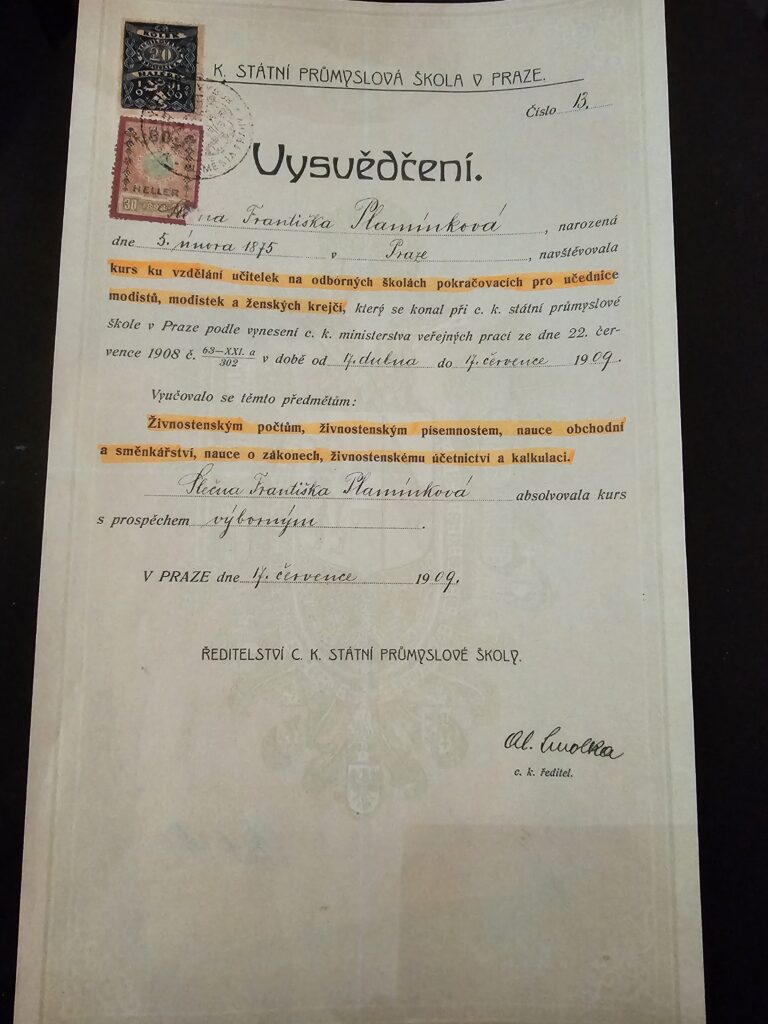
Františka Plamínková had a very strong personal relationship with the Klementinum in Prague, because during her youth she attended evening lectures there and received an important education. She broadened her horizons in mathematics, physics and chemistry. She met a number of important personalities there, for example Alica Masaryková. Thanks to these contacts, she began to attend the Masaryk family’s student discussions. This shaped her later political views.
MAP:
Where: Mariánské nám. 5, 110 00 Staré Město
FIGHT FOR THE RIGHT TO VOTE
After the establishment of Czechoslovakia, the National Assembly approved a new electoral code for municipalities. On June 15, 1919, Czech women went to the polls en masse for the first time in history in municipal elections. They had the same right to vote and be elected as men.
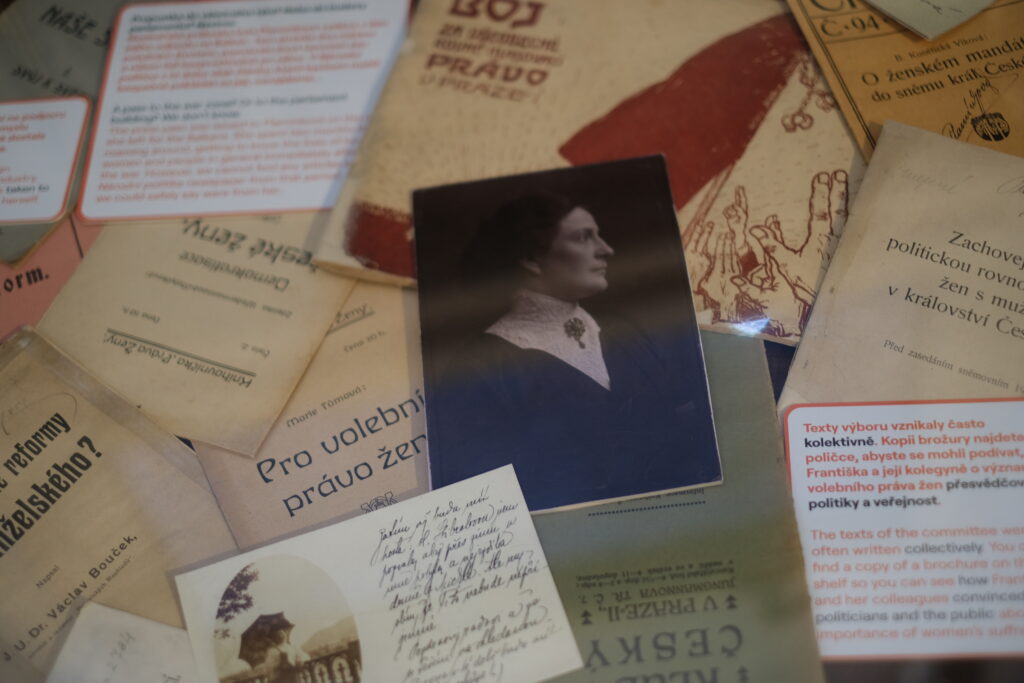
Complete and definitive equality was confirmed by the Constitution of the Czechoslovak Republic adopted on February 29, 1920. In Article 106, it explicitly stated that gender privileges were not recognized. In April 1920, women voted for the first time in both chambers of the National Assembly (Chamber of Deputies and Senate).
FRANCISKA SENATOR
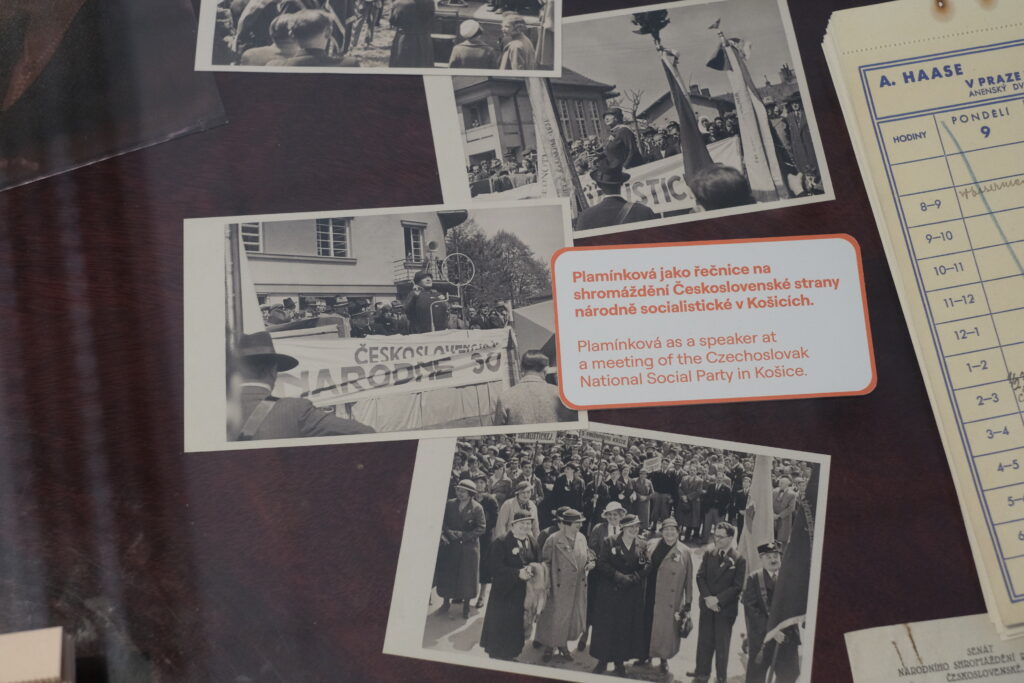
She entered politics, specifically in 1918, into the National Social Party. However, the National Assembly, the parliament at the time, was afraid of women, let alone the Plamín family. The party therefore “cleaned” her up for the Prague municipality.
She founded the Women’s National Council in 1923. It became an advisory body to the National Assembly in the creation of modern family law, and Plamínková met Milada Horáková thanks to this.
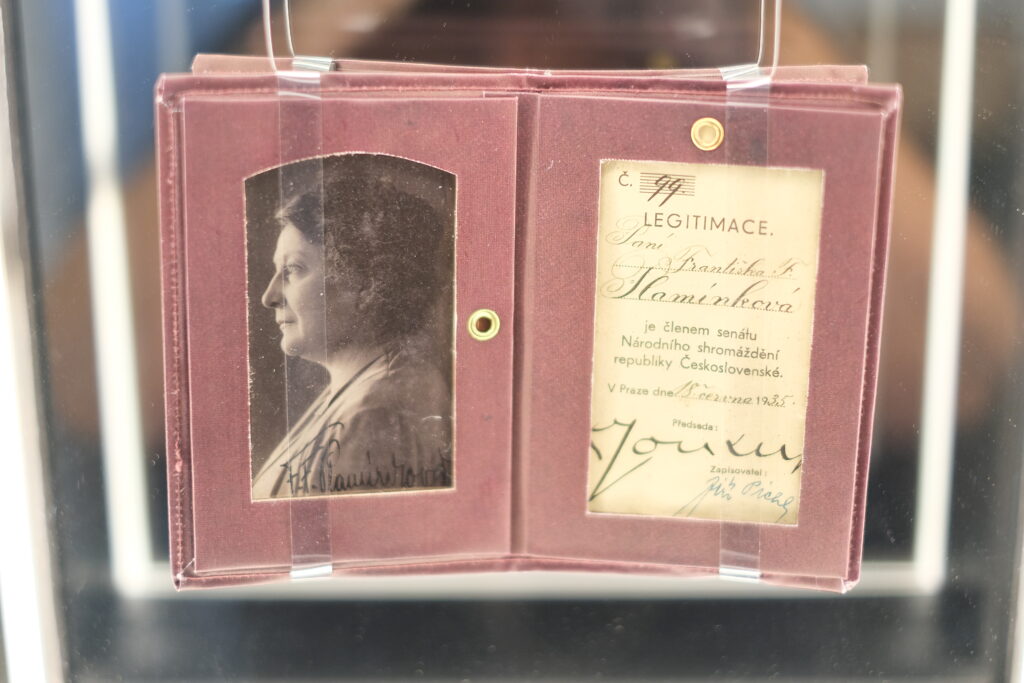
Františka Plamínková first became a senator in November 1925.
SENATE OF THE PARLIAMENT OF THE CZECH REPUBLIC
A significant stop is the Wallenstein Palace, the seat of the Senate. When you arrive here during your walk, you will realize how exceptional it was that a woman worked here a hundred years ago. Politics was still a predominantly male world at the time.
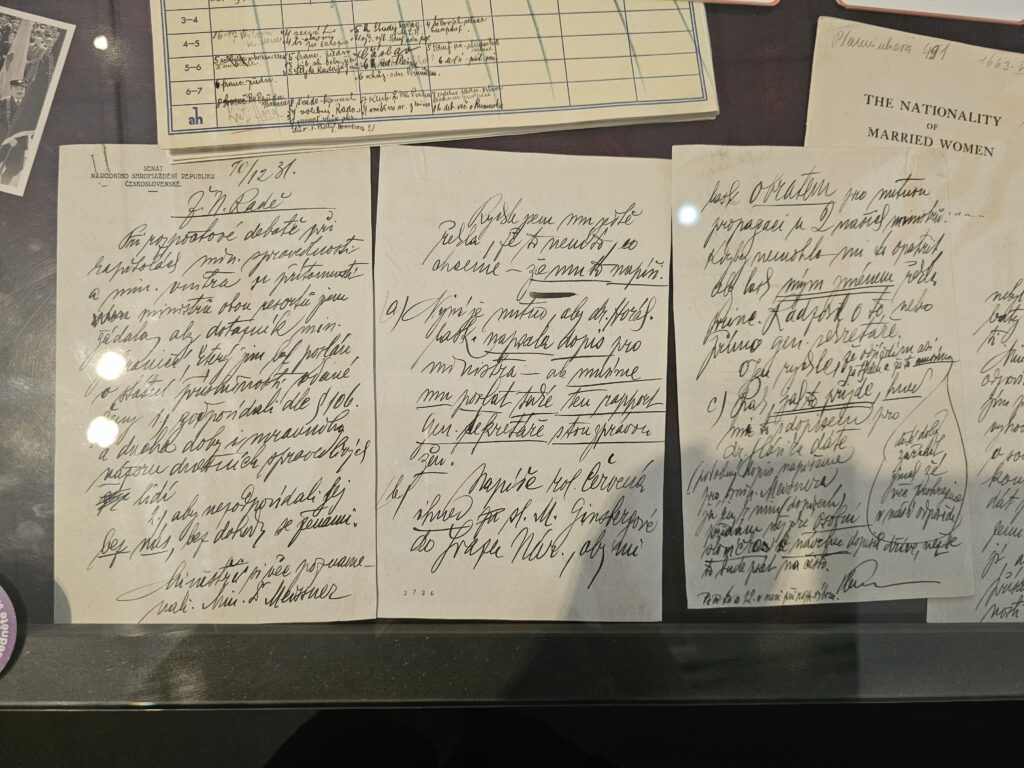
Plamínková promoted laws related to education, social policy, and the status of women. She was not afraid to openly criticize injustice and often spoke out against views she considered outdated.
In 1920, for the first time in history, long lines of women appeared here, proudly holding their ballots in their hands. Their dream of equality, for which Plamínková had fought for decades, came true. Plamínková herself then sat on these benches as a respected senator.
MAP:
Where: Valdštejnské nám. 17/4, 118 01 Malá Strana
A WOMAN WHO TRAVELED THE WORLD
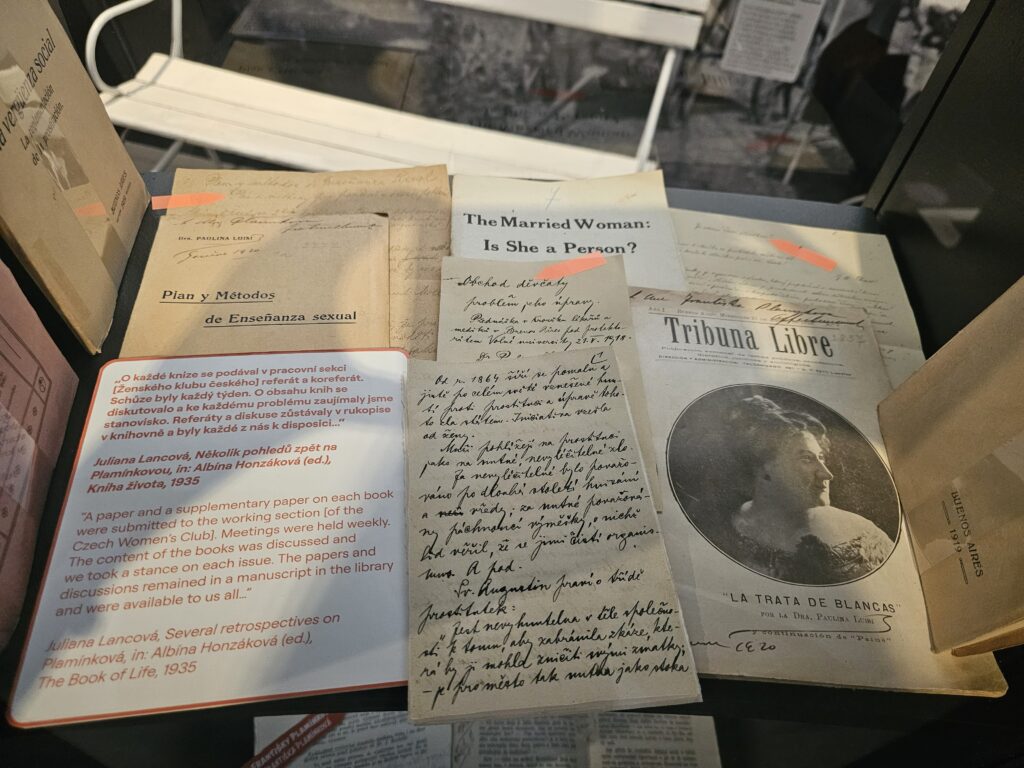
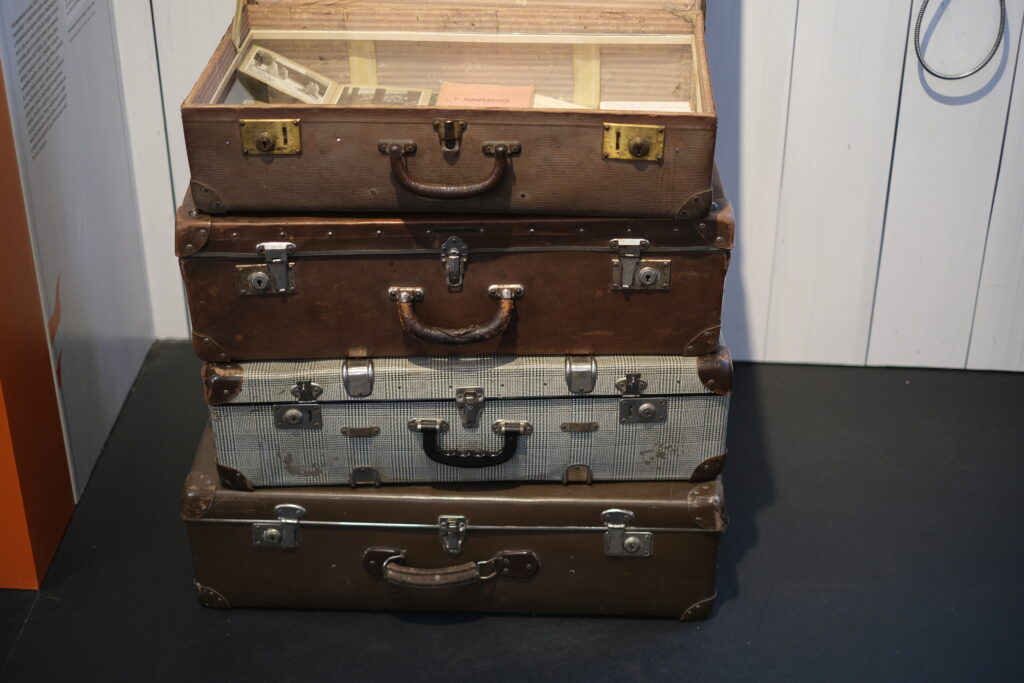
While touring the exhibition, I was surprised by how actively she traveled. Františka Plamínková did not travel for relaxation. Each of her trips had a clear goal. She wanted to connect Czech women with the world. On her trips, she represented the then democratic Czechoslovakia. She showed that our country belonged to modern Europe. Her international successes still inspire people all over the world. She attended international conferences and met with important representatives of the women’s movement in Europe and overseas. Thanks to these trips, she gained inspiration and new experiences, which she subsequently used at home. She was convinced that women should have the same rights as men, and she was not afraid to promote her opinions on the international stage. At a time when many women did not have the opportunity to travel independently, she represented an exceptionally modern personality.
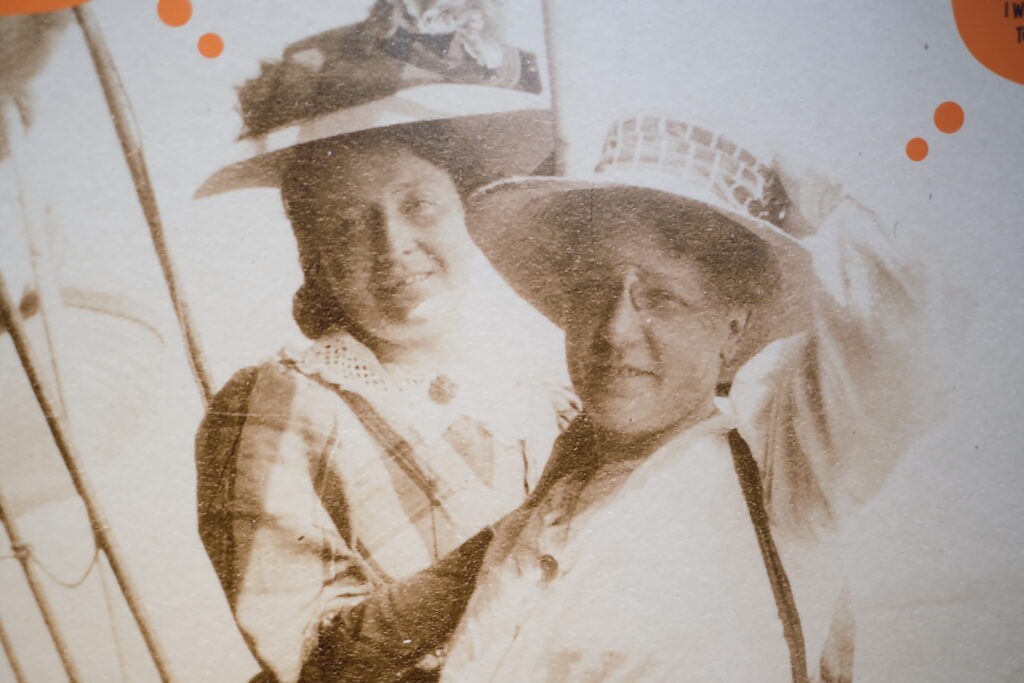
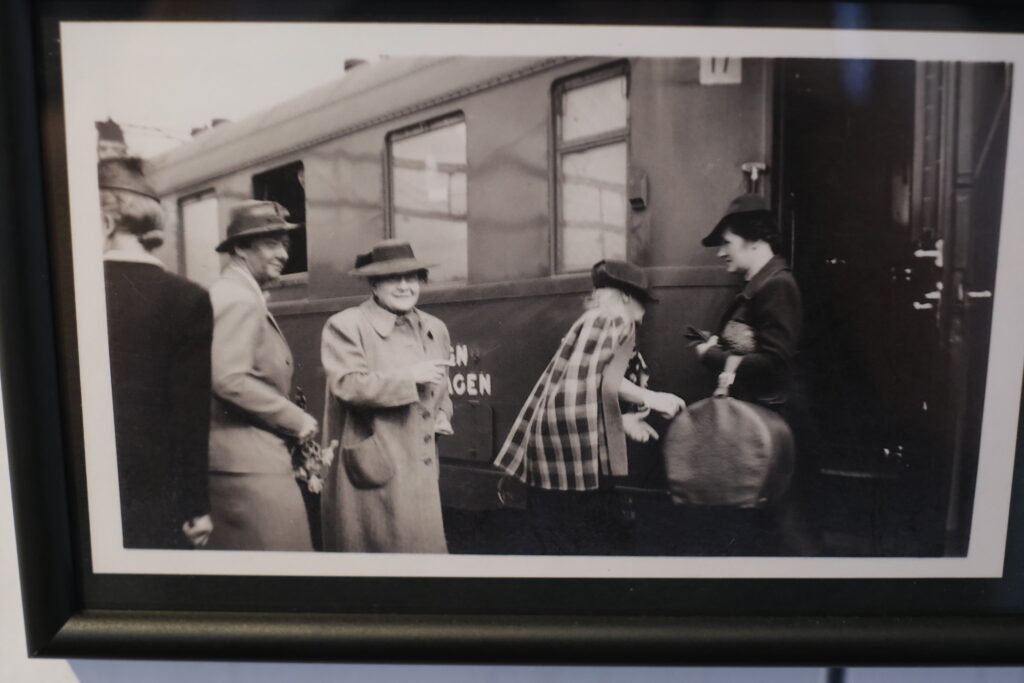
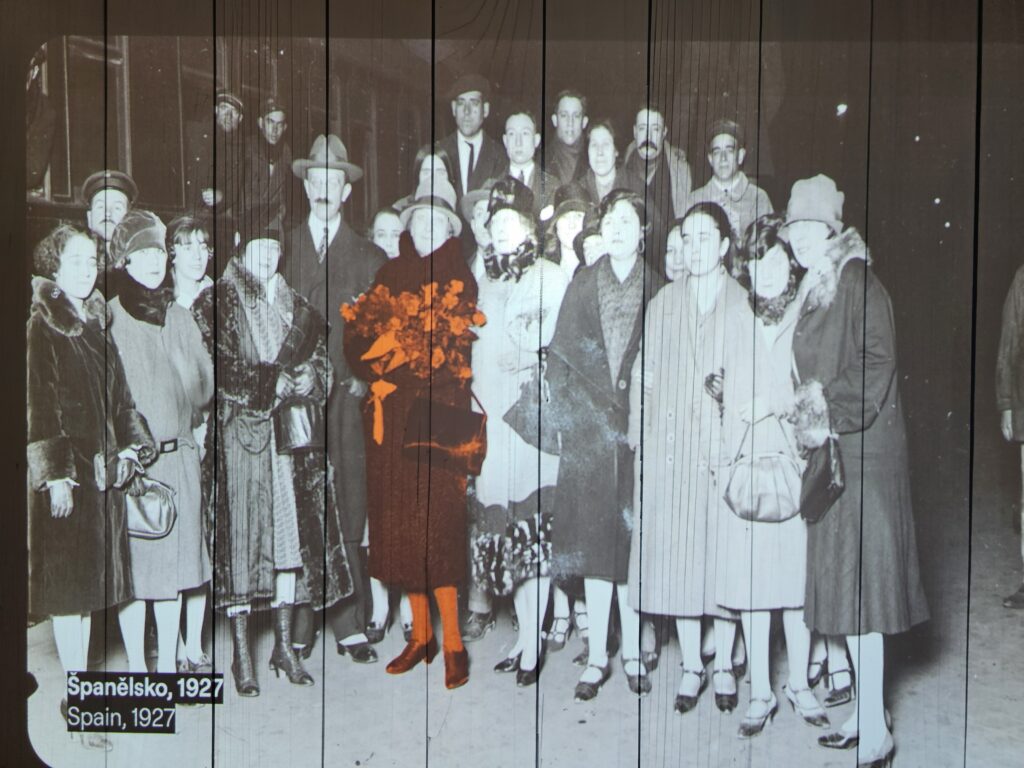
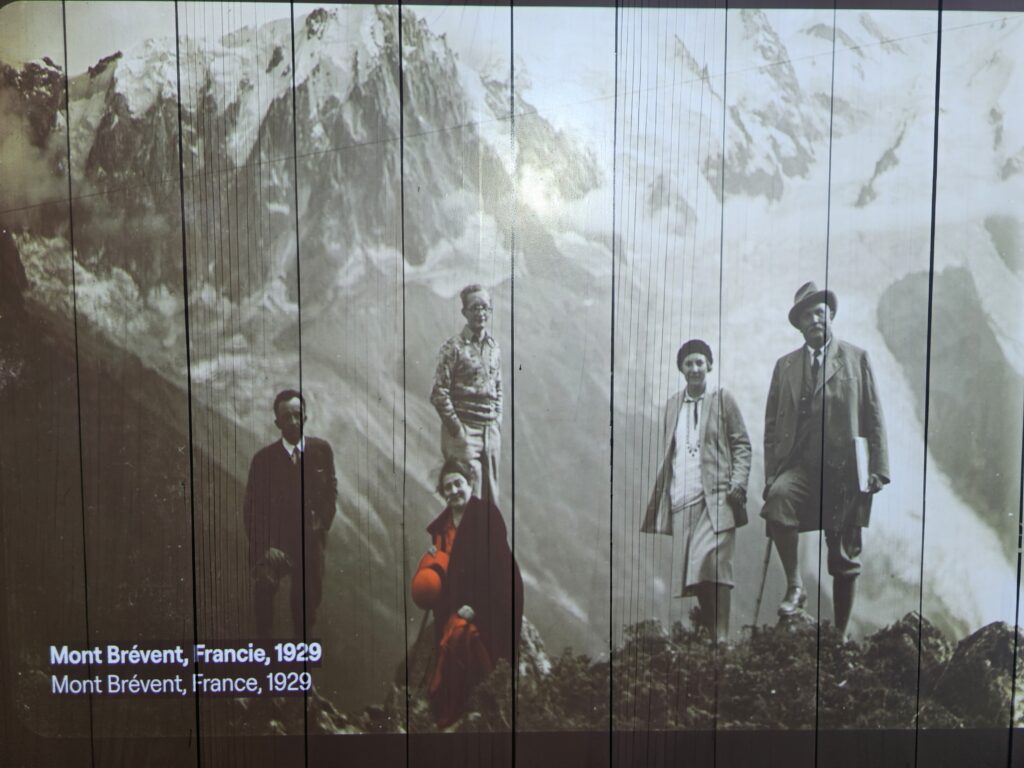
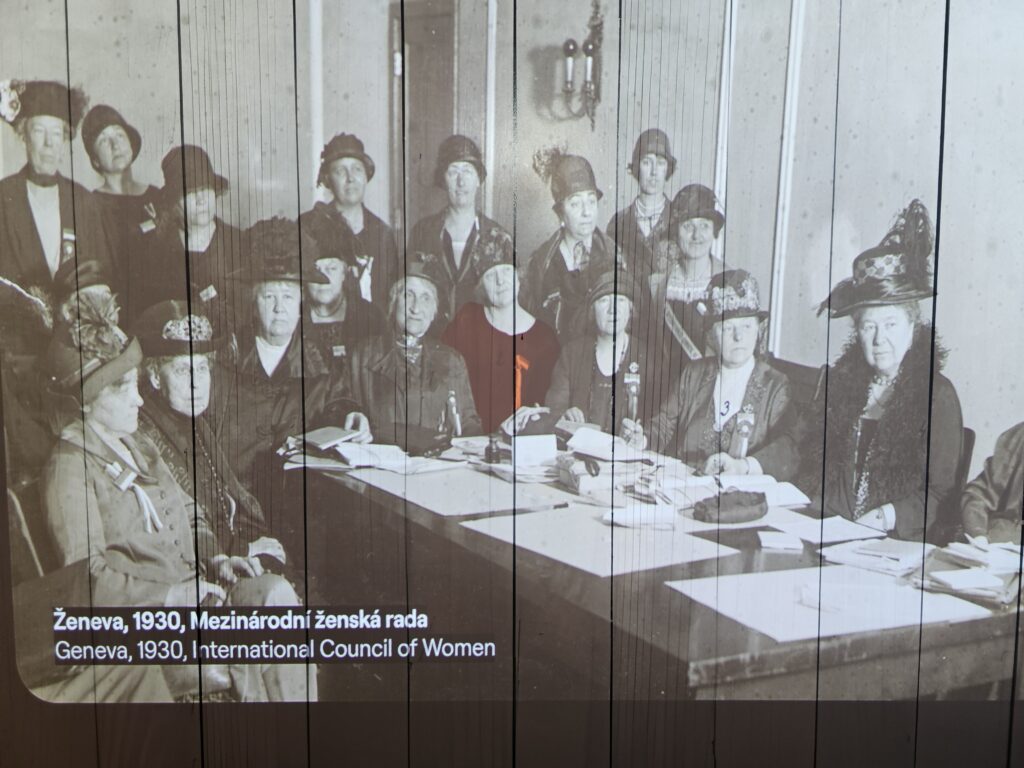
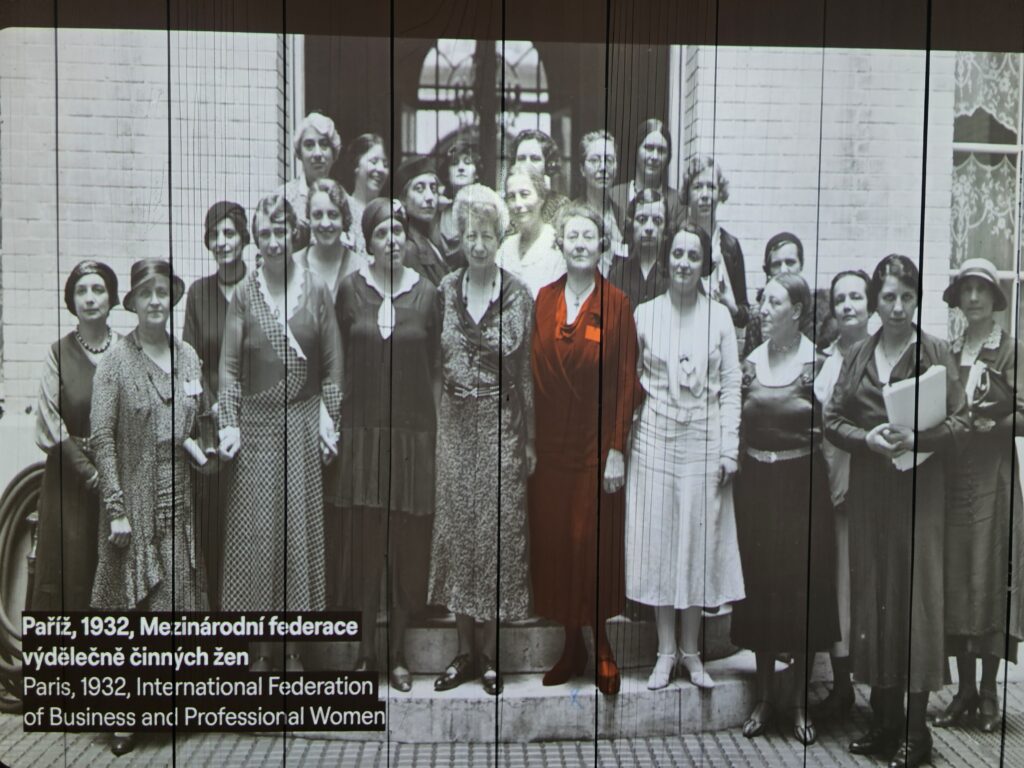
And which countries did she visit the most and where did she leave the biggest mark? She took one of her longest and most important trips in 1925. She went to the United States of America. In the capital, Washington, she attended a large congress of the International Council of Women. American culture and the women’s movement there inspired her greatly.
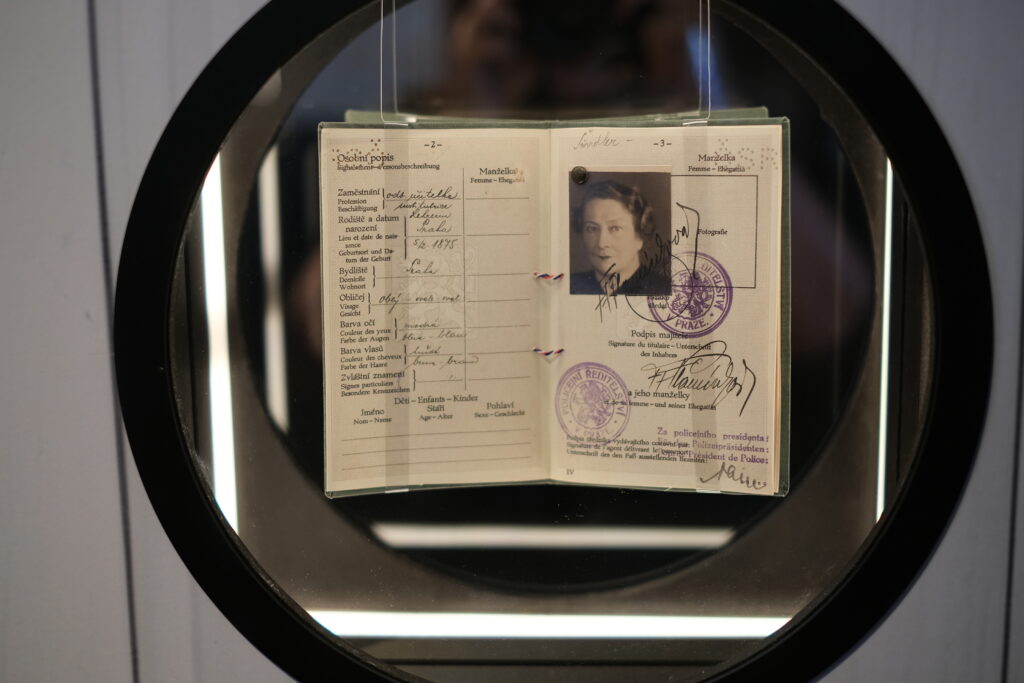
After the congress, she stayed in America for another four months. She traveled to various states. She spoke mainly to Czech compatriots who lived in the USA. She lectured about the new republic, visited various institutions, and met many people, including in New York with former senator and future US president Franklin D. Roosevelt.
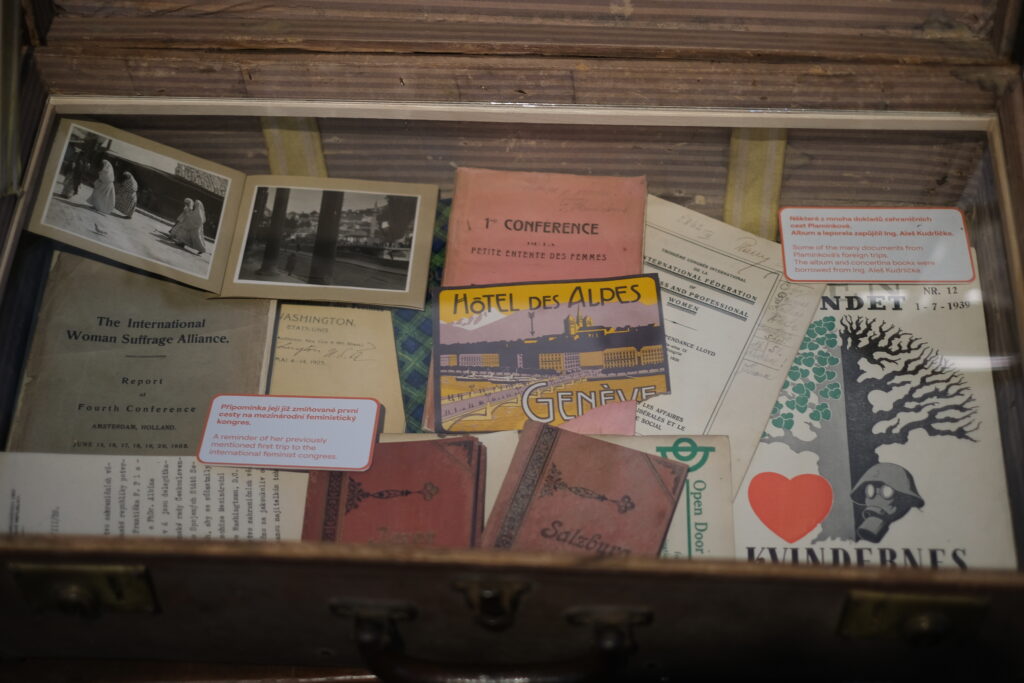
Plamínková regularly traveled to Western Europe. The Netherlands was a key destination for her. She visited Amsterdam in 1908. A large conference on women’s suffrage was held there. There, Plamínková showed the whole world for the first time how strong and organized the women’s movement was in the Czech lands. As vice-chairwoman of large international organizations, she regularly visited other European countries such as France, Great Britain and Switzerland.
OPEN LETTER TO ADOLF HITLER
One of the most interesting and at the same time most courageous episodes of her life was a letter she wrote to Adolf Hitler. At a time when Nazi Germany was increasing pressure on Czechoslovakia, she publicly opposed Nazi propaganda. In her letter, she criticized attacks on Czechoslovak democracy and defended her country’s right to freedom. This act required extraordinary courage. Plamínková was aware of the possible consequences, but she did not change her views.
In her letter, she strongly defended the Czechoslovak president. She stated that Beneš had not lied when he reported on the movements of the German army towards our borders. She was not afraid to call Hitler a dictator in the letter. She wrote to him bluntly that this insult probably stems from the lack of information that dictators are generally subject to, because those around them inform them only about things they themselves wish to hear. She accused him of deliberately distorting the facts about the Czechoslovak nation and its history.
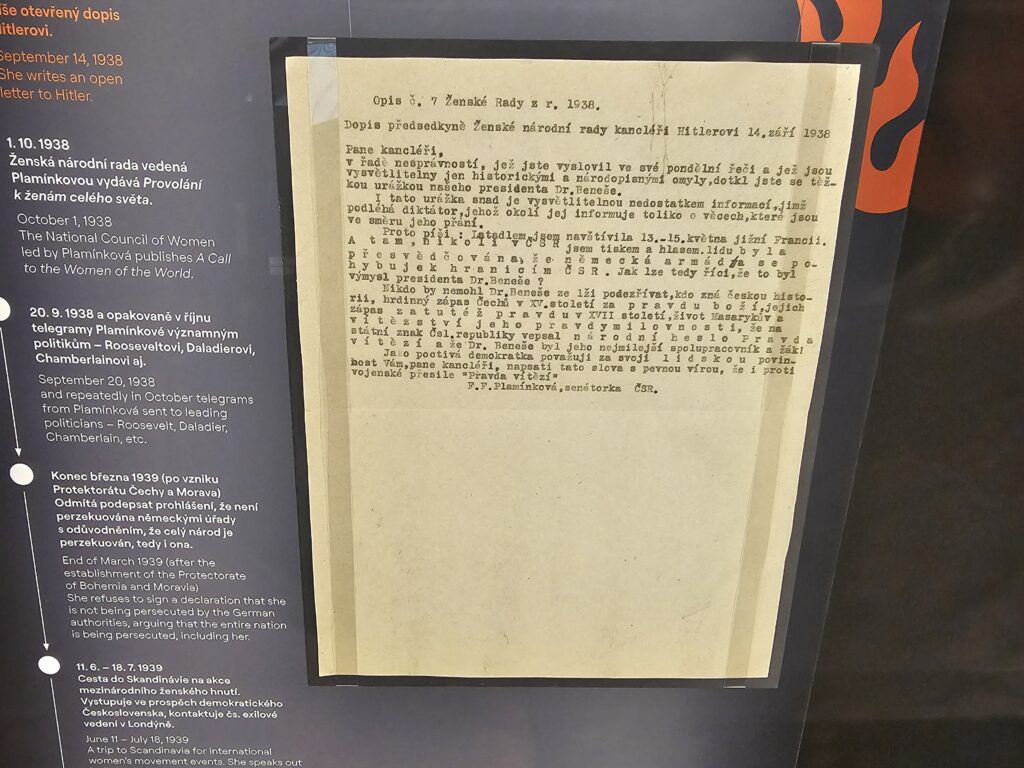
She concluded her text with a strong message:
“As an honest democrat, I consider it my duty to write to you, Mr. Chancellor, that I am firmly convinced that even against military superiority, Truth will prevail.”
The German leadership did not officially respond to the letter. For Hitler and the Nazis, she was an insignificant enemy at the time. However, the Germans took note of the text very well and never forgot it. Although Plamínková had the opportunity to legally remain in exile abroad in 1939, she refused, saying that she wanted to be with her people in difficult times. As soon as the occupation began in 1939, Plamínková became an immediate target of the secret police because of her courage. The letter was one of the main reasons why she was arrested by the Gestapo on the very first day of World War II.
After her first arrest in September 1939, she told her fellow prisoner: “You know, girl, one must stand by one’s words, it’s not just about talking, but the main thing is, when bad times come, not to deny anything and not to hide. To remain what we once were when we were free…”
THE RELATIONSHIP BETWEEN FRANTIŠKA FLAMINKOVÁ AND MILADA HORÁKOVÁ
The relationship between Františka Plamínková and Milada Horáková was exceptional. Plamínková was a lifelong role model, mentor and close friend for Horáková. They worked together in the Czech Women’s Club and the Women’s National Council. When the German occupation came, both women immediately involved their organizations in the anti-Nazi resistance. The Women’s National Council had branches all over the country. Františka and Milada used this network to build illegal groups. They cooperated with the important resistance organization, the Petition Committee We Will Remain Faithful. They helped find safe hiding places for people in the underground and provided secret apartments for resistance meetings. Through reliable members, they collected important information about the occupiers’ moves and passed it on to resistance centers.
“It would be a mistake to believe that a constitution that guarantees women complete equality with men will solve all the pain women suffer from prejudices against them and social customs. Awareness of equality must become a habit – but public opinion, which is very decisive here, is quite conservative.”
Members of the Presidium of the National Women’s Council (ŽNR)
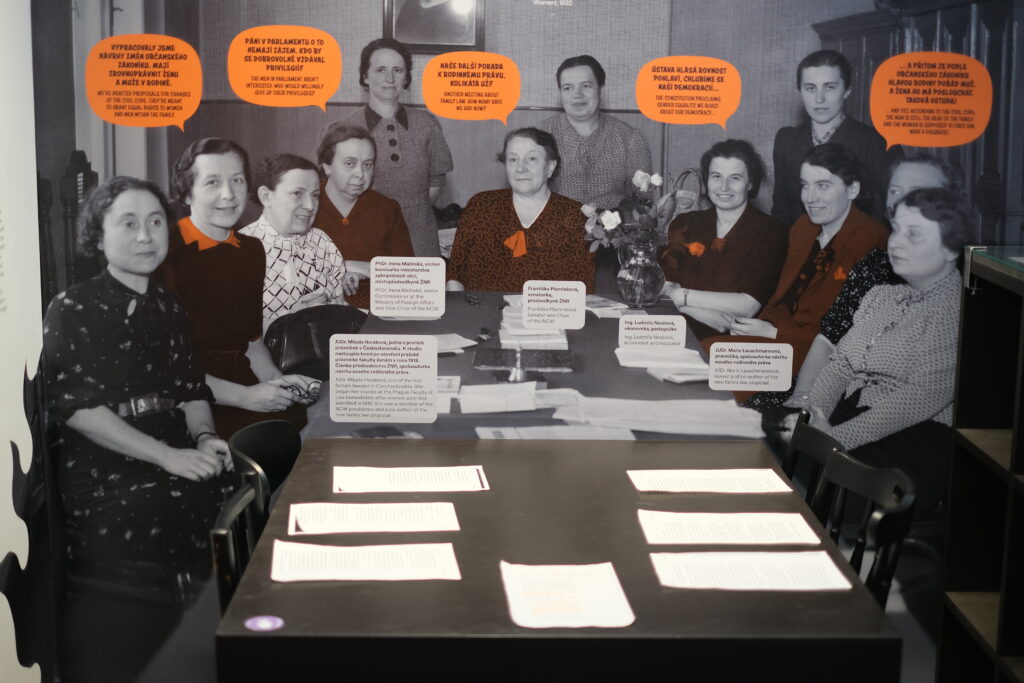
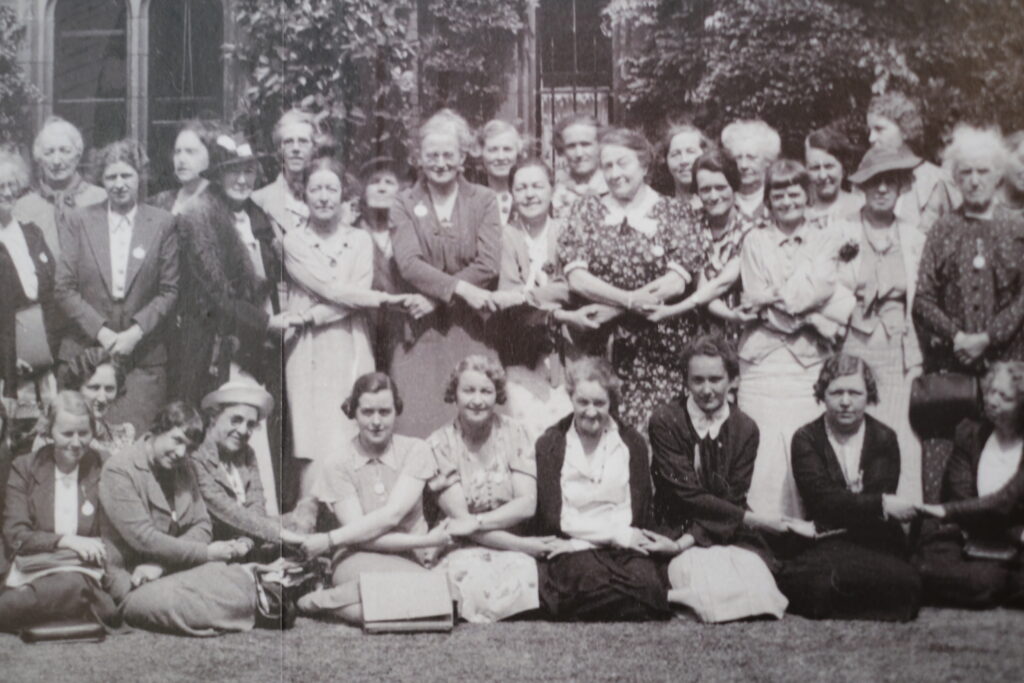
Milada, under the leadership of Františka, organized material and financial assistance for families whose husbands or fathers had been arrested by the Gestapo. Františka was monitored and interrogated several times. Nevertheless, she refused to cooperate with the occupying power. The Nazis soon discovered this resistance network. They were unable to break Plamínková.
LETTER FROM CZECH WOMEN ADDRESSED TO PRESIDENT EMIL HÁCH
At the beginning of the German occupation during World War II, on March 16, 1940, an exceptionally courageous document was written. It responded to the decision of the political movement National Solidarity (the only permitted political organization in the then Protectorate of Bohemia and Moravia) to exclude women from its ranks and prohibit them from political activity. Františka Plamínková was one of the main initiators of this protest. The letter reminded that Czech women have always played an important role – from Princess Libuše to the Hussites, the Brotherhood of Brothers to the National Revival. It emphasizes that Czech women were among the first in Central Europe to gain the right to vote (as early as 1861). The decision to exclude women and make them “second-class citizens” is described as a “bad mistake” and a “deep injustice”. Women feel humiliated by the fact that the protectorate regime denies them the opportunity to decide on matters of the nation, family and children. In conclusion, the women strongly ask the state president, Emil Hácha, to overturn this unjust decision and allow Czech women to continue to work politically and culturally for their nation.
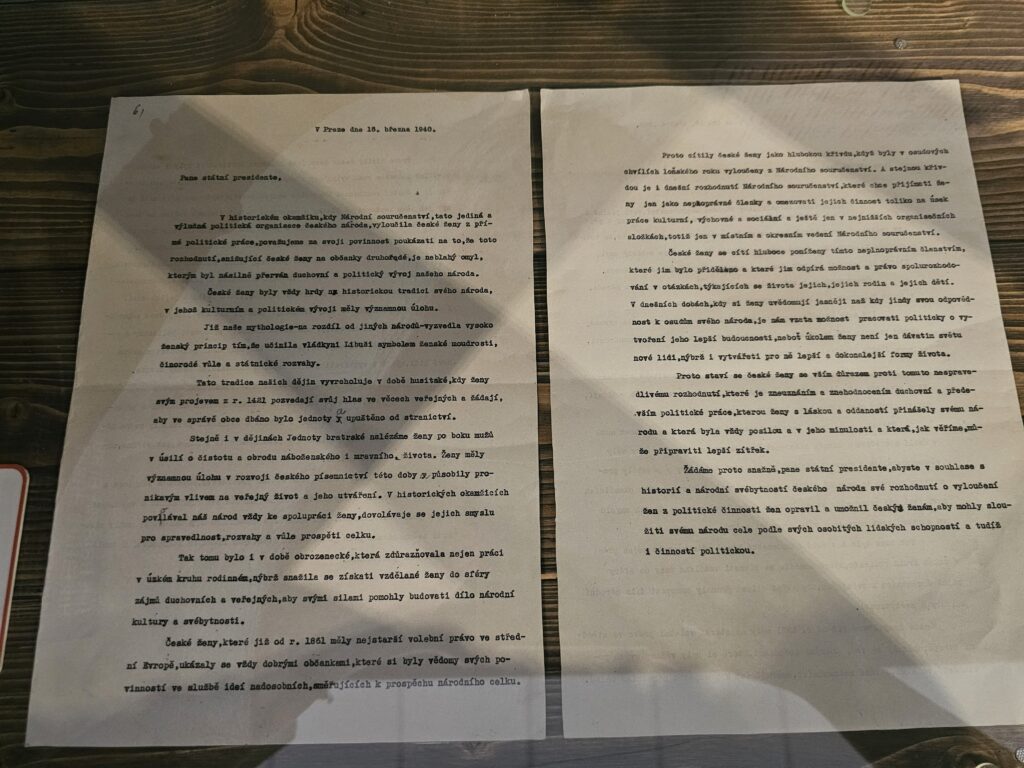
This letter proved fatal for Františka Plamínková. Her open resistance to the orders of the protectorate authorities and her unwillingness to submit led to her being monitored by the Gestapo. How did President Emil Hácha react to this memorandum? Hácha personally disagreed with the exclusion of women and tried to lobby the leadership of the National Solidarity. He believed that involving women in charity and social work would help the Czech nation survive difficult times. Officially, however, Hácha’s office had to leave the memorandum without a direct public response so as not to provoke an open conflict with the Gestapo. The document was placed in the presidential archives, where it has survived to this day as a silent witness to the courage of Czech women.
COURAGE INTO THE LAST DAYS
The arrest in 1942 was not, as I have already written, her first encounter with Nazi power. The Gestapo arrested her at the beginning of the war on September 1, 1939. After six weeks of interrogation, she was released, but she was under constant police surveillance. Her final fate was sealed by the events following the assassination of the acting Reich Protector Reinhard Heydrich in May 1942.
During the so-called “Heydrichiades“, the Nazis launched a mass arrest of all elites they considered dangerous or anti-German. Plamínková was blacklisted because of her pre-war open letter to Adolf Hitler, the authorship of the aforementioned memorandum, and above all because she refused to publicly condemn the assassination of Heydrich.
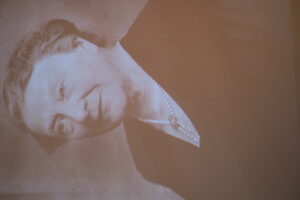
On June 11, 1942, the Gestapo broke into her apartment. Plamínková was arrested right at home. According to testimony, she showed great bravery, did not let herself be intimidated, and refused to deny her lifelong attitudes and opinions to the interrogators. The Nazis immediately transferred her to the Gestapo police prison in the Small Fortress in Terezín. There she was held in cruel conditions and subjected to psychological pressure. On June 30, 1942, she was taken from Terezín to Prague. That same evening, the Nazis executed her by shooting her at the Kobyliska shooting range. She was 67 years old. She was not given the opportunity for a proper trial or defense before her death. Her death was a tragic end to the life of a woman who had dedicated her entire life to freedom, education, and democracy.
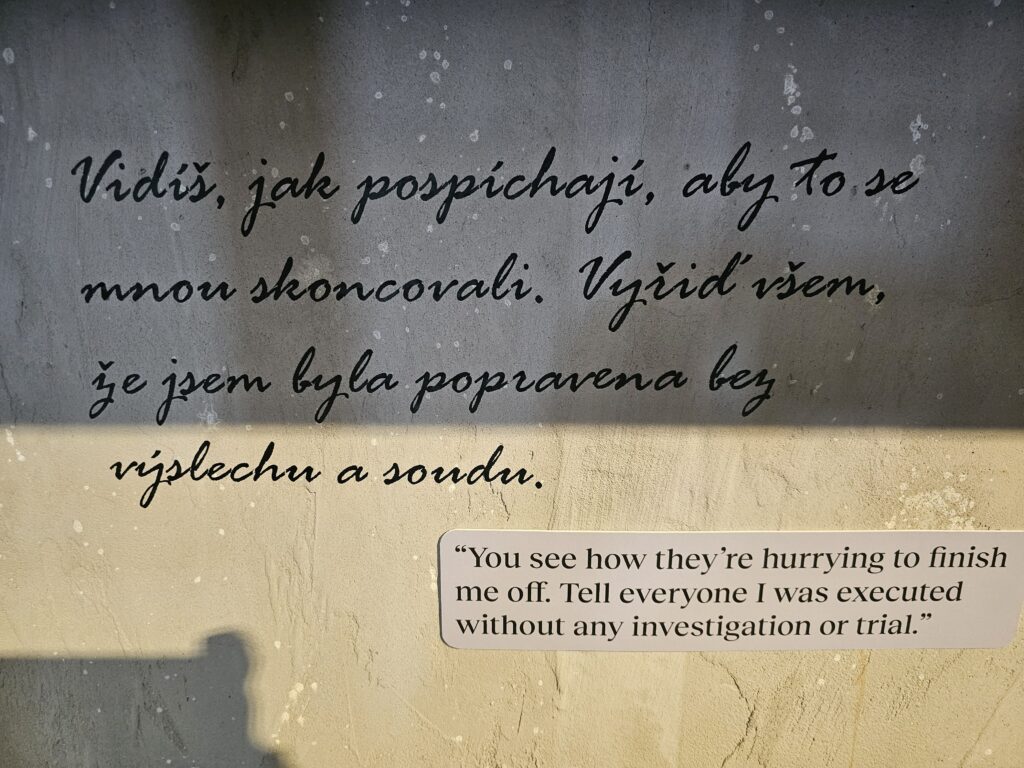
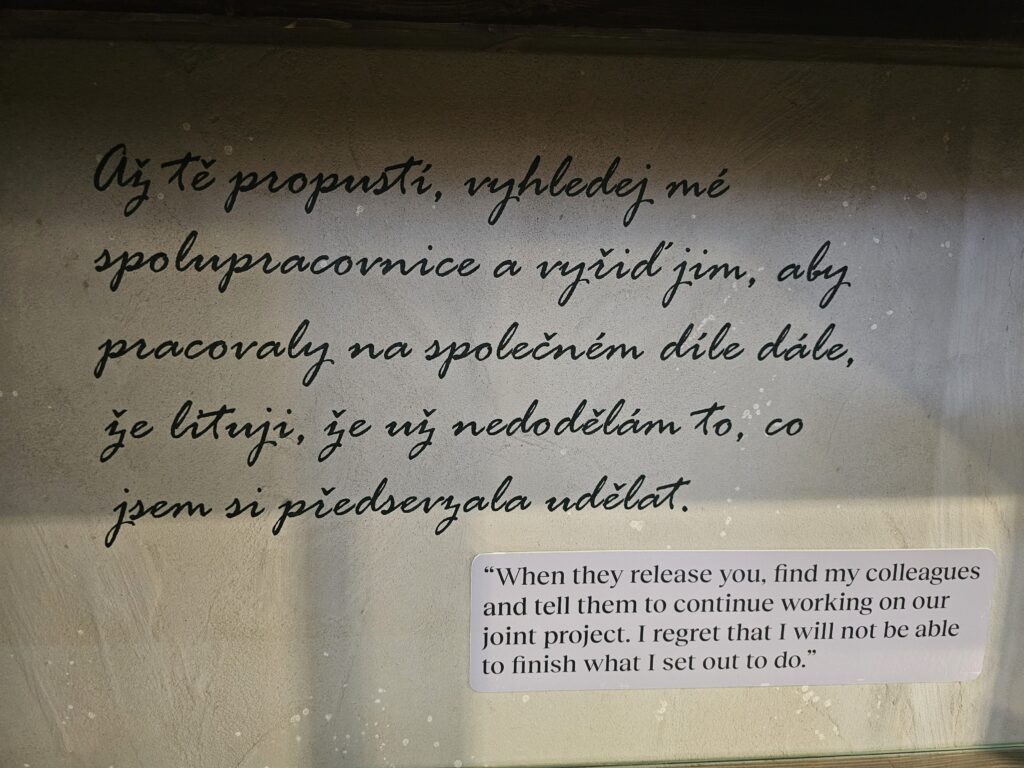
The news of Františka Plamínková’s execution caused a huge wave of horror, deep sorrow and strong opposition to the Nazi regime among international women’s organizations abroad.
International organizations in which Plamínková held high positions, such as the International Women’s Suffrage Alliance (IWSA) and the International Council of Women (ICW), issued official statements. They strongly condemned Nazi violence and described the execution as a barbaric act against humanity and freedom of speech. Information about her martyrdom was spread through foreign radio broadcasts (e.g. the BBC), where speakers praised her bravery as a symbol of the resistance of the whole of Czechoslovakia. Her story was given in the foreign press as an example that women are not just passive victims of war, but proud fighters on the political and moral fronts.
For me, it is very interesting to watch the transformation of Prague during the time when Františka Plamínková lived here. The city was rapidly modernizing at the time, and the role of women in society was changing along with it. Although decades have passed since her death, her legacy is still visible in Prague.
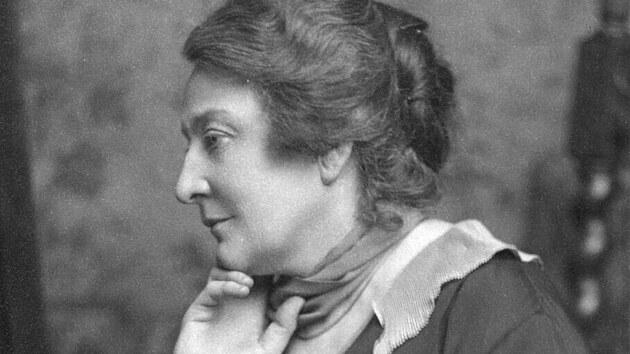
Here we find streets bearing her name, memorial plaques and occasional exhibitions commemorating her life. I think that while many people know her name, few realize what she did. And it is good that her name finally appears in textbooks and publications dedicated to the women’s movement and the First Republic. Perhaps the most important monument is not any building or monument. It is the fact that many of the rights she fought for are taken for granted today.
I think that when you walk through Prague now, thanks to her story, it suddenly acquires a different dimension. And that dimension of the city in which the ideas of freedom, education and equal opportunities were born. The next time you need to discover the beauties of Prague, remember these courageous women. Their desire for freedom made the Czech lands one of the most progressive and beautiful places in Europe at that time.

If you liked the article, I would be happy if you share it or leave a nice comment below the article.

I would also like to invite you to join me on Instagram and Facebook.

ARTICLES




ST. JAMES’ WAY THROUGH PRAGUE

Did you know that the Way of St James, which goes to Santiago de Compostela in Spain, passes through Prague? So if you would like to take an unusual journey through Prague, you can follow in the footsteps of St James. Trust me, you’ll be thrilled.
ARTICLES


