
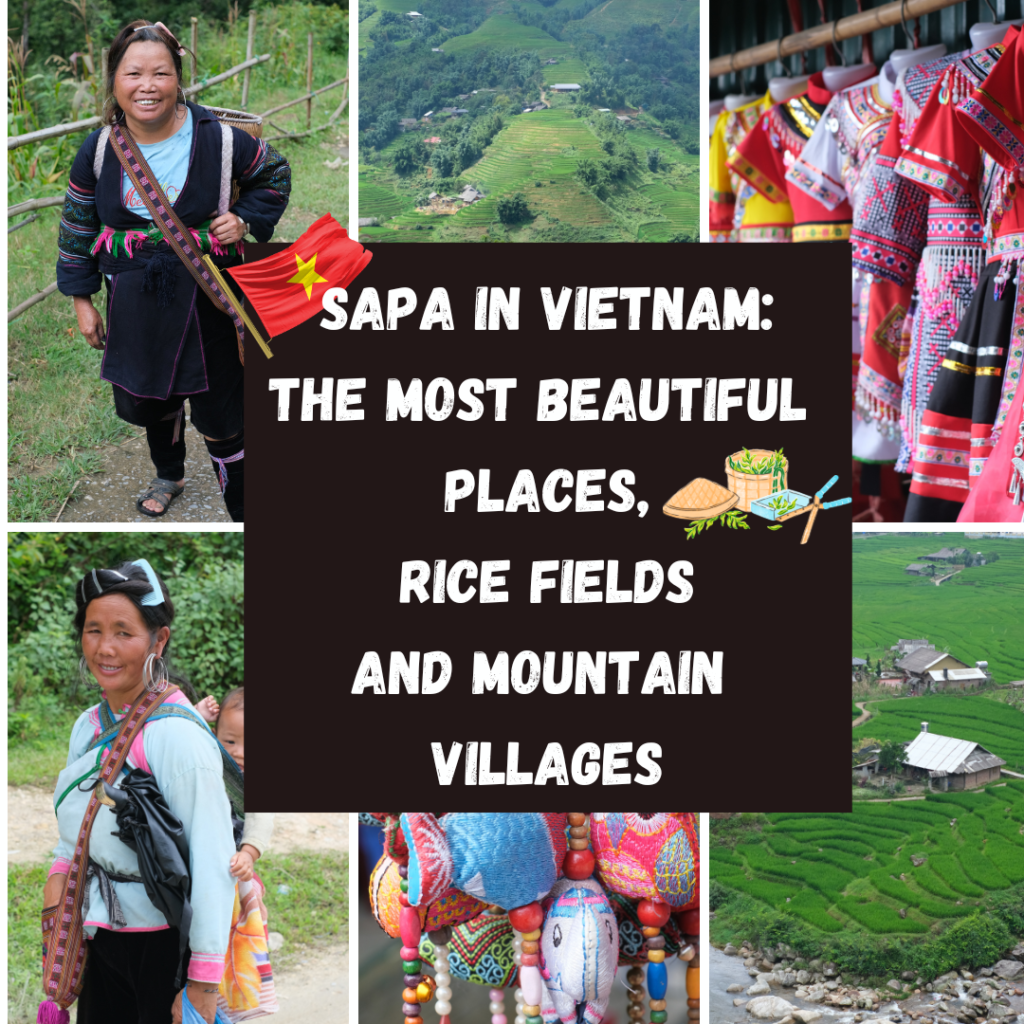
Northern Vietnam is a completely different world from its tropical lowlands. Instead of the stifling heat, hustle and bustle of big cities and endless streams of motorbikes, you’ll find cooler mountain air, mist rolling over the hills and some of the most beautiful scenery in all of Southeast Asia. This is where the mountain town of Sa Pa lies, a starting point for exploring rice terraces, mountain villages and the highest mountains in Vietnam.
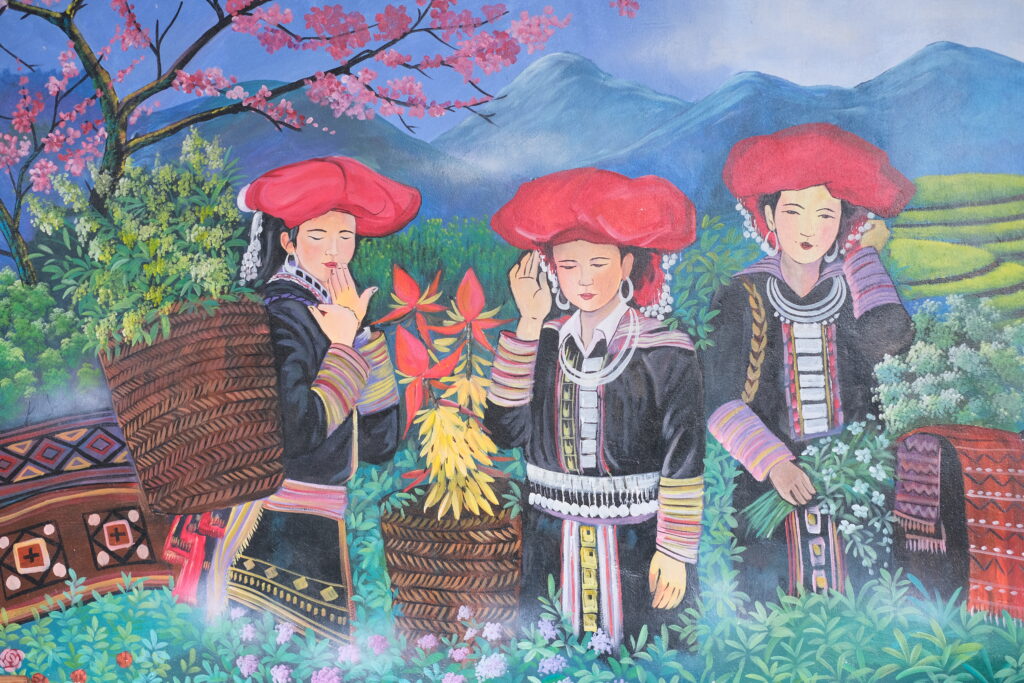
Sapa is surrounded by the dramatic Hoang Lien Son mountain range. These mountains are home to various ethnic groups who still maintain their own traditions, costumes and language. The landscape around the town is full of trails, villages and views that are worth exploring slowly, best on foot.
IS SAPA IN VIETNAM TOO COMMERCIAL? AND IS IT WORTH A VISIT?
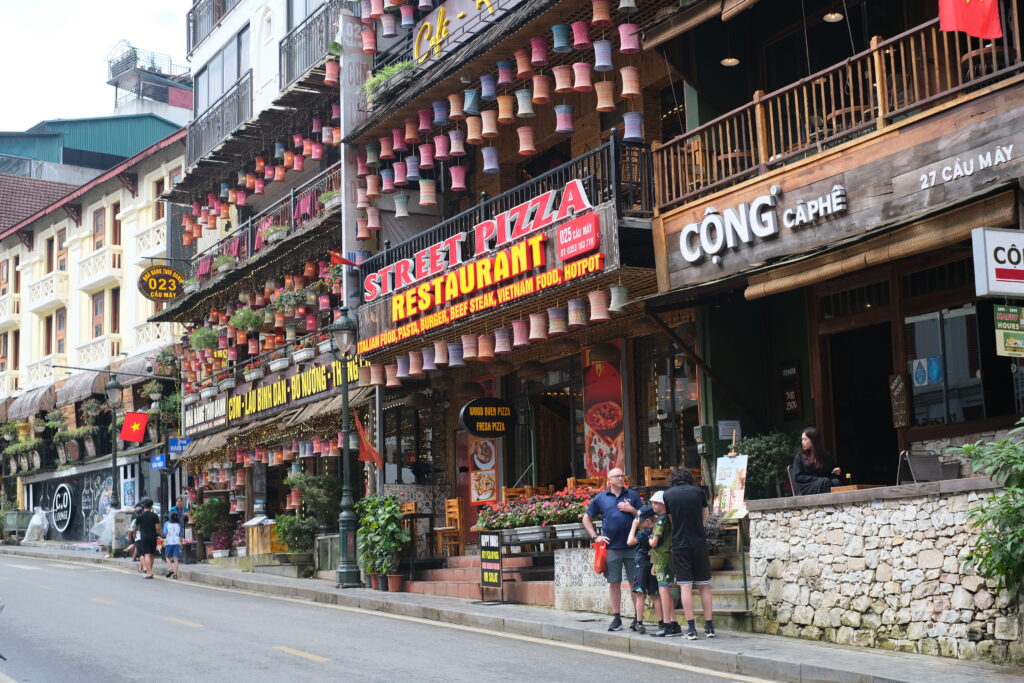
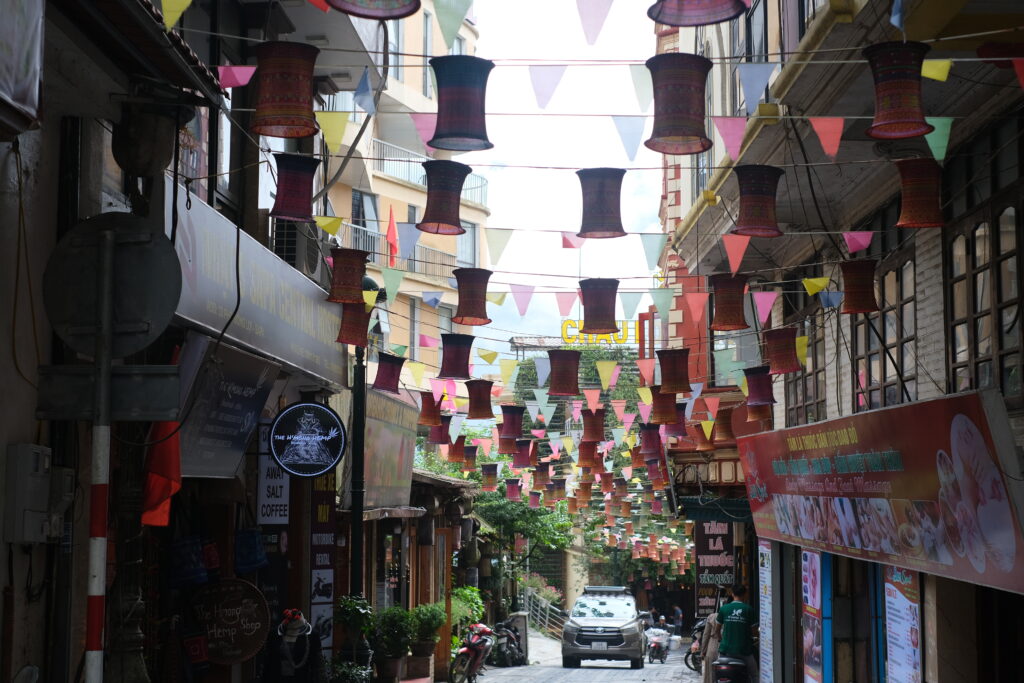
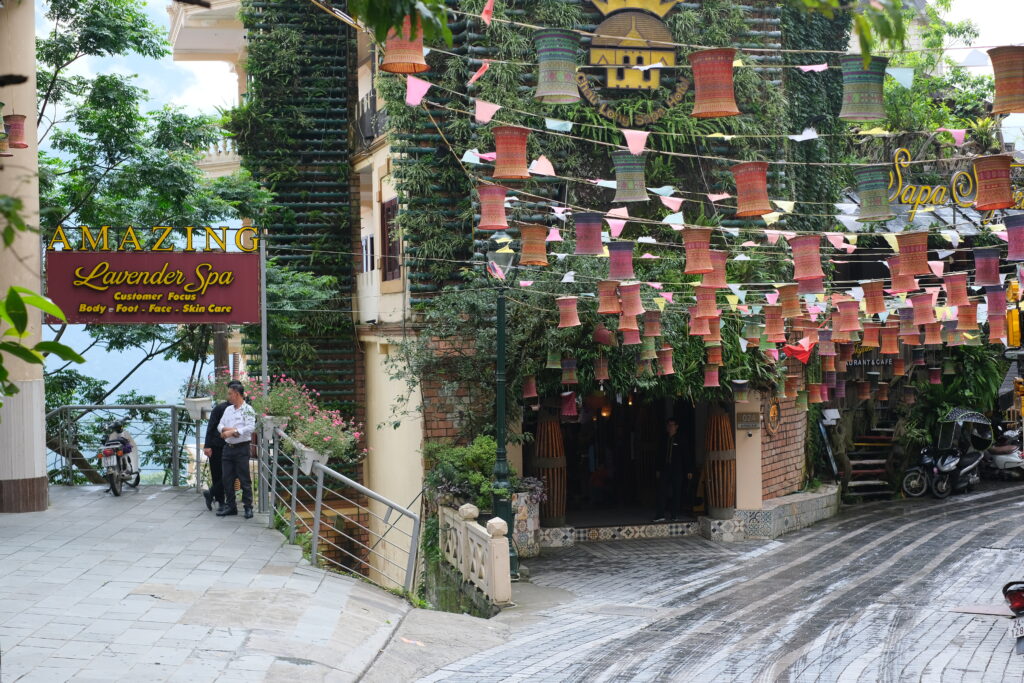
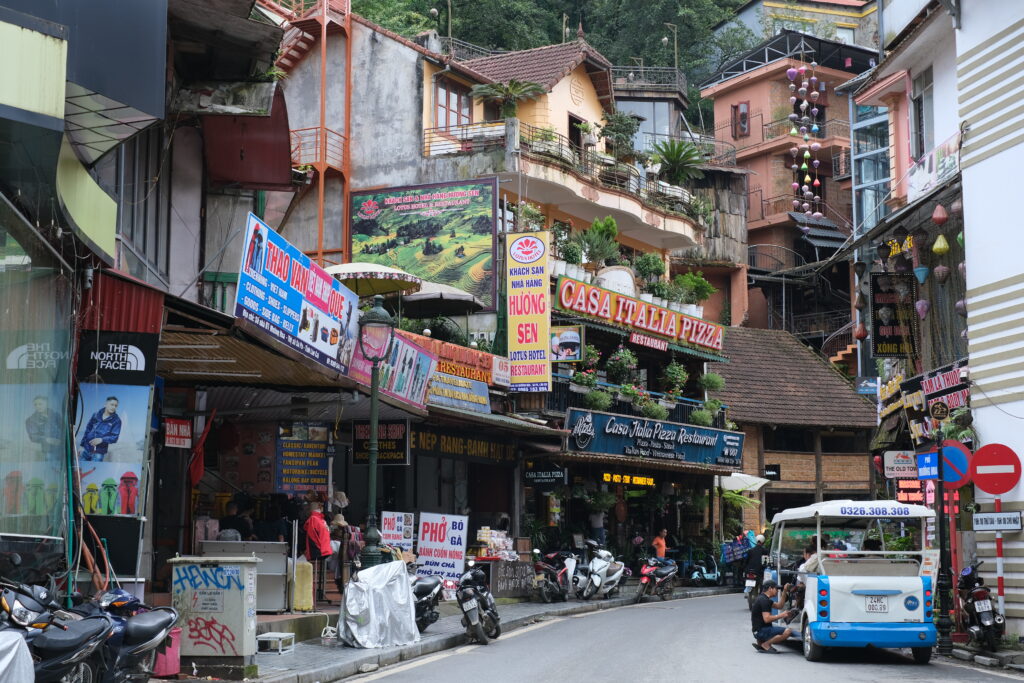
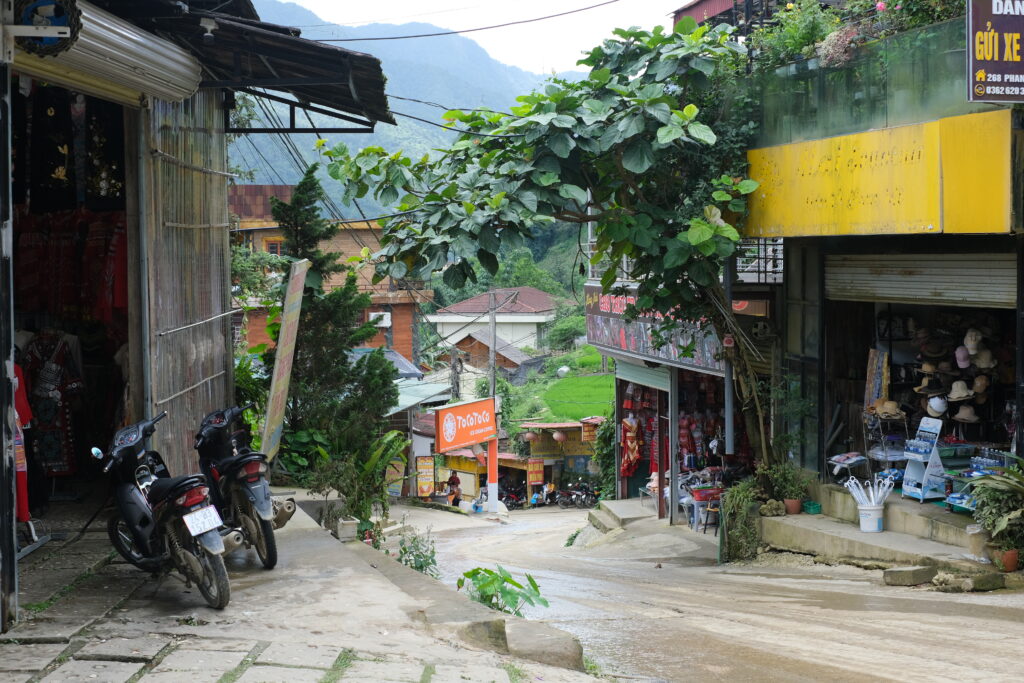
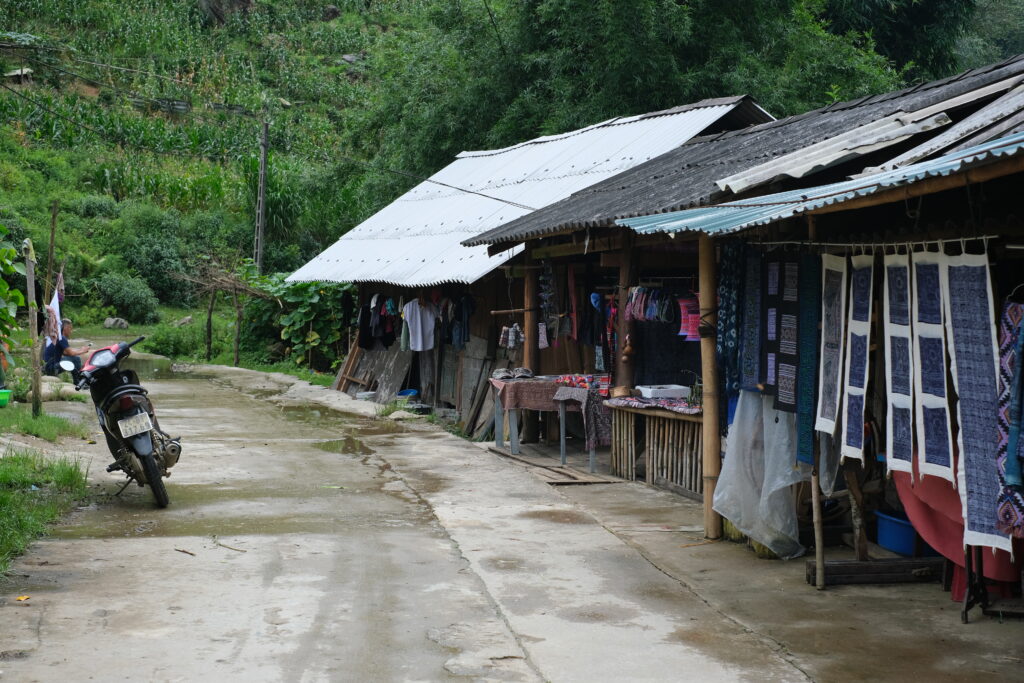
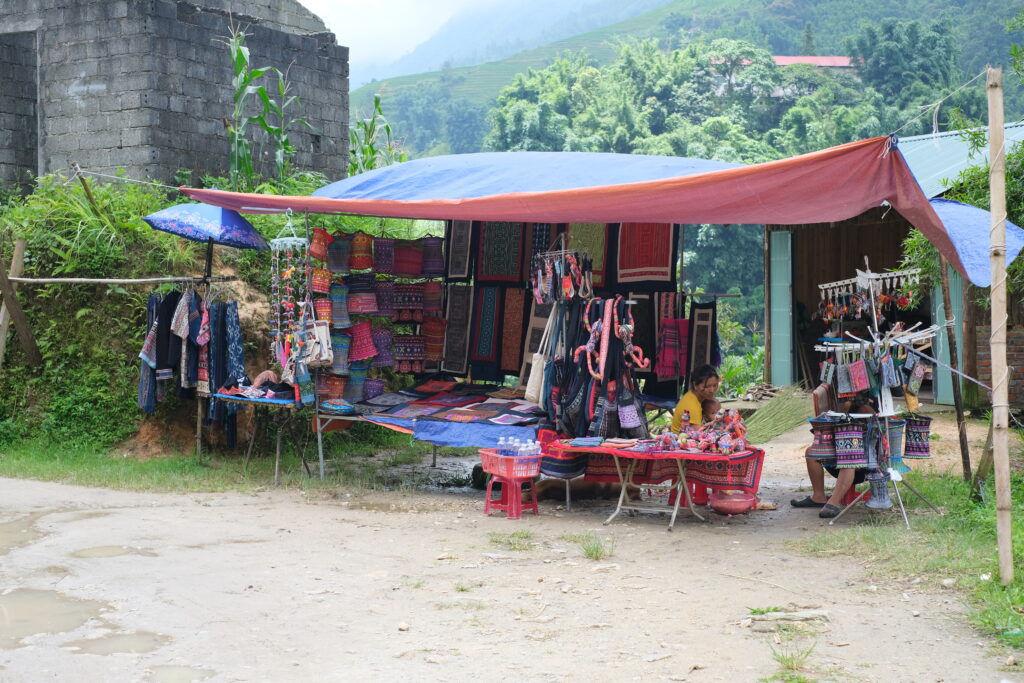
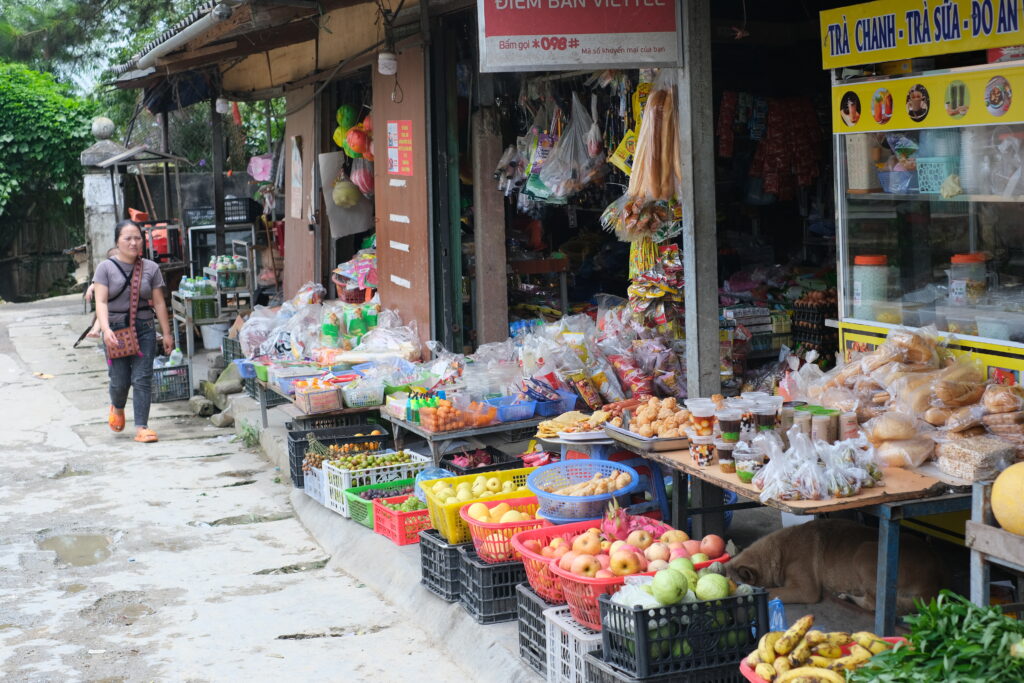
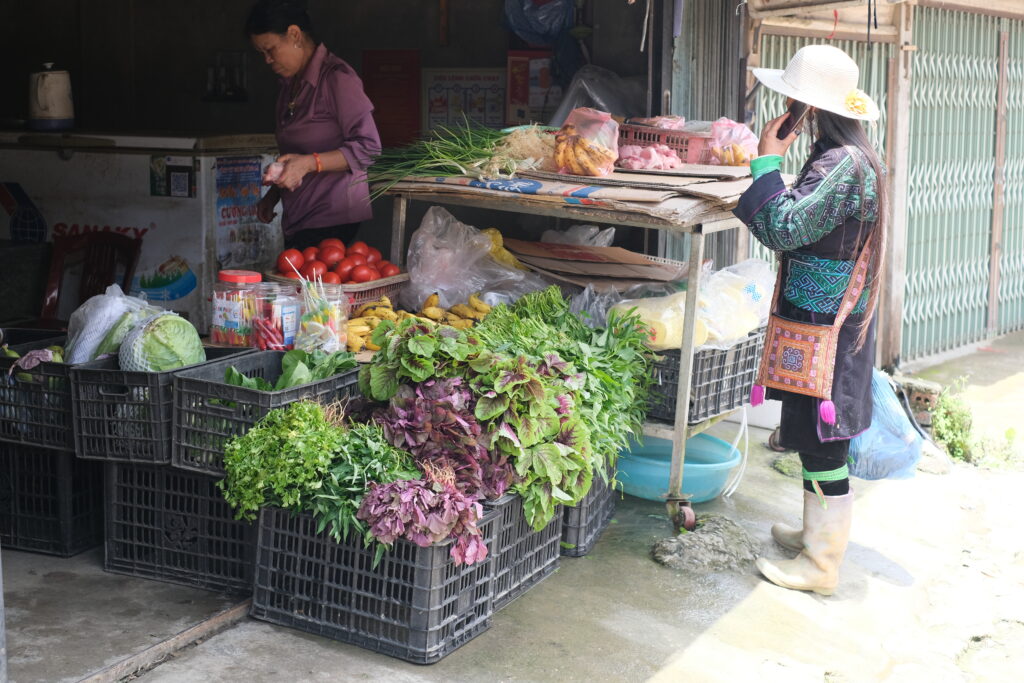
The answer to the question, is Sapa commercial? Then “YES”. The center of Sapa itself has changed a lot in recent years. Large hotels, restaurants, souvenir shops and tourist services have been added. Today, the city lives mainly from tourism. Therefore, you may encounter crowds of tourists in the center or local vendors trying to offer handmade bracelets or scarves.
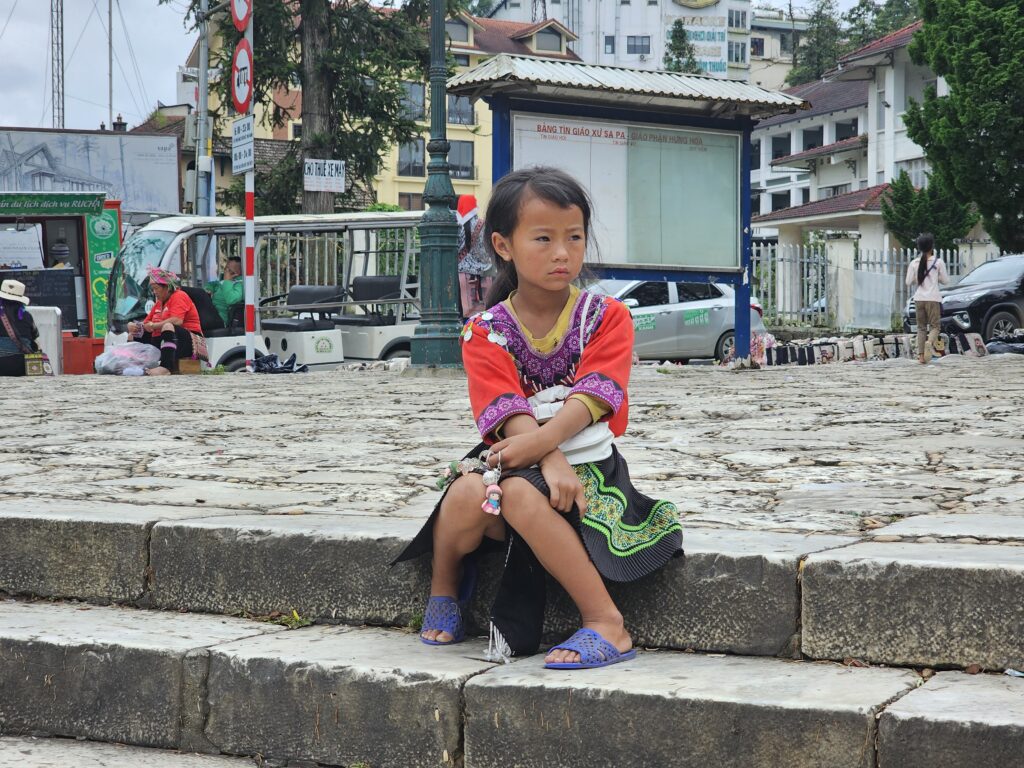
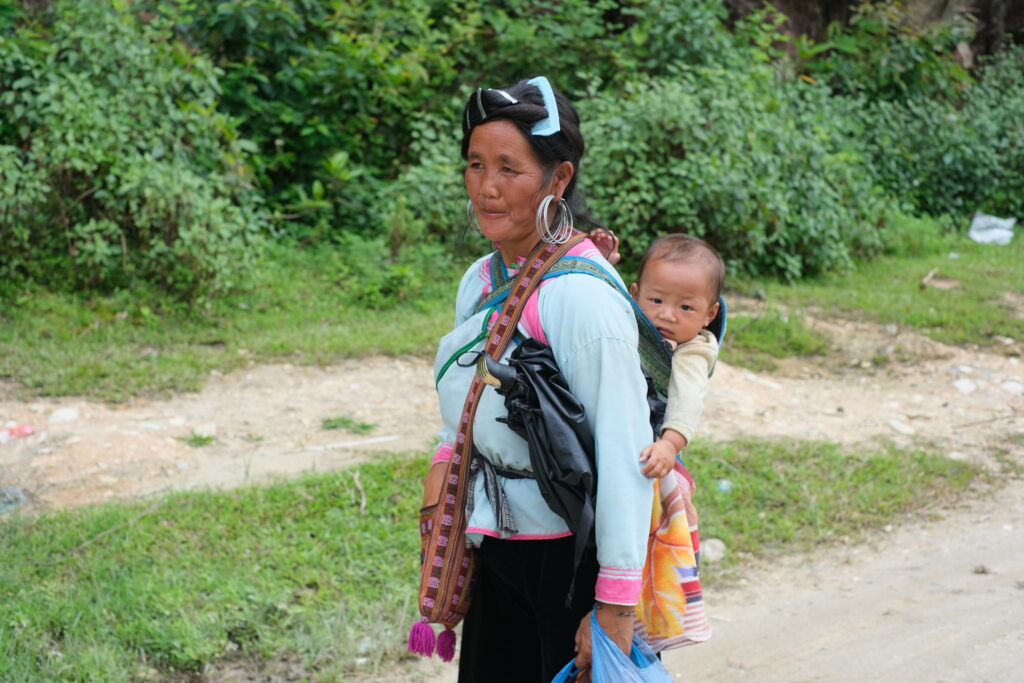
It’s a classic Sapa nuisance that can spoil even the most beautiful view. As soon as you set off on the trail to the Muong Hoa Valley, you become a “moving target” for the local Hmong women. They pestered us for quite a while and walked quite a long way with us. Their strategy is based on extreme patience. They will calmly accompany you to the next village. They will chat with you the whole time and help you in the field, but at the end they will uncompromisingly demand the purchase of an overpriced bracelet or bag. You often feel under pressure and instead of nature, all you can do is figure out how to politely get rid of the escort. And how do you get rid of them? You have to set firm boundaries. Learn the Vietnamese “Không, cảm ơn” (No, thank you) and stop making eye contact, otherwise they will take it as an invitation to sell you something. 🙂
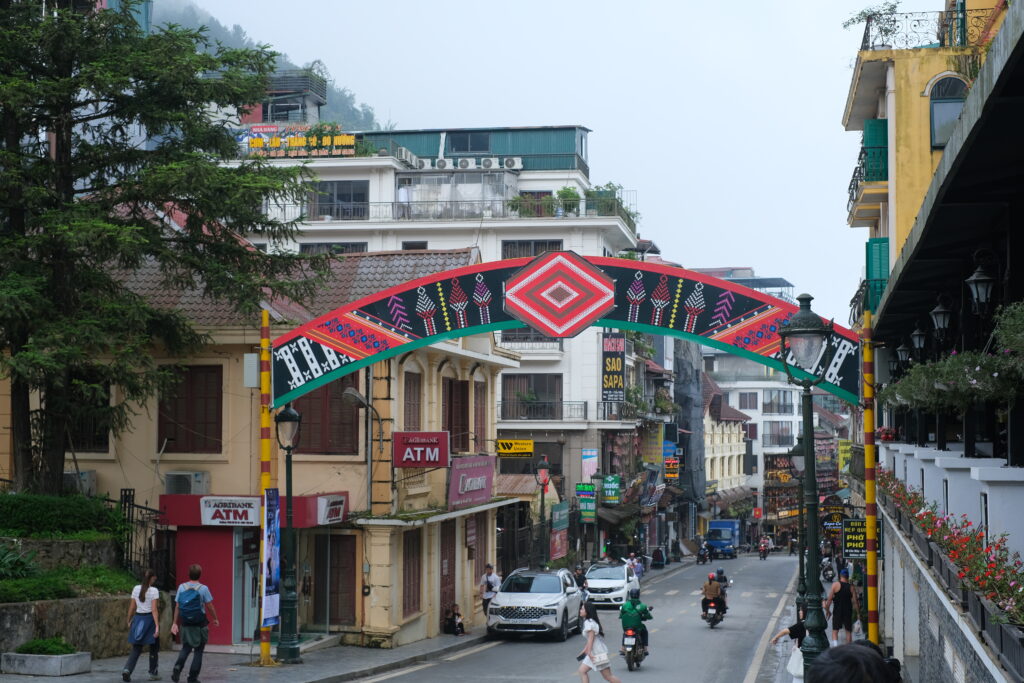
But that doesn’t mean the place has lost its charm. Once you leave the city a few kilometers away, the landscape changes completely. Suddenly you’re among rice fields, mountain trails, and villages of ethnic groups like the Hmong or Dao. That’s where the true beauty of the region lies. Many travelers agree that the center of Sapa may be touristy, but the surrounding countryside is among the most beautiful in all of Southeast Asia. And I completely agree with them.
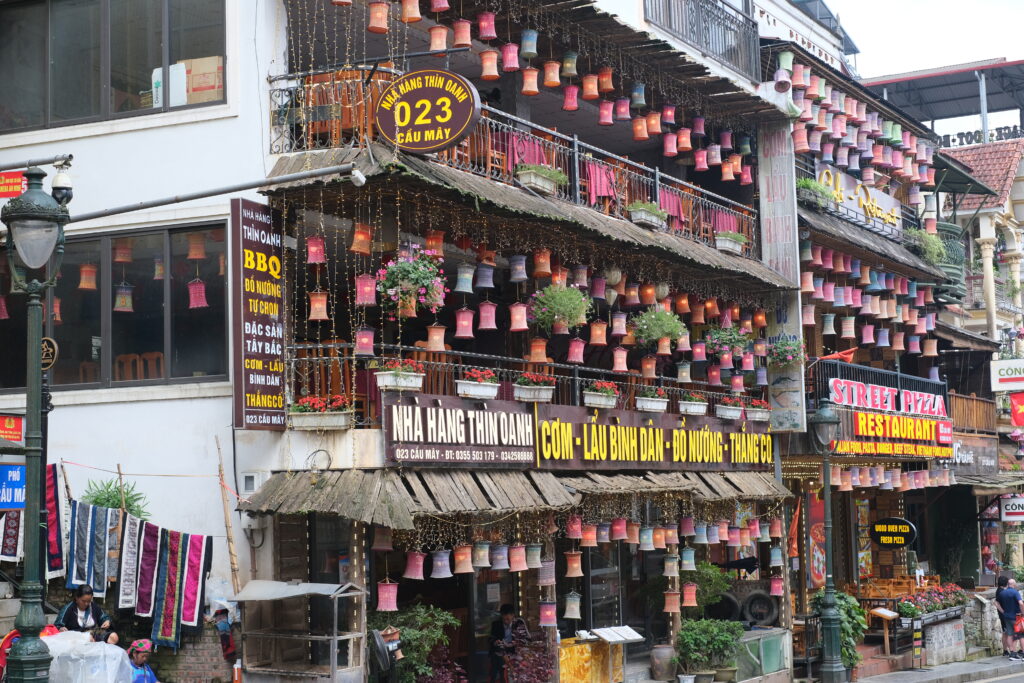
If I had to answer the question of whether a visit to Sapa is worth it, the answer would be yes, if you know what to expect. People don’t go to Sapa for the historical monuments. The main reason is the mountains, nature and trekking. The area is known mainly for its terraced rice fields and views of the highest mountain in Vietnam, Fansipan.
SAPA CULTURAL MUSEUM
Sapa has one main museum, which I think is an ideal first stop before heading to the surrounding villages. The museum is housed in an inconspicuous wooden building near the main square and church. The exhibition focuses on the ethnic diversity of the region. Without visiting the museum, the rice fields are “just a pretty picture”. After a tour, you will understand how much hard work and symbolism is hidden behind every detail.
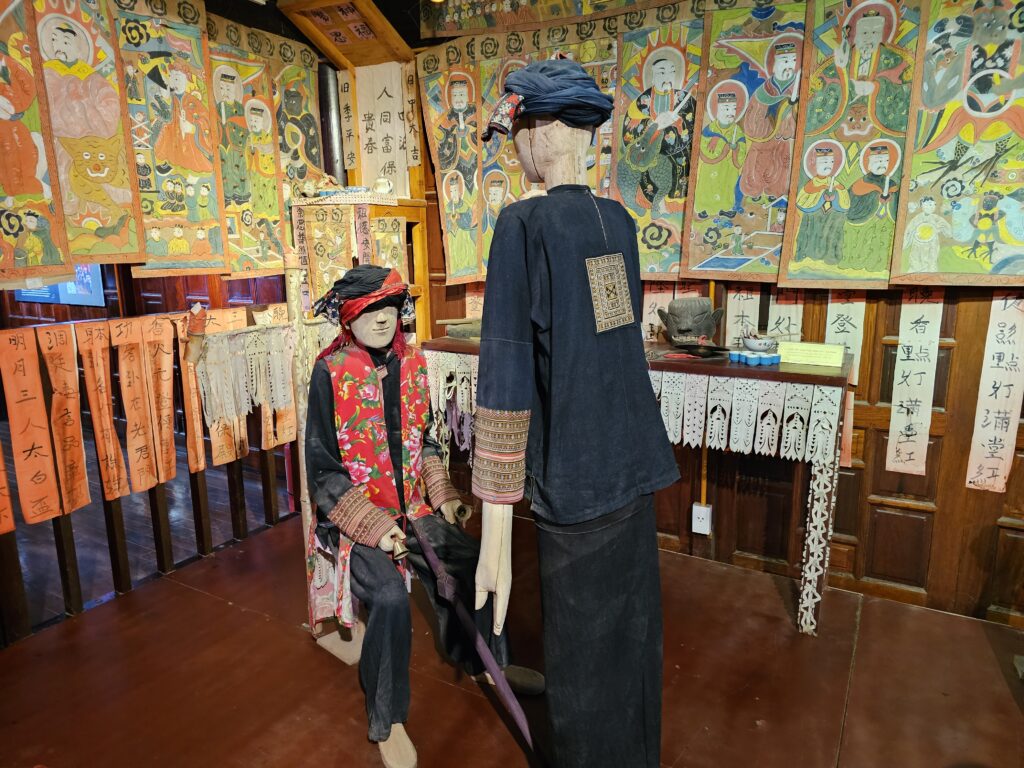
You will see the original clothing of the five main ethnic groups (Hmong, Dao, Tay, Giay and Xa Pho). It is a great preparation for being able to recognize them in the field by their colors and patterns.
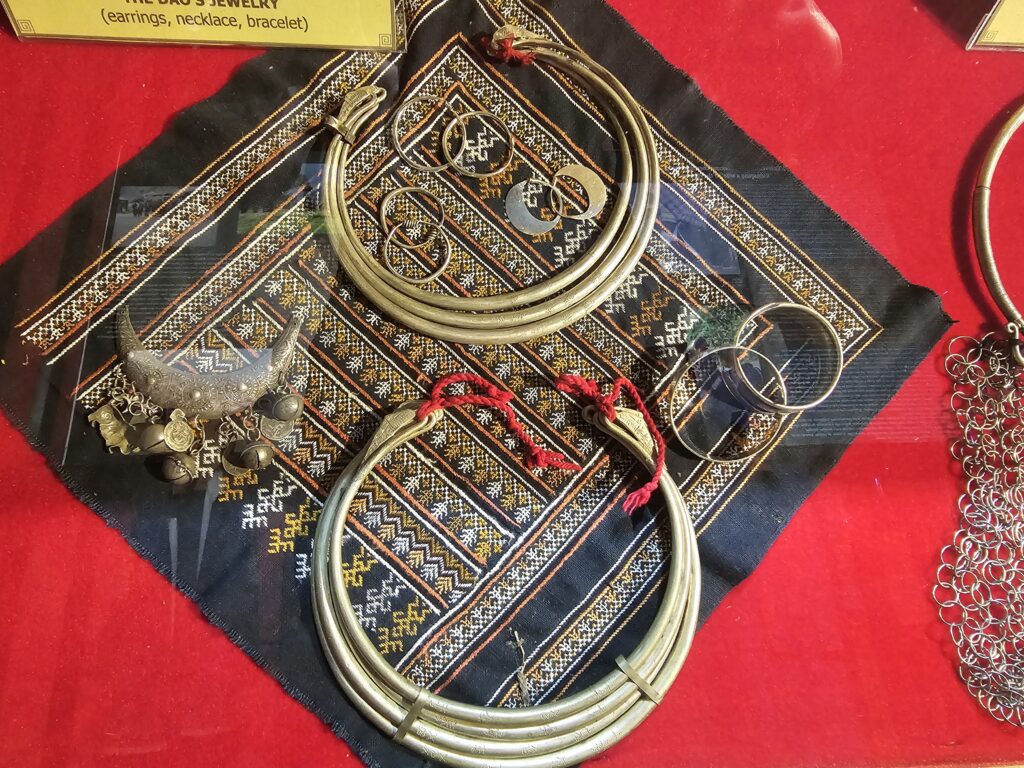
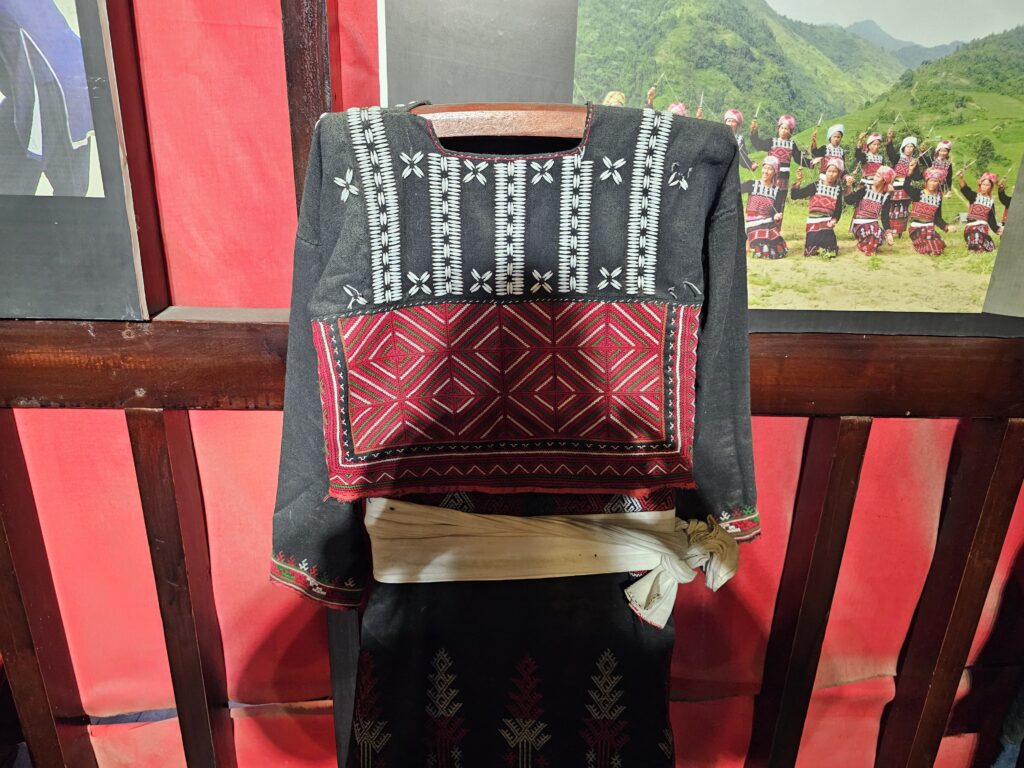
The exhibition shows how rice terraces are built, what tools are used to cultivate the land and how traditional irrigation works. You will find objects related to rituals, weddings and funerals, which will help you understand the deep spiritual world of the local highlanders. You will learn how a small mountain settlement became a French climatic spa in the early 20th century. The museum is free and located right in the city center, so it is an ideal activity when it is raining or you are waiting for a bus.
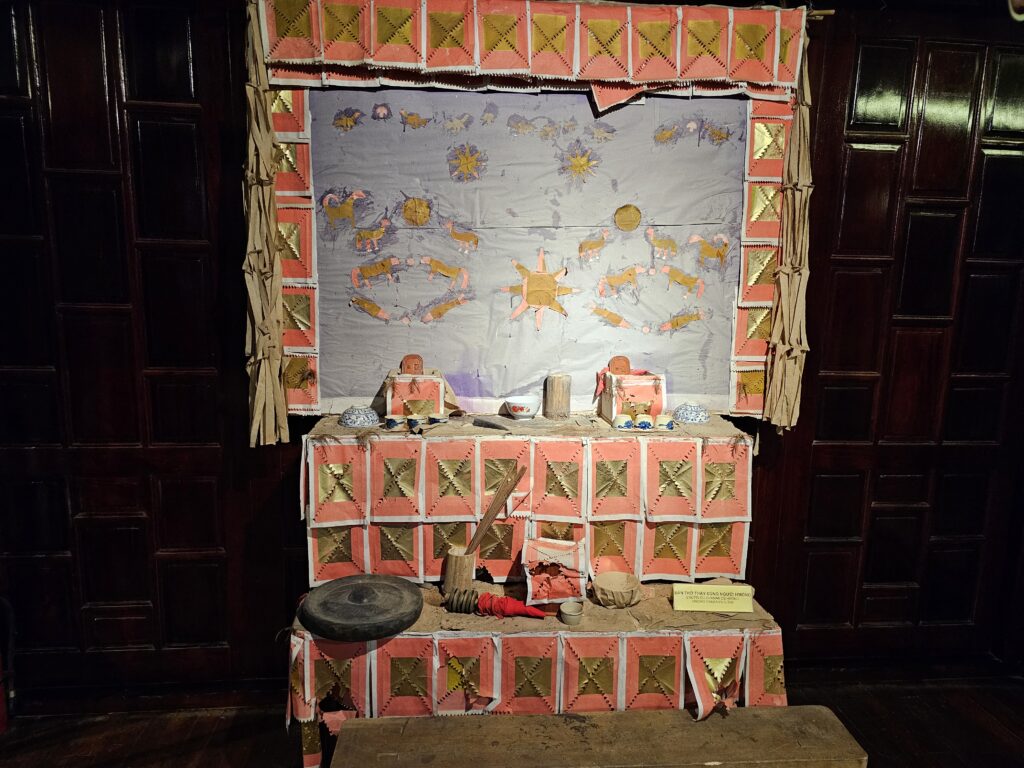
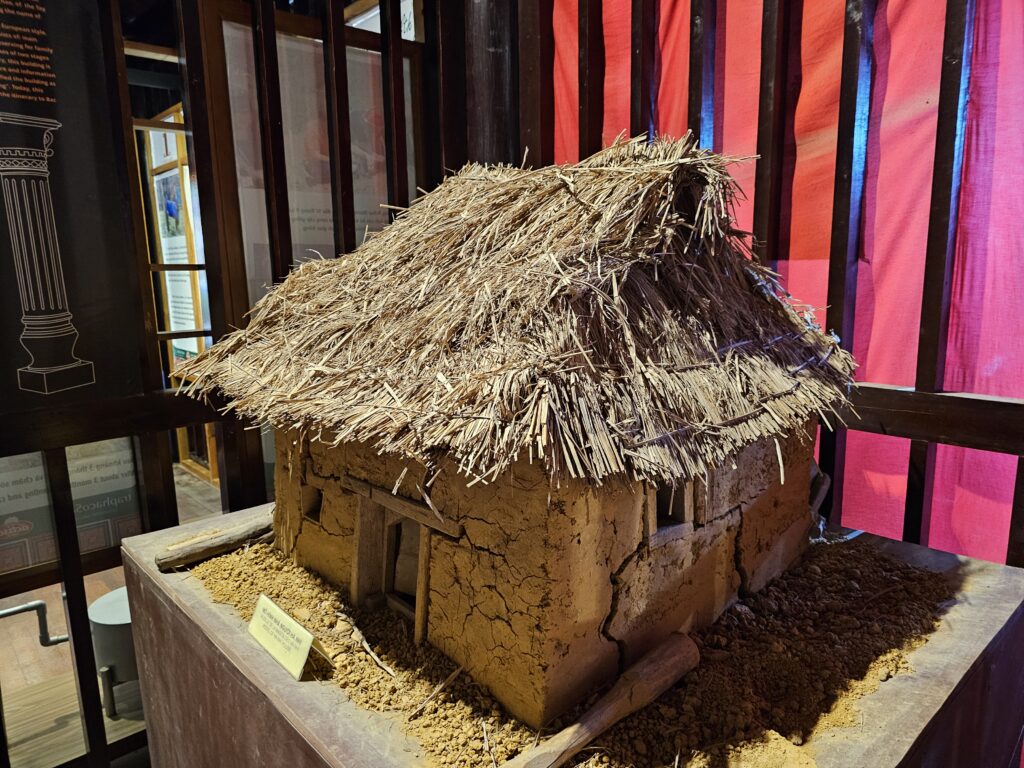
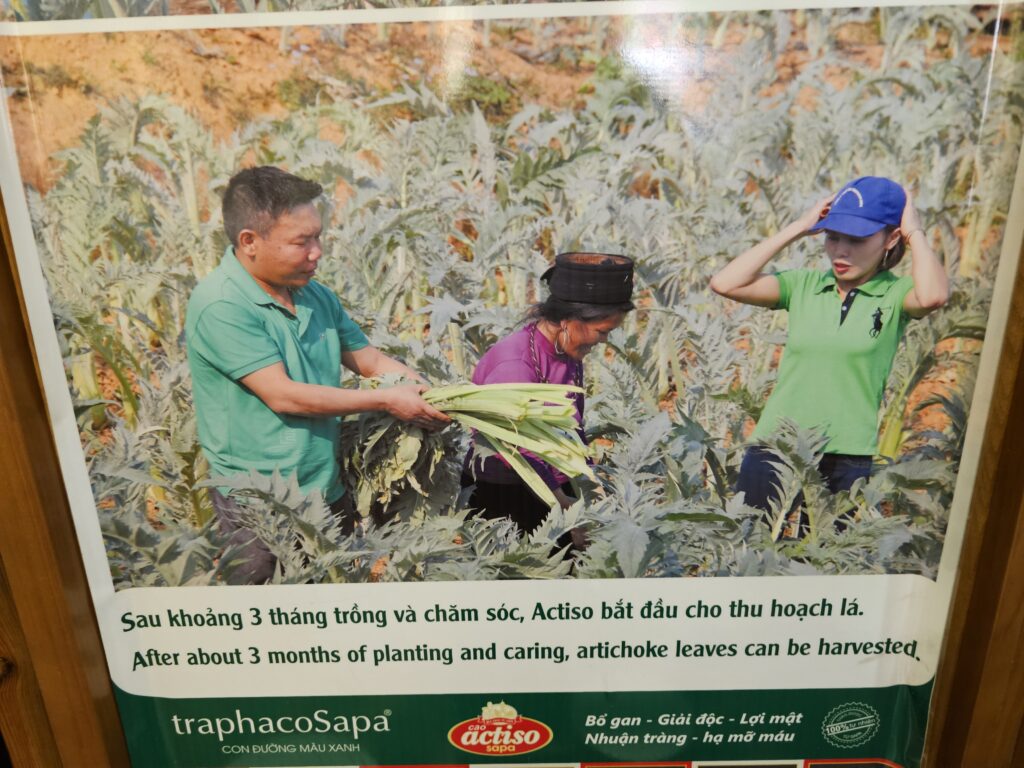
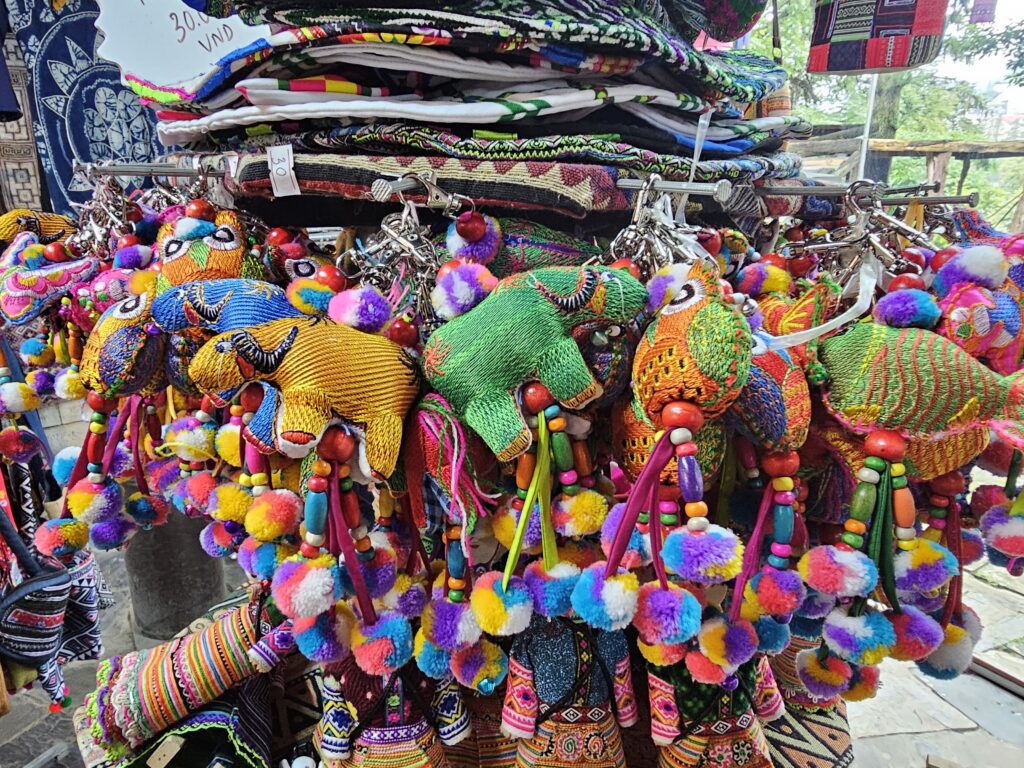
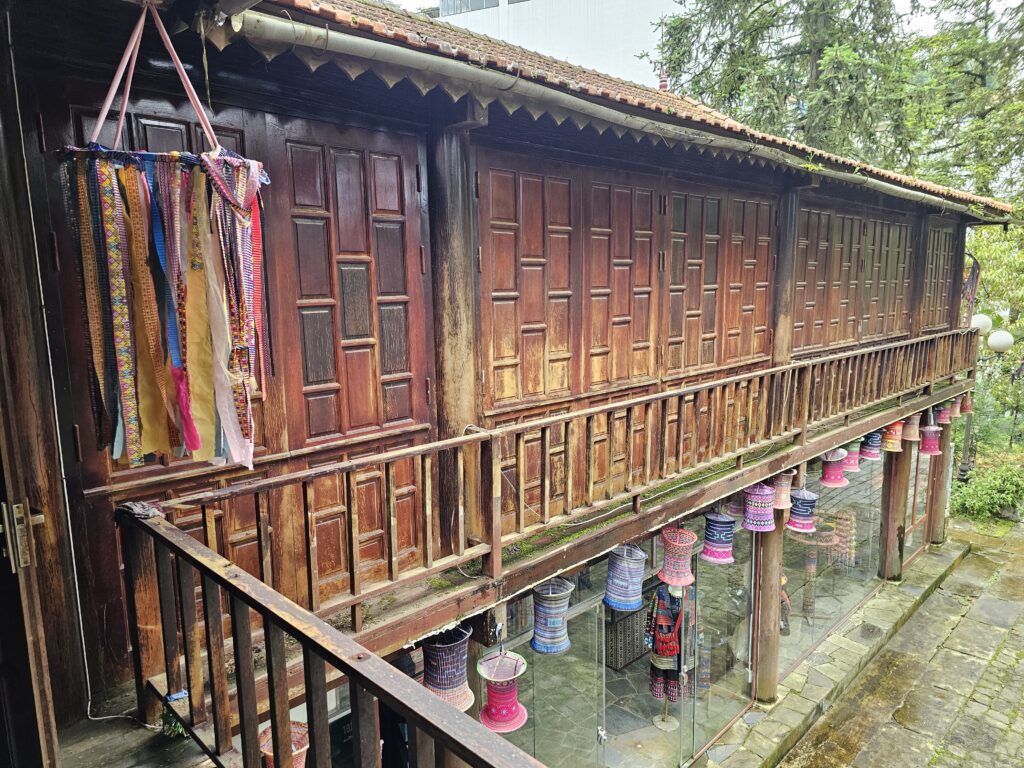
Location: Right next to the Sapa Tourist Information Center.
MAP:

MY TIP:
There is a small shop on the ground floor with authentic products that you can buy to support local communities, unlike many market stalls that sell cheap copies from China.
STONE CHURCH
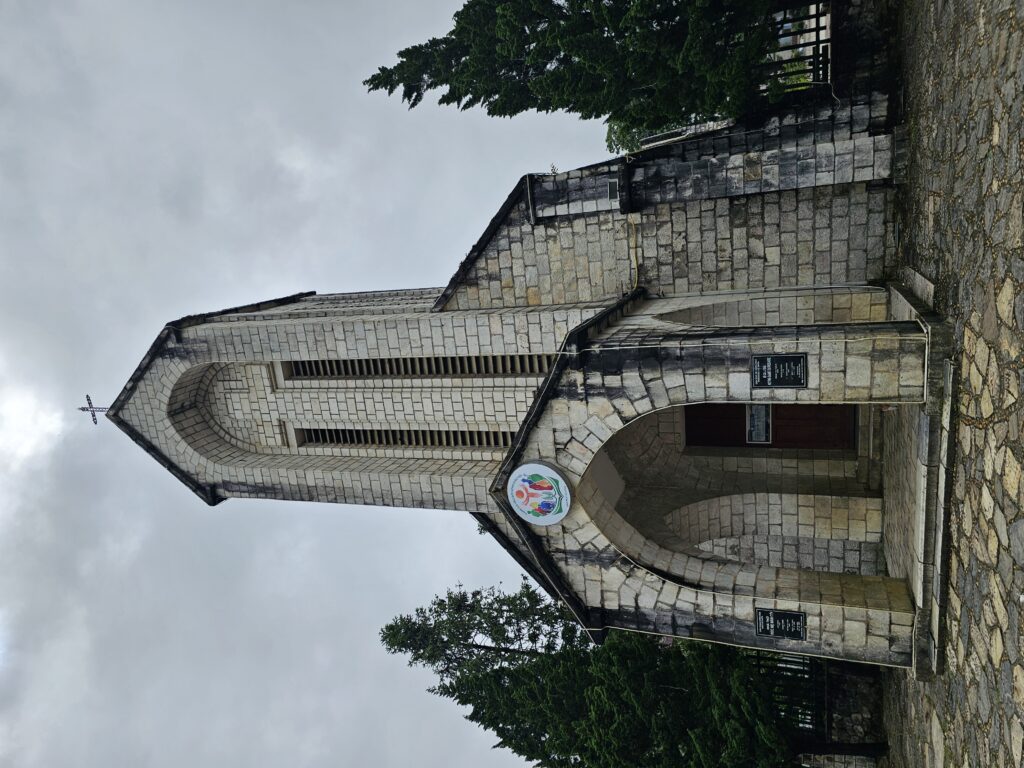
The stone church dominates the main square, built by the French in 1895. It is the heart of the city, where locals gather in the evenings. Cultural performances are held here on weekends. The church is built of hewn stone bonded with a mixture of lime, sand and molasses.
SAPA LAKE
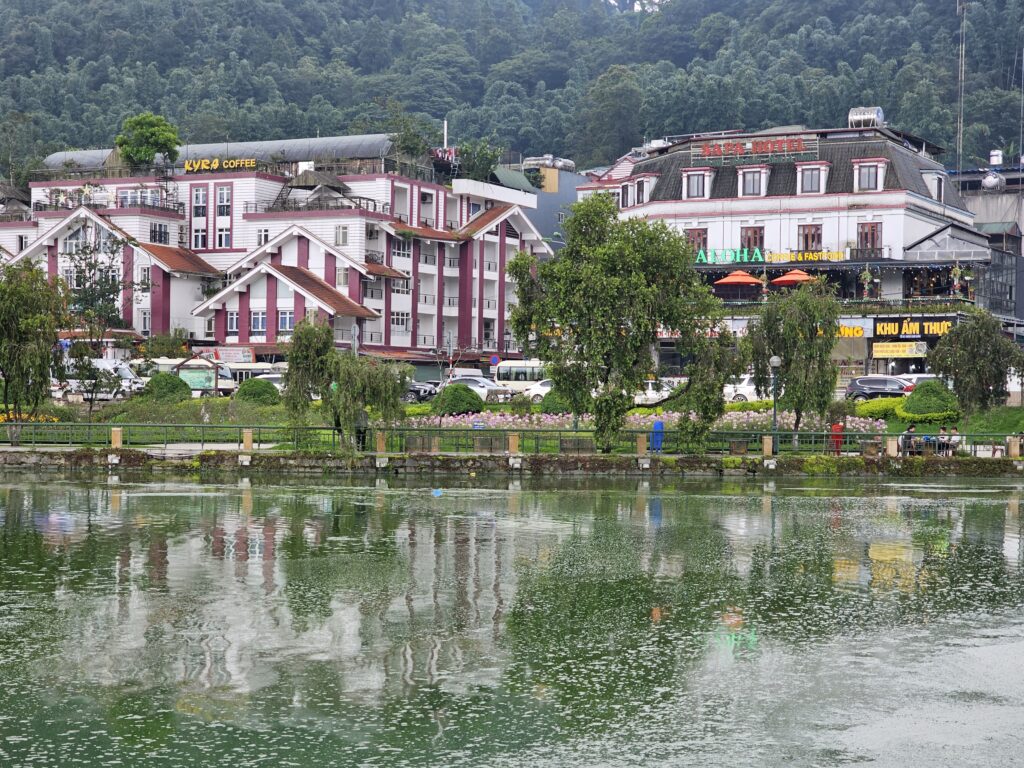
The central point of the city is surrounded by a promenade. A walk around the lake takes about 30 minutes. It is the most welcoming part of the city for relaxation with many cafes. In the evening the lake is beautifully illuminated.
LOCAL MARKETS
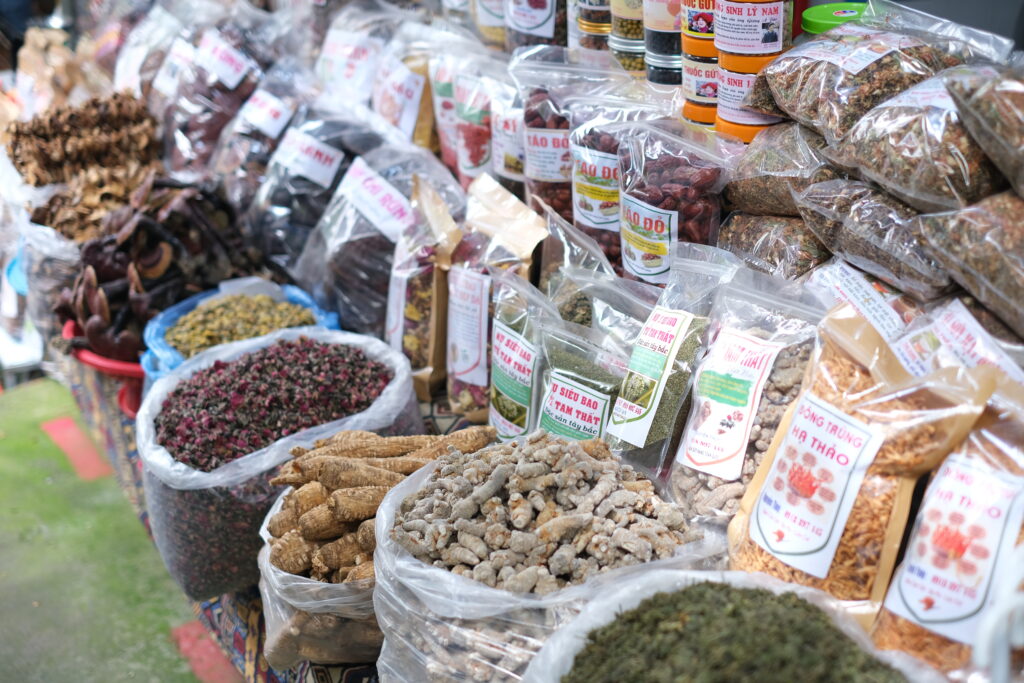
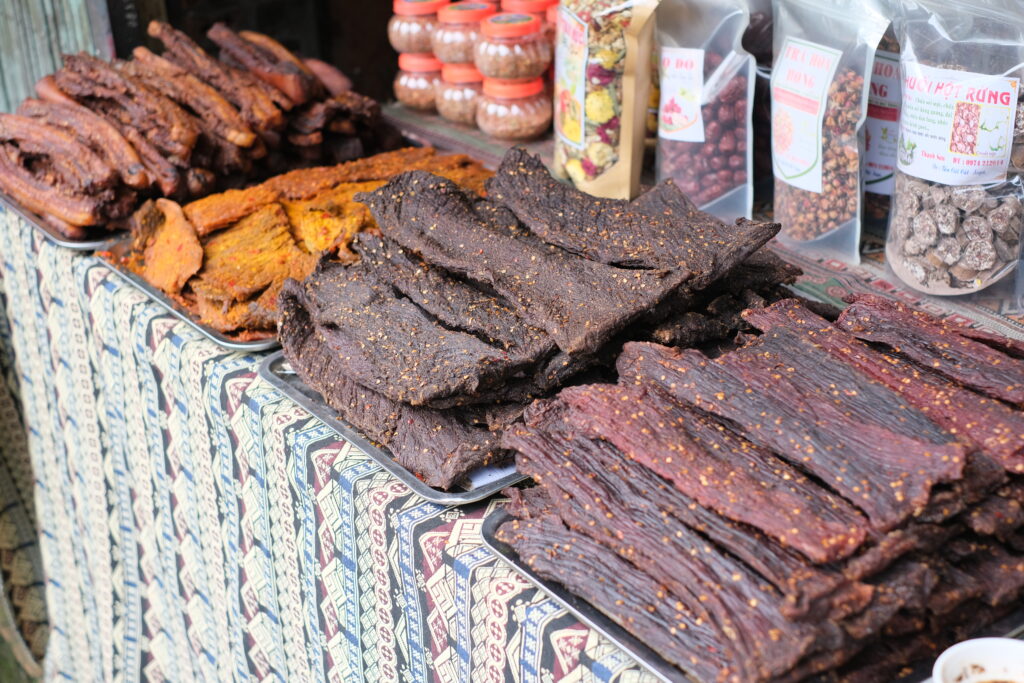
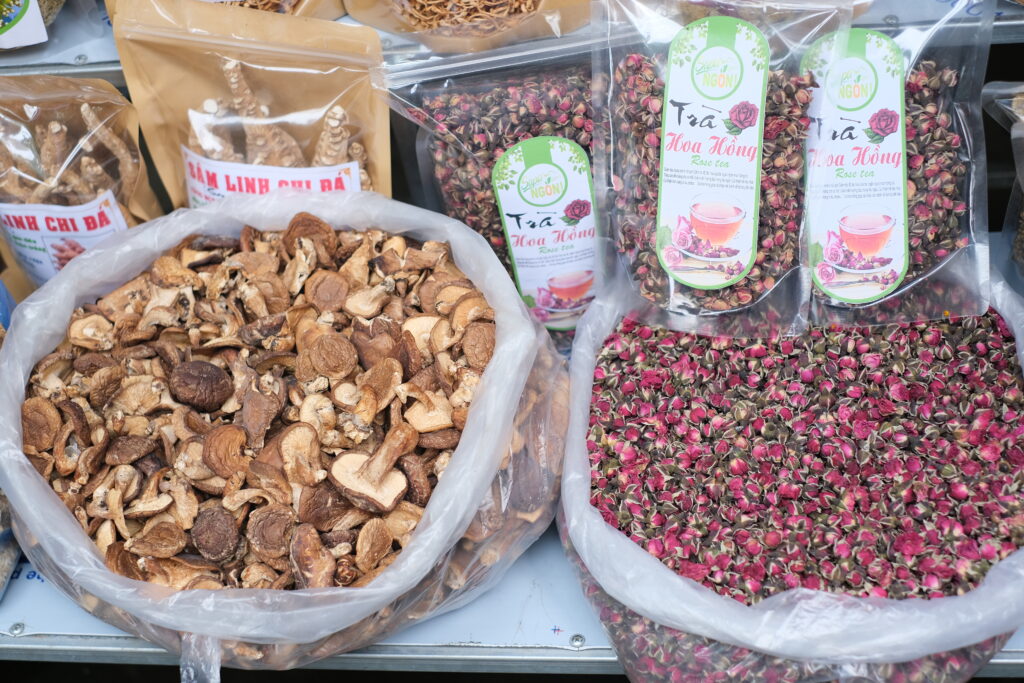
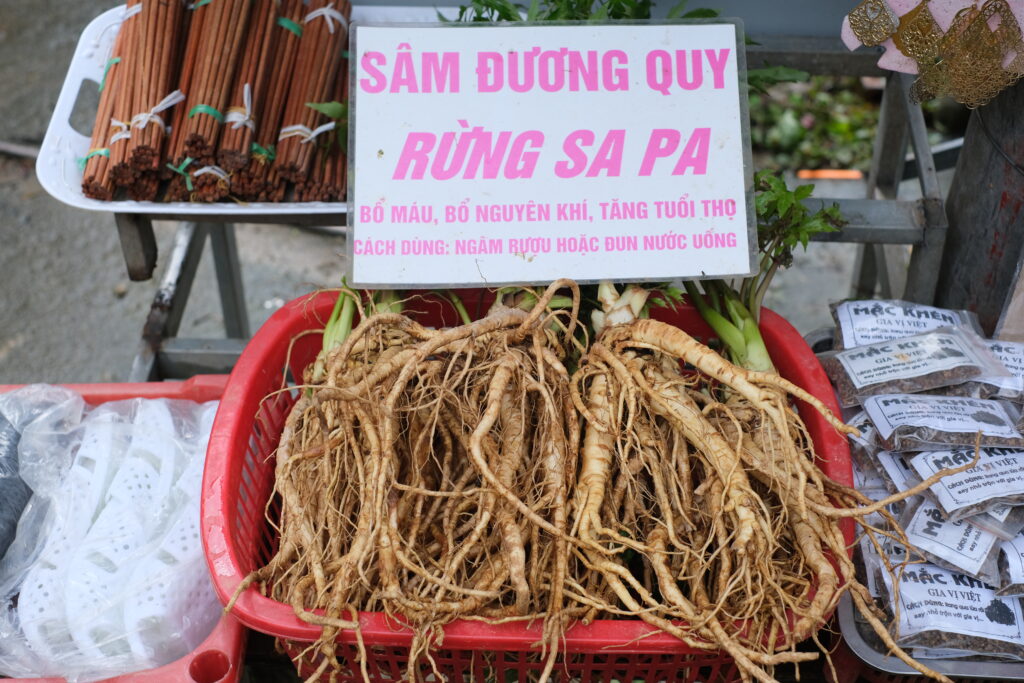
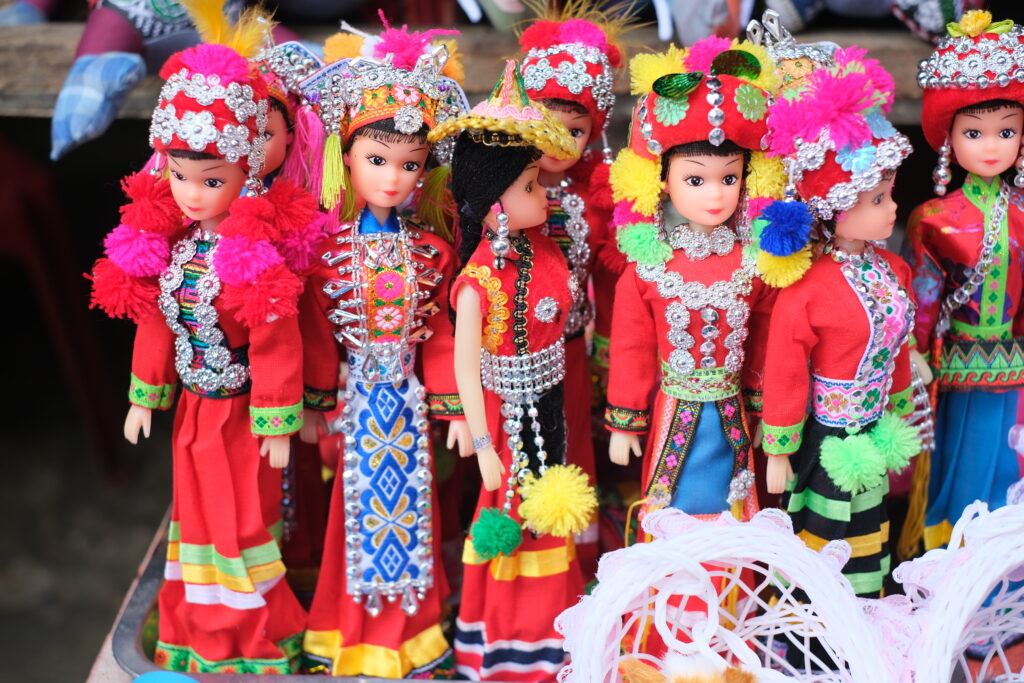
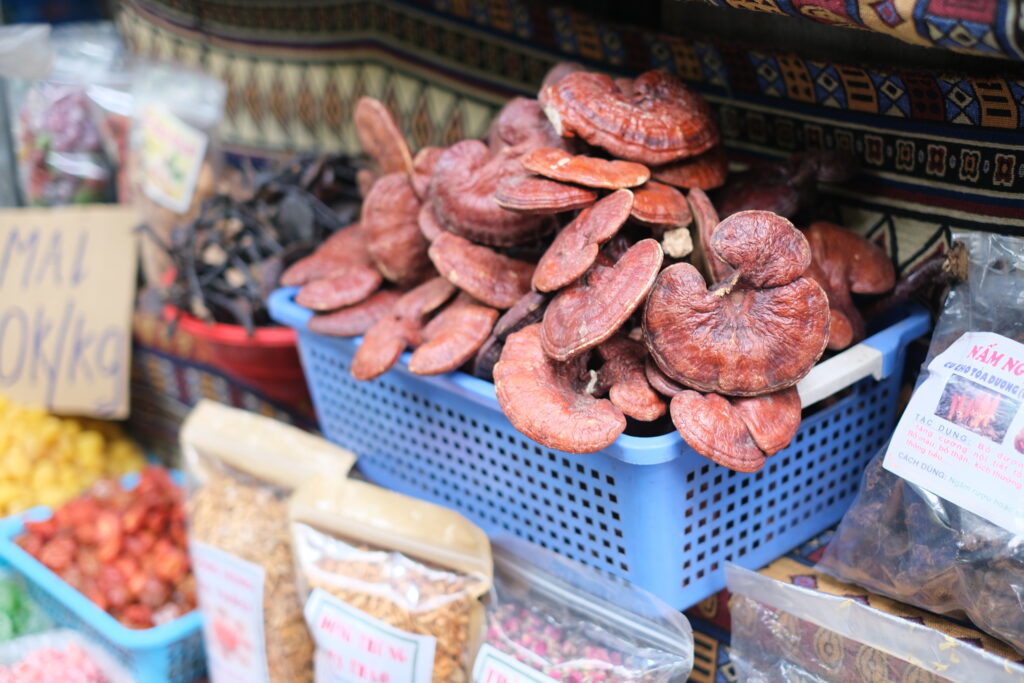
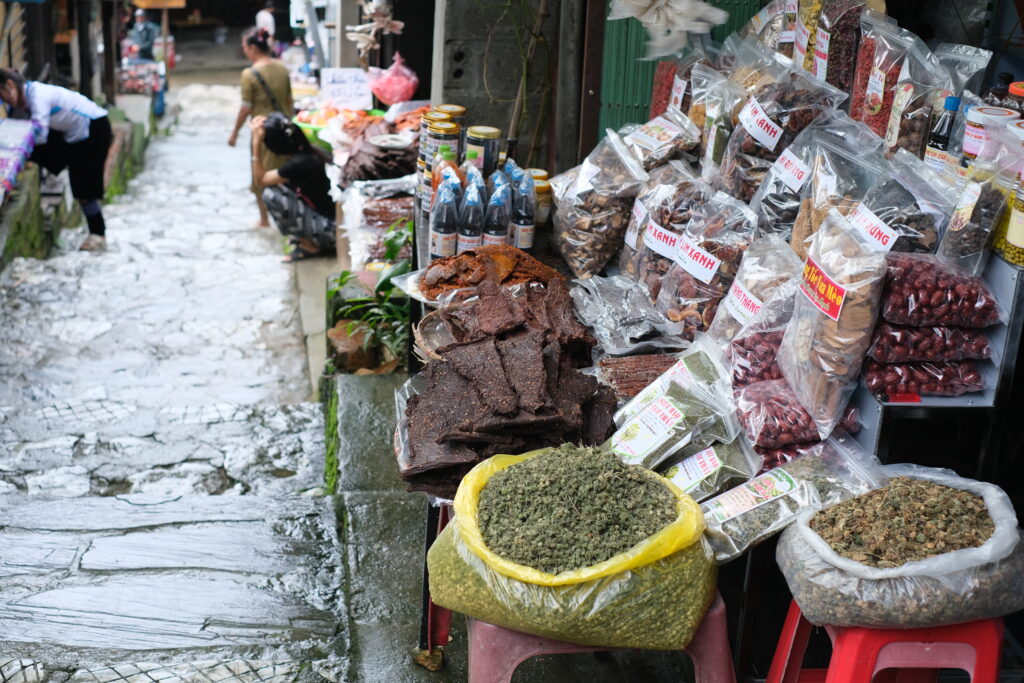
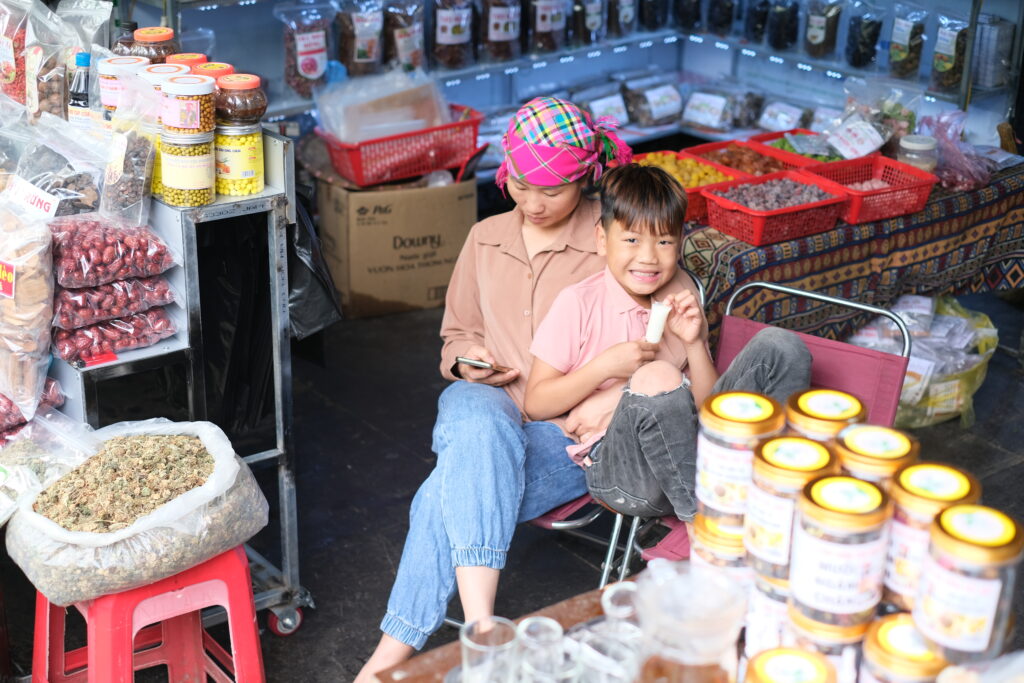
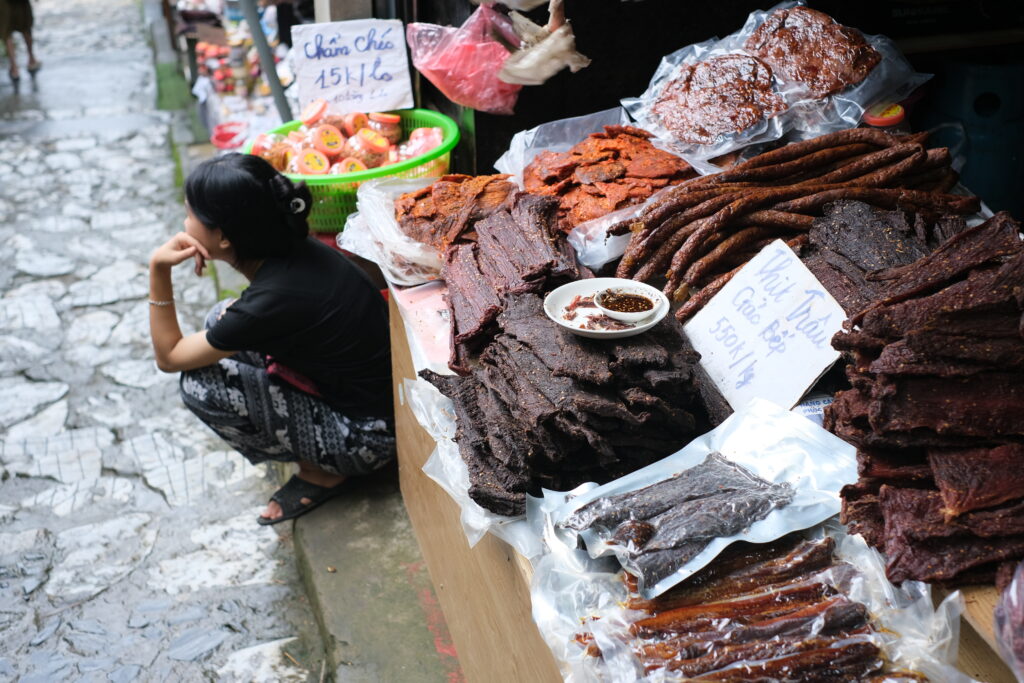
Sapa is famous for its markets, selling everything from fresh fruit to hand-woven scarves. There is Sapa Market. A more modern building by the bus station. Then there is Love Market. It is a historical place where young people from the surrounding villages used to find partners through songs and dances. Today it is more of a tourist show in the square, but it still has its charm.
SUN PLAZA
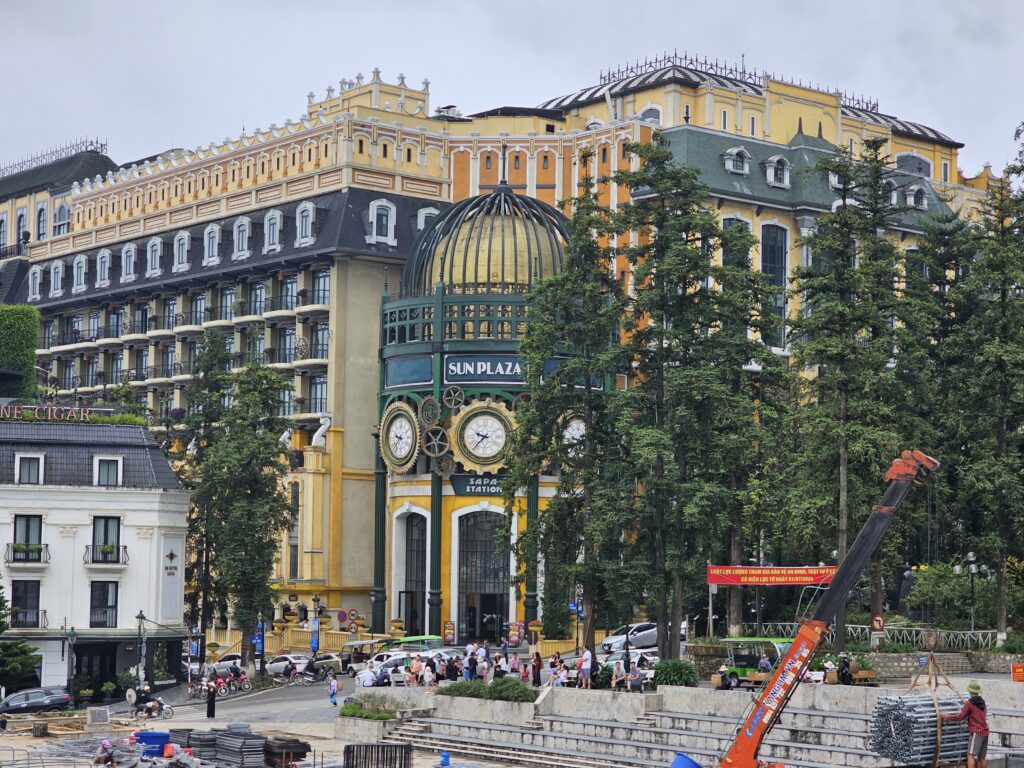
Sun Plaza is a luxury shopping mall and Hotel de la Coupole – MGallery. The building was designed by famous architect Bill Bensley, combining French colonial style with elements of local hill tribes. Inside the building is the stylish Muong Hoa Station, from where the mountain train departs. It will take you above the valley directly to the lower station of the Fansipan cable car. The ride on this yellow historic train is an experience in itself.
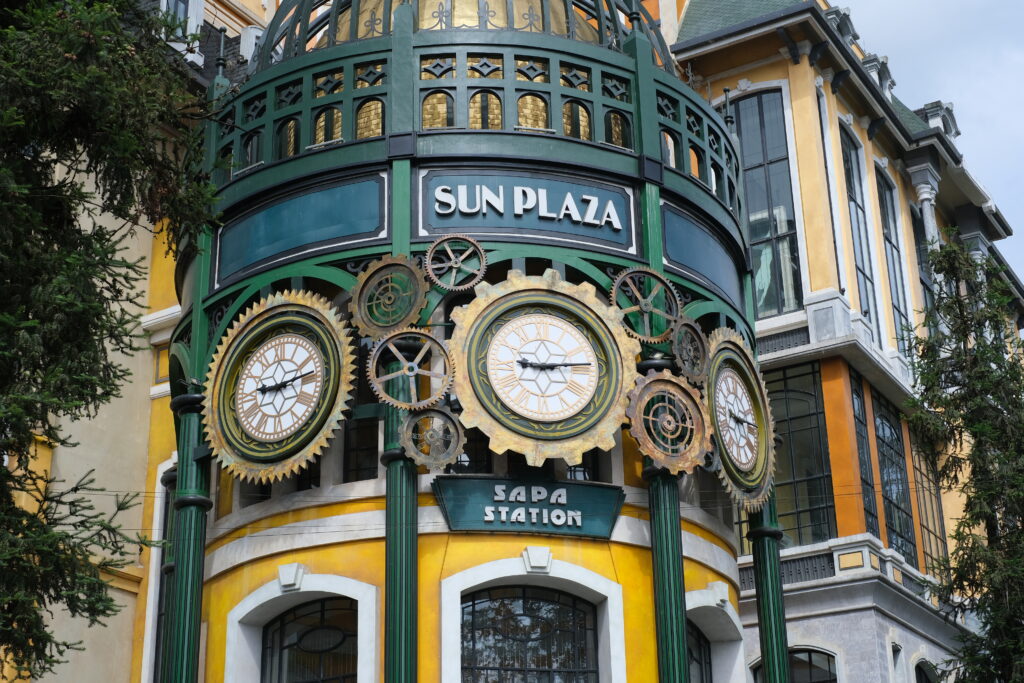
Even if you are not staying at the hotel, you can visit the lobby or the café on the upper floors. The interior design is fascinating. You will find thousands of antiques, spools of thread and accessories that refer to the tradition of Hmong tailoring and fashion. It is a place that divides travelers into two camps. Some love it for its elegance, others criticize it as an overly commercial intervention in the mountains. You can think of it on the blog as “a European touch in the heart of the Vietnamese mountains”.
CAT CAT VILLAGE: A GATEWAY TO THE WORLD OF H´MONG ETHNICITY IN THE HEART OF SAPA
This picturesque village lies in the Muong Hoa Valley at the foot of Fansipan Mountain. It is located about 2 km from the center of Sapa, so it is easily accessible on foot. For many visitors, it is probably on their “must see in Sapa” list. The village is one of the oldest and most beautiful settlements in the region. This place was founded by the Black H’mong ethnic group in the 19th century. Here you will find a unique combination of natural beauty and deep-rooted traditions.
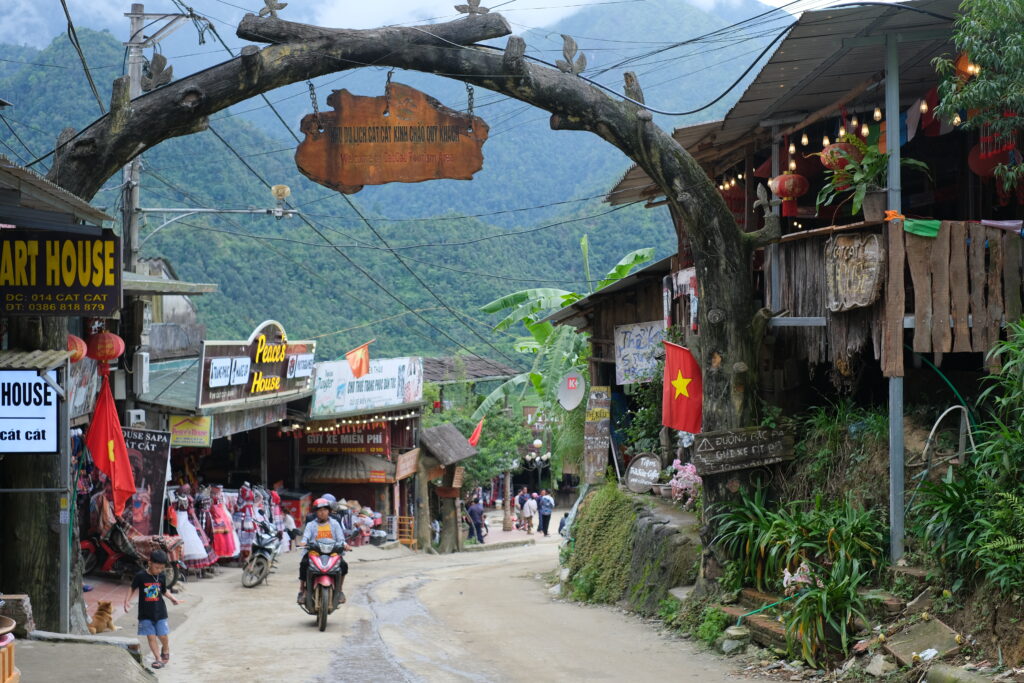
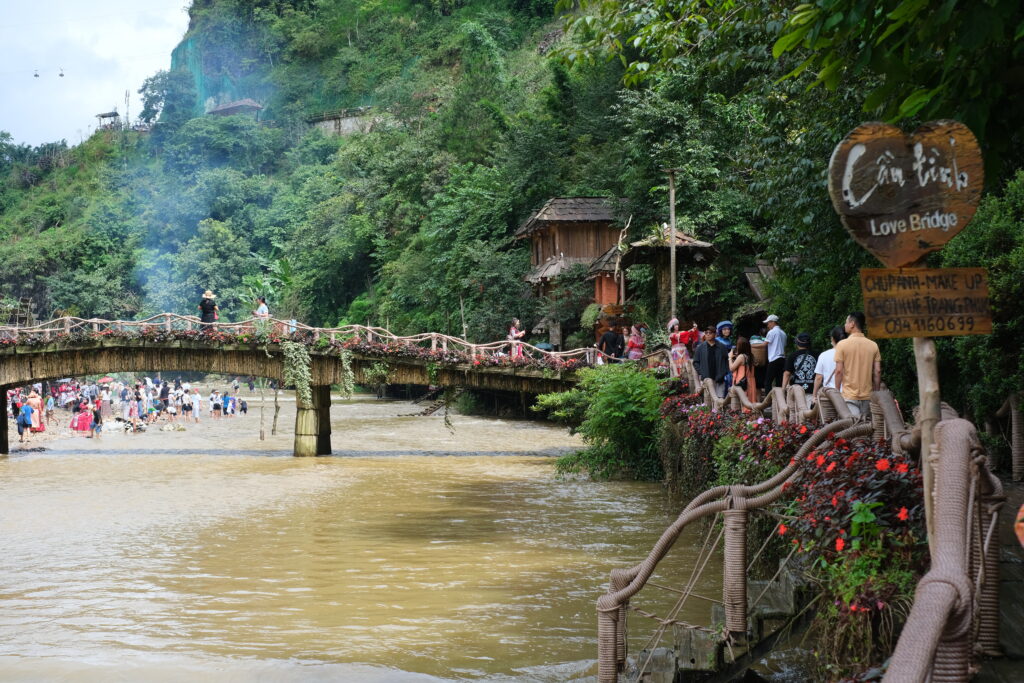
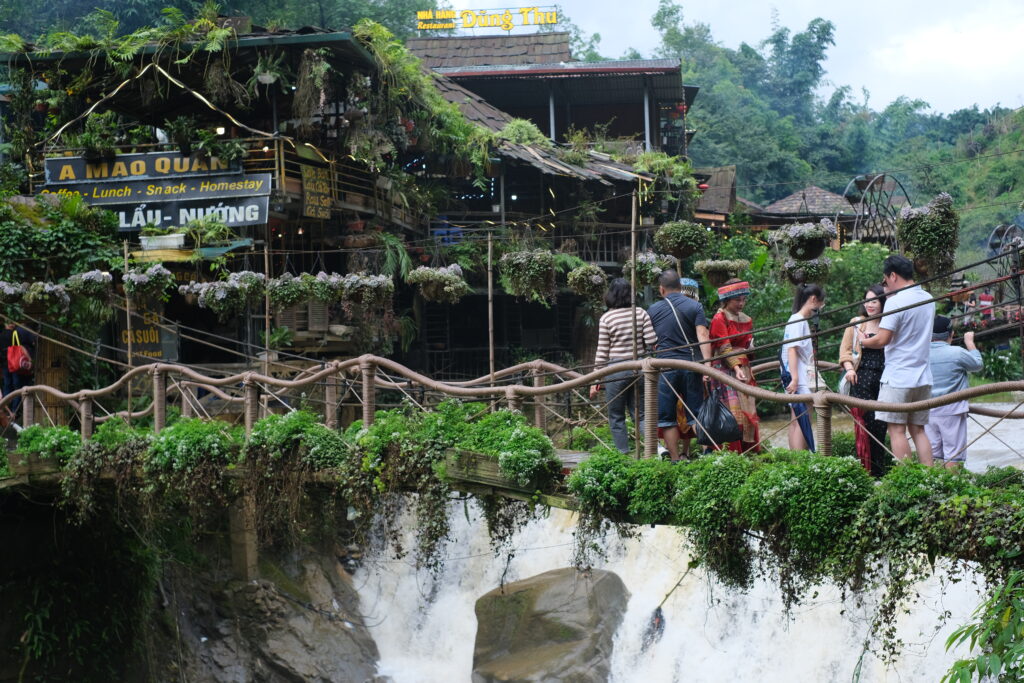
Cat Cat is not just an ordinary village, it is essentially a living open-air museum. Although it is now quite tourist-oriented, it still retains its charm thanks to its traditional architecture. The houses are built of “po-mu” wood and have a unique construction without the use of metal nails. And since I was haunted by intestinal problems here, I visited several houses. 🙂
Right in the alleys you will see women weaving fabrics, dyeing them with natural indigo or making fine silver jewelry. The path down will take you to the roaring Cat Cat waterfall (also known as Tien Sa waterfall) and the old French hydroelectric power station.
Although the village is home to the H’mong ethnic group, its name probably has European roots. In the early 20th century, the French discovered the place and chose it as a recreational area for their officials. The name “Cat Cat” is derived from the French word “CatScat”, which they used to name the local wild rapids. The locals gradually adapted the name to their pronunciation.
THE CONTROVERSIAL CUSTOM OF “BRIDE STEALING”
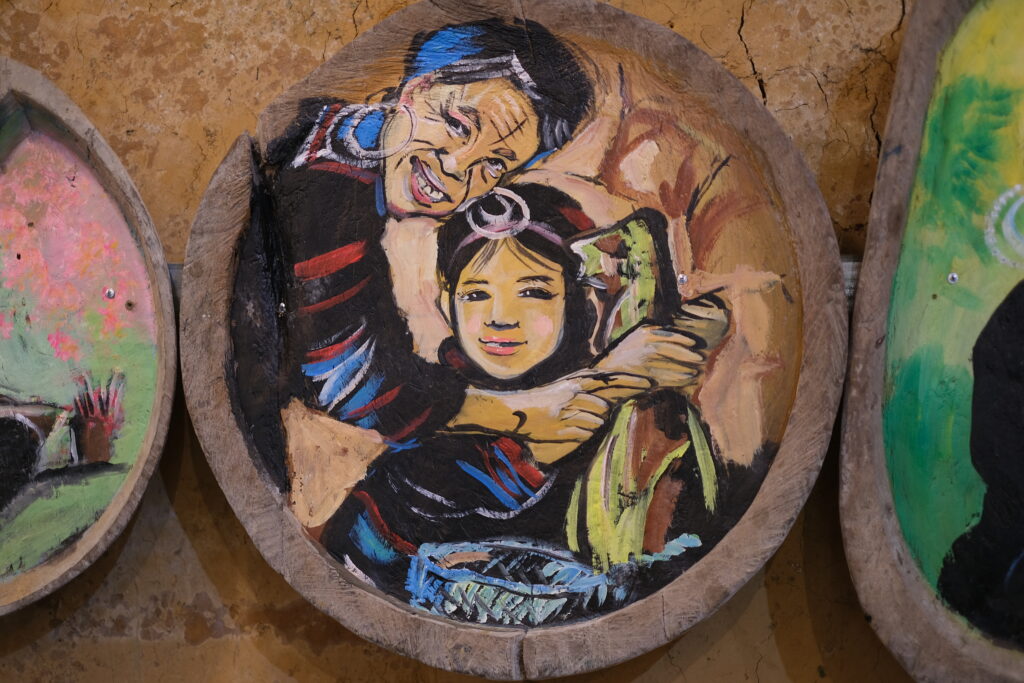
One of the most fascinating traditions of the Black Hmong is “Bride Stealing”. If a young man likes a girl, he invites his friends to help him “kidnap” her to his house. There, the girl is kept for three days. During this time, it is decided whether she wants to become his wife. If she agrees, the wedding takes place. If not, she can return home after three days without consequences. Today, this custom is practiced in the village more symbolically or as a cultural demonstration for tourists.
SPIRITUAL ARCHITECTURE OF HOMES
Traditional houses in Cat Cat have a specific layout that reflects the beliefs of the locals. The houses have three doors. The main door in the middle is intended for large events (weddings, funerals), while the side doors are used for ordinary arrival and departure. The spirit altar is always located in the central part of the house and is considered a sacred space for the family. The houses are built from the wood of the Fokienia tree, which is very durable and aromatic. The entire route through the village is paved and lined with stalls selling local specialties, souvenirs and handmade items.
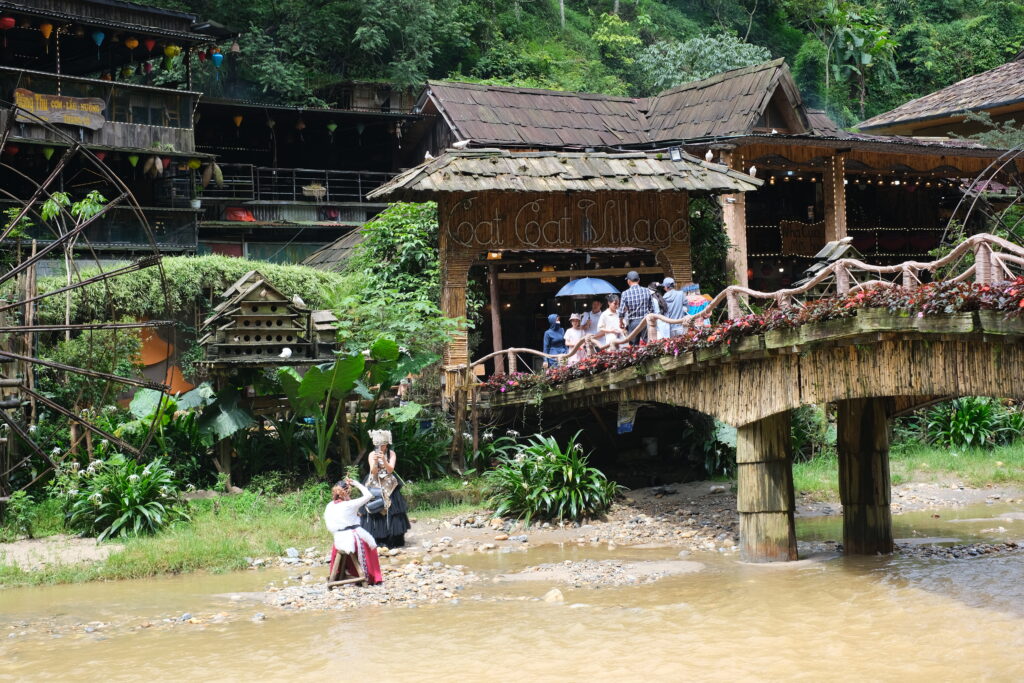
INDIGO AND THE SECRET OF COLOR
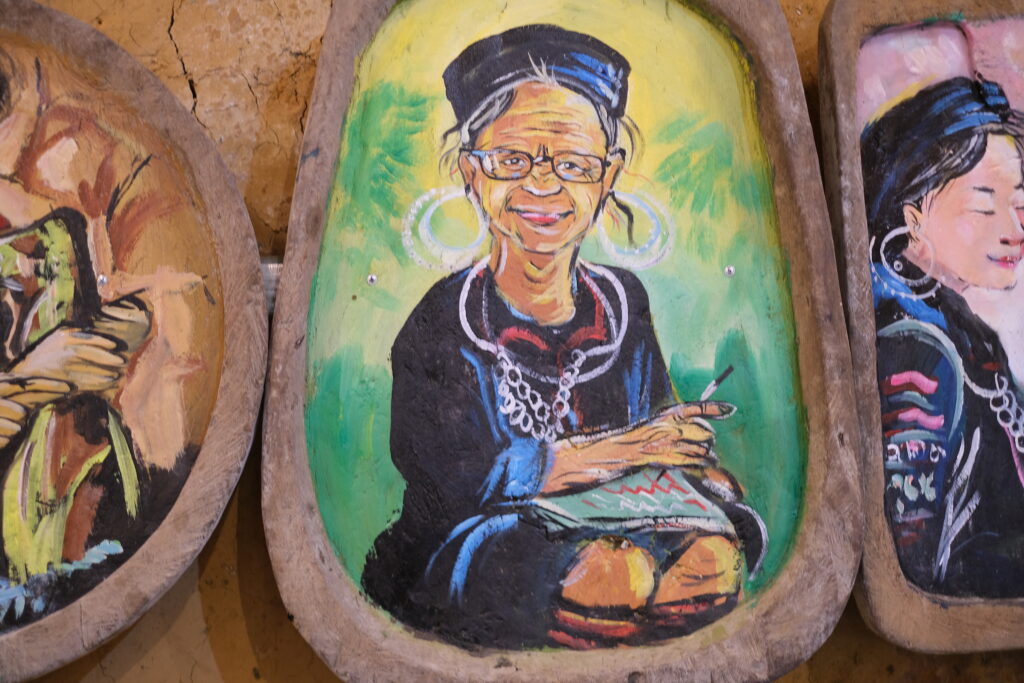
As you walk through the village, you’ll notice that many locals have blue-black hands. This is the result of working with indigo. The Hmong grow indigo plants, from which they produce a natural dye for their fabrics. The traditional dyeing process is laborious and can take several weeks for the fabric to acquire its characteristic dark, almost metallic sheen.
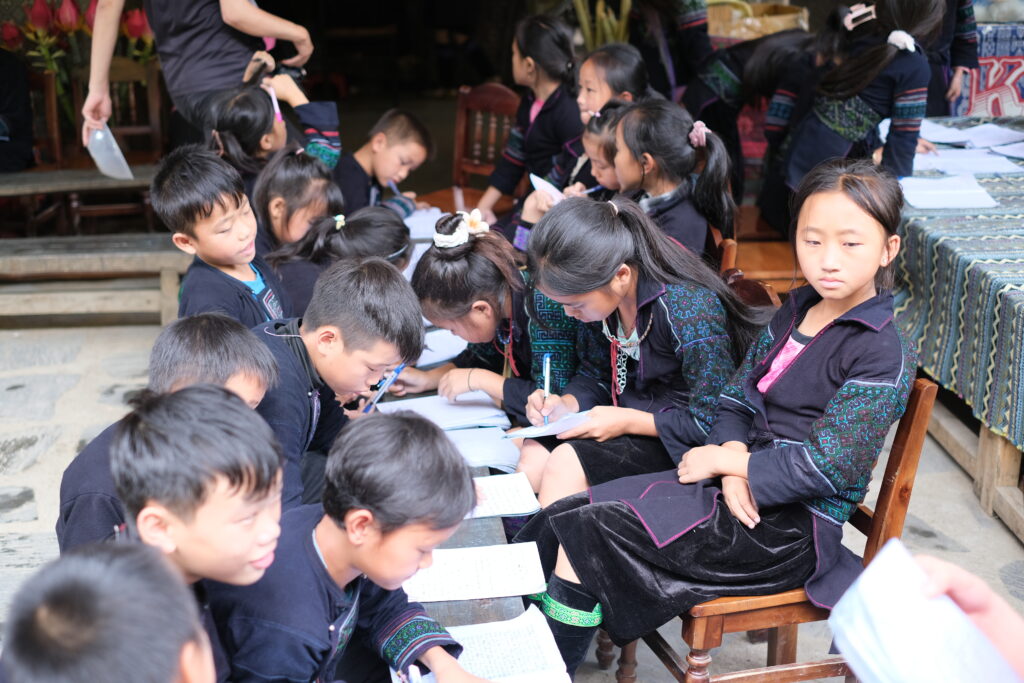
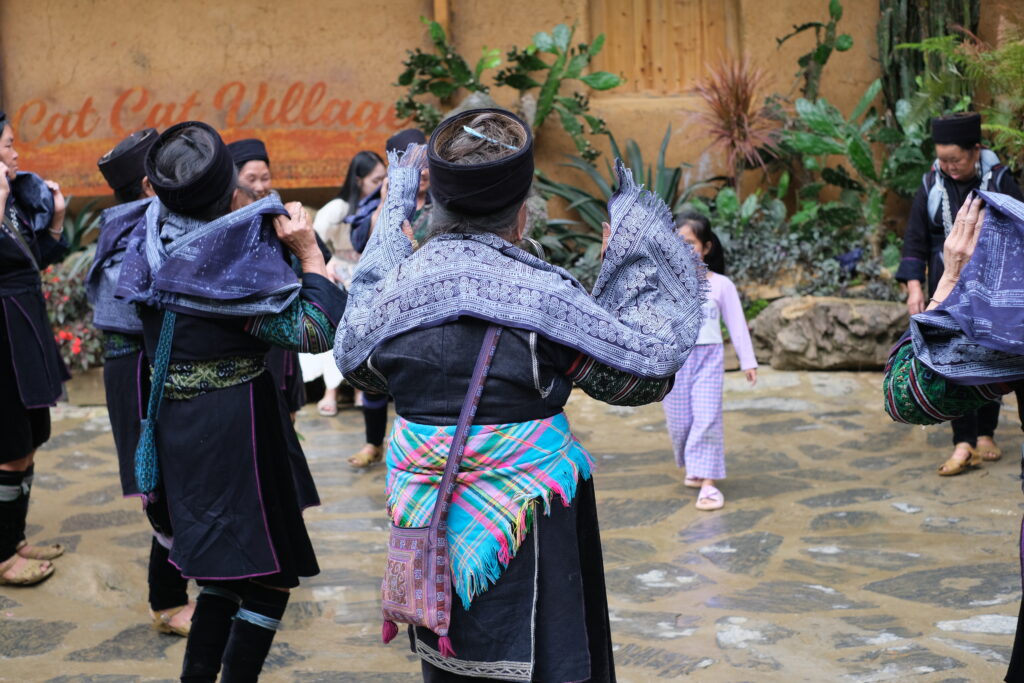
HISTORIC HYDROPOWER PLANT
The historic hydroelectric power plant was built here by the French at the beginning of the 20th century and is still a technical attraction near the waterfall.
BAMBOO WATER WHEELS
Bamboo water wheels constantly clack along the streams and serve to automatically crush rice and corn using the power of water.
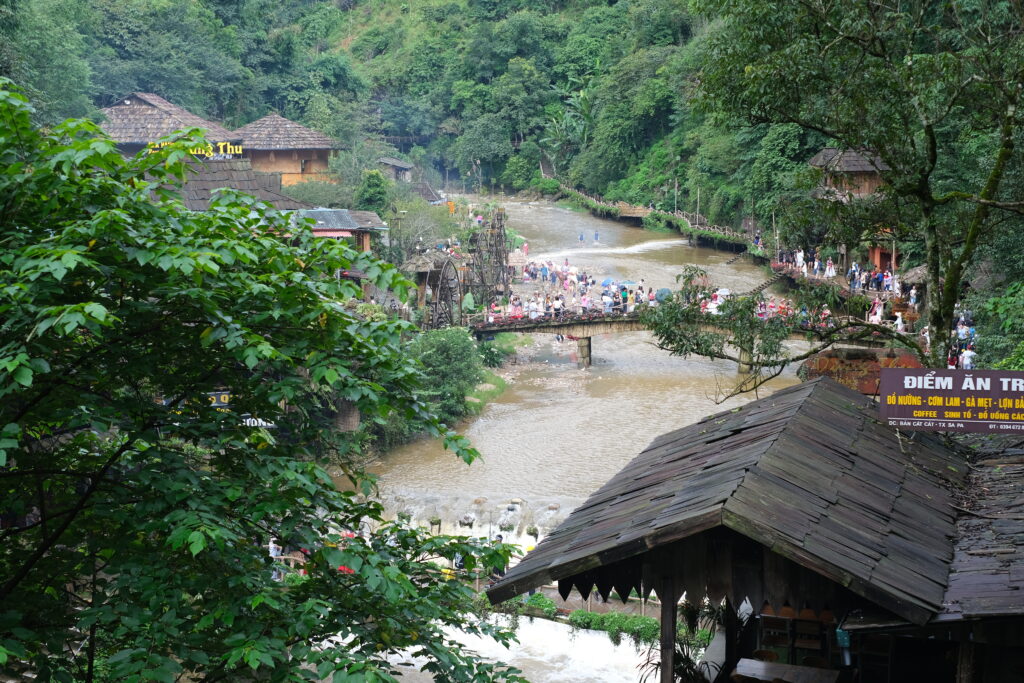
IMPORTANT INFORMATION FOR YOUR VISIT
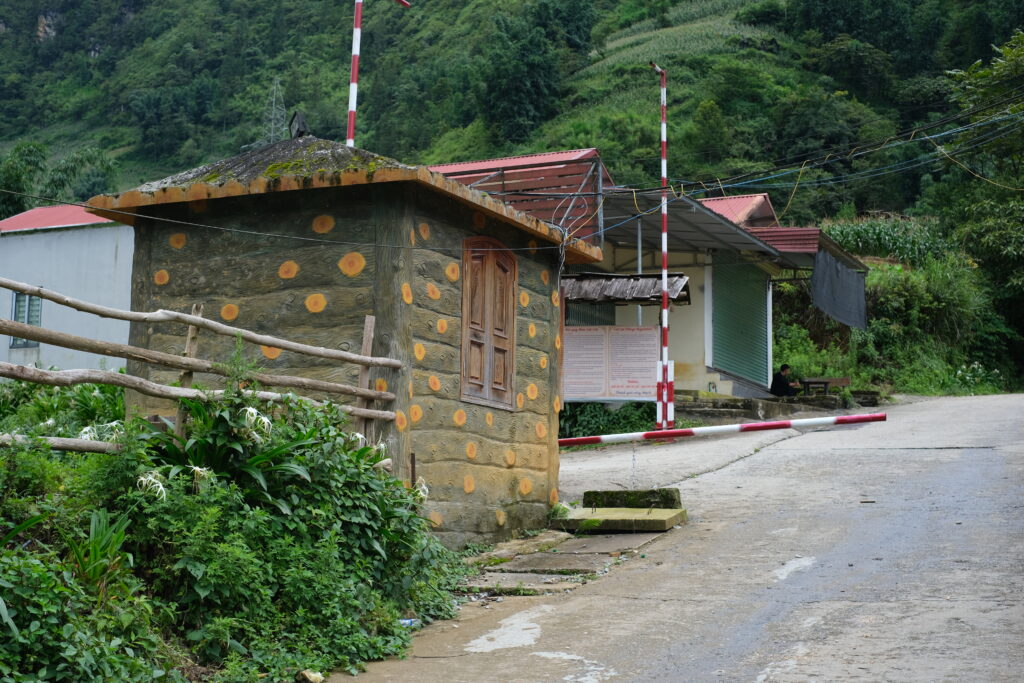
The current entrance fee to Cat Cat village is 150,000 VND (approx. 140_160 CZK) for an adult. You can buy a ticket at the ticket office on the main road leading from Sa Pa down into the valley. The checkpoint is located right in front of the entrance to the village itself. The price includes access to the entire village, the waterfall and cultural performances, which take place in the central part by the old hydroelectric power plant.
MY TIP:
If you want to avoid the biggest crowds, go first thing in the morning after opening or late afternoon. For a more in-depth experience, you can arrange a guide from among the local women in Sapa, who will take you on the lesser-known trails.
The village is about 2 km from the center of Sapa and is easily accessible by foot, which is the most popular mode of transportation for tourists. In my opinion, there is no need to get there by any other means. Just be aware that there may be a small surcharge during public holidays.
MAP:
RENTAL TRADITIONAL COSTUMES
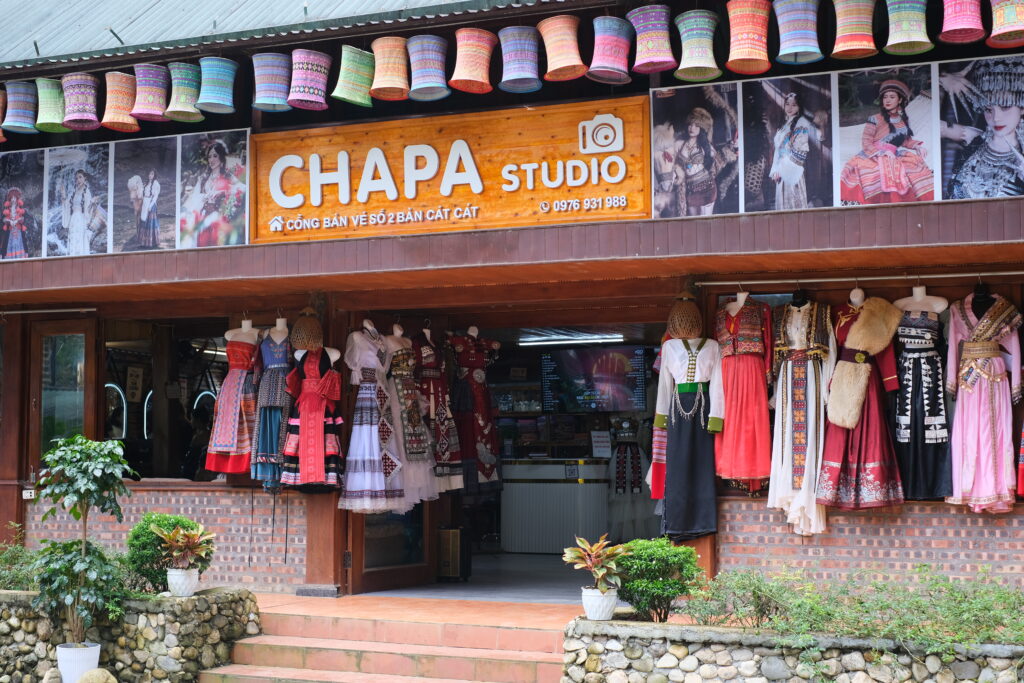
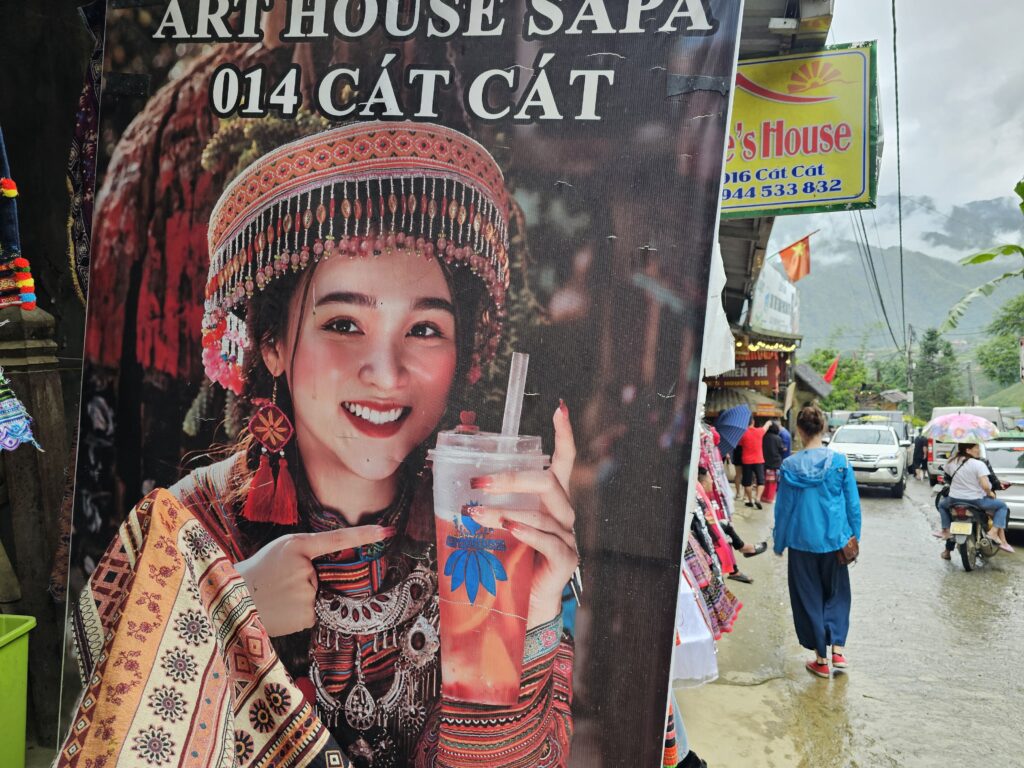
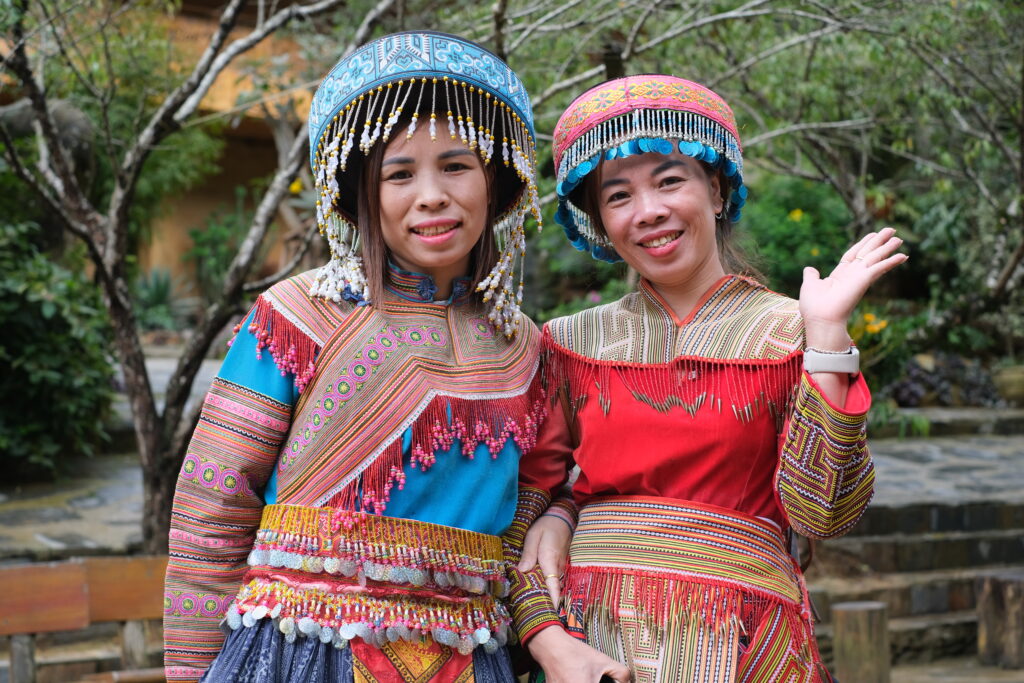
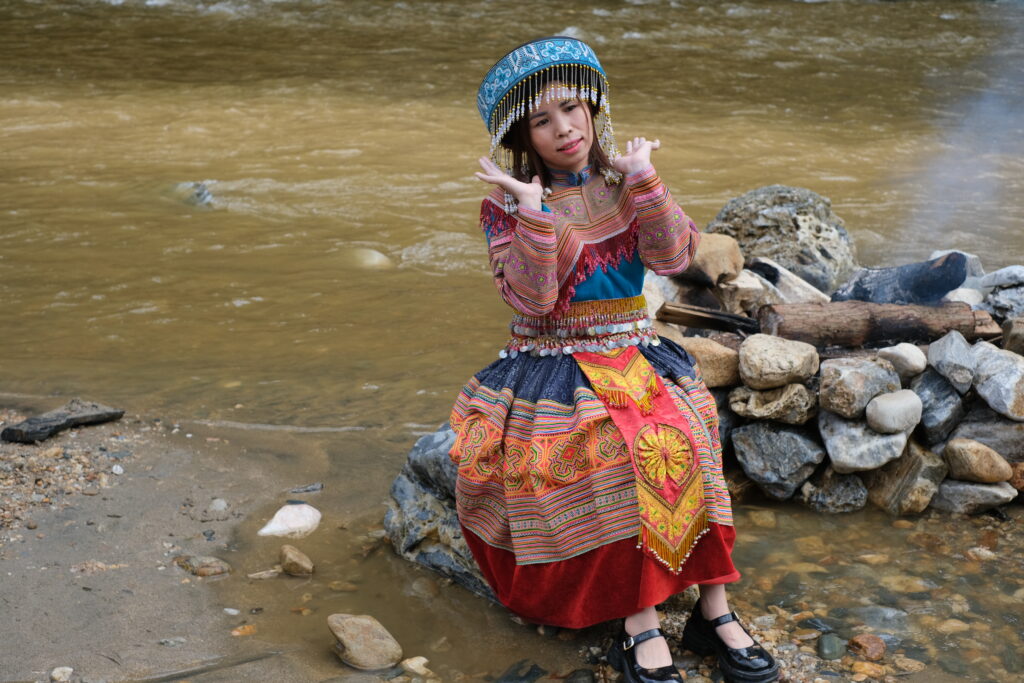
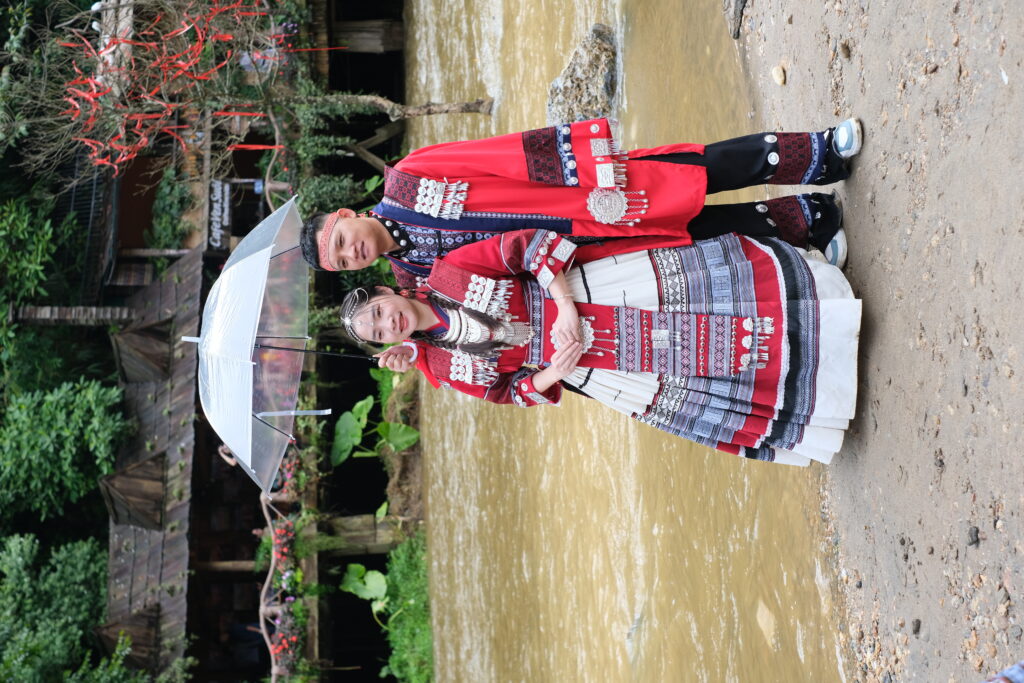
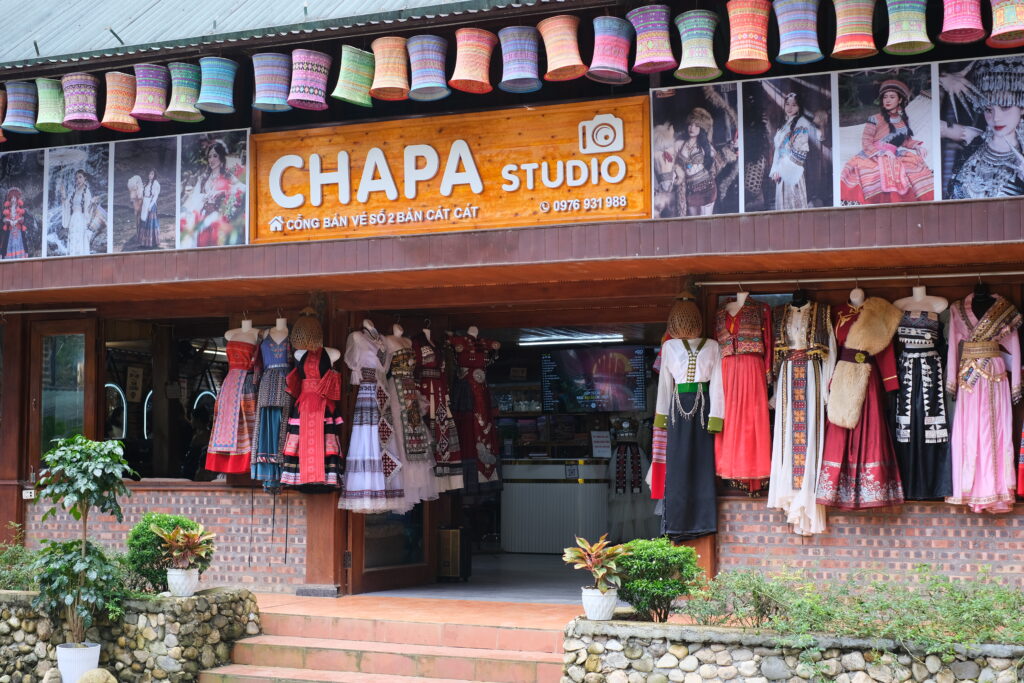
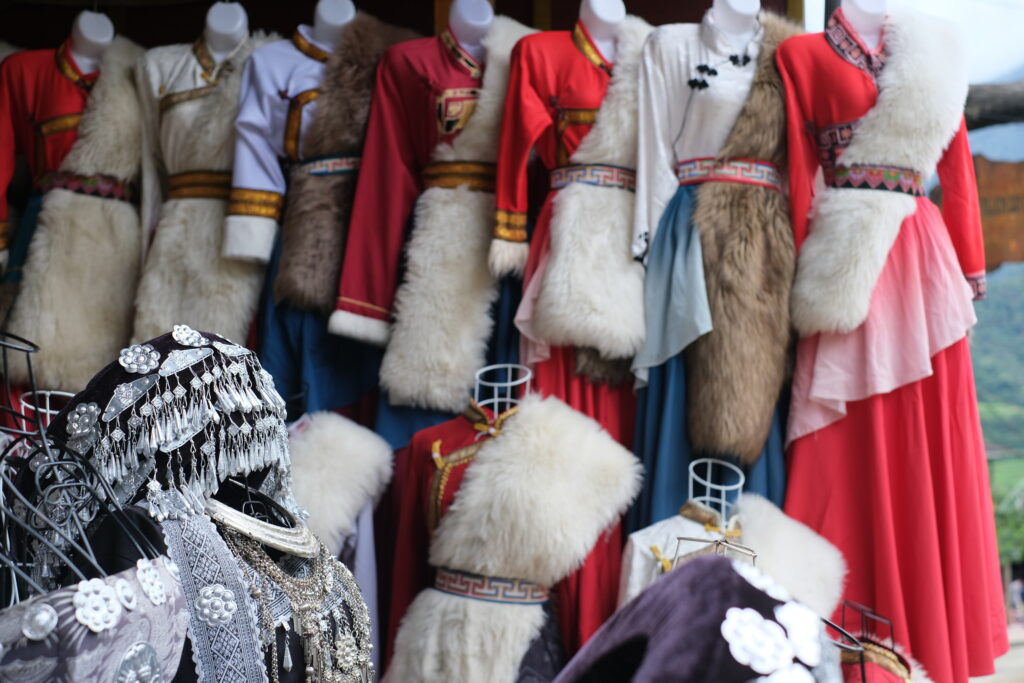
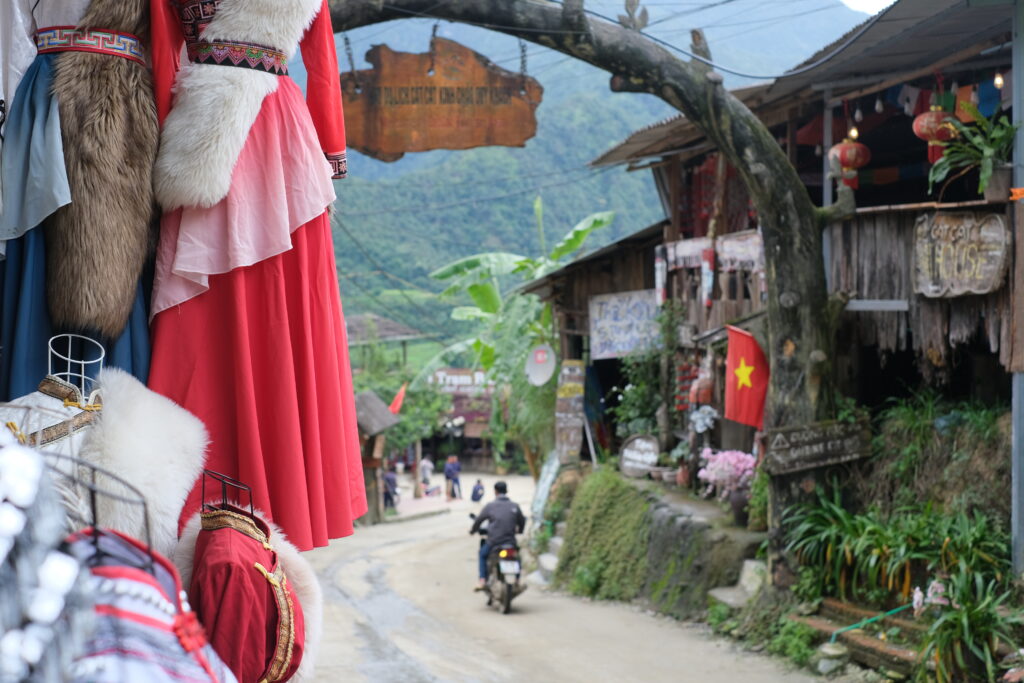
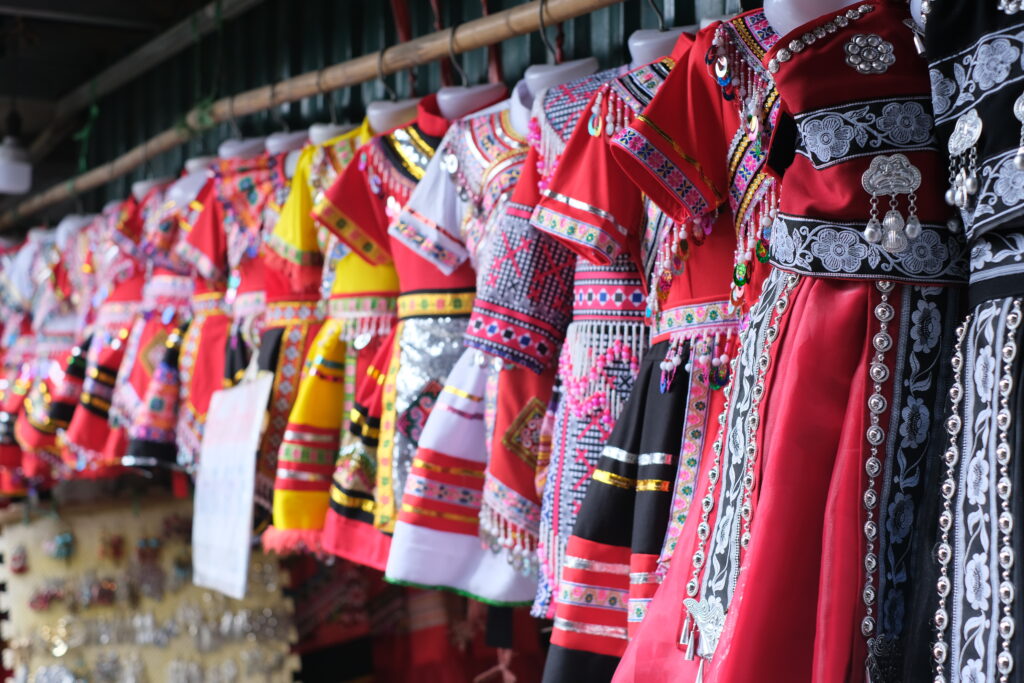
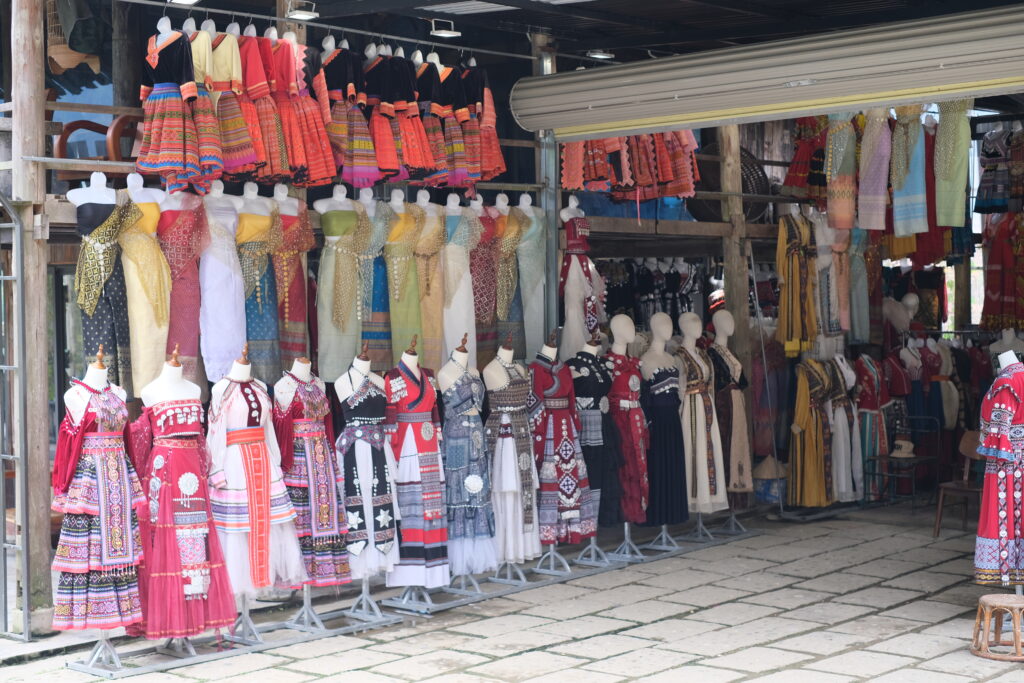
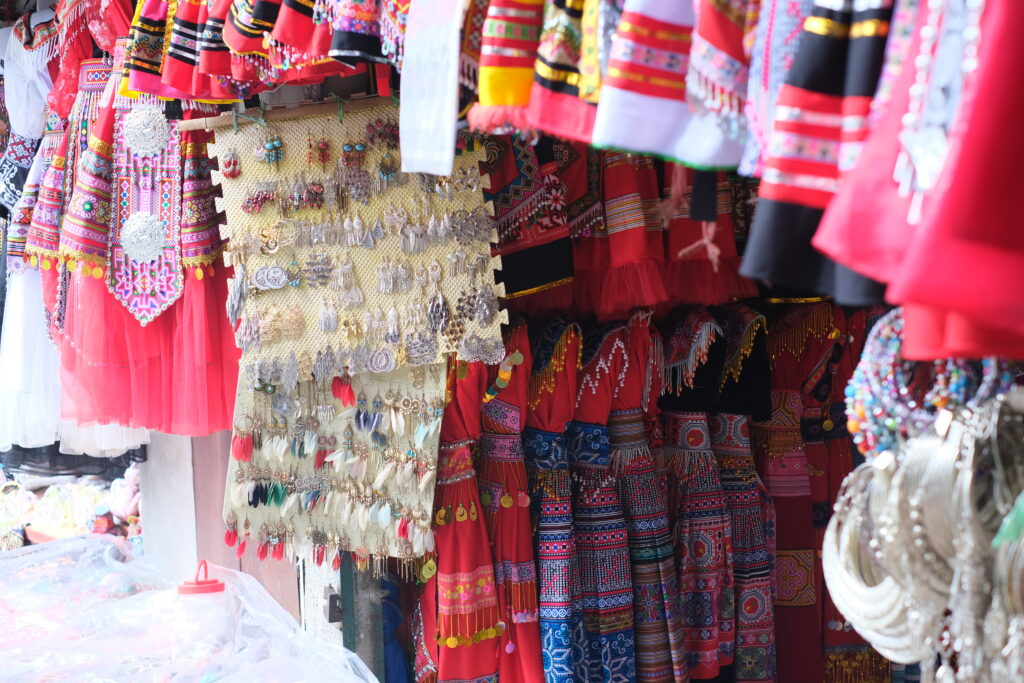
Right at the entrance you will find dozens of rental shops where you can change into colorful H’Mong clothing to take the perfect photo for Instagram.
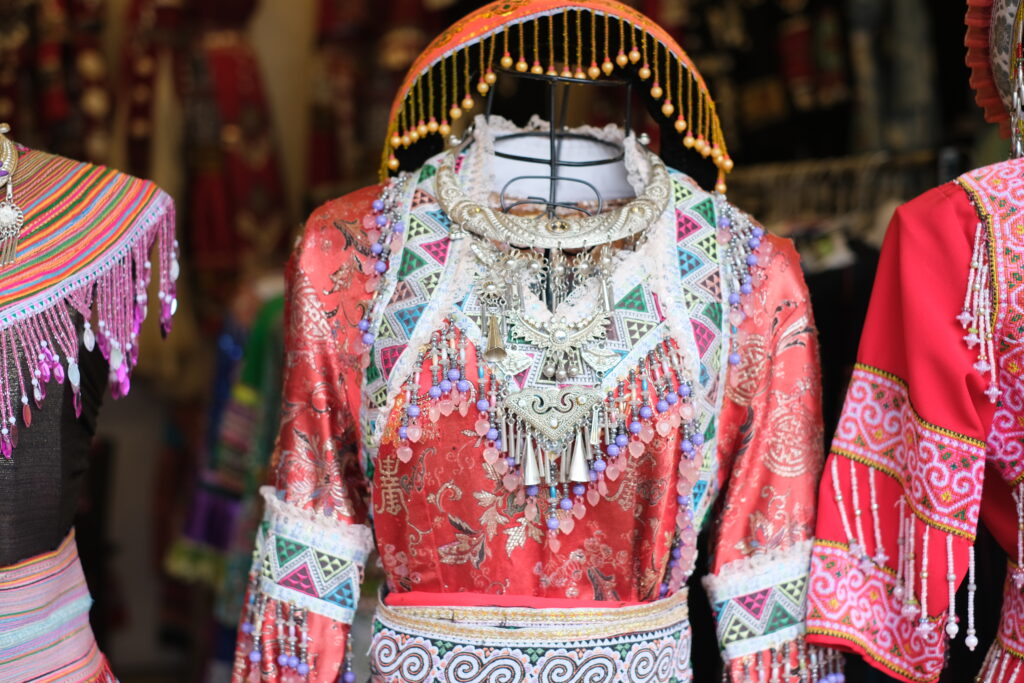
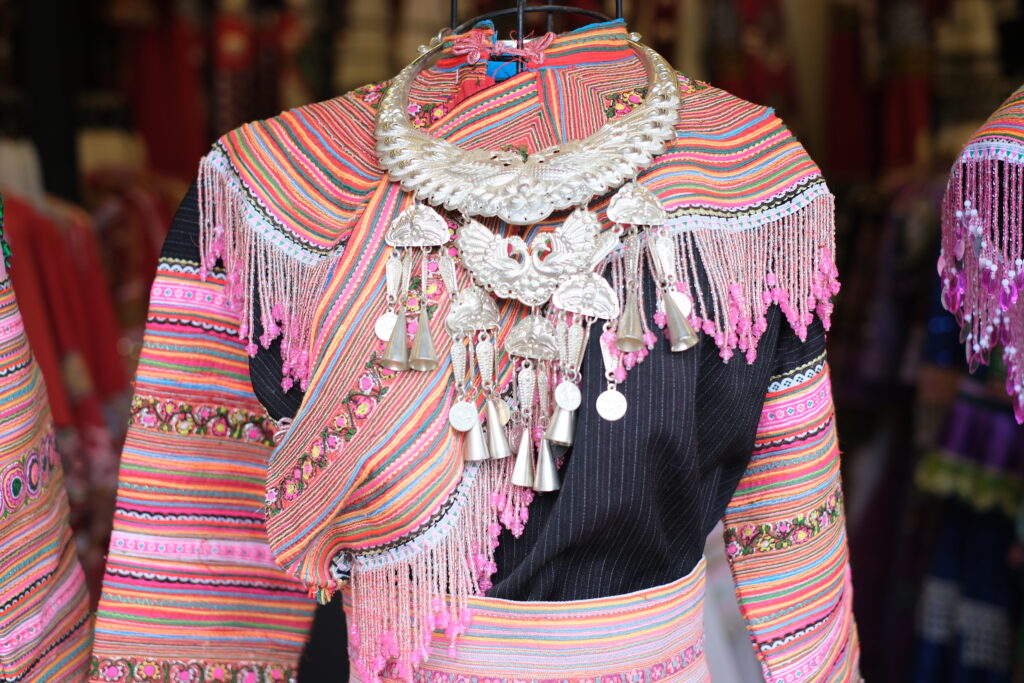
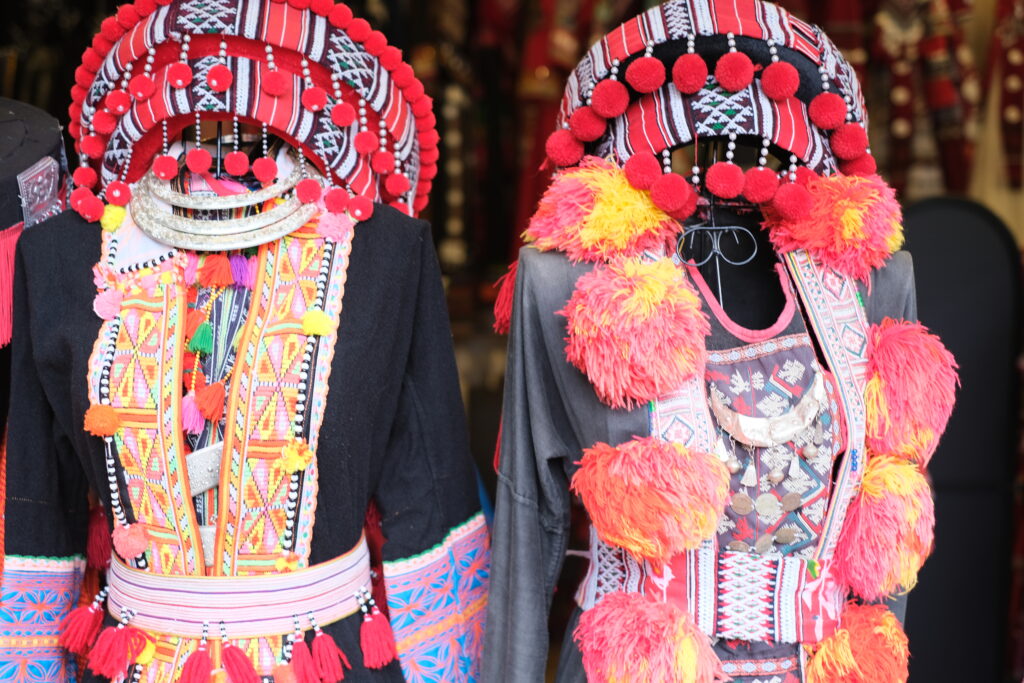
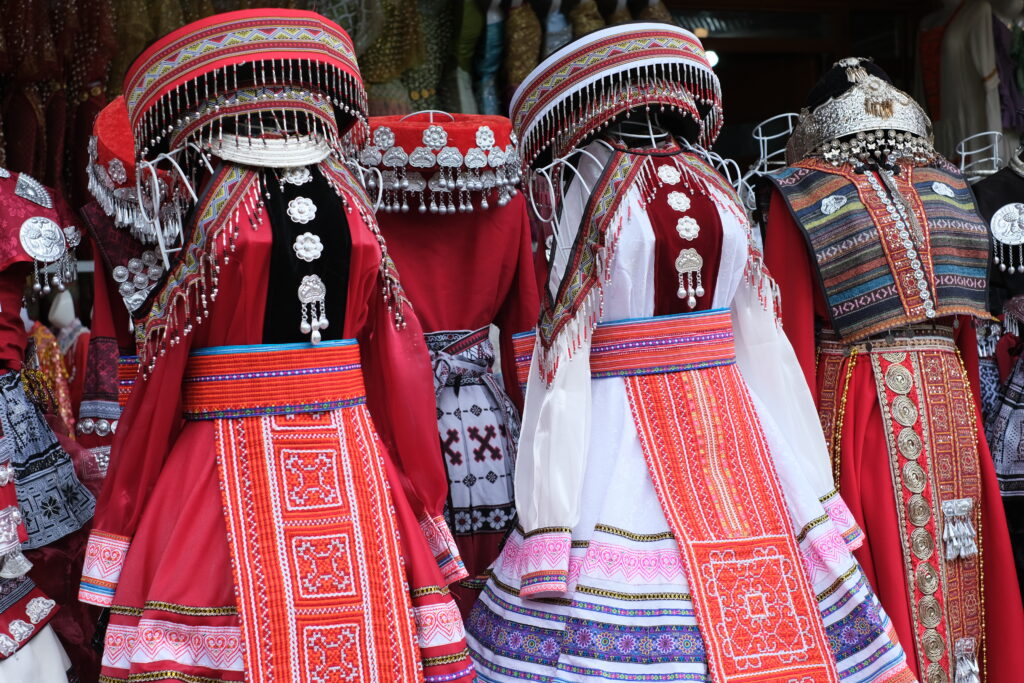
Hmong women do not use patterns when embroidering. They carry the patterns in their heads and pass them down from mother to daughter. Each motif on an apron or skirt has its own meaning. Diamonds and squares often represent fertile fields or rice terraces. Dividing a square into four parts can symbolize the four cardinal directions or the four seasons. Spirals (snail shells) symbolize family, ancestors, and protection. It is believed that a spiral can “cycle” and keep happiness within the family. The jagged lines (mountains) represent the Hoang Lien Son mountain range that surrounds the Hmong. They are a symbol of home, but also a barrier that protects their culture from outside influences. The crosses often depict flowers of plants growing in the mountains, which gives the “Flower Hmong” their name.
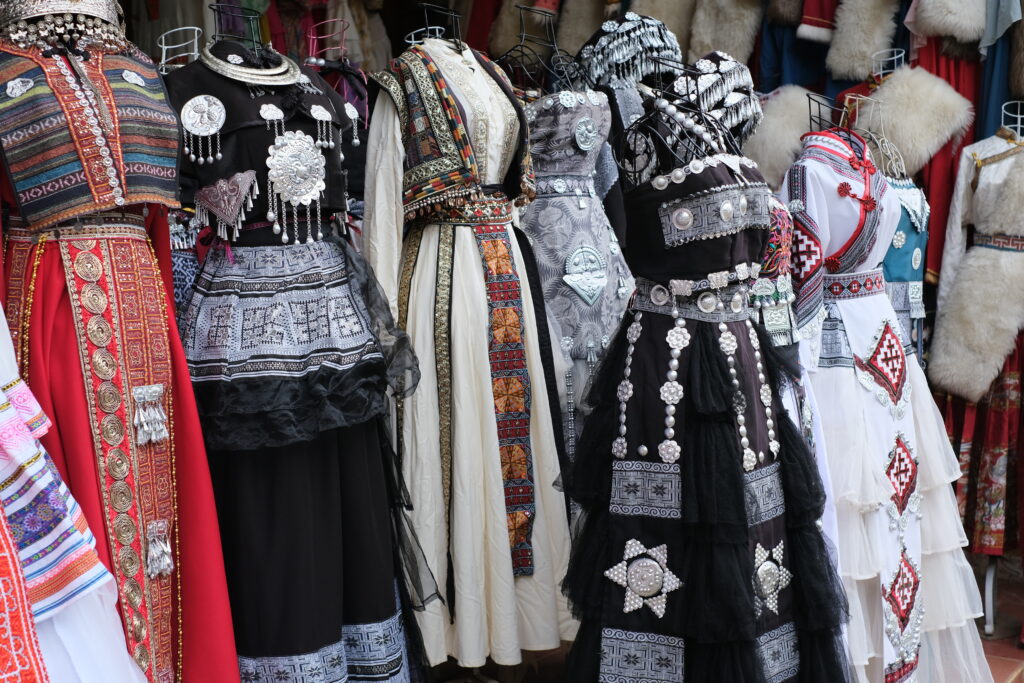
Silver is considered a precious metal in Hmong culture that can purify the soul. The larger and heavier the piece of jewelry, the richer the bride’s family and the higher her status. The crowns are often decorated with dozens of tiny leaves, butterflies, and bells. Their gentle jingling when walking is intended to scare away evil spirits so that they cannot harm the bride during her transition to a new family. These crowns are extremely expensive and are often passed down through generations. If a family cannot afford a new one, they often borrow one from relatives for the wedding so that the bride looks as dignified as possible.
Today, these crowns in tourist areas such as Sapa are often made of lighter alloys (aluminum or white brass) to make them more comfortable for tourists to wear during photo shoots. Original antique crowns made of solid silver can weigh over one kilogram.
MOANA SAPA: A LITTLE “BALI” IN THE MOUNTAINS
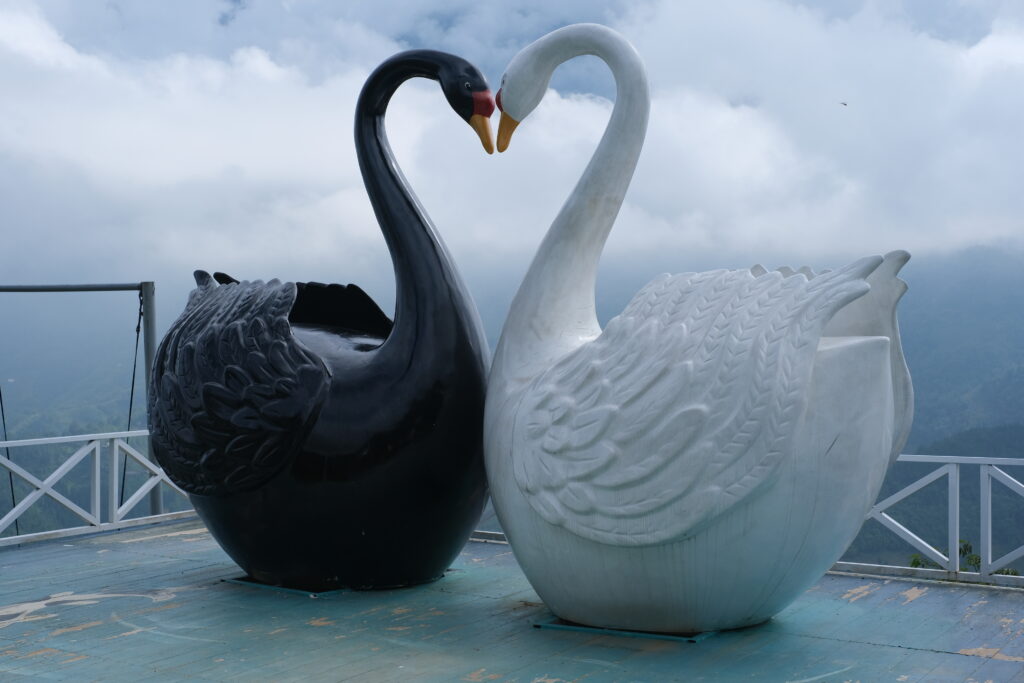
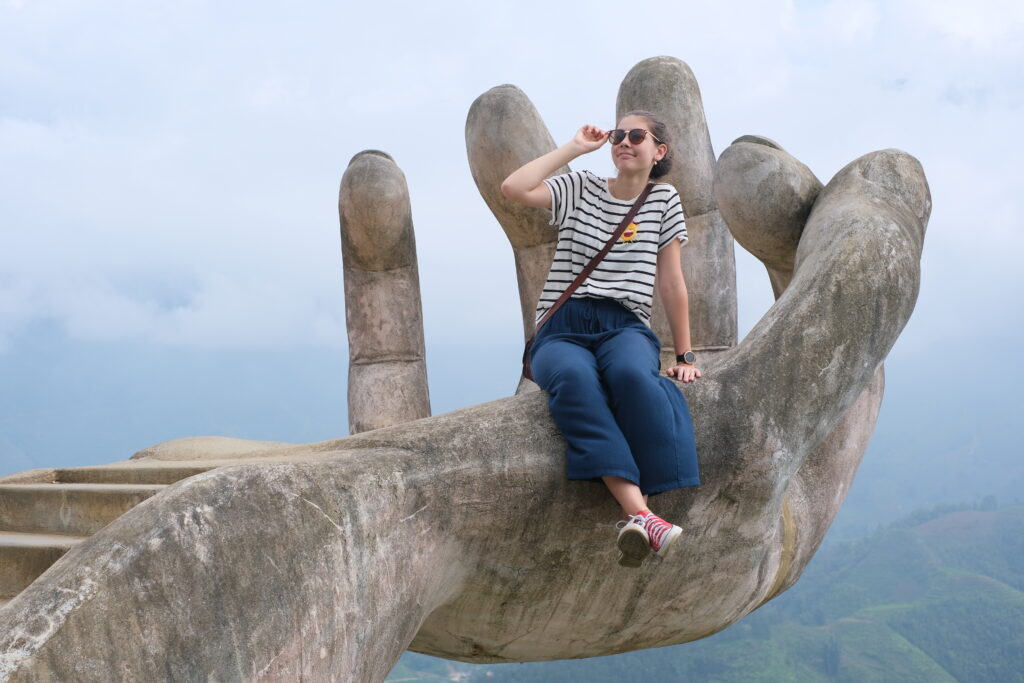
One of the newer tourist spots is Moana Sapa. This area was created as a large viewpoint and photo spot above the Muong Hoa Valley. It is located only about 1-2 kilometers from the city center and can be reached on foot. Some travelers love it for the photos, others consider it a bit of an “Instagram” place. The truth is somewhere in the middle, it is a nice viewpoint, but it is not a traditional historical monument.
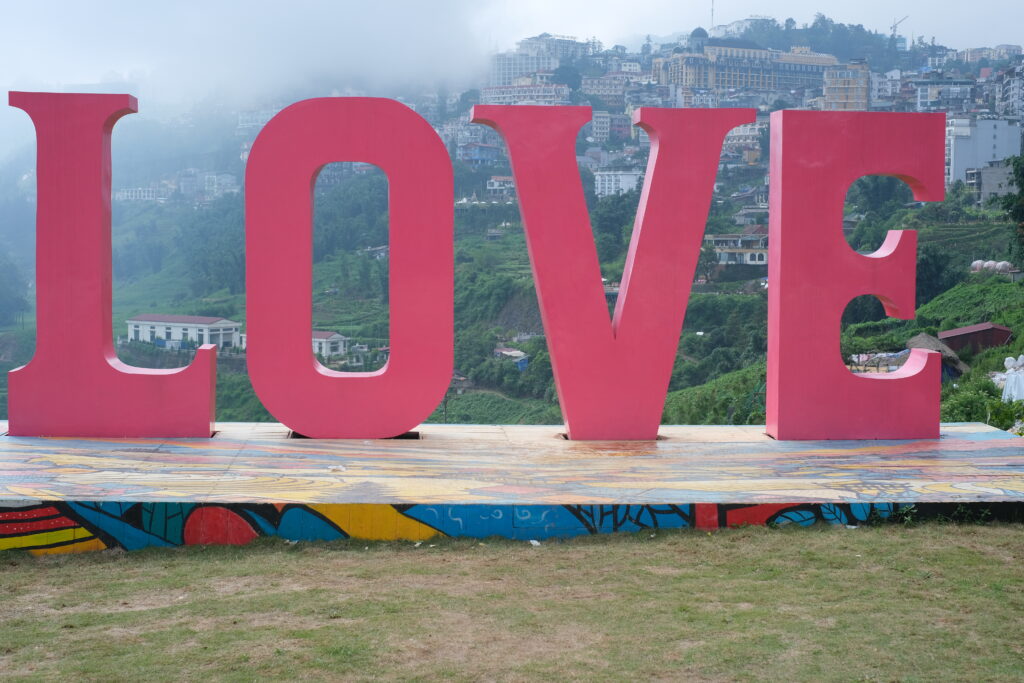
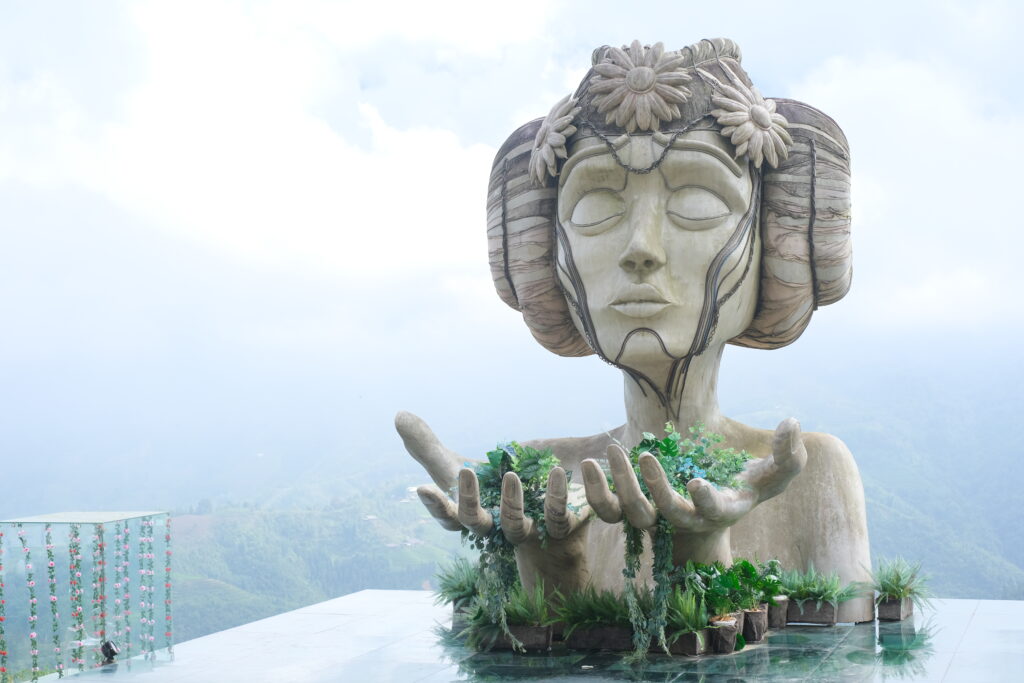
Moana Sapa is often nicknamed “Little Bali in the Mountains” because of the many iconic photo installations. Some of the most famous include the Bali-inspired Heaven’s Gate, a giant stone hand rising from the mist, an endless swing over the valley, a statue of the Moana girl, and viewing platforms overlooking the mountains.
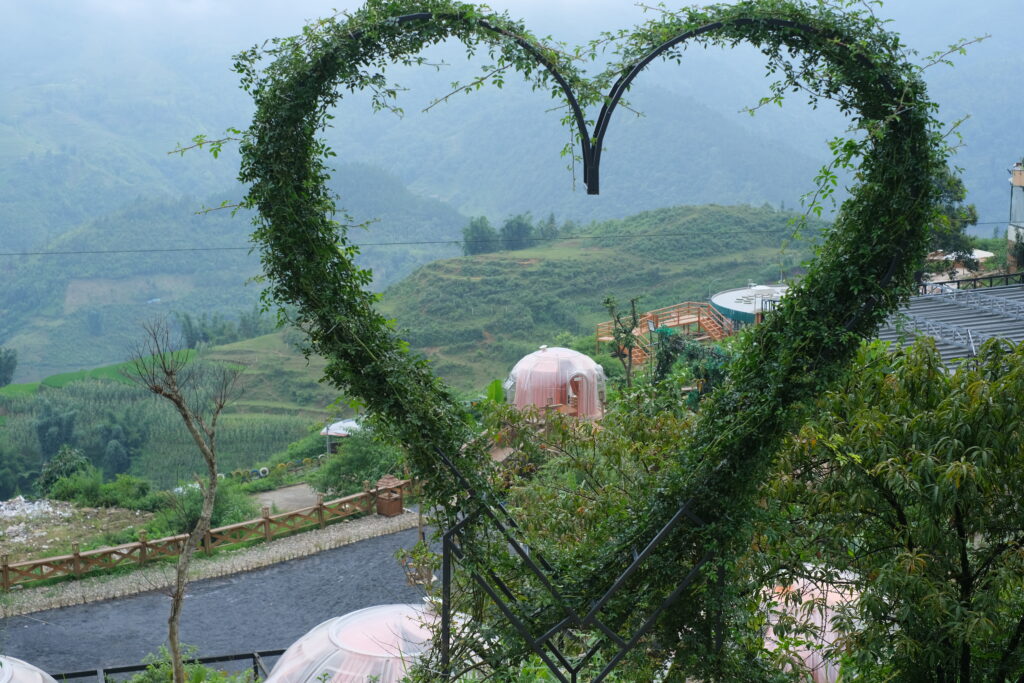
This park is exactly the type of commercial tourism I mentioned earlier. It is artificially created for “photo hunters”, so it is busy especially during weekends and sunny afternoons. The entire area is designed to offer beautiful views of the rice fields and surrounding mountains.
PRACTICAL INFORMATION
The entrance fee is usually around 80-100 thousand Vietnamese dong (roughly 3-4 USD) and often includes a drink.
MAP:
FANSIPAN – INDOCHINA ROOF
The most famous landmark of the region is Fansipan Mountain, which measures 3143 meters. It is the highest peak in Vietnam and is often called the “roof of Indochina”. Previously, the summit could only be reached by a difficult trek through the jungle that took several days. Today, the journey is much easier, as the modern Fansipan Cable Car leads from the valley.
The cable car ride itself is an experience. The cabin slowly rises above the valleys, and endless green hills and terraced fields appear below you. If you are lucky with the weather, the view is truly magnificent. A surprise awaits you at the top. A large Buddhist complex with pagodas, statues and staircases. The last section to the summit itself leads along long stairs, which for some may be more challenging than the entire cable car climb. But the reward is the view of the endless mountain ridges of northern Vietnam.
MAP:
MUONG HOA VALLEY – THE HEART OF THE RICE TERRACES
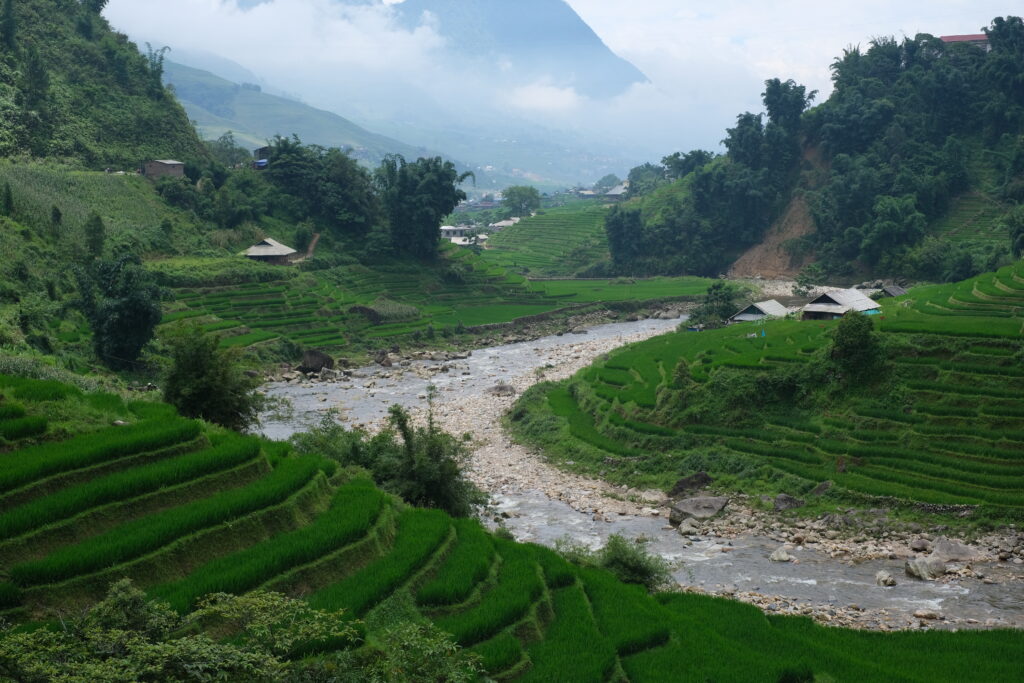
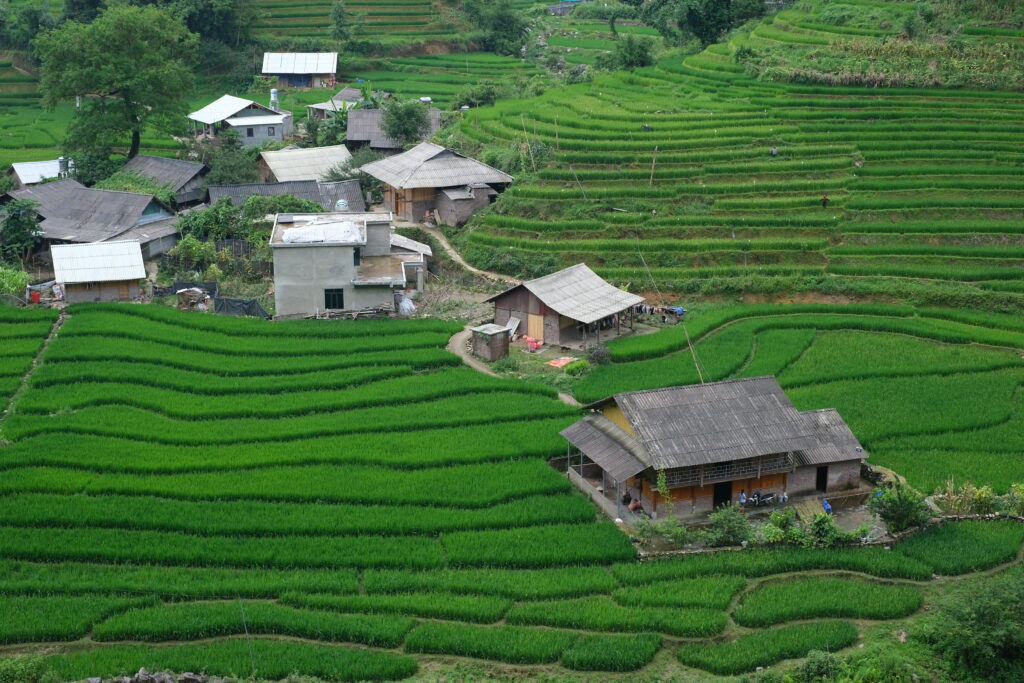
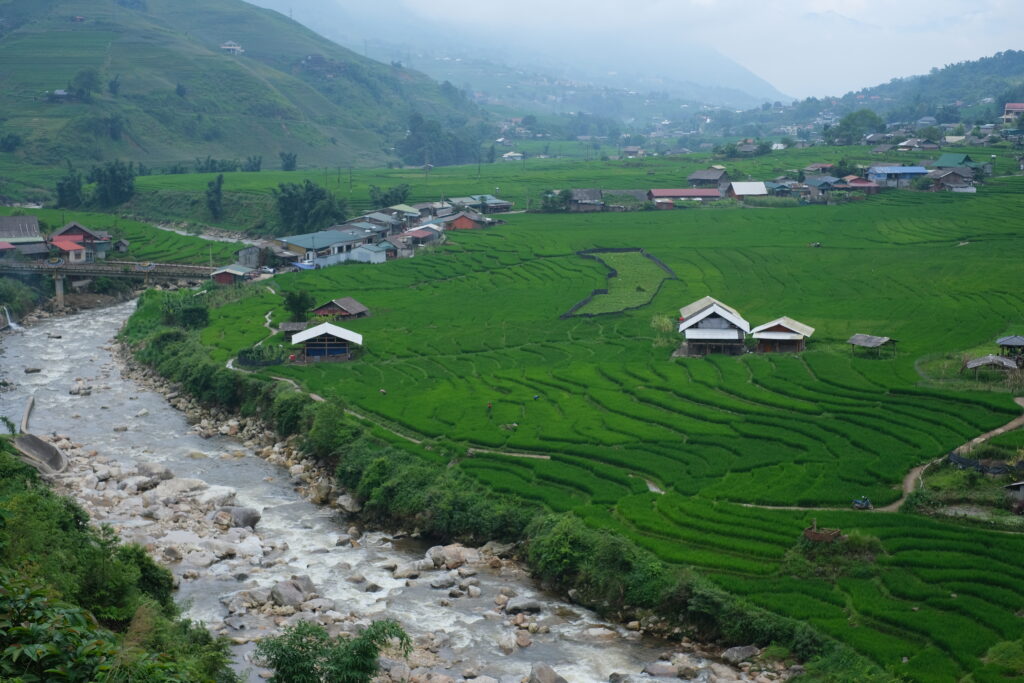
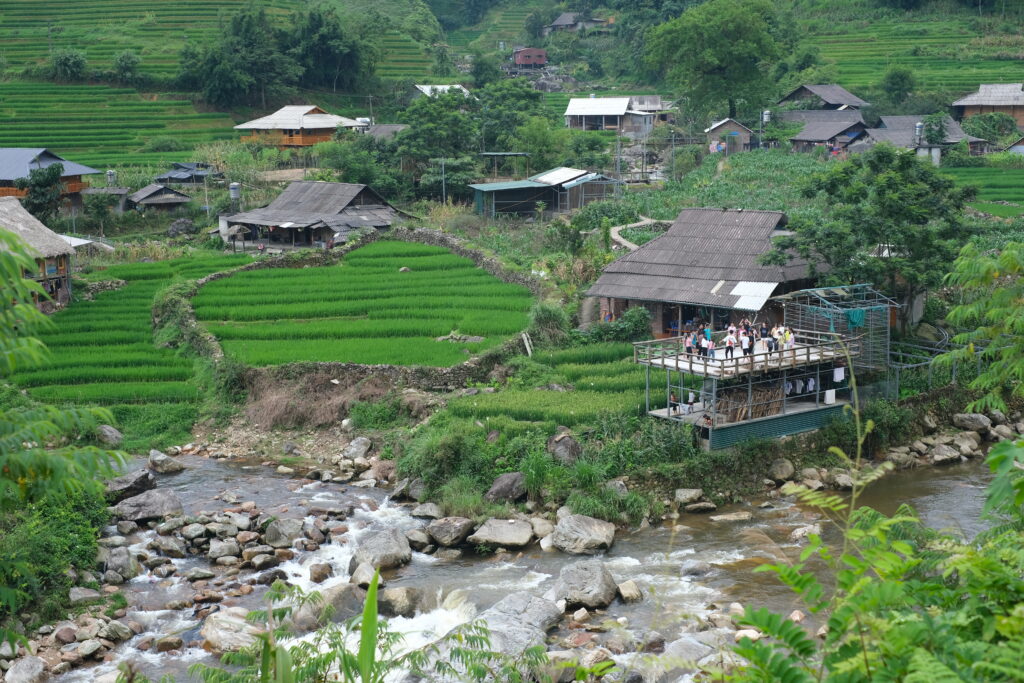
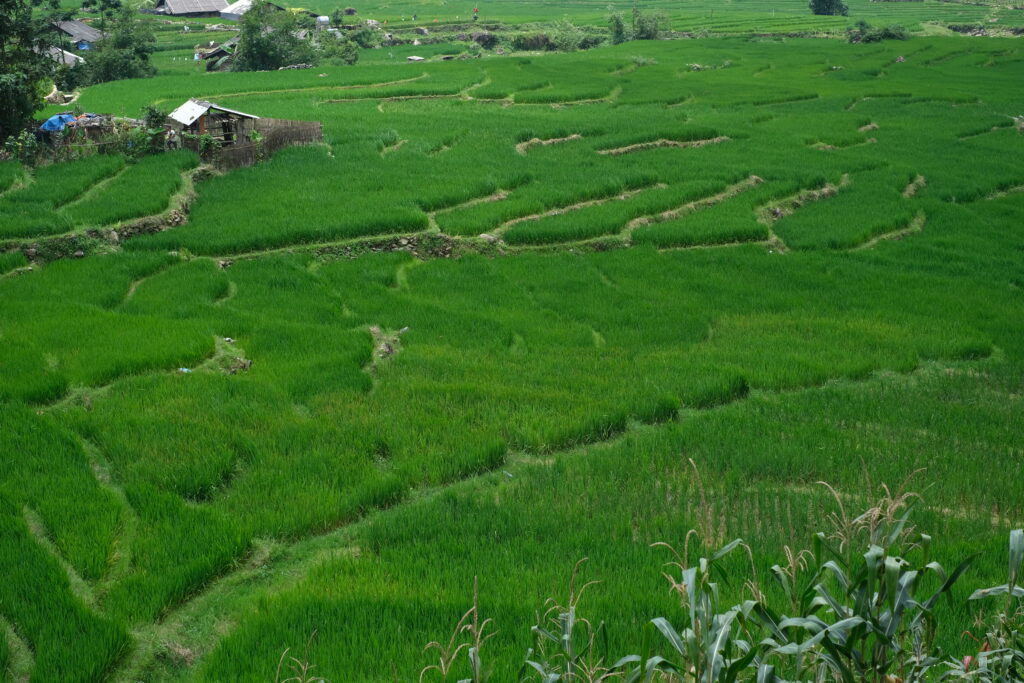
One of the most beautiful places around Sapa is the Muong Hoa Valley. It is here that you will find those famous terraced rice fields that appear in most photos of northern Vietnam. The fields here cover entire mountain slopes and create intricate curves resembling huge stairs. They are bright green in summer, turning golden in autumn.
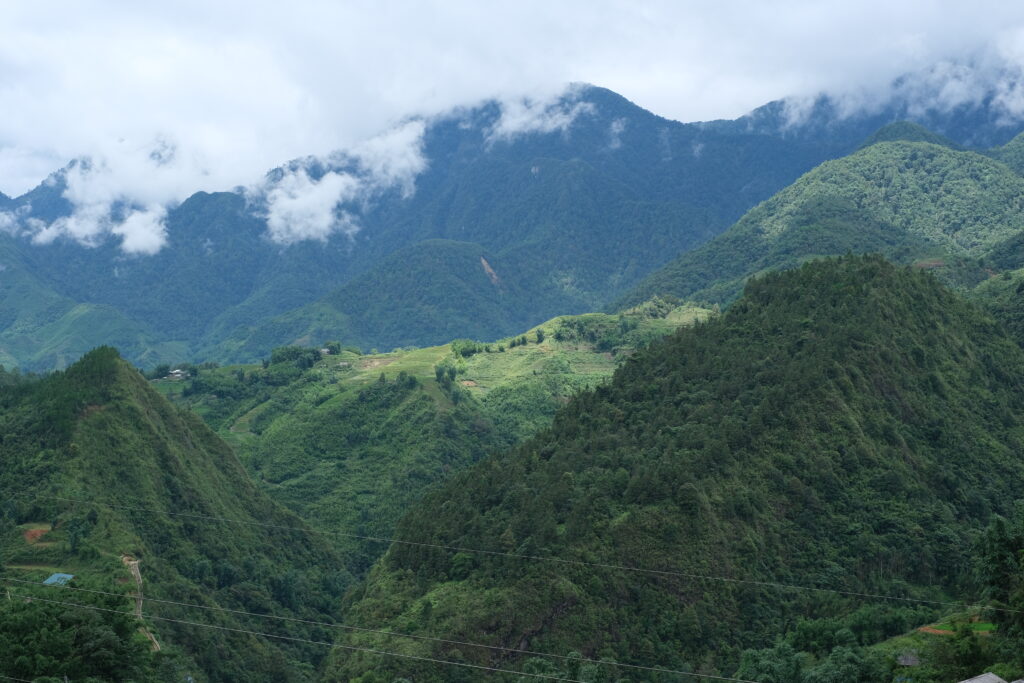
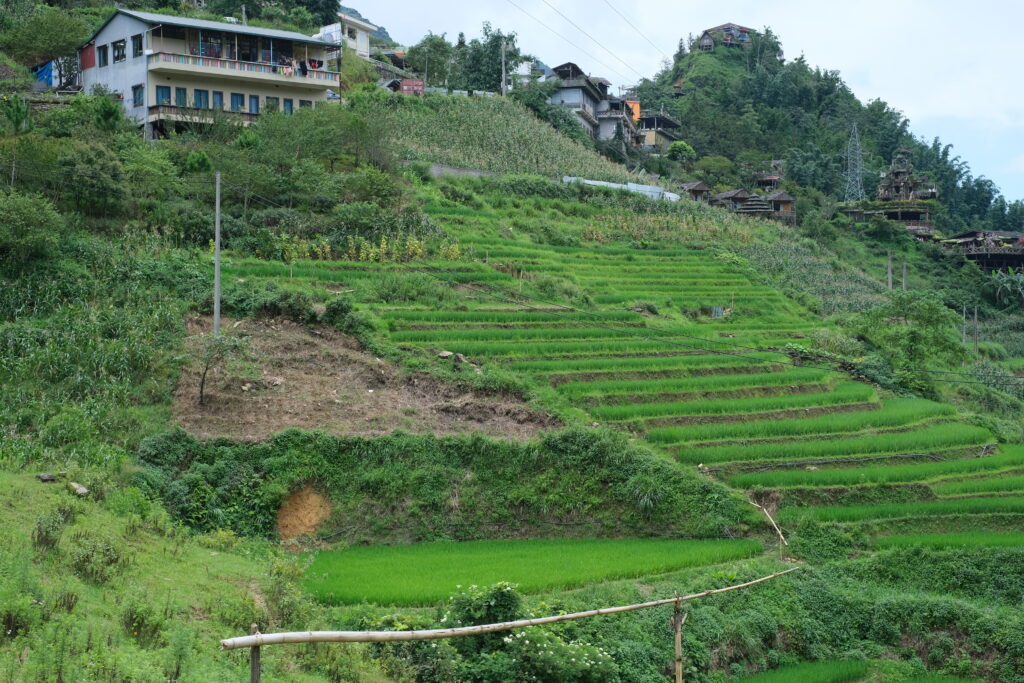
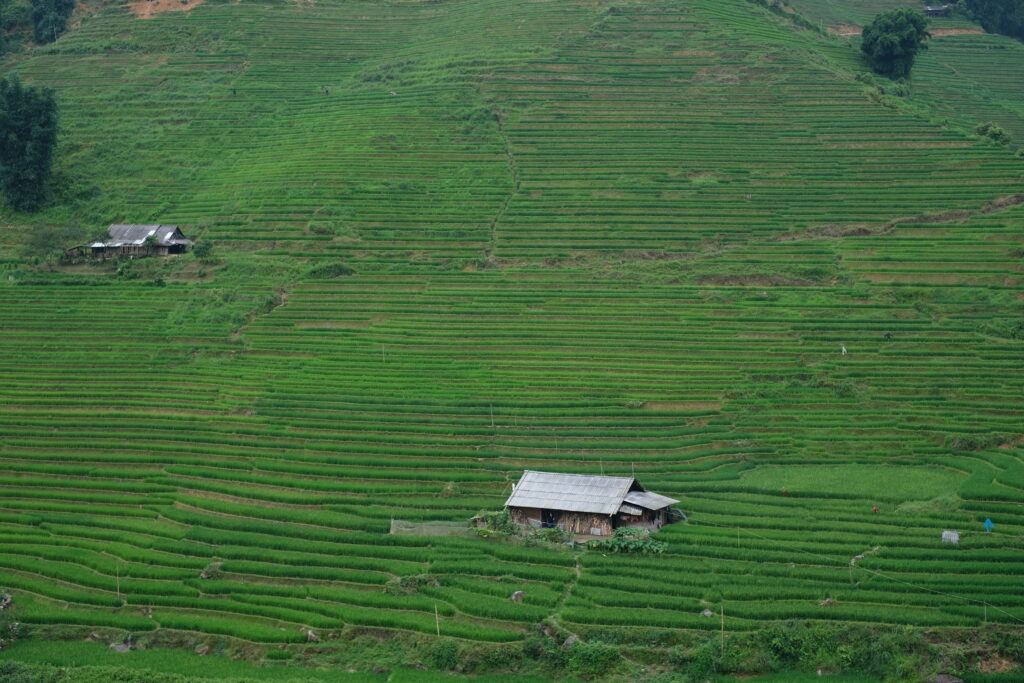
What makes Sapa famous are its terraced rice fields. When you first see them, you feel like someone took a giant comb and combed the entire mountains. The fields here create green curves that wind down the slopes like a giant amphitheater. They are bright green during the rice growing season, and in the fall they turn into a golden sea. And when they fill with water, they reflect the sky, making it feel like the mountains are suddenly wearing mirrors.
Imagine if someone had to carve each field into the hillside, level it, irrigate it, and maintain it. Without excavators, without modern machinery. Just a hoe, patience, and a bit of mountain stubbornness. And the result? One of the most beautiful landscapes in all of Southeast Asia.
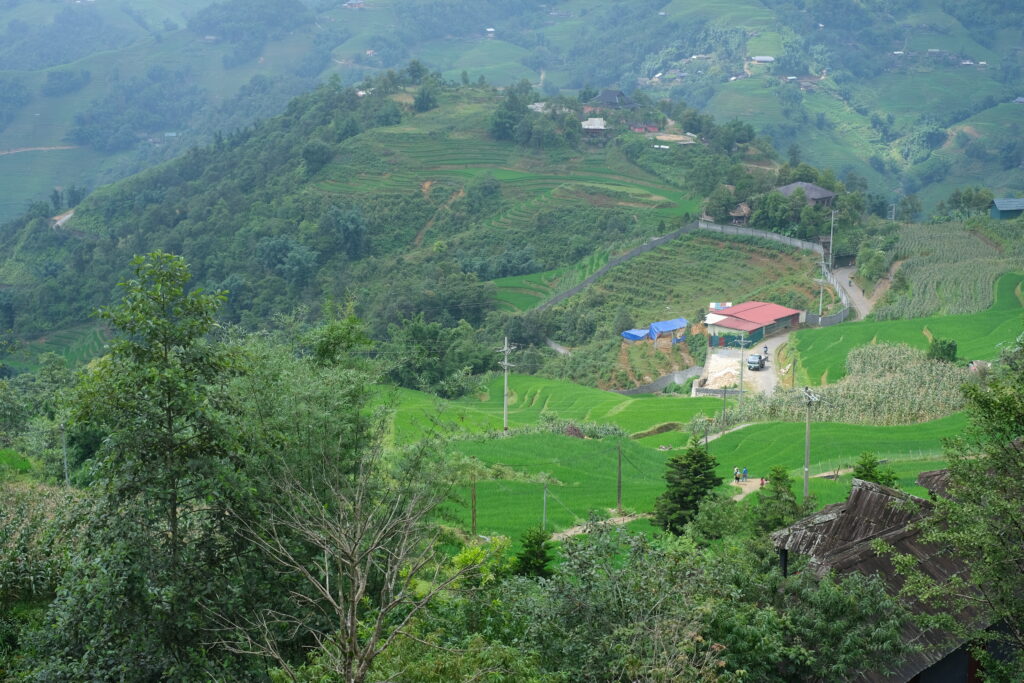
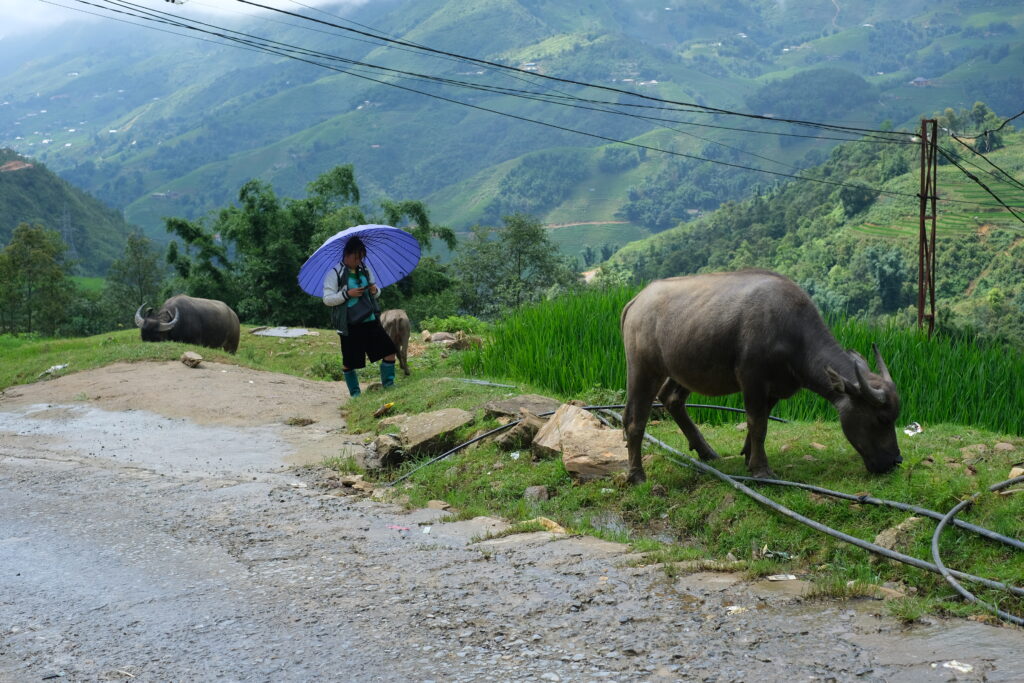
There are several trekking routes through the valley that connect the individual villages. This is the best place to experience the real life of the local people. Farmers who grow rice on these steep slopes just like their ancestors did hundreds of years ago.
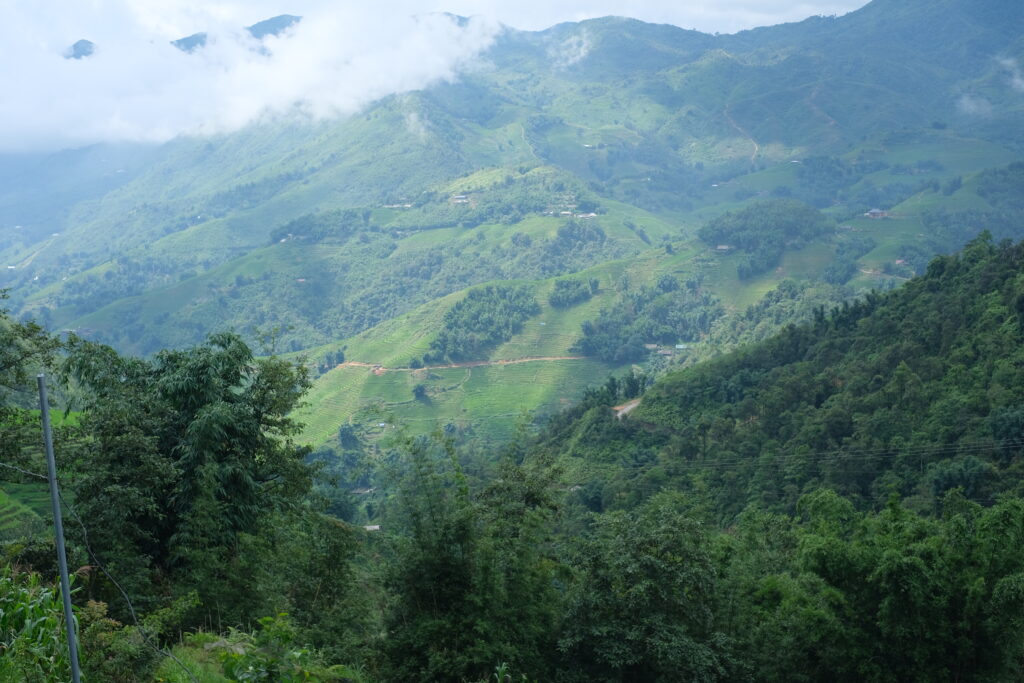
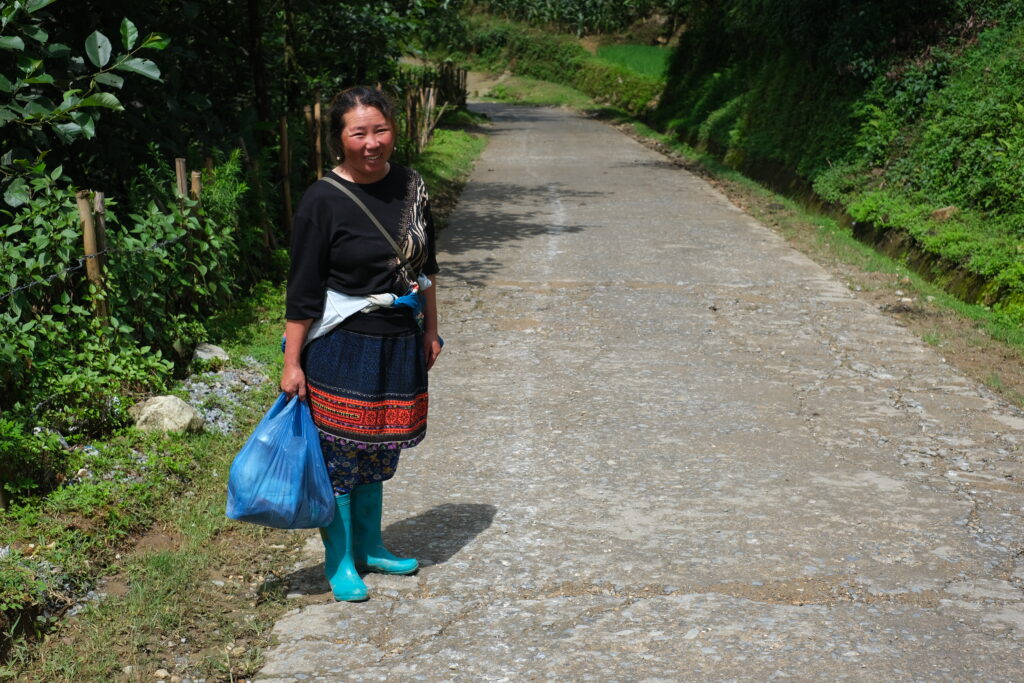
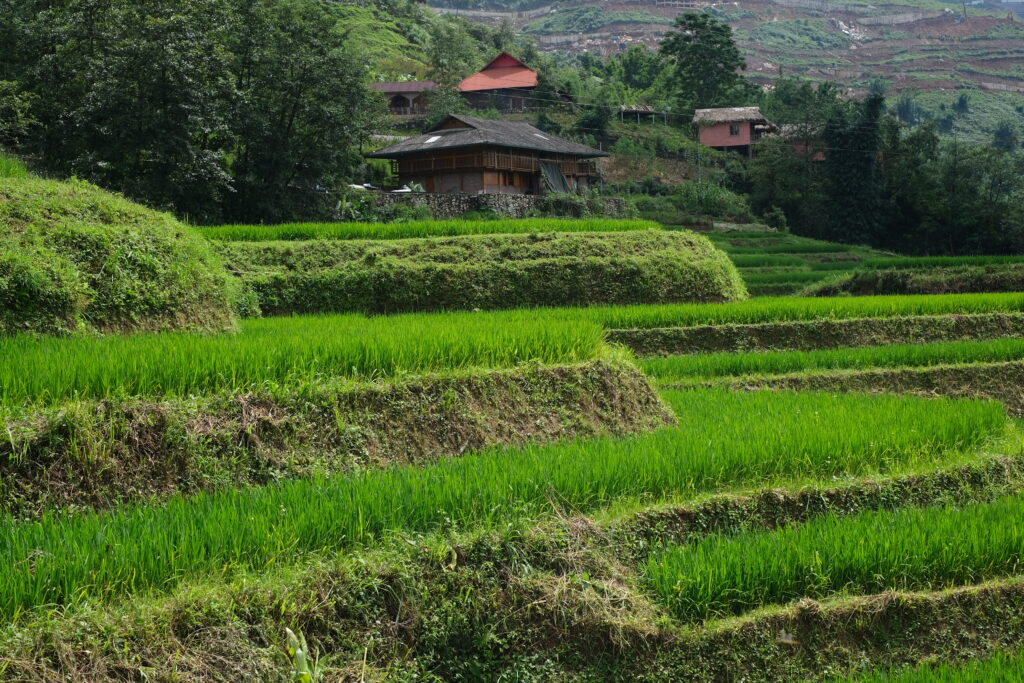
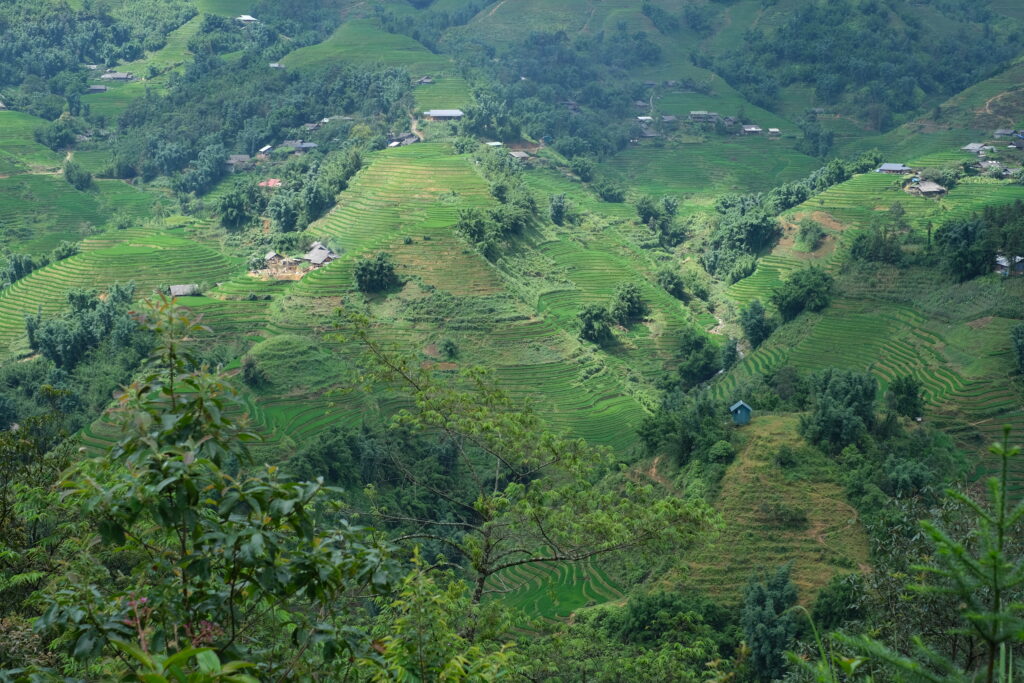
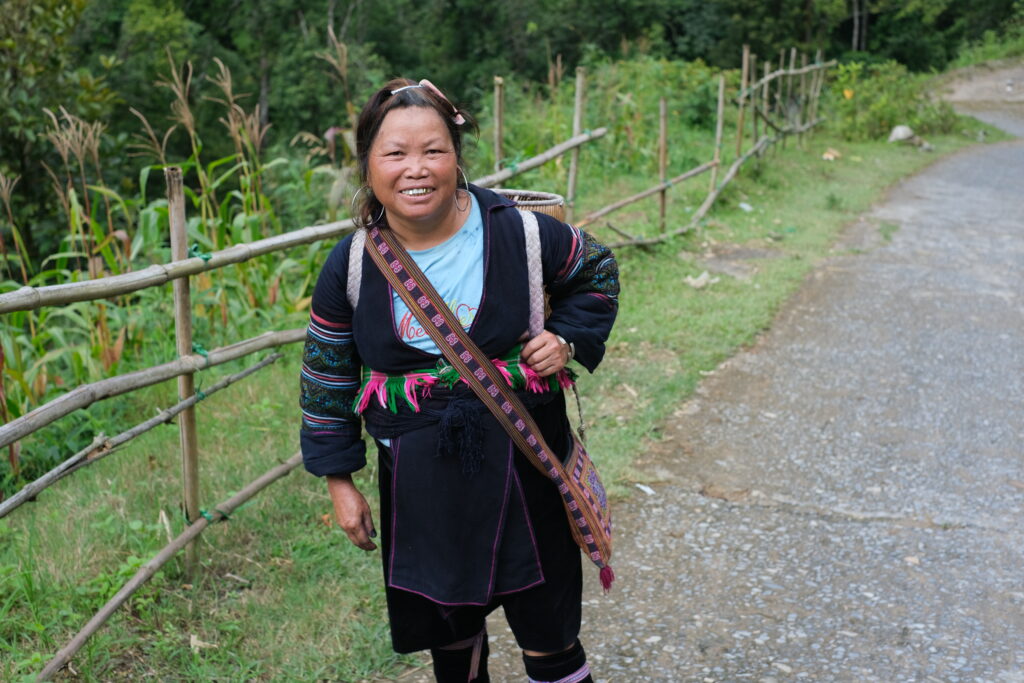
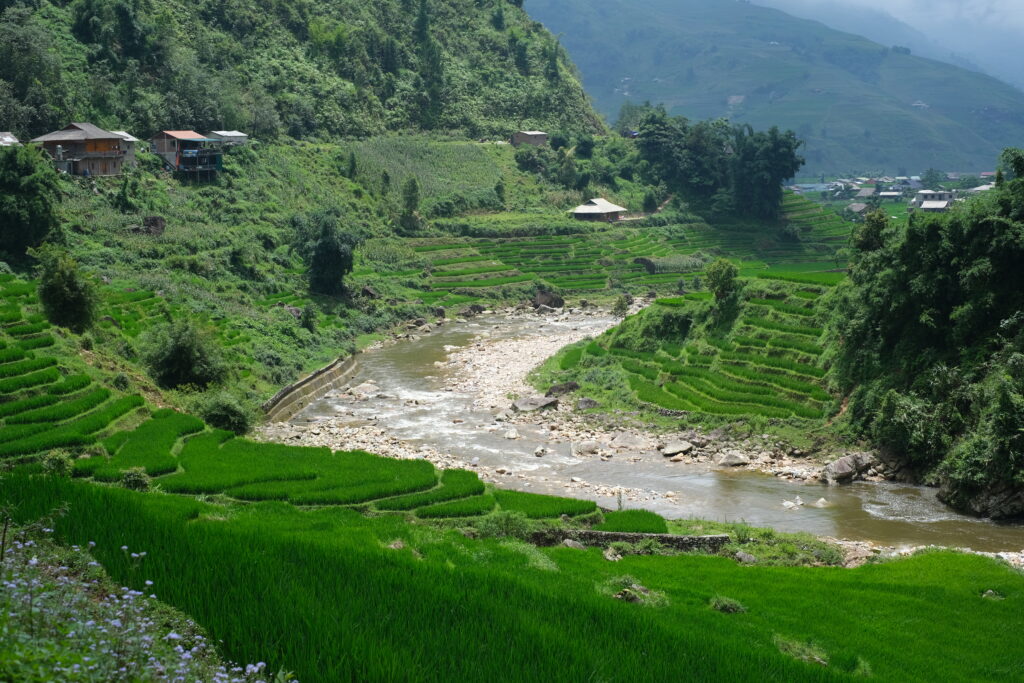
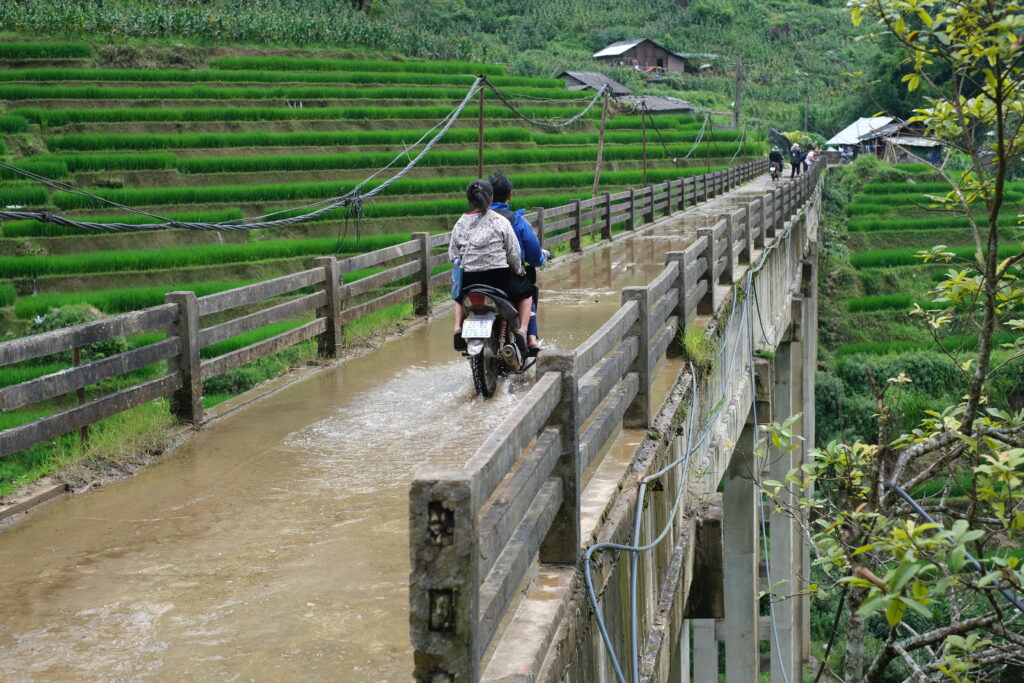
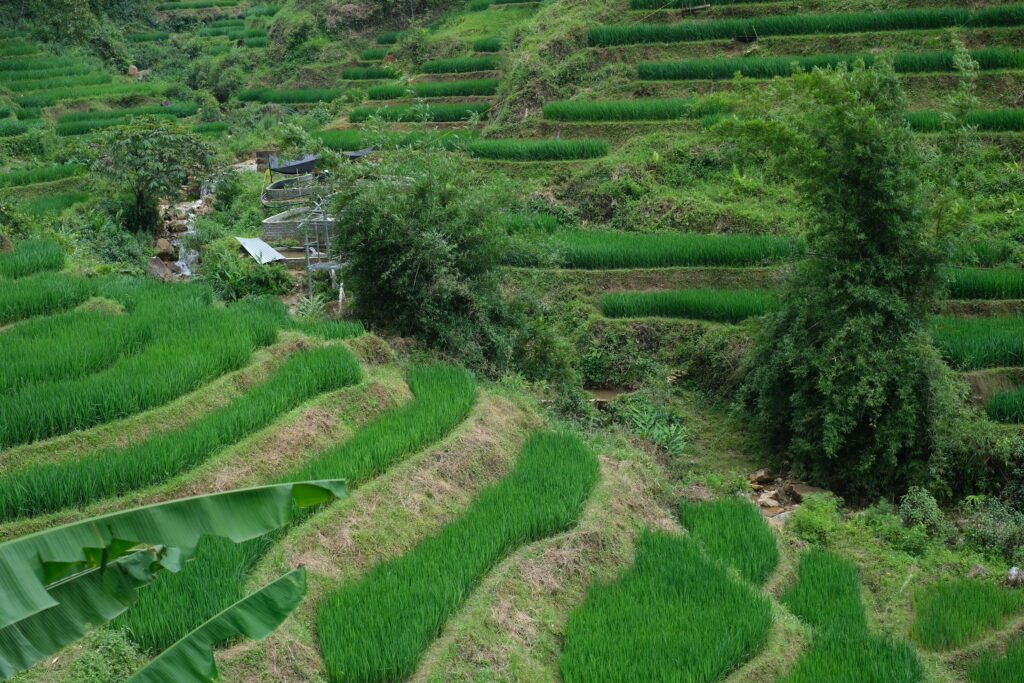
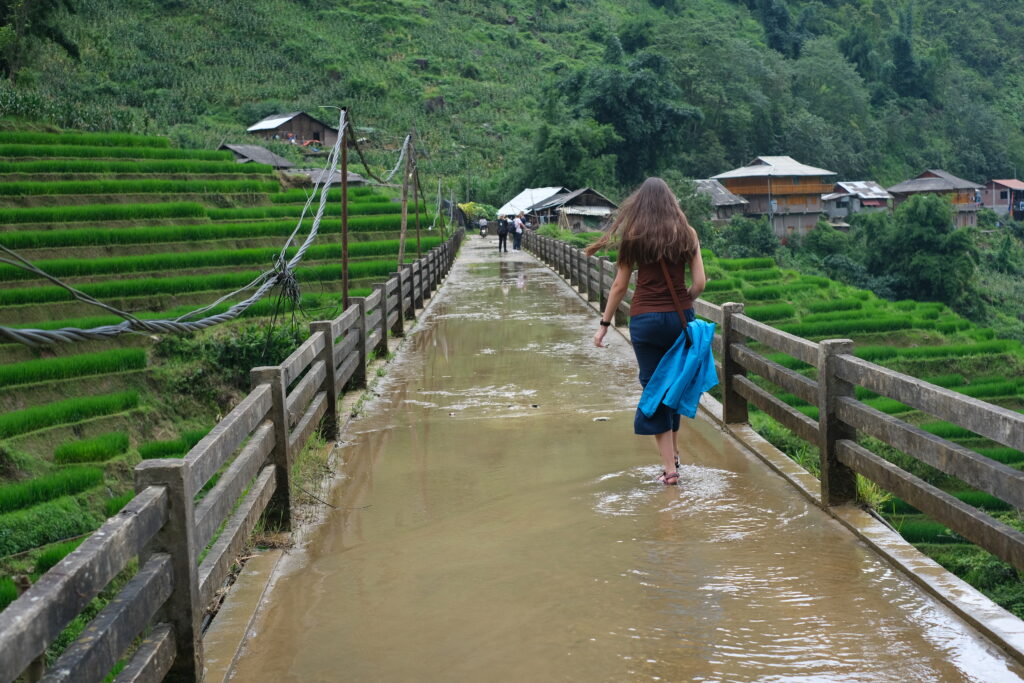
Trekking, which is not just hiking. People go to Sapa mainly to walk. And when I say walk, I mean really walk a lot.
LAO CHAI: VILLAGE WITH BEAUTIFUL VIEWS
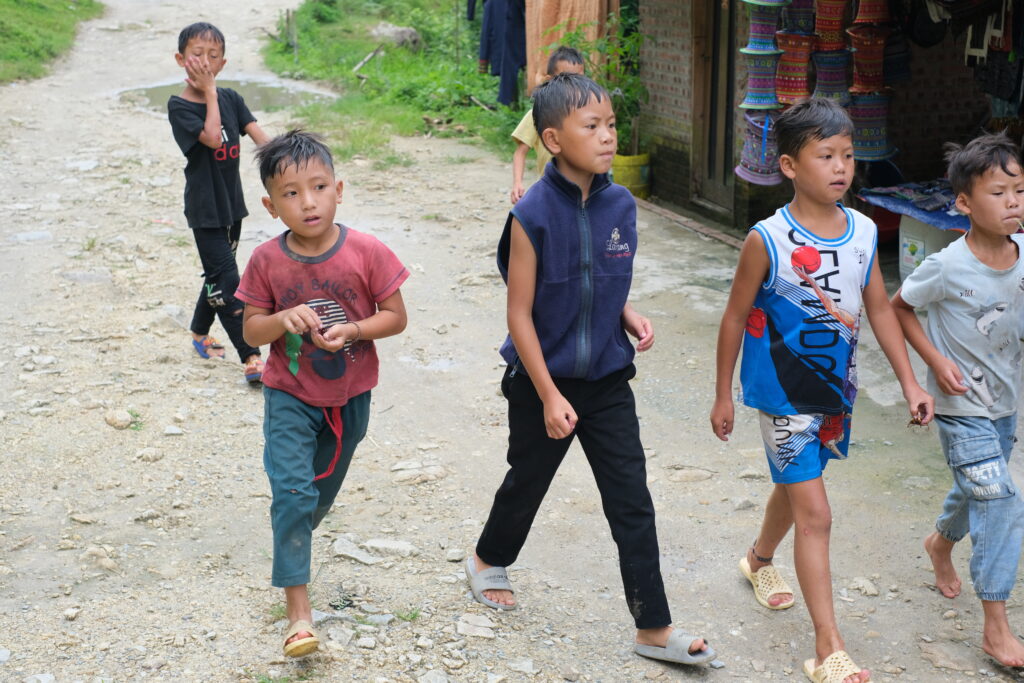
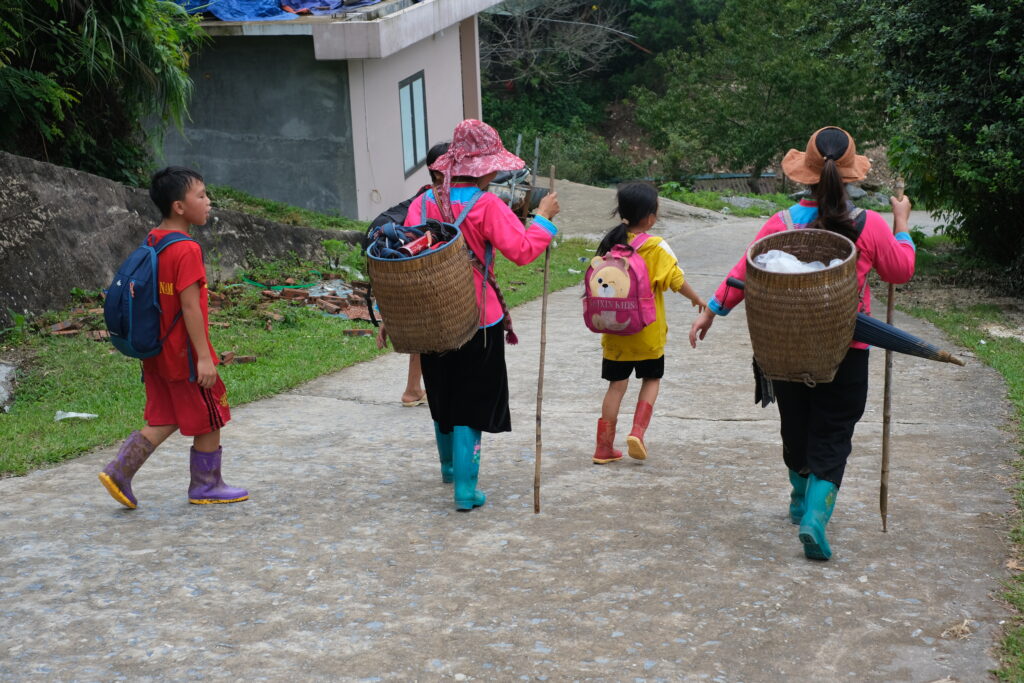
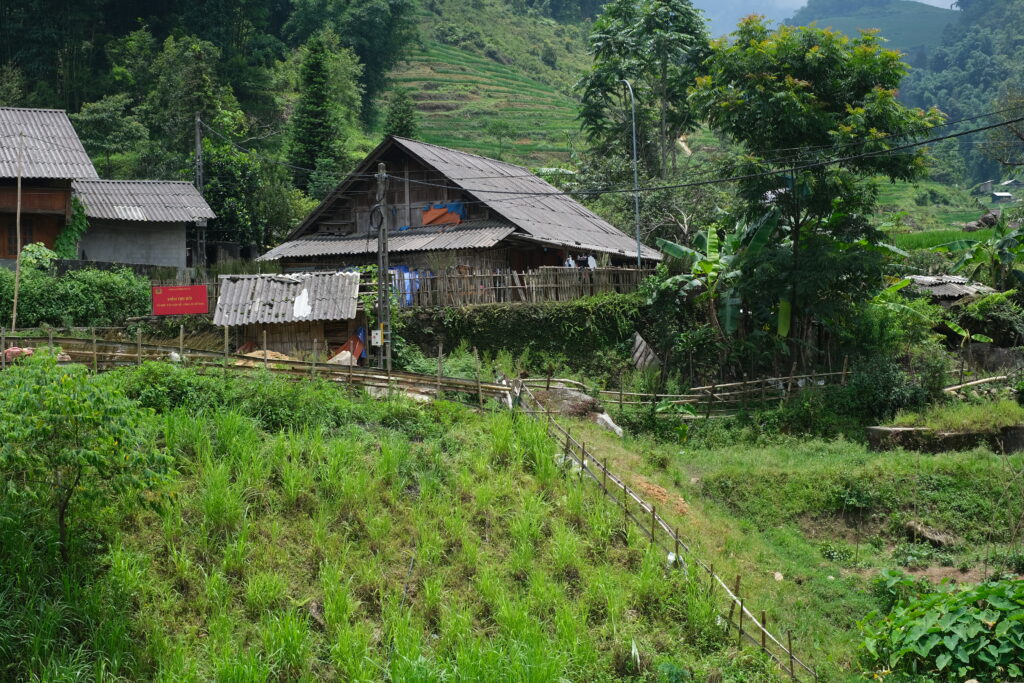
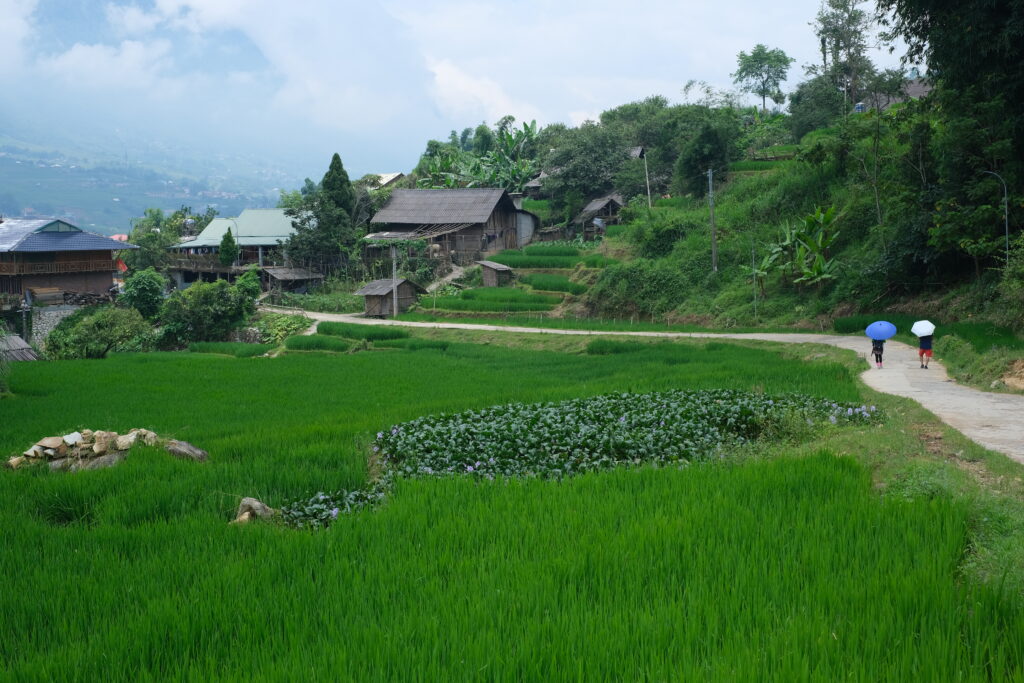
Our goal was clear. To go on a day trip to the village of Lao Chai in this valley. The road leads through the village of Y Linh Ho. It is spread out on a slope above the rice fields and offers some of the most beautiful views in the entire region. Mornings in the valley are magical. The valley is drowned in thick fog, from which rustic houses with moss-covered roofs gradually emerge. It is a place where time has stopped and where the main rhythm of the day is determined by nature and work in the fields.
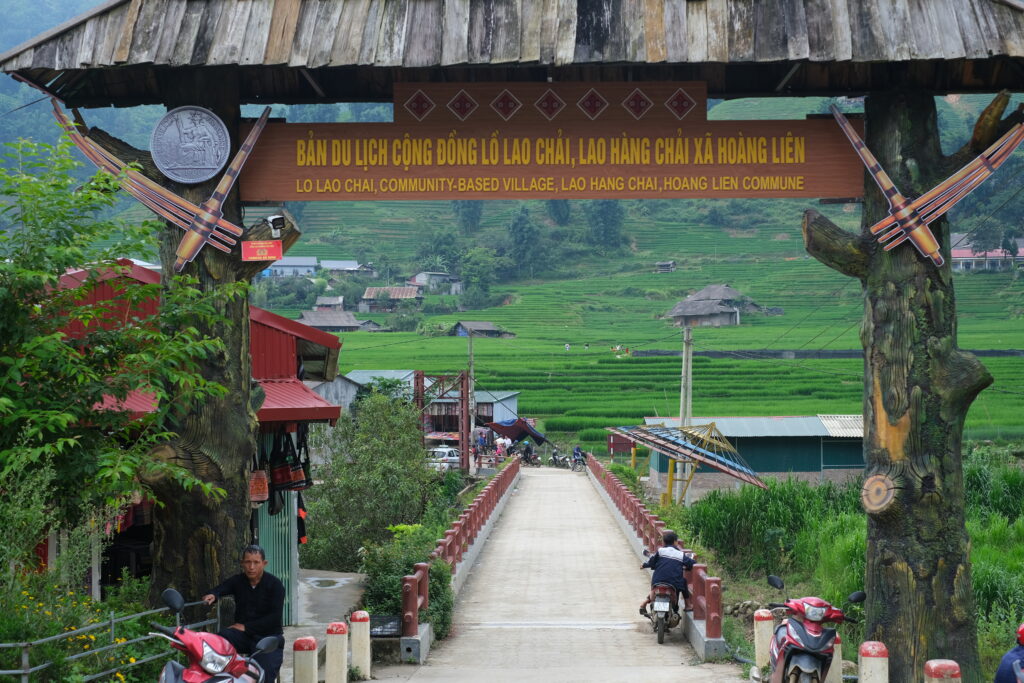
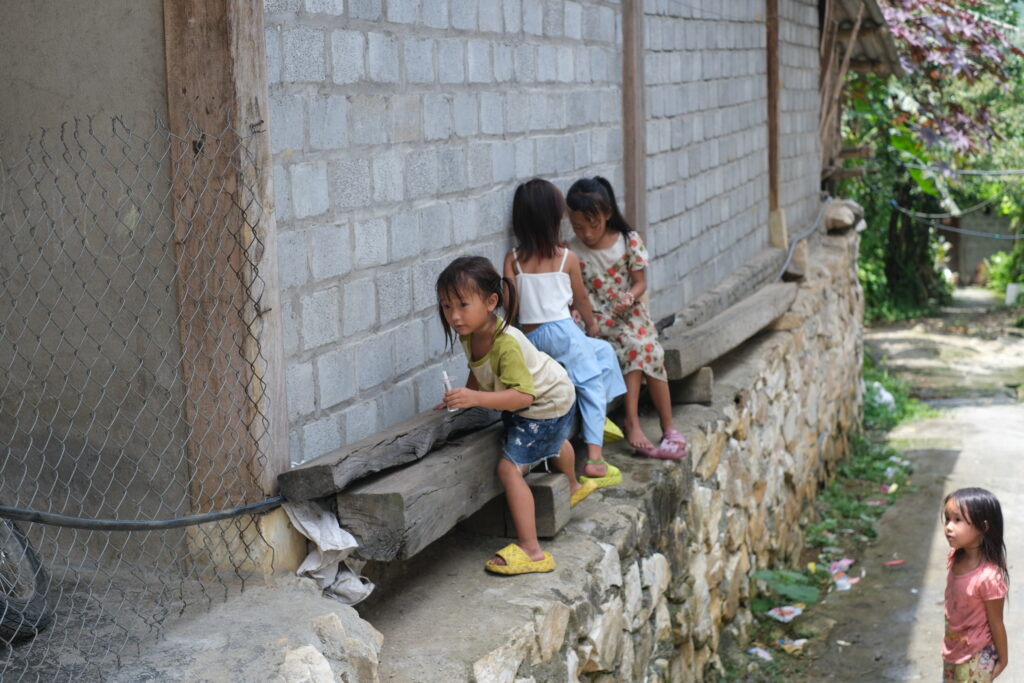
The houses here are simple. Mostly wooden or stone. Water buffaloes graze among them. Animals that are still indispensable for local agriculture. Lao Chai is an ideal place for a short stop during the trek, if you decide to do a multi-day trek.
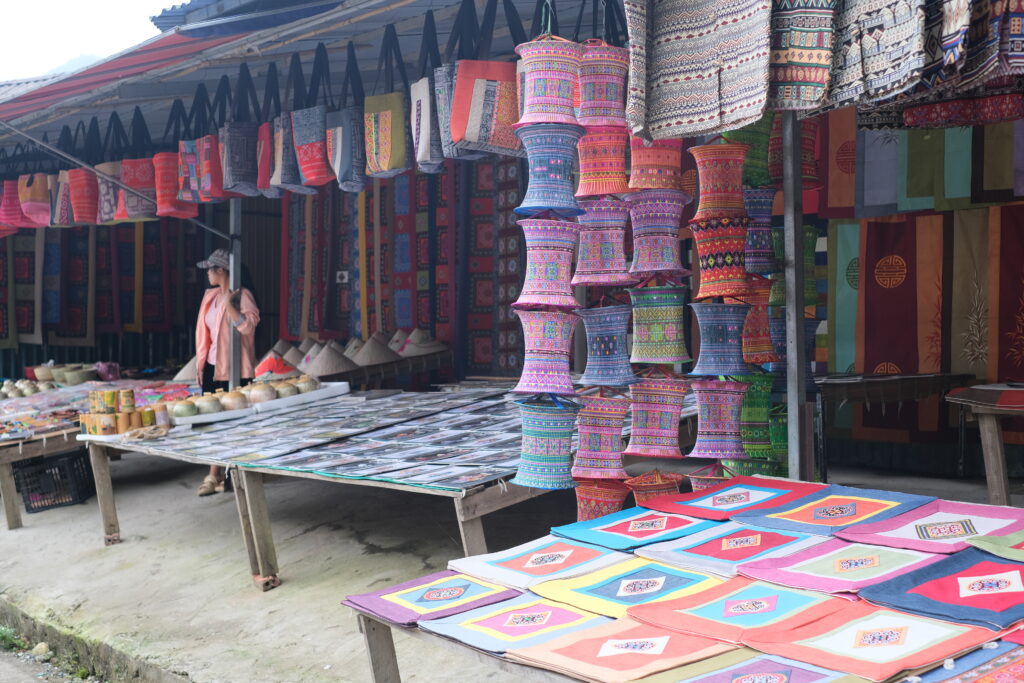
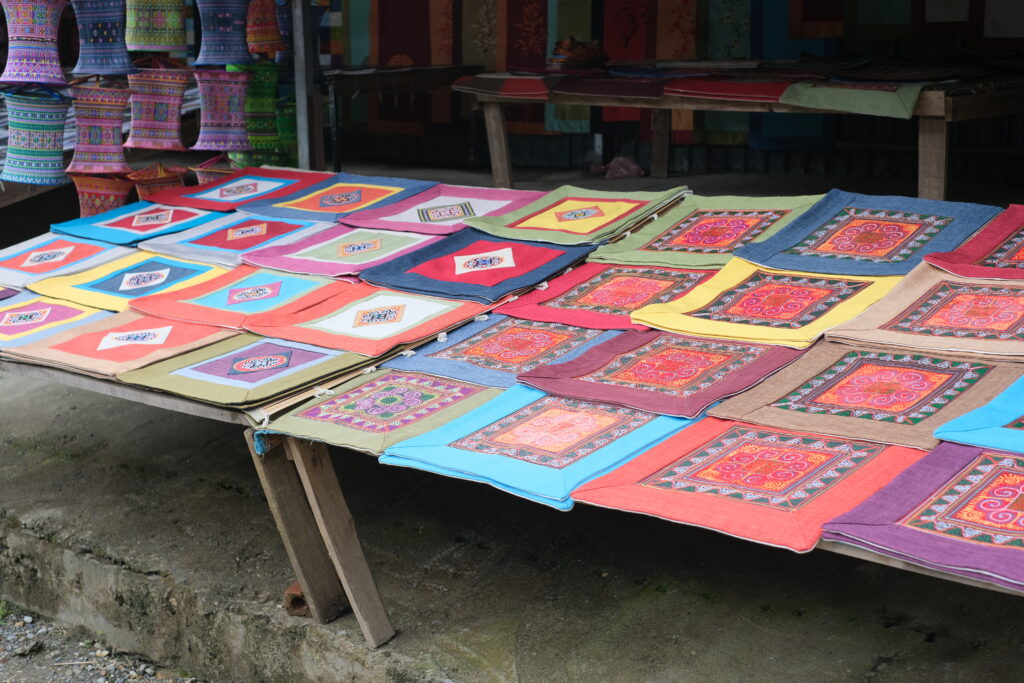
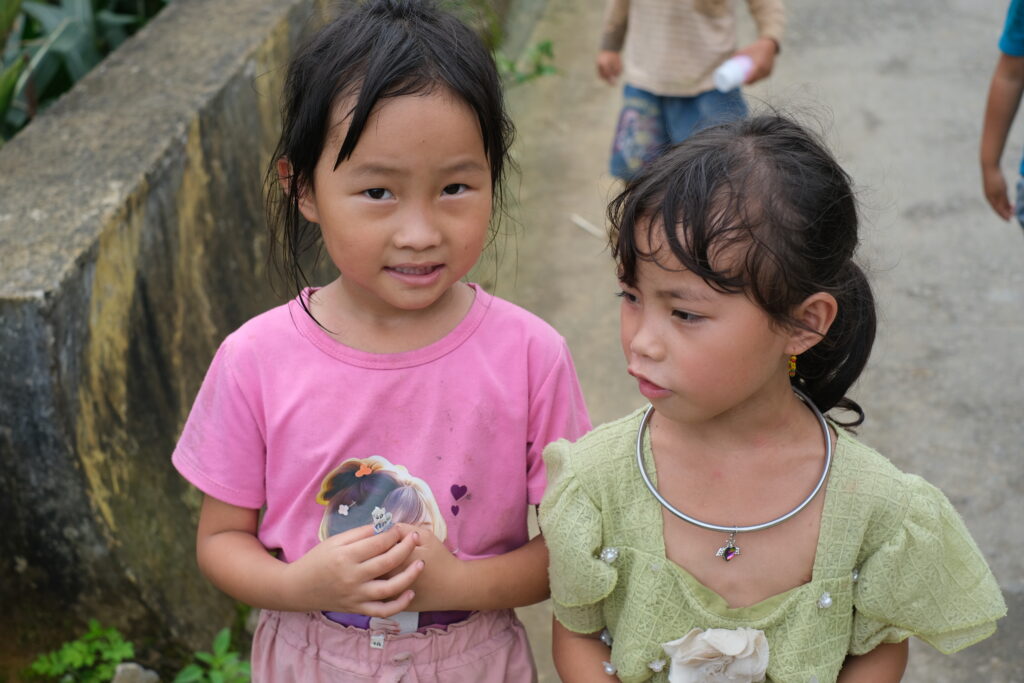
The village is not home to just one group, but several ethnic groups that have divided the valley according to altitude. The Black Hmong make up the majority of households. They prefer to live in the higher elevations above the village, where they grow corn, tapioca, and mountain rice. You can recognize them by their traditional, indigo-dyed costumes and incredible hospitality. Small family-run restaurants often offer simple meals or tea, so you can sit for a while, look out over the rice fields, and observe the slow rhythm of mountain life.
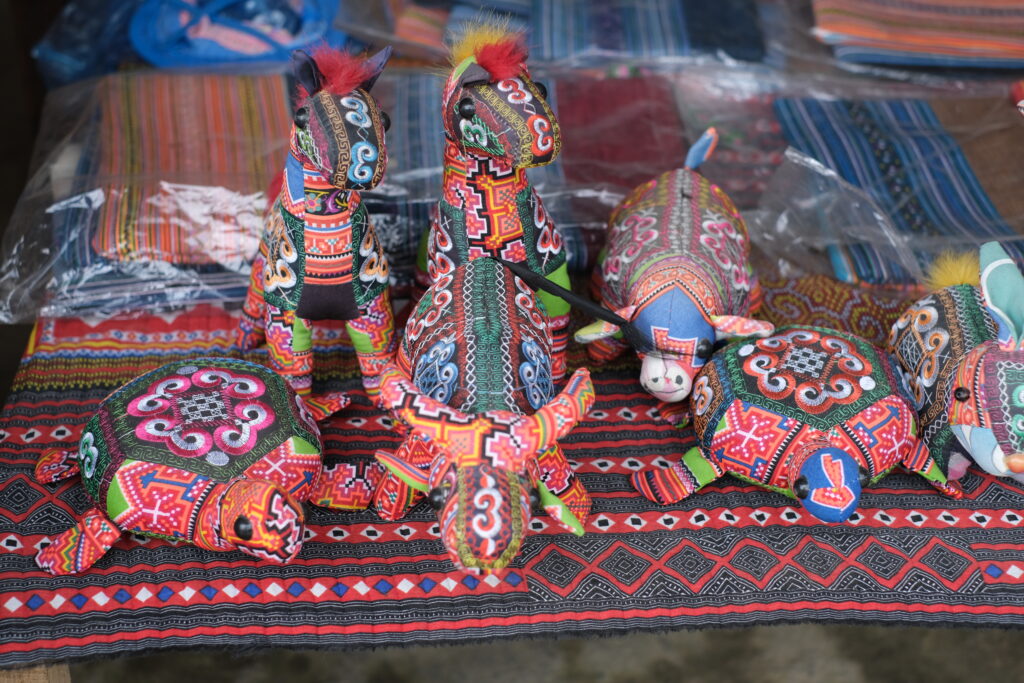
There are about 40 households of the Giay ethnic group living here. Mostly in the lowlands along the Muong Hoa River and Stream, where they engage in intensive rice cultivation in irrigated fields. The ancestors of the local Hmong people came to the area from southern China approximately 300 years ago.
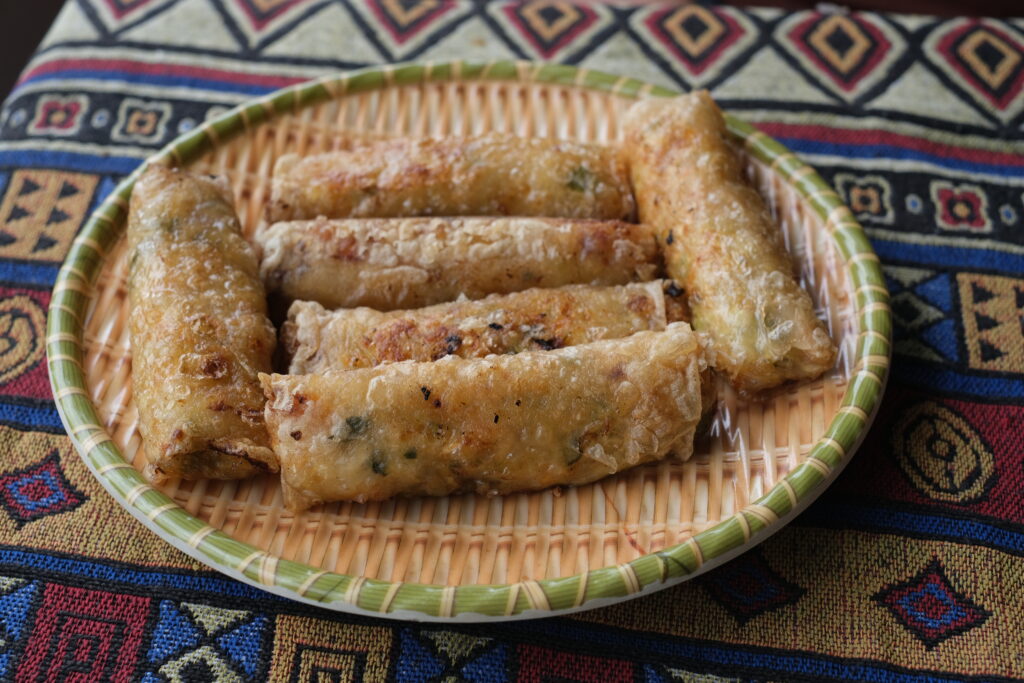
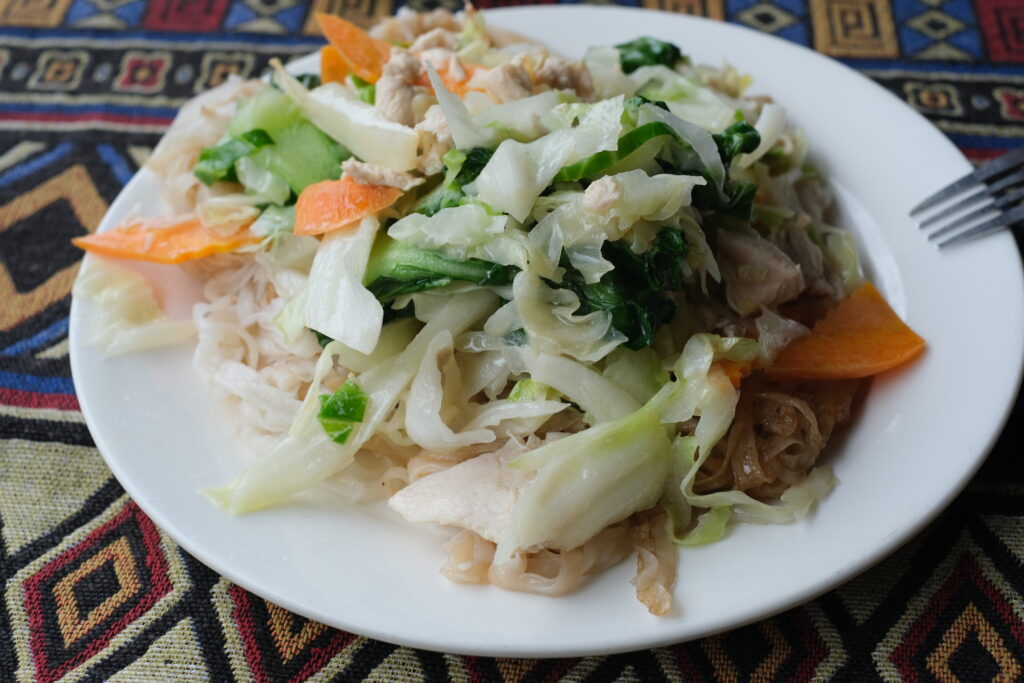
Lao Chai is famous for its textile art. The Black Hmong are masters of working with hemp and indigo. The dyeing is so intense that local women often have their hands permanently dyed blue. They create patterns on the fabrics using beeswax (batik technique), with which they draw symbols inspired by nature such as the sun, seeds or mountains. In addition to textiles, the locals are known for their herbal baths, which are ideal for regeneration after trekking.
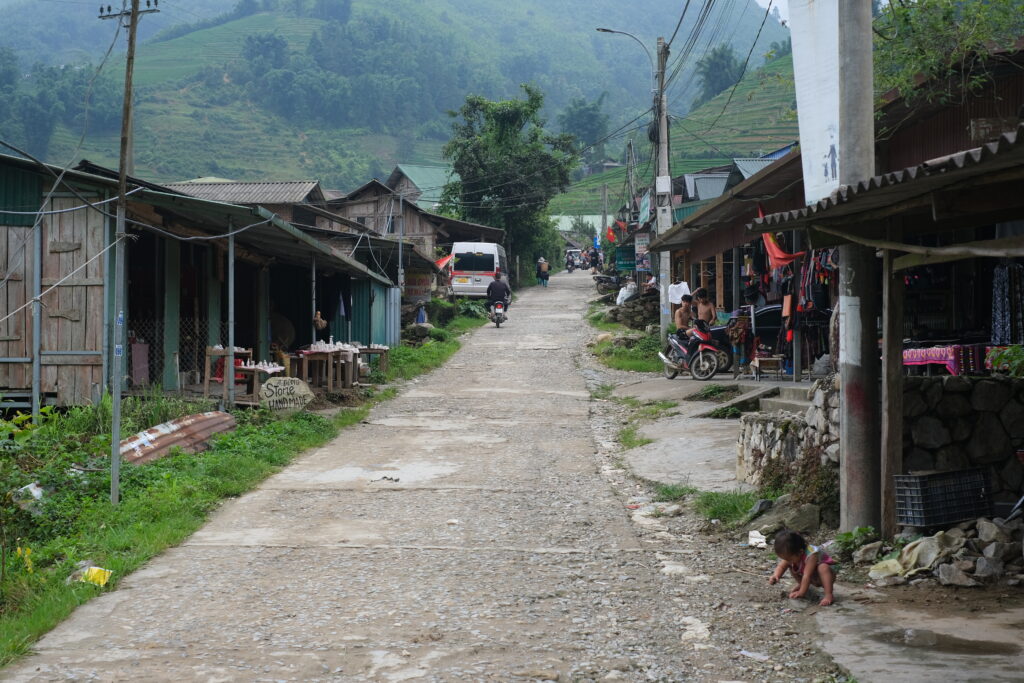
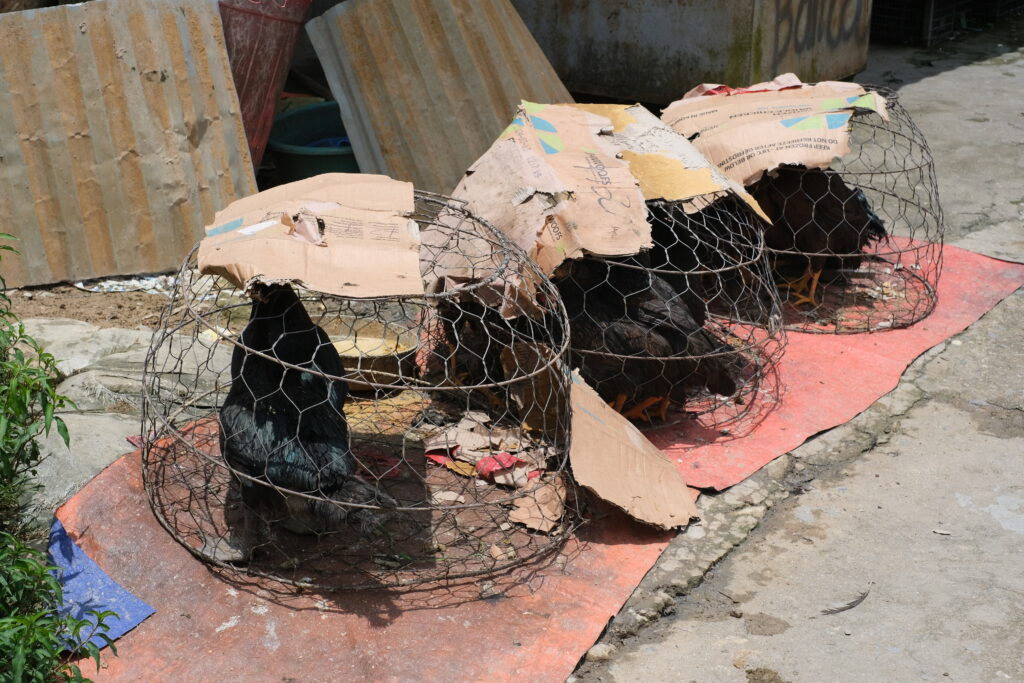
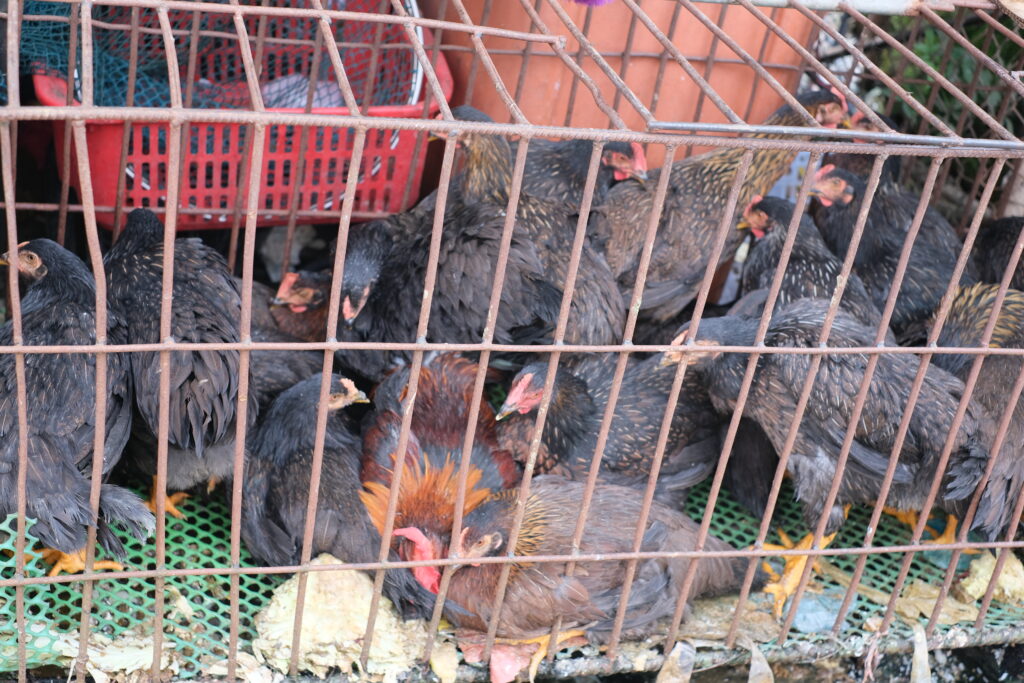
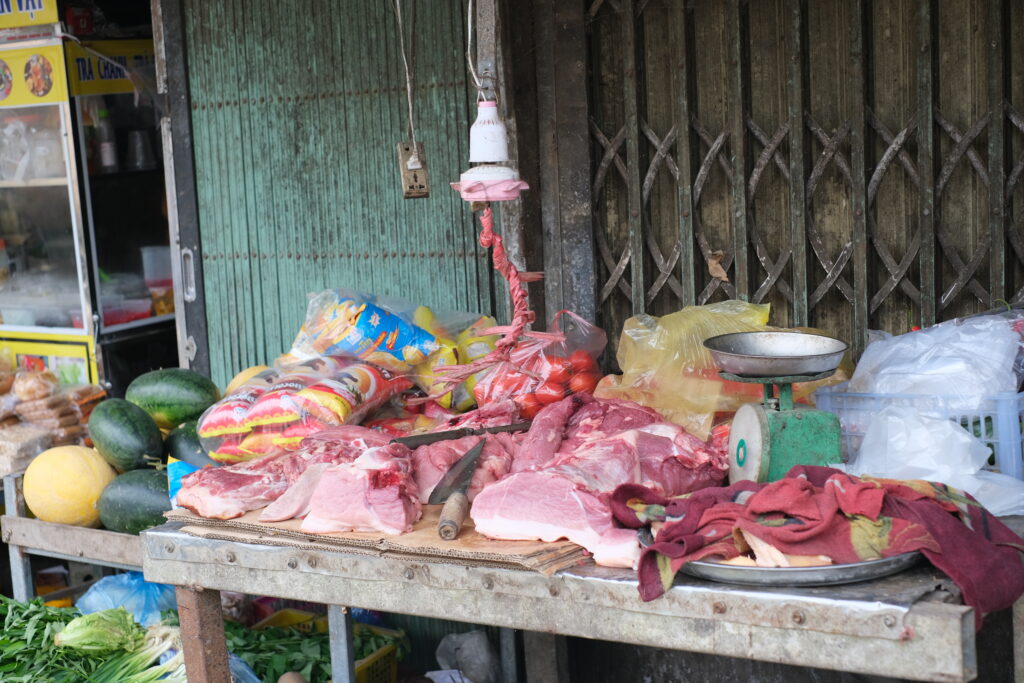
Houses in Lao Chai are built to withstand the mountain climate. They are built low to the ground, often without windows, to keep the inside warm during the freezing winters. The main material is traditionally “Siam” wood, which is very durable. The village is now an important center of community tourism, where income from homestays and souvenir sales directly helps to maintain the traditional way of life in this impoverished region.
MAP:
HOW TO GET TO SAPA? USE THE MOBILE COFFIN
The most common starting point for a trip to Sapa is Hanoi. The distance is approximately 320 kilometers. There are several ways to get there:
NIGHT TRAIN
The most classic way is to take a train from Hanoi to the city of Lao Cai, which is about 35 km from Sapa. The journey takes about 8 hours. If you choose this option, take a night train. Most people choose this option. From Lao Cai, you have to continue by minibus or taxi to Sapa. This option is also popular among travelers because you save a night in a hotel.
BUS AND MINIVAN
I would say the fastest and probably the most common way. The journey time from Hanoi takes 5-6 hours. Buses run several times a day and often drop you off right at your hotel.
If you choose to travel by bus, you have a choice of several levels of comfort and safety Sleeper Bus (Standard). The cheapest option with 32-44 beds in three rows and two floors. Designed for people under 180 cm tall, they tend to be cramped and are often subject to petty theft.
VIP Cabin Bus: A more modern version with 20-22 private “cabins”. They offer more privacy, wider beds, USB charging and sometimes a massage function. They are considered a safer and cleaner option.
Luxury Van / Limousine: Nine-seater vans with adjustable seats. They are faster, more flexible, but they travel on the highway during the day, which is statistically safer than night crossings.
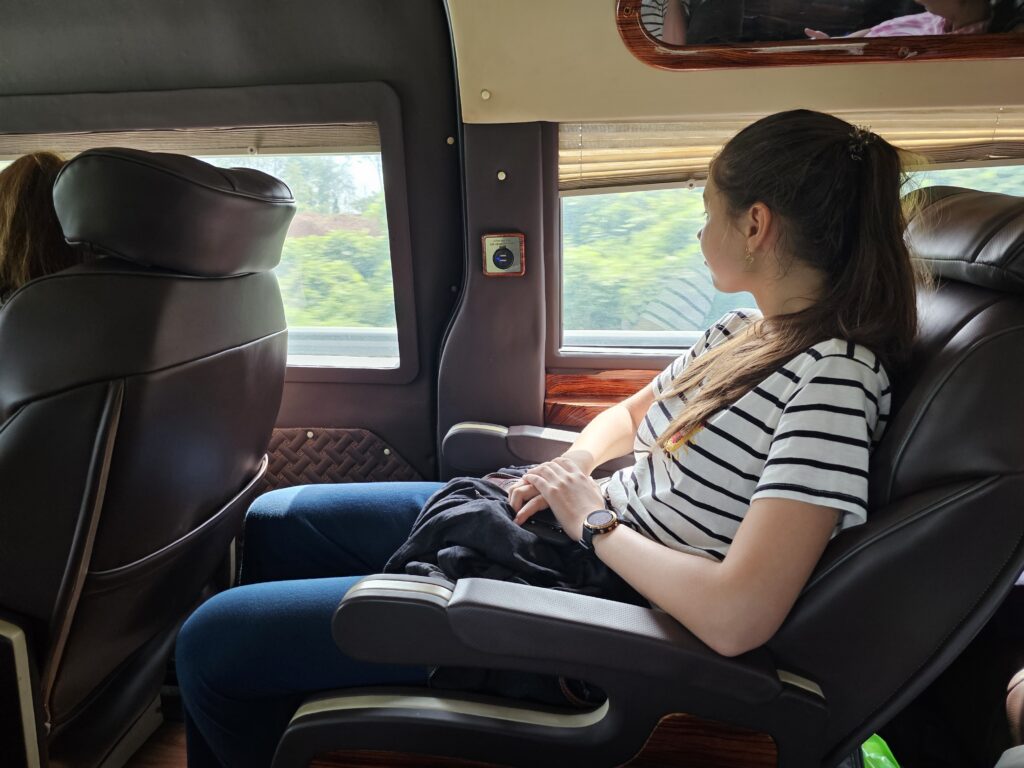
WELL, WHAT DID I CHOOSE? A MOBILE COFFIN 🙂
I had no idea what our bus would look like. And in the end, it turned out to be a rolling coffin. These buses earned the nickname “rolling coffins” due to a combination of a high accident rate and an aggressive driving style. These vehicles are often converted into sleeper versions in workshops without proper safety checks, which makes it difficult to escape in the event of an accident or fire. Traveling during the day is generally safer than driving at night, when drivers are tired and there is a higher risk of collision. And we drove during the day, so everything went smoothly.
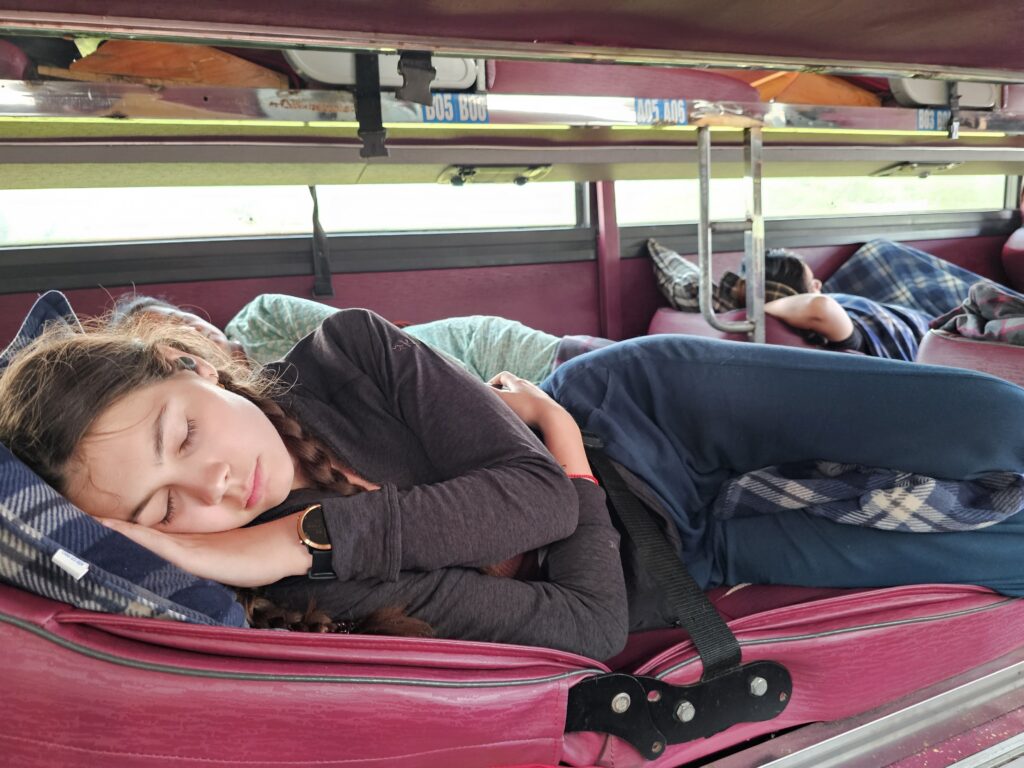
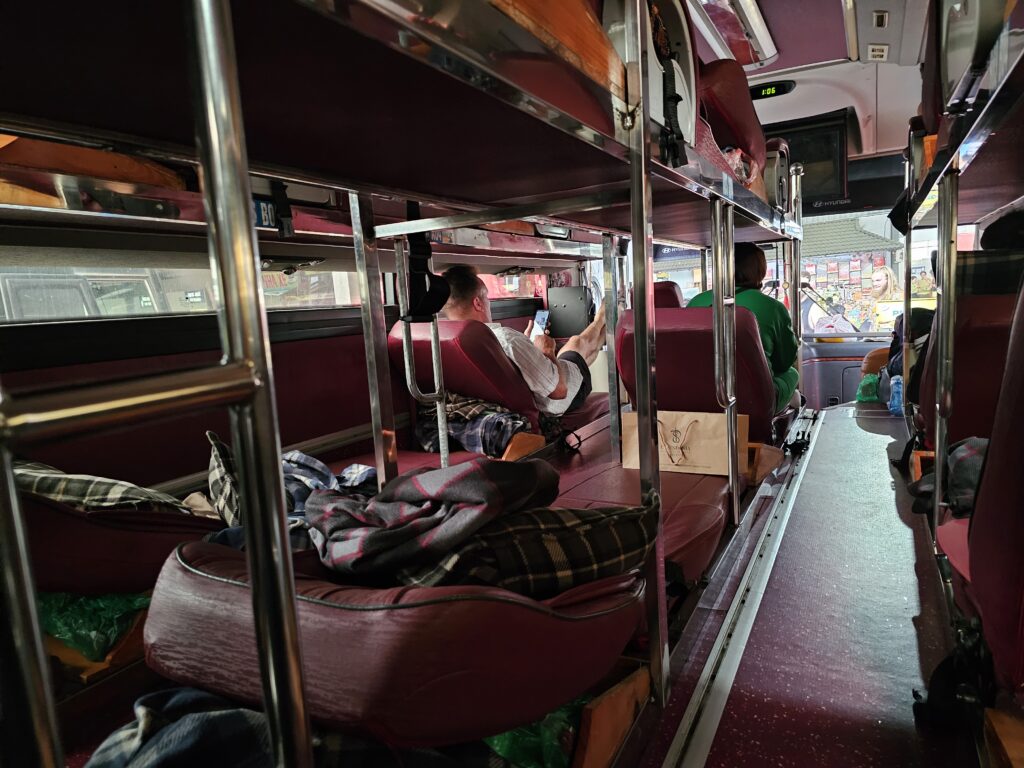
WHEN IS THE BEST TIME TO VISIT SAPU?
Each season has a slightly different atmosphere:
- March – May: green landscapes and pleasant weather
- September – October: golden rice terraces (the most photogenic season)
- December – February: cold and foggy, sometimes even snow
Rice terraces, mountain trails and meeting local people are among the most powerful experiences in all of Vietnam. And perhaps that is what is most interesting about Sapa. It is a place where wild mountain nature meets modern tourism. And when the fog lifts over the rice fields in the morning, most visitors realize that this place is really worth the trip. When I was leaving, I discovered a strange thing. I took a piece of those green mountains with me in my head for a long time. And I confirmed to myself that I actually really enjoy walking and sometimes getting lost, and thus discovering something new.

If you liked the article, I would be happy if you share it or leave a nice comment below the article.

I would also like to invite you to join me on Instagram and Facebook.

ARTICLES FROM VIETNAM


